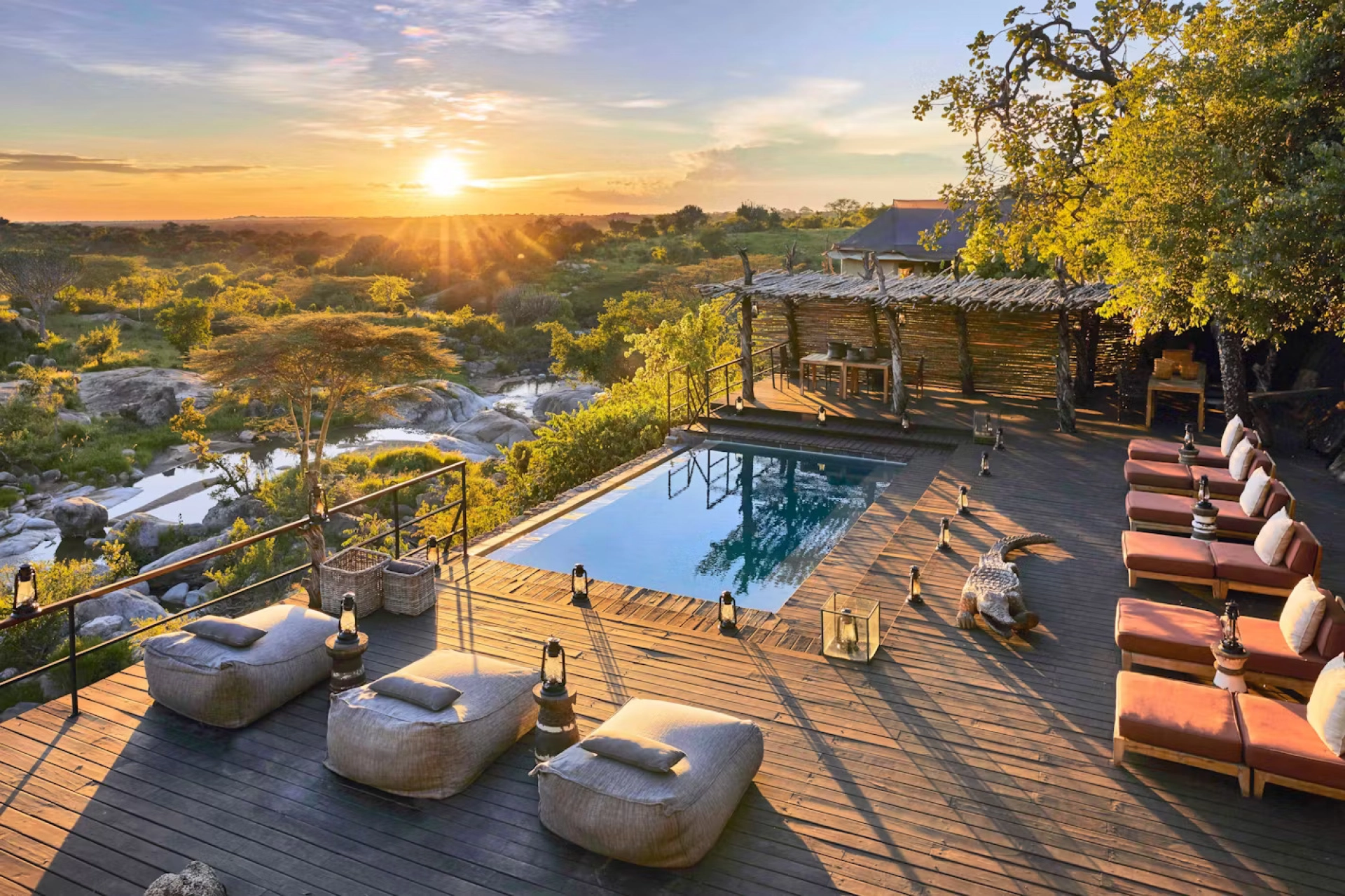
What should I look for when booking a luxury African safari?
When booking a luxury African safari, look beyond the room and compare the quality of guiding, wildlife location,…
Read article
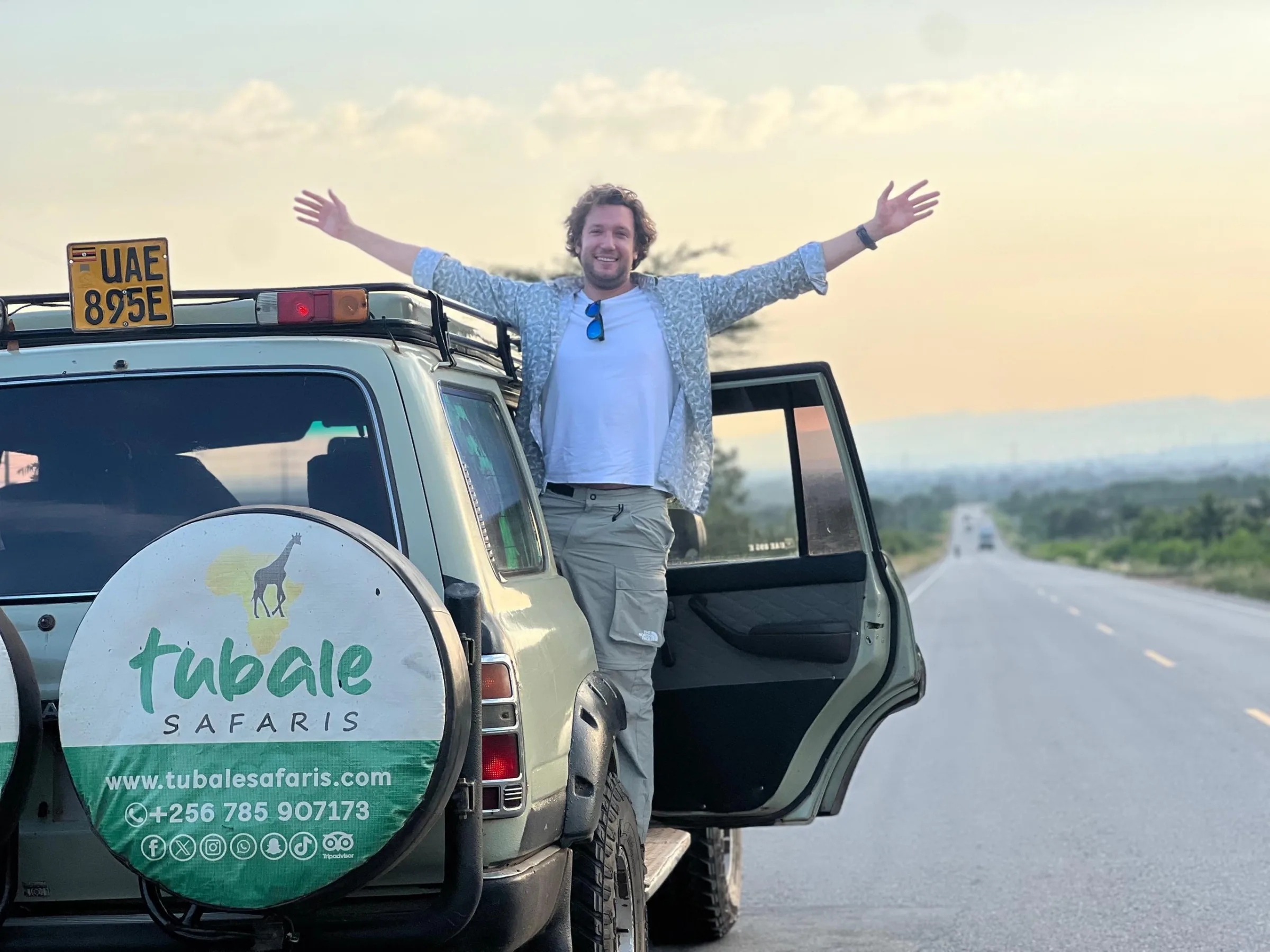
FAQs
A driver-guide typically combines professional safari guiding with responsibility for driving travelers between destinations and conducting game drives, making this model particularly common on private overland safaris. A specialist guide normally has deeper expertise in a particular subject or activity, such as birding, photography, walking safaris, primates, botany or a specific ecosystem. Many experienced driver-guides also possess specialist-level knowledge, so the distinction is not always absolute.
A driver-guide typically combines professional safari guiding with responsibility for driving travelers between destinations and conducting game drives, making this model particularly common on private overland safaris. A specialist guide normally has deeper expertise in a particular subject or activity, such as birding, photography, walking safaris, primates, botany or a specific ecosystem. Many experienced driver-guides also possess specialist-level knowledge, so the distinction is not always absolute.

A safari driver-guide performs two major roles: professional driving and safari guiding.
On a private overland safari, this person may meet you at the airport, drive you between national parks, conduct game drives, coordinate with lodges and explain wildlife, landscapes and local culture throughout the journey.
This model is particularly practical where safaris involve significant road travel.
Rather than having one driver and another person acting as the guide, one professional performs both functions.
The term “driver-guide” should therefore not be interpreted as simply meaning a driver who occasionally talks about wildlife. An experienced professional driver-guide can be the central person responsible for the quality and smooth operation of the entire safari.
The role can be extensive.
On a typical private road safari, the driver-guide may coordinate airport collection, luggage, daily departure times, park entry, game drives, lodge arrivals and transfers between destinations.
During wildlife activities, the guide interprets animal behavior, identifies species, reads tracks and helps position the vehicle.
During long road journeys, they may explain agriculture, geography, communities and cultural differences.
They may also coordinate with local activity providers, boat operators, trekking authorities and accommodation teams.
A good driver-guide therefore combines wildlife knowledge, logistical ability, communication skills and professional driving.
Not necessarily.
The titles describe different roles rather than automatically indicating different levels of quality.
Some driver-guides have spent decades working with wildlife and possess extraordinary knowledge.
They may be excellent birders, photographers or naturalists in addition to managing vehicles and logistics.
Similarly, the title “specialist guide” does not automatically guarantee exceptional ability.
When choosing a safari, investigate the person’s actual experience, qualifications and areas of expertise rather than relying entirely on the title.
A specialist guide concentrates on a particular area of safari knowledge or activity.
The specialization might involve:
Birding.
Wildlife photography.
Walking safaris.
Primates.
Botany.
Reptiles.
Insects.
Conservation.
Culture and history.
A particular ecosystem or geographical region.
A specialist guide may accompany travelers throughout an itinerary or join only for a particular portion.
A specialist birding guide possesses deeper ornithological knowledge than would normally be expected from a general safari guide.
Africa’s bird diversity is enormous, and serious birders often want to identify species that a general traveler might barely notice.
A good birding guide recognizes birds visually and by call, understands habitat preferences and knows where localized species are likely to occur.
They may also understand seasonal movements and subtle identification differences between similar species.
For travelers hoping to build a substantial species list, specialist birding knowledge can dramatically improve the safari.
Probably not.
A good general safari guide should be able to identify many of the birds commonly encountered during the journey and explain interesting behaviors.
Specialist guiding becomes more valuable when birding is a primary objective.
For example, someone traveling with a list of target species requires a very different guiding approach from a traveler who simply enjoys seeing colorful kingfishers and eagles between mammal sightings.
Tell the operator your level of interest honestly.
A photographic guide understands how wildlife behavior and vehicle positioning interact with photography.
They think about the direction of light, backgrounds, shooting angles and where an animal may move next.
They also understand that photographers often want to remain at a sighting considerably longer than general safari travelers.
A specialist photographic guide may also understand camera settings and equipment, although this varies.
The most important skill is often the ability to position the vehicle intelligently without disturbing the animal.
Not necessarily.
A photography guide’s role may focus on helping you create better photographs rather than taking photographs on your behalf.
Some are professional photographers themselves and can provide detailed technical instruction.
Others specialize primarily in positioning and wildlife behavior.
If you want formal photography tuition, ask whether the guide provides that service.
Don’t assume every guide described as photography-friendly offers camera instruction.
Usually.
A specialist photography guide becomes less useful if the vehicle is full of travelers with conflicting priorities.
One photographer may need the vehicle moved forward.
Another may need the opposite angle.
A non-photographer may want to leave.
A private safari vehicle allows the guide to position the vehicle around the photographers’ objectives.
For serious photography, vehicle exclusivity can therefore be nearly as important as the guide.
Walking safaris require specialized skills because travelers are experiencing wildlife outside the protection of a vehicle.
The guide must understand animal behavior, tracks, wind direction, terrain and emergency procedures.
Rules and qualification systems differ between countries and destinations.
Walking safaris should therefore be conducted only under the appropriate local guiding and regulatory framework.
A good walking guide also changes the focus of safari.
Instead of concentrating entirely on large mammals, the experience may explore tracks, plants, insects, dung, birds and ecological relationships that are easy to miss from a vehicle.
A primate specialist may possess deeper knowledge of gorillas, chimpanzees, monkeys and forest ecology.
However, travelers need to understand how official primate activities operate.
When participating in regulated gorilla or chimpanzee trekking, the trek itself is conducted according to the system established by the responsible wildlife authority or protected-area management.
Your private safari driver-guide does not simply decide to lead you through the forest independently.
Your driver-guide will normally transport you to the appropriate briefing or trekking point and assist with the broader logistics.
The actual gorilla trek is conducted with the authorized trekking personnel assigned to the activity.
This distinction is important.
Your driver-guide manages the broader safari journey.
The trekking guide or ranger team manages the specialized forest activity.
After the trek, your driver-guide normally continues with you to the next stage of the itinerary.
A similar principle applies.
Your safari guide may take you to the forest and coordinate timing, but the official chimpanzee activity is generally conducted with the appropriate local guides responsible for that protected area.
This gives travelers access to people who work continuously in the forest and understand current chimpanzee movements and behavior.
The exact terminology differs between countries and protected areas, but ranger personnel may have responsibilities connected to protected-area management, visitor safety, law enforcement, conservation or guided activities.
Some tourism activities involve ranger guides or other authorized park personnel.
The role shouldn’t automatically be treated as identical to that of a private safari driver-guide.
One may be responsible for your multi-day journey, while another leads a specific protected-area activity.
Many fly-in safari camps and lodges operate their own guiding teams.
You arrive at the property and join a resident guide for game drives and other activities.
These guides may work in the same ecosystem for extended periods and develop exceptional local knowledge.
They know individual animal territories, seasonal water sources, road networks and recent wildlife movements.
This can be an enormous advantage.
Not automatically.
They provide different strengths.
A resident guide may know one small ecosystem extraordinarily well.
A traveling driver-guide understands your complete itinerary and becomes familiar with your personal interests over several days.
The resident guide offers depth of local knowledge.
The dedicated driver-guide offers continuity.
Some safaris combine both.
You may have several guides during one trip.
For example, you fly to Camp A and spend three nights exploring with its resident guiding team.
You then fly to Camp B, where another guide takes over.
The safari remains professionally guided, but there is no single person accompanying you across the entire route.
This differs significantly from an overland private safari where one driver-guide remains with you for much of the journey.
Neither is universally better.
Fly-in safaris can provide efficient access to remote areas and exceptional resident guiding.
Road-based private safaris offer continuity and allow travelers to experience landscapes between national parks.
The better model depends on destination, budget and travel style.
Usually not.
A highly competent general safari guide is sufficient for most first-time travelers.
The guide should be able to explain mammals, birds, ecosystems, landscapes and cultural context at an accessible level.
Specialist guiding becomes particularly valuable when the traveler has a specific objective.
If you’re visiting Africa primarily to photograph leopards, identify hundreds of birds or study primates, deeper expertise can justify the additional cost.
Experienced travelers are more likely to benefit from specialists because their interests often become increasingly specific.
A first safari might focus broadly on elephants, lions, giraffes and landscapes.
A fifth safari might focus on wild dogs, nocturnal mammals, birds of prey or photography.
As the traveler’s knowledge grows, specialist guiding can add greater depth.
Some guides specialize broadly in natural history rather than a single taxonomic group.
They may possess advanced knowledge of mammal behavior, ecology, tracks, birds, plants and conservation.
These guides can be particularly valuable to experienced wildlife enthusiasts who want detailed interpretation.
Again, the title itself matters less than the individual’s knowledge and communication ability.
Cultural experiences can benefit from local specialists who belong to or work closely with the community being visited.
A national safari guide may explain the broader historical context, while a community guide can provide more detailed local interpretation.
Responsible cultural tourism should allow communities to represent themselves rather than treating them merely as safari attractions.
Yes.
This can be an excellent arrangement.
Your driver-guide remains responsible for the overall safari, while specialists join for particular experiences.
For example, you might travel with one driver-guide throughout Uganda but use a specialist birding guide in a particular forest, official trekking guides for primate activities and a local guide for a cultural experience.
This creates continuity without sacrificing specialist knowledge.
It can.
Specialist guiding may involve an additional professional fee, accommodation, meals or transportation.
The exact arrangement depends on the safari.
If specialist knowledge is important, request it during the planning stage so the cost can be incorporated transparently into the quotation.
For travelers with serious interests, often yes.
A dedicated birder may see substantially more species with an expert guide.
A photographer may produce better images with someone who understands light and positioning.
A traveler fascinated by plants may discover an entirely different safari through a botanically knowledgeable guide.
But travelers with broad interests may gain more value by investing in a highly competent general guide and a private vehicle.
Start with your priorities.
If your answer is simply “We want an excellent general African safari,” request an experienced professional safari guide.
If your answer is “We want to photograph birds and predators,” mention photography.
If you’re carrying a target list of 300 bird species, request serious birding expertise.
If you want to understand forest ecology and primates in depth, tell the operator.
The more information the safari company has, the better it can match the guide to the travelers.
You can.
If you’ve received a recommendation or traveled successfully with someone before, ask whether that person is available.
But don’t become so focused on a single name that you overlook other excellent professionals.
An experienced operator may know another guide whose interests align even more closely with your safari.
Describe the qualities and expertise you need as well as the person you prefer.
Rather than asking only, “Is the guide experienced?”, ask more specific questions.
Will the same guide remain with us throughout the road safari?
Does the guide have strong birding knowledge?
Is the guide experienced with children?
Does the guide understand photography?
Which languages does the guide speak?
Are specialist guides used for particular activities?
Are lodge game drives private or shared?
These questions reveal how the safari will actually operate.
Both matter.
A great guide in an overcrowded vehicle may struggle to provide the experience you want.
A private luxury vehicle with a weak guide doesn’t solve the problem either.
The strongest combination is an experienced guide using an appropriate vehicle with sensible passenger numbers.
For photography and specialist safaris, this becomes especially important.
For wildlife-focused travelers, guiding may be more important.
A luxury lodge improves the hours you spend at the property.
A great guide influences your game drives, transfers, wildlife interpretation and many of your strongest memories.
Ideally, choose both good accommodation and excellent guiding.
But if budget requires prioritization, don’t automatically spend everything on the room.
For most private overland safaris, an experienced driver-guide provides the best combination of continuity, wildlife interpretation and logistical management.
For highly focused interests such as serious birding, professional photography or specialized natural history, adding a specialist guide can take the experience considerably deeper.
These roles are not competitors.
They are complementary.
A well-designed safari uses the right expertise at the right stage of the journey.
You might begin the trip with a dedicated driver-guide.
A local ranger team leads your gorilla trek.
A specialist forest guide handles another activity.
A boat guide interprets the river ecosystem.
A community guide introduces a cultural experience.
Then your driver-guide continues the journey.
This isn’t inconsistency.
It is often exactly how a professionally designed African safari should work: one person provides continuity while destination specialists provide deeper expertise where it matters most.
Continue with:
The title on a guide’s job description matters less than the guide’s knowledge, professionalism, communication skills and suitability for your interests. The best safari companies match travelers with the right expertise rather than assuming that one type of guide is perfect for every journey.

Share This Article
When booking a luxury African safari, look beyond the room and compare the quality of guiding, wildlife location,…
Read article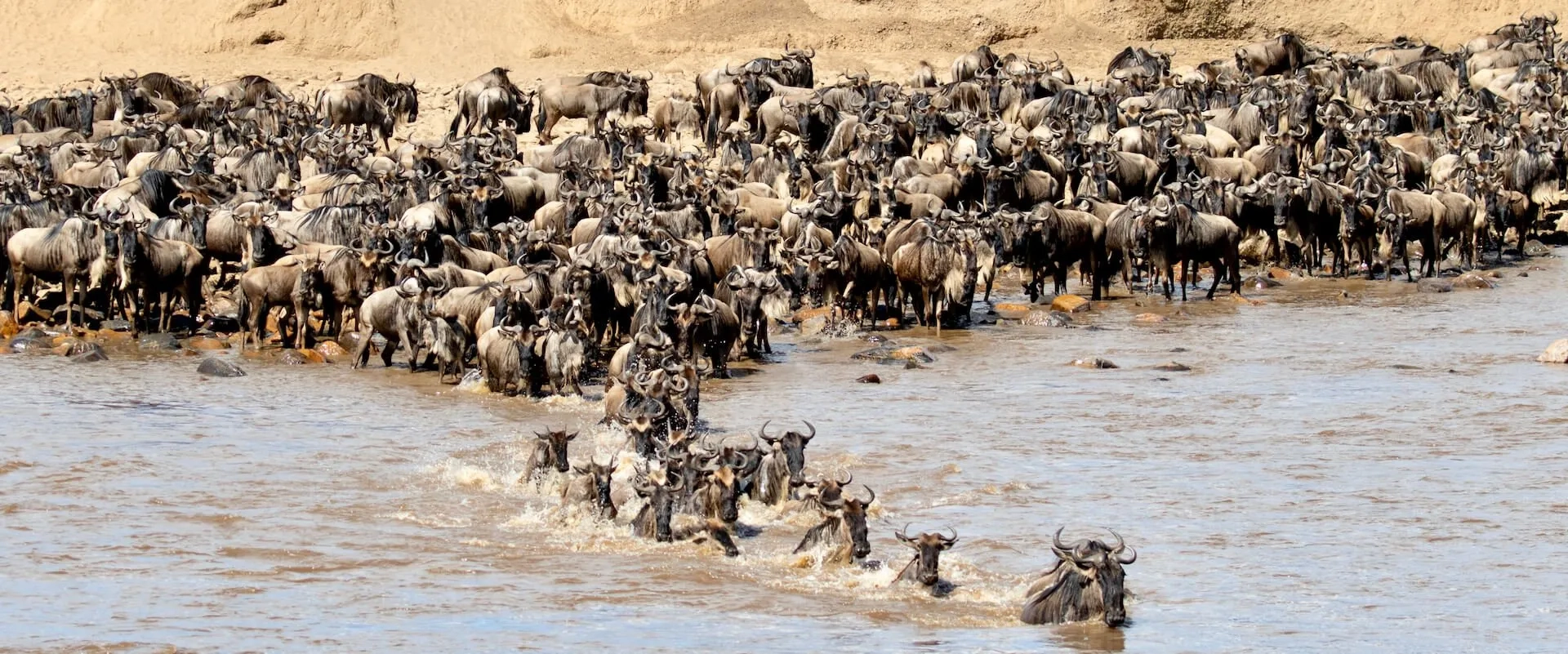
The Great Migration in Africa happens all year because the herds continuously circulate through the Serengeti–Mara ecosystem in…
Read article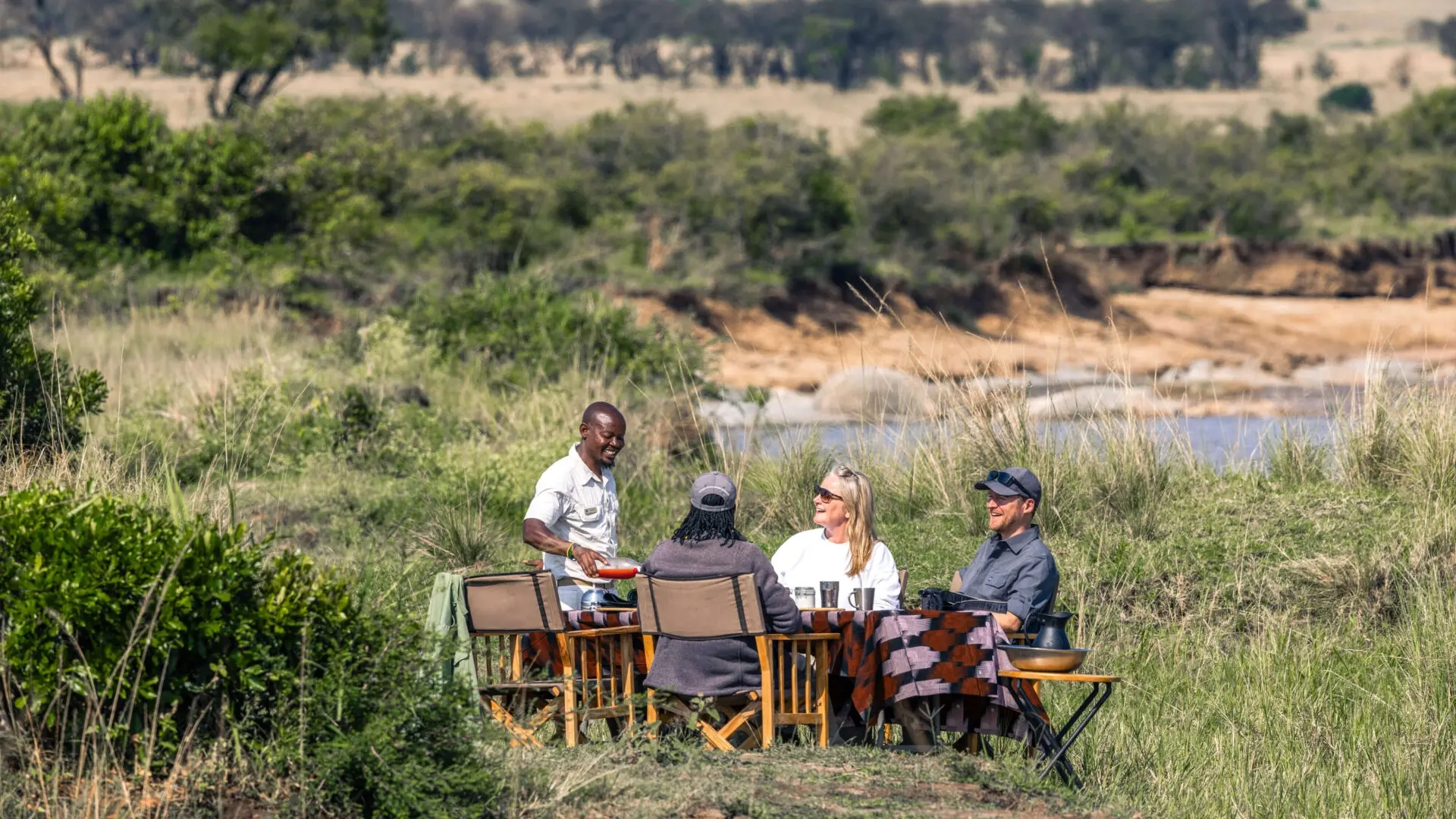
Definitive answer: A picnic lunch on safari is a packed or catered midday meal eaten at an approved…
Read article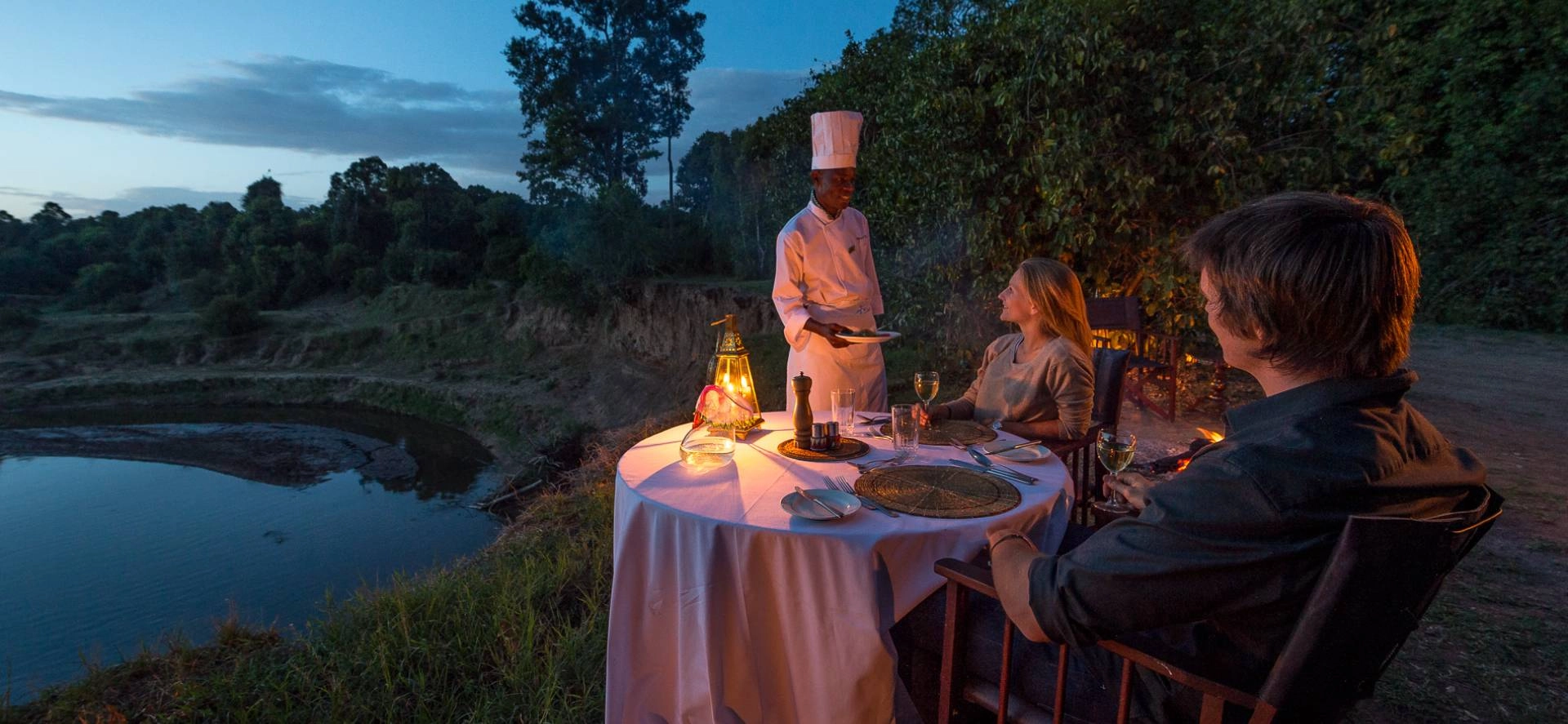
Definitive answer: A bush dinner is an outdoor evening meal arranged in a safe safari setting away from…
Read articleLet us take you closer to the wildlife, people and places that make Africa extraordinary.
Plan Your Safari Today