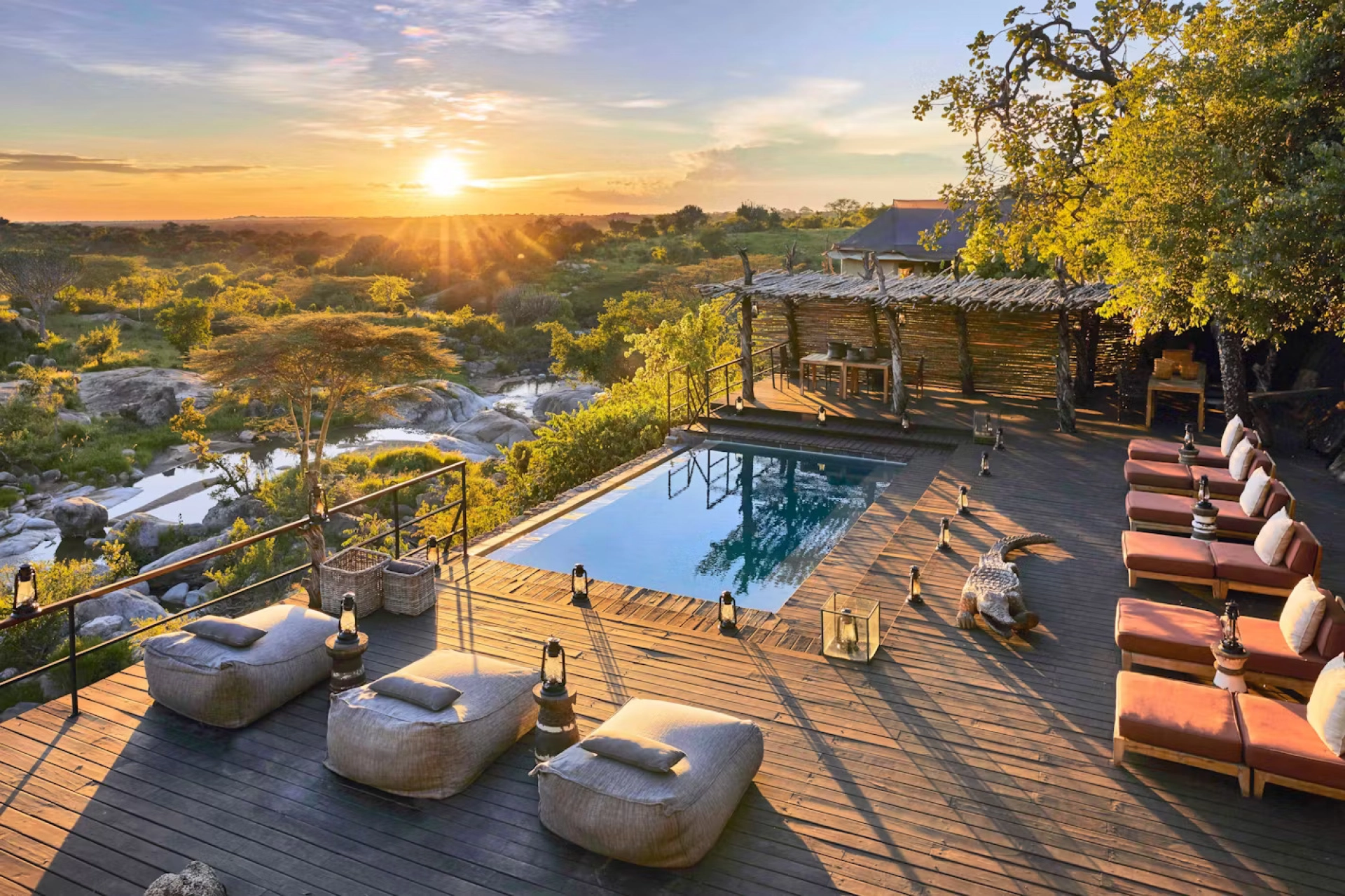
What should I look for when booking a luxury African safari?
When booking a luxury African safari, look beyond the room and compare the quality of guiding, wildlife location,…
Read article

FAQs
A good African safari itinerary balances excellent wildlife opportunities, realistic travel times, logical routing and enough time in each destination to experience it properly. Rather than trying to visit as many parks as possible, the strongest itineraries match destinations to your wildlife priorities, minimize unnecessary backtracking, use strategically located accommodation and alternate intensive safari activities with opportunities to rest.
A good African safari itinerary balances excellent wildlife opportunities, realistic travel times, logical routing and enough time in each destination to experience it properly. Rather than trying to visit as many parks as possible, the strongest itineraries match destinations to your wildlife priorities, minimize unnecessary backtracking, use strategically located accommodation and alternate intensive safari activities with opportunities to rest.
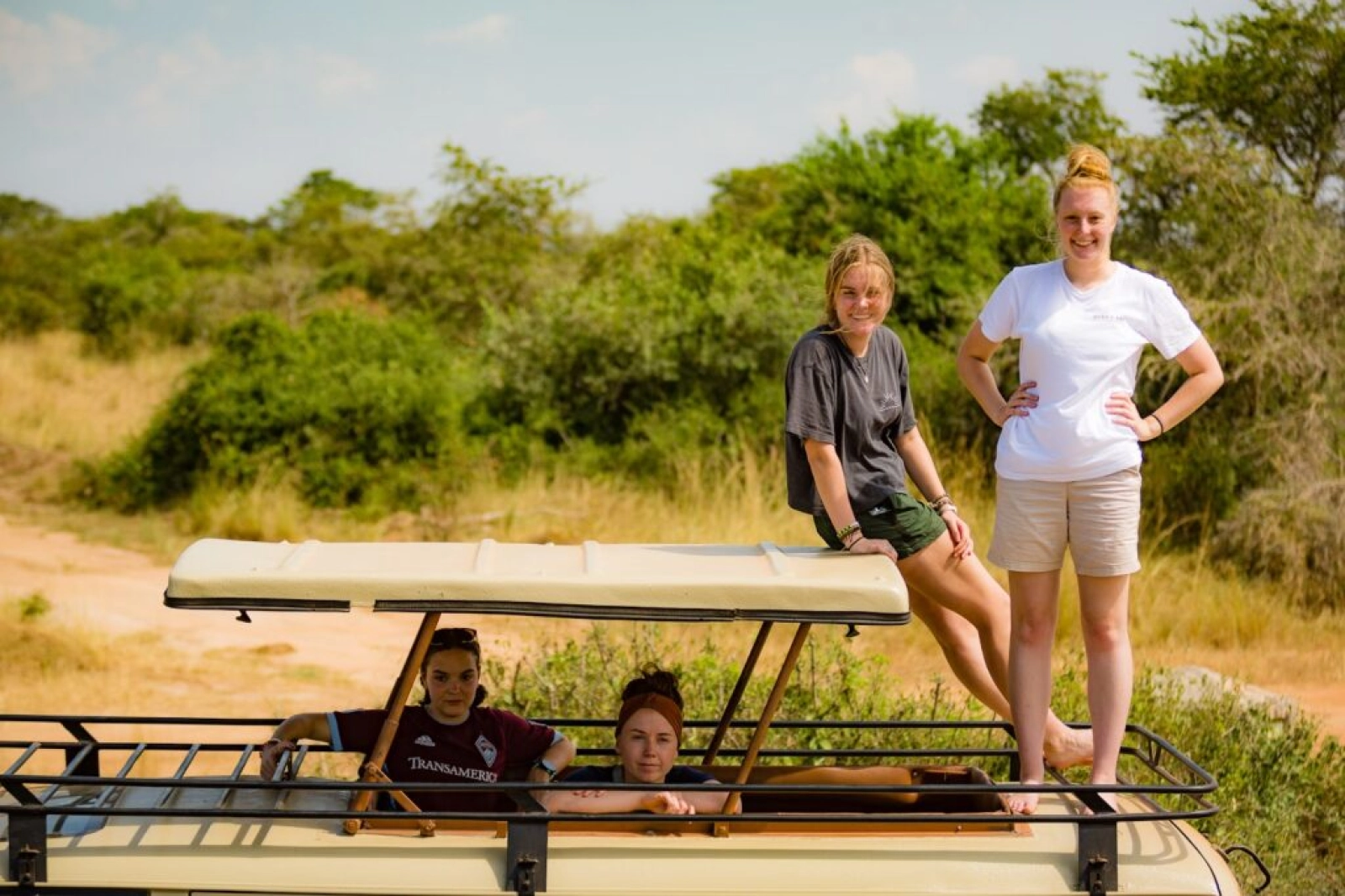
A strong safari begins with a question:
Why are you going to Africa?
The answer should influence almost every itinerary decision.
Someone dreaming of mountain gorillas needs a different itinerary from someone primarily interested in the Great Migration.
A photographer hoping to spend long periods with big cats requires a different pace from a first-time visitor wanting broad wildlife variety.
A family with young children requires different transfer times from a group of experienced safari travelers.
Your objectives should determine the itinerary rather than forcing your priorities into a pre-designed route.
Write down the animals and experiences that matter most.
Perhaps your priorities include:
Mountain gorillas.
Chimpanzees.
Lions.
Leopards.
Elephants.
Rhinos.
African wild dogs.
Birding.
Great Migration.
Boat safaris.
Walking safaris.
Cultural experiences.
Photography.
Once those priorities are clear, destination selection becomes much more intelligent.
Africa’s safari destinations aren’t interchangeable.
A park outstanding for elephants may not be the strongest destination for wild dogs.
A superb gorilla destination obviously isn’t a conventional Big Five savannah ecosystem.
A famous national park may still be unnecessary if another park fits the route and your priorities better.
Good safari planning asks:
What does this destination add to the journey?
Every major stop should have an answer.
One of the clearest signs of a well-designed itinerary is geographical logic.
Destinations should flow naturally.
You shouldn’t repeatedly drive back through the same region unless there is a specific reason.
For example, a Uganda safari can often progress through a logical circuit of primate forests, savannah parks and gorilla regions before returning toward the international airport.
Kenya and Tanzania itineraries can similarly be structured around geographical clusters.
Look at the itinerary on a map.
The route should make sense visually.
Travelers sometimes treat safari planning like collecting stamps.
“Can we add one more park?”
Often, yes.
The more important question is whether you should.
Adding another park might mean leaving the previous destination at sunrise, driving six hours, arriving late, sleeping and departing again the next morning.
Technically you’ve visited another national park.
Experientially you’ve gained very little.
A good safari values depth over destination count.
Two or three nights is often more productive than a series of one-night stays.
Multiple nights create several wildlife-viewing opportunities.
Perhaps your first afternoon is quiet.
The following morning you find lions.
That evening elephants gather near water.
The next morning your guide hears about a leopard sighting.
Time creates possibilities.
Wildlife doesn’t perform according to your itinerary.
Three nights in a destination doesn’t necessarily mean three full safari days.
You might arrive late on Day 1 and leave early on Day 4.
That effectively provides two full days plus partial arrival and departure days.
When comparing itineraries, count actual game-drive opportunities rather than accommodation nights alone.
This reveals how much safari time you’re really buying.
Africa is enormous.
Road journeys that look short on a map can take much longer than expected.
Some routes involve mountain roads, national park tracks, towns, traffic or unpaved sections.
Long drives aren’t automatically bad.
They can provide fascinating views of countryside, villages and changing landscapes.
The problem occurs when almost every day becomes a long transfer.
Domestic and regional flights can transform certain itineraries.
A flight that replaces nine hours of driving may give you an extra afternoon game drive.
That can be excellent value even if the ticket increases the trip cost.
But flying everywhere isn’t automatically better.
Shorter road transfers can be scenic and informative.
The strongest itinerary uses each transportation method strategically.
An extraordinary lodge can be a poor itinerary choice if it’s geographically inconvenient.
Imagine a property requiring an hour’s drive each way to reach the main wildlife area.
You may spend two additional hours traveling every day.
Another lodge might be less luxurious but located directly beside the park.
When comparing accommodation, ask:
How far is it from the park?
How far is it from tomorrow’s route?
Can game drives begin nearby?
What time would we need to leave in the morning?
Location is part of lodge quality.
Not every night requires the most expensive property.
Some travelers prefer investing heavily in strategically important locations and choosing comfortable midrange accommodation on transit nights.
Others want luxury throughout.
The correct approach depends on budget and priorities.
A good operator should explain why each property has been selected rather than simply presenting a list of hotels.
Your vehicle has a major influence on the trip.
You may spend six or more hours inside it on certain days.
For road-based safaris, look for an appropriate 4×4 safari vehicle, good wildlife visibility and sensible passenger numbers.
Ask whether the vehicle has a pop-up roof where appropriate.
Ask whether everyone receives window access.
Ask whether the vehicle is private.
Transportation quality should be evaluated alongside accommodation.
The safari guide can be more important than the lodge.
An experienced guide reads tracks, recognizes alarm calls, understands animal behavior and knows how to position the vehicle responsibly.
They also influence pacing.
A good guide knows when to wait and when to move.
They understand when guests are tired.
They can transform an apparently ordinary wildlife encounter into an educational experience.
Game drives are central to many safaris, but variety can improve the journey.
Depending on destination, consider:
Boat safaris.
Gorilla trekking.
Chimpanzee trekking.
Walking safaris.
Birding.
Cultural visits.
Horseback safaris.
Canoeing.
Coffee experiences.
Nature walks.
Community activities.
The objective isn’t to include everything.
It’s to introduce complementary experiences that prevent the safari from becoming repetitive.
Boat activities can provide an entirely different perspective.
In Uganda, for example, the Kazinga Channel and Nile offer wildlife-viewing opportunities distinct from conventional game drives.
Hippos, crocodiles, elephants, buffalo and waterbirds can often be observed from the water.
After several days in a vehicle, a boat safari also provides welcome physical variety.
Safari days frequently begin early.
Wake-up calls around dawn can accumulate into genuine fatigue.
A strong itinerary therefore includes quieter afternoons, relaxed lunches or occasional later starts.
Rest isn’t wasted time.
It helps you appreciate the next activity.
Travelers who become exhausted halfway through the safari enjoy wildlife less, regardless of how impressive the itinerary appears on paper.
One-night stays can be useful on transfer routes.
They shouldn’t dominate the itinerary.
Every hotel change involves packing, checking out, loading luggage, driving, checking in and unpacking.
Repeated constantly, this becomes exhausting.
Two- and three-night stays generally create a more immersive journey.
Gorilla and chimpanzee trekking deserve special consideration.
These activities can be physically demanding.
Avoid designing a schedule that requires an exhausting overnight journey immediately before trekking.
Arrive in the region with enough time to rest.
Similarly, consider what happens after the trek.
A relaxed afternoon is often more enjoyable than immediately beginning another long transfer.
International arrival days should be realistic.
A traveler landing at 22:00 cannot reasonably begin a six-hour road transfer that evening.
An overnight near the airport may be necessary.
Travelers arriving early can sometimes begin moving toward the first destination.
Build the safari around the actual flight schedule rather than pretending every traveler arrives at 08:00.
The final day deserves equal attention.
Don’t schedule a long, unpredictable road journey immediately before an international flight without sufficient margin.
Traffic, roadworks, weather or mechanical issues can cause delays.
If necessary, position travelers closer to the airport the previous night.
A good safari should finish calmly.
Multi-country safaris require additional breathing room.
Immigration processing can vary.
Vehicles may need formalities.
Groups take longer than couples.
Never build a border day around an exact predicted crossing time.
The itinerary should remain functional even if formalities take longer than expected.
A good safari itinerary works for the actual month of travel.
Wildlife movements, rainfall, road conditions and vegetation change throughout the year.
Migration-focused itineraries require particularly careful seasonal planning.
A route that works brilliantly in August may not be the strongest choice in another month.
Always ask why each destination is appropriate for your travel period.
You don’t need to visit every iconic park on one trip.
Serengeti, Masai Mara, Bwindi, Ngorongoro, Kruger, Okavango and Victoria Falls are extraordinary—but combining too many distant icons can create a logistical marathon.
Africa rewards repeat travel.
Leave something for next time.
A safari for a couple in their twenties can be paced differently from one for a multigenerational family.
Children need breaks.
Photographers need time at sightings.
Older travelers may prefer fewer long road days.
Honeymooners may want more lodge time.
Birders may want slower mornings.
There is no universally correct itinerary pace.
Not every minute should depend on everything going perfectly.
Flights can change.
Rain can slow roads.
Wildlife can delay game drives in the best possible way.
Border procedures can take longer.
A little flexibility prevents minor disruptions from becoming major problems.
A ten-day safari isn’t automatically better than an eight-day safari.
If three days are dominated by unnecessary transfers, the shorter itinerary may offer more meaningful safari time.
Count experiences.
Count game drives.
Count full days.
Then examine the driving.
This gives a much more accurate picture of itinerary quality.
It should feel purposeful without feeling hurried.
You should wake excited rather than exhausted.
Transfers should generally move you logically toward the next experience.
You should have enough time to watch exceptional wildlife rather than constantly checking the clock.
You should occasionally have time to sit at the lodge and simply enjoy being in Africa.
Some of the best safari moments cannot be scheduled.
A leopard crosses the road.
Elephants arrive beside the lodge.
Your guide hears lions calling.
A storm transforms the landscape.
A gorilla group moves closer than expected.
An itinerary packed to the minute has little space for these moments.
The strongest safari plan provides structure without eliminating spontaneity.
It places you in the right ecosystems, with the right guide, at the right time—and gives wildlife enough time to reveal itself.
Continue with:
A good African safari itinerary isn’t defined by how much it contains. It is defined by how intelligently its destinations, activities, accommodation, transportation and time work together.

Share This Article
When booking a luxury African safari, look beyond the room and compare the quality of guiding, wildlife location,…
Read article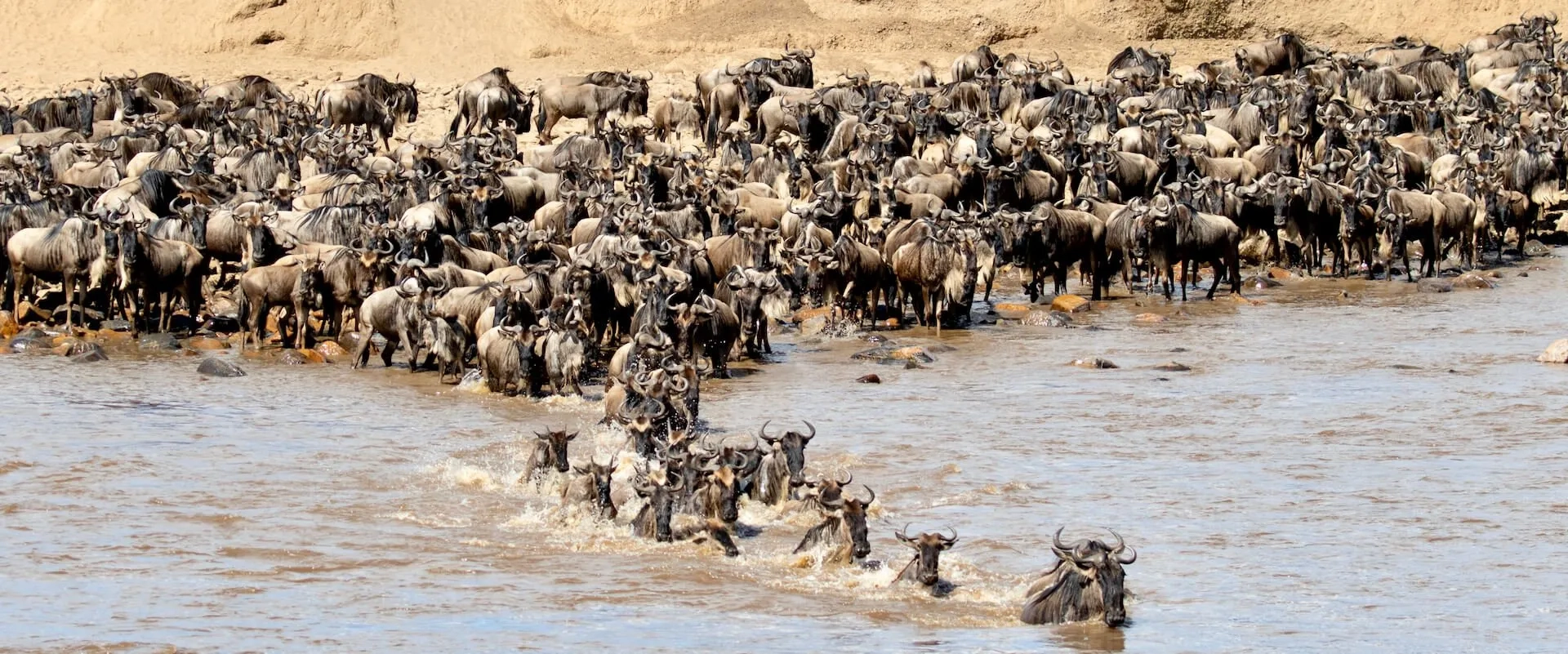
The Great Migration in Africa happens all year because the herds continuously circulate through the Serengeti–Mara ecosystem in…
Read article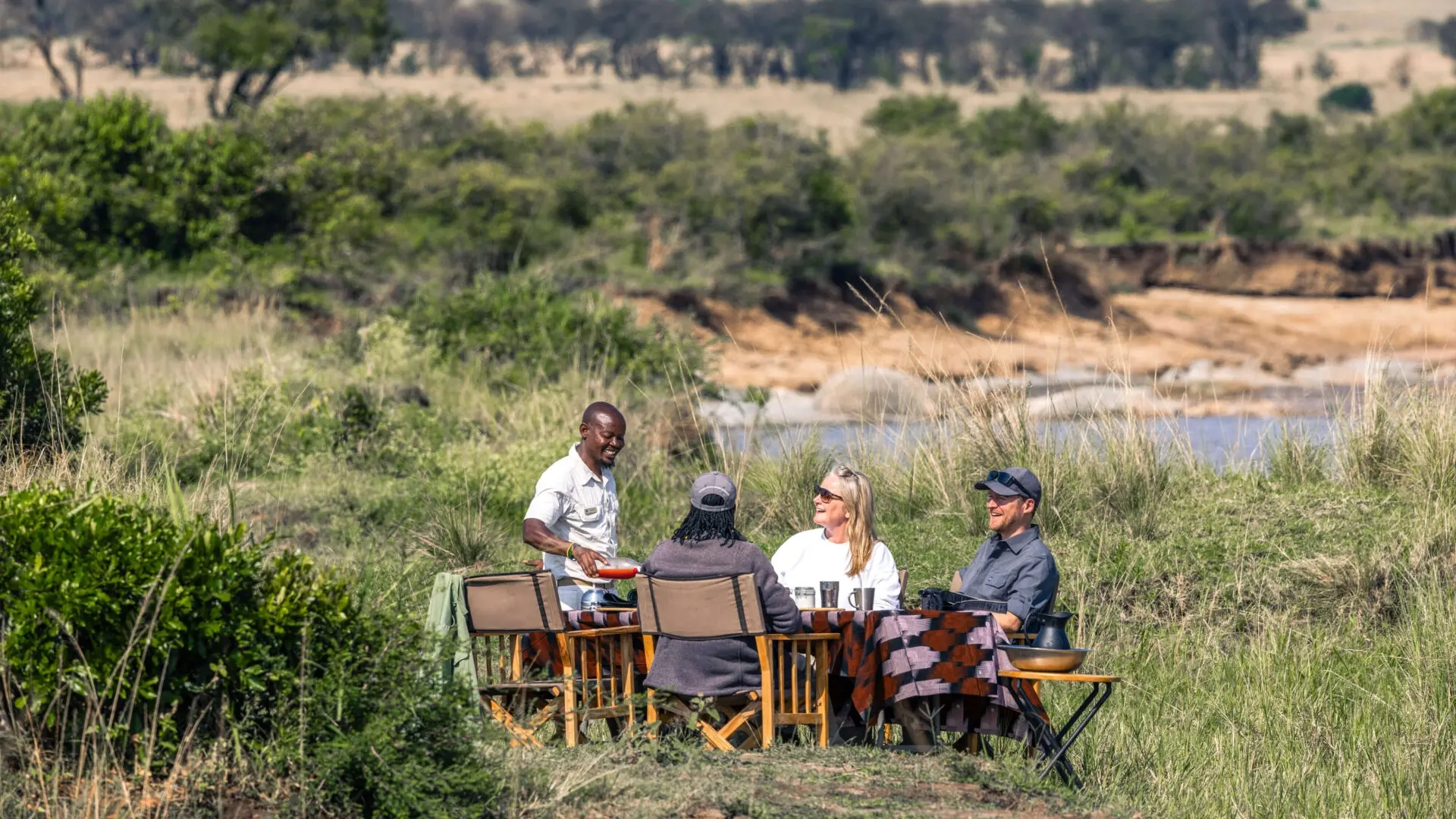
Definitive answer: A picnic lunch on safari is a packed or catered midday meal eaten at an approved…
Read article
Definitive answer: A bush dinner is an outdoor evening meal arranged in a safe safari setting away from…
Read articleLet us take you closer to the wildlife, people and places that make Africa extraordinary.
Plan Your Safari Today