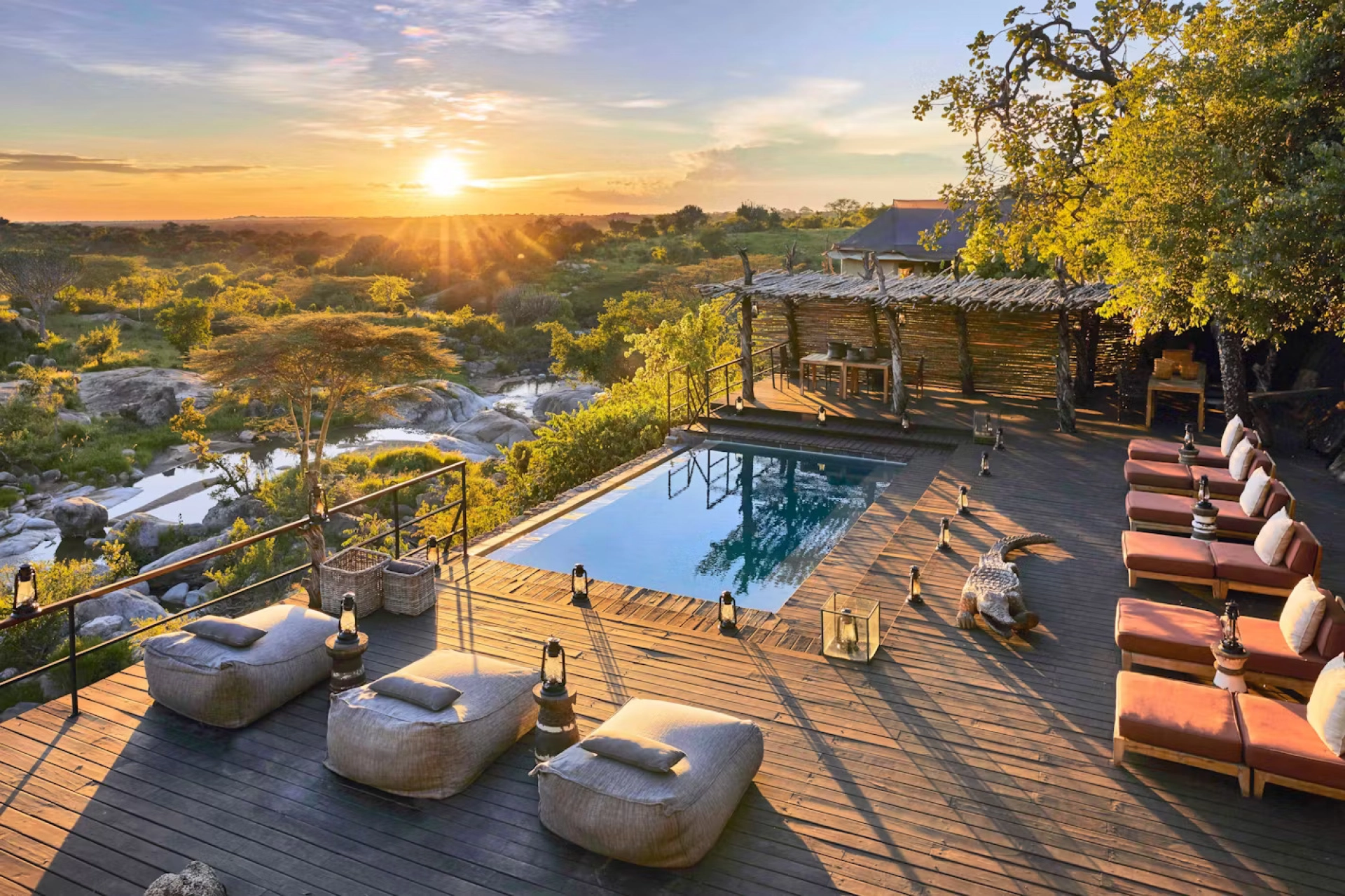
What should I look for when booking a luxury African safari?
When booking a luxury African safari, look beyond the room and compare the quality of guiding, wildlife location,…
Read article

FAQs
A safari itinerary becomes too rushed when travel time begins replacing wildlife time. Warning signs include several consecutive one-night stays, repeated drives of five or more hours, arriving at parks late and leaving early, changing accommodation almost every night and trying to combine too many distant destinations. A good safari needs enough time for wildlife unpredictability, rest and spontaneous experiences.
A safari itinerary becomes too rushed when travel time begins replacing wildlife time. Warning signs include several consecutive one-night stays, repeated drives of five or more hours, arriving at parks late and leaving early, changing accommodation almost every night and trying to combine too many distant destinations. A good safari needs enough time for wildlife unpredictability, rest and spontaneous experiences.
Read the itinerary without looking at the photographs.
Ignore the beautiful lodge descriptions.
Focus only on:
Departure times.
Driving times.
Arrival times.
Number of nights in each location.
Number of hotel changes.
Number of major activities.
The itinerary may suddenly look very different.
A proposal containing eight famous destinations can initially appear impressive.
Once you discover that you’re spending half the trip transferring between them, the trade-off becomes obvious.
Occasionally.
As a general pattern, it often creates an unnecessarily rushed trip.
One night usually means arriving sometime during the first day and leaving the following morning.
That may provide only one game drive.
If wildlife is quiet during those few hours, there is no second chance.
Two or three nights provide substantially greater flexibility.
Because moving hotels consumes energy.
You unpack.
Sleep.
Wake early.
Pack.
Check out.
Load luggage.
Drive.
Check in again.
Repeat.
Even when distances are modest, the constant movement creates fatigue.
Safari travel already involves early mornings and substantial outdoor activity.
Accommodation changes add another layer.
There is no universal limit.
A single six-hour drive can be completely reasonable.
It may move you between two exceptional destinations and provide interesting scenery along the way.
The concern is repetition.
If almost every second day requires five, six or seven hours on the road, ask whether the route is trying to accomplish too much.
Sometimes estimates refer to pure driving time.
Actual travel can take longer once you include:
Fuel stops.
Lunch.
Photography.
Equator stops.
Border procedures.
Traffic.
Roadworks.
Comfort breaks.
Wildlife encountered inside protected areas.
When evaluating a transfer, ask whether the quoted time is realistic door-to-door travel.
Yes.
Road journeys aren’t automatically wasted.
Driving through Uganda, Kenya, Tanzania or other African countries allows travelers to see landscapes, farms, towns and communities that would be invisible from an aircraft.
Some transfer days are genuinely enjoyable.
The problem is when road travel dominates the itinerary at the expense of the experiences you came to Africa for.
This is one of the biggest itinerary warning signs.
Suppose you drive most of the day and arrive at a national park around sunset.
You sleep.
The following morning you take a short game drive and leave for the next destination.
The itinerary may advertise “1 night in National Park X.”
But you’ve barely experienced it.
Look beyond the number of nights and examine actual usable hours.
Surprisingly, yes.
Game drives are exciting, but repeatedly scheduling sunrise and afternoon drives every day without rest can become tiring.
After several 05:30 wake-ups, enthusiasm may decline.
The solution isn’t eliminating game drives.
It’s balancing intensive wildlife days with relaxed afternoons, boat trips, shorter activities or occasional slower starts.
Definitely.
An itinerary containing a game drive, boat cruise, community visit, nature walk and evening activity on the same day may look excellent in a brochure.
In practice, you’re constantly checking the time.
Each experience becomes something to finish before the next begins.
Safari works better when there is enough time to remain at an exceptional wildlife sighting without worrying that you’re already late.
Because wildlife is unpredictable.
You cannot schedule:
09:15 — leopard.
10:30 — lion hunt.
11:45 — elephant herd.
Some mornings are quiet.
Then suddenly everything happens.
Spending multiple game drives in an ecosystem improves the probability of experiencing meaningful behavior.
A rushed itinerary removes that opportunity.
It depends entirely on their location.
Three neighboring destinations connected by short transfers might work well.
Three distant parks requiring repeated long drives probably won’t.
Destination count alone doesn’t determine pace.
Geography does.
Always examine the map.
Again, it depends.
But it deserves careful evaluation.
Ask how many nights are allocated to each park and how much driving occurs between them.
Five destinations might work in a compact circuit.
Alternatively, it might produce five days of sightseeing and five days of transportation.
The itinerary details determine the answer.
Gorilla trekking is a major experience and should be treated accordingly.
Ideally, arrive in the trekking region with enough time to rest before the activity.
Trekking duration is unpredictable because gorilla locations vary.
The walk can be relatively short or physically demanding.
Afterward, many travelers appreciate a relaxed afternoon.
Avoid surrounding the trek with unnecessarily exhausting road journeys where alternatives exist.
The same principle applies.
Chimpanzee trekking often involves walking through forest terrain.
Combining it with a major road transfer immediately before or after can make the day unnecessarily demanding.
When primate experiences are important, build the itinerary around them rather than squeezing them between unrelated destinations.
They can be.
A border crossing adds immigration procedures to an ordinary transfer day.
Even efficient crossings require travelers to leave the vehicle, organize passports and complete formalities.
Delays are possible.
Don’t schedule a border crossing, six-hour drive and tightly timed evening activity unless the route genuinely supports it.
Sometimes.
A one-hour flight replacing eight hours of driving can completely change the trip.
This can be particularly valuable when safari time is limited.
However, flights introduce their own logistics, including airport transfers, baggage restrictions and schedules.
Use them where the time saving justifies the cost and complexity.
Not necessarily.
A poorly designed fly-in itinerary can still rush guests between camps every night.
The advantage of flying is reducing overland travel.
That benefit disappears if every saved hour is immediately filled with another destination.
Good pacing remains important regardless of transportation method.
There is no universal rule, but two or three nights often works well for major wildlife destinations.
Important ecosystems may justify even longer.
A transit stop might need only one night.
The key is matching the length of stay to what the destination offers.
If you’re traveling specifically for photography or rare predators, additional nights can be particularly valuable.
Photography depends heavily on light, animal behavior and patience.
A photographer may want to spend an hour with one leopard.
They may revisit the same area at sunrise.
They may wait for elephants to approach water.
A rushed itinerary prioritizes movement.
Photography often prioritizes waiting.
These goals conflict.
Serious photographers generally benefit from fewer destinations and longer stays.
Children may enjoy wildlife enormously but still become tired of sitting in vehicles.
Swimming, resting, playing and unstructured lodge time can be essential.
A family itinerary that looks “efficient” to adults may be exhausting for children.
Private vehicles can help because game-drive duration becomes more flexible.
Absolutely.
Expensive lodges don’t fix poor pacing.
In fact, rushing between exceptional properties can make the lack of time more frustrating.
Why pay for a beautiful lodge overlooking a river if you arrive after dark and leave at sunrise?
Luxury safari planning should include enough time to enjoy the accommodation itself.
No.
Rest can improve the entire safari.
Use the pool.
Watch wildlife from the lodge.
Have a long lunch.
Review photographs.
Sleep.
Read.
Talk to the guide.
By the following morning, you’ll appreciate the next game drive more.
Safari shouldn’t become an endurance competition.
No.
Sunrise drives are valuable because temperatures are cooler and predators may still be active.
But not every itinerary needs an early activity every single morning.
After several intensive days, a slower breakfast can be worthwhile.
The right balance depends on wildlife priorities and personal energy levels.
Possibly.
Some travelers joke that they need another holiday after their safari.
African travel can certainly be active, but exhaustion shouldn’t be the objective.
A well-paced safari should leave you feeling that you experienced destinations deeply rather than merely survived the schedule.
The simplest solution is often removing one destination.
This can feel difficult.
Every park seems important during planning.
But eliminating one stop may create:
An extra night in two important parks.
Less driving.
More game drives.
A free afternoon.
Later wake-ups.
Better photography.
More flexibility.
Removing something can actually add more to the safari.
Look for the destination requiring the greatest travel effort while adding the least unique value.
If two parks offer similar wildlife and one requires a major detour, consider whether both are necessary.
If a destination provides a completely different ecosystem or essential activity, it may deserve to remain.
Evaluate each stop according to what it contributes.
If time and budget permit, yes.
Sometimes the route itself is excellent but simply compressed into too few days.
Adding one or two nights can dramatically improve pacing.
A nine-day route forced into seven days might feel exhausting.
The same route over ten days could be excellent.
Travelers naturally want value for money.
This can lead to the belief that every hour should contain an activity.
But safari value isn’t measured by the number of lines in an itinerary.
A quiet hour watching elephants at a waterhole may be more memorable than three rushed scheduled activities.
Time itself has value on safari.
The best itineraries contain enough structure to make efficient use of your trip without controlling every minute.
There should be room for an exceptional wildlife sighting to last longer.
Room for a delayed lunch.
Room for weather.
Room for tired children.
Room for photographs.
Room simply to sit quietly and watch Africa.
If removing one destination makes everything else substantially better, remove it.
You probably won’t return home regretting the park you didn’t briefly visit.
You’re far more likely to remember the places where you had enough time to experience something extraordinary.
Continue with:
A safari becomes memorable through the quality of its experiences, not through the number of destinations squeezed into the schedule.

Share This Article
When booking a luxury African safari, look beyond the room and compare the quality of guiding, wildlife location,…
Read article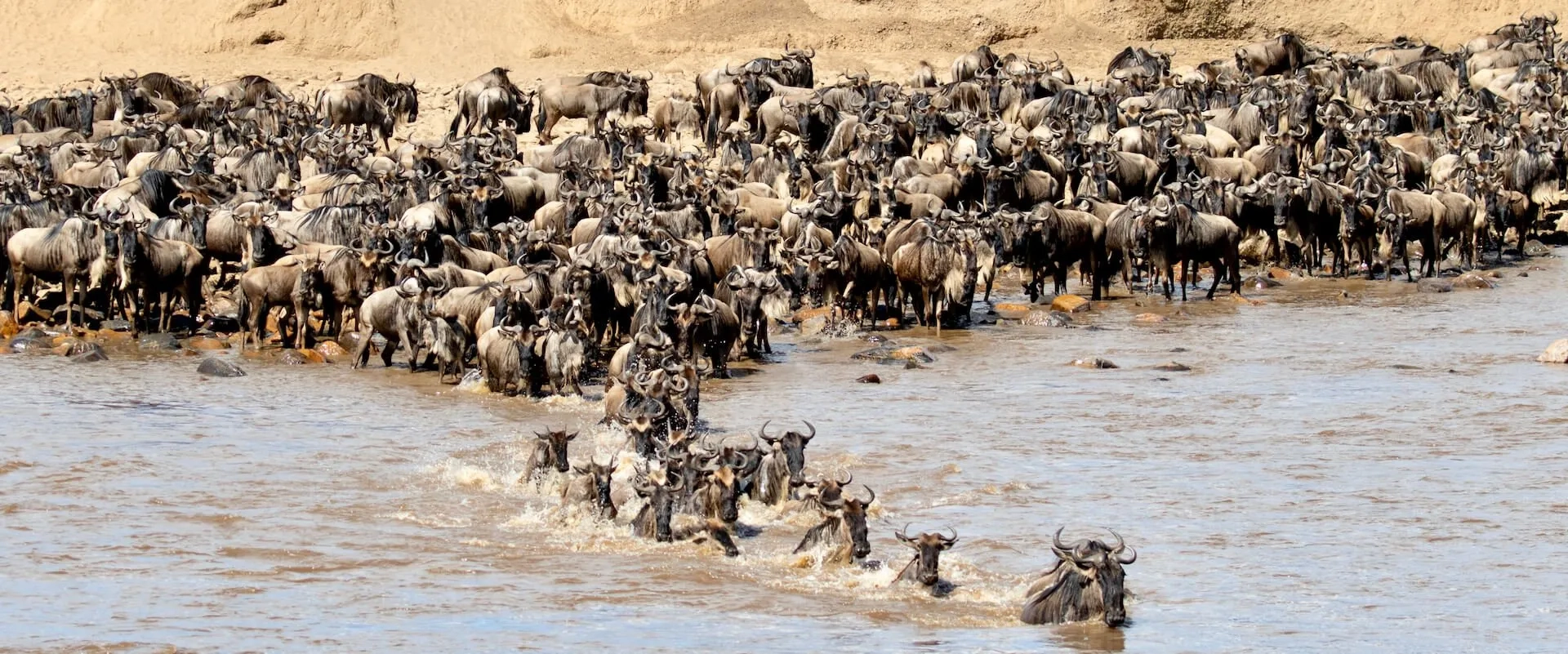
The Great Migration in Africa happens all year because the herds continuously circulate through the Serengeti–Mara ecosystem in…
Read article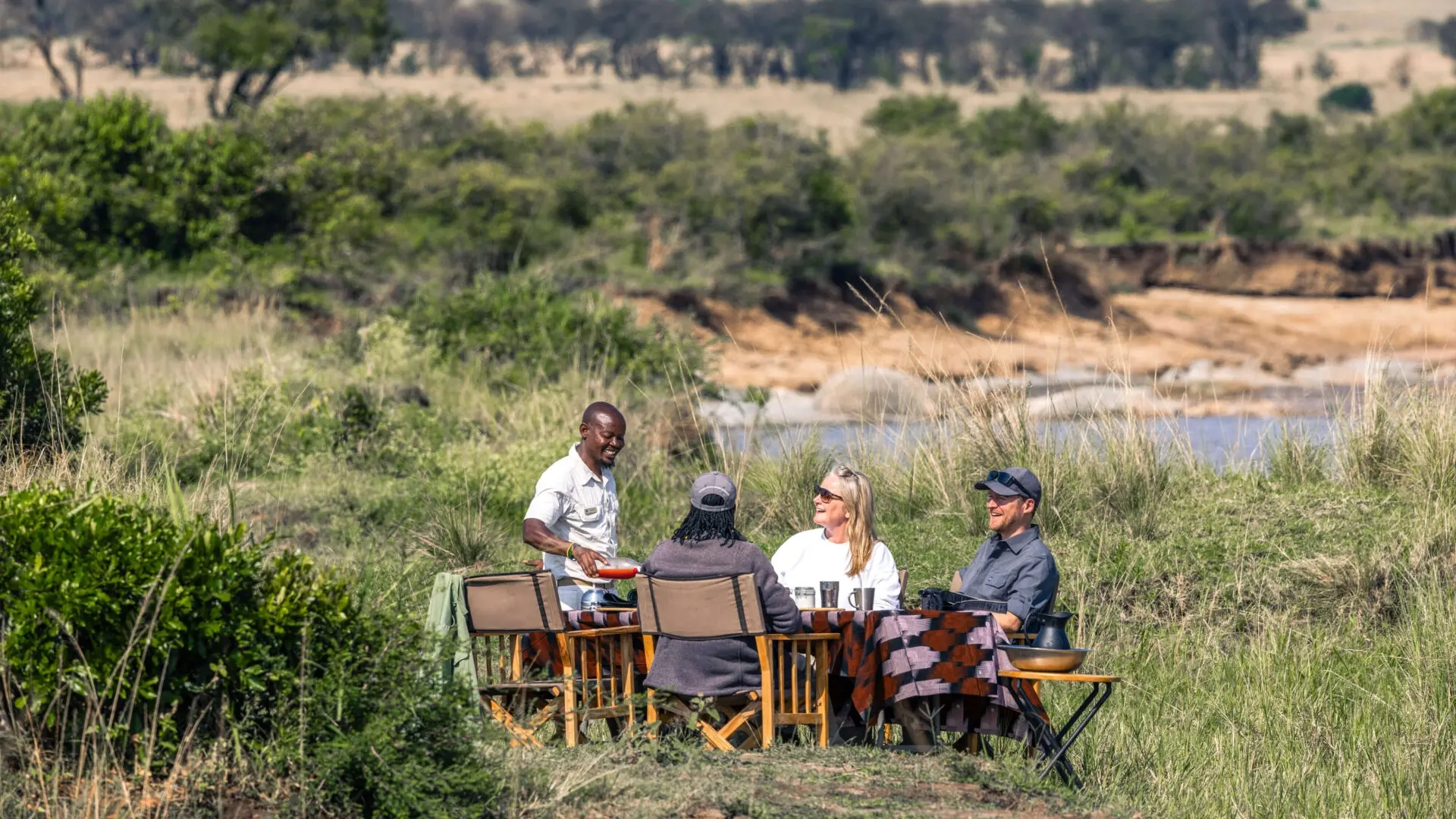
Definitive answer: A picnic lunch on safari is a packed or catered midday meal eaten at an approved…
Read article
Definitive answer: A bush dinner is an outdoor evening meal arranged in a safe safari setting away from…
Read articleLet us take you closer to the wildlife, people and places that make Africa extraordinary.
Plan Your Safari Today