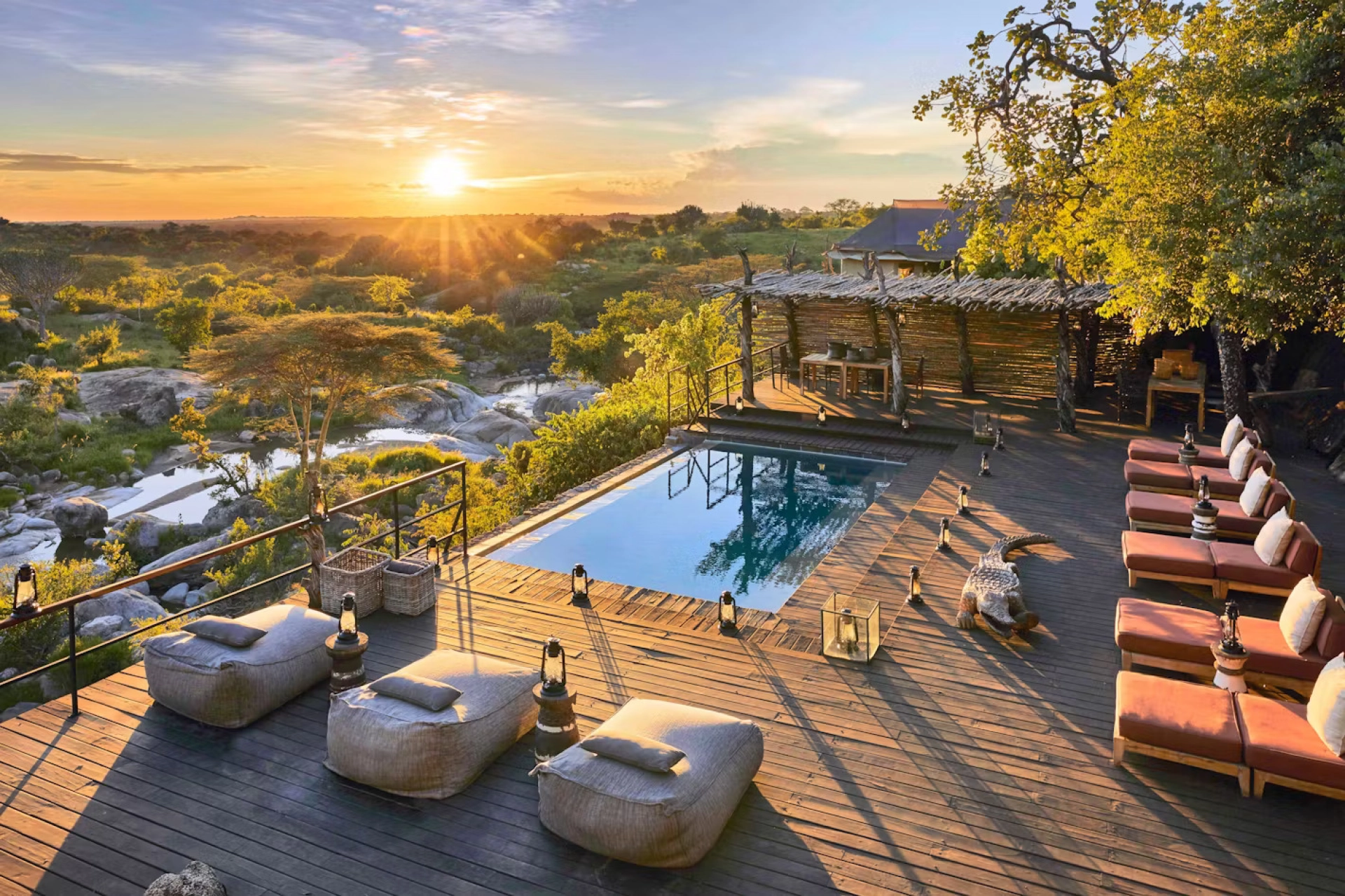
What should I look for when booking a luxury African safari?
When booking a luxury African safari, look beyond the room and compare the quality of guiding, wildlife location,…
Read article

FAQs
Pack children for an African safari with light layers, comfortable closed shoes, a sun hat, sunscreen, insect repellent appropriate for their age, a warm layer for early drives, rain protection when relevant, a refillable bottle and a small daypack. Add essential medicines, travel documents, binoculars and quiet activities for transfers. Pack for the specific destination and season rather than buying a costume-like “safari wardrobe.”
Pack children for an African safari with light layers, comfortable closed shoes, a sun hat, sunscreen, insect repellent appropriate for their age, a warm layer for early drives, rain protection when relevant, a refillable bottle and a small daypack. Add essential medicines, travel documents, binoculars and quiet activities for transfers. Pack for the specific destination and season rather than buying a costume-like “safari wardrobe.”
| Planning factor | What matters most |
|---|---|
| Destination | Match the route to the exact season, wildlife priorities and traveler profile. |
| Pacing | Prefer meaningful stays over repeated one-night stops and rushed transfers. |
| Activities | Confirm eligibility, operating conditions and what is included before booking. |
| Accommodation | Judge location, room setup, safety, guiding access and inclusions—not only star level. |
| Budget | Compare the complete trip cost, including fees, transport, flights and optional experiences. |
A family safari works best when the itinerary is designed around the children rather than treating them as smaller adults. Wildlife viewing can involve early starts, long periods of quiet observation, heat, dust and transfers on uneven roads. The solution is not to remove the adventure, but to choose the right parks, lodge locations, vehicle arrangement and daily rhythm. A private vehicle is particularly useful because the guide can shorten a drive, return to camp for a rest, or spend longer at a sighting that genuinely interests the family.
Age also affects which activities are realistic. Rules differ by country, protected area, lodge and activity, so families should confirm restrictions before paying non-refundable deposits. For example, Uganda Wildlife Authority currently sets a minimum age of 15 for gorilla tracking and 12 for chimpanzee tracking. Other activities such as walking safaris, canoeing, boating and horseback safaris may have operator-specific age, height or competency rules. Ordinary game drives are usually the easiest core activity around which to build a multigenerational itinerary.
Operator planning insight: for younger children, fewer bases and better lodge locations usually produce a better trip than a longer checklist of famous parks. Two or three well-chosen wildlife areas with time to rest can deliver more enjoyable sightings than changing camp every night.
Choose durable, breathable clothes that can be layered. Neutral or subdued colors are practical for wildlife activities, while bright colors are not usually a problem inside a closed vehicle but may be discouraged for some walking activities. Kenya Wildlife Service recommends adaptable clothing because park climates vary, including long trousers or shirts, a hat, sunglasses and lace-up shoes.
Keep the daypack light: water, hat, sunscreen, tissues, a warm layer, small notebook, pencil and binoculars if the child can use them safely. Parents should carry medicines, passports and irreplaceable items. A small field guide can turn quiet periods into a game of identifying birds, tracks or mammals.
Carry prescribed medicines in original packaging and enough supply for the trip, plus a sensible travel medical kit agreed with a clinician or pharmacist. Include hand sanitizer, wipes, lip balm and any familiar child-specific items. Health recommendations depend on destination, age and medical history, so obtain professional travel-health advice well before departure.
For ordinary game drives, comfortable closed walking shoes or trainers are usually sufficient. More technical footwear may be needed for gorilla trekking, longer hikes or wet forest trails. Pack sandals or light shoes for the lodge, but children should not wander barefoot around unfenced bush properties.
Early game drives can feel surprisingly cold, particularly in open vehicles, highlands and southern African winter. Midday can become warm. Layering is more useful than one bulky coat: T-shirt, fleece or sweater, light jacket and, where appropriate, a beanie. Check the actual forecast and elevation before departure.
Bring compact, quiet activities for airports and long transfers: books, cards, drawing materials, downloaded audio and headphones. Avoid turning every game drive into screen time. A wildlife checklist, camera or notebook can help children participate actively in the safari.
Avoid overpacking formal clothes, multiple heavy shoes and large quantities of toys. If the itinerary uses light aircraft, baggage rules may be stricter than international airline allowances and soft-sided luggage may be preferred. Confirm the exact limit on the booked route before packing.
Safari safety depends on following guide and lodge instructions consistently. Children should never approach or feed wildlife, leave a vehicle except where the guide permits, or wander around an unfenced camp. In wildlife areas, an adult should know where each child is at all times. Park rules are operational rules, not suggestions: they protect visitors, guides, wildlife and habitat. Explain the rules before the first game drive so that children understand why quiet voices, seated behavior and distance from animals matter.
There is no single winner, but accessibility is important. Kenya offers classic parks and reserves with many road-based combinations; Tanzania has outstanding northern-circuit wildlife; South Africa offers a broad range of malaria-area and malaria-free options that families can investigate with medical advice; Botswana provides exceptional wilderness but some camps and activities are better suited to older children; Uganda combines savannah wildlife with primates, although specialist tracking ages must be considered. The best destination is the one whose logistics fit the family’s ages, dates and budget.
Before paying a deposit, put every child’s age beside every planned activity and confirm eligibility in writing. Then review each day for wake-up time, driving time, meals and rest. That simple exercise catches many family-safari problems before they become expensive. A successful safari with children should feel adventurous without being relentless.

Share This Article
When booking a luxury African safari, look beyond the room and compare the quality of guiding, wildlife location,…
Read article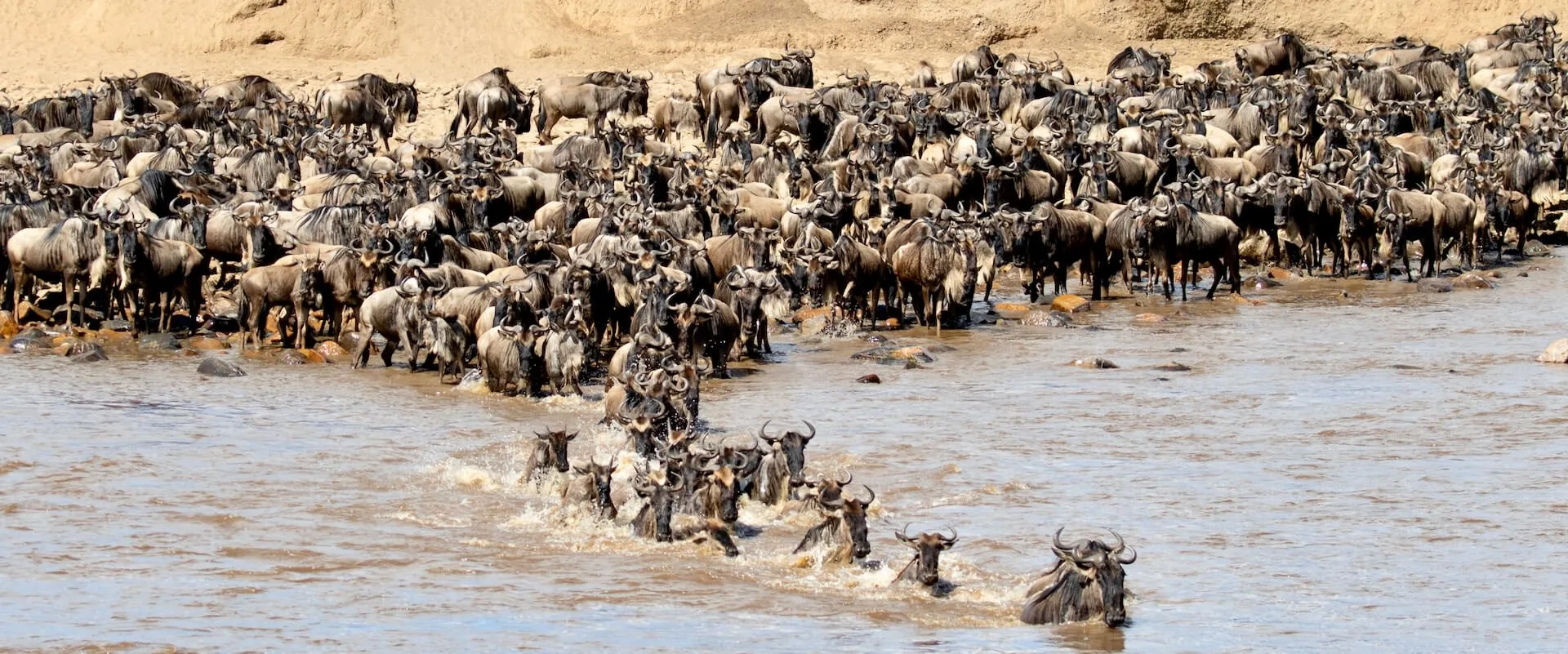
The Great Migration in Africa happens all year because the herds continuously circulate through the Serengeti–Mara ecosystem in…
Read article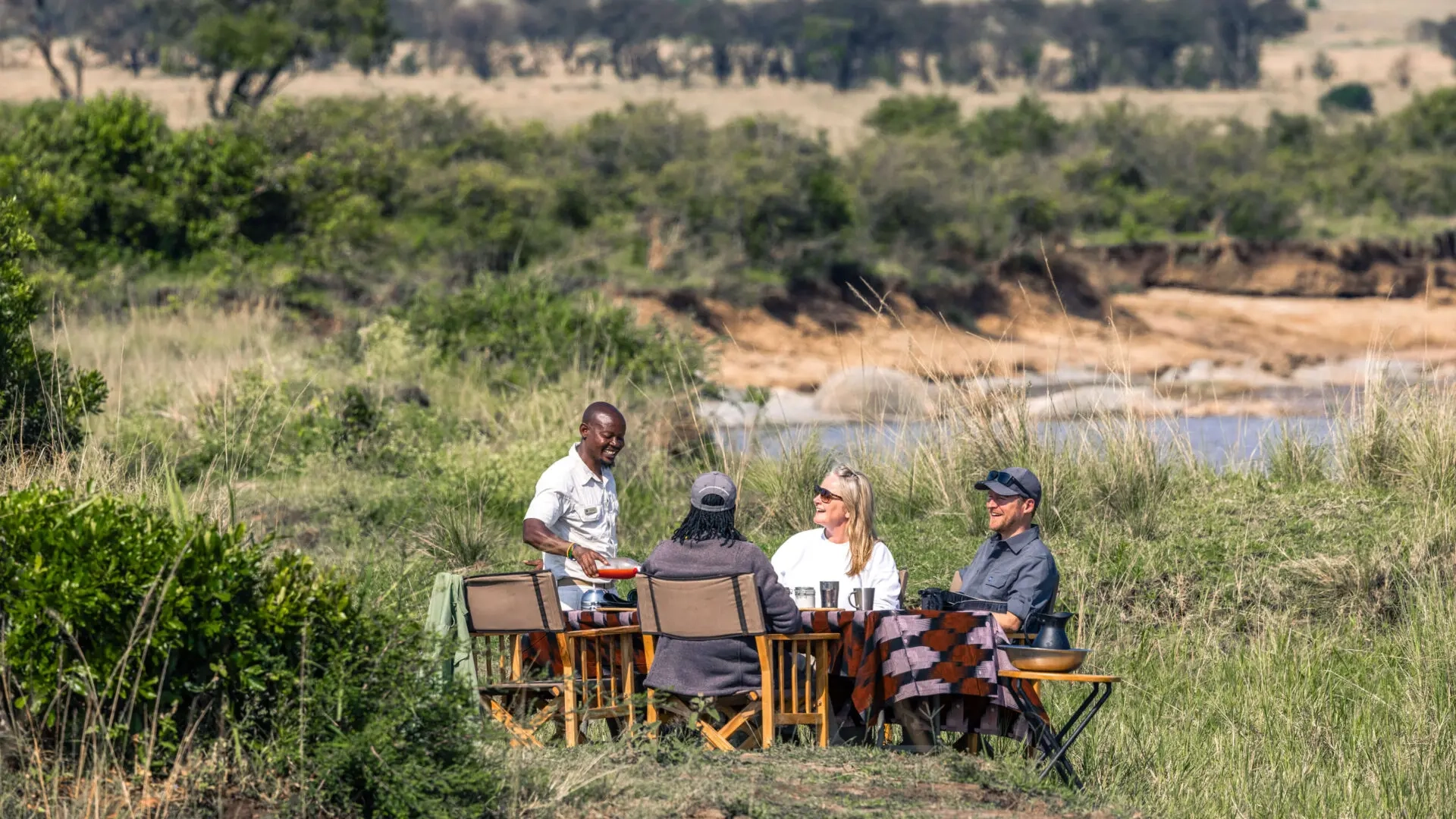
Definitive answer: A picnic lunch on safari is a packed or catered midday meal eaten at an approved…
Read article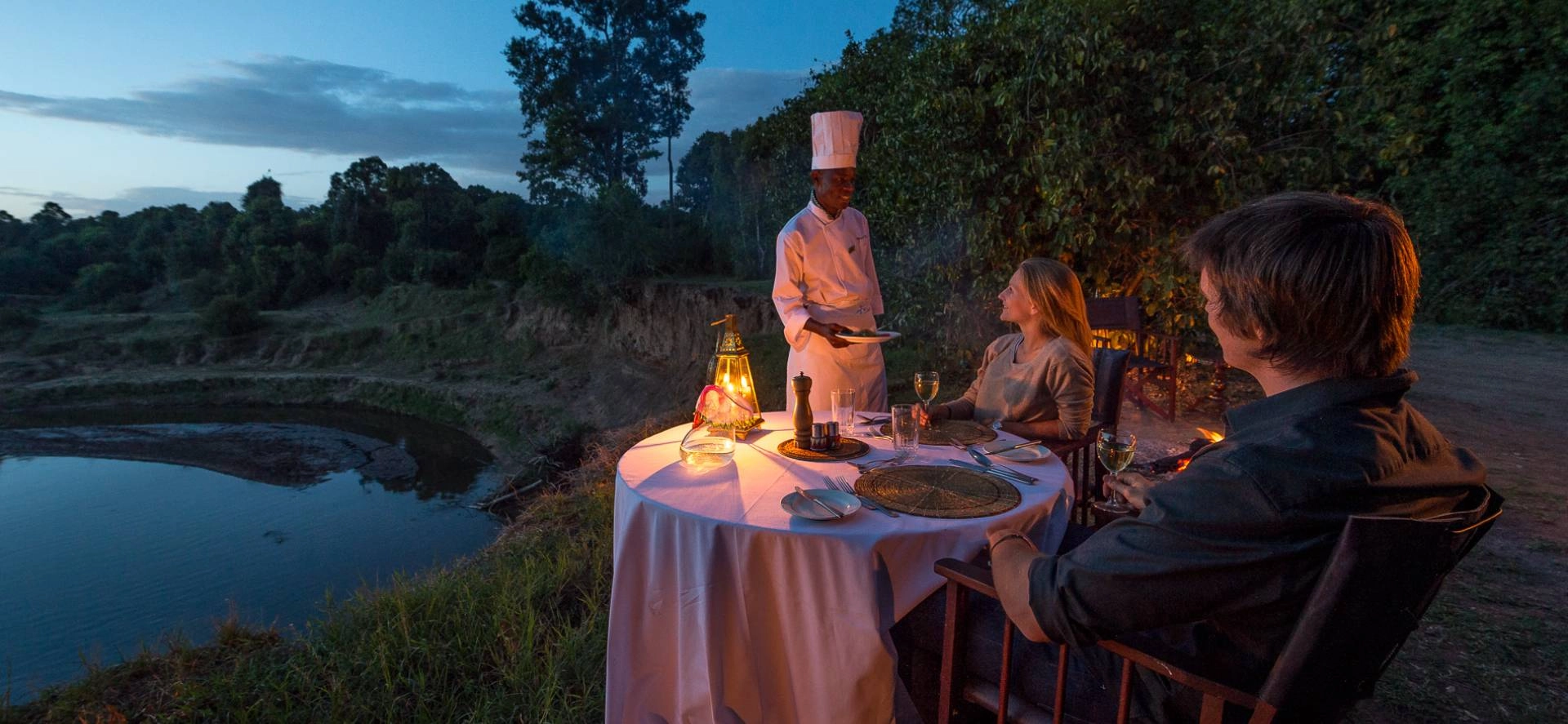
Definitive answer: A bush dinner is an outdoor evening meal arranged in a safe safari setting away from…
Read articleLet us take you closer to the wildlife, people and places that make Africa extraordinary.
Plan Your Safari Today