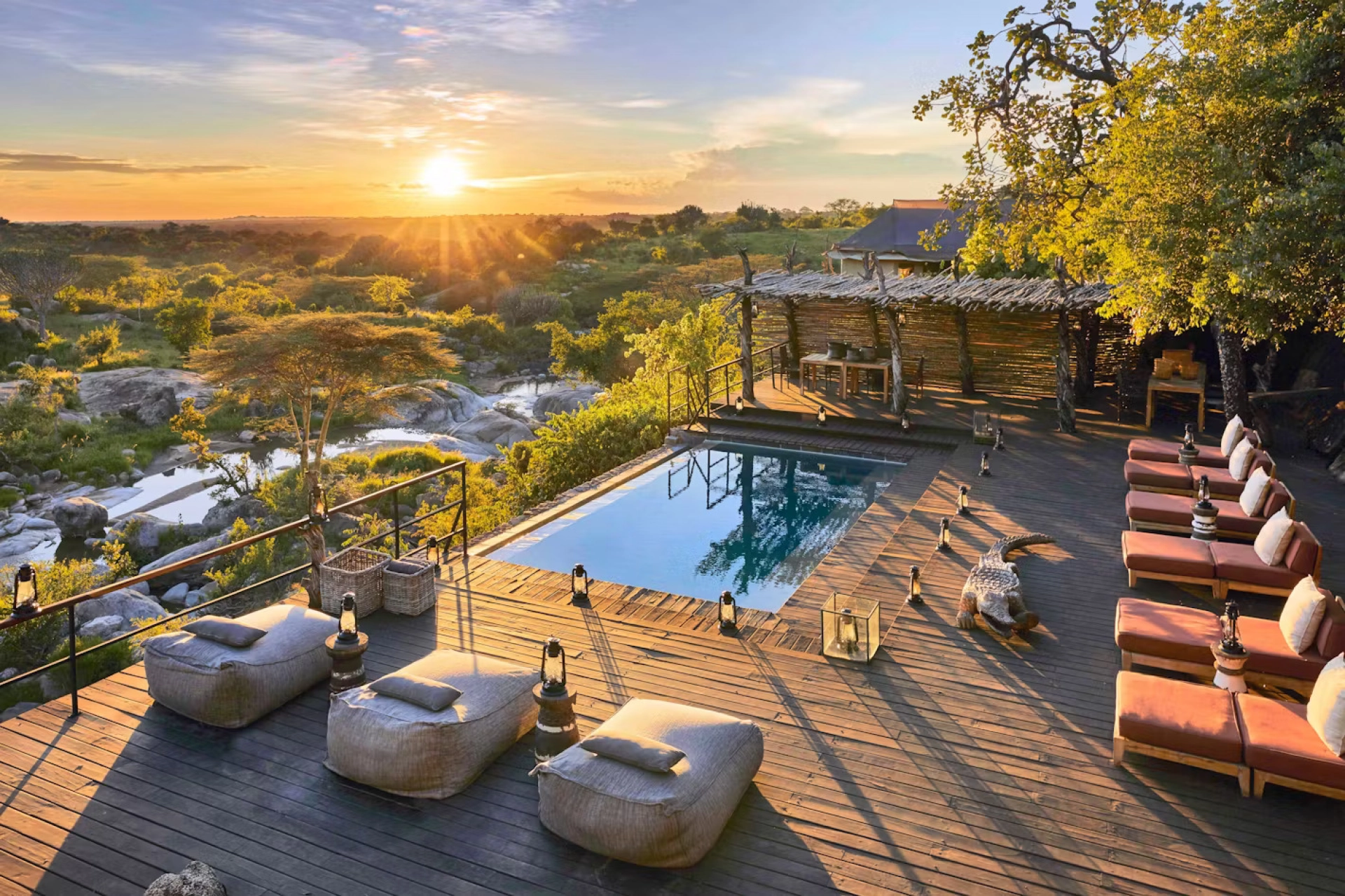
What should I look for when booking a luxury African safari?
When booking a luxury African safari, look beyond the room and compare the quality of guiding, wildlife location,…
Read article

Travel Guide
Deciding what to wear on safari in Kenya is easier once you understand what a safari day actually feels like. Many first-time travellers imagine Kenya as continuously hot because it lies across the equator. They therefore…
Deciding what to wear on safari in Kenya is easier once you understand what a safari day actually feels like. Many first-time travellers imagine Kenya as continuously hot because it lies across the equator. They therefore arrive expecting to spend the entire holiday in shorts and T-shirts. Then they wake before sunrise in the Masai Mara, step outside their tent into surprisingly cool air and discover that the first hour of an open-vehicle game drive can feel cold enough to require a fleece or light jacket. Several hours later, the same traveller may be removing layers as the East African sun rises over the grasslands.
By midday, temperatures can feel warm or hot. In the evening, temperatures fall again. That daily variation is the most important principle behind choosing the best safari clothes for Kenya. You do not need a wardrobe full of specialised expedition clothing. You need practical garments that can be layered, reused, washed easily and adapted to changing temperature, dust, sun and occasional rain. The ideal Kenya safari outfit is therefore less about looking like an explorer and more about comfort. Lightweight trousers, breathable shirts, a warm layer, a practical jacket, comfortable footwear and good sun protection will serve most travellers extremely well.
Colour is also worth considering. Neutral earth tones such as khaki, beige, olive, brown and muted green work well because they hide dust and blend unobtrusively into safari environments. However, you do not need to dress entirely in beige from head to toe. On conventional game drives, sensible comfort is much more important than creating a safari costume.
Your clothing requirements will also vary depending on where you travel. A Masai Mara safari is different from a walking experience in a conservancy. The dry northern landscapes of Samburu National Reserve can feel different from the cooler central highlands. The open plains and wetlands of Amboseli National Park create different conditions from Nairobi. Travellers combining safari with Diani Beach, Watamu or Zanzibar will need an entirely different set of clothes for the coastal part of the journey.
This detailed Kenya safari clothing guide explains what to wear from sunrise to sunset, what colours work best, which shoes to pack, how clothing changes by season and how to avoid filling your luggage with items you will rarely use.
The best African safari clothing should allow you to forget about your clothes once the game drive begins.
If a jacket is uncomfortable, shoes are causing blisters or trousers restrict movement, your attention is being pulled away from the reason you travelled to Kenya. Safari involves surprisingly long periods inside a vehicle. A full game-drive day in Masai Mara National Reserve can involve many hours of sitting, standing through a viewing roof, climbing in and out of the vehicle at approved locations and travelling over uneven tracks. Comfort therefore matters.
Tight jeans may look fine at breakfast but become uncomfortable after several hours inside a 4×4. Heavy cotton garments can take a long time to dry after washing. Very delicate fabrics collect dust quickly. Shoes designed for fashion rather than walking become frustrating around camps and lodges. A practical Kenya safari wardrobe should be breathable, loose enough for movement and suitable for layering.
One of the biggest mistakes when deciding what clothes to pack for Kenya safari is assuming that temperatures will remain consistent because Kenya is equatorial.
Altitude changes everything. Nairobi sits at significant elevation and can feel cool, particularly early in the morning and at night. The Masai Mara also has relatively cool mornings and evenings. Some highland areas can become genuinely chilly. Samburu and parts of Tsavo tend to feel hotter. The Indian Ocean coast is generally warmer and more humid. This means one safari can move through several different climates within a week. A traveller visiting Nairobi National Park, Lake Nakuru, Masai Mara, Amboseli and Diani Beach should not expect one outfit to work equally well everywhere. Layering solves this problem far better than packing bulky clothing.
Layering is the foundation of an effective Kenya safari packing list.
Imagine beginning a Masai Mara game drive shortly before sunrise. You might wear a lightweight safari shirt over a T-shirt, with a fleece or light insulated layer and perhaps a wind-resistant outer jacket. As the sun rises, the jacket comes off. Later, the fleece comes off. By late morning, you may be comfortable in only the shirt.
Nothing needed to be changed completely. You simply adjusted layers. This is much more practical than wearing one heavy garment that becomes unbearable once temperatures rise. The same principle works in reverse during evening game drives. A warm day may end with rapidly falling temperatures once the sun disappears. Keeping a fleece or jacket inside the safari vehicle can make the return to camp much more comfortable.
Lightweight, breathable shirts are among the most useful items in any African safari packing list.
Long-sleeved shirts are especially versatile because the sleeves can be rolled up when conditions are warm and rolled down for sun, dust and insects. A good safari shirt does not need dozens of pockets. The most important qualities are comfort, breathability and ease of washing. Synthetic travel fabrics and lightweight cotton blends can work well. Some travellers prefer merino-based garments because they can be worn repeatedly without retaining odour as quickly as ordinary fabrics.
Neutral-coloured shirts are practical because safari dust is less obvious. A bright white shirt may look perfect when leaving Nairobi but can show red or brown dust quickly after a long drive. That does not mean white is prohibited. It simply requires more frequent washing.
Both have a place.
Short sleeves feel comfortable during warm afternoons and around lodges. Long sleeves provide extra protection from strong equatorial sunlight, dust, vegetation and insects. For this reason, we generally recommend packing more lightweight long-sleeved shirts than many first-time travellers expect. You can always roll the sleeves upward. You cannot extend a short sleeve when the sun becomes intense. This makes a lightweight long-sleeve shirt one of the most versatile pieces of Kenya safari clothing.
Simple T-shirts are excellent layering pieces. They work under long-sleeved shirts, fleeces and jackets. During warmer game drives, they may be all you need. Choose comfortable fabrics that dry reasonably quickly. There is little need to buy expensive safari-branded T-shirts. Your clothing budget is better spent on good shoes, a comfortable jacket or quality binoculars than on garments marketed purely because they are khaki.
Lightweight trousers are generally more versatile than shorts. They protect the legs from sun and dust. They are useful during cooler mornings. They work well during walking activities. They are also appropriate around most camps and lodges. The ideal safari trousers for Kenya should allow comfortable movement while sitting for long periods. Travel trousers with some stretch can be excellent. Convertible trousers that zip into shorts appeal to some travellers, although ordinary lightweight trousers often look and feel better.
Jeans are not forbidden, but they are usually less practical. Denim can feel heavy in heat and takes longer to dry if washed during the trip. For a short safari, one comfortable pair of jeans is perfectly manageable, but they should not form the foundation of your wardrobe.
Yes. Shorts are perfectly practical during warm daytime game drives and around safari lodges. However, they are less versatile than lightweight trousers. If temperatures fall, your legs become cold quickly. During walking activities, long trousers provide additional protection from vegetation and insects. For this reason, travellers asking whether to wear shorts or trousers on safari should generally pack both but rely more heavily on trousers. One or two pairs of shorts are normally sufficient for most safari itineraries.
Neutral colours are the simplest recommendation. Khaki, olive, beige, tan, brown, grey and muted green work particularly well. These colours do not show dust as dramatically as black or white and blend naturally into safari settings. On ordinary vehicle-based safaris, wildlife is accustomed to vehicles. Animals generally perceive the vehicle as one large object rather than closely evaluating the colour of an individual passenger’s shirt. Therefore, travellers should not become unnecessarily anxious about what colors to wear on safari. You do not need to buy an entirely new beige wardrobe.
For conventional game drives, wearing a coloured T-shirt is unlikely to destroy your safari. However, neutral colours are preferable during walking safaris in Kenya, where travellers are outside the vehicle and moving through wildlife habitat. Muted clothing is less visually intrusive. It is also generally better for photography because bright clothing can reflect onto vehicle interiors or become distracting in photographs. Extremely fluorescent colours are best left at home.
You can, particularly around lodges and on vehicle-based game drives. However, dark colours absorb heat and show dust. In some parts of Africa, travellers are also advised to minimise dark blue or black clothing because certain biting insects can be attracted to dark colours. For a general safari wardrobe, earth tones remain simpler and more practical.
One of the most common misconceptions is that everyone needs heavy hiking boots. Most travellers do not. If your safari consists mainly of conventional 4×4 game drives in Kenya, lightweight walking shoes, trail shoes or comfortable trainers are usually sufficient. You spend most of your game-drive time in the vehicle. You may walk between your room and the lodge dining area, move around camp and stop at designated viewpoints. None of this normally requires mountaineering footwear.
The ideal shoes for Kenya safari are comfortable, closed and already broken in before the trip. Do not bring brand-new shoes and discover on the first day that they cause blisters.
Hiking boots become more useful if your itinerary includes substantial walking, mountain trekking or rough terrain. Travellers climbing Mount Kenya, undertaking specialist walking safaris or combining Kenya with gorilla trekking in Uganda should consider more supportive footwear. For mountain gorilla trekking in Bwindi Impenetrable National Park, waterproof or water-resistant hiking footwear with good traction can be particularly valuable because forest trails may be muddy and steep. Thus, the correct footwear depends on the itinerary rather than the word “safari.”
A lightweight pair of sandals or comfortable slip-on shoes is extremely useful around safari lodges. After spending the day in closed shoes, changing into something lighter for dinner can be refreshing. Sandals are also ideal for beach extensions. Travellers combining Kenya safari and Diani Beach will use them frequently. However, walking barefoot around unfenced safari camps is generally unwise. Follow lodge instructions because wildlife may move through camp.
Comfortable socks matter more than travellers expect. Choose breathable socks that work with your footwear. If you will be walking extensively, proper hiking socks can reduce friction and improve comfort. For ordinary vehicle safari, lightweight everyday socks are sufficient. Pack enough pairs to rotate while laundry is being completed.
If there is one item first-time travellers consistently underestimate, it is the fleece. A lightweight fleece or similar warm layer can transform an early morning game drive. The Masai Mara before sunrise can feel surprisingly cool, particularly when the safari vehicle begins moving. Wind increases the chill. A fleece adds warmth without occupying excessive luggage space. It can then be removed easily as temperatures rise. For travellers visiting Kenya’s highlands, the same layer becomes useful around lodges after sunset.
A lightweight outer jacket is highly useful. It should ideally resist wind and light rain. Heavy winter jackets are unnecessary for conventional Kenyan safaris, but a thin insulated or weather-resistant layer can be invaluable. The combination of a T-shirt, long-sleeved shirt, fleece and lightweight outer shell allows you to handle a surprisingly wide temperature range. That is the essence of layering for African safari.
Even during relatively dry months, a compact rain jacket is worth packing. Tropical and equatorial weather can change. Safari vehicles may have protection from rain, but showers can still occur during lodge walks, transfers or outdoor activities. During wetter months, a waterproof layer becomes more important. A good rain jacket should be lightweight enough to remain inside your daypack.
A wide-brimmed hat provides better sun protection than a baseball cap because it protects the ears and neck. However, hats need to fit securely. A loose safari hat can disappear quickly when an open vehicle accelerates. Some travellers prefer hats with adjustable straps for this reason. A cap works well if you apply sunscreen carefully to exposed areas. The best choice is simply a hat you are comfortable wearing for several hours.
The East African sun can be intense. Quality sunglasses are therefore an essential Kenya safari accessory, particularly when game drives cross open plains. Polarised lenses can reduce glare. Bring a secure case because sunglasses can easily be damaged inside a crowded safari bag. A retaining strap can also be useful for open vehicles.
The best safari clothes for women prioritise comfort over appearance. Lightweight trousers, long-sleeved shirts, breathable T-shirts and layered outerwear are ideal. Sports bras can be particularly useful because safari tracks can be rough. Even excellent 4×4 vehicles move considerably on unpaved roads. For lodge evenings, casual clothing is normally perfectly acceptable. Most safari lodges do not require formal dress. A comfortable dress or lightweight evening outfit can be packed if you enjoy dressing differently for dinner, but it is not necessary.
The same principles apply to safari clothing for men. Lightweight trousers, breathable shirts, T-shirts, a fleece and practical footwear form the foundation. Shorts are useful during warm periods. There is generally no need for formal trousers or jackets unless your itinerary includes a specific city restaurant or special event. Most safari camps value relaxed practicality.
The Masai Mara safari clothing challenge is temperature variation. Morning game drives can begin cold. Midday can become warm. Evenings cool again. Layers therefore matter much more than extremely lightweight hot-weather clothing alone. Dust also becomes significant during dry periods. Neutral clothing hides dust better and reduces the need to worry about keeping garments visually perfect. If you are travelling during the wetter or green season, a rain layer becomes more important.
Amboseli National Park can become warm and dusty, particularly during dry periods. Lightweight clothing works well. A hat, sunglasses and sun protection are essential. Morning drives can still feel cool. Because Amboseli is exceptionally photogenic, photographers should avoid clothing with loose straps or accessories that interfere with camera equipment. A simple layered safari outfit works best.
Samburu National Reserve is generally hotter and drier than highland safari destinations. Lightweight breathable clothing is therefore especially valuable. Long sleeves can protect against strong sun without requiring repeated heavy sunscreen application across the arms. A wide-brimmed hat becomes useful. You should still carry a light warm layer because early departures can feel cooler than daytime temperatures suggest.
Nairobi’s altitude surprises many travellers. Evenings and mornings can feel cool. Ordinary casual city clothing is perfectly suitable. When visiting Nairobi National Park, you can use the same safari layers you would use elsewhere. For restaurants, hotels and urban attractions, smart-casual clothing is usually sufficient. Travellers should remember that their safari wardrobe does not need to make them look permanently dressed for the bush while spending time in the city.
Safari lodge dress codes are generally relaxed. After returning from a dusty game drive, most travellers shower and change into fresh casual clothing. You do not need formal evening wear. Comfortable trousers, a shirt, a dress or simple casual outfit is appropriate in most properties. Luxury lodges may have elegant surroundings, but they still understand that guests are on safari. If you are travelling in cool highland areas, evenings may require a sweater or jacket.
A walking safari in Kenya requires slightly more consideration because you are moving through the landscape outside a vehicle. Neutral colours become more important. Long trousers are generally preferable. Closed walking shoes provide protection and grip. A lightweight long-sleeved shirt protects against sun and vegetation. Avoid noisy fabrics. Follow your guide’s instructions carefully. Walking safaris are about observing the environment at a completely different scale: tracks, plants, insects, birds and signs of wildlife become more important than chasing large mammals.
During dry periods, expect more dust. Neutral-coloured clothing is particularly practical because dust blends into khaki and beige more easily than black. A scarf or lightweight buff can protect your nose and mouth during particularly dusty drives. Temperatures may be warm during the day but mornings can still be cold. The mistake is assuming “dry season” means “hot all day.”
During wetter periods, fast-drying fabrics become more valuable. A proper rain jacket is worth carrying. Water-resistant footwear can improve comfort, particularly if walking around camp on wet ground. The landscape may be greener, but humidity and mud can increase. Avoid heavy cotton garments that remain damp for long periods. Laundry also takes longer to dry in cloudy weather.
January and February often provide relatively dry safari conditions in many parts of Kenya. Lightweight clothing dominates daytime wear. Early mornings still require layers. A fleece remains worthwhile, particularly in Masai Mara and highland areas. Sun protection should be taken seriously because equatorial sunlight can be intense even when temperatures feel pleasant.
July and August can bring some of the coolest safari mornings. Travellers visiting Masai Mara during the Great Migration season should absolutely carry a warm layer. Open vehicle movement before sunrise creates significant wind chill. During the day, conditions become more comfortable. This large temperature swing is exactly why layering works so well.
A Great Migration safari in Kenya does not require special clothing beyond standard safari attire. However, travellers may spend long periods waiting near wildlife activity. Comfort therefore becomes even more important. Wear trousers that remain comfortable while sitting. Keep your hat and sunglasses accessible. Carry a warm layer for early starts. A light scarf or buff is useful against dust. Photographers should choose clothes with pockets that do not obstruct camera straps or equipment.
Tsetse flies occur in some African safari regions, although their distribution differs significantly by destination. General safari guidance often recommends avoiding very dark blue and black clothing in areas where tsetse flies are a concern because those colours can attract them more strongly. For a multi-country safari, neutral khaki, tan, olive and muted green remain straightforward choices. Your guide can advise about conditions along the exact route.
Long sleeves and trousers can reduce exposed skin during mornings and evenings. This is useful even when insect repellent is also used. Travellers should follow appropriate professional medical advice regarding malaria prevention and other health precautions before travelling. Clothing is only one layer of protection and should not be treated as a substitute for relevant medical guidance.
Kenya’s location near the equator means ultraviolet exposure can be strong. The wind generated by a moving vehicle can make temperatures feel comfortable while sunlight remains intense. This can lead travellers to underestimate sunburn risk. Long sleeves, hats, sunglasses and sunscreen are therefore essential components of what to pack for a Kenya safari.
Many safari lodges and camps offer laundry services, although policies vary. This means you usually need far fewer clothes than expected. A traveller on a ten-day safari does not necessarily need ten complete outfits. Several shirts and trousers can be rotated. Laundry reduces luggage weight and makes travel in small safari aircraft easier. Some properties may have restrictions on washing certain personal garments, so travellers should check lodge information if this matters.
Overpacking creates more problems than it solves. Safari vehicles have limited luggage space. Small aircraft often impose more restrictive baggage allowances than international airlines. Soft-sided bags can be easier to store than large rigid suitcases. Packing lightweight, reusable clothing therefore makes the journey significantly easier. A carefully selected Kenya safari packing list can fit into a surprisingly small bag.
Photographers should think about how clothing interacts with equipment. Loose scarves can catch camera straps. Bulky jackets can restrict movement. Large hard objects inside chest pockets can become uncomfortable when leaning against vehicle rails. A lightweight photography vest can be useful, but it is not essential. Most photographers are better served by a well-organised camera bag and comfortable clothes.
Avoid turning safari clothing into a complicated set of prohibitions. The basic rule is simply practicality. Extremely bright fluorescent clothing is unnecessary. Heavy formal garments are inconvenient. Uncomfortable shoes are a mistake. Very delicate fabrics become dusty quickly. Strongly scented perfume may be undesirable during close-contact nature activities. Camouflage-patterned clothing can also be legally sensitive in some countries because certain camouflage uniforms may be associated with military use. Travellers on multi-country African safaris are better served by plain neutral clothing.
No. You can create an excellent safari wardrobe for Kenya using ordinary outdoor and travel clothing. There is no need to purchase a shirt simply because a company markets it as “African safari wear.” Comfortable walking trousers from an outdoor shop can work perfectly. A plain breathable shirt can be excellent. Your existing fleece may be ideal. Safari quality is determined by the wildlife, guide and itinerary—not by whether your clothing carries a specialised safari label.
A Kenya safari and beach holiday requires two wardrobes, but both can remain compact. Safari clothing should focus on layers, neutral colours and practical footwear. The coast requires lightweight casual clothing, swimwear, sandals and stronger consideration of heat and humidity. A light long-sleeved cover-up can be useful for sun protection. When visiting towns or culturally conservative areas, respectful dress is appropriate. This is especially relevant when exploring historic Swahili coastal communities rather than remaining exclusively inside beach resorts.
Diani is relaxed. Beachwear, lightweight dresses, shorts, T-shirts and sandals are ideal within resort and beach environments. A light evening outfit can be useful for restaurants. Sun protection remains essential. Travellers moving beyond resort areas should dress with reasonable cultural awareness rather than treating every coastal location as a private beach.
Travellers combining Kenya and Tanzania safari can use essentially the same safari wardrobe. Masai Mara and Serengeti have comparable layering requirements. Ngorongoro can be significantly cooler, particularly early in the morning along the crater rim. Tarangire can be hot and dusty. Therefore, the same layered clothing system works extremely well.
A Kenya and Uganda gorilla safari requires one important addition: stronger trekking clothing. Your Masai Mara game-drive clothes can work well in Uganda, but gorilla trekking in Bwindi may involve muddy, steep forest trails. Long trousers, long sleeves, sturdy hiking footwear and rain protection become more important. Gaiters can be useful. Garden gloves are sometimes carried by trekkers because they can protect the hands when using vegetation for balance, although trail conditions vary. This is an excellent example of why packing should follow activities rather than countries.
Travellers combining Kenya with chimpanzee trekking in Kibale National Park should also pack long trousers and suitable closed shoes. Forest environments are humid. Lightweight quick-drying fabrics work particularly well. A compact waterproof jacket is useful because tropical forest rain can occur even outside conventional rainy seasons.
A one-week safari does not require seven complete outfits. Several lightweight shirts can be rotated with two or three comfortable trousers. Add one or two pairs of shorts, a fleece, a lightweight jacket, comfortable closed shoes, sandals, a hat and sleepwear. That simple collection will meet most safari needs. The exact numbers depend on personal preferences and laundry availability. Rather than counting garments obsessively, think in terms of functions. Do you have something for cold mornings?
Something for hot afternoons? Something for rain? Something for walking? Something comfortable for dinner? If the answer is yes, your wardrobe is probably sufficient.
Keep important items inside the vehicle rather than buried in your main luggage. Your daypack might hold a warm layer, rain jacket, sunscreen, sunglasses case, water, medication, camera accessories and personal essentials. The goal is to avoid returning to the lodge because something important is inside your suitcase. A small daypack can therefore make every game drive easier.
When luggage space becomes tight, leave the sixth safari shirt behind and pack binoculars. Good binoculars fundamentally change wildlife viewing. A leopard resting in a distant tree becomes visible. Birds become identifiable. Elephant behaviour can be observed without driving closer. For many travellers, binoculars add more to the Kenya safari experience than almost any clothing accessory.
A Kenya itinerary may include interactions with local communities. In these settings, clothing should be respectful. The goal is not to disguise yourself or imitate local dress. Simply avoid excessively revealing clothing when entering communities or culturally significant places. Ask your guide when uncertain. The same respect should apply to photography. People are not safari exhibits, and permission should be requested before taking close personal photographs.
The most versatile outfit is lightweight trousers, a breathable shirt, comfortable closed shoes and removable layers such as a fleece and light jacket.
No. Neutral colours are practical, but you do not need an entirely khaki wardrobe.
Yes, but lightweight travel trousers are usually more comfortable, cooler and faster to dry.
Yes, particularly during warmer periods, but trousers are more versatile for cold mornings, insects and walking activities.
Early mornings and evenings can be surprisingly cool, particularly in Masai Mara, Nairobi and higher-elevation areas.
Comfortable closed walking shoes or trainers are generally sufficient for vehicle safaris.
Not for ordinary game drives. Hiking boots become more useful for trekking, extensive walking or mountain activities.
Fluorescent colours are unnecessary, while neutral tones are generally most practical. Dark colours can also show dust and absorb heat.
Yes, but white shows safari dust very quickly.
Lightweight trousers, breathable shirts, T-shirts, supportive undergarments, a fleece and comfortable footwear work very well.
Lightweight trousers or shorts, breathable shirts, T-shirts, a fleece and practical closed footwear are sufficient for most safaris.
Most are relaxed and informal. Smart-casual evening clothing is more than sufficient for most properties.
Yes. A lightweight waterproof jacket is useful year-round and especially important during wetter seasons.
Yes. Early morning game drives can feel cold, especially in open vehicles.
Wear long trousers, long sleeves, sturdy hiking footwear and carry rain protection for Bwindi gorilla trekking.
The most successful Kenya safari clothing is clothing you stop thinking about once the animals appear. You should not be distracted by uncomfortable shoes when a cheetah begins stalking through the grass. You should not spend an early Masai Mara game drive shivering because you assumed equatorial Africa could never feel cold. And you should not carry an enormous suitcase filled with specialised garments that are used once and then forgotten.
Pack for layers. Choose lightweight, breathable clothing. Bring long trousers and long-sleeved shirts. Include comfortable shorts. Carry a fleece for cold mornings. Pack a lightweight rain and wind layer. Use comfortable, broken-in shoes. Protect yourself from the sun with a hat and sunglasses. Keep colours reasonably neutral without becoming obsessive about it. Most importantly, match your clothing to the actual experiences in your itinerary.
A conventional Masai Mara safari, Amboseli wildlife safari or Samburu game drive requires simple practical clothing. A Mount Kenya trek needs more technical gear. A Kenya and Uganda gorilla trekking safari requires sturdier footwear and forest-ready clothing. A Kenya safari and Diani Beach holiday needs both safari layers and lightweight coastal clothes. Adventure in the Wild Safaris designs personalised Kenya safari packages, Masai Mara safaris, Amboseli safari tours, Kenya family safaris, Kenya honeymoon safaris, Kenya and Tanzania safaris, Kenya safari and beach holidays, and Kenya and Uganda gorilla trekking tours.
Once the itinerary is designed correctly, packing becomes simple. Bring comfortable layers, pack lighter than you think you need, and leave enough room in your bag—and your attention—for the extraordinary wildlife landscapes that brought you to Kenya in the first place.

Share This Article
When booking a luxury African safari, look beyond the room and compare the quality of guiding, wildlife location,…
Read article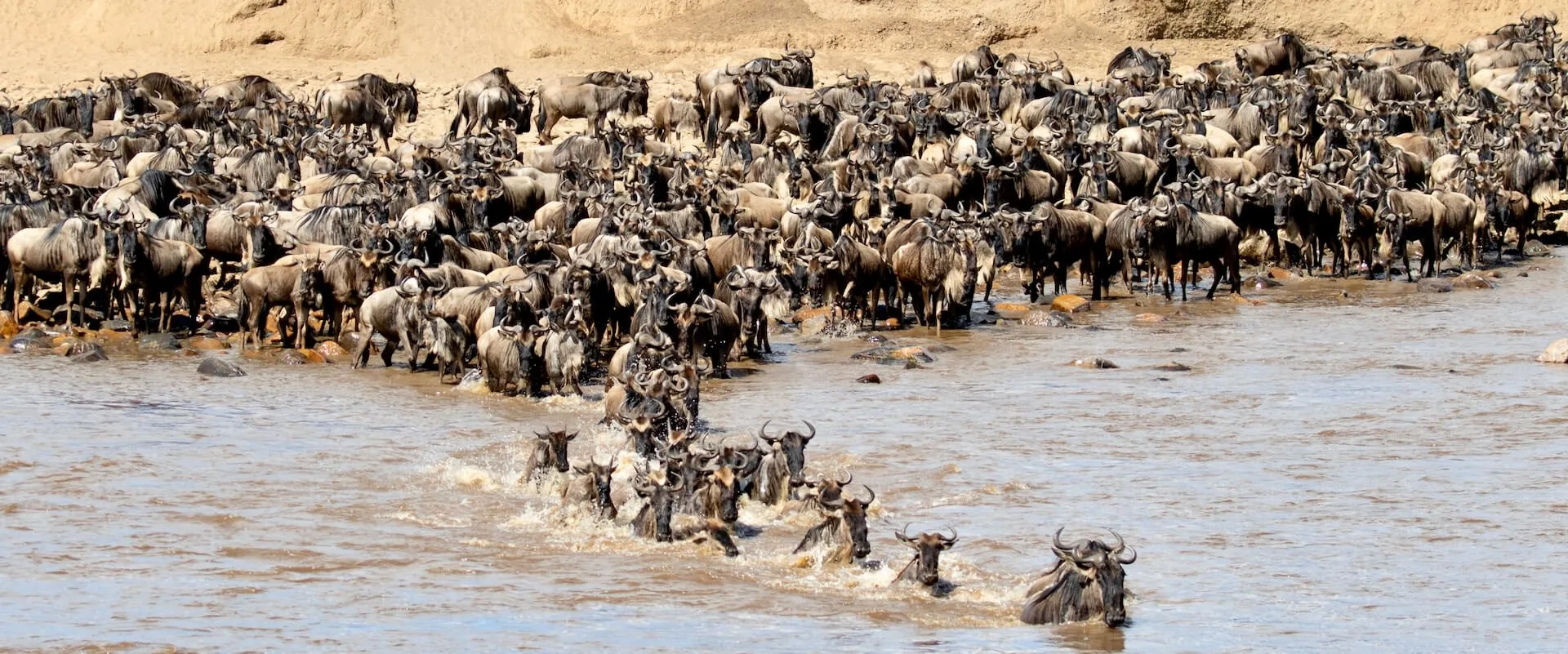
The Great Migration in Africa happens all year because the herds continuously circulate through the Serengeti–Mara ecosystem in…
Read article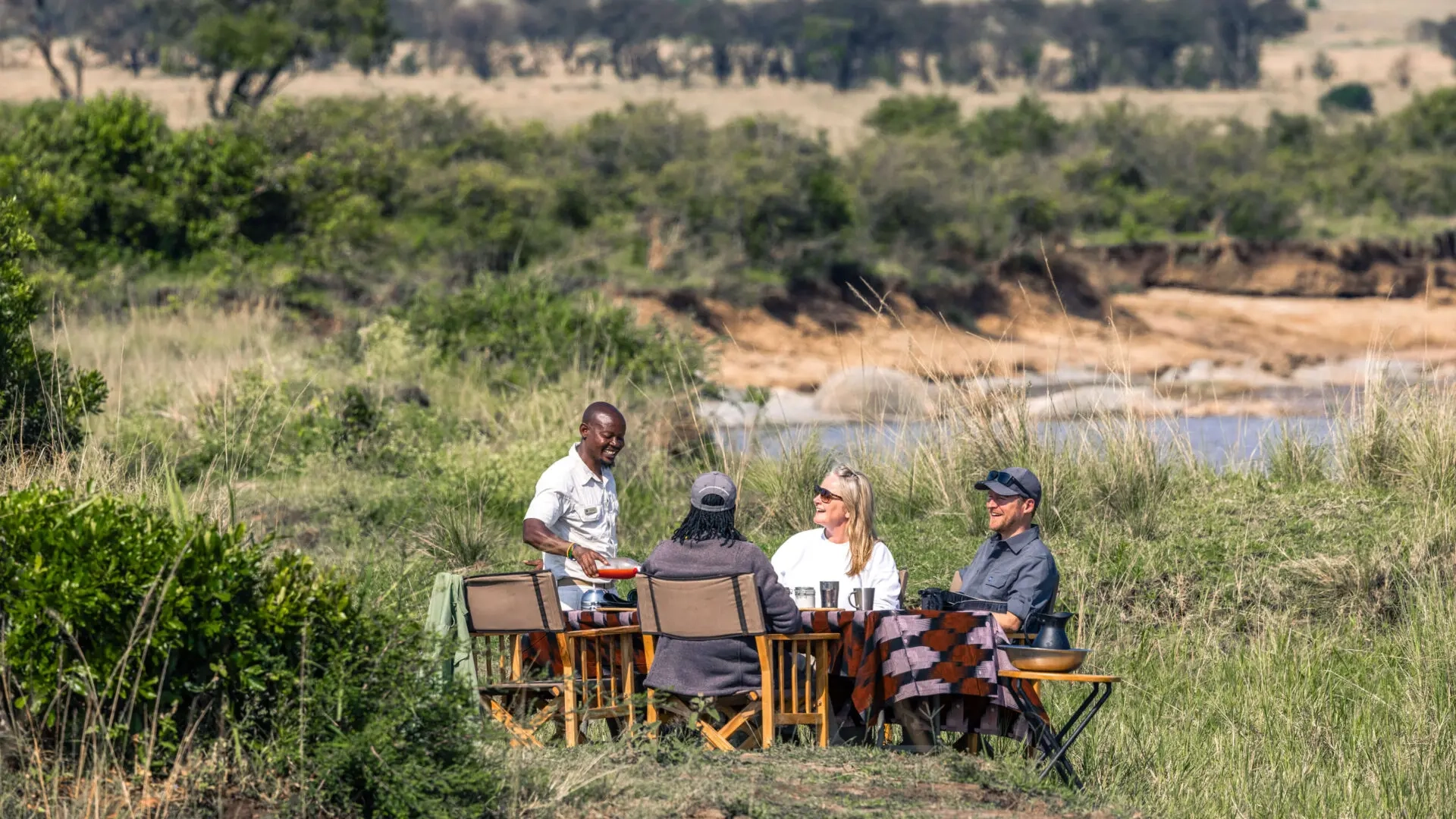
Definitive answer: A picnic lunch on safari is a packed or catered midday meal eaten at an approved…
Read article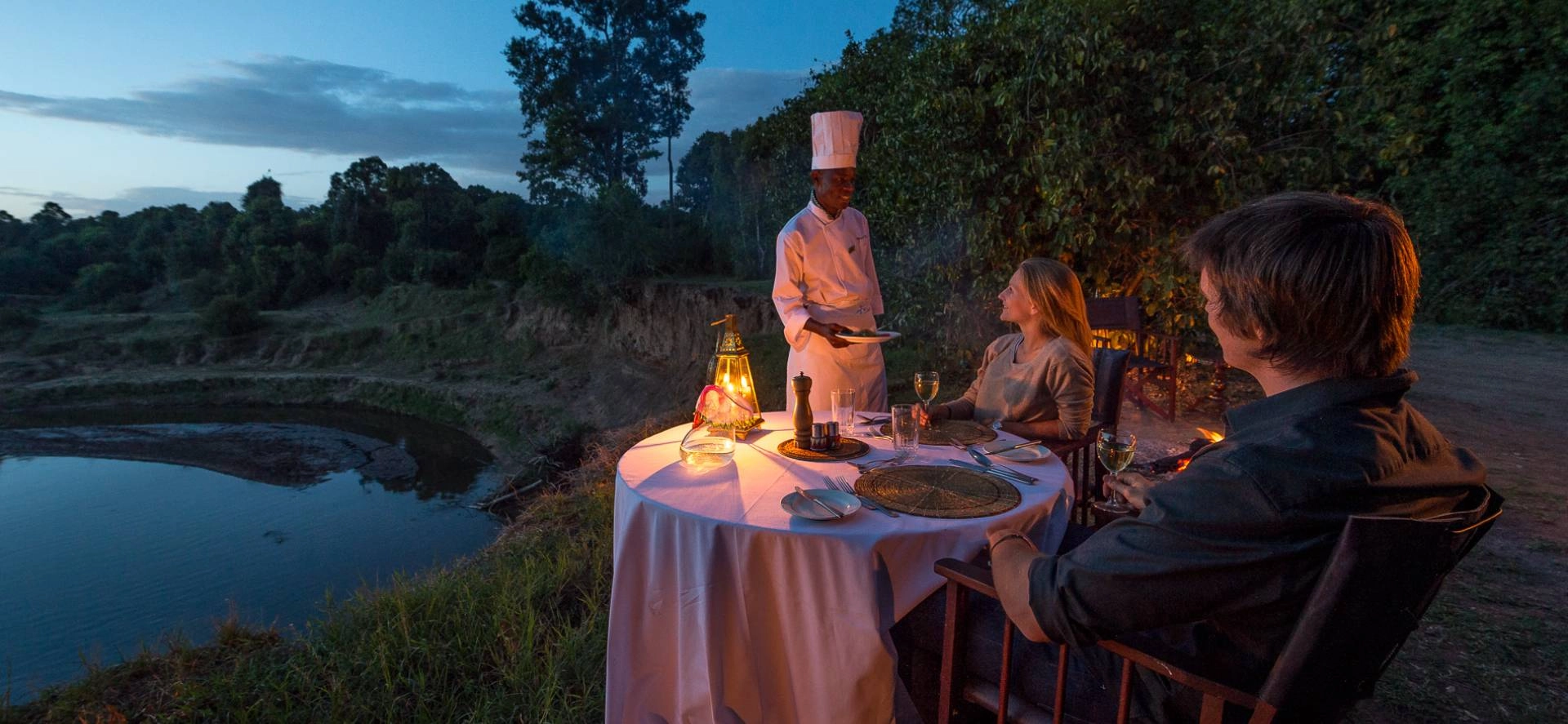
Definitive answer: A bush dinner is an outdoor evening meal arranged in a safe safari setting away from…
Read articleLet us take you closer to the wildlife, people and places that make Africa extraordinary.
Plan Your Safari Today