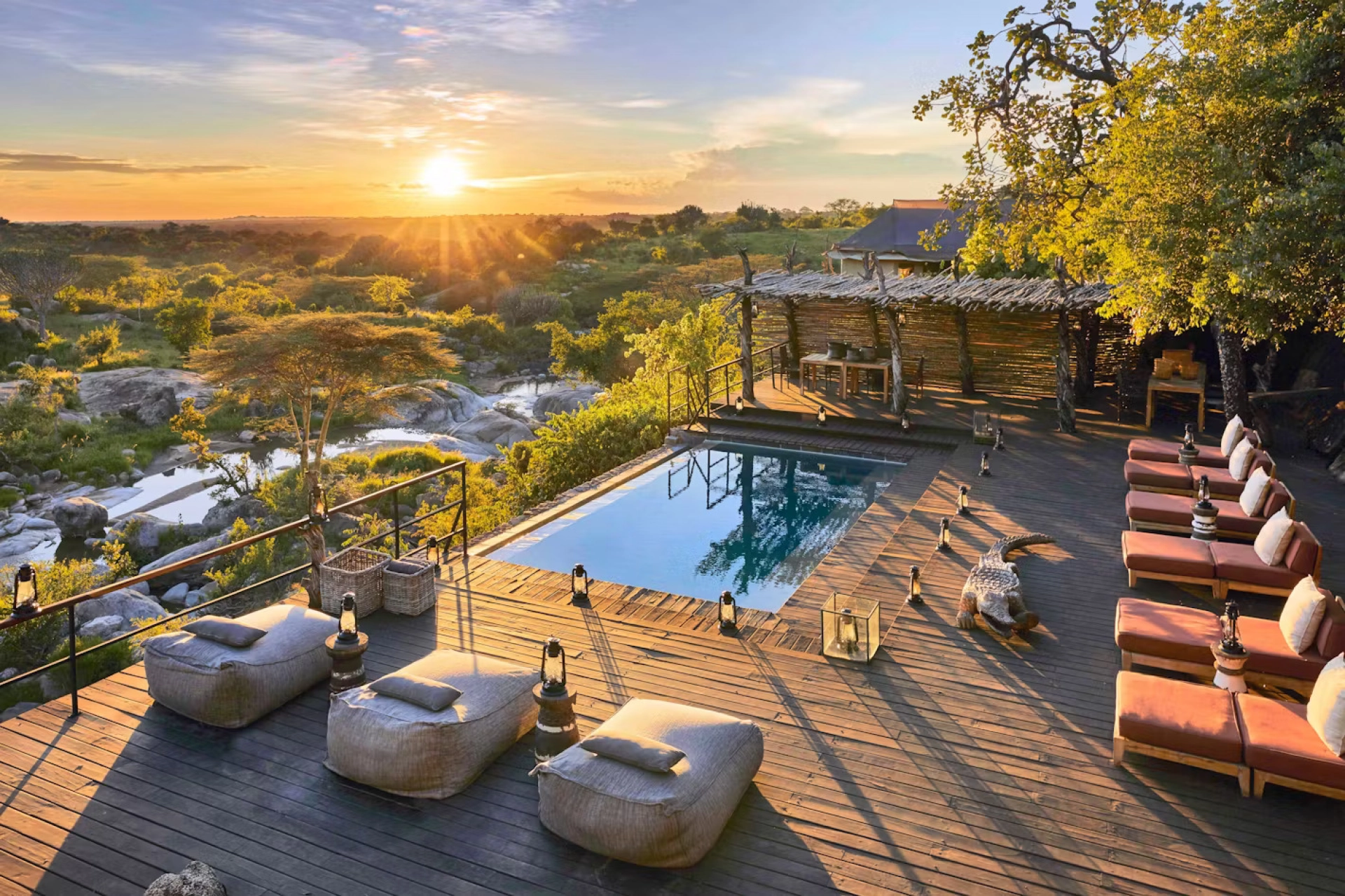
What should I look for when booking a luxury African safari?
When booking a luxury African safari, look beyond the room and compare the quality of guiding, wildlife location,…
Read article

Travel Guide
Knowing what to wear on safari in Africa sounds straightforward until you begin packing. Then the questions start. Should safari clothes always be khaki? Can you wear black? Are shorts acceptable? Do you need hiking boots?…
Knowing what to wear on safari in Africa sounds straightforward until you begin packing. Then the questions start. Should safari clothes always be khaki? Can you wear black? Are shorts acceptable? Do you need hiking boots? What should you wear for an early morning game drive? Is the clothing required for gorilla trekking in Uganda different from what you would wear on a Masai Mara safari in Kenya or a Serengeti safari in Tanzania? The most important thing to understand is that there is no single safari uniform. Africa is enormous, and safari conditions vary dramatically according to country, altitude, season and activity. A chilly sunrise drive on the Ngorongoro Crater rim is very different from an afternoon game drive in Murchison Falls National Park. Walking through the humid rainforest of Bwindi Impenetrable National Park requires different clothing from sitting in an open safari vehicle in the Masai Mara National Reserve. A winter morning in Kruger National Park can be surprisingly cold, while daytime temperatures may later become warm enough for a lightweight shirt. The best African safari clothing is therefore practical rather than fashionable. It should be comfortable, breathable, easy to layer, reasonably neutral in color and suitable for the activities on your itinerary. This comprehensive guide explains exactly what clothes to wear on an African safari, what shoes to pack, which colors work best, how to dress for different safari destinations, what to wear for gorilla and chimpanzee trekking, and how to avoid carrying a suitcase full of unnecessary safari gear.
Safari clothing does not need to look like a costume from an old expedition photograph.
You do not need a matching khaki shirt, trousers, hat and multi-pocket vest unless you genuinely enjoy wearing them. For most travelers, a safari wardrobe can be built from clothing they already own. Think about three things. First, comfort. You may spend several hours sitting inside a safari vehicle. Tight, restrictive clothes become uncomfortable quickly. Second, climate. Temperatures can change considerably between dawn and midday. Third, activity. Clothing suitable for a vehicle safari may be completely inappropriate for a rainforest trek. A good safari wardrobe is essentially a small collection of comfortable clothes that can be layered.
Neutral and earthy colors are generally the most versatile choice.
Think khaki, beige, olive, tan, brown, muted green, grey and other natural tones. These colors blend reasonably well with the environment, show dust less obviously than very dark colors and work across both game drives and walking activities. For a conventional vehicle safari, clothing color is less critical than many packing guides imply. Wildlife generally reacts far more to the overall vehicle, movement, sound and distance than to the color of one passenger’s shirt. However, neutral clothing becomes more useful when participating in walking safaris, gorilla trekking, chimpanzee trekking and other activities on foot.
Yes, but it is not always the most practical choice.
Black clothing absorbs heat and can show pale safari dust very quickly. A black T-shirt is not going to ruin your game drive, but lightweight neutral colors are generally more comfortable during hot daytime conditions. Very dark clothing may also be less desirable in some areas where biting insects are a concern. There is no need to panic if several items in your wardrobe are black. Simply avoid building your entire safari wardrobe around heavy dark clothing.
Technically yes.
Practically, white is difficult. Safari environments can be dusty. Vehicles travel along unpaved roads, and fine red or pale dust can settle everywhere. A bright white shirt may stop looking bright white very quickly. Off-white and cream are more forgiving.
For game drives, a brightly colored shirt is unlikely to cause a disaster.
However, fluorescent colors, very bright reds and highly contrasting patterns are unnecessary. Muted clothing is generally more suitable, especially for walking activities. Neutral colors also make wildlife photography look more natural when travelers appear in photographs.
If there is one safari packing principle worth remembering, it is layering. African mornings can be cold. This surprises many first-time visitors. An open safari vehicle provides little protection from wind. When you leave your lodge before sunrise, the combination of cool air and vehicle movement can make conditions feel considerably colder. Several hours later, the sun may be strong enough that you are wearing only a lightweight shirt. Instead of packing one enormous jacket, use several lighter layers.
A typical morning might begin with a T-shirt, long-sleeved shirt or fleece and lightweight jacket. As temperatures rise, remove layers gradually. This approach works particularly well on Uganda safaris, Rwanda safaris, Kenya safaris, Tanzania safaris, Botswana safaris and South Africa safaris.
Lightweight, breathable shirts are ideal. Quick-drying synthetic fabrics can be particularly practical because they wash easily and dry quickly. Light cotton can also be comfortable, although heavier cotton may take longer to dry in humid conditions. Long sleeves provide useful protection from sun, vegetation and insects. Roll-up sleeves give flexibility as temperatures change. A combination of short-sleeved and long-sleeved shirts works well. Travelers do not need ten safari shirts. Most lodges offer laundry services, although underwear may sometimes need to be washed personally depending on lodge policies and local customs.
Comfortable lightweight trousers are among the most useful items you can pack. Choose trousers that allow easy movement and do not become uncomfortable after several hours sitting in a vehicle. Convertible trousers that zip into shorts can be useful, although they are certainly not essential. For rainforest trekking, long trousers are strongly preferable because they protect the legs from vegetation, mud and insects. For game drives, either trousers or shorts may work depending on temperature.
Yes, but jeans have disadvantages. Denim is heavy. It takes a long time to dry. It can become uncomfortable during hot weather. It also consumes considerable luggage weight. One pair may be useful for evenings or travel days, but lightweight safari trousers are generally more practical.
Yes, especially during warm daytime game drives. Shorts are common around safari lodges and inside vehicles. However, long trousers are better for walking safaris, gorilla trekking and chimpanzee trekking. They also provide additional protection from sun and insects. A useful approach is to pack both.
The answer depends on your itinerary. For a traditional vehicle safari, heavy hiking boots are usually unnecessary. Comfortable trainers, walking shoes or lightweight closed shoes work perfectly well. You spend most of the activity sitting inside a vehicle. For gorilla trekking in Bwindi, chimpanzee trekking in Kibale, mountain hiking or substantial walking safaris, footwear becomes much more important. A waterproof or water-resistant hiking boot with good grip can make a major difference on muddy trails.
A Uganda gorilla trekking safari requires more specialized clothing than an ordinary game drive. The forests of Bwindi Impenetrable National Park and Mgahinga Gorilla National Park can be wet, muddy and densely vegetated. You may walk for several hours before reaching a gorilla family. Conditions can change quickly. Long trousers are strongly recommended. A long-sleeved shirt provides protection from vegetation and insects. Sturdy hiking boots with good traction are important.
Waterproof protection is useful because rain can occur even outside the wettest months. Gaiters can help keep mud and debris out of your boots. Gardening-style gloves are surprisingly useful when holding vegetation for balance. Many trekkers also tuck their trousers into long socks to reduce the chance of insects entering around the ankles. Do not dress for photographs. Dress for the forest.
The principles are similar for gorilla trekking in Rwanda. Treks in Volcanoes National Park can involve mud, dense vegetation and changing weather. Long trousers, hiking boots, long sleeves, rain protection and gloves are all useful. The altitude also means mornings can be cool. Layers are therefore important. Travelers combining Akagera National Park and Volcanoes National Park should pack for two completely different environments: savannah safari and mountain forest.
Chimpanzee trekking involves forest environments similar in some respects to gorilla trekking. In Uganda, famous destinations include Kibale National Park, while chimpanzee experiences are also available in places such as Budongo Forest and Kyambura Gorge, subject to the specific itinerary and activity availability. Long trousers and sturdy shoes are recommended. A lightweight long-sleeved shirt protects the arms. Rain protection should remain accessible. Chimpanzees move considerably more than gorillas, so trekkers may need to walk briskly when groups travel through the forest. Lightweight clothing becomes particularly valuable.
A Uganda safari can contain remarkably varied climates and activities. A single itinerary may include: Murchison Falls National Park, Kibale National Park, Queen Elizabeth National Park, Bwindi Impenetrable National Park and Lake Mburo National Park. Savannah areas can become warm during the day. Bwindi can be cool, humid and wet. Kibale requires forest clothing. Early morning drives may require a light fleece. That means layering is especially important. A traveler completing a comprehensive Uganda wildlife and gorilla safari should pack both lightweight game-drive clothing and proper trekking gear.
For a Kenya safari, lightweight neutral clothing works well. Popular destinations such as the Masai Mara, Amboseli, Samburu, Lake Nakuru and Tsavo can experience considerable temperature variation. The Masai Mara’s elevation means early mornings can feel surprisingly cool. Amboseli can become dusty during dry periods. Samburu can be hot. A light fleece or jacket therefore belongs in your bag even if you imagine Kenya as permanently hot.
A Tanzania safari often combines several environments. The Serengeti National Park can have cool mornings and warm afternoons. The Ngorongoro highlands can be genuinely cold, particularly around sunrise. Tarangire can become hot and dusty. If your Tanzania trip finishes in Zanzibar, you will need a completely different set of lightweight coastal clothes. The answer is not to pack twice as much. Choose versatile items. A lightweight long-sleeved shirt works in both safari and coastal environments. Neutral trousers can be worn repeatedly. A fleece handles colder highland conditions.
Botswana’s safari seasons create significant temperature changes. Winter mornings in Chobe National Park or the Okavango Delta can be very cold, especially in open vehicles and boats. Daytime temperatures may then become comfortable or warm. Layers are essential. A windproof outer layer is particularly useful during Chobe River boat safaris. During hotter periods, breathable clothing becomes increasingly important.
South Africa has enormous climatic diversity. A winter safari in Kruger National Park can begin with a cold morning drive. Cape Town may experience completely different weather. Private reserves in the Greater Kruger region frequently conduct open-vehicle drives before sunrise and after sunset. Pack a fleece and light jacket even when daytime forecasts appear warm.
Walking changes everything. When you leave the vehicle, clothing color and practicality become more important. Neutral colors are preferable. Long trousers provide protection. Closed shoes are essential. Avoid noisy clothing. Carry only what you need. A walking safari is about becoming part of the landscape rather than observing it from a vehicle. Your professional guide will provide instructions about movement, distance and wildlife behavior.
Boat safaris occur in destinations such as Kazinga Channel, Murchison Falls, Chobe River, Okavango Delta and parts of Zambia. Sun exposure can be strong because light reflects from water. A hat, sunglasses and long-sleeved lightweight shirt are valuable. Morning and sunset cruises may become cool. A light jacket helps.
A broad-brimmed hat provides excellent sun protection. A baseball cap also works, although it provides less protection for the neck. Make sure your hat fits securely. A loose hat can disappear quickly from an open safari vehicle. Neutral colors are practical but not mandatory.
Good sunglasses are essential. Safari landscapes can be extremely bright. UV protection matters more than brand or style. A secure case is useful because sunglasses can easily become scratched in luggage or vehicles.
You generally do not need a heavy expedition jacket. A lightweight windproof or insulated jacket is more versatile. Combine it with a fleece for colder mornings. For rainforest destinations, add a waterproof outer shell.
A compact waterproof jacket is particularly useful for Uganda gorilla trekking, Rwanda gorilla trekking, forest hikes and travel during wetter seasons. Ponchos can work but may snag on vegetation. A fitted lightweight rain shell is usually easier for trekking.
Most safari lodges are informal. You rarely need formal clothing. After an afternoon drive, travelers usually shower and change into comfortable casual clothes for dinner. A lightweight dress, trousers, shirt or smart casual outfit is sufficient for most properties. Luxury does not necessarily mean formal. Check specific lodge requirements if your itinerary includes a particularly formal property.
Women do not require fundamentally different safari clothing. Comfortable trousers, shorts, shirts, fleece and suitable shoes work well. A supportive sports bra can be valuable because safari roads may be rough. A lightweight scarf is extremely versatile. It can provide sun protection, warmth or additional modesty when visiting local communities. In culturally conservative environments outside safari lodges, clothing that covers shoulders and knees can be respectful.
Lightweight trousers, shorts, breathable shirts and comfortable shoes form the core wardrobe. Avoid packing too many heavy jeans. Long sleeves provide useful sun protection. A fleece and lightweight jacket cover cooler conditions. Again, the objective is practical versatility.
Children need the same basic protection as adults. Comfortable layers, sun hats, closed shoes and lightweight trousers work well. Pack clothing that parents will not worry about getting dusty. A safari is not the place for delicate children’s outfits. Warm clothing becomes particularly important during dawn game drives.
Many safari lodges offer laundry. This is one reason travelers can pack far less than expected. On a longer safari, wearing clothes multiple times is normal. Dust is part of the experience. Laundry policies differ, so check whether underwear is included. Quick-drying fabrics are useful when hand washing is necessary.
For a typical safari, you do not need a different outfit every day. A practical wardrobe might revolve around several shirts, two or three pairs of trousers or shorts, one fleece, one jacket and appropriate shoes. The exact quantity depends on trip duration and laundry availability. Packing lighter becomes particularly important on itineraries using small aircraft, where luggage restrictions may be considerably tighter than international airline allowances.
A small backpack or soft day bag is useful. Keep binoculars, camera equipment, sunscreen, sunglasses, a hat, water where provided/appropriate, medication and an extra layer within reach. Do not bury your fleece at the bottom of your main suitcase when departing for a pre-dawn drive.
Wildlife photographers may spend more time exposed to early morning temperatures because they remain focused on sightings. Finger dexterity matters. In genuinely cold conditions, thin gloves can be helpful. A scarf or buff protects against dust. Clothing should not interfere with camera straps or equipment.
Avoid clothing that is excessively uncomfortable, extremely heavy or difficult to wash. Do not wear camouflage-pattern military clothing without checking destination-specific rules; in some African countries camouflage may be restricted or associated with military use. Avoid expensive jewelry. Do not pack formal shoes for game drives. Avoid assuming Africa is always hot. And do not purchase an entirely new wardrobe simply because an advertisement labels it “safari clothing.”
A safari and beach holiday requires careful packing but not two separate wardrobes. Lightweight shirts and casual trousers work in both environments. Add swimwear, sandals and a few coastal outfits. If traveling to Zanzibar or culturally conservative communities, modest clothing is useful away from resort beaches.
A gorilla and wildlife safari requires more footwear and rain protection than a conventional game-drive holiday. Prioritize hiking boots, long trousers, long socks, gloves and a rain shell. The same lightweight shirts can still be used on game drives. This keeps luggage under control.
Luxury safari does not mean formal safari. High-end lodges remain relaxed. Quality breathable clothing, comfortable casual evening wear and a light jacket are usually enough. The greatest luxury on safari is having the correct clothing for the weather rather than carrying a suitcase full of fashion.
Neutral colors such as khaki, olive, beige, brown and muted green are versatile and particularly useful for walking activities.
Yes, although black can become hot and show dust easily.
Yes, but lightweight trousers are generally more practical.
Yes on many game drives and around lodges, but long trousers are better for trekking and walking safaris.
Not for ordinary vehicle safaris. Hiking boots become important for gorilla trekking, chimpanzee trekking and substantial walking activities.
Wear long trousers, long sleeves, sturdy hiking boots, long socks and rain protection. Gloves can also be useful.
Most are informal. Smart casual evening clothing is generally sufficient.
It can be surprisingly cold before sunrise, particularly in open vehicles, at altitude and during Southern African winter.
Only if you need them. Comfortable outdoor clothing you already own is usually perfectly suitable.
The best answer to what to wear on safari in Africa is surprisingly simple: wear comfortable, practical clothing appropriate to the environment. Pack neutral colors where possible. Use layers. Take sun protection. Bring a warm layer even when traveling to a hot country. Choose footwear according to your activities. And if you are trekking gorillas or chimpanzees, prepare for the forest rather than the safari vehicle.
At Adventure in the Wild Safaris, we arrange Uganda gorilla trekking safaris, Rwanda gorilla tours, Kenya wildlife safaris, Tanzania safaris, Botswana safari holidays and multi-country African safari itineraries. We can advise travelers on the appropriate clothing and equipment for the specific destinations included in their journey. Pack less. Pack intelligently. Then concentrate on what really matters: the wildlife, landscapes and extraordinary experiences waiting outside the vehicle.

Share This Article
When booking a luxury African safari, look beyond the room and compare the quality of guiding, wildlife location,…
Read article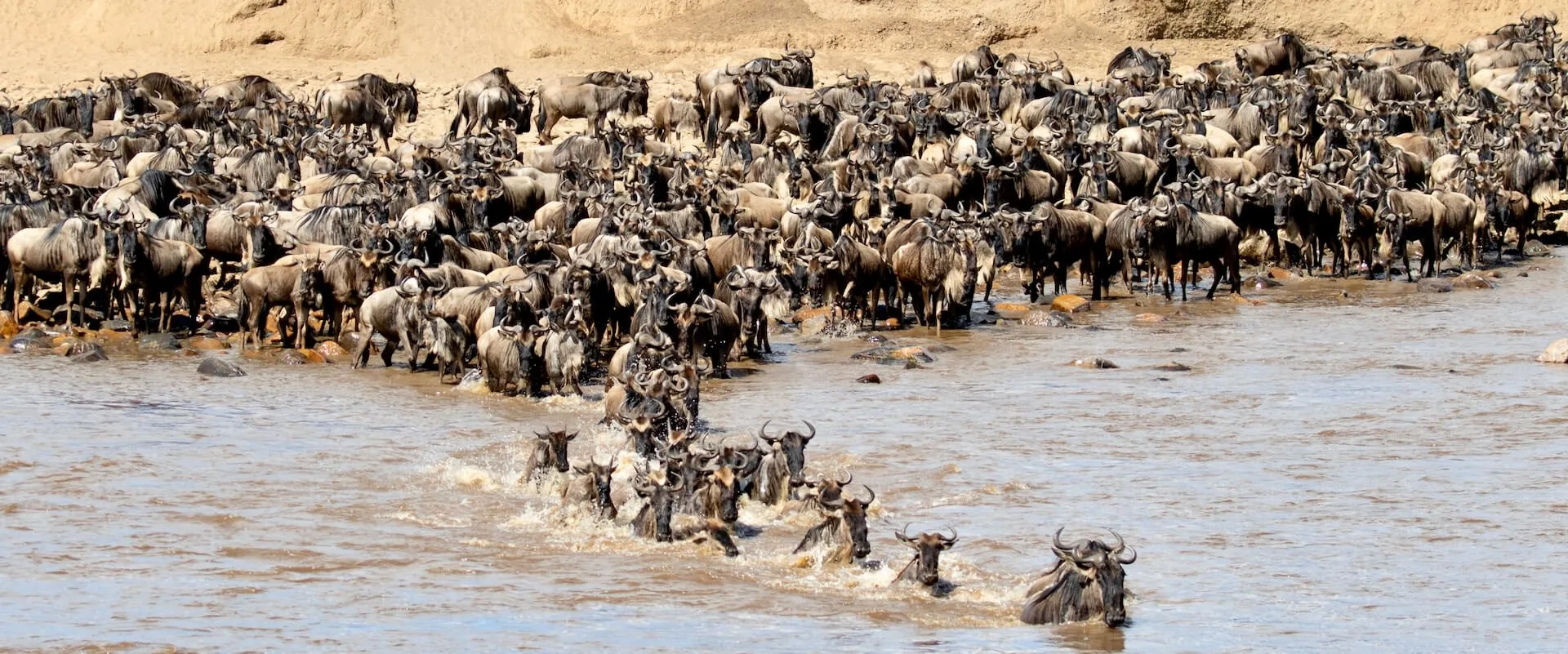
The Great Migration in Africa happens all year because the herds continuously circulate through the Serengeti–Mara ecosystem in…
Read article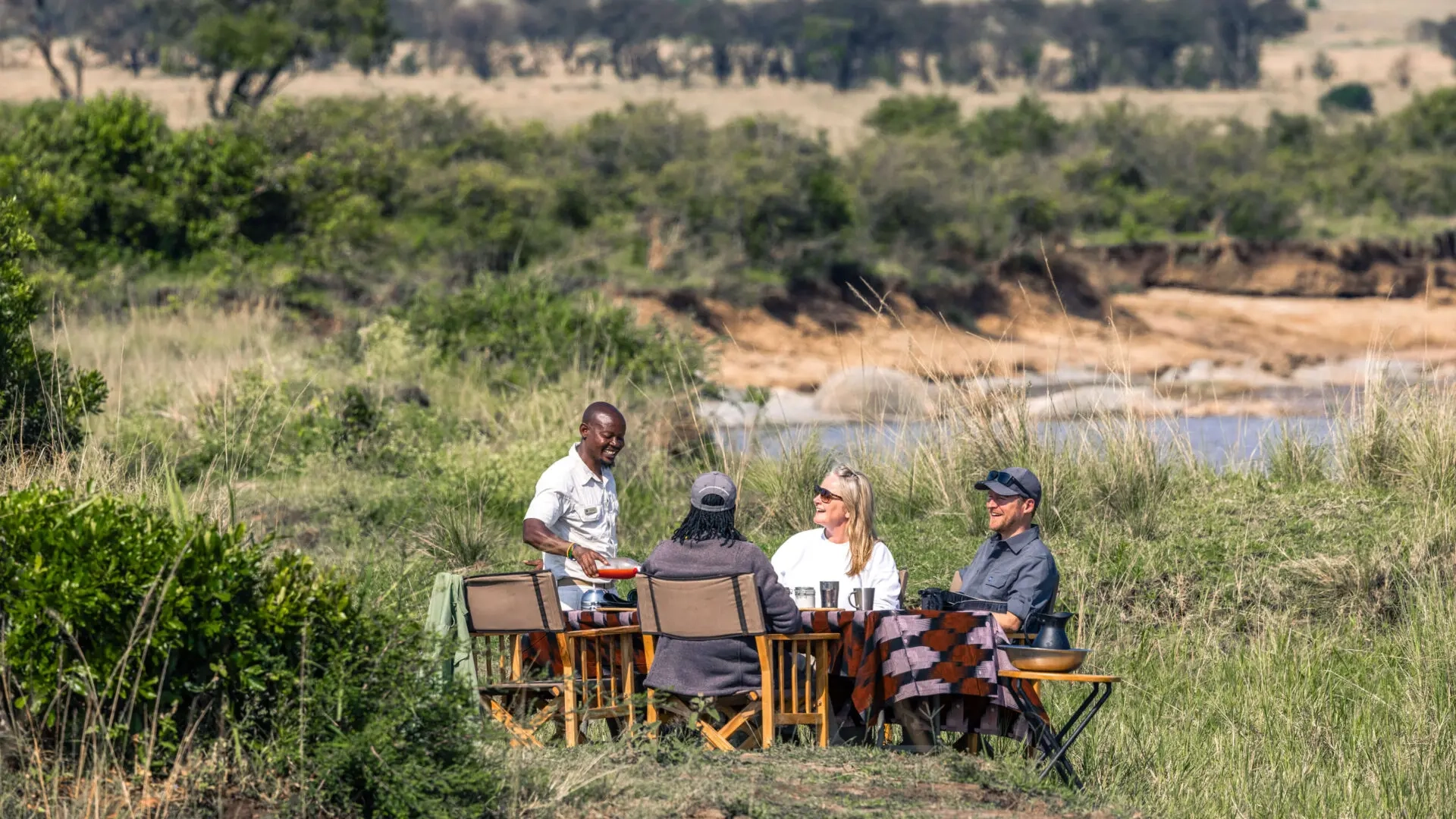
Definitive answer: A picnic lunch on safari is a packed or catered midday meal eaten at an approved…
Read article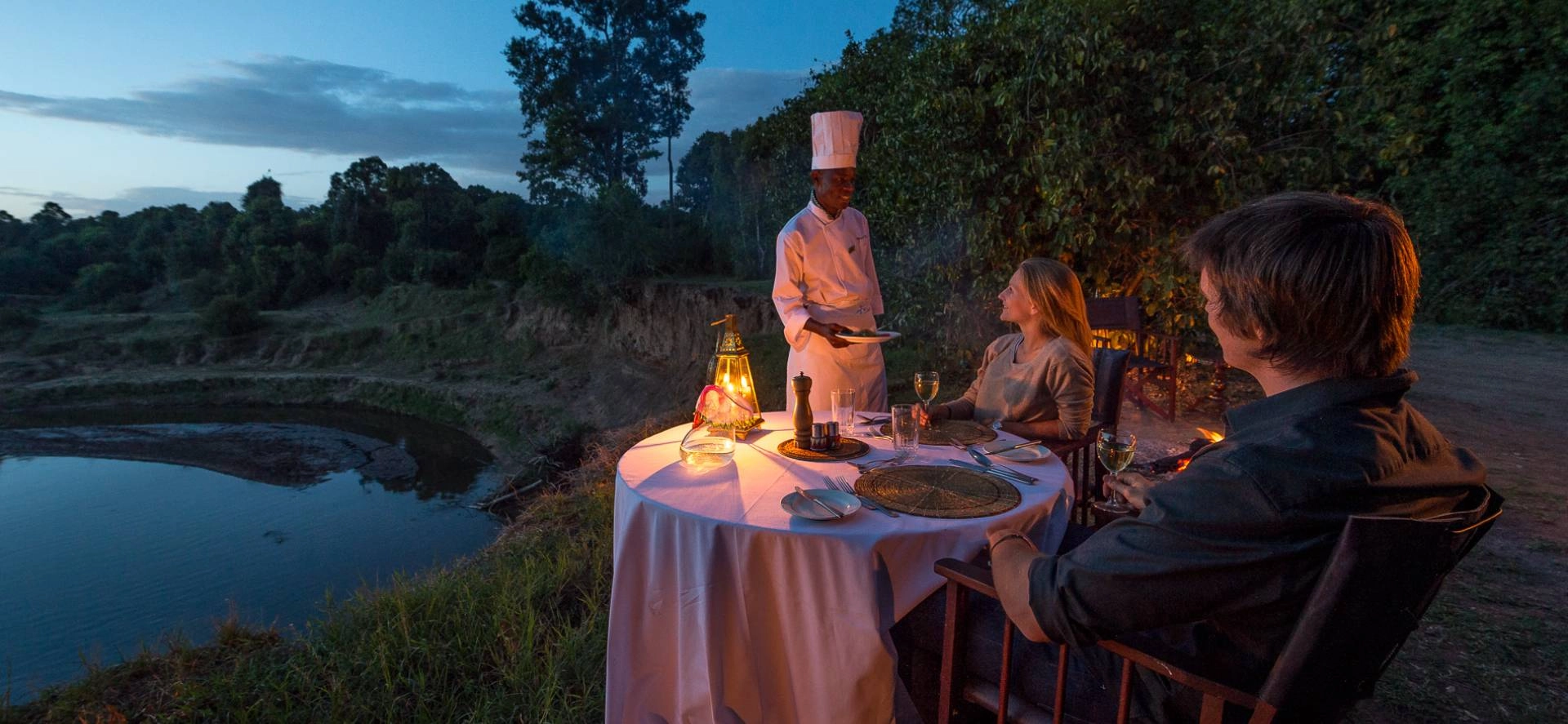
Definitive answer: A bush dinner is an outdoor evening meal arranged in a safe safari setting away from…
Read articleLet us take you closer to the wildlife, people and places that make Africa extraordinary.
Plan Your Safari Today