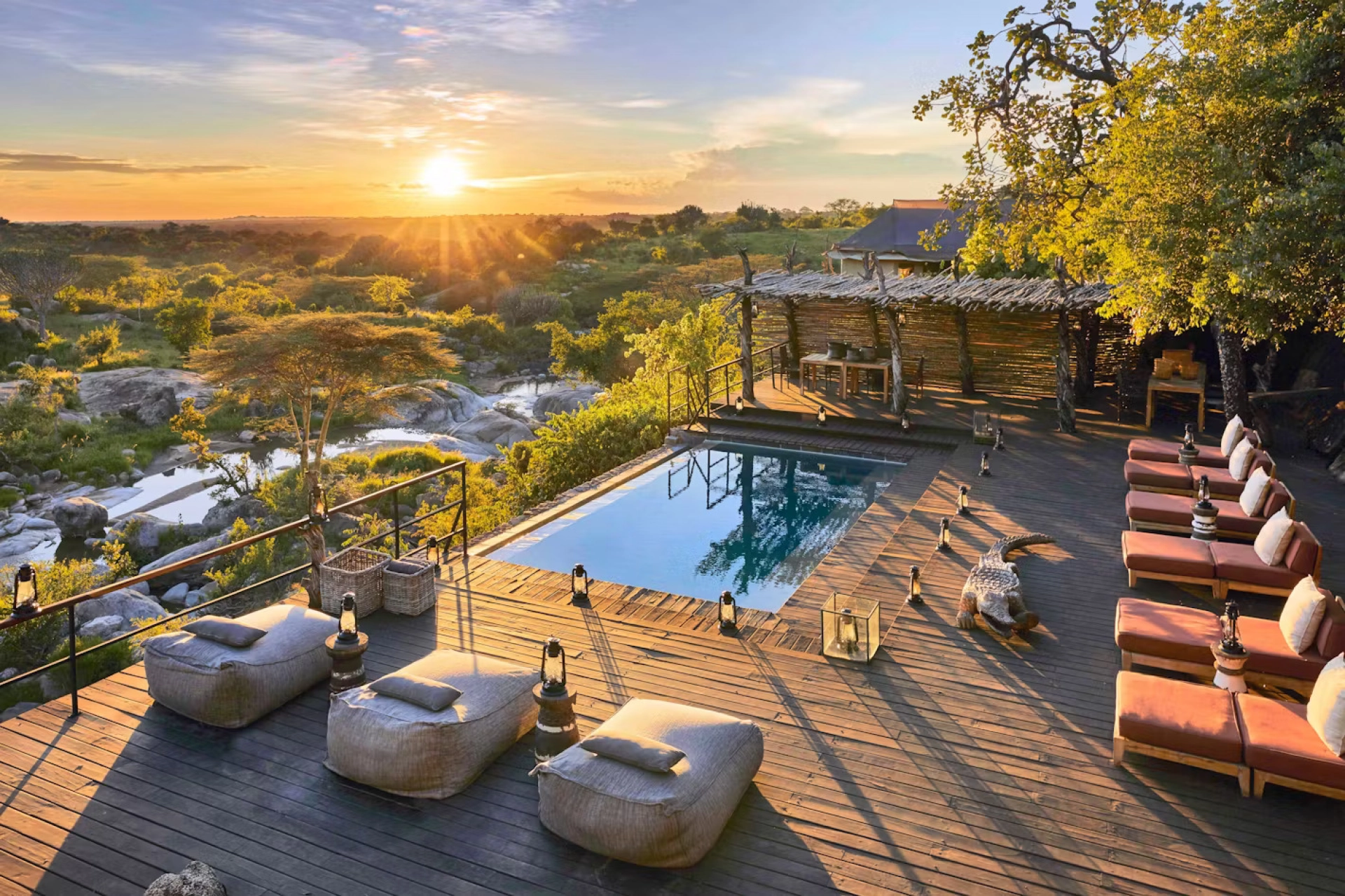
What should I look for when booking a luxury African safari?
When booking a luxury African safari, look beyond the room and compare the quality of guiding, wildlife location,…
Read article

Travel Guide
The best time to visit Masai Mara depends on which version of the Mara you want to experience. If your dream is standing through the roof of a safari vehicle while enormous herds of wildebeest spread…
The best time to visit Masai Mara depends on which version of the Mara you want to experience. If your dream is standing through the roof of a safari vehicle while enormous herds of wildebeest spread across the plains, then the months associated with the northern phase of the Great Wildebeest Migration deserve particular attention. If your priority is lions, cheetahs and leopards rather than migration, your choices become much broader because the Mara’s major predators remain in the ecosystem throughout the year.
If you are a photographer who values dramatic skies, lush green landscapes and fewer vehicles, a month that many conventional guidebooks describe as “low season” may actually be one of the most rewarding periods. If you are planning a honeymoon and value privacy, you may prefer a quieter month rather than travelling during the busiest migration weeks. Families may be constrained by school holidays. Birdwatchers may actively seek greener seasons when migratory species and breeding activity increase diversity.
Budget-conscious travellers might deliberately avoid peak migration rates. There is therefore no single month that is perfect for everyone. The Masai Mara National Reserve is not a seasonal attraction that only becomes worthwhile when wildebeest arrive from Tanzania. It supports an extraordinary resident wildlife community. Lions live here throughout the year. Cheetahs remain. Leopards occupy riverine and wooded territories. Elephants move across the greater ecosystem. Buffaloes, giraffes, hyenas, jackals, topis, impalas and numerous other animals continue their daily lives whether international tourism is in peak season or not.
The migration adds another layer of drama. It does not create the entire safari. Understanding this distinction is the key to choosing the best month for a Masai Mara safari.
Masai Mara lies relatively close to the equator but at an elevation that keeps conditions more moderate than many travellers expect.
Rainfall patterns matter more than conventional summer and winter. The ecosystem moves through wetter and drier phases rather than four sharply defined temperate seasons. Broadly, January and February can provide relatively drier conditions. Rain becomes more likely during March and generally increases through April and May. June often marks a transition toward the main dry period. July through October is the period most strongly associated with Masai Mara Great Migration safaris, although exact herd movements vary every year.
Shorter rains may occur during parts of October, November and December, bringing renewed green growth. These descriptions are useful for planning, but weather does not operate according to exact calendar dates. A rainy season can start late. A dry period can be interrupted by storms. Migration herds respond to ecological conditions rather than tourism brochures. This uncertainty is part of safari.
For many first-time travellers, July to October is an excellent choice.
Conditions are generally drier. Wildlife can become easier to see because vegetation is less dense. The annual movement of wildebeest and zebras may bring huge herds into the wider Mara ecosystem. Possible Mara River crossings add extraordinary drama. Predator-prey interactions can intensify as migratory herbivores increase the amount of available prey. These are legitimate reasons why the period is famous. However, peak season has disadvantages. Accommodation costs increase. Popular camps fill quickly.
River-crossing areas can become crowded. Well-known predator sightings may attract numerous safari vehicles. Travellers should therefore ask whether the migration spectacle is important enough to justify higher prices and higher visitor numbers. For many people, the answer is yes. For others, January, February, June, November or early December may produce a more enjoyable overall experience.
The Great Wildebeest Migration is frequently misunderstood as an event that starts when wildebeest enter Kenya and ends when they return to Tanzania.
In reality, it is a continuous annual movement through the wider Serengeti-Mara ecosystem. The herds respond primarily to rainfall, grazing and water. During the early part of the year, large concentrations are normally associated with southern Serengeti and surrounding short-grass plains. As seasonal conditions change, the herds move through different parts of Tanzania. Later, significant numbers can reach northern Serengeti and the greater Masai Mara ecosystem. Eventually, changing rains encourage movement southward again.
This means the question is not “When does the migration happen?” It happens throughout the year. The more accurate question is: When is the Great Migration in Masai Mara?
The Masai Mara migration season is generally associated with roughly July through October, but those dates should never be interpreted rigidly.
In some years, major herds may enter earlier. In others, movement can be later. Rainfall determines the quality and location of grazing. Animals respond. A safari operator can use historical patterns and current information to position travellers intelligently, but nobody can control the herds. This is particularly important when planning an expensive migration safari. Do not select one exact date because somebody online claims the animals “cross every year on the same week.” Wildlife has no timetable.
The Mara River crossings are among the most dramatic scenes in African wildlife photography.
Hundreds or thousands of wildebeest may gather along a riverbank. The animals appear restless. Individuals approach the edge. Then they retreat. The herd may wait for hours. Sometimes it waits much longer. Eventually, one animal commits. Others follow. The river becomes filled with moving animals. The crossing can be intense, confusing and dangerous. Crocodiles may be present. Animals can struggle against currents. Predators may wait after the crossing. Yet no crossing can be guaranteed.
Even when thousands of wildebeest are present beside the river, they may refuse to cross during the hours you are watching. They may move to another crossing point. They may cross after your vehicle leaves. They may turn around completely. This unpredictability is not a problem with safari. It is the essence of genuine wildlife.
Travellers who consider a river crossing an important objective should spend several nights in the relevant area. A one-night Masai Mara migration safari creates enormous pressure. You arrive believing one particular event must happen within a few hours. That is not realistic. Four nights in the ecosystem provide far more opportunity than one or two. Even if no dramatic crossing occurs, the Mara can provide extraordinary lions, cheetahs, elephants, hyenas and grazing herds. A migration safari should therefore be designed around the ecosystem, not one photograph.
January is one of the most underrated months for Masai Mara safari. The enormous migratory herds are generally farther south in the Serengeti ecosystem, but resident wildlife remains excellent. Conditions can be relatively dry. The landscape can retain attractive colour following seasonal rains. Visitor numbers are far lower than during peak migration. This produces an important advantage for serious safari travellers. You can spend more time observing resident predators without the intense migration-season traffic.
Lions still occupy their territories. Cheetahs still hunt. Leopards still patrol riverine habitats. Elephants remain. For travellers primarily interested in big cats in Masai Mara, January can therefore be an excellent choice.
February can also be superb. The weather is often relatively dry and game-drive conditions are generally good. Resident predator viewing remains strong. Because visitor numbers are typically lower than in August, wildlife encounters can feel calmer. February becomes particularly attractive for travellers combining Kenya and Tanzania. A Kenya and Tanzania safari in February can include resident wildlife in Masai Mara before continuing to southern Serengeti for the wildebeest calving season. This allows travellers to experience two very different versions of the same wider ecosystem.
Photographers often become obsessed with peak migration months. That can be a mistake. A cheetah sitting on an open rise with only one safari vehicle nearby may provide a better photographic opportunity than a famous August predator sighting surrounded by numerous vehicles. Lower traffic makes positioning easier. Animals may be observed for longer without pressure to move. The quality of photography often depends more on patience and vehicle space than raw wildlife quantity.
March is a transition period. The beginning of the month may still provide relatively dry conditions. As the month progresses, rainfall generally becomes more likely. Vegetation begins responding. The landscape turns greener. Visitor numbers fall. For travellers who do not mind occasional showers, March can be rewarding. The benefit is atmosphere. Storm clouds over the Mara can create extraordinary light. Dust decreases. Animals appear against saturated green backgrounds. This is a very different visual experience from the famous golden dry-season Mara.
April is normally associated with the longer rainy season. Heavy showers can occur. Some tracks become muddy. River levels rise. Vegetation becomes lush. Some camps, particularly seasonal operations, may close or reduce services. For travellers who want the easiest possible safari conditions, April is not the conventional recommendation. But calling April a “bad month” is oversimplified. The ecosystem can be stunningly beautiful. There are fewer safari vehicles. Birding is excellent.
Predators remain active. Wildlife photography can benefit from moody skies, soft light and green environments. The main requirement is flexibility.
No. Persistent heavy rainfall can complicate game drives, but most safari rain is not equivalent to spending an entire holiday inside your lodge. Showers can arrive intensely and then clear. Road conditions vary depending on the amount of rainfall. Professional guides adapt routes accordingly. Rain can also trigger fascinating wildlife behaviour. Animals become active after storms. Birds respond. The light changes. A rainbow over the Mara can create one of the strongest photographs of the entire safari.
May is often one of the quietest periods. The landscape remains lush. Visitor density can be very low. Some accommodations close. Others provide attractive seasonal rates. This makes May especially interesting for experienced safari travellers who value solitude more than predictable weather. It may also appeal to photographers wanting unusually green Mara landscapes. For a first African safari, travellers nervous about rain might prefer June or a drier month. For someone returning to the Mara, May can reveal a side of the ecosystem that peak-season visitors never see.
June is one of the best compromise months. The long rains generally diminish. Tracks improve. The grasslands remain greener than later in the dry season. Visitor numbers begin increasing, but the full migration-season peak has generally not arrived. Resident wildlife remains excellent. This gives June a strong balance between Masai Mara wildlife viewing, scenery, weather and crowd levels. Travellers who want excellent safari without making river crossings the central purpose should seriously consider June.
August may have larger migratory herds. But June can have fewer vehicles, lower pressure around sightings and more attractive green colour. If your dream animal is a lion rather than a wildebeest, June may satisfy you more. Safari quality is not measured simply by the number of herbivores on the plains. A quiet morning following a leopard can be more memorable than sitting beside thousands of wildebeest with dozens of vehicles. This is why the best time for Masai Mara safari is personal.
July marks the beginning of the Mara’s famous peak period. The landscape becomes progressively drier. Wildlife visibility improves. Migratory herds may begin arriving in increasing numbers depending on conditions farther south. Northern Serengeti remains important during this period. Some herds may still be in Tanzania while others have moved into Kenya. This makes July particularly attractive for a Kenya and Tanzania Great Migration safari. Instead of trying to predict exactly which side of the border will have the highest concentrations, travellers can experience both.
No. July is a strong historical migration period, but the exact location of the herds depends on rainfall. Responsible operators describe probabilities rather than guarantees. This also applies to river crossings. A safari itinerary should never promise that a crossing will occur at a specific time.
August is perhaps the most famous Masai Mara safari month. Dry-season wildlife viewing is excellent. Large migration herds may occupy the ecosystem. River crossings may occur. Predators take advantage of abundant prey. Photographers arrive from around the world. This is the Masai Mara seen in countless wildlife documentaries. For travellers dreaming specifically about migration, August is understandably attractive. But it is important to recognise what comes with that popularity.
Busy sightings can attract many vehicles. River-crossing points can become particularly crowded. Popular lion prides, leopards and cheetahs may also attract concentrated attention. This does not mean August should be avoided. The wildlife can be extraordinary. But travellers seeking exclusivity should consider combining the reserve with Masai Mara conservancies. Conservancies generally regulate vehicle access more strictly and can provide a different safari atmosphere.
The Masai Mara conservancies surrounding the national reserve offer one of the most important alternatives to crowded peak-season viewing. Many conservancies operate through partnerships involving local landowners and tourism businesses. Visitor numbers can be controlled more tightly. Depending on regulations and property location, activities may include night drives and walking experiences in addition to daytime game drives. A well-designed safari may combine several nights in a conservancy with game drives inside the main reserve. This gives travellers both exclusivity and access to key migration areas.
September is another exceptional month. The dry-season atmosphere continues. Migration herds can remain important. Possible river crossings continue depending on herd movements. Predator activity is strong. Golden grass, dust and clear light produce classic safari photography. Some travellers actually prefer September to August because it can feel slightly less intense while retaining much of the migration drama. This depends on exact dates and annual conditions.
The presence of abundant grazing animals provides food opportunities for predators. Lions, cheetahs and hyenas remain extremely active members of the ecosystem. Leopards continue using wooded and riverine habitats. However, the most rewarding predator observations often come from patience. Rather than rushing from one radio call to another, spend time with one animal. A lion pride may appear inactive for an hour and suddenly begin moving. A cheetah may scan the plains for long periods before choosing a hunting direction. Safari becomes more interesting when behaviour matters as much as photographs.
October can be excellent but ecologically dynamic. Migration herds may still be present, particularly earlier in the month, depending on rainfall and grazing. As seasonal conditions change, movement toward Tanzania gradually becomes more likely. Short rains may begin. The brown landscape starts turning green. Visitor numbers often decline from August peaks. This makes Masai Mara in October attractive for travellers wanting a combination of migration possibility and reduced peak-season intensity.
Often yes, but no exact promise should be made. The herds respond to conditions. Some animals may remain in the Mara while others have moved. A professional safari planner should consider both the time of month and recent ecological conditions when advising travellers. If migration is your absolute priority in late October, a combined Kenya-Tanzania itinerary can provide greater flexibility.
November is one of the Mara’s most visually beautiful periods. Short seasonal rains can rejuvenate the grasslands. Dust disappears. The landscape becomes green. Skies can be dramatic. Visitor numbers drop substantially compared with August. For photographers, this combination can be outstanding. Wildlife remains. Resident big cats continue hunting. Elephants still move across the ecosystem. The main difference is that the huge migratory herds may now be moving farther south. If you do not need migration, November can offer excellent Masai Mara safari value.
December can be divided psychologically into two periods. Early December can remain relatively quiet and attractive. The landscape is often green. Wildlife viewing is excellent. Accommodation availability can be reasonable. As Christmas and New Year approach, demand increases sharply. Families, couples and international holiday travellers arrive. Rates rise. Popular camps fill. A Masai Mara Christmas safari can be wonderful, but it should be booked early.
There is no short lion season. Lions are resident. They occupy territories within the ecosystem throughout the year. Therefore, the best time to see lions in Masai Mara can be almost any month. Dry season may make wildlife easier to locate because grass is shorter and prey gathers in certain areas. Migration season brings abundant prey. Green season can provide fewer vehicles and beautiful photographic backgrounds. If lions are your primary interest, prioritise a good guide and several days in the ecosystem over one particular month.
Leopards are secretive year-round. They occupy suitable habitat and do not migrate with wildebeest herds. A skilled guide becomes particularly important. Early mornings and late afternoons can be productive because temperatures are cooler and predators may be more active. Spending four nights in the same region generally improves your chances far more than choosing August over February.
Cheetahs remain in the wider ecosystem throughout the year. Open grassland makes the Mara one of Africa’s great cheetah destinations. Vegetation height can influence visibility. Drier periods may make cheetahs easier to spot. Green-season photography can nevertheless be spectacular. Again, time is the major advantage. A rushed two-night safari creates fewer opportunities than a four-night stay.
Elephants can be encountered throughout the year. Families move according to food, water and social needs. The Mara’s greener periods can produce beautiful elephant photography. During dry periods, animals may concentrate around more reliable water and forage areas. Travellers particularly interested in elephants should also consider adding Amboseli National Park, one of Kenya’s most celebrated elephant destinations.
Birding is excellent all year. However, green-season periods can be particularly interesting because migratory species may be present and breeding activity can increase. The landscape also contains varied habitats, from grassland to riverine woodland. Travellers interested in birds should avoid spending every game drive chasing only mammals. A specialist guide can reveal an entirely different Mara.
The answer depends on your preferred style. Dry season provides golden grass, dust, predictable wildlife concentrations and famous migration scenes. Green season provides saturated colour, storm clouds, dramatic skies and fewer vehicles. February can provide excellent predator photography without August crowds. June combines attractive scenery with improving dry-season conditions. September offers classic golden Mara landscapes. November provides green backgrounds and lower visitor density. There is no single best month for Masai Mara photography.
Honeymooners often assume peak migration must be the best choice. Not necessarily. Privacy can matter more. January, February, June and November can produce excellent wildlife while reducing crowd levels. A stay in a Masai Mara conservancy camp can further increase exclusivity. Couples can then combine safari with Diani Beach, Watamu, Lamu or Zanzibar for a romantic safari-and-beach journey.
Families are often restricted by school holidays, making July-August and December particularly popular. These are good safari periods but require advance booking. Family room configurations are limited at many small camps. A private vehicle is highly recommended because children can return to camp when tired rather than following the schedule of unrelated travellers. A Kenya family safari should generally move more slowly than an adult-only photography itinerary.
Travellers seeking an affordable Masai Mara safari should look outside the most popular migration weeks. Green and shoulder seasons can provide lower accommodation rates. November can be especially attractive because wildlife remains excellent while demand drops. Parts of March, May and June may also provide good value depending on lodge operations and weather. The objective should not be finding the absolute cheapest room. It should be finding the strongest overlap between wildlife quality, acceptable weather and reduced rates.
The Masai Mara high season is driven heavily by migration demand and international holiday patterns. July through September receives exceptional attention. Parts of October may also remain busy. Christmas and New Year form another high-demand period. During these times, premium camps can become expensive and availability limited. Travellers with fixed dates should book early.
Low-season terminology can be misleading. Wildlife does not become low quality because accommodation prices fall. The term mainly reflects tourism demand and weather. Rain may be more likely. Tracks can become challenging. Some camps may close. But low-season safaris can deliver the greatest sense of space. For travellers who have already experienced peak-season East Africa, returning during the Masai Mara green season can feel like discovering a different destination.
Yes. During peak months, conservancies can be particularly attractive because controlled access can reduce vehicle numbers. During low season, both reserve and conservancies become quieter. Wildlife movement is fluid because the greater ecosystem is not defined solely by reserve boundaries. This means lodge location and access rights matter. A camp may be outside the national reserve yet still provide outstanding wildlife through a conservancy model. Travellers should understand exactly where they are staying rather than assuming every accommodation labelled “Masai Mara” is inside the reserve.
A Masai Mara and Serengeti safari can be planned year-round, but the migration adds seasonal considerations. During the early part of the year, southern Serengeti becomes particularly important. By midyear, western and northern Serengeti gain relevance. During peak northern migration periods, both northern Serengeti and Masai Mara can be excellent. A combined safari reduces reliance on predicting which side of the international border will hold the largest herds.
August is one of the most common comparison points. Masai Mara may hold large migration herds. Northern Serengeti can also be outstanding. Mara River crossings occur in both Kenya and Tanzania because the river crosses the wider ecosystem. Instead of treating Masai Mara vs Serengeti as a competition, travellers with sufficient time should consider both. The animals certainly do not distinguish the landscape according to tourism branding.
Masai Mara and Amboseli safari works particularly well during drier months when general wildlife viewing is straightforward. Amboseli adds elephants and Kilimanjaro scenery to the predator-rich Mara experience. January-February and July-October can be excellent, although both parks remain worthwhile outside these periods. The green season can produce particularly beautiful Amboseli landscapes.
Lake Nakuru adds rhino conservation and Rift Valley scenery. Because rhinos are resident, the combination is not strongly dependent on migration timing. A Lake Nakuru and Masai Mara safari is therefore flexible year-round. During migration months, the Mara becomes the seasonal focus. Outside those months, the itinerary remains excellent for general wildlife.
A Samburu and Masai Mara safari is one of Kenya’s most ecologically varied itineraries. Samburu’s dry northern landscape and specialised wildlife contrast strongly with Mara grasslands. Drier months are particularly straightforward for both. However, green-season travel creates dramatic scenery and fewer visitors. The best timing therefore depends on whether wildlife concentration or landscape colour matters more.
The Masai Mara and Diani Beach combination is one of Kenya’s great safari-and-beach holidays. Dry-season safari months can work well with the coast. January-February is another excellent period. Travellers should evaluate coastal weather separately because conditions along the Indian Ocean do not always mirror the Mara exactly. Flying between the Mara and coast can save substantial travel time.
A Masai Mara and Uganda gorilla trekking safari works throughout much of the year. If Mara migration is your priority, travel during the northern migration period and then continue to Uganda. Mountain gorilla trekking takes place year-round. Drier periods can make some forest trails easier, but Bwindi Impenetrable National Park is a rainforest environment and rain remains possible at any time. This combination gives travellers one of East Africa’s greatest contrasts: open savannah predators followed by mountain gorillas in dense tropical forest.
Travellers with more time can extend the itinerary to Kibale National Park for chimpanzee trekking. A multi-country safari can therefore begin with lions and cheetahs in Kenya, continue with chimpanzees in Uganda and finish with mountain gorillas in Bwindi. For wildlife enthusiasts, this may be more rewarding than spending the entire holiday chasing the Big Five.
Three nights is a practical minimum for many travellers. Four nights is better. Five or more nights can be excellent for photographers and migration-focused travellers. A two-night stay often provides only one full safari day once arrival and departure are considered. That is surprisingly little time for an ecosystem this rich. The additional night often creates more value than adding another park simply to lengthen the destination list.
Wildlife rewards repetition. On the first day, you may see a lion pride sleeping. On the second, the pride begins interacting. On the third, guides may discover that the lions have moved toward buffaloes. A leopard seen briefly one afternoon may appear with a cub the next morning. Cheetahs move. Hyenas shift den activity. Elephants arrive. The longer you stay, the more the ecosystem begins to feel like a living place rather than a sequence of animal photographs. This is why a slower Masai Mara safari itinerary is often superior to a rushed multi-park checklist.
Early morning is one of the most productive periods. Temperatures are cooler. Predators may still be active. Light is excellent for photography. The landscape gradually changes as the sun rises. Afternoon game drives can also be rewarding as temperatures begin cooling and animals become more active. Some itineraries use full-day game drives, particularly during migration periods when travellers want to remain farther from camp. The best approach depends on lodge location and wildlife priorities.
During July and August, early mornings can be colder than travellers expect. A fleece and lightweight outer layer are important. During warmer periods, breathable clothing becomes essential. Neutral colours remain practical throughout the year. During green-season travel, pack a proper rain layer and footwear that can tolerate wet ground. A carefully planned Kenya safari packing list makes seasonal travel much easier.
July through October is particularly popular for dry-season safari and possible Great Migration activity, but January, February, June and November can also provide exceptional wildlife with fewer visitors.
Large migratory herds generally become important in the Mara during the northern phase of the annual migration, commonly around July through October. Exact timing varies each year.
Crossings are most strongly associated with the northern migration period, but they cannot be scheduled or guaranteed.
August is outstanding for migration but is also one of the busiest and most expensive months.
Yes. Resident wildlife is excellent, conditions can be relatively dry and visitor numbers are lower than peak migration season.
Yes. It is excellent for resident predators and combines particularly well with wildebeest calving in Tanzania’s southern Serengeti.
Yes. June provides an excellent transition into dry-season conditions with attractive landscapes and generally fewer visitors than August.
Absolutely. The Mara becomes green, visitor numbers decrease and wildlife remains excellent.
No, but it is wetter. Road conditions may become challenging and some camps close. Travellers prepared for rain can enjoy beautiful scenery and very low visitor numbers.
Rainy and shoulder periods generally provide better rates than peak migration season, although exact pricing varies by property.
Lions are resident year-round. Choose the season based on weather, crowd and photographic preferences rather than expecting lions only during migration.
Cheetahs remain in the ecosystem throughout the year, although visibility varies with vegetation and habitat conditions.
Three nights is a useful starting point, while four or five nights provide a much deeper wildlife experience.
Both can be excellent. Combining the main reserve with a conservancy often provides the widest range of experiences.
Yes. A Kenya and Tanzania safari combining both is one of the finest ways to experience the wider migration ecosystem.
Yes. A Masai Mara and Uganda gorilla safari can combine Kenya’s savannah wildlife with mountain gorillas in Bwindi.
There is no single answer because there is no single Masai Mara experience. If you want huge migration herds and are willing to accept peak-season prices and busier sightings, travel during the main Masai Mara migration season, particularly from roughly July through October. If you want predators, comfortable safari conditions and lower visitor numbers, consider January or February. If you want green landscapes transitioning into the dry season, June is excellent.
If you want classic golden grass, migration activity and photography, August and September are superb. If you want a mix of migration possibility and declining peak crowds, consider October. If you value dramatic green scenery, lower safari prices and more private wildlife encounters, November can be one of the Mara’s most underrated months. And if you are an experienced safari traveller who does not mind rain, the April-May green season can reveal a beautifully quiet version of this famous ecosystem.
The central lesson is simple: Do not choose your travel month solely because someone called it “high season.” Choose it according to what you want to see. For Great Migration safari in Kenya, season matters enormously. For lions, cheetahs, leopards and resident wildlife, Masai Mara is much more flexible. For photography, both wet and dry seasons have distinct advantages. For budget safari, shoulder and green seasons can deliver exceptional value.
For honeymooners, privacy may matter more than wildebeest numbers. For families, school schedules and itinerary pace may be the deciding factors. And for travellers combining Kenya with Tanzania, Uganda or the coast, the best dates must work across several destinations rather than the Mara alone. Adventure in the Wild Safaris can customise Masai Mara safari packages, Great Migration safaris, Masai Mara conservancy safaris, Kenya family safaris, Kenya honeymoon safaris, Masai Mara and Amboseli tours, Kenya and Tanzania Great Migration safaris, Masai Mara and Diani Beach holidays, and Kenya and Uganda gorilla trekking safaris around your exact travel month.
Masai Mara does not become great only when the wildebeest arrive. The migration is one extraordinary chapter in a wildlife story that continues every day of the year.

Share This Article
When booking a luxury African safari, look beyond the room and compare the quality of guiding, wildlife location,…
Read article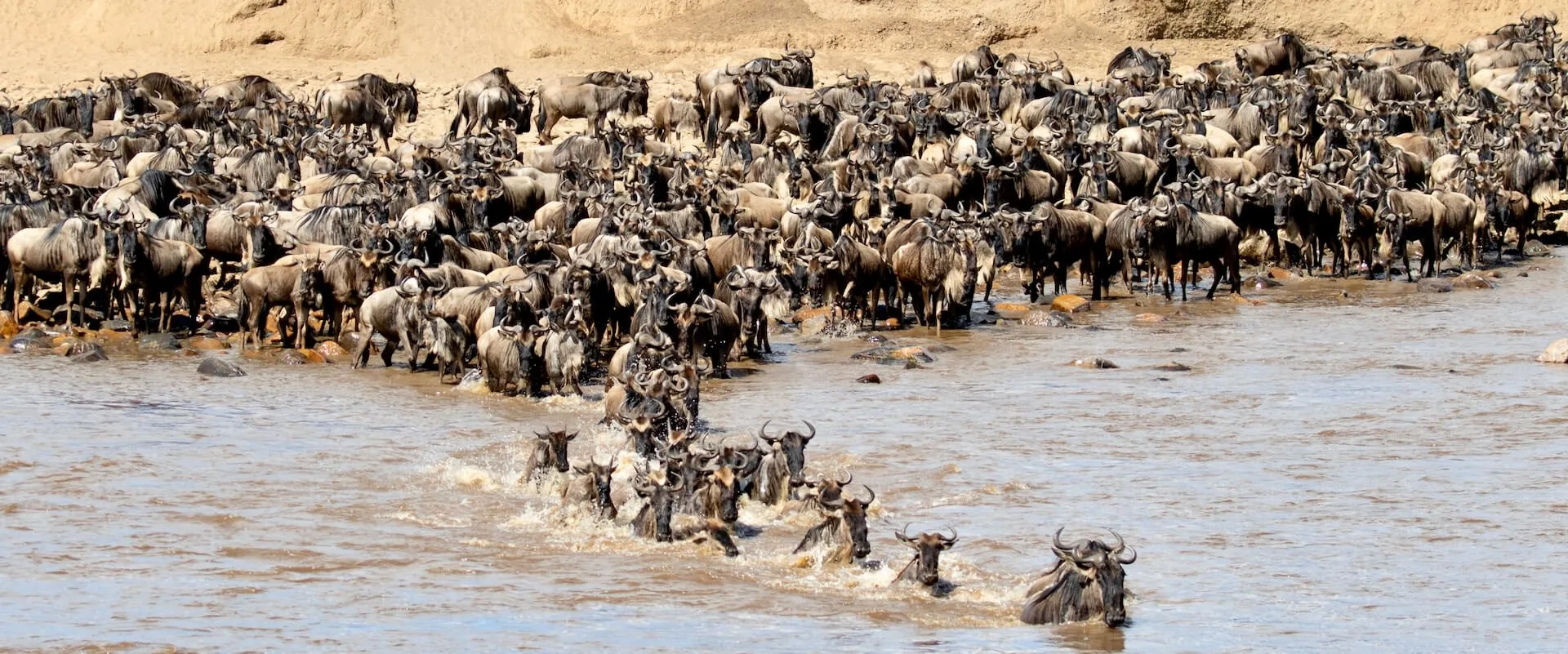
The Great Migration in Africa happens all year because the herds continuously circulate through the Serengeti–Mara ecosystem in…
Read article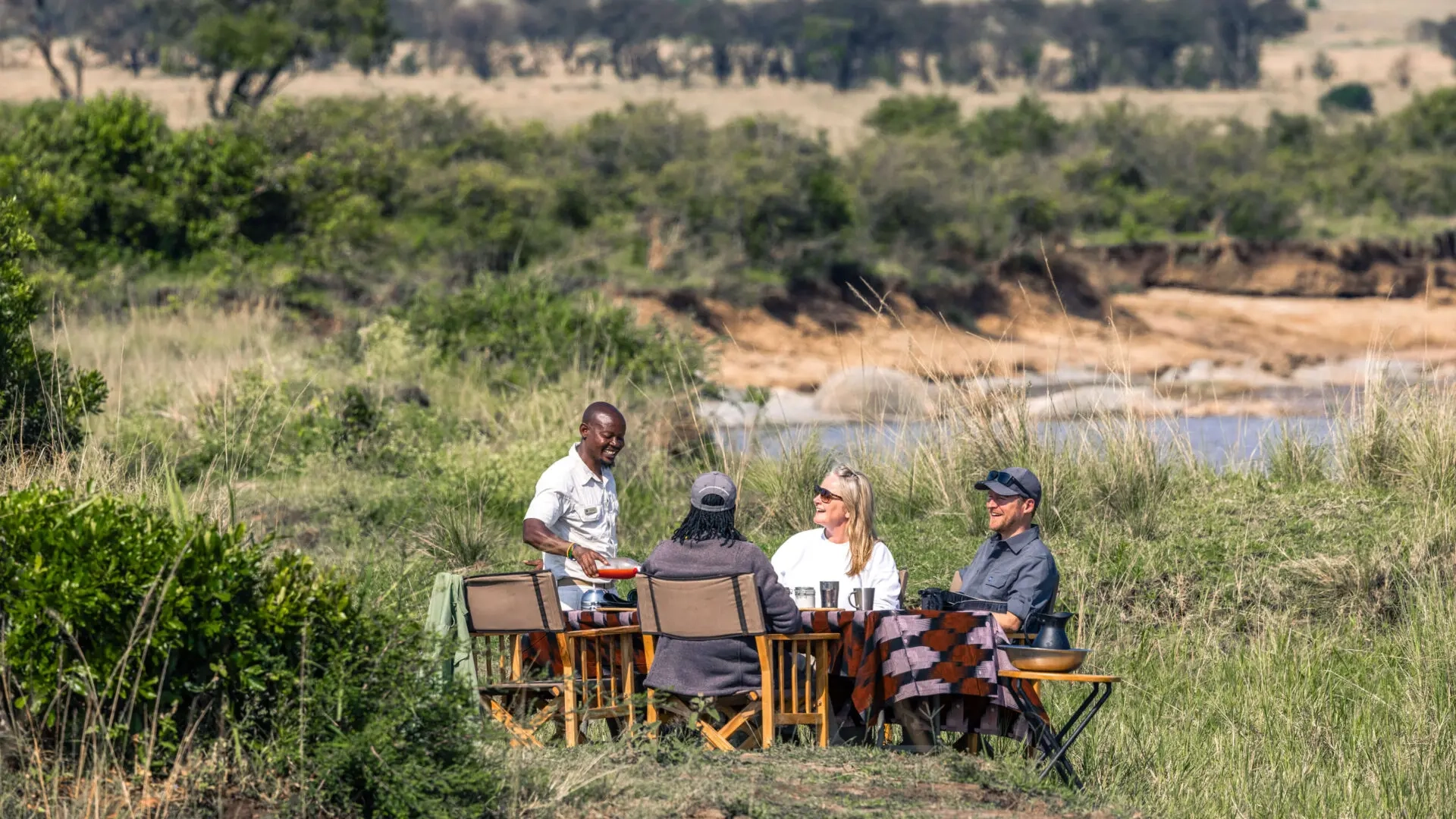
Definitive answer: A picnic lunch on safari is a packed or catered midday meal eaten at an approved…
Read article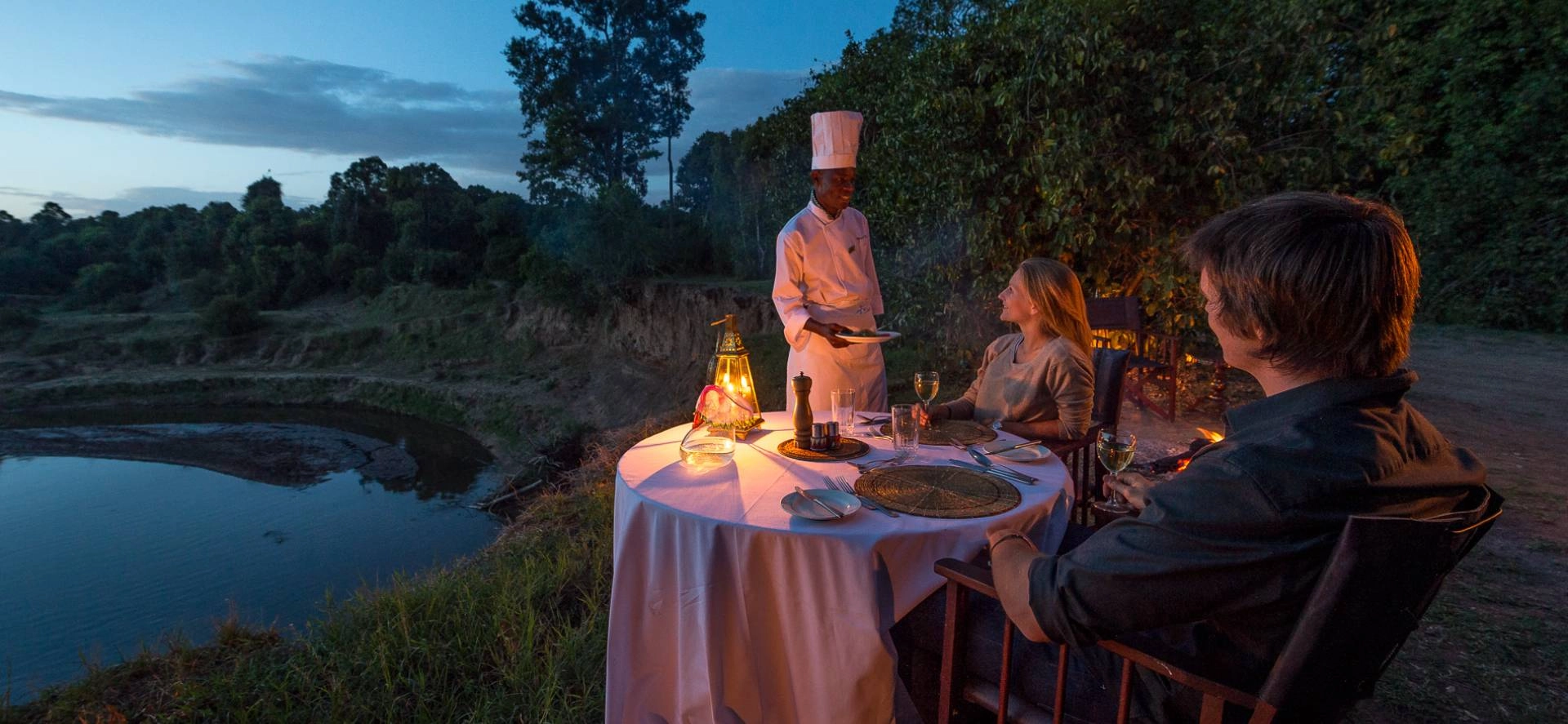
Definitive answer: A bush dinner is an outdoor evening meal arranged in a safe safari setting away from…
Read articleLet us take you closer to the wildlife, people and places that make Africa extraordinary.
Plan Your Safari Today