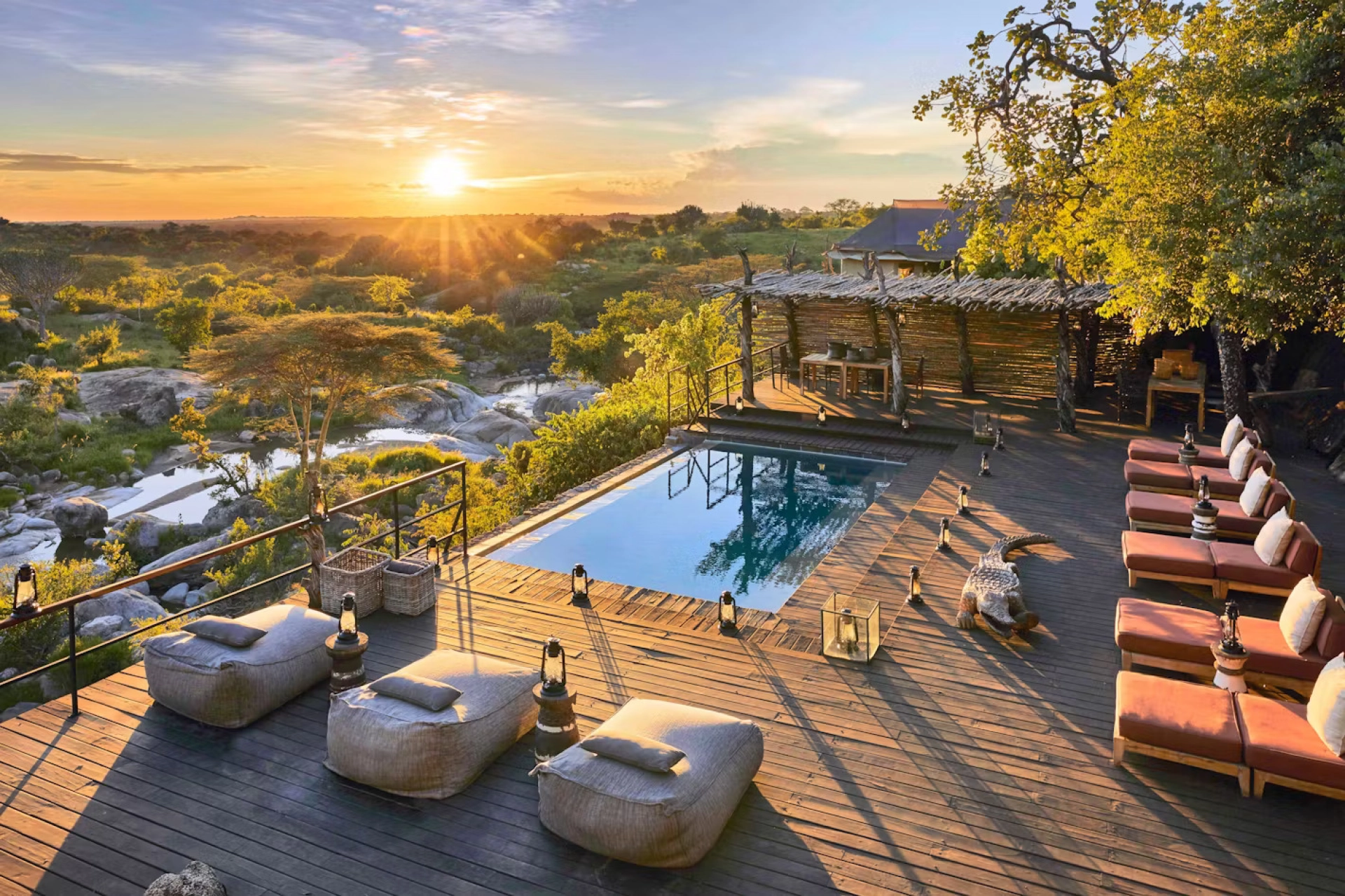
What should I look for when booking a luxury African safari?
When booking a luxury African safari, look beyond the room and compare the quality of guiding, wildlife location,…
Read article

Travel Guide
On a map of southern Africa, Lesotho and Eswatini can initially seem remarkably similar. Both are small landlocked kingdoms. Both are almost entirely surrounded by a much larger neighbour or neighbours dominated geographically by South Africa.…
On a map of southern Africa, Lesotho and Eswatini can initially seem remarkably similar. Both are small landlocked kingdoms. Both are almost entirely surrounded by a much larger neighbour or neighbours dominated geographically by South Africa. Both have strong national identities. Both are frequently added to longer South African road trips. Both offer dramatic landscapes, traditional culture and outdoor activities. And both remain overlooked compared with heavyweight regional destinations such as South Africa, Botswana, Namibia and Zimbabwe.
Yet travelling through them reveals two very different countries. Lesotho is fundamentally a mountain destination. Its national identity is inseparable from elevation, highland communities, Basotho ponies, dramatic passes, remote valleys, waterfalls and rugged roads. This is the “Kingdom in the Sky.” Eswatini, formerly known internationally as Swaziland, is more geographically compact and varied. Within relatively short distances, travellers can move between highland scenery, cultural areas, craft centres and lowveld wildlife reserves.
Its tourism authority promotes precisely this diversity, highlighting wildlife, culture, scenery and adventure within a very small country. So which should you visit? The answer depends entirely on what you want. Choose Lesotho for mountains, remote drives, hiking and highland scenery. Choose Eswatini for a more compact mix of wildlife, culture, crafts, accessible nature reserves and landscapes. Or, with enough time, visit both. This comprehensive Lesotho vs Eswatini comparison looks at scenery, wildlife, hiking, culture, road conditions, photography, family travel, safari combinations and itinerary planning to help you decide which southern African kingdom fits your journey.
The simplest way to understand the difference is this:
Lesotho is more dramatic geographically. Eswatini is more varied experientially. Lesotho’s mountains dominate almost everything. Eswatini packs multiple types of experience into a smaller and generally easier travel area. A traveller with three days who wants hiking and mountain scenery may choose Lesotho. A traveller with three days who wants a wildlife reserve, cultural experience, craft market and scenic drive may find Eswatini easier. Neither is “better” in every category.
Lesotho is completely surrounded by South Africa.
It is an enclave. No matter which international overland route you use to enter Lesotho, you come from South Africa. Its capital is Maseru, located close to the western border. Much of the country’s most dramatic terrain lies farther east in the highlands.
Eswatini borders South Africa and Mozambique.
This location makes it particularly useful for overland itineraries linking Kruger National Park, KwaZulu-Natal and Mozambique. Mbabane functions as the administrative capital, while Lobamba is associated with the monarchy and national institutions. The popular Ezulwini Valley sits near the heart of the country’s tourism circuit.
Geography explains much of what travellers experience in each country.
Lesotho is extraordinary because the entire country lies at high elevation. Even its lowest areas are high by regional standards. Mountain roads climb dramatically. Winter snow is possible in high areas. Villages occupy steep valleys. Rivers cut through the landscape. Road journeys often become attractions in themselves. For travellers who love mountains, Lesotho has a powerful visual identity. You do not visit primarily because one individual attraction is famous. You visit because the country itself is a mountain journey.
Eswatini’s landscape changes much more quickly. Western areas include higher, greener terrain. Central valleys contain many of the country’s major cultural and tourism attractions. Farther east, elevation decreases into warmer lowveld landscapes associated with wildlife reserves. This means visitors can hike in highlands one day and search for rhinos or elephants the next. That diversity is one of Eswatini’s greatest strengths.
For pure mountain drama, Lesotho wins. That does not mean Eswatini lacks beautiful scenery. It means Lesotho’s landscapes feel more consistently extreme.
The Maloti Mountains and wider Drakensberg system dominate the country’s identity. Roads cross high passes. River valleys descend between ridges. Traditional villages sit against enormous slopes. Waterfalls appear in remote areas. Cloud, snow and seasonal colour can completely transform the landscape. Photographers who prefer mountains to wildlife may find Lesotho one of southern Africa’s most rewarding lesser-known destinations.
Eswatini provides a more varied visual journey. Malolotja offers open highland landscapes. The Ezulwini Valley provides greener and more developed scenery. Sibebe Rock creates a distinctive geological landmark. The Lubombo region introduces another type of mountain landscape. Lowveld reserves provide classic bushveld imagery. The country’s tourism authority highlights Malolotja Nature Reserve, Sibebe Rock, Ezulwini Valley, Lubombo landscapes and numerous wildlife areas within suggested itineraries.
Lesotho for scale and mountain drama. Eswatini for variety within a short distance.
No discussion of Lesotho travel is complete without Sani Pass. The route climbs dramatically from South Africa’s KwaZulu-Natal side toward the Lesotho border. Historically rough and spectacular, the drive has become one of southern Africa’s classic mountain journeys.
The attraction is not simply reaching the top. It is watching the landscape change with elevation. Hairpin bends climb through the mountains. Views open toward the valleys below. Weather can shift rapidly. The border crossing itself feels remote.
Conditions and vehicle requirements can change with road development, weather and border regulations. Travellers should verify current requirements before setting off. Mountain weather should never be underestimated. Heavy rain, snow, ice or low cloud can transform road conditions. Independent travellers who are uncomfortable with mountain driving may prefer a guided excursion.
Do not treat Sani Pass merely as an up-and-down day tour if you have sufficient time. Continue farther into Lesotho. The interior reveals a much broader mountain kingdom beyond the famous border road.
One experience strongly associated with Lesotho is Basotho pony trekking. Horses have long been extremely useful in highland areas where steep terrain makes conventional transport difficult. For travellers, trekking by pony offers a way to experience remote landscapes at a slower pace.
The activity fits the terrain naturally. You follow mountain tracks. Move between villages. Cross valleys. Travel at a pace that encourages observation. Multi-day routes can create a much deeper experience than simply driving through the country.
Options vary. Some short rides may suit inexperienced riders with appropriate guidance. Longer mountain journeys demand greater confidence. Be honest about your riding experience. A remote mountain trail is not the ideal location to exaggerate your ability.
If your primary interest is hiking, Lesotho is the stronger choice between these two countries. The highlands create extraordinary walking possibilities. Routes range from short walks to demanding multi-day journeys.
Infrastructure can be less formal than in highly developed trekking destinations. Routes may involve villages, livestock paths and remote valleys rather than heavily marked tourist trails. This increases adventure but also creates navigation and logistics challenges. Local guides can dramatically improve the experience. They add not only route knowledge but cultural and environmental context.
The area around Semonkong and Maletsunyane Falls is one of Lesotho’s better-known adventure destinations. The waterfall drops dramatically into a gorge and provides an excellent focal point for hiking and photography. The wider Semonkong landscape is equally important. Stay long enough to walk rather than arriving only for a quick photograph.
The Lesotho Highlands Water Project has reshaped parts of the country’s physical and economic landscape. Katse Dam is one of the most visually impressive engineering features visitors encounter. The journey there is often as memorable as the dam itself. Roads climb and descend through large mountain systems. Remote settlements appear across slopes. The experience demonstrates how infrastructure operates in an extreme mountain environment.
Yes, but this requires an important qualification. Lesotho is not primarily a classic Big Five safari destination. Travellers should not visit expecting a Kruger-style wildlife experience. Wildlife and birdlife exist, and protected areas are important, but the country’s tourism strength lies in mountains, hiking, pony trekking, scenery and Basotho culture. If seeing elephants, rhinos and other large African mammals is a major priority, Eswatini is the stronger choice.
This is where Eswatini immediately separates itself from Lesotho. Despite its small size, Eswatini contains several reserves offering genuine safari experiences. Official tourism information currently promotes wildlife in Hlane Royal National Park, Mkhaya Game Reserve and Mlilwane Wildlife Sanctuary, alongside other protected landscapes.
Hlane Royal National Park is one of Eswatini’s flagship wildlife destinations. Visitors can experience a landscape that feels dramatically different from the country’s greener western highlands. Wildlife viewing includes large mammals and significant birdlife. For travellers entering or leaving via South Africa or Mozambique, Hlane can fit efficiently into an overland circuit.
It allows travellers to combine a small-country cultural journey with meaningful safari. That simply is not Lesotho’s main tourism proposition. If your itinerary does not already include Kruger or another major safari park, Eswatini’s wildlife areas become especially attractive.
Mkhaya Game Reserve is another important conservation area. It is particularly associated with close wildlife experiences and strong conservation management. Recent Eswatini tourism information has promoted guided conservation experiences including rhino-focused walking activities at Mkhaya. This makes the reserve appealing to travellers who want more than simply driving around searching for animals. Guided interpretation can introduce conservation challenges and explain how wildlife protection functions in a small country.
Mlilwane Wildlife Sanctuary offers a gentler experience. The landscape and activity style make it especially useful for travellers who enjoy outdoor activities rather than vehicle-only safari. Walking, cycling and horse-riding opportunities are associated with the sanctuary and surrounding tourism region. Eswatini’s official suggested itineraries specifically recommend Mlilwane for walking and horse riding as part of a stay around Ezulwini.
Families. Active travellers. Couples wanting a relaxed nature stay. People who have already completed intense Big Five game drives elsewhere. It creates a different style of wildlife experience.
If wildlife safari is part of your decision, Eswatini wins clearly. Lesotho’s wildlife is secondary to its mountains. Eswatini can function as a genuine safari component of a regional trip.
Both kingdoms have powerful cultural identities. Choosing a winner is difficult because the experiences are different.
The Basotho blanket is one of Lesotho’s most recognisable cultural symbols. Traditional hats and blankets remain visually associated with national identity. Horses continue to play an important role in highland life. Village architecture, agriculture and livestock all reflect adaptation to the mountain environment. The most meaningful cultural encounters occur naturally through travelling slowly. Staying in local lodges. Walking with guides. Visiting villages appropriately. Buying crafts. Learning a few phrases. Culture does not need to be staged to be visible.
Culture occupies an especially visible position in Eswatini tourism. The monarchy remains central to national identity. Major ceremonies, cultural centres, craft organisations and historical sites give visitors multiple opportunities to learn about Swati traditions. Official tourism information describes culture and heritage as deeply embedded in the visitor experience and promotes the Ezulwini and Lobamba area as the country’s cultural heartland.
The Ezulwini Valley, often translated as the Valley of Heaven, is the main tourism hub for many first-time Eswatini visitors. Its central position makes it a convenient base for cultural attractions, crafts, nature reserves and excursions. Nearby Lobamba provides access to important national sites. The valley is much more developed for tourism than most rural Lesotho locations. This can be either an advantage or disadvantage depending on the traveller.
Eswatini is known for major national cultural ceremonies. Dates and visitor arrangements should always be checked carefully. Travellers should approach ceremonies as living cultural events, not performances staged simply for outsiders. Dress and photography expectations matter. Respectful observation is essential.
Eswatini has a particularly strong craft-tourism scene. Glass. Candles. Textiles. Weaving. Basketry. Decorative arts. Many workshops and craft centres have become established stops on tourism circuits. The country’s official tourism material repeatedly highlights craft centres around areas such as Malkerns and Ngwenya. For travellers who enjoy meeting artisans and purchasing locally made products, Eswatini has an advantage.
This is a draw, but with different strengths. Lesotho offers culture embedded strongly in remote mountain life. Eswatini provides easier access to formal cultural attractions, royal heritage, ceremonies and craft centres.
Lesotho wins overall for serious mountain trekking. But Eswatini should not be overlooked.
Malolotja Nature Reserve offers some of Eswatini’s best hiking. Rolling highlands, valleys and open views make it a strong destination for active travellers. Official suggested itineraries recommend full-day hikes and overnight stays in the reserve rather than treating it as a quick stop.
Near Mbabane, Sibebe Rock provides another distinctive outdoor experience. The massive granite formation creates a striking landscape and hiking opportunity. Guided access may be advisable depending on route and current arrangements.
Lesotho for dramatic mountain trekking and multi-day adventure. Eswatini for easier integration of hiking into a varied short trip.
Both countries offer excellent possibilities. Lesotho’s pony trekking is culturally and geographically distinctive. Eswatini offers horse riding in nature and wildlife areas such as Mlilwane and surrounding resorts. Choose Lesotho for a mountain expedition feel. Choose Eswatini for shorter riding experiences combined with other activities.
This category depends strongly on what kind of driving you enjoy.
Distances can be deceptive. Mountain roads add time. A route that looks short on a map can require hours. Some remote roads may require suitable vehicles and experienced drivers. Weather matters. Fuel planning matters. You need to think more carefully. The reward is exceptional scenery.
Eswatini is much easier to cover. Its compact size allows travellers to experience several regions without enormous transfer days. Official tourism guidance notes that many major attractions can be reached within approximately two to two-and-a-half hours of the main central tourism areas. This makes itinerary planning much simpler.
Eswatini.
Lesotho.
Both countries combine naturally with South Africa.
Lesotho works especially well with: Drakensberg KwaZulu-Natal Eastern Cape routes Free State A trip entering through Sani Pass and leaving toward western Lesotho can create a rewarding cross-country route.
Eswatini works especially well with: Kruger National Park Mpumalanga KwaZulu-Natal Mozambique Its location makes it ideal as part of a circular regional itinerary.
If your main trip includes Kruger National Park, Eswatini is the easier and more logical addition. You can move between South African wildlife areas and Eswatini without travelling across the entire country. A route might combine: Johannesburg, Panorama Route, Kruger, Eswatini, KwaZulu-Natal, and Durban. Lesotho would generally require a larger detour unless the wider itinerary already includes KwaZulu-Natal or the Drakensberg.
Here Lesotho becomes especially attractive. The mountains do not stop at South Africa’s political border. Crossing into Lesotho through mountain routes allows travellers to experience the highland system from a completely different cultural and geographical perspective.
Best for: mountains, villages, ponies, dramatic roads, waterfalls, snow, highland weather, wide landscapes.
Best for: wildlife, cultural events, crafts, mountain scenery, lowveld landscapes, markets, nature reserves.
Landscape specialists may prefer Lesotho. Travel photographers seeking greater variety may prefer Eswatini.
Eswatini is generally easier for a conventional family holiday. Transfers can be shorter. Wildlife sanctuaries provide immediate entertainment. Craft centres and cultural attractions add variety. Activities can be changed easily if children become tired. Lesotho works wonderfully for adventurous families with older children who enjoy mountains, riding and road trips. For very young children, long highland drives may be tiring.
Both. Lesotho feels more adventurous and remote. Eswatini can be more relaxed and varied. Couples wanting mountain lodges, scenery and road-trip adventure may prefer Lesotho. Couples wanting culture, crafts, safari and comfortable short transfers may prefer Eswatini.
It depends on the rest of the honeymoon. If the itinerary already includes a major safari such as Kruger, Lesotho can provide dramatic contrast. If you want to include wildlife but do not have time for another major park, Eswatini may offer more variety within a limited number of days.
Lesotho. Once you leave Maseru and major routes, highland travel can feel genuinely isolated. Mountain valleys, shepherds, scattered settlements and long road sections create a stronger sense of remoteness. Eswatini is compact enough that major centres rarely feel extremely distant.
Both countries have excellent individual properties, but Eswatini generally provides a broader concentration of conventional tourism accommodation within a compact area. Lesotho accommodation outside major centres can be more limited and dispersed. That is not necessarily a disadvantage. Remote lodges can become part of the experience.
Either can work, but costs depend heavily on transport. Lesotho can become expensive if you require specialised 4×4 transport or guided mountain logistics. Eswatini’s compact distances can reduce fuel and transfer costs. Travellers using South Africa as the main base should consider the cost of entering and exiting as part of a wider itinerary rather than comparing room rates alone.
Eswatini is easier if using organised transfers and tours around a central base. Lesotho’s most compelling landscapes are widely dispersed, making private transport or guided touring much more useful. For serious exploration of either country, having a planned transport strategy is important.
Lesotho’s seasons are strongly influenced by altitude.
Summer brings greener landscapes and warmer temperatures, although rain and thunderstorms can occur. Mountain roads can be affected by weather.
Autumn can produce attractive scenery and comfortable walking conditions.
Winter can be extremely cold in the highlands. Snow may occur. This can create spectacular scenery but also complicate driving. Warm clothing is essential.
Spring creates transitional conditions and can be excellent for road trips and hiking depending on weather.
Eswatini’s varied altitude means conditions differ between the highveld and lowveld. The cooler dry months are particularly comfortable for wildlife viewing and outdoor exploration. Summer is warmer and greener, with more rainfall. For safari, animals can become easier to locate around water during drier conditions. For scenery, the greener season can be beautiful.
Three days is enough for a brief introduction. Five to seven days is much better. A week allows travellers to move beyond one border crossing and experience the interior. Dedicated hikers or pony trekkers can easily spend longer.
Three days can cover several highlights because distances are short. Four to five days is more satisfying. A week allows time for wildlife reserves, highland scenery, culture and slower travel. Official tourism itineraries similarly encourage travellers to stay longer than the one- or two-night transit visits that many regional itineraries allocate.
Cross into Lesotho and enjoy the mountain landscape. Continue toward a highland overnight stop.
Choose a hike, pony trek or scenic road journey. Take time to visit villages respectfully and appreciate the landscape rather than driving constantly.
Exit through a route that makes sense for the wider South African itinerary. Three days is short, so avoid trying to cross the entire country unnecessarily.
Explore the Ezulwini area, crafts and cultural attractions.
Choose wildlife and outdoor activities at Mlilwane or hiking at Malolotja.
Add a stronger wildlife experience before continuing toward South Africa or Mozambique.
With five days, you can begin experiencing Lesotho rather than merely passing through. Include: Sani Pass, a highland road journey, Semonkong, Maletsunyane Falls, a pony trek, and additional cultural or scenic stops. Route planning should remain realistic because mountain transfers can be slow.
A five-day itinerary can combine: Ezulwini Valley, Lobamba, craft centres, Mlilwane, Malolotja, Hlane, or Mkhaya. Because distances are short, you can achieve considerable diversity without feeling constantly in transit.
Choose Lesotho if your idea of adventure is: remote mountain roads, multi-day hiking, pony trekking, cold highlands, and challenging landscapes. Choose Eswatini if your idea of adventure is: hiking, wildlife, mountain biking, horse riding, cultural exploration, canopy activities, and fitting several experiences into one short trip.
Eswatini wins. It offers legitimate wildlife reserves within its borders and combines naturally with Kruger National Park. Lesotho should be viewed as a scenic and cultural addition to a safari elsewhere rather than as a replacement for one.
This is more nuanced. Lesotho often feels culturally immersive simply because rural mountain life remains visible throughout the journey. Eswatini makes many cultural attractions easier to access and interpret. The best choice depends on whether you prefer informal immersion or structured visitor experiences.
Do not judge either country only by major attractions. Eat local food. Visit markets. Talk with guides. Buy locally produced crafts. Stop at small towns. The value of visiting small countries lies partly in the ability to move beyond famous attractions and understand everyday life.
Avoid treating traditional clothing as costume designed for tourists. Ask permission before photographing people. Pay fairly for guiding and crafts. Do not distribute sweets or money randomly to children. Choose experiences where local communities benefit. Culture is not an attraction separate from people. It is people’s lived identity.
Travel conditions and border regulations can change. Check current official advice before departure. Mountain weather in Lesotho requires particular attention. Do not underestimate distances. Carry adequate fuel where appropriate. In both countries, standard travel precautions apply around valuables and unfamiliar areas. Travel insurance is recommended.
Opening hours and entry requirements vary by crossing. Some smaller Lesotho mountain borders may have different road conditions or operating schedules from major crossings. Eswatini also has several South African entry points, plus access toward Mozambique. Never assume all border posts operate continuously. Plan the route before departure.
Eswatini is probably easier. It provides wildlife, culture and scenery without highly demanding logistics. It also integrates naturally with South Africa. Lesotho may appeal more strongly to travellers who already know they enjoy mountain driving, hiking and less conventional road trips.
Both are unique for different reasons. Lesotho’s extraordinary elevation and mountain identity make it unlike almost anywhere else in southern Africa. Eswatini’s combination of monarchy, living culture, craft traditions and substantial wildlife experiences within a tiny geographic area is equally distinctive.
Yes. The key is having sufficient time. A longer South African journey could incorporate: Johannesburg, Drakensberg, Lesotho, KwaZulu-Natal, Eswatini, Kruger, and Johannesburg. This becomes an outstanding road trip, but it should not be compressed into a rushed week. Two to three weeks is much more realistic depending on the route.
For international travellers, the kingdoms can also form part of a larger African journey. South Africa provides obvious flight connections. After completing a southern African road trip, travellers can continue toward Uganda, Rwanda, Kenya or Tanzania for completely different wildlife experiences. Imagine combining Lesotho’s mountain scenery with mountain gorilla trekking in Uganda, or adding Eswatini after a Kruger safari before continuing to East Africa. The contrast is enormous.
Choose Lesotho if your priorities are: mountains dramatic landscapes hiking pony trekking remote roads highland villages photography adventure cooler mountain environments. Choose Eswatini if your priorities are: wildlife cultural attractions crafts shorter driving distances easy road-trip planning nature reserves a Kruger combination a broader mix of activities.
Few small countries have such a clearly defined geographical personality. You know you are in Lesotho. The altitude. The roads. The blankets. The ponies. The valleys. The mountains. It feels distinctive almost immediately.
Eswatini’s strength is how much it contains. A traveller can move from a craft centre to a cultural site, then hike through highland landscapes before continuing toward a wildlife reserve. Official tourism itineraries deliberately emphasise this ability to connect very different attractions within a few hours. For visitors with limited time, that efficiency is difficult to beat.
There is no reason to rank one kingdom permanently above the other. They serve different travel styles. Lesotho is the stronger mountain destination. Eswatini is the stronger wildlife destination. Lesotho provides greater geographical drama. Eswatini provides greater activity diversity within short distances. Lesotho feels more remote. Eswatini is easier to integrate into a Kruger road trip. Travellers who love road-trip adventure, highlands and hiking should lean toward Lesotho. Travellers who want wildlife, culture and efficient touring should lean toward Eswatini.
And travellers with enough time should stop comparing and visit both. Because the most interesting lesson from a Lesotho vs Eswatini journey is not how similar these two small African kingdoms are. It is how dramatically different they become once you cross their borders.
Adventure in the Wild Safaris can help travellers connect southern African experiences with longer journeys across the continent. A trip through South Africa, Eswatini or Lesotho can be combined with Uganda gorilla trekking, Rwanda, Kenya safaris, Tanzania’s Serengeti, Victoria Falls and other major African destinations. For longer journeys, combining landscapes rather than repeating similar experiences usually creates the strongest itinerary.
Get quick answers to the most common questions. If you still have questions, our safari experts are here to help.
No. They are separate independent countries with different peoples, languages, landscapes, histories and tourism experiences.
Yes. The country’s official English name changed from Swaziland to the Kingdom of Eswatini in 2018.
Lesotho generally wins for dramatic mountain scenery. Eswatini has more geographical variety within a smaller area.
Eswatini. It has recognised wildlife reserves offering significant safari experiences.
Lesotho for major mountain trekking; Eswatini for shorter hikes that combine easily with wildlife and cultural activities.
It is better known for mountains, hiking, pony trekking and culture than for classic Big Five safari tourism.
Yes. Eswatini has important rhino conservation areas, including Mkhaya Game Reserve.
Yes. It is one of the most logical international additions to a Kruger road trip because of its location.
Yes. This is one of the most natural Lesotho combinations, particularly around routes connected with Sani Pass.
Costs vary by transport and accommodation. Eswatini’s shorter distances can reduce road-trip expenses, while remote Lesotho routes may require specialised transport.
Allow at least three days for a short introduction and ideally five to seven days for a more meaningful journey.
Three days works for highlights, while four to five days gives a much better balance of wildlife, culture and scenery.
Yes. They combine well within a longer South Africa road trip, especially if you have two or more weeks.
Eswatini is generally easier because of short distances and diverse activities. Adventurous families with older children may prefer Lesotho.
Lesotho is outstanding for mountain and landscape photography. Eswatini offers more variety, including wildlife, culture and scenery.
Yes. Snow can occur in highland areas during winter, and severe weather can affect travel.
Lesotho is famous for its high-altitude mountain landscapes, Basotho culture, blankets, pony trekking, Sani Pass and dramatic highland scenery.
Eswatini is known for Swati culture, royal traditions, wildlife reserves, crafts, the Ezulwini Valley and varied scenery.
Choose Lesotho if your primary goal is mountains and adventure. Choose Eswatini if you want to combine wildlife, culture and scenery efficiently.
Both receive far fewer visitors than major regional destinations. Remote Lesotho generally feels more isolated, while parts of Eswatini have a well-developed visitor circuit.
Our safari experts are here to help you plan your safari. Get personalized advice, the latest information and a free, no-obligation quote.
We typically reply within a few hours.

Share This Article
When booking a luxury African safari, look beyond the room and compare the quality of guiding, wildlife location,…
Read article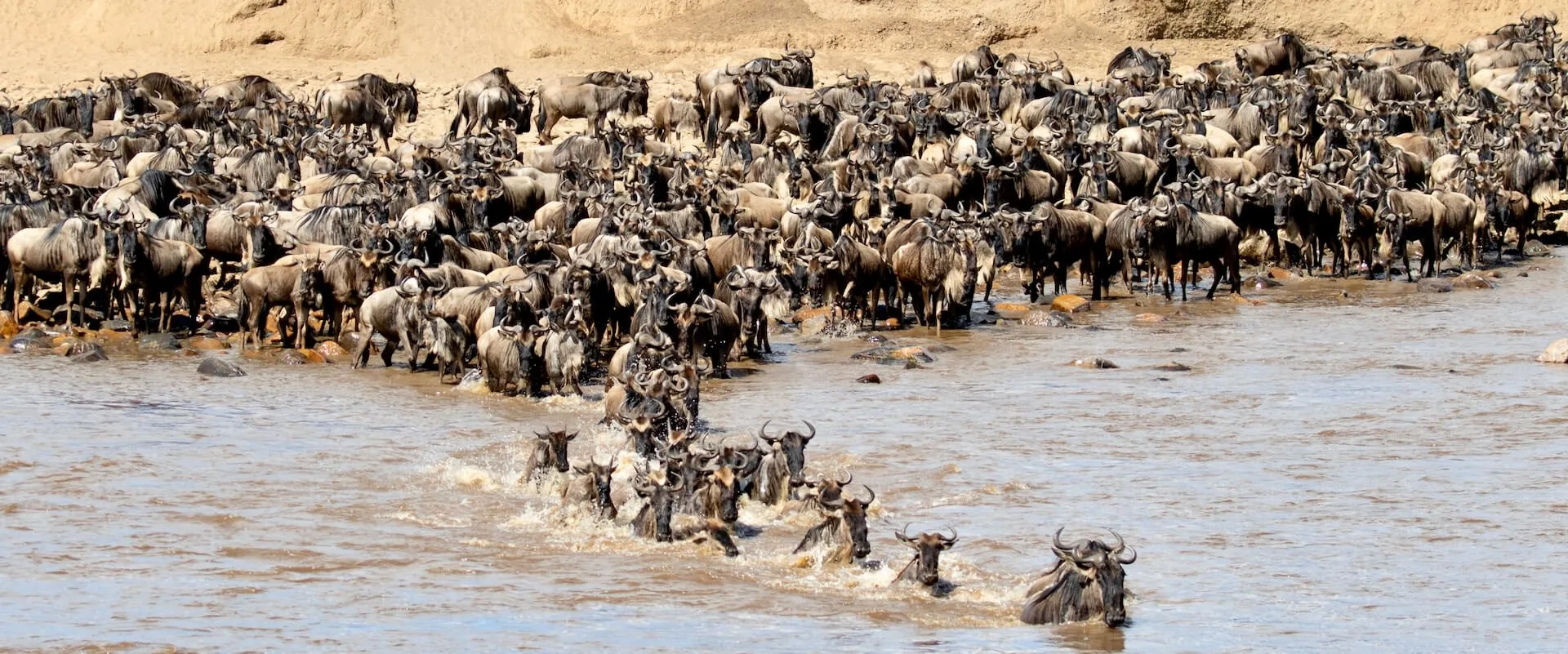
The Great Migration in Africa happens all year because the herds continuously circulate through the Serengeti–Mara ecosystem in…
Read article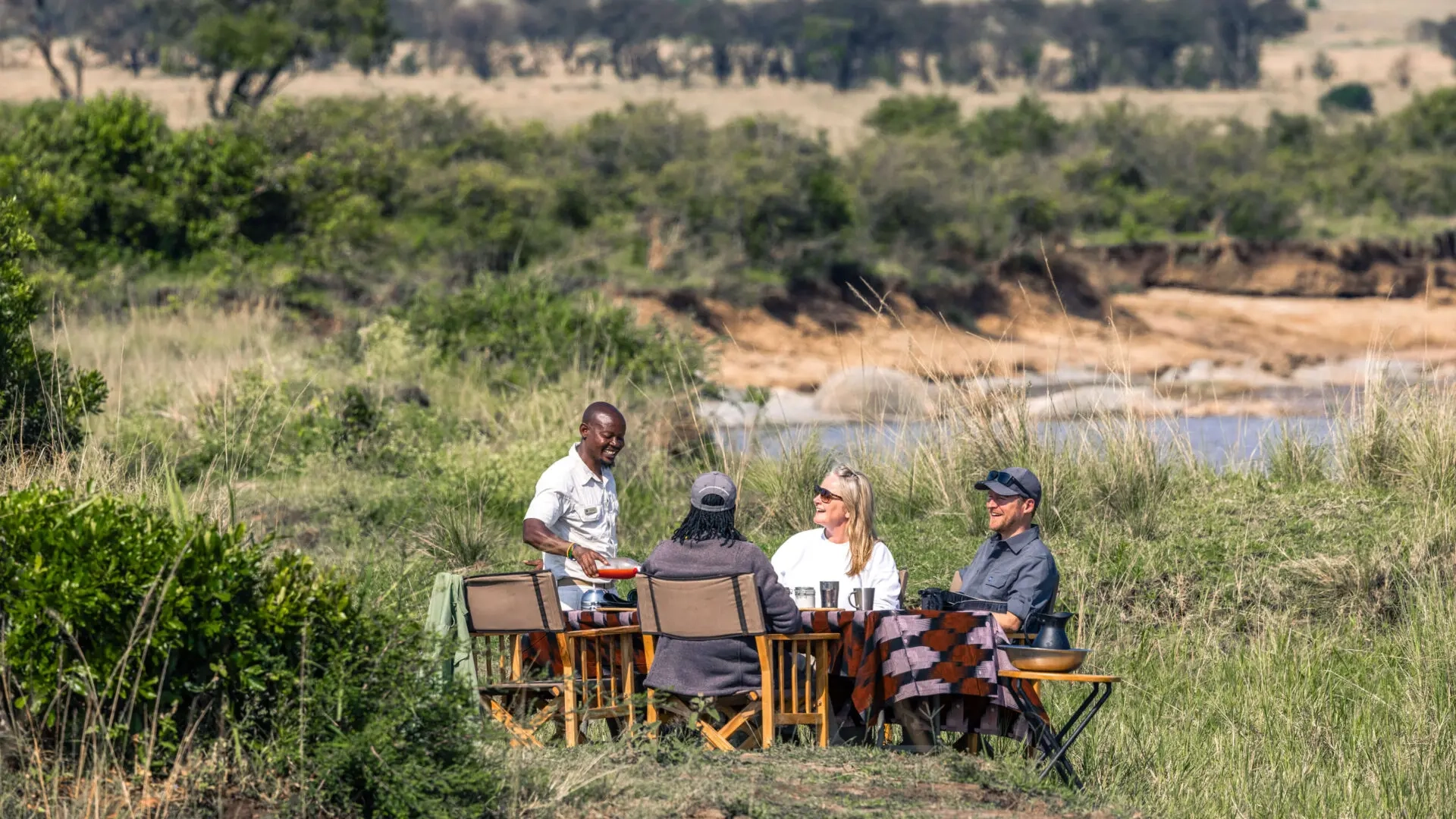
Definitive answer: A picnic lunch on safari is a packed or catered midday meal eaten at an approved…
Read article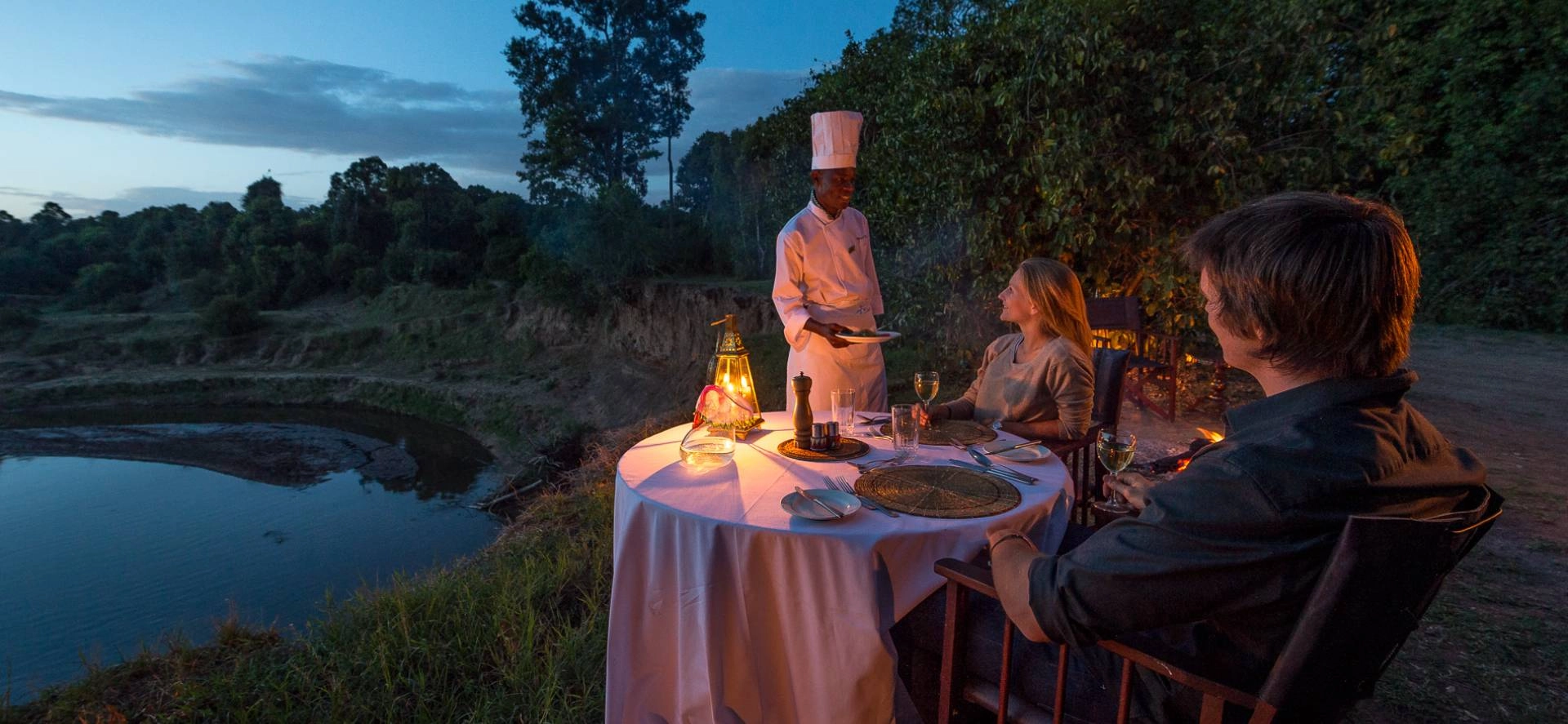
Definitive answer: A bush dinner is an outdoor evening meal arranged in a safe safari setting away from…
Read articleLet us take you closer to the wildlife, people and places that make Africa extraordinary.
Plan Your Safari Today