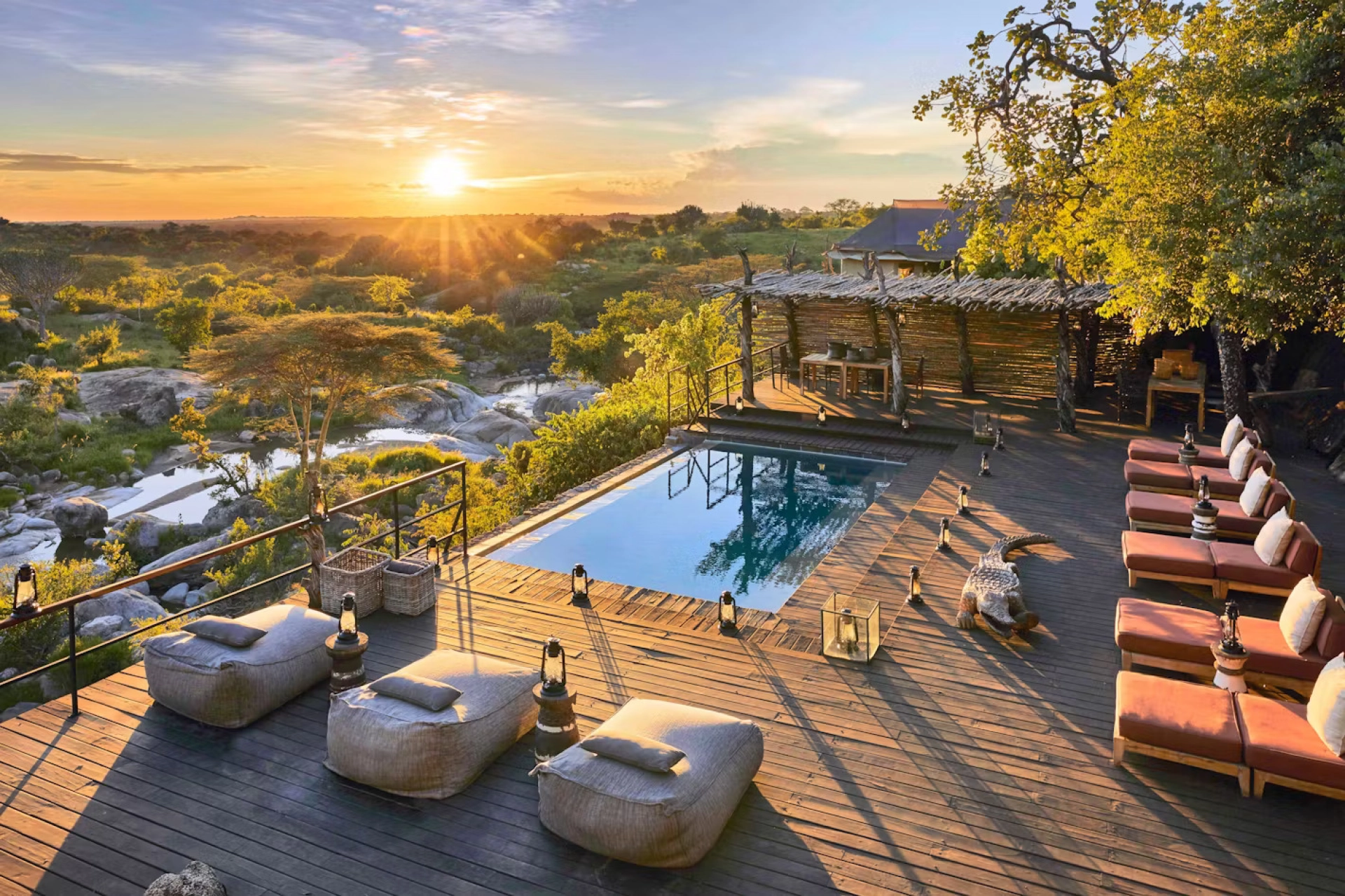
What should I look for when booking a luxury African safari?
When booking a luxury African safari, look beyond the room and compare the quality of guiding, wildlife location,…
Read article

Travel Guide
Victoria Falls is located in southern Africa on the Zambezi River, directly on the international border between Zambia and Zimbabwe. That is the simplest answer. However, it does not completely answer one of the most frequently…
Victoria Falls is located in southern Africa on the Zambezi River, directly on the international border between Zambia and Zimbabwe. That is the simplest answer. However, it does not completely answer one of the most frequently asked questions among first-time visitors: Is Victoria Falls in Zambia or Zimbabwe? The answer is both. The Zambezi River forms the international boundary between the two countries at Victoria Falls. The waterfall therefore stretches across the border, with viewpoints and tourism infrastructure accessible from both Victoria Falls in Zimbabwe and Livingstone in Zambia.
This unusual geography is one reason planning a Victoria Falls holiday can initially seem confusing. Travellers searching for accommodation encounter hotels in two countries. Some activities depart from Zimbabwe. Others operate from Zambia. The famous Devil’s Pool is reached from the Zambian side. A traveller staying in Zimbabwe may therefore cross the international border to participate in certain activities and return afterward. Understanding this geography before booking flights and accommodation makes planning significantly easier. Victoria Falls is not simply a waterfall beside one town. It is a transboundary natural attraction centred on the Zambezi River, with Zimbabwe and Zambia offering complementary ways to experience it.
Victoria Falls lies between Zimbabwe and Zambia. On the southern bank of the Zambezi is the Zimbabwean town of Victoria Falls. On the northern side is the Zambian tourism city of Livingstone. The waterfall itself forms part of the boundary. Therefore, asking which country owns Victoria Falls is somewhat like asking which side of a border owns a river that defines the border. Both countries protect and provide access to sections of the waterfall.
The wider UNESCO World Heritage property is transboundary and is officially recognised as Mosi-oa-Tunya / Victoria Falls. For travellers, the practical distinction is more important than the political one. The Zimbabwe side generally provides extensive panoramic views across much of the waterfall. The Zambia side gives access to particular close-up viewpoints and seasonal experiences such as Livingstone Island and Devil’s Pool. This makes crossing between both sides extremely worthwhile for travellers with enough time.
Victoria Falls lies on the Zambezi River in southern Africa, well inland from the Indian Ocean. The nearest major tourism centres are: Victoria Falls town, Zimbabwe, immediately beside the waterfall. Livingstone, Zambia, approximately a short drive from the falls. The border crossing between the countries passes across the historic Victoria Falls Bridge. The broader region is particularly interesting because several southern African countries lie relatively close together. Zimbabwe. Zambia. Botswana.
Namibia. This geography makes Victoria Falls an exceptional gateway for a multi-country Southern Africa safari. A traveller can potentially combine Victoria Falls, Chobe National Park, Hwange National Park, the Okavango Delta and Zambia safari destinations within one journey.
You cannot properly understand Victoria Falls without understanding the Zambezi River. The Zambezi is one of Africa’s great rivers. It travels across a vast section of southern Africa before eventually reaching the Indian Ocean in Mozambique. At Victoria Falls, the broad river suddenly plunges into a narrow basalt gorge. This geological arrangement creates the extraordinary visual character of the waterfall. Instead of water simply dropping from a conventional cliff into a broad basin, the Zambezi disappears into a relatively narrow chasm.
The impact creates enormous spray during high-water periods. This spray can rise high above the gorge and become visible from considerable distances. The traditional local name Mosi-oa-Tunya is commonly translated as “The Smoke That Thunders.” Standing near the falls during high water makes the description immediately understandable. The sound can be immense. Mist surrounds the viewpoints. Rainbows form in the spray. Vegetation near the gorge becomes unexpectedly lush. Victoria Falls is therefore not only about height or width. Its geological setting creates an unusually immersive waterfall experience.
Victoria Falls is frequently described as the world’s largest sheet or curtain of falling water when dimensions of width and height are considered together. Claims about the “largest waterfall in the world” depend on what measurement is being used. Highest? Widest? Greatest flow? Largest continuous curtain? Different waterfalls win different categories. Angel Falls in Venezuela is far higher. Other waterfall systems can carry greater volumes of water. What makes Victoria Falls exceptional is the combination of its broad width, significant drop, narrow gorge and enormous seasonal water volume.
The result is one of the world’s most spectacular natural landscapes. For travellers, rankings ultimately matter less than the experience. You do not stand beside Victoria Falls wondering whether another waterfall is technically six metres higher. You are too busy watching an entire river disappear into a roaring gorge.
This is one of the most common Victoria Falls travel questions, and the answer depends on the season and the experience you want. Neither side is universally “better.” They provide different perspectives.
The Zimbabwe side of Victoria Falls is particularly famous for its broad panoramic viewpoints. A large proportion of the waterfall can be viewed from Zimbabwean walking trails. During periods when water levels decline significantly, the Zimbabwe side can retain stronger waterfall views than some Zambian viewpoints. The town of Victoria Falls also has extensive tourism infrastructure, including hotels, restaurants, safari lodges and activity operators. Zimbabwe works especially naturally for travellers combining the falls with a Hwange National Park safari.
The Zambian side of Victoria Falls offers a different perspective. Visitors can approach sections of the waterfall closely. Livingstone provides extensive accommodation and tourism infrastructure. Most importantly for adventure travellers, Livingstone Island and Devil’s Pool are accessed from Zambia. Zambia also works naturally as the beginning or end of a longer Zambia safari through destinations such as South Luangwa National Park, Lower Zambezi National Park and Kafue National Park.
If your itinerary and visa arrangements permit, yes.
Visiting both sides helps travellers understand the scale of the waterfall. Zimbabwe provides one perspective. Zambia provides another. Crossing the Victoria Falls Bridge also becomes part of the experience. From the bridge, visitors can look into the gorge and see sections of the waterfall landscape from another angle. The border itself is therefore not simply an inconvenience. It creates an opportunity to experience two countries during one visit.
The famous Devil’s Pool is located on the Zambian side of Victoria Falls. More specifically, it lies close to the edge of the waterfall near Livingstone Island in the Zambezi River. This is extremely important for trip planning. Travellers staying in Victoria Falls, Zimbabwe, cannot simply walk through the Zimbabwean rainforest viewpoints and arrive at Devil’s Pool. They need to cross into Zambia and participate in an authorised Livingstone Island excursion when the activity is operating. Because Devil’s Pool sits immediately beside the waterfall edge, access is highly dependent on water levels. It is not available throughout the year.
Devil’s Pool is a naturally formed rock pool close to the edge of Victoria Falls. During suitable low-water conditions, the river flow around this particular section becomes sufficiently manageable for guided visitors to enter the pool. From the water, the edge of the waterfall appears extraordinarily close. The experience creates photographs that can look almost impossible. Visitors appear to be sitting or lying immediately beside the precipice while the Zambezi plunges into the gorge beyond.
However, this should never be interpreted as permission to approach the waterfall independently. Devil’s Pool is a specialised guided activity. Water conditions determine whether access is safe. The location is inherently hazardous outside controlled operating conditions.
No. Devil’s Pool is seasonal. The activity operates only when Zambezi water levels are sufficiently low for authorised guides to consider access safe. Exact opening and closing dates change because rainfall and river levels vary from year to year. This is why travellers should avoid planning an entire holiday around an assumed fixed calendar date. If swimming in Devil’s Pool is one of your main reasons for visiting Victoria Falls, confirm seasonal operating conditions before finalising the itinerary.
During high water, the pool becomes inaccessible. That does not mean Victoria Falls becomes less worthwhile. In fact, high water creates the most dramatic overall waterfall spectacle. This creates an interesting trade-off. High-water Victoria Falls offers enormous spray and powerful waterfall views. Low-water Victoria Falls can provide access to activities such as Devil’s Pool. The “best time” therefore depends on your priorities.
The most accurate answer is that Devil’s Pool is an adventure activity in an inherently dangerous natural environment that should only be attempted through authorised guided operations when conditions are officially considered suitable. Visitors should never attempt to recreate the experience independently. The Zambezi River is powerful. Water levels change. Rock surfaces can be slippery. Currents exist. The edge drops into a deep gorge. Professional guides understand the route and current conditions far better than visitors. Follow instructions exactly. If the activity is closed, accept the closure. No photograph is worth ignoring safety restrictions.
Travellers researching Victoria Falls swimming pools may also encounter references to Angel’s Pool. These natural pools or seasonal experiences can operate under different water conditions and access arrangements. Availability changes according to Zambezi water levels. Rather than assuming one will be operating during your trip, confirm the exact available Livingstone Island experience for your dates. The river decides the schedule. Tour operators adapt around it.
Livingstone Island lies in the Zambezi River close to the lip of Victoria Falls on the Zambian side. It is historically associated with Scottish explorer David Livingstone, who viewed the waterfall in 1855 and introduced the name Victoria Falls to European geographical literature. The island is now used for controlled visitor experiences. Depending on water levels and operating conditions, excursions may include transport to the island, guided interpretation, meals or refreshments and access to seasonal swimming experiences.
Livingstone Island offers a completely different perspective from standing opposite the waterfall on the Zimbabwe side. Instead of viewing the waterfall from across the gorge, you are effectively standing within the river system at its edge.
Long before the name Victoria Falls appeared on colonial maps, local communities knew the waterfall through indigenous names, most famously Mosi-oa-Tunya. The name is generally translated as “The Smoke That Thunders.” This description captures two defining features. The “smoke” is spray. The “thunder” is sound. During high water, enormous quantities of spray rise above the gorge and can resemble smoke from a distance. The Zambezi’s impact produces a continuous roar. Using the name Mosi-oa-Tunya also reminds visitors that the waterfall existed within African cultural landscapes long before European exploration.
David Livingstone was a Scottish missionary, explorer and physician who travelled extensively through parts of southern and central Africa during the 19th century.
He reached Victoria Falls in 1855 and named it after Britain’s Queen Victoria. Livingstone did not “discover” the waterfall in the literal sense sometimes implied by older travel writing. African communities already lived in the region and knew the falls. A more accurate description is that Livingstone became the first European known to record seeing the waterfall and subsequently helped introduce it to European audiences. Understanding this distinction produces a more balanced account of Victoria Falls history.
The Victoria Falls Bridge crosses the Zambezi gorge downstream from the main waterfall and links Zimbabwe with Zambia. Completed in the early 20th century, the bridge became an important transport connection. Today it is simultaneously: An international border crossing. A road bridge. A railway bridge. A viewpoint. An adventure-tourism location. Visitors walking between Zimbabwe and Zambia cross the bridge as part of border formalities. The bridge also provides dramatic views into the gorge. Adventure activities associated with the bridge area can include bungee jumping and related high-adrenaline experiences.
Victoria Falls town is one of Zimbabwe’s principal tourism centres. Its location immediately beside the waterfall makes it convenient for visitors. Depending on the hotel, travellers can reach the entrance to the falls quickly. The town offers: Safari lodges. Hotels. Restaurants. Craft markets. Activity offices. Transfers. River cruises. Helicopter flights. Safari connections. One of the greatest advantages is the ease with which visitors can combine the waterfall with Hwange National Park. Hwange is Zimbabwe’s largest and most famous conventional safari destination and lies within practical road-transfer distance.
Livingstone serves as the main Zambian tourism base for Victoria Falls. The city lies a short distance from the waterfall and provides hotels, lodges, restaurants, museums and activity operators. Some properties sit along the Zambezi River and provide a quieter alternative to urban accommodation. Livingstone is especially convenient for: Devil’s Pool tours. Livingstone Island. Zambian waterfall viewpoints. Zambezi cruises. Connections into Zambia’s safari circuit. Travellers continuing toward South Luangwa, Lower Zambezi or Kafue may find Zambia a natural base.
Both sides have airports serving international and regional travellers. Victoria Falls Airport serves the Zimbabwean side. Harry Mwanga Nkumbula International Airport at Livingstone serves the Zambian side. Your best airport depends on: Where you are staying. Flight availability. Airfare. Visa requirements. Your onward safari. A traveller continuing to Hwange may prefer Victoria Falls Airport. Someone beginning a Zambia safari may prefer Livingstone. Travellers connecting onward to Botswana should compare both.
There is no single best time to visit Victoria Falls because the experience changes dramatically with the Zambezi’s seasonal water cycle.
During high-water periods, Victoria Falls becomes immensely powerful. Spray can obscure sections of the waterfall. Visitors get wet even when no rain is falling. Rainbows appear. The gorge roars. This is the classic “Smoke That Thunders” experience.
Intermediate conditions often provide a strong balance between water volume and visibility. There may be enough water for dramatic views without so much spray that the entire waterfall disappears behind mist.
Low water exposes more of the basalt rock formations. Some sections, particularly toward the Zambian side, may carry substantially less water. However, this is also the period associated with seasonal experiences such as Devil’s Pool. Therefore, travellers interested in Victoria Falls photography may prefer one season while travellers focused on Devil’s Pool prefer another.
The entire waterfall does not normally disappear, but water distribution changes dramatically during the dry season.
Some sections, especially on the Zambian side, can become extremely dry. Photographs taken during these periods sometimes generate misleading headlines claiming “Victoria Falls has dried up.” The Zambezi continues flowing, but the broad curtain of water becomes concentrated into fewer channels. This seasonal variation is normal. It is one reason visitors should understand water levels before deciding which side to stay on.
High water delivers the waterfall at maximum theatrical power. The experience can become almost sensory overload. You hear the waterfall before seeing it clearly. Mist rises through rainforest vegetation. Clothes become wet. Camera lenses become difficult to keep dry. Sunlight produces rainbows. The waterfall itself appears and disappears behind moving curtains of spray. Visitors should protect electronics and consider lightweight waterproof clothing.
Low water reveals the underlying geology. The basalt gorge becomes much easier to see. Individual channels of the Zambezi become visible. Photographers can capture structural details hidden by high-water spray. Activities on the river may also change. This period demonstrates that Victoria Falls is not a static attraction. It is a living river system transformed by seasonal rainfall across a huge catchment.
For most travellers, two or three nights at Victoria Falls works extremely well. One full day can focus on the waterfall. Another can include river activities, helicopter flights or crossing to the opposite country. Three nights provide a more relaxed pace. Travellers adding Chobe National Park as a day trip may want additional time. If Victoria Falls is part of a larger safari, avoid spending so long here that wildlife destinations become rushed.
A helicopter flight over Victoria Falls provides the clearest way to understand the waterfall’s geography. From ground level, vegetation and the gorge limit your perspective. From the air, the structure becomes obvious. The broad Zambezi approaches the falls. The river suddenly drops. Water disappears into the zigzagging gorge. The international landscape spreads outward. Short scenic flights are popular, while longer versions may explore more of the Zambezi. For photographers, reflections through aircraft windows can be challenging, but the aerial perspective remains exceptional.
A Zambezi sunset cruise offers the opposite experience from the waterfall. Instead of noise and spray, the upper river can feel calm. Hippos may appear. Crocodiles rest near the water. Elephants occasionally approach the river. Birdlife is abundant. As the sun drops, the sky changes colour over the Zambezi. The cruise works particularly well on arrival day because it requires less energy than a major excursion.
Below the waterfall, the Zambezi enters a dramatic series of gorges. These create internationally famous white-water rafting opportunities. Rafting is physically demanding and highly seasonal. Water levels affect which sections operate and how trips are structured. Travellers should confirm fitness expectations and insurance coverage. For adventure travellers, rafting provides one of the most memorable ways to experience the power of the Zambezi beyond simply viewing the falls.
The Victoria Falls Bridge is famous for bungee jumping. The gorge creates a dramatic setting. This activity is clearly not for everyone. Travellers uncomfortable with heights can simply enjoy the bridge views. Those seeking adrenaline should use recognised professional operators and follow all safety requirements.
One of the most popular combinations is Victoria Falls and Chobe National Park.
Chobe lies across the border in Botswana and is particularly famous for elephants. The Chobe River supports exceptional wildlife viewing. Day trips from Victoria Falls are possible, although staying overnight in Botswana provides a deeper experience. A typical Chobe experience may combine: Morning game drive. Lunch. Afternoon boat safari. The boat component provides a different perspective, with elephants, buffalo, hippos and other animals using the river.
For travellers staying in Zimbabwe, Victoria Falls and Hwange National Park form one of southern Africa’s strongest combinations. Hwange is famous for elephants and diverse wildlife. Lions, buffalo, giraffes, zebras, antelope and numerous predators occur. During the dry season, waterholes become major wildlife gathering points. A safari can begin at Victoria Falls before travelling overland to Hwange. Alternatively, visitors can safari first and finish with the waterfall. This pairing combines a major natural wonder with classic African wildlife.
Travellers with larger budgets can continue from Victoria Falls toward Botswana’s Okavango Delta. This creates an exceptional southern African itinerary. Victoria Falls provides dramatic geology. Chobe provides river wildlife. The Okavango provides wetlands, islands, floodplains and mokoro safari experiences. Fly-in camps make the combination efficient but increase costs. Road-and-air combinations can sometimes balance budget and travel time.
Visitors based in Livingstone can continue deeper into Zambia. South Luangwa National Park is famous for predators, walking safaris and rich wildlife. Lower Zambezi National Park combines game drives with river activities. Kafue National Park offers enormous wilderness and varied ecosystems. This makes Victoria Falls an excellent introduction rather than the entire Zambia holiday.
A longer Zimbabwe safari itinerary can combine: Victoria Falls. Hwange National Park. Matobo Hills. Great Zimbabwe Ruins. Gonarezhou National Park. Mana Pools National Park. This reveals how diverse Zimbabwe actually is. The country is not simply Victoria Falls. It offers ancient history, cultural landscapes, walking safaris, elephants, predators and some of southern Africa’s finest wilderness.
For travellers planning a broader African holiday, Victoria Falls can also be combined with gorilla trekking in Uganda or Rwanda. Regional flights generally require connections, but the contrast is extraordinary. At Victoria Falls you experience one of Africa’s greatest rivers. In Uganda or Rwanda you enter montane rainforest to search for mountain gorillas. Adding a Uganda gorilla safari creates an itinerary combining primates, savannah wildlife and one of the world’s great waterfalls.
Victoria Falls lies on the Zambezi River between Zimbabwe and Zambia in southern Africa.
Both. The waterfall forms part of the international border between the two countries.
Victoria Falls town is immediately beside the waterfall on the Zimbabwe side. Livingstone is the main nearby city on the Zambian side.
Devil’s Pool is on the Zambian side of Victoria Falls near Livingstone Island.
Yes, but you must cross the border into Zambia and join the appropriate authorised excursion when Devil’s Pool is open.
No. Access depends on sufficiently low and suitable Zambezi water levels.
Zimbabwe generally offers broader panoramic waterfall viewpoints, while Zambia provides different close-up perspectives and access to Livingstone Island and Devil’s Pool.
If time and visa arrangements permit, visiting both gives the most complete experience.
Two or three nights is ideal for many travellers.
Yes. Excellent combinations include Hwange National Park, Chobe National Park, Okavango Delta, South Luangwa National Park and longer Zimbabwe or Zambia safari circuits.
Victoria Falls is located on the Zambezi River between Zimbabwe and Zambia. That border location is not a complication to avoid. It is part of what makes the destination so interesting. Stay in Victoria Falls, Zimbabwe, and you gain convenient access to panoramic viewpoints and an easy connection with Hwange National Park. Stay in Livingstone, Zambia, and you gain easy access to the Zambian side, Livingstone Island and seasonal Devil’s Pool tours.
Visit both and you experience the waterfall from complementary perspectives. The best choice depends on the season, your preferred activities and the safari you plan before or afterward. Adventure in the Wild Safaris can organise Victoria Falls holidays, Zimbabwe safaris, Zambia safaris, Victoria Falls and Chobe safaris, Hwange safari packages, Botswana combinations and Victoria Falls plus Uganda gorilla trekking itineraries. Victoria Falls may sit on a political border, but the experience is much bigger than either side. It is one of Africa’s great natural landscapes — and one of the finest starting or finishing points for a Southern Africa safari.

Share This Article
When booking a luxury African safari, look beyond the room and compare the quality of guiding, wildlife location,…
Read article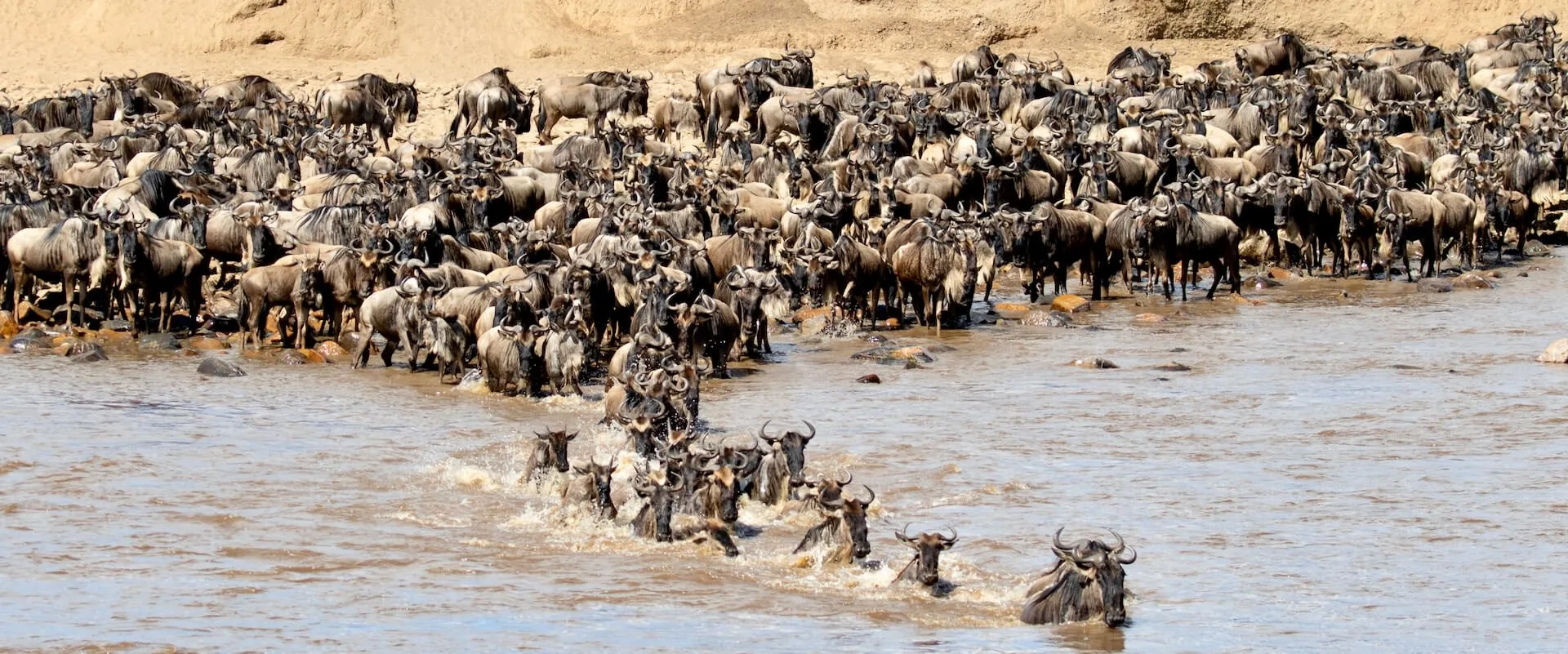
The Great Migration in Africa happens all year because the herds continuously circulate through the Serengeti–Mara ecosystem in…
Read article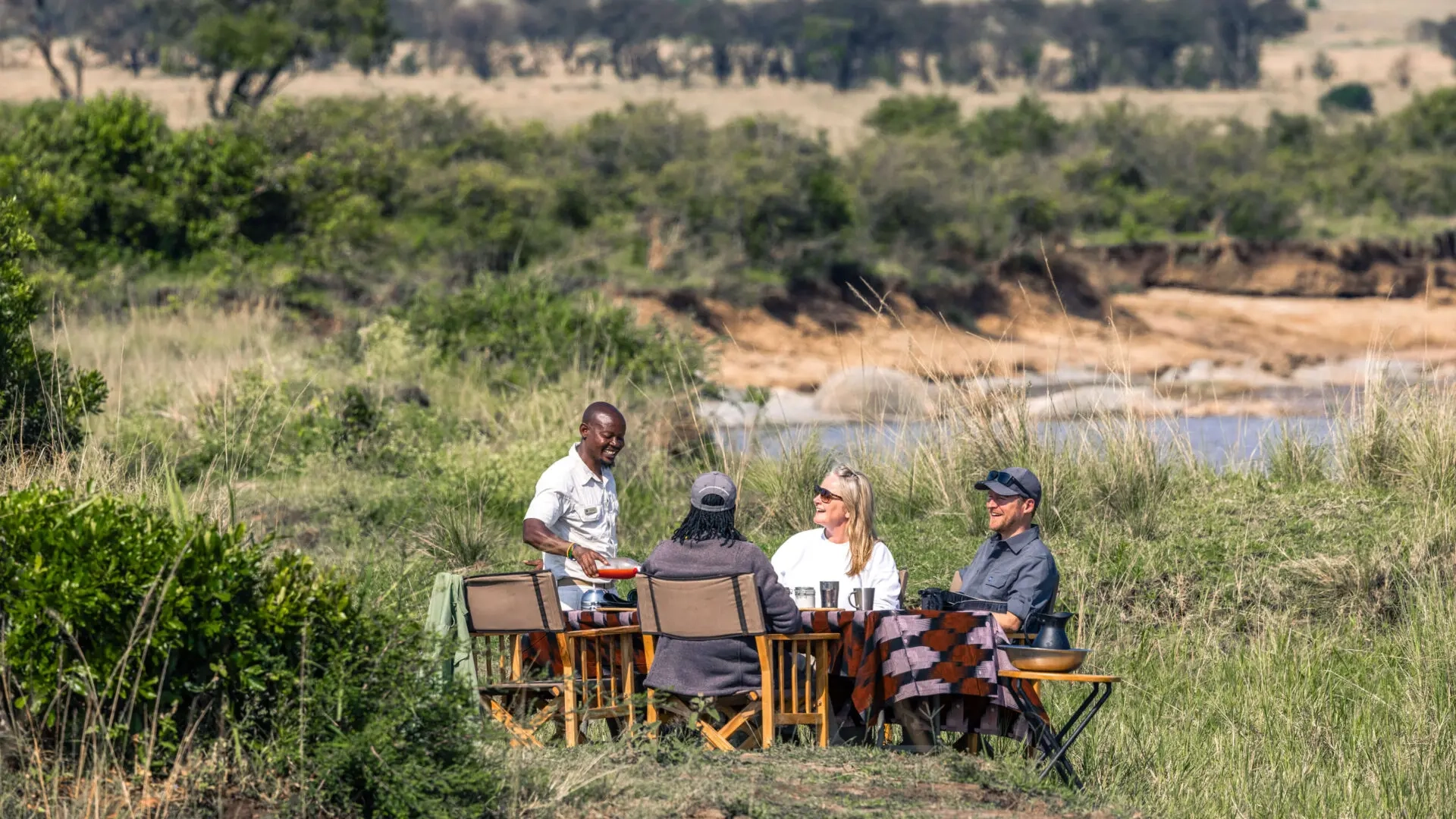
Definitive answer: A picnic lunch on safari is a packed or catered midday meal eaten at an approved…
Read article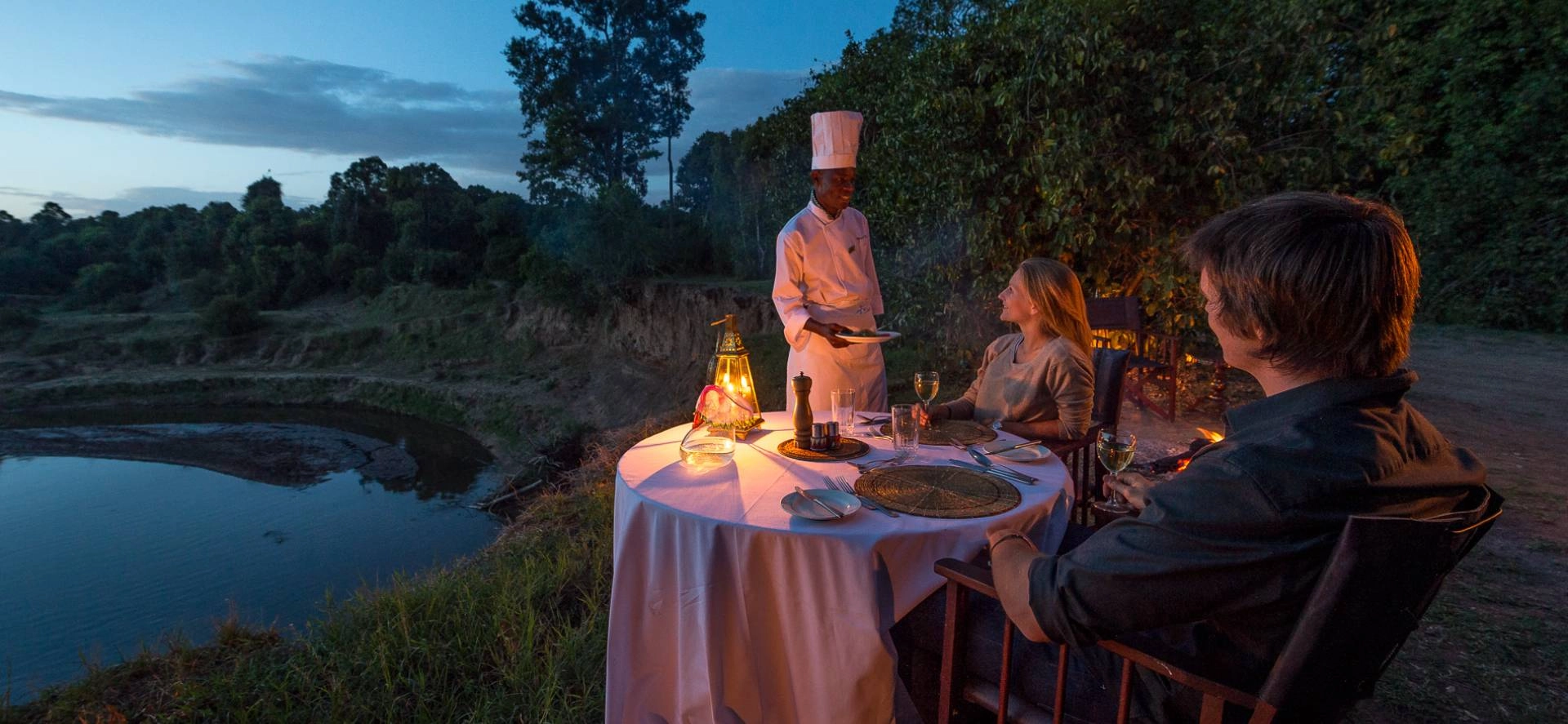
Definitive answer: A bush dinner is an outdoor evening meal arranged in a safe safari setting away from…
Read articleLet us take you closer to the wildlife, people and places that make Africa extraordinary.
Plan Your Safari Today