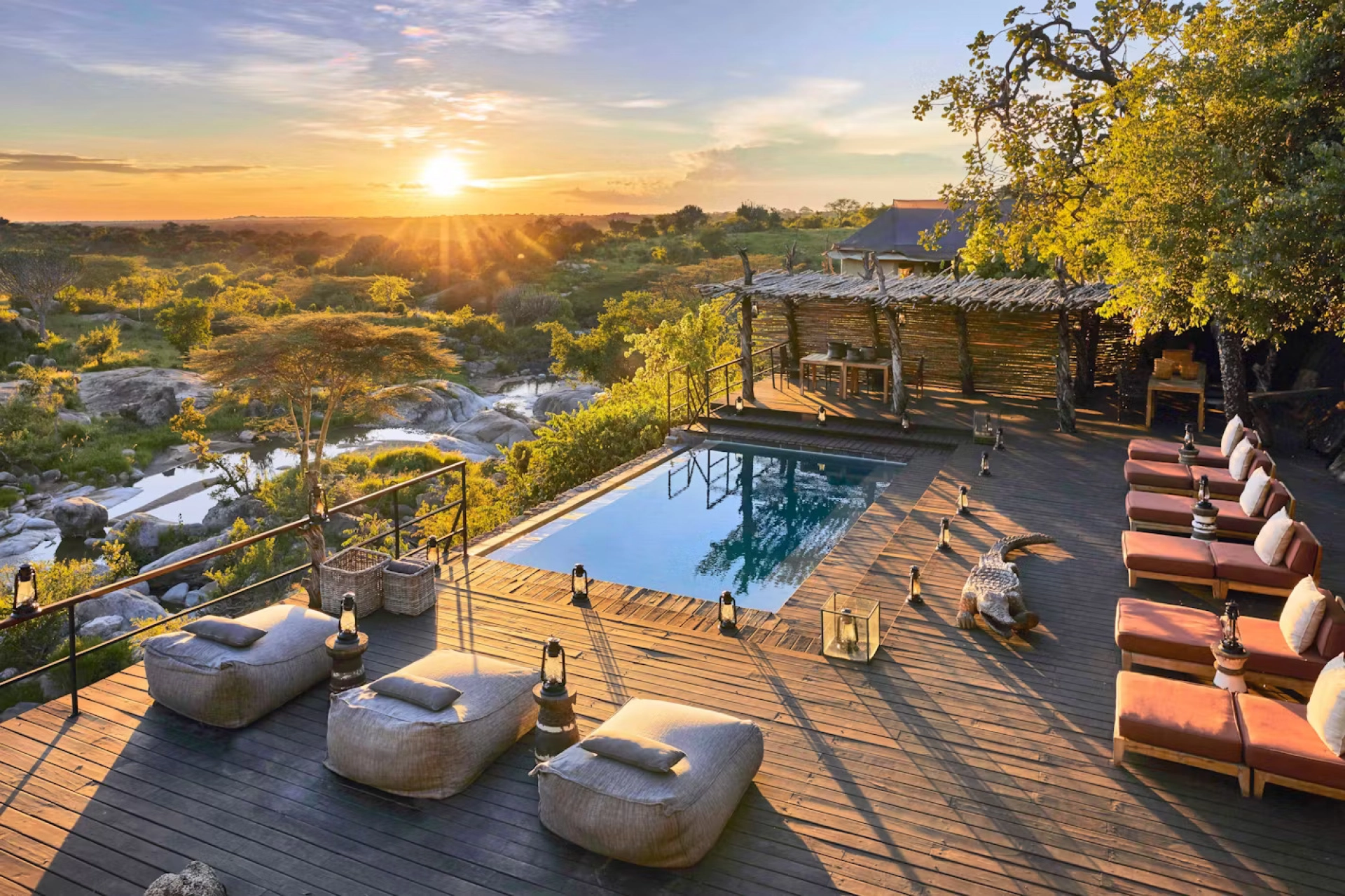
What should I look for when booking a luxury African safari?
When booking a luxury African safari, look beyond the room and compare the quality of guiding, wildlife location,…
Read article
FAQs
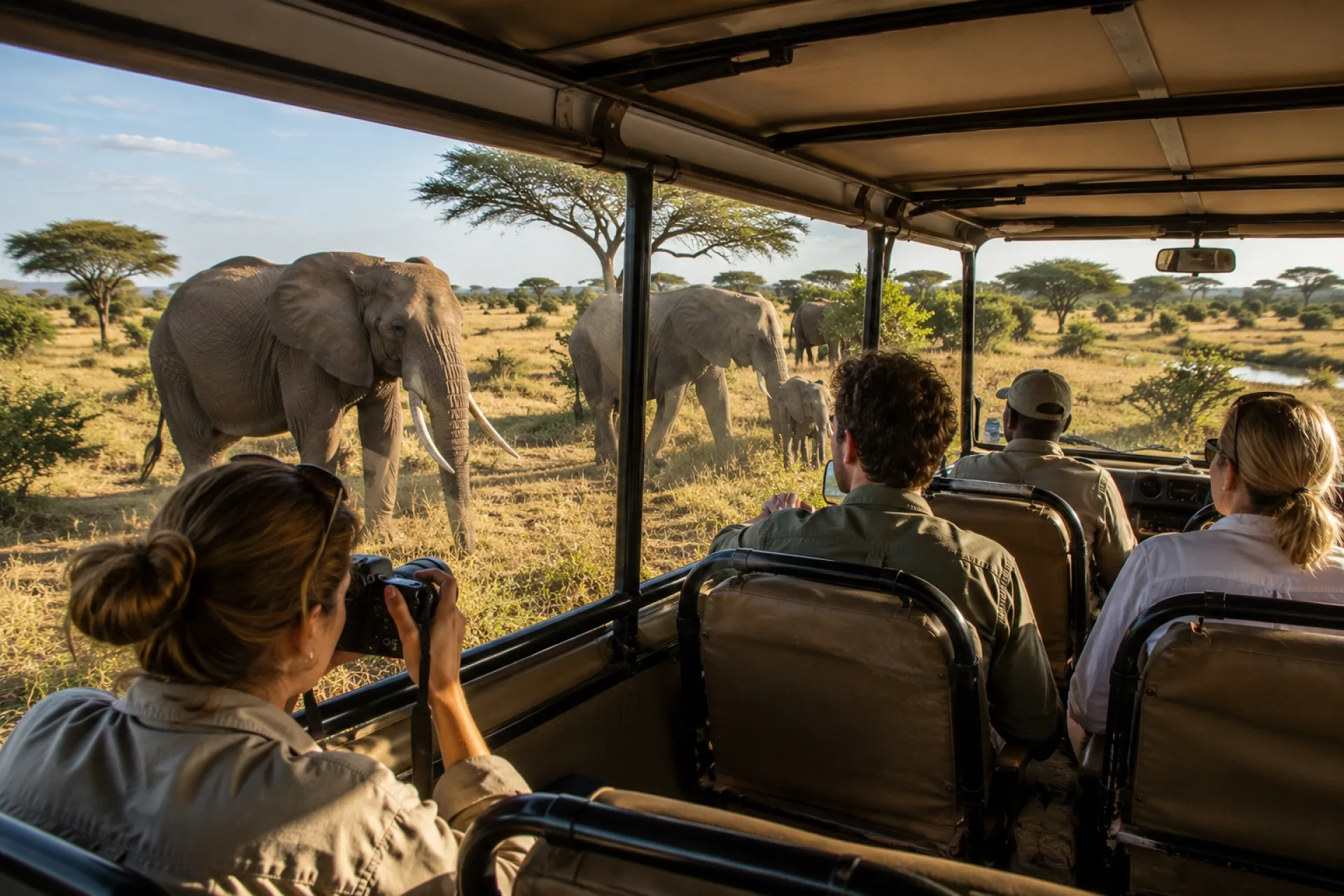
There is no single best seat in every safari vehicle, but a window position in the front or middle passenger rows often provides an excellent combination of wildlife visibility, ride comfort and photography access. The best position depends on the vehicle design, whether it has a pop-up roof or open sides, your interest in photography, susceptibility to motion sickness and the number of passengers sharing the vehicle.
There is no single best seat in every safari vehicle, but a window position in the front or middle passenger rows often provides an excellent combination of wildlife visibility, ride comfort and photography access. The best position depends on the vehicle design, whether it has a pop-up roof or open sides, your interest in photography, susceptibility to motion sickness and the number of passengers sharing the vehicle.
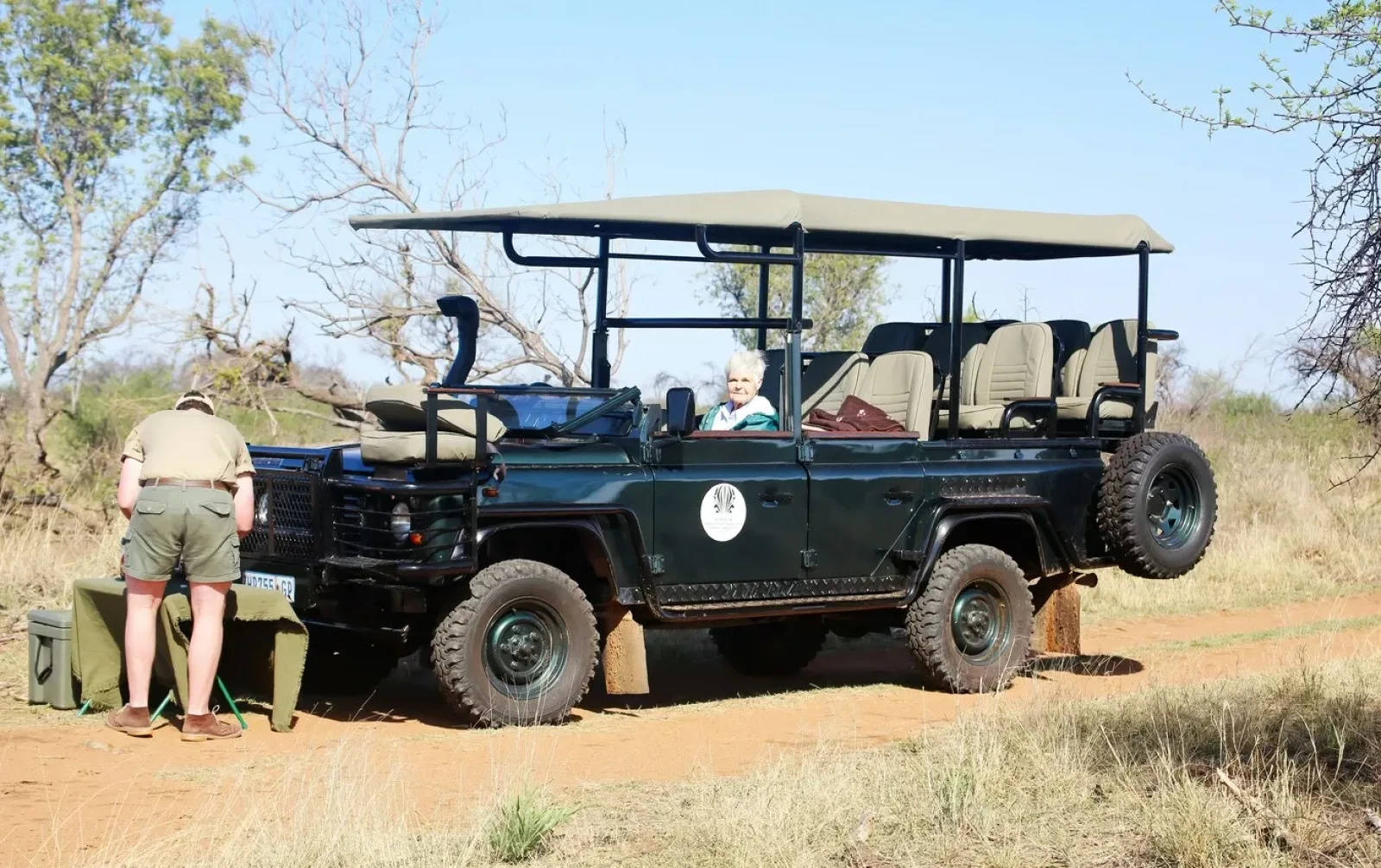
A safari vehicle isn’t simply transportation.
For several hours each day, it becomes your wildlife-viewing platform, photography hide and observation point.
Where you sit affects your view, how easily you can take photographs, how much road movement you feel and how easily you communicate with your guide.
This makes safari seating more important than seating on an ordinary road transfer.
However, the importance shouldn’t be exaggerated.
Purpose-built safari vehicles are specifically designed to provide good visibility from multiple positions.
Vehicle designs vary between destinations and operators.
East African road safaris commonly use modified 4×4 Toyota Land Cruisers or similar vehicles.
These may have side windows and roofs that lift upward inside national parks.
In parts of southern Africa, open-sided vehicles with elevated or tiered passenger rows are common.
Some safari destinations use specially adapted vehicles designed primarily for photography.
The seating experience therefore depends significantly on where you’re traveling.
For many travelers, the middle passenger rows provide an excellent compromise.
You can use the side window for lower-angle views and stand beneath the raised roof when you want greater visibility.
Being relatively central in the vehicle may also reduce some of the movement experienced farther back.
However, the exact design matters.
A spacious vehicle with only a few passengers may effectively eliminate the need to select one fixed “best” seat because travelers can use several viewing positions.
The front passenger seat can be excellent.
It provides a clear view through the windscreen and often allows easy conversation with the driver-guide.
Travelers interested in landscapes may particularly enjoy the forward perspective.
It can also feel more stable on rough roads than seats near the rear.
However, there can be disadvantages.
The front passenger position may not provide the same access to a raised roof as the passenger cabin.
The dashboard, windscreen and vehicle frame can also limit certain photography angles.
Whether the front is best therefore depends on your priorities.
Often, yes.
Middle passenger rows in well-designed safari vehicles can provide direct access to side windows while also allowing excellent use of a pop-up roof.
They are also reasonably close to the guide.
For general safari travelers seeking a balance of photography, wildlife viewing and comfort, these positions are difficult to fault.
However, if everyone has window access, the difference between rows can be relatively small.
No.
Rear seats can offer superb wildlife views.
In some vehicles, the elevated perspective is particularly useful when looking over grass or other passengers.
However, the rear of a 4×4 can experience more vertical movement when traveling over potholes, rocks and uneven tracks.
Travelers with back problems, mobility issues or motion sensitivity may therefore prefer a position farther forward.
Discuss this with your operator or guide.
People susceptible to motion sickness often feel more comfortable closer to the front, where they can look toward the road and horizon.
Rear positions may amplify movement.
Keep in mind that safari roads can be rough and winding.
If you regularly experience motion sickness, discuss appropriate medication or other strategies with a qualified healthcare professional before traveling.
Tell your guide as well.
They may be able to select a more comfortable position and adapt driving where practical.
Photographers often prefer direct window access combined with enough room to move.
A side window provides a relatively low shooting position and can create excellent eye-level wildlife photographs.
The raised roof provides greater freedom when animals move around the vehicle.
For serious photographers, however, the number of passengers usually matters more than the precise row.
A nearly empty vehicle allows you to switch sides quickly when lighting or wildlife position changes.
Imagine a lion approaching from the right.
The best light might suddenly appear from one angle.
A photographer in a crowded vehicle cannot easily change position.
With fewer passengers, everyone has more room for cameras, long lenses, bean bags and binoculars.
This is why specialist photographic safaris often deliberately restrict vehicle occupancy.
You’re effectively paying for space and flexibility.
Neither.
Wildlife doesn’t follow seating plans.
A leopard may appear on the left in the morning and elephants on the right ten minutes later.
Guides normally reposition the vehicle where possible to give guests better views while respecting park rules and other vehicles.
The sun also changes direction throughout the day.
There is therefore no permanently superior side.
Be patient.
Many wildlife sightings last long enough for everyone to see.
In pop-up roof vehicles, passengers can often view across the roof opening.
Your guide may also reposition the vehicle.
Good safari etiquette means allowing everyone an opportunity rather than blocking the entire viewing area.
Photography shouldn’t come at the expense of another traveler’s experience.
They have advantages.
Elevation helps travelers see across grass and low vegetation.
Open safari vehicles sometimes use tiered rows so passengers farther back sit slightly higher.
This prevents the person in front from completely obstructing the view.
However, higher isn’t automatically better for photography.
Lower angles can produce more intimate wildlife images.
For travelers who enjoy learning, it can be extremely rewarding.
Sitting close to the guide makes conversation easier.
You can ask about tracks, birds, plants, animal behavior and conservation throughout the drive.
The guide may also point out small details before other passengers notice them.
However, don’t monopolize the guide.
Other travelers should also have opportunities to ask questions.
Children need a position that combines visibility with safety.
Parents should be able to supervise younger travelers easily.
A child who cannot see anything because an adult constantly blocks the view will quickly lose interest.
Private family safaris make seating much easier because parents can arrange everyone according to age and needs.
Children should always follow the guide’s rules and shouldn’t lean outside vehicles or move around when wildlife is nearby.
Comfort becomes especially important.
A seat that’s easy to access may be preferable to one requiring awkward climbing.
Older travelers with back or joint problems may prefer a position with less movement.
Discuss mobility requirements before arrival.
Safari operators can often plan appropriate seating much more effectively when informed in advance.
Don’t assume safari is impossible.
Vehicle accessibility varies enormously, and some operators can provide steps, assistance or suitable seating positions.
The important thing is to discuss your actual mobility level honestly before booking.
For example, explain whether you can climb several steps, stand for wildlife viewing or remain seated comfortably for several hours.
That information helps the operator recommend the appropriate vehicle and itinerary.
On shared departures, rotation can be a fair solution when certain positions are noticeably more desirable.
Someone sitting in the front today might move to the middle tomorrow.
Not every operator uses a formal rotation system because many vehicles provide similar visibility from all passenger rows.
If seating becomes an issue, discuss it politely with the guide.
Largely, yes.
A private safari vehicle belongs exclusively to your party for the relevant part of the itinerary.
Two or four travelers inside a vehicle capable of carrying more people generally have considerable space.
Passengers can often change position according to wildlife, light and road conditions.
Private vehicles are particularly useful for photographers, families and travelers who want a flexible schedule.
Open vehicles provide excellent visibility because there are few physical barriers between passengers and the landscape.
Tiered seating helps each row see over the one ahead.
The best position may depend more on ride comfort and photography angle than window access.
Follow the guide’s safety instructions carefully.
Remaining seated when instructed is particularly important around wildlife.
Absolutely.
In the morning, one side may have beautiful light.
Later, the sun changes position.
An animal may approach from behind.
A landscape view may appear through the windscreen.
Safari photography is dynamic.
The best strategy is therefore not obsessing over one permanent seat but choosing a vehicle that gives passengers sufficient viewing flexibility.
Instead of simply asking, “Do I get a good seat?” ask more specific questions:
How many passengers will share the vehicle?
Does every traveler have direct window access?
Does the vehicle have a pop-up roof?
Is the safari private or shared?
Can passengers rotate seats?
What vehicle is used?
These answers tell you much more about the likely experience.
A spacious vehicle carrying four travelers can provide a much better wildlife-viewing experience than the theoretically “best” seat inside an overcrowded vehicle.
When comparing safari quotations, examine the transportation arrangements.
Two itineraries that appear identical on paper can provide very different experiences if one uses a private 4×4 and the other places more passengers into each vehicle.
Vehicle quality and occupancy deserve consideration alongside lodges and activities.
For most travelers, a front or middle passenger-row window position is an excellent starting point.
If you’re prone to motion sickness, move forward.
If photography is your priority, seek direct window access and low vehicle occupancy.
If you have mobility limitations, prioritize accessibility and comfort.
If you’re traveling privately with only a few passengers, don’t worry excessively about choosing one seat—you’ll usually have considerable freedom.
Ultimately, the best safari seat is the one that lets you watch wildlife comfortably without restricting the experience of everyone else.
A well-designed safari vehicle, sensible passenger numbers and an experienced guide matter far more than a specific seat number.
Continue with:
Understanding the vehicle configuration before booking is one of the simplest ways to improve your overall safari experience.

Share This Article
When booking a luxury African safari, look beyond the room and compare the quality of guiding, wildlife location,…
Read article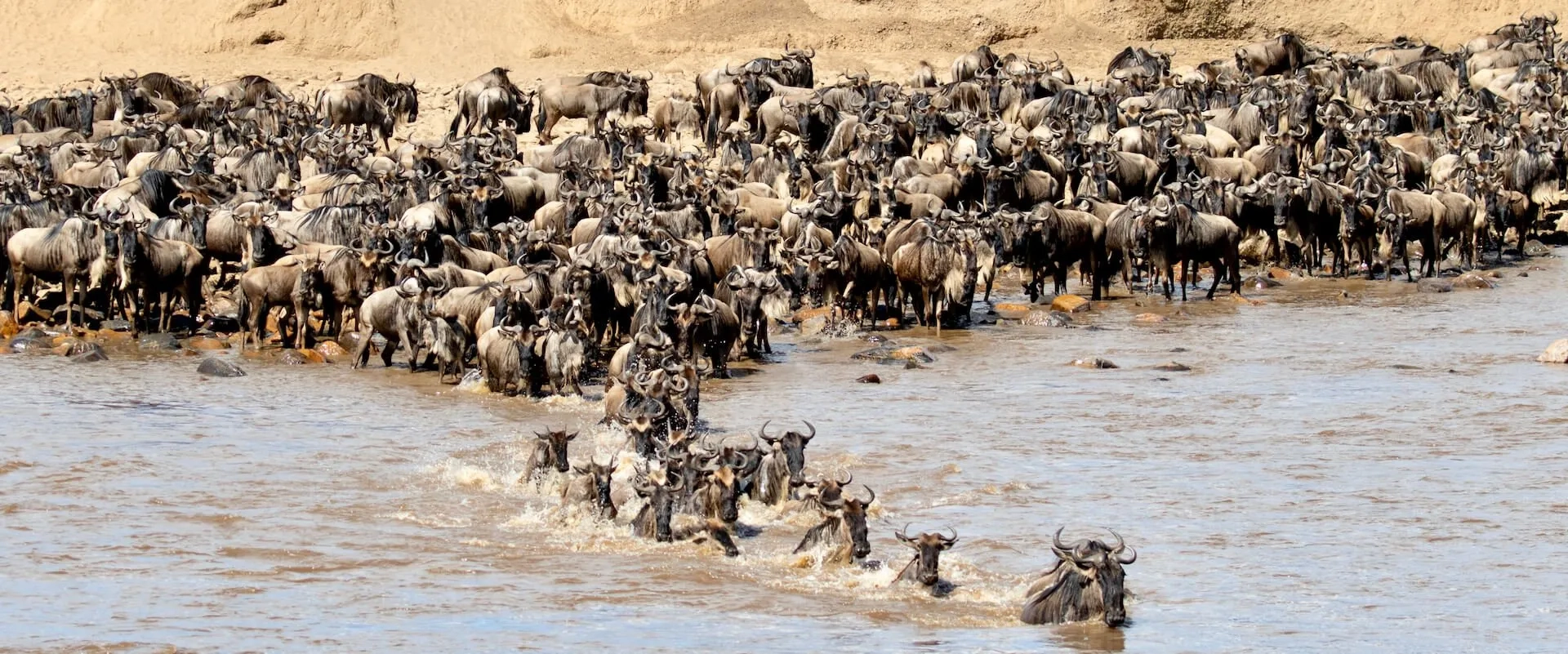
The Great Migration in Africa happens all year because the herds continuously circulate through the Serengeti–Mara ecosystem in…
Read article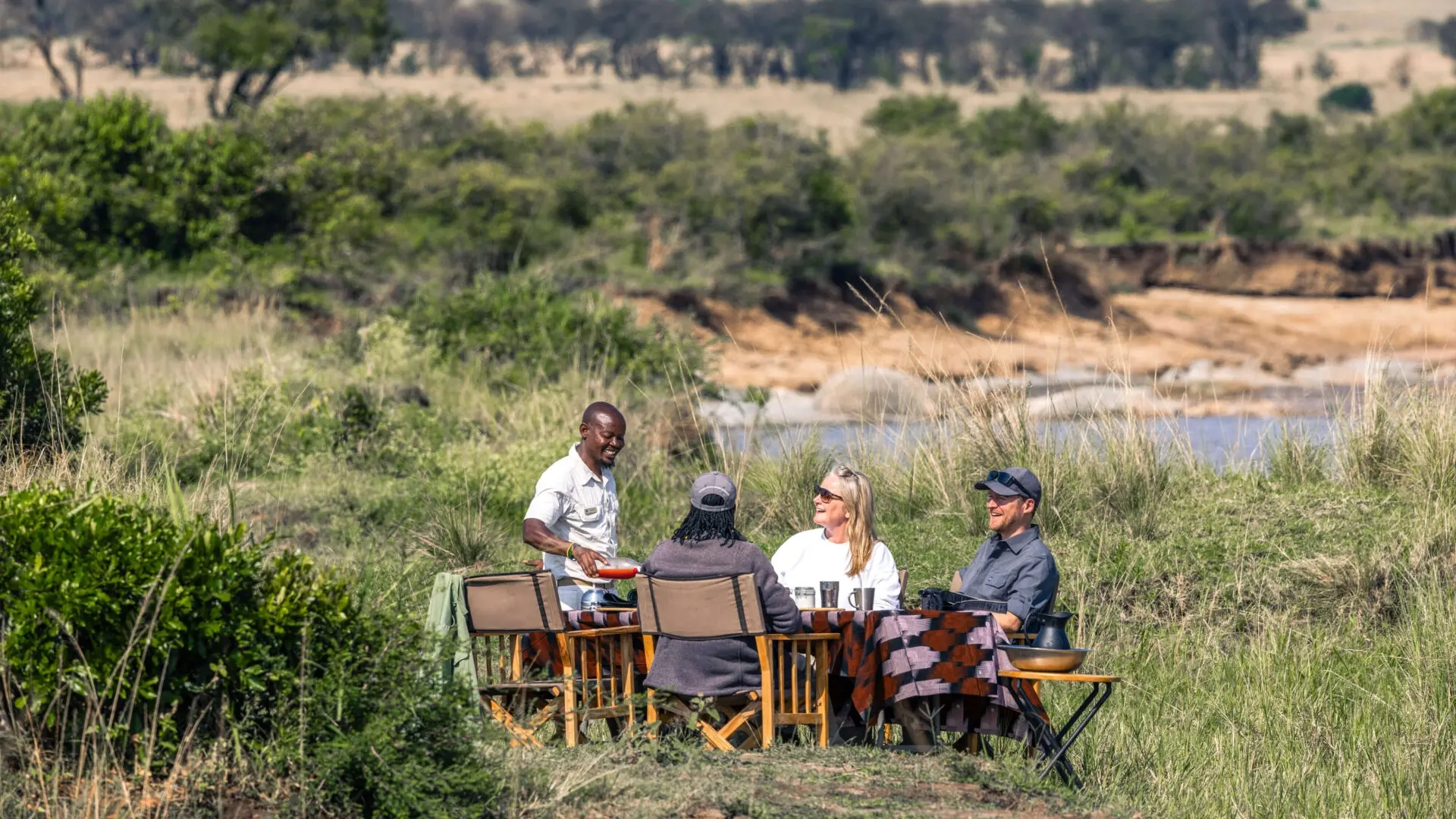
Definitive answer: A picnic lunch on safari is a packed or catered midday meal eaten at an approved…
Read article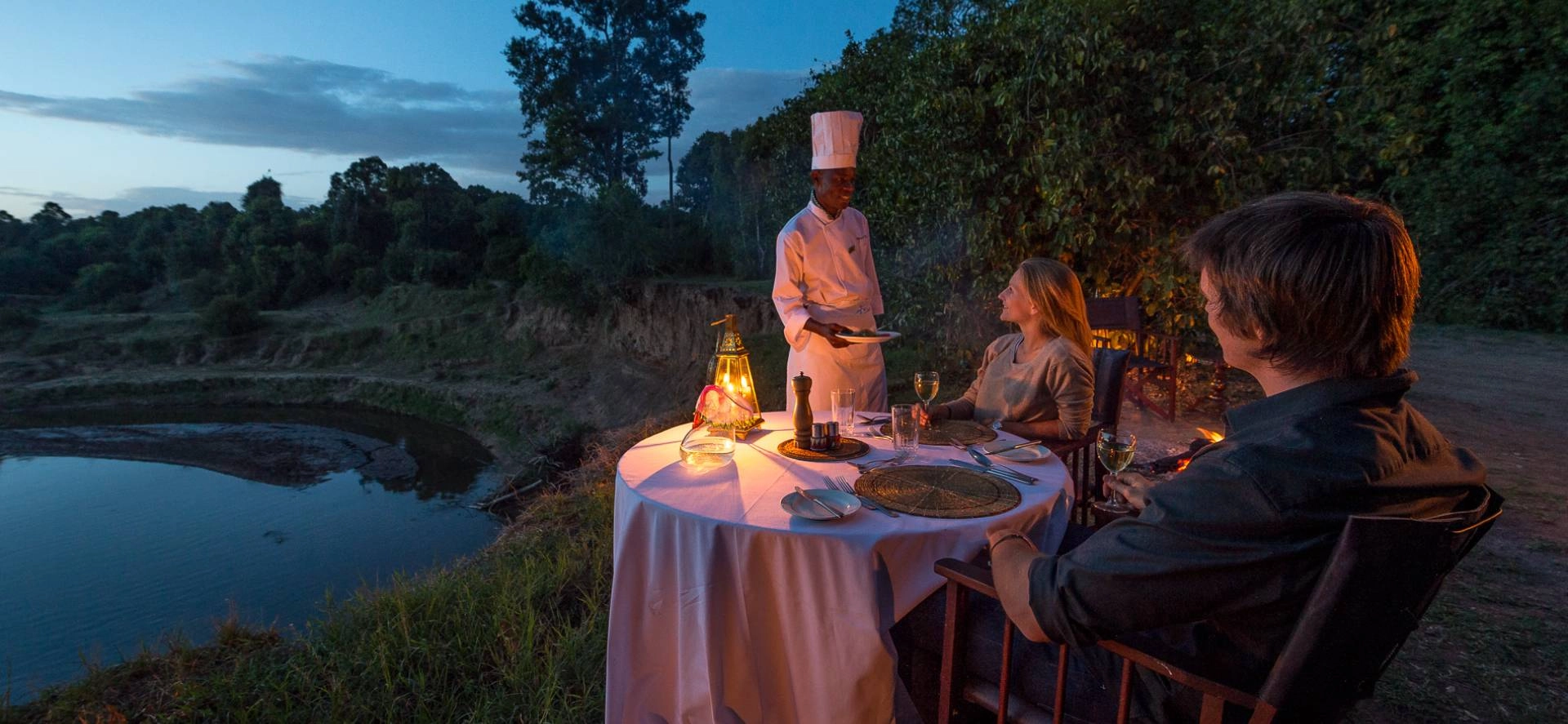
Definitive answer: A bush dinner is an outdoor evening meal arranged in a safe safari setting away from…
Read articleLet us take you closer to the wildlife, people and places that make Africa extraordinary.
Plan Your Safari Today