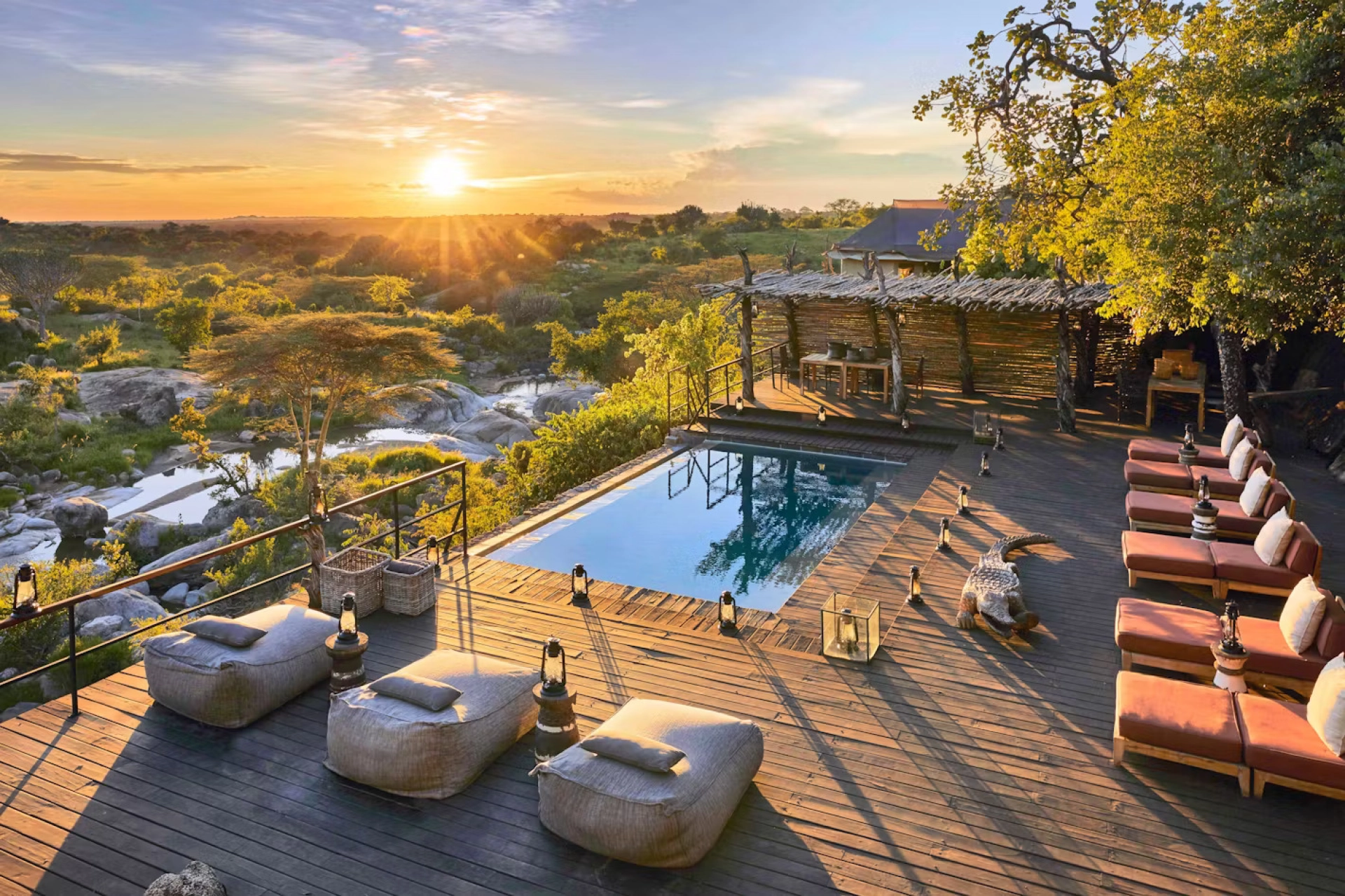
What should I look for when booking a luxury African safari?
When booking a luxury African safari, look beyond the room and compare the quality of guiding, wildlife location,…
Read article

Travel Guide
Imagine your child seeing a wild elephant for the first time. Not in a zoo. Not on television. Not in a schoolbook. A real African elephant walks slowly across the road in front of your safari…
Imagine your child seeing a wild elephant for the first time. Not in a zoo. Not on television. Not in a schoolbook. A real African elephant walks slowly across the road in front of your safari vehicle. The guide switches off the engine. Everything becomes silent. The elephant stops beside an acacia, curls its trunk around a branch and begins feeding. A few minutes later another elephant appears. Then a calf.
For adults who have dreamed about Africa for years, the moment can be extraordinary. For children, it can completely change the way they understand wildlife. This is why a South Africa family safari can be one of the most memorable holidays parents take with their children. South Africa is particularly well suited to families because it combines excellent African wildlife safaris, relatively developed travel infrastructure, a wide range of accommodation, numerous child-friendly safari lodges, varied non-safari attractions and several well-known malaria-free safari destinations.
Families can watch elephants and lions in the morning, swim at the lodge during the afternoon and spend the next part of the holiday exploring Cape Town, beaches, penguin colonies, forests or the Garden Route. This makes South Africa far easier to adapt to children than destinations where virtually every day must be spent on long wildlife drives. South African Tourism specifically promotes the country for family safari travel and highlights malaria-free options such as Madikwe, Pilanesberg, Sanbona and Shamwari.
However, a successful safari with kids in South Africa still requires careful planning. Children have different attention spans. Activity age restrictions vary. Driving distances matter. Meal times matter. Accommodation layout matters. And a safari itinerary that works beautifully for two adults may be completely unsuitable for a family traveling with a five-year-old. This detailed guide explains how to plan a South African safari with children, which safari destinations work best, how many nights to spend in the bush, what age restrictions to expect, what to pack and how to combine wildlife with family-friendly attractions.
Many African countries offer exceptional family safaris.
South Africa stands out because it provides flexibility. Families can choose between: Big Five safari destinations, malaria-free game reserves, national parks, private safari lodges, self-drive trips, guided safaris, beach holidays, city stays, and road trips. This variety means parents can create a holiday around their children rather than forcing children to adapt to an adult safari itinerary.
The most obvious advantage is wildlife.
Children recognize many iconic African animals long before they travel. Lions. Elephants. Giraffes. Zebras. Rhinos. Hippos. Monkeys. Seeing these animals in the wild transforms abstract knowledge into real experience. A child who has seen an elephant feeding may suddenly understand why elephants need enormous habitats. Watching a giraffe browse demonstrates adaptation better than a textbook diagram. Seeing vultures around a carcass opens conversations about food chains and recycling within ecosystems. A wildlife safari with children can therefore become an educational experience without ever feeling like school.
South Africa contains numerous areas where families can search for the Big Five: lion, leopard, elephant, rhinoceros and African buffalo.
Kruger and Greater Kruger are the country’s most famous safari region. Madikwe and several private reserves also provide strong big-game experiences. Children often arrive determined to “complete” the Big Five. That can be fun, but parents should avoid turning safari into a checklist. No wildlife sighting is guaranteed. A family may spend twenty minutes watching a dung beetle and remember it more vividly than a distant lion. Encourage curiosity rather than competition.
South Africa has a large safari tourism industry.
That means families can choose from many types of accommodation. Some lodges provide: family suites, interconnecting rooms, children’s meals, swimming pools, junior ranger programs, nature walks, childminding, and private safari vehicles. Others are designed primarily for couples and may not accept young children. This range is valuable, but parents must research carefully. A property being described as “luxury” does not automatically make it a good family safari lodge.
For many parents, malaria is one of the biggest concerns when researching an African safari.
South Africa has several major wildlife areas outside malaria-risk zones. South African Tourism specifically highlights Madikwe Game Reserve, Pilanesberg, Sanbona and Shamwari among malaria-free options for families. This makes South Africa particularly attractive to families with young children. However, the term “malaria-free” should relate to the specific destination, not the entire country. Kruger National Park is within a malaria-risk region, and SANParks advises visitors to consult a healthcare professional regarding prevention. Families considering Kruger should therefore seek personalized medical advice before travel.
Kruger National Park is one of Africa’s great wildlife destinations. For older children, it can be extraordinary. The park supports lions, elephants, buffalo, rhinos, leopards, giraffes, zebras, hippos, crocodiles and hundreds of bird species. SANParks currently records 147 mammal species and more than 500 bird species in Kruger.
Kruger allows self-driving. This is a major advantage for families. Parents can stop when children become tired. You can return to camp for lunch. You can shorten a drive. You can spend twenty minutes watching elephants because your children love them instead of following a fixed group schedule. Large rest camps also provide practical facilities.
Children do not necessarily enjoy sitting quietly in a vehicle for four or five hours. Adults may happily spend an hour waiting for a leopard to move. A six-year-old may not. When traveling with younger children, shorter drives usually work better. Early morning safari. Return for breakfast. Swim or rest during midday. Then take another shorter drive in the late afternoon.
Families should not assume all organized activities accept young children. SANParks currently states that children under six are not permitted on its standard guided game drives, while participants on guided game walks and trails must generally be 12 or older. Rules can vary for private operators and private safari vehicles, so always confirm directly before booking.
Families who prefer a fully guided experience can consider the Greater Kruger private game reserves. Private lodges generally provide morning and afternoon game drives. Meals are organized. Guides manage wildlife viewing. This removes much of the logistical burden from parents.
One of the best upgrades for a family is a private safari vehicle. This allows the guide to adapt the experience. If the children become tired, return early. If they are fascinated by elephants, spend longer at the sighting. If someone needs a bathroom break, schedules can be adjusted. For families with several children or multiple generations, private vehicles can transform the experience.
Madikwe Game Reserve is one of South Africa’s best-known family safari destinations. Its major advantages include: Big Five wildlife, family-focused lodges, and a malaria-free setting. This combination makes Madikwe particularly popular with families traveling with younger children.
Madikwe can be reached from Johannesburg by road or short flight depending on itinerary. This can simplify logistics compared with more remote safari regions.
Several Madikwe properties have developed safari programs specifically for children. These can include educational bush activities, tracking demonstrations and shorter nature experiences. Exact programs vary, so compare lodges carefully.
Pilanesberg is another useful malaria-free option. Its relative accessibility from Johannesburg makes it suitable for families with limited time.
Travel times can be manageable. There are multiple accommodation choices. Families can experience big-game safari without building an entire holiday around remote wilderness logistics. It can also be combined with nearby family attractions.
The Eastern Cape is one of South Africa’s strongest safari regions for families combining Cape Town and the Garden Route. Several reserves are malaria-free and contain high-quality family lodges.
A family can travel from Cape Town along the Garden Route before ending with safari. That means the entire journey contains variety: beaches, forests, animal sanctuaries, adventure activities, small towns, and wildlife. Children are less likely to become fatigued by several consecutive days of the same travel style.
Addo Elephant National Park is particularly rewarding for children who love elephants. Large numbers of elephants can sometimes be observed around waterholes. Families can self-drive through sections of the park, allowing considerable flexibility.
Addo fits naturally at the eastern end of a Cape Town and Garden Route family holiday. This is one of the best itineraries for families who want safari but do not want to fly to Kruger.
Sanbona Wildlife Reserve lies within reach of Cape Town and is widely promoted as a malaria-free safari option. South African Tourism specifically identifies Sanbona as suitable for families and notes its accessibility from Cape Town. For families with limited time, this can make it particularly attractive.
Shamwari is another well-known Eastern Cape safari option. Private reserves in this region frequently emphasize complete safari packages with accommodation, meals and game activities. This can simplify budgeting and planning for families.
There is no universal perfect age. A safari can work at many ages if the itinerary is designed correctly.
Safaris with infants require substantial flexibility. Standard shared game drives may not accept babies. Parents should consider private vehicles, specialized family lodges and shorter activities. Daily routines will largely revolve around naps and feeding.
Children at this age can become extremely excited by animals but may struggle with long periods of waiting. Short safari sessions work best. A lodge with a pool and children’s activities is valuable.
This can be an excellent safari age. Children are old enough to understand guides’ explanations and appreciate tracking, ecology and conservation. They generally tolerate longer drives better.
Teenagers can participate in more intensive safari programs. Depending on age and destination, activities such as walking safaris may become available. SANParks states that game walks/trails generally require participants to be 12 or older. Teenagers interested in photography, wildlife biology or conservation can find safari particularly rewarding.
Every property can set different policies. Some lodges welcome babies. Others accept children only above a particular age. Some allow children to stay but restrict them from standard shared game drives. Others provide special children’s drives. Never book a lodge without checking: minimum accommodation age, game-drive age, walking safari age, pool supervision, room configuration, and childcare availability. This is especially important when booking non-refundable rates.
The best family safari lodge in South Africa is not necessarily the lodge with the most stars. Look for practical features.
Separate sleeping areas are extremely useful. Children and parents should not always be forced into one room.
These work particularly well for families with teenagers.
Safari often includes several quiet hours around midday. A pool gives children something enjoyable to do between wildlife activities.
Children may not want a formal three-course dinner at 8:30 p.m. Family-friendly lodges usually understand this.
Look for programs involving: animal tracks, birds, insects, plants, conservation, and junior ranger activities. The best programs are educational without feeling like classroom lessons.
Parents frequently ask whether children can sit by windows. When we arrange private family safari tours, vehicle configuration should be discussed during planning. Everyone should have reasonable opportunities for wildlife viewing. A private vehicle is especially valuable for larger families because the experience can be adjusted around their interests.
Open vehicles are exciting but can become cold early in the morning. Children need layers. Parents should ensure children remain seated and follow guide instructions. Never allow children to lean outside the vehicle. Wild animals may appear calm but remain unpredictable.
Children generally behave better when they understand why rules exist. Explain that: wild animals are not pets, voices should remain low, animals should never be fed, nothing should be thrown from vehicles, arms should remain inside where required, and the guide’s instructions must be followed immediately. Turning rules into part of the adventure often works better than repeatedly correcting behavior in the vehicle.
For most families, three to four safari nights provides an excellent starting point. This creates multiple wildlife drives without making the entire holiday feel repetitive.
Possible, but rushed.
A good minimum.
Excellent for most first-time families.
Ideal for children who genuinely enjoy wildlife or for families dividing time between two safari areas.
Parents often try to include too much. One night here. Two nights there. Then another long transfer. This creates exhausted children and frustrated adults. Families benefit enormously from staying longer in fewer locations. Three nights in one quality safari lodge is often better than one night in three different properties.
A family-friendly day might begin with an early morning game drive. Return to the lodge for breakfast. Spend the middle of the day resting. Children can swim, read or participate in lodge activities. After lunch and downtime, join an afternoon safari. Return for dinner. This rhythm prevents safari fatigue.
No. Adults may want every possible game drive. Children often do not. Missing one early morning is not a safari failure. Parents can alternate activities. One parent could join the dawn safari while the other remains at the lodge with younger children. Then swap the following morning. Private vehicles provide even more flexibility.
Give children their own binoculars. Provide an animal checklist. Let them photograph tracks. Encourage them to identify birds. Ask the guide questions. A safari becomes much more engaging when children participate rather than simply sit in the vehicle.
A simple notebook can transform downtime. Children can record: animals seen, favorite moments, new words, bird species, animal footprints, and questions for the guide. They can draw instead of write. Years later, the journal becomes a meaningful souvenir.
Older children may enjoy using a small camera. Do not worry about sophisticated equipment. The objective is engagement. A child who spends twenty minutes attempting to photograph a giraffe may observe its behavior more carefully than one who simply watches adults taking pictures.
Lightweight binoculars are extremely useful. Choose equipment children can hold comfortably. Binoculars encourage observation of distant animals and birds. They also reduce the temptation to demand that the safari vehicle move closer.
This is probably the country’s strongest family combination. After several early safari mornings, Cape Town provides a completely different pace. Families can explore: Table Mountain, Boulders Beach African penguins, Cape Point, the V&A Waterfront, beaches, gardens, museums, and nearby wine-country attractions. The variety prevents children from becoming saturated with safari.
African penguins are particularly popular with children. Boulders forms part of Table Mountain National Park. Boardwalk viewing allows families to observe penguins while protecting the colony. This makes a Cape Town family holiday an excellent extension after safari.
Table Mountain is another iconic family experience. Families can hike suitable routes or use the cableway when operational. Weather changes quickly, so plans should remain flexible.
The dramatic Cape Peninsula road trip includes ocean scenery, beaches and wildlife. Baboons may be present. Children should understand never to feed them or approach closely.
The Garden Route may be even better for families than adults initially expect. Driving days can be broken into manageable sections. Forests, lagoons, beaches and outdoor activities create variety. Potential family stops include: Knysna, Wilderness, Tsitsikamma, Plettenberg Bay, and Addo. This can become a two-week South Africa family holiday without requiring constant flights.
Families can also combine safari with beaches. Depending on season and route, South Africa’s coastline provides numerous options. A beach extension gives children time to relax after early safari mornings. For longer African trips, families may also continue toward Indian Ocean destinations elsewhere in the region.
Children do not need expensive safari wardrobes. Comfort matters more. Pack: neutral lightweight clothing, long trousers, comfortable shoes, a sun hat, warm layers, a lightweight waterproof layer where seasonally appropriate, and swimwear. Bright clothing is not necessarily disastrous on vehicle safaris, but neutral colors are generally more versatile.
Parents often imagine Africa as permanently hot. Early morning open-vehicle drives can be surprisingly cold. Winter mornings in particular may require: fleece, jacket, long trousers, and sometimes a warm hat. Layer clothing so it can be removed as temperatures rise.
Children can spend many hours outdoors. Bring hats and appropriate sunscreen. Keep drinking water available. Ask guides about shade and rest stops.
Insect conditions vary by destination and season. Use age-appropriate repellents according to medical guidance and product instructions. Long sleeves and trousers can provide additional protection.
This is an area where families should obtain medical advice rather than relying on generic internet information. Kruger is within a malaria-risk area, and SANParks recommends medical consultation regarding prevention. Families uncomfortable with this consideration can select one of South Africa’s well-known malaria-free safari areas.
Ask about meals before booking. If your children have allergies, dietary restrictions or strong food preferences, advise the safari operator and lodge in advance. Many family-oriented lodges can provide simpler children’s meals. Remote camps have limited access to shops, so advance notice matters.
Parents of younger children should carry suitable snacks during transfers. However, follow lodge and guide instructions carefully. Food should never be left unsecured where monkeys, baboons or other wildlife can access it. Never feed wild animals.
Some safari lodges are unfenced. Wild animals may move through camp. A swimming pool does not automatically mean children can wander around independently. Parents must understand lodge safety policies. At some properties, guests may need escorts after dark.
A professionally arranged safari can be an excellent family experience, but parents must respect the fact that these are genuine wilderness areas. Animals are unpredictable. Children should never leave vehicles unless explicitly permitted. They should not approach wildlife around lodges. Parents need to supervise them closely, particularly at unfenced properties. The guide’s instructions always take priority.
Children often become most excited about lions. Remind them that predators need space. Do not encourage calling, waving or making noises to attract an animal. SANParks regulations prohibit disturbing or attempting to attract wildlife, and visitors must follow park rules carefully.
Elephants are spectacular but powerful. Children should remain quiet during close encounters and follow guide instructions. A calm elephant sighting can become one of the trip’s greatest memories.
These animals sometimes occur near camps and tourist facilities. Do not feed them. Keep food secure. Habituating primates to human food creates serious safety and conservation problems.
Age restrictions apply. SANParks currently states that participants on standard game walks/trails must be at least 12 years old. Private reserve policies vary. Younger children may instead participate in specialized nature walks inside safe areas around the lodge.
A good junior ranger program can become one of the safari’s highlights. Children might learn: how to identify footprints, why dung is important, how birds communicate, how trees survive drought, or how conservationists protect rhinos. These programs can create deeper memories than simply ticking animals off a list.
Teenagers are often ideal safari companions. They can appreciate photography, conservation and ecology. Older teenagers may enjoy: walking safaris, longer game drives, bird photography, conservation talks, and wilderness experiences. Giving teenagers a meaningful role—photographer, species recorder or navigator—can increase engagement.
South Africa is excellent for multigenerational family safaris. Private villas and large family suites can accommodate extended families. A private safari vehicle becomes particularly useful because grandparents and children may have different energy levels. The guide can adapt the pace.
For larger families, a private villa can sometimes offer better value than booking several separate luxury rooms. Benefits can include: private dining, family lounge spaces, dedicated staff, and sometimes a private safari vehicle. This can create a remarkably relaxed family holiday.
Single parents can absolutely enjoy safari travel. The key is reducing logistical complexity. A fully arranged guided itinerary with airport transfers and family-friendly accommodation can remove much of the stress. Ask clearly about room configurations and child pricing.
Costs depend on: number of travelers, children’s ages, travel season, reserve, accommodation level, private versus shared vehicle, transportation, and included meals. A national-park-based trip can be relatively affordable. A private luxury lodge can cost substantially more. Families should compare complete packages rather than headline room rates.
Many properties offer reduced child rates, but definitions differ. One lodge may classify anyone under 12 as a child. Another may use a different age. Activity rates may follow separate rules. Always provide each child’s exact age when requesting a quotation.
For families with small children, often yes. The flexibility can be invaluable. For families with older children who enjoy long drives, shared vehicles may work perfectly well. Consider both budget and personality.
Timing depends on your destination and school holidays. For Kruger, the dry winter season is popular for wildlife visibility. The green summer season provides dramatic landscapes and exceptional birding. For Cape Town and the Garden Route, seasonal considerations differ. A combined family itinerary should therefore be planned as a whole rather than according to one park’s “best month.”
Family suites are limited. They often sell out faster than standard double rooms. If you need two connecting rooms or a private villa, book early—especially during international school holidays.
Less than you think. One of the biggest family travel mistakes is building an itinerary that looks impressive on paper but requires constant packing. For a ten-day trip, two or three main bases can be enough. For two weeks, three or four regions may work. Give children time to settle into places.
A balanced holiday could include several safari nights followed by Cape Town. For example: four nights family safari, five nights Cape Town, plus arrival/departure logistics. The exact reserve depends on your children’s ages and malaria preferences.
With two weeks, families could combine: Cape Town, Garden Route, and an Eastern Cape safari. Alternatively: Cape Town + Kruger + Greater Kruger private reserve. This allows the trip to feel varied without becoming exhausting.
Safari naturally teaches biology. Children see habitats rather than isolated animals. They learn that predators depend on prey. Prey depends on vegetation. Vegetation depends on rain, soil and fire. Scavengers recycle nutrients. Dung beetles transform waste. Vultures help clean ecosystems. These relationships are much easier to understand when observed directly.
A family safari can also introduce more difficult subjects: habitat loss, poaching, human-wildlife conflict, water scarcity, and conservation funding. Good guides explain these issues in age-appropriate ways. Children may return home with a much stronger interest in protecting wildlife.
Do not limit the trip entirely to wildlife. South Africa has extraordinary cultural diversity. Families can visit museums, historical sites, communities and cultural attractions. A balanced trip helps children understand that Africa is not simply a wilderness destination. It is home to modern cities, complex histories and diverse societies.
The key is practicality. Bring: comfortable safari clothes, warm layers, swimwear, sun hats, appropriate sunscreen, personal medication, lightweight binoculars, camera or phone, small backpack, and entertainment for transfers. Parents may also want: wet wipes, basic first-aid supplies, reusable water bottles, and a few familiar snacks. Avoid overpacking.
Children do not need enormous wardrobes. Avoid bringing valuable toys that will cause distress if lost. Do not pack unrealistic numbers of shoes. Most safari lodges are informal. Comfort and practicality matter more than fashion.
Build recovery time into the itinerary after international flights. Immediately placing exhausted children into a five-hour road transfer is not ideal. If necessary, spend a night in Johannesburg or Cape Town before continuing. A calmer itinerary often creates a happier family safari.
Families traveling with younger children should discuss child-seat requirements in advance. Do not assume every transfer vehicle automatically carries the appropriate seat. Provide each child’s age and size when organizing transportation.
Comprehensive insurance is strongly recommended. Families should understand coverage for: medical treatment, cancellation, delays, baggage, and planned activities. Read the policy rather than assuming all African safari activities are automatically covered.
The most important part of planning a South Africa safari with children is choosing an itinerary around your family rather than copying an adult safari package. When requesting a family safari, tell us: how many adults are traveling, how many children, the exact ages of every child, your travel dates, preferred accommodation level, whether malaria-free areas are a priority, and the experiences your children enjoy. At Adventure in the Wild Safaris, we can use those details to design an appropriate South Africa family safari itinerary combining wildlife with enough rest and variety to keep both adults and children engaged.
Possible journeys include: Kruger family safari packages, malaria-free South Africa safaris, Cape Town family holidays, Garden Route family tours, Addo Elephant safaris, private family safari lodges, and wider Southern Africa family safari holidays.
Children remember experiences differently from adults. They may forget the name of the luxury lodge. They may forget what was served for dinner. They may not remember which park road you drove. But they are unlikely to forget the first time an elephant crossed in front of them. They may remember the lion cubs sleeping beside their mother. They may remember giraffes silhouetted against sunset. They may remember learning to identify a hyena footprint.
They may remember their guide explaining why vultures matter. They may remember laughing at penguins near Cape Town or searching for animal tracks in the sand. That is what makes a South African safari with children so valuable. It gives families more than photographs. It gives them shared stories. South Africa makes those stories relatively easy to create because the country offers extraordinary flexibility: Kruger safaris, malaria-free game reserves, family safari lodges, Cape Town attractions, Garden Route adventures, elephant safaris, beaches and cultural experiences can all form part of the same journey.
Plan the pace carefully. Choose the right lodge. Check age restrictions. Build in rest. Do not chase every possible sighting. Let the children become curious. And a South Africa family safari can become the kind of trip they continue talking about long after they have outgrown their first pair of binoculars.
Get quick answers to the most common questions. If you still have questions, our safari experts are here to help.
Yes. Its combination of wildlife, family-friendly accommodation, transport options and malaria-free safari destinations makes it one of Africa’s strongest family choices.
The answer depends on age. Madikwe, Pilanesberg and several Eastern Cape reserves are popular malaria-free choices. Kruger is excellent for older children and families comfortable with malaria precautions.
Yes, but parents need to consider malaria and activity age restrictions.
Some lodges accept babies, but standard shared game drives may have minimum ages. Specialized family arrangements or private vehicles may be required.
Policies vary. SANParks currently does not permit children under six on its standard guided drives. Private lodge rules can differ.
Age restrictions are stricter. SANParks currently sets a minimum age of 12 for game walks/trails.
Yes. Several established family safari areas outside Kruger are malaria-free, including destinations in the Eastern Cape and North West.
No. SANParks identifies Kruger as a malaria-risk area.
Three to four nights is an excellent starting point for most families.
It is extremely useful for families with young children or several generations, although it increases cost.
Comfortable neutral clothing, closed shoes, a hat and layered warm clothing for early mornings.
They are highly recommended and make safari significantly more interactive.
Yes. It is arguably the best first family itinerary in South Africa.
Yes. An Eastern Cape safari and Garden Route holiday is particularly family-friendly.
Very. Teenagers can engage with photography, conservation, tracking and, where age limits allow, more adventurous activities.
Our safari experts are here to help you plan your safari. Get personalized advice, the latest information and a free, no-obligation quote.
We typically reply within a few hours.

Share This Article
When booking a luxury African safari, look beyond the room and compare the quality of guiding, wildlife location,…
Read article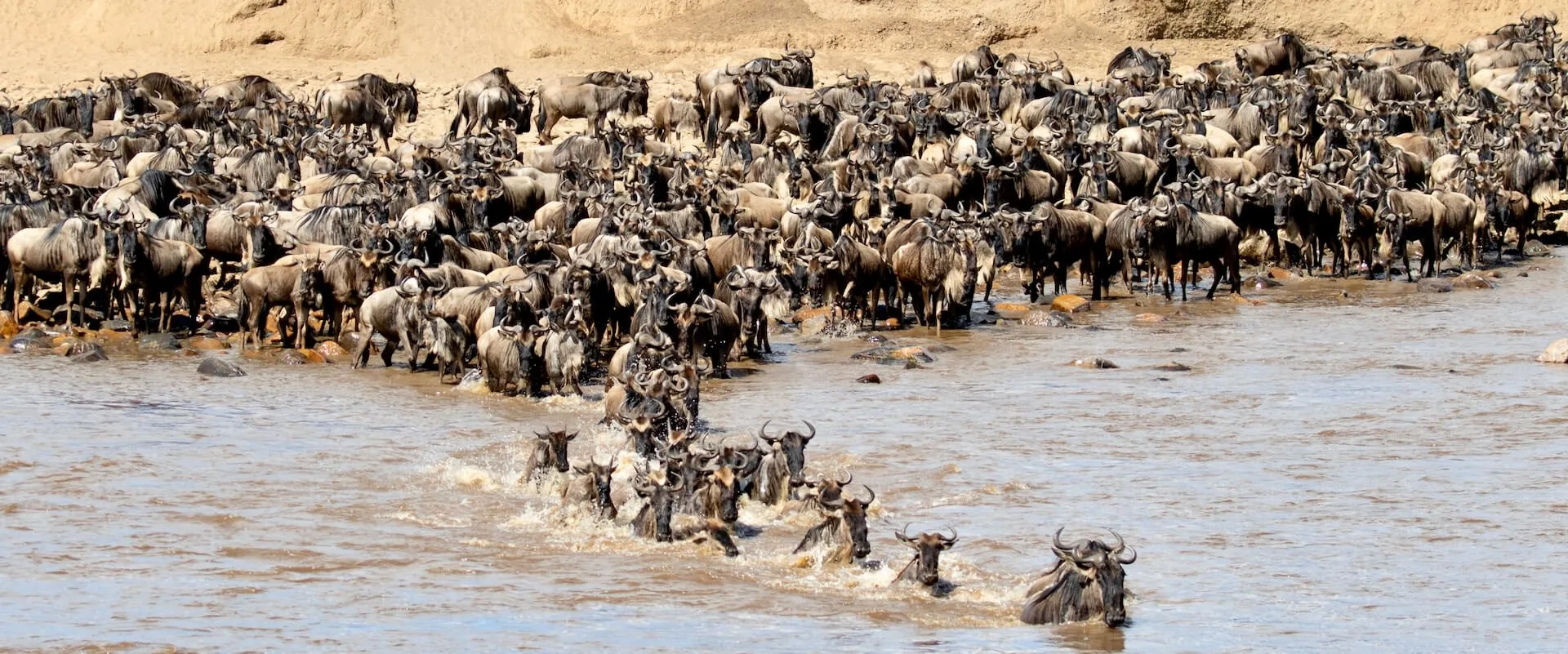
The Great Migration in Africa happens all year because the herds continuously circulate through the Serengeti–Mara ecosystem in…
Read article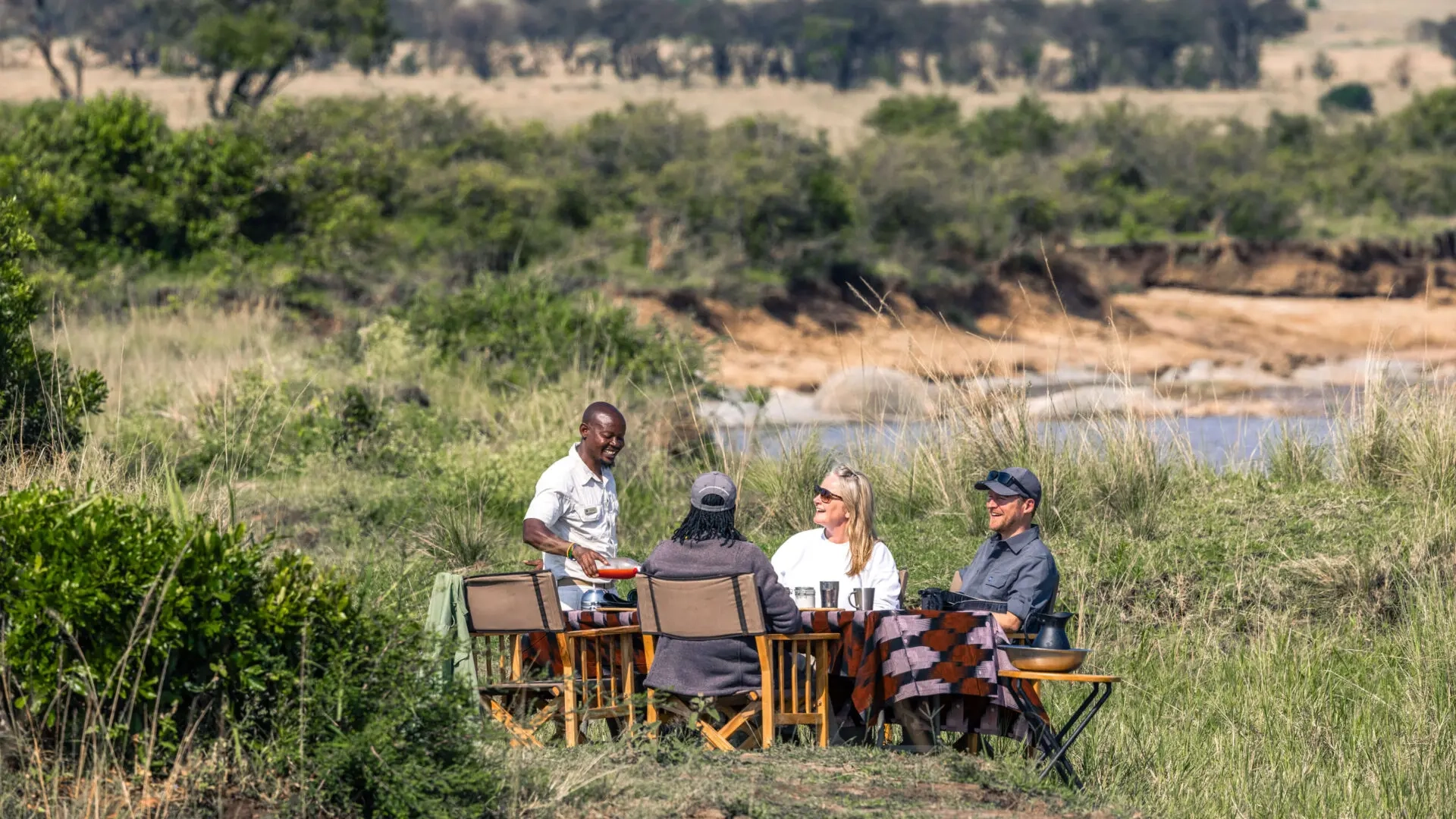
Definitive answer: A picnic lunch on safari is a packed or catered midday meal eaten at an approved…
Read article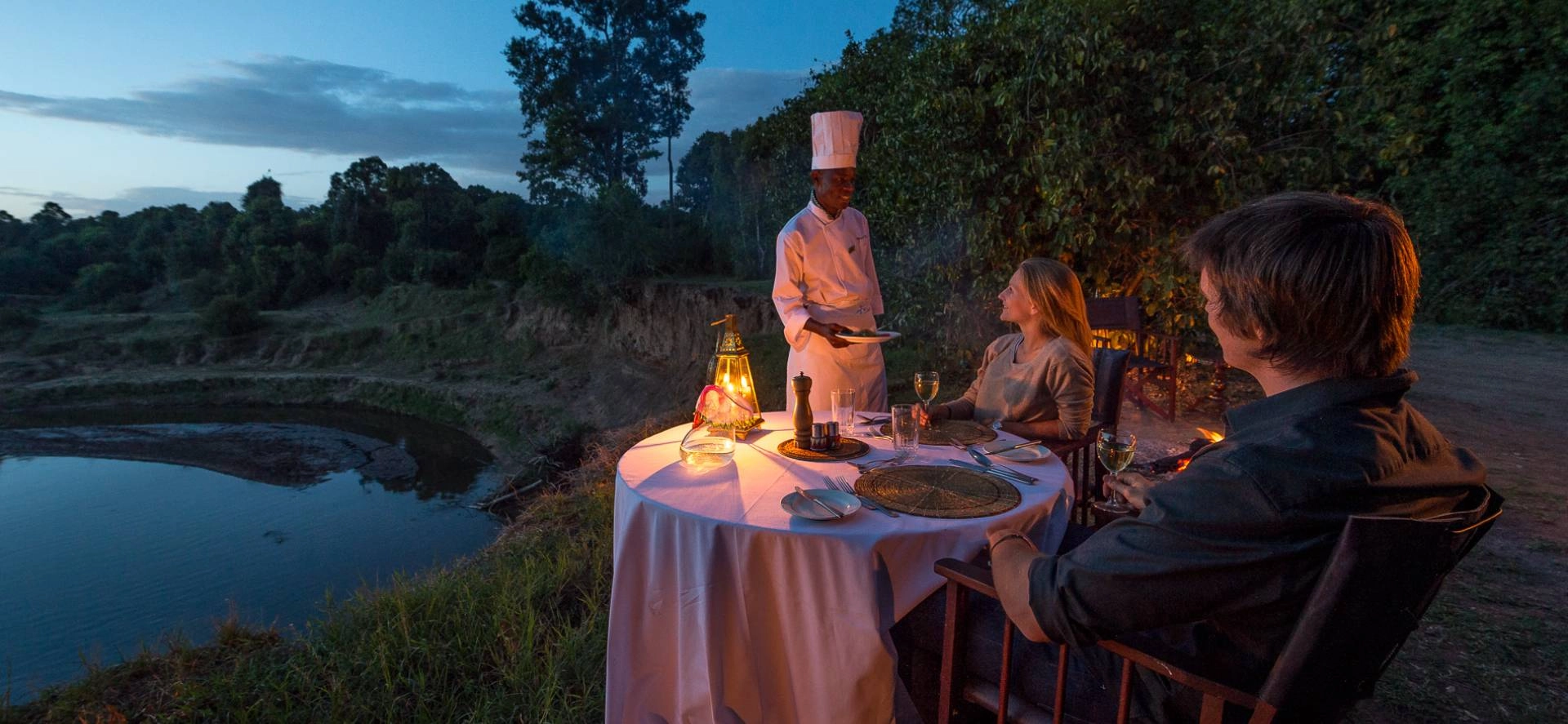
Definitive answer: A bush dinner is an outdoor evening meal arranged in a safe safari setting away from…
Read articleLet us take you closer to the wildlife, people and places that make Africa extraordinary.
Plan Your Safari Today