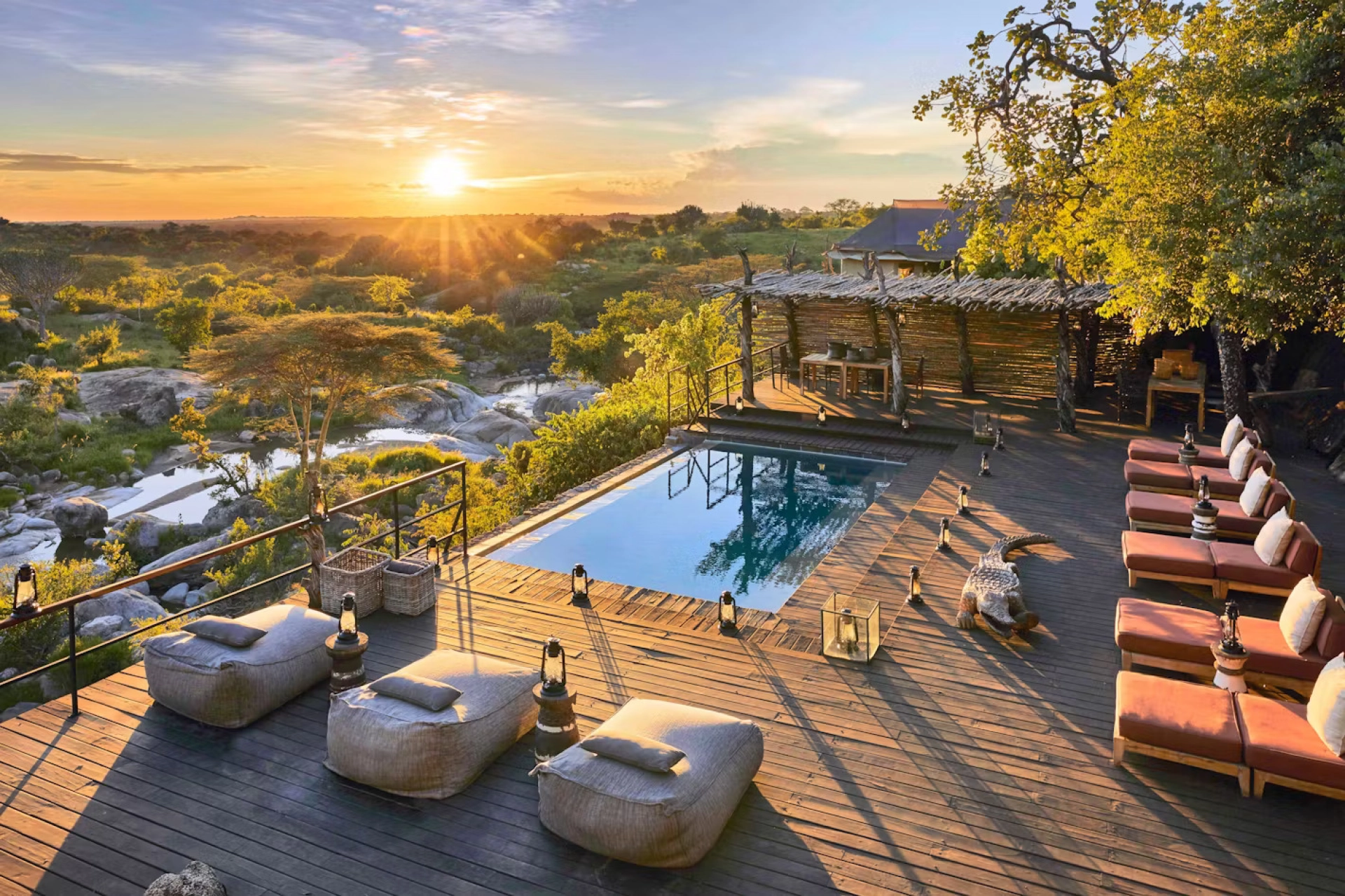
What should I look for when booking a luxury African safari?
When booking a luxury African safari, look beyond the room and compare the quality of guiding, wildlife location,…
Read article

Travel Guide
Search for a South African safari and you will quickly encounter two names that appear almost interchangeable: Kruger National Park and Greater Kruger National Park. They are closely connected, but they are not exactly the same…
Search for a South African safari and you will quickly encounter two names that appear almost interchangeable: Kruger National Park and Greater Kruger National Park. They are closely connected, but they are not exactly the same thing. This distinction matters because choosing between the public national park and the surrounding private reserves can completely change your safari. One visitor might drive a rented car through Kruger, stay in an affordable SANParks bungalow, cook dinner beside their accommodation and spend the following morning exploring wildlife roads independently.
Another traveller may stay only a few kilometres away in a private Greater Kruger reserve where professional guides and trackers lead morning and evening drives, meals are included, safari vehicles travel on private tracks and guests return to a luxury lodge between wildlife activities. Both travellers are experiencing the Kruger ecosystem. But they are experiencing it in very different ways. So, why choose Greater Kruger National Park, and is it actually better than staying inside Kruger National Park itself?
The answer depends on your budget, expectations, preferred level of independence and how important specialist guided wildlife viewing is to your trip. This guide explains everything.
Kruger National Park is South Africa’s best-known national park and one of the great wildlife destinations of Africa. It stretches across almost two million hectares of northeastern South Africa and protects an enormous variety of habitats and wildlife. SANParks describes Kruger as covering nearly two million hectares and offering one of the world’s outstanding wildlife experiences. The park runs for hundreds of kilometres from south to north. That scale is difficult to appreciate until you travel through it.
Kruger is not a wildlife enclosure where visitors drive around a compact network expecting every famous animal within an hour. It is a functioning ecosystem. Rivers cross the park. Vegetation changes. Wildlife density varies. Some regions are busy and highly productive for sightings. Others feel remote enough that you may drive for long periods without seeing another vehicle. This variety is one of Kruger’s strengths.
Greater Kruger refers to the wider conservation landscape surrounding and connected with Kruger National Park. To the west of Kruger are numerous private nature reserves and wildlife properties. Over time, fences between parts of this private land and Kruger were removed, helping establish a larger connected ecosystem. Timbavati, for example, explains that it is part of Greater Kruger and has no fence separating it from Kruger National Park. The reserve states that animals can move through a much larger unfenced wilderness landscape.
This ecological connectivity is central to understanding Greater Kruger. When you stay in an appropriate private reserve adjoining the national park, you are not necessarily visiting a small isolated collection of animals. You may be staying within a broader natural system through which wildlife moves.
Another common misunderstanding is thinking Greater Kruger National Park is simply another park with a single gate. It is not. Greater Kruger is better understood as a collection of protected areas, private reserves and conservation properties connected ecologically with Kruger National Park and the wider Lowveld landscape. Individual reserves maintain their own management structures, lodges, access rules and conservation policies. The traveller’s experience can therefore vary enormously. One private reserve may have many luxury lodges.
Another may feel considerably quieter. One may be closer to Hoedspruit. Another may be accessed more easily from the southern Kruger region. This is why choosing a Greater Kruger safari lodge requires more research than simply searching for “Kruger hotel.”
The official national park alone is enormous. SANParks describes Kruger as covering nearly two million hectares. The connected landscape becomes substantially larger when neighbouring conservation areas are considered. Timbavati states that its own 556-square-kilometre reserve forms part of an unfenced wilderness extending across 38,823 square kilometres, while the even larger Great Limpopo Transfrontier Conservation Area extends across South Africa, Mozambique and Zimbabwe. These numbers help explain why fence removal matters. Wildlife conservation works far better when animals have space.
Elephants, predators and many other species move according to food, water, territory and seasonal conditions. Connected habitat reduces some of the ecological limitations associated with small fenced reserves.
Kruger supports an extraordinary range of wildlife. SANParks currently lists approximately 148 mammal species. These include the classic Big Five: Lion Leopard African elephant Cape buffalo Black and white rhinoceros But Kruger’s appeal extends far beyond those famous species. Visitors can encounter cheetah, African wild dog, spotted hyena, giraffe, zebra, hippopotamus, warthog, wildebeest, kudu, impala, waterbuck, nyala and numerous smaller mammals. Different regions support different wildlife concentrations. That is why knowledgeable safari travellers do not treat the entire park as identical habitat.
The connected private reserves share many of the same species. Animals do not understand administrative property boundaries. Where fences have been removed, wildlife can move between protected areas. Timbavati describes itself as supporting the Big Five and a broad diversity of wildlife within an open ecosystem adjoining Kruger. This creates one of the major attractions of Greater Kruger. Travellers can experience wildlife associated with the broader Kruger ecosystem while staying in private reserves where safari operations can be more specialised.
They are not automatically better. However, several characteristics of private-reserve safari operations can improve the quality of individual sightings. Guides often operate smaller areas repeatedly. They become familiar with leopard territories, lion prides, den sites and movement patterns. Many vehicles use both a professional safari guide and tracker. Trackers pay close attention to footprints, alarm calls, fresh scat and other signs that may indicate recent animal movement. Private reserves may also permit game vehicles onto tracks unavailable to ordinary public traffic.
In some situations, vehicles can carefully follow an animal away from a principal road, subject to reserve rules. This can create excellent photographic opportunities. The important point is that the wildlife remains wild. A guide’s knowledge increases the probability of locating animals, but no responsible lodge can guarantee every species.
For many safari enthusiasts, leopard viewing is one of the strongest reasons to consider selected private reserves. Leopards are naturally elusive. They rest in dense vegetation. They move quietly. They can disappear within seconds. Finding them frequently depends on understanding territory, tracks and prey behaviour. Experienced guides may know individual animals and their typical ranges. That local knowledge can be enormously valuable. Still, avoid choosing a reserve based purely on marketing promises of guaranteed leopard sightings.
The uncertainty is part of safari.
Lions are among the most sought-after animals in Greater Kruger.
Pride territories can extend over large areas and change over time depending on competition, prey availability and social dynamics. One morning you may find lions sleeping after feeding. Another afternoon you may encounter a pride moving through open woodland. At night, you may hear roaring without seeing the animals at all. That sound alone can be unforgettable.
African wild dogs are among Africa’s most endangered carnivores and are a favourite sighting for experienced safari travellers. They move quickly and can cover large distances. Because Greater Kruger provides connected habitat, the wider ecosystem is important for wide-ranging predators such as wild dogs. A wild dog sighting can become one of the most exciting moments of a safari. Packs may suddenly become active, running through the landscape with extraordinary coordination.
The Kruger region has historically been one of Africa’s most important rhino landscapes, but rhino conservation has faced intense poaching pressure. Private reserves invest heavily in wildlife security. Timbavati notes that its conservation levy contributes toward reserve management and security operations and that the reserve operates dedicated anti-poaching programmes. When travelling in rhino areas, visitors may notice that guides avoid discussing exact locations publicly. This is deliberate. Responsible travellers should also avoid posting real-time rhino locations on social media.
The most important difference is not wildlife species. It is how you experience the wildlife. Inside public Kruger, safari is highly accessible. You can drive yourself. You can stay in relatively affordable accommodation. You control your timetable. Greater Kruger private-reserve safaris tend to be more structured. The lodge controls game-drive times. You travel with professional guides. Meals may follow safari activities. The daily rhythm is designed around wildlife. Neither format is universally better.
They appeal to different travellers.
The ability to self-drive Kruger National Park is one of its greatest advantages. SANParks explicitly notes that many visitors explore Kruger in their own vehicles. This gives you complete flexibility. If elephants appear beside the road, you can stay. If you want to spend an hour beside a waterhole, nobody forces you to leave. You can choose a quiet secondary road simply because you are curious about where it goes.
Self-driving also helps control costs. A private vehicle, park accommodation and groceries can create a relatively affordable safari compared with high-end lodge rates.
The biggest disadvantage is that you are responsible for finding wildlife. Experienced guides develop skills over years. They understand tracks, habitats, alarm calls, territorial behaviour and seasonal movement. A first-time visitor may drive directly past a leopard hidden thirty metres from the road. You also need to navigate. You need to monitor fuel. You need to understand gate closing times. SANParks operates fixed entrance and camp gate schedules, and visitors are expected to plan their travel so they arrive before gates close.
For some travellers, that independence is exciting. For others, it creates unnecessary stress.
A private lodge generally removes most safari logistics. You wake up. Coffee is waiting. Your guide and tracker prepare the vehicle. You climb aboard. They do the rest. This is particularly valuable for first-time visitors. Instead of dividing attention between driving, navigation and searching for animals, you can focus completely on wildlife. Your guide also interprets what you see. A herd of impala becomes more interesting when someone explains territorial behaviour.
A seemingly empty road becomes exciting when a tracker notices fresh leopard spoor. A bird call becomes meaningful when you learn that it is an alarm response. Safari becomes education as much as sightseeing.
Private reserve days usually begin early. Exact times vary according to season and lodge. You may leave around sunrise or before. Temperatures are cooler. Predators may still be active. The light is soft and excellent for photography. There is something particularly memorable about setting off while the sky changes colour and the bush gradually becomes visible.
The second major safari usually begins during the later afternoon. As daytime heat declines, animal activity may increase. The golden-hour light can be extraordinary. Many private-reserve drives continue beyond sunset. This introduces travellers to nocturnal wildlife unavailable during ordinary daytime self-driving. Depending on reserve rules, guides may use spotlights to search for animals after dark.
Some Greater Kruger lodges offer guided bush walks.
These experiences shift attention away from large mammals. On foot, tracks become more important. Plants matter. Dung becomes interesting. Bird calls become part of navigation. You begin understanding the ecosystem at a smaller scale. Walking also changes your perception of distance. An elephant that appears ordinary from a vehicle feels enormous when observed responsibly from the ground with an experienced guide. Age and safety restrictions apply, so check with your lodge.
One of the most discussed differences between public Kruger and private reserves is off-road vehicle access. Ordinary self-drive visitors in Kruger must remain on designated tourist roads. SANParks states that guests are restricted to designated roads. Private reserves may permit guides to leave established roads under controlled conditions when tracking certain animals. This does not mean vehicles simply drive anywhere without rules. Responsible reserves use strict guidelines designed to reduce environmental disturbance.
The advantage is that an animal leaving the road does not necessarily mean the sighting immediately ends.
Private reserves often manage the number of safari vehicles permitted at sensitive sightings. This can create a more controlled wildlife-viewing experience. If a leopard is located, vehicles may rotate. A guide can wait until another vehicle leaves before entering. This generally reduces crowding. Inside public Kruger, popular predator sightings on major roads can sometimes attract numerous vehicles. That does not make public Kruger inferior. It is simply part of the difference between a highly accessible national park and a private lodge environment.
Inside Kruger, self-drive visitors use ordinary cars, SUVs and rental vehicles. Guided operators use specialised open safari vehicles. Private Greater Kruger lodges typically operate open 4×4 vehicles designed for game viewing. Elevated seating improves visibility. Open sides increase connection with the environment. For photographers, fewer physical obstructions can make image composition easier. During winter mornings, however, open vehicles can become extremely cold. Bring layers.
Kruger accommodation ranges across public rest camps, bush camps and related facilities. SANParks lists 12 main rest camps, five bushveld camps, two bush lodges and four satellite camps. The accommodation is generally functional rather than ultra-luxurious. That is part of its appeal. You are paying for location. Sitting outside your bungalow while listening to hyenas beyond the fence can be as memorable as staying in a luxury suite.
Greater Kruger is famous for safari lodges. Options range from comfortable midrange properties to some of Africa’s most luxurious safari accommodation. Luxury lodges may include private plunge pools, enormous suites, fine dining, spa treatments and highly personalised service. But location and guiding quality are more important than decorative luxury. A beautiful room cannot compensate for poor guiding. When choosing a lodge, investigate: reserve location, guide experience, vehicle policies, approximate number of rooms, activities, conservation programme and what is included in the rate.
Timbavati is one of Greater Kruger’s best-known private reserves. It lies west of Kruger National Park and forms part of the open conservation landscape. The reserve covers approximately 556 square kilometres and has shared ecological connectivity with Kruger since fences were removed in the 1990s. Timbavati currently lists 18 lodges and four self-catering camps, giving visitors a range of accommodation formats. The reserve is also well known for conservation initiatives and its historical association with naturally occurring white lions.
Sabi Sand is another famous Greater Kruger safari area. It is particularly well known among international safari travellers for luxury lodges and excellent predator viewing. Several globally recognised safari brands operate in the region. For travellers whose priority is an intensive guided wildlife safari with high service standards, Sabi Sand often appears near the top of the shortlist. Rates can be high, particularly at premium properties. The value depends on what you want from safari.
Klaserie appeals to travellers looking for a more understated private-reserve atmosphere. The reserve lies in the western Greater Kruger landscape and includes a selection of safari lodges and camps. Depending on property choice, the experience can feel quieter than some more heavily marketed safari areas.
Balule forms another important part of the western Greater Kruger region.
Its location near Hoedspruit makes access practical for several itineraries. Different lodges within Balule can provide very different price points, so travellers should compare individual properties rather than treating the entire reserve as one accommodation category.
Manyeleti lies near several of the most famous private safari reserves and Kruger itself. It is sometimes promoted as a less commercial alternative to better-known neighbours. Again, lodge quality and specific location should guide your decision more than the reserve name alone.
This question requires nuance. The Greater Kruger landscape contains multiple reserves and properties with different boundaries. The key feature of major open-system reserves is that important internal fences separating them from the broader wildlife ecosystem have been removed. Timbavati, for example, explicitly states that there is no fence separating it from Kruger National Park and that wildlife can move across the broader landscape. However, do not assume every accommodation marketed under the words “Kruger” or “Greater Kruger” has equivalent ecological access.
Ask the lodge.
Usually, yes. Public Kruger is one of Africa’s most accessible major safari destinations. You can control accommodation, food and driving costs. A private lodge has a fundamentally different business model. Rates may include: Accommodation, meals, guided morning and evening game drives, tea and coffee and sometimes local drinks. The lodge must also support guides, trackers, conservation operations, reserve management and wildlife security. Timbavati notes that private reserves do not receive the same state funding structure as a national park and that conservation levies contribute directly to wildlife management and security.
Visitors should pay attention to conservation levies. They may be separate from the accommodation rate. In Timbavati, for example, the reserve publishes a specific 2026 conservation levy for guests staying at fully catered lodges. When comparing safari prices, always request the total cost. A lodge appearing cheaper online may become significantly more expensive once conservation fees, transfers and drinks are added.
Not necessarily. The animals are part of the same wider ecosystem. The difference is often access and guiding rather than animal presence. A skilled tracker on a private reserve can potentially locate an elusive leopard more efficiently than a first-time self-driver. But a self-driver in Kruger can also experience astonishing wildlife. Some of Africa’s greatest safari moments happen completely unexpectedly on ordinary public roads. The better question is therefore: Which safari style gives you the experience you want?
For first-time safari visitors with sufficient budget, we often recommend spending at least part of the trip in a private reserve. Professional guiding creates context. Instead of merely seeing animals, you begin understanding them. This can transform the entire trip. You can then spend additional nights self-driving Kruger if you want more independence.
Experienced travellers may appreciate the private reserves for different reasons. They may be less concerned with checking the Big Five and more interested in specific behaviour, photography, birds, walking or extended time with predators. A knowledgeable guide can adapt the experience accordingly.
Private reserves can be excellent for wildlife photography. Potential advantages include open vehicles, specialist guides, controlled vehicle numbers and possible off-road access under reserve rules. Professional photographers should discuss seating arrangements before arrival. Ask whether the lodge guarantees a window or outer seat. Ask how many guests typically share a vehicle. Ask whether private vehicles are available. A very expensive lodge with nine passengers in one vehicle may be less suitable to a serious photographer than a less luxurious property offering lower vehicle occupancy.
Do not underestimate public Kruger.
Self-driving allows enormous patience. You may spend hours at one waterhole. You can position the vehicle according to light when road layout permits. You are not restricted by other guests who want to return for breakfast. For highly independent photographers, this flexibility can be invaluable.
Both can work. Public Kruger offers flexibility and potentially lower cost. Families can self-drive, stop when children need breaks and choose accommodation with practical facilities. Private reserves remove much of the logistical burden. However, some lodges have minimum ages for game drives or bush walks. Ask before booking. A private safari vehicle can be particularly useful for families because the guide can adjust pace and duration.
Greater Kruger generally wins for honeymoon atmosphere. Private safari lodges combine wildlife with privacy, dining, beautiful accommodation and personalised service. A honeymoon can begin with several nights on safari and continue to Cape Town and the Cape Winelands. That combination is difficult to beat.
Kruger National Park. The ability to use SANParks accommodation and self-drive makes Kruger far more accessible. Budget travellers should not think they are receiving a lesser wildlife experience. The habitat and animals are extraordinary. You simply take more responsibility for logistics.
A Greater Kruger and Cape Town holiday is one of South Africa’s most popular premium travel combinations. Fly into the Kruger region, spend three or four nights at a private lodge and then continue to Cape Town. Or reverse the sequence. SANParks currently lists direct Cape Town air connections to several Kruger gateways, including Skukuza, Hoedspruit and KMIA. That makes the two destinations easier to combine than many travellers expect.
Greater Kruger can be visited year-round.
The dry season is excellent for wildlife viewing. Vegetation becomes thinner and animals increasingly concentrate around reliable water. Mornings can be cold.
The landscape becomes green and lush. Birding is excellent. Young animals are common. Summer storms can create dramatic skies. Temperatures may become very hot. Neither season is universally better. Photographers often love the green season. First-time visitors focused primarily on large mammals may prefer the dry season.
Three nights is the minimum we generally recommend. Four nights is better. Why? Because arrival and departure days rarely provide full safari days. With three nights, you may have only two complete days at the lodge. Four nights creates enough time to relax between drives rather than feeling that every minute must produce another wildlife sighting. For serious safari enthusiasts, five or six nights can be excellent.
If you have five or six nights, splitting the stay can work. For example: Three nights Timbavati. Three nights Sabi Sand. This creates different landscapes, guides and lodge experiences. However, moving between lodges also consumes time. For a three-night safari, stay in one place.
The best route depends on the reserve.
Hoedspruit is especially convenient for many western reserves. Timbavati states that Hoedspruit’s Eastgate Airport is approximately 12 kilometres from its access area.
Excellent for southern Kruger and selected Greater Kruger properties.
Useful for southern reserves and the Mpumalanga side of Kruger.
Road transfers are also possible. The journey can take several hours depending on your exact destination. Some travellers combine the drive with the Panorama Route.
The Panorama Route is one of the best additions to a Kruger safari.
Attractions include dramatic escarpment viewpoints and natural landscapes in Mpumalanga. Rather than flying directly into safari, travellers can drive from Johannesburg, overnight along the Panorama Route and continue into Kruger or a private reserve. This makes the transfer part of the holiday.
These are completely different safari landscapes. The Serengeti is famous for vast open plains and the Great Migration. Greater Kruger is characterised by bushveld, river systems, woodland and excellent resident wildlife. Greater Kruger can be particularly rewarding for close predator encounters. The Serengeti provides scale and migration spectacle. Both are world-class.
The Masai Mara is another exceptional predator destination. The Mara’s open grasslands often make animals easier to see over long distances. Greater Kruger can feel more like tracking because vegetation may conceal wildlife until relatively close. For many travellers, that unpredictability adds excitement.
Botswana’s premium safari areas, including the Okavango Delta, offer very different landscapes and activities. Water-based safaris, floodplains and low-density tourism make Botswana extraordinary. Greater Kruger generally provides easier access and a wider range of accommodation price points.
Travellers should be careful with this comparison. Several wildlife reserves can be visited from Cape Town. They are convenient additions to a Western Cape holiday. However, they should not automatically be considered equivalent to the huge, interconnected Kruger wildlife ecosystem. If wildlife is one of the principal reasons for visiting South Africa, allocate several nights to Kruger or Greater Kruger whenever time permits.
Private reserves play an important conservation role. Managing wildlife habitat requires money. Anti-poaching operations require money. Road maintenance, ecological monitoring, fire management, veterinary interventions and community projects all require funding. Tourism provides part of this financial base. Timbavati states that visitor conservation levies directly support management and security and that part of levy income supports community development initiatives. Choosing responsible lodges therefore has consequences beyond accommodation quality.
Safari tourism is also connected to neighbouring communities. Private reserves and lodges create employment across guiding, hospitality, maintenance, security and administration. Timbavati reports significant local employment associated with reserve lodges and operations. Travellers should ask how lodges support local communities rather than assuming every high-priced safari automatically produces positive outcomes.
Whether visiting Kruger or Greater Kruger: Respect guides. Do not pressure drivers to approach animals too closely. Keep noise low during sightings. Never feed wildlife. Avoid demanding risky positioning simply for photographs. Do not geotag sensitive rhino sightings in real time. Safari should prioritise wildlife welfare over social-media content.
Choose Greater Kruger if you want safari to be the central experience rather than simply one component of your holiday. Choose it if you value professional guides and trackers. Choose it if you want morning and evening wildlife drives without having to navigate. Choose it if you appreciate smaller-scale lodges, controlled wildlife sightings and the possibility of following animal tracks beyond public tourist roads where reserve policies permit. Choose public Kruger National Park if you value independence, affordability, self-driving and the excitement of discovering wildlife entirely on your own.
And if your budget and time allow, do not choose between them at all. Combine them. Spend several nights independently exploring Kruger National Park. Then move into a private Greater Kruger reserve. The result gives you two distinct versions of the same extraordinary ecosystem. One is about independence. The other is about specialised interpretation. Together they explain why the Kruger region remains one of Africa’s greatest safari destinations.
For travellers wanting to extend the adventure, Adventure in the Wild Safaris can combine South Africa with Cape Town, Victoria Falls, Uganda gorilla trekking, Rwanda gorilla trekking and wider African safari itineraries, creating a journey around your dates, preferred accommodation and wildlife priorities.
Get quick answers to the most common questions. If you still have questions, our safari experts are here to help.
No. Kruger National Park is the public national park managed by SANParks. Greater Kruger refers more broadly to Kruger and neighbouring private conservation areas that form part of the wider landscape.
Several important private reserves have removed internal fences with the broader ecosystem. Timbavati, for example, shares an open ecological connection with Kruger.
In open-system reserves, yes. Wildlife can move according to natural ecological conditions rather than remaining confined to individual tourism properties.
Certain private reserves are particularly famous for leopard viewing because experienced guides and trackers work intensively within relatively defined areas. Sightings are still never guaranteed.
Usually. Private lodges include substantial guiding, staffing and conservation costs, while public Kruger allows self-drive and lower-cost accommodation.
Not in the same way you can freely self-drive Kruger National Park. Private reserves generally control access and safari activities according to their own rules.
Three nights minimum, but four is preferable.
Hoedspruit is particularly convenient for many western reserves. Skukuza and KMIA may be better for other properties.
Yes, and this is one of the best ways to experience the region. Spend several nights self-driving inside Kruger and several nights at a guided private lodge.
Yes. The combination of professional guides, excellent wildlife and comfortable lodges makes it particularly suitable for first-time African safari travellers.
Our safari experts are here to help you plan your safari. Get personalized advice, the latest information and a free, no-obligation quote.
We typically reply within a few hours.

Share This Article
When booking a luxury African safari, look beyond the room and compare the quality of guiding, wildlife location,…
Read article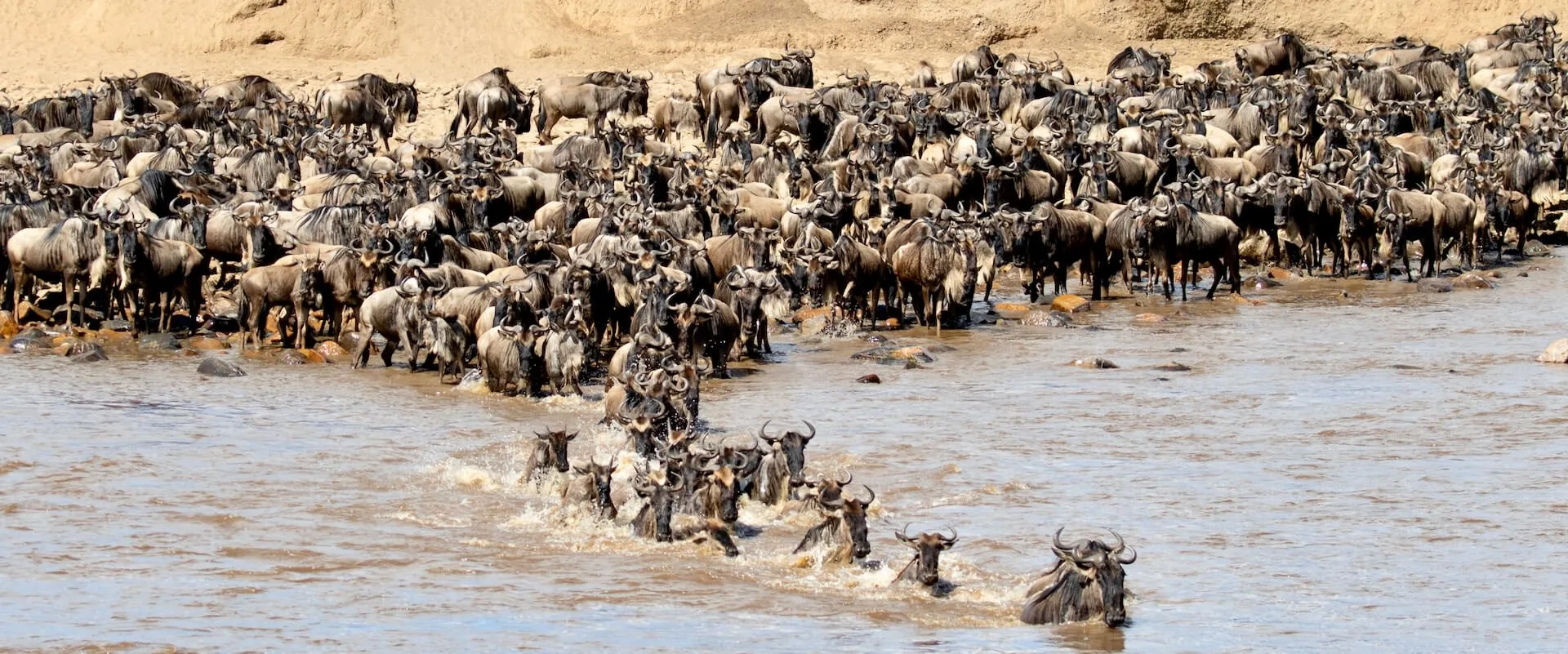
The Great Migration in Africa happens all year because the herds continuously circulate through the Serengeti–Mara ecosystem in…
Read article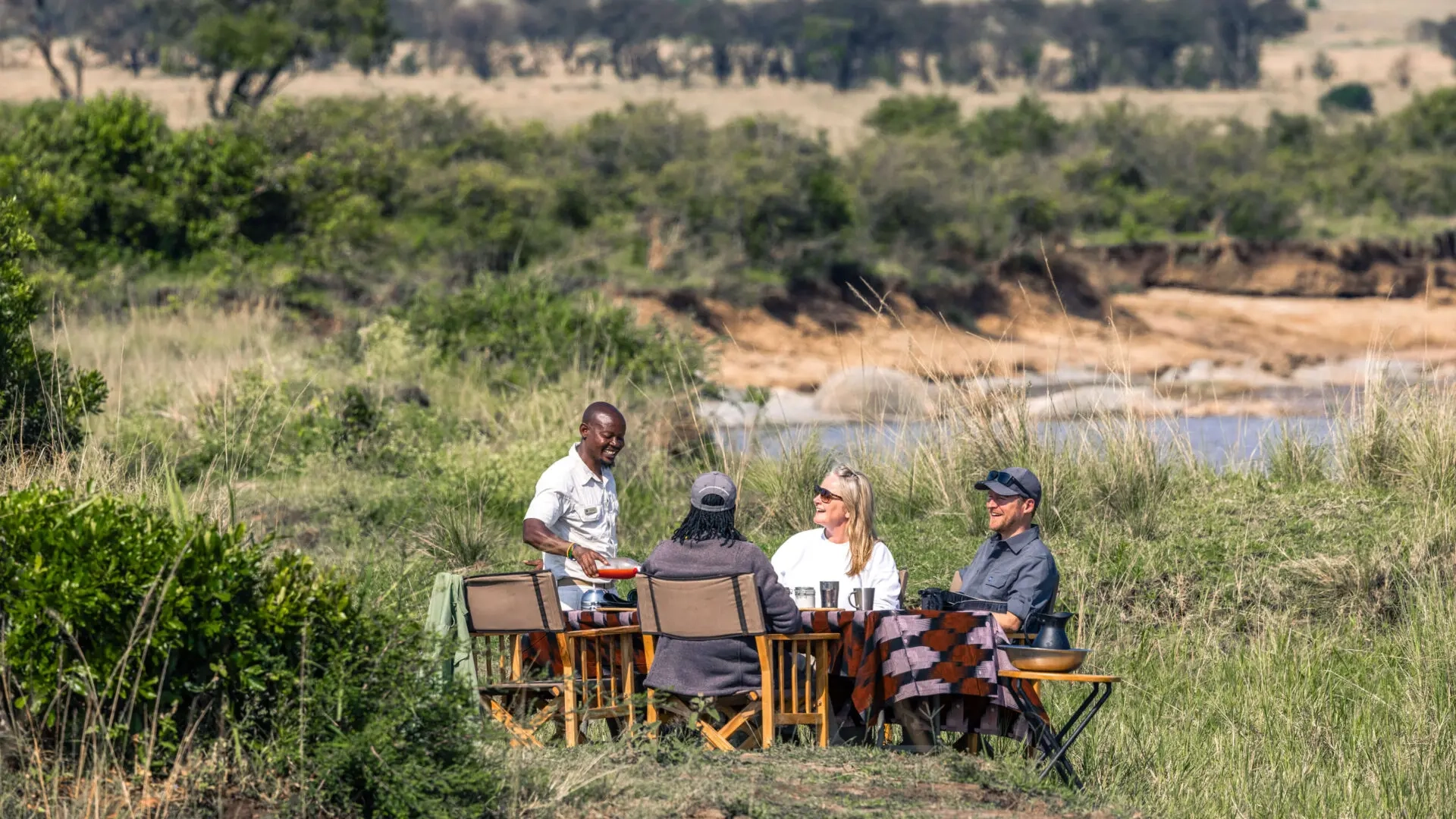
Definitive answer: A picnic lunch on safari is a packed or catered midday meal eaten at an approved…
Read article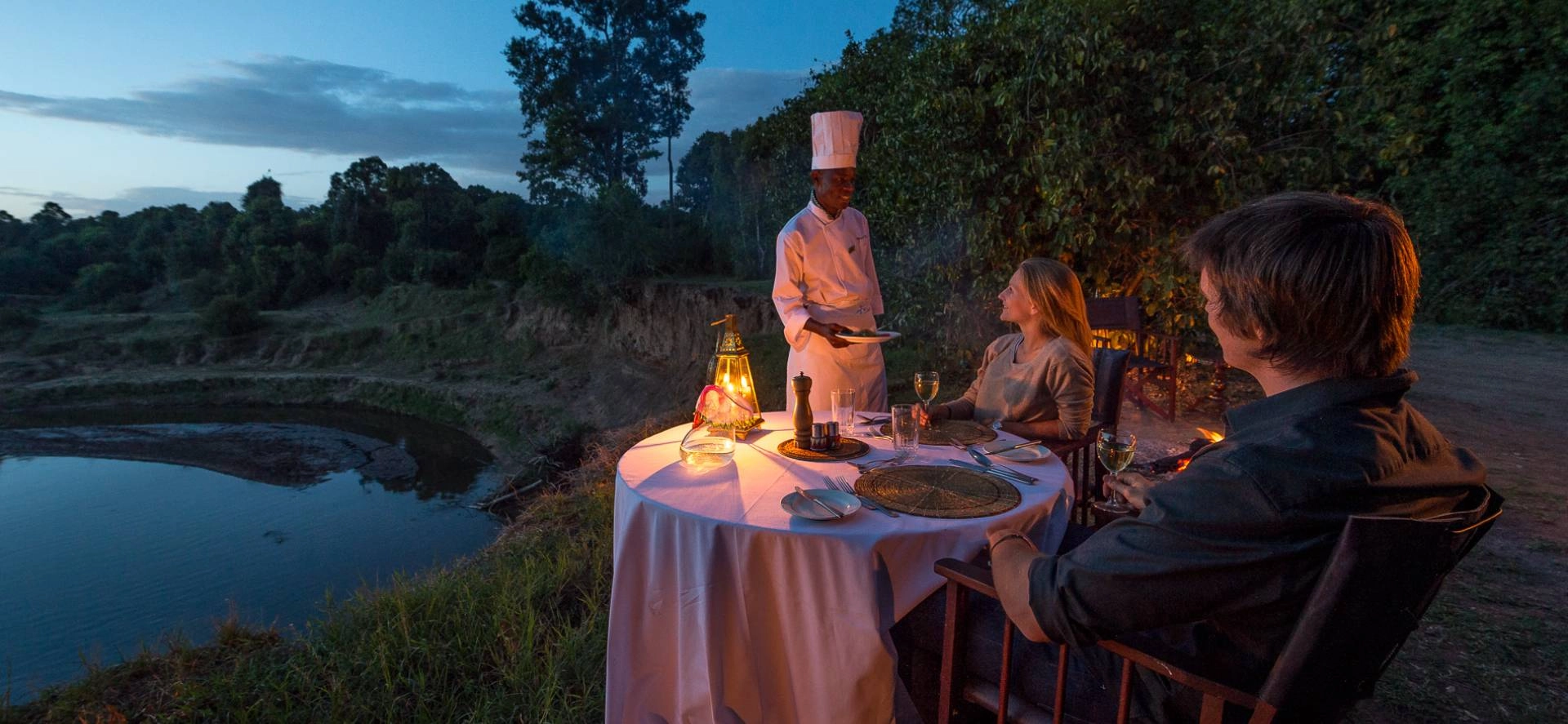
Definitive answer: A bush dinner is an outdoor evening meal arranged in a safe safari setting away from…
Read articleLet us take you closer to the wildlife, people and places that make Africa extraordinary.
Plan Your Safari Today