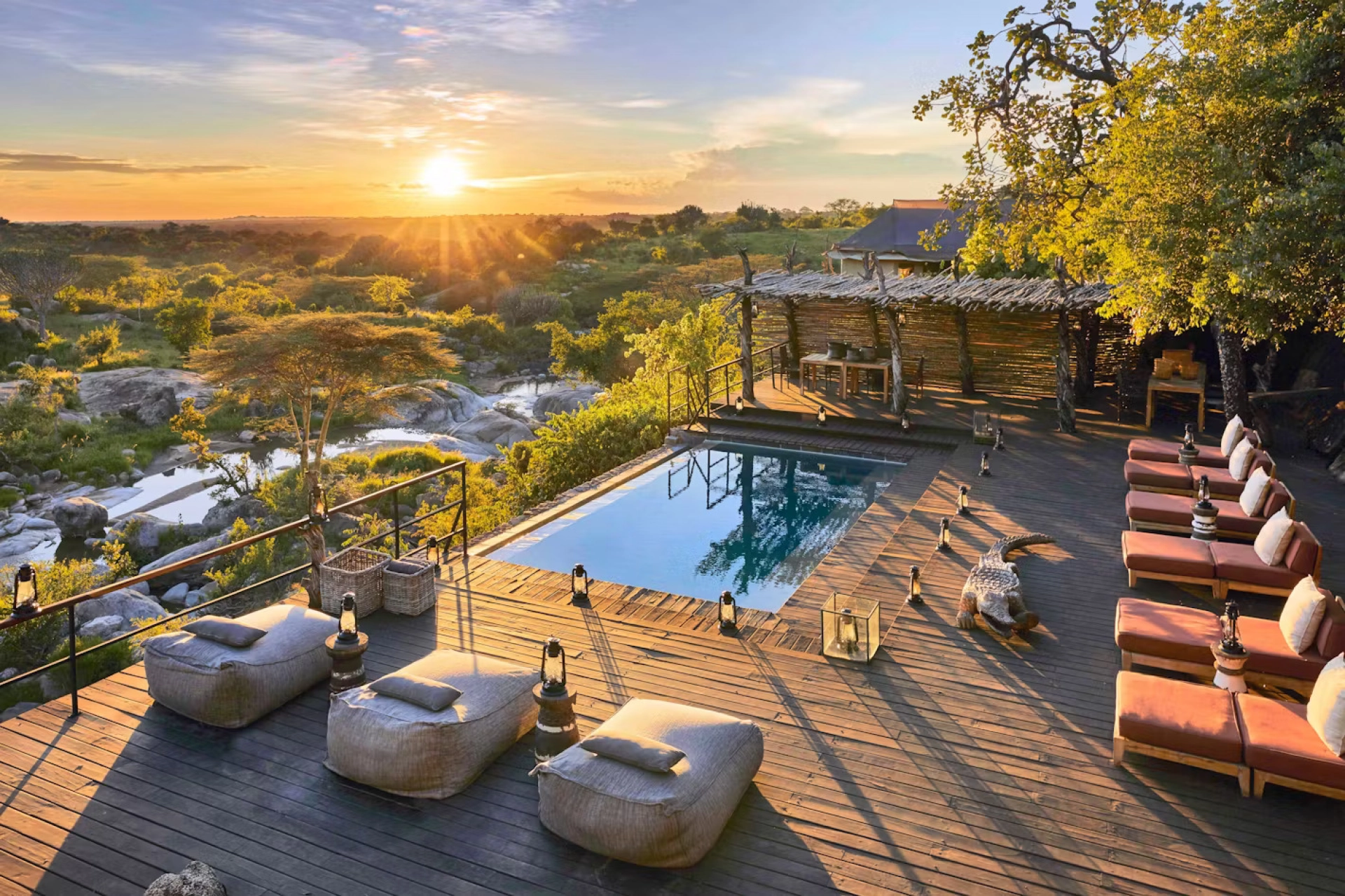
What should I look for when booking a luxury African safari?
When booking a luxury African safari, look beyond the room and compare the quality of guiding, wildlife location,…
Read article
Travel Guide
For many travellers, June, July and August represent the classic season for an African safari. Across large parts of eastern and southern Africa, these months coincide with relatively dry conditions, cooler mornings, increasingly open vegetation and…
For many travellers, June, July and August represent the classic season for an African safari. Across large parts of eastern and southern Africa, these months coincide with relatively dry conditions, cooler mornings, increasingly open vegetation and greater dependence by wildlife on permanent rivers, wetlands and waterholes. The combination can produce outstanding game viewing, particularly for travellers interested in Big Five safaris, predator sightings, elephant encounters, the Great Wildebeest Migration, mountain gorillas, chimpanzees and photographic safaris.
However, describing June to August simply as “winter in Africa” can be misleading. Africa is a vast continent extending across the equator, and its safari destinations do not share one climate. June in Botswana is very different from June in Uganda. July in the Serengeti cannot be understood in exactly the same way as July in Cape Town, while an August gorilla trek through Bwindi’s rainforest remains fundamentally different from an August game drive across Namibia’s dry Etosha landscape.
A useful winter safari planner therefore begins with the traveller rather than the calendar. Do you want the possibility of witnessing migrating wildebeest? Are mountain gorillas the main reason for travelling? Do you prefer huge wildlife concentrations or quieter wilderness? Are you travelling with children? Is photography the priority? Are you prepared for peak-season prices? Would you rather spend more time in one ecosystem or combine several countries?
Once those questions are answered, June, July and August provide some extraordinary possibilities.
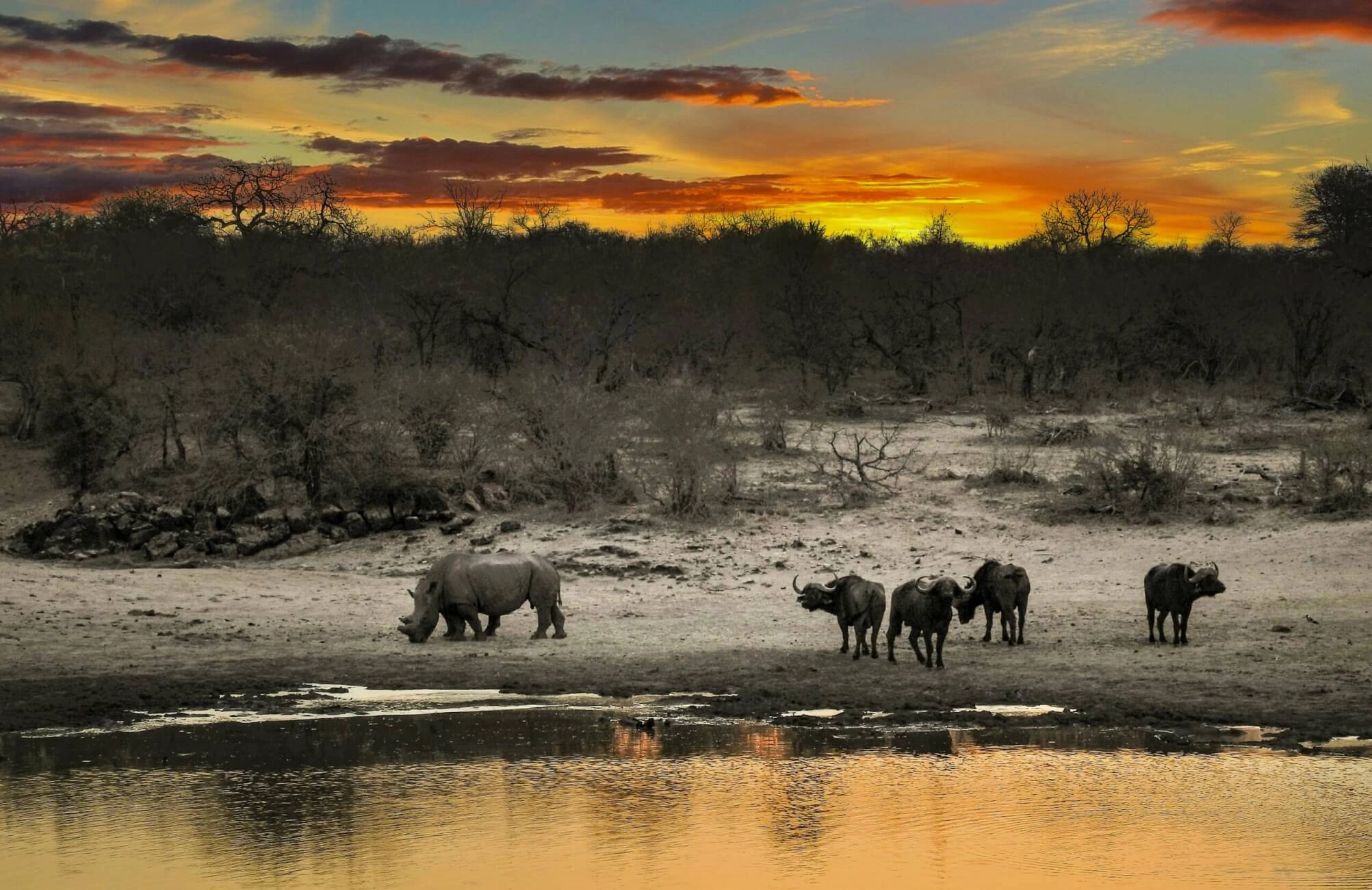
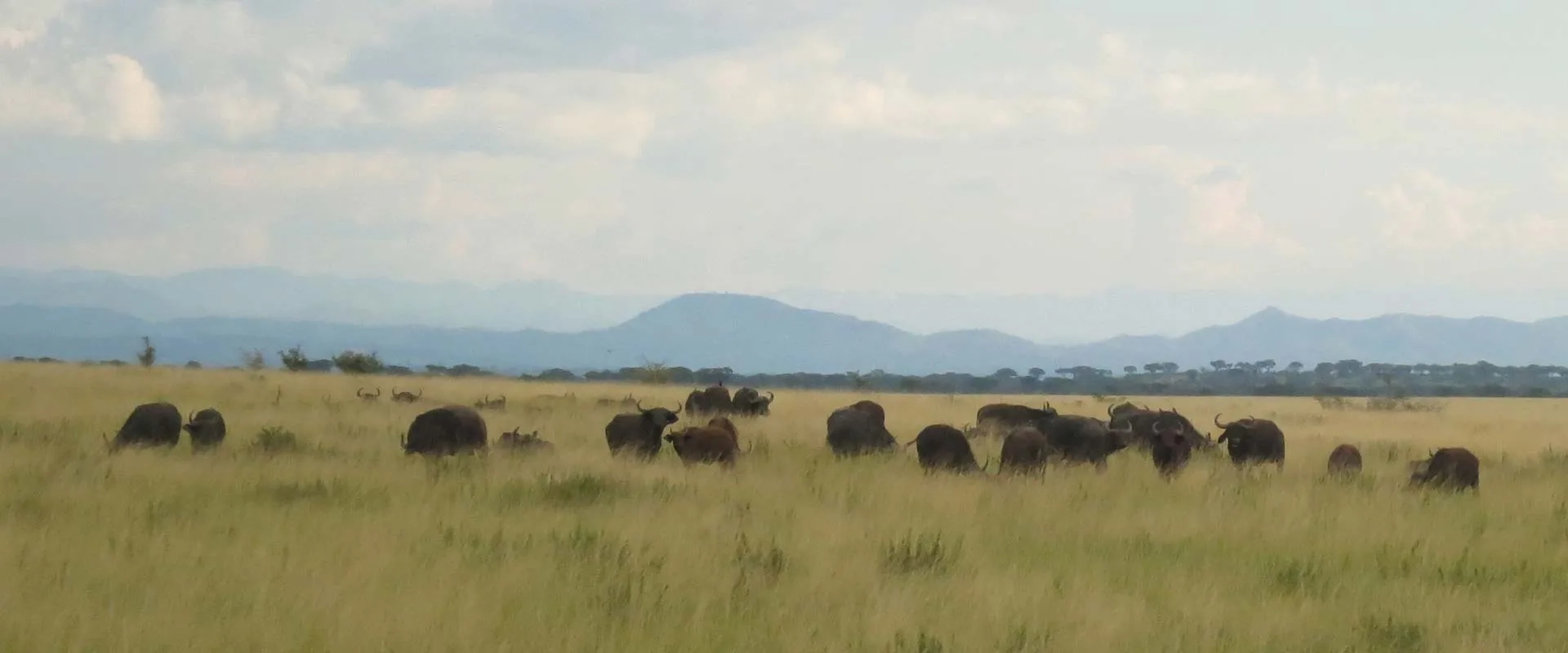
The principal reason these months are so popular is the dry-season effect experienced across many safari ecosystems. When rainfall decreases, temporary pools disappear and grass begins drying. Wildlife that was previously dispersed across enormous landscapes can become increasingly dependent on permanent sources of water. Elephants return repeatedly to rivers and waterholes. Buffalo may gather in large herds. Antelopes concentrate in areas where grazing remains available, and predators follow them.
Vegetation can also become less dense. This does not magically guarantee sightings, but it can make animals easier to locate than during periods when vegetation is exceptionally thick. For photographers, the season creates another advantage. Dry landscapes produce the golden and earthy colours associated with classic safari imagery. Dust raised by elephants or buffalo can catch the low morning and evening light. Predators may be easier to observe in increasingly open grassland, while waterholes create natural points around which wildlife activity develops.
The disadvantages are equally important.
June through August overlaps with major international holiday periods and is peak safari season in many famous destinations. Accommodation in the northern Serengeti, Masai Mara, Okavango Delta and other highly demanded areas can become expensive. The most strategically located camps may sell out well in advance. Gorilla permits can also become difficult to secure on preferred dates.
The best winter safari is therefore not necessarily the safari visiting the largest number of famous parks. It is the safari designed around the correct combination of wildlife seasonality, traveller interests, budget, accommodation availability and realistic expectations.
June is one of our favourite months for travellers who want excellent wildlife conditions but would like to avoid some of the intensity associated with July and August. Across many destinations, the transition toward the dry season is already established. Roads may become easier to navigate, vegetation begins opening and animals gradually become more dependent on reliable water. Yet some landscapes can still retain colour left by earlier rains. This transitional character makes a June safari in Africa particularly photogenic. Instead of the extremely dry appearance found later in the season, travellers may experience a mixture of green, gold and brown landscapes.
June is also an excellent period for travellers considering Uganda gorilla trekking, Rwanda, Tanzania, Kenya, Zambia, Zimbabwe, Namibia, Botswana or South Africa. The exact advantage depends on destination.
In Uganda and Rwanda, June generally falls within a relatively drier travel period, although rain is possible throughout the year in tropical forests. In Tanzania, June can provide superb general game viewing while the migration continues its seasonal movement through the wider Serengeti ecosystem. Southern Africa enters its cooler dry period, making destinations such as Botswana, Namibia and the Greater Kruger region increasingly attractive.
July is one of the most requested safari months in Africa. In East Africa, international attention increasingly focuses on the Great Migration safari experience as wildebeest and zebra continue moving through the Serengeti-Mara ecosystem. Their location is determined primarily by ecological conditions rather than the calendar, so travellers should resist itineraries that promise a particular crossing on a particular day. A good migration safari gives the traveller time. This is critical.
Someone spending several nights in an appropriate section of the ecosystem has a fundamentally better chance of experiencing meaningful migration activity than someone racing between parks trying to tick off famous names.
July is also excellent for many southern Africa safaris. Dry conditions continue strengthening around the Okavango, Etosha, Kruger, Hwange, South Luangwa and other ecosystems. Mornings can be genuinely cold, particularly in open vehicles. Travellers often arrive imagining “Africa” means heat and are surprised to find themselves wearing a fleece, insulated jacket, gloves and a hat during a pre-dawn game drive. By midday, however, conditions can become pleasantly warm.
Layering is therefore essential.
August is another exceptional safari month and, in many destinations, one of the driest. Wildlife concentrations around permanent water can become increasingly pronounced. Vegetation may be considerably thinner than during the rains. Roads are generally more predictable, although local conditions always vary. In East Africa, August is strongly associated with the Serengeti and Masai Mara migration season. Depending on rainfall and herd movements, substantial numbers of wildebeest and zebra may be distributed through northern Tanzania and Kenya.
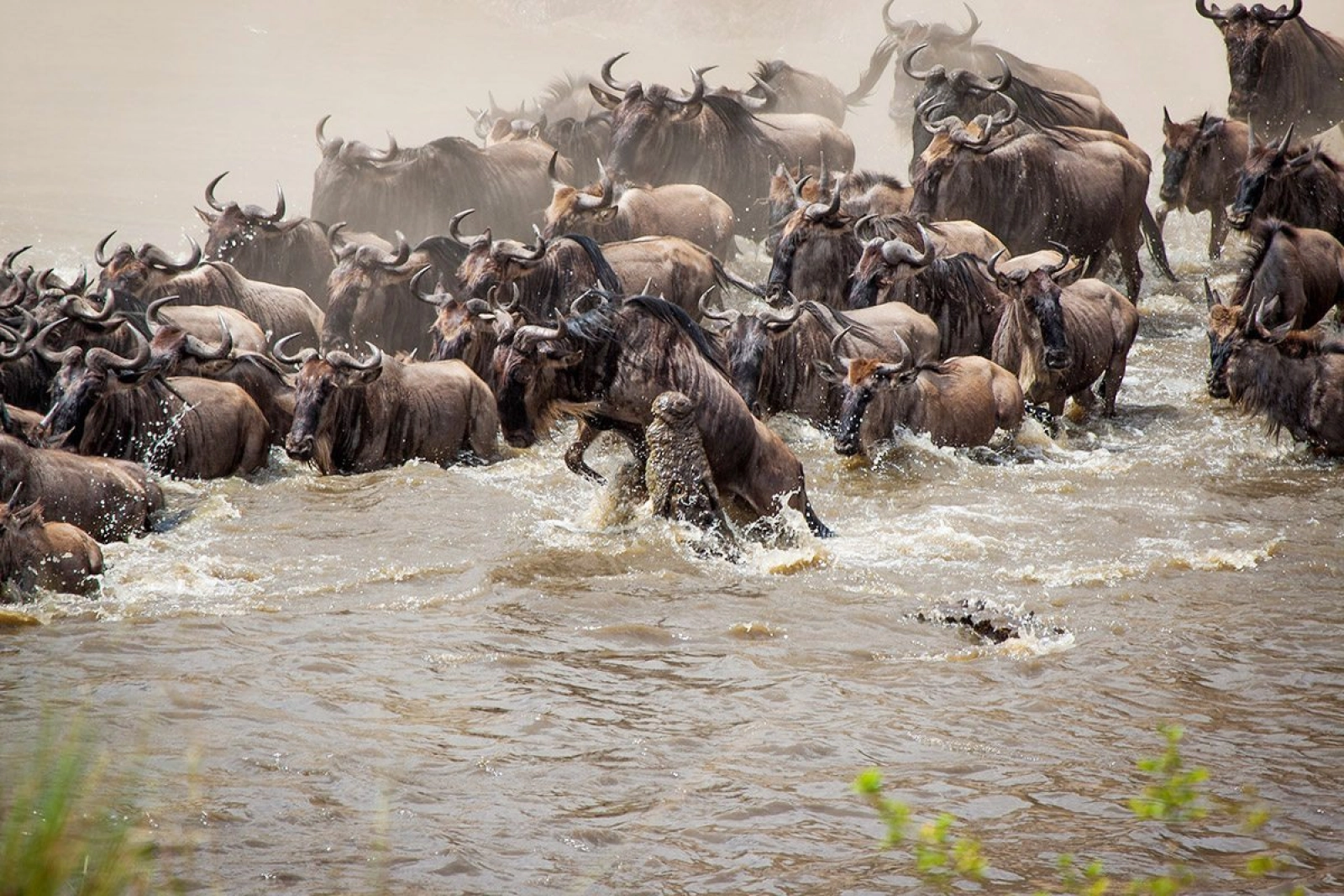
The temptation is to make river crossings the entire purpose of the journey. That can be a mistake. Crossings are dramatic, but they are unpredictable. Herds sometimes gather beside a river for hours or even days and then move away. A crossing may happen before the traveller arrives. Animals may choose another crossing point. Weather and herd behaviour can alter movement unexpectedly. The broader migration ecosystem offers much more: lions, cheetahs, leopards, elephants, giraffes, hyenas, vultures, smaller predators and countless interactions between resident and migratory species. A well-designed August safari in Africa therefore focuses on the ecosystem rather than a single photograph.
Uganda deserves a prominent place in any serious winter safari planner, particularly for travellers who want more than conventional game drives. Few destinations combine so many dramatically different ecosystems within one journey. A well-planned Uganda safari can include gorilla trekking in Bwindi Impenetrable National Park, chimpanzee trekking in Kibale National Park, lion and elephant sightings in Queen Elizabeth National Park, a Kazinga Channel boat safari, the Nile and Murchison Falls, rhino tracking, birding, crater landscapes and some of East Africa’s richest primate diversity.
June, July and August are especially attractive because they generally coincide with one of Uganda’s relatively drier periods. The word “relatively” matters. Uganda straddles the equator, and several of its most important wildlife areas contain rainforest and high-altitude environments. Rain can occur during any month. Bwindi did not become one of Africa’s richest rainforests by remaining dry for three months. Nevertheless, trails can often be more manageable during the drier periods, road journeys may be more predictable and the season fits naturally into a longer Uganda wildlife safari.
For many visitors, mountain gorilla trekking in Uganda is the defining wildlife experience. Bwindi Impenetrable National Park protects an extraordinary mountainous rainforest where visitors can trek to habituated mountain gorilla families under controlled tourism procedures. The experience bears little resemblance to a conventional game drive. The morning begins with briefing before visitors are allocated trekking groups. Accompanied by guides and trackers, the group enters the forest. Depending on the gorillas’ location and the terrain, reaching them can require anything from a relatively manageable walk to a demanding climb through steep, wet forest.
This uncertainty is part of the experience. Mountain gorillas are not positioned beside a road for visitors. They move naturally through the forest. June, July and August are popular for Bwindi gorilla safaris, so permits and suitable accommodation should be secured well ahead. This is particularly important when travellers have fixed international flights and cannot easily shift the trekking date. A good itinerary also considers which part of Bwindi is being visited. The forest has different trekking sectors, and simply booking “a hotel in Bwindi” without considering the permit sector can create unnecessary transfers.
Adventure in the Wild Safaris plans the gorilla trekking itinerary around permit availability, road routing and the wider safari rather than treating the permit as an isolated reservation.
One of Uganda’s greatest advantages is the ability to combine mountain gorillas with chimpanzee trekking in Kibale Forest. The two experiences complement each other beautifully. Chimpanzees are generally more vocal and socially dynamic. Their calls can travel through the forest before visitors see them. Individuals may move through the canopy or descend closer to the forest floor, while the overall encounter reveals a very different primate society from that of mountain gorillas.
A Uganda primate safari combining Kibale and Bwindi therefore provides a much deeper understanding of East Africa’s great apes. The journey between the forests can also incorporate Queen Elizabeth National Park, avoiding the feeling that the holiday consists solely of trekking.
Queen Elizabeth National Park provides the savannah component of a classic western Uganda itinerary. Game drives can reveal elephants, buffalo, Uganda kob, waterbuck and numerous other species, with predators including lions and leopards present within the wider ecosystem. One of the park’s strongest experiences is the Kazinga Channel boat safari. Instead of viewing wildlife exclusively from a safari vehicle, travellers cruise through a natural channel connecting Lakes George and Edward. Hippos are a major feature, while crocodiles, buffalo, elephants and numerous waterbirds may be observed along the shoreline.
This change in perspective adds enormous variety to a Uganda itinerary.
Travellers heading toward Bwindi may also explore the Ishasha sector, associated with its famous tree-climbing lions. The lions are wild animals and sightings can never be promised, but Ishasha provides an attractive transition between Queen Elizabeth’s northern areas and the forests farther south.
For travellers with enough time, Murchison Falls National Park adds another completely different landscape. The Victoria Nile passes through the park before being compressed through the rocky gorge at Murchison Falls. The combination of river, savannah and woodland supports a broad range of wildlife. Game drives can produce sightings of giraffes, elephants, buffalo, antelopes and predators, while the Nile boat safari offers excellent opportunities to observe hippos, crocodiles and animals approaching the river.
Murchison combines particularly well with Kibale, Queen Elizabeth and Bwindi on longer Uganda safari itineraries. Rather than flying into Africa, rushing to Bwindi and leaving immediately after the gorilla trek, travellers can experience how dramatically Uganda changes from north to south.
Rwanda is another outstanding June-to-August destination. Its greatest safari strength is accessibility. Volcanoes National Park lies within convenient reach of Kigali compared with many remote African wilderness areas. This makes Rwanda particularly attractive for travellers who want a shorter luxury gorilla safari or who are combining primates with another East African destination.
The volcanic landscape itself is magnificent. Gorilla trekking takes place on forested slopes beneath the Virunga volcanoes, producing a very different visual setting from Bwindi. Travellers can also undertake golden monkey trekking in Rwanda, adding another primate experience without requiring a major change of destination. Those with additional time can combine Volcanoes with Akagera National Park, where savannah, lakes and wetlands create Rwanda’s principal traditional game-viewing environment.
The result can be an impressive Rwanda gorilla and wildlife safari within a relatively compact country.
Tanzania is understandably one of the most sought-after destinations during the northern hemisphere summer. The country’s northern safari circuit brings together Serengeti National Park, Ngorongoro Crater, Tarangire and other wildlife areas within one of Africa’s most famous safari regions. June through August is broadly part of the dry-season travel period, although local weather and ecological conditions vary. The Serengeti dominates many itineraries because of the Great Wildebeest Migration, but Tanzania should never be reduced to migration alone.
Resident predators, elephants, giraffes, buffalo, gazelles and many other species remain within the ecosystem throughout the year.
June is often a fascinating transitional period. The migration may be progressing through western, central and northwestern areas of the Serengeti ecosystem depending on rainfall and grazing conditions. Large herds can create extraordinary scenes even when no river crossing is taking place. Predators respond to the abundance of prey, while vultures and scavengers participate in the wider ecological system.
Travellers researching a Great Migration safari in June should therefore focus on likely herd distribution rather than searching only for river-crossing camps.
As the dry season progresses, migration attention often moves toward northern Serengeti and the wider Serengeti-Mara ecosystem. July and August are consequently heavily marketed as river-crossing safari months. Crossings can indeed be among Africa’s most dramatic wildlife spectacles. Thousands of animals may gather near a riverbank while crocodiles wait in the water and predators patrol surrounding areas.
But the event is never guaranteed. This is worth repeating because unrealistic migration marketing causes unnecessary disappointment. No tour operator controls the wildebeest. No lodge can guarantee a crossing.
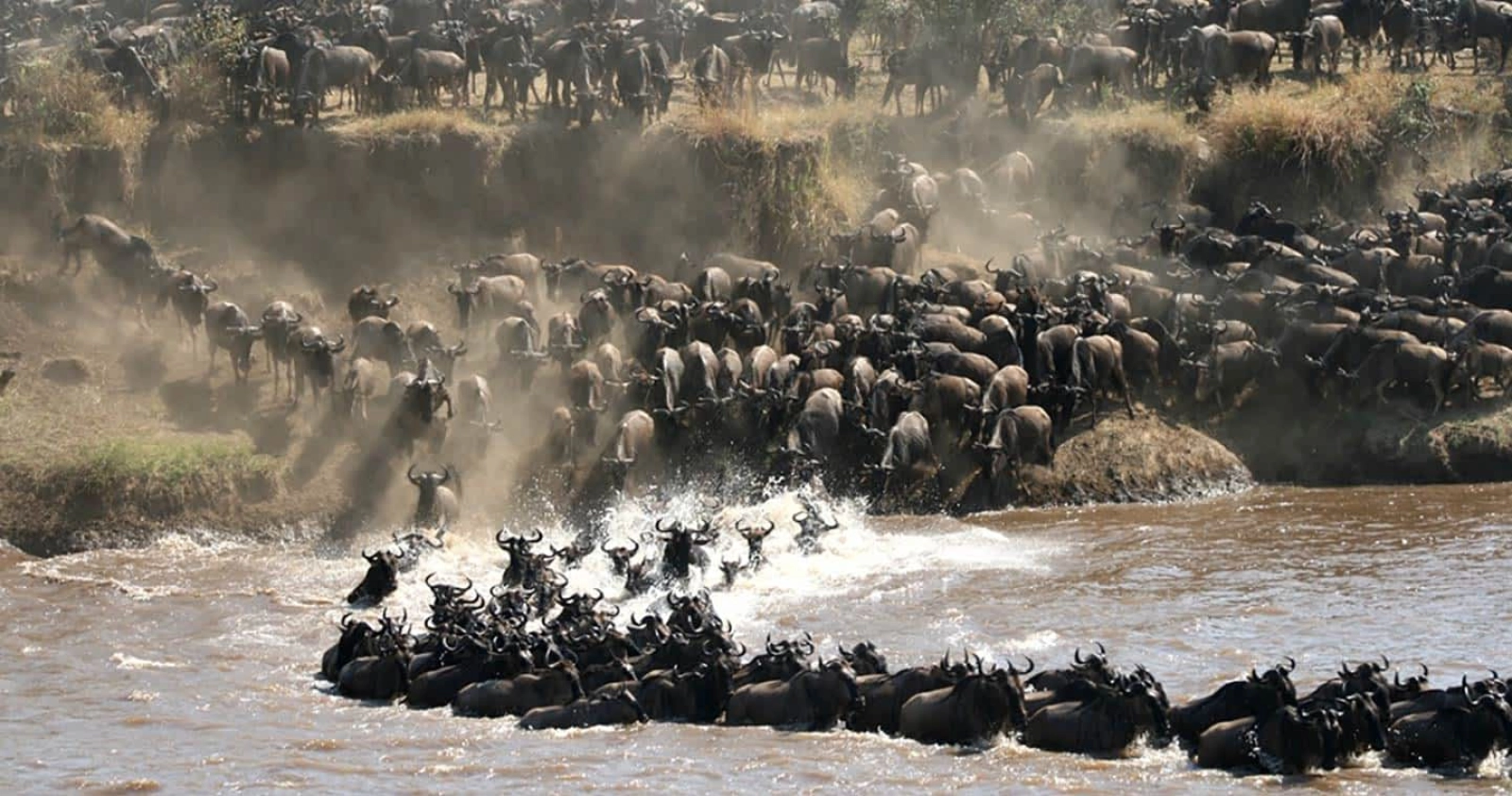
No guide knows exactly when a herd will decide to enter a river. A good Serengeti migration safari increases opportunity by positioning the traveller intelligently and allocating enough time.
Kenya is another outstanding destination for June through August. The Masai Mara safari experience is famous worldwide, particularly once migrating herds begin entering the wider Mara ecosystem. However, the Mara contains exceptional resident wildlife regardless of the migration. Travellers visiting in June may enjoy excellent game viewing before the greatest migration-season attention develops.
By July and August, migration activity can become a central feature depending on annual rainfall and herd movements. Large numbers of wildebeest and zebra can attract predators and create extraordinary wildlife interactions. The drawback is popularity. Certain famous areas can become busy, particularly when guides receive information about a major predator sighting or possible crossing.
Travellers who value exclusivity should consider accommodation location carefully and discuss private conservancy safari possibilities with their operator. Kenya also offers excellent alternatives to a Mara-only itinerary. Amboseli National Park is famous for elephants and views toward Mount Kilimanjaro when conditions are clear. Samburu safari itineraries introduce the traveller to northern Kenya’s arid landscapes and distinctive wildlife. Tsavo offers enormous wilderness landscapes and can be incorporated into itineraries linking safari with Kenya’s coast.
Botswana is one of southern Africa’s outstanding winter destinations. The Okavango Delta is particularly remarkable because its flood cycle is influenced by water travelling from the Angolan highlands. This means high water can reach parts of the delta during Botswana’s dry season. The contrast is extraordinary. Beyond the wetlands, the surrounding landscape becomes increasingly dry while channels, lagoons and floodplains support concentrated wildlife. Depending on camp location and water levels, travellers may experience traditional game drives, boating and mokoro safaris.
Botswana is often associated with high-end tourism, and peak winter prices can be substantial. However, the value lies in the quality of wilderness, guiding and, in appropriate concessions, lower vehicle density. Travellers considering a luxury African safari frequently combine Botswana with Victoria Falls.
Zambia is another exceptional dry-season destination. South Luangwa National Park is renowned for predator viewing, riverine landscapes and the development of the modern walking-safari tradition. As the dry season progresses, wildlife becomes increasingly associated with the Luangwa River and remaining lagoons. Elephants, hippos, buffalo and antelopes can be abundant, while South Luangwa has an especially strong reputation for leopard sightings.
A Zambia walking safari adds a completely different dimension to wildlife travel. On foot, the emphasis changes from covering distance to understanding tracks, plants, insects, animal behaviour and ecological relationships. This makes Zambia particularly appealing to repeat safari travellers who want a deeper wilderness experience.
Zimbabwe works exceptionally well during June, July and August. Hwange National Park contains one of southern Africa’s great elephant populations and becomes increasingly focused around water as the dry season develops. The park can be combined easily with Victoria Falls, creating a safari that balances wildlife with one of Africa’s most dramatic natural landmarks. Victoria Falls itself changes seasonally.
Water levels fluctuate considerably, meaning the visual experience in June can differ from later in August. Lower water is not automatically worse. Heavy spray at high flow can obscure portions of the gorge, whereas lower flow can reveal more of the rock formations.
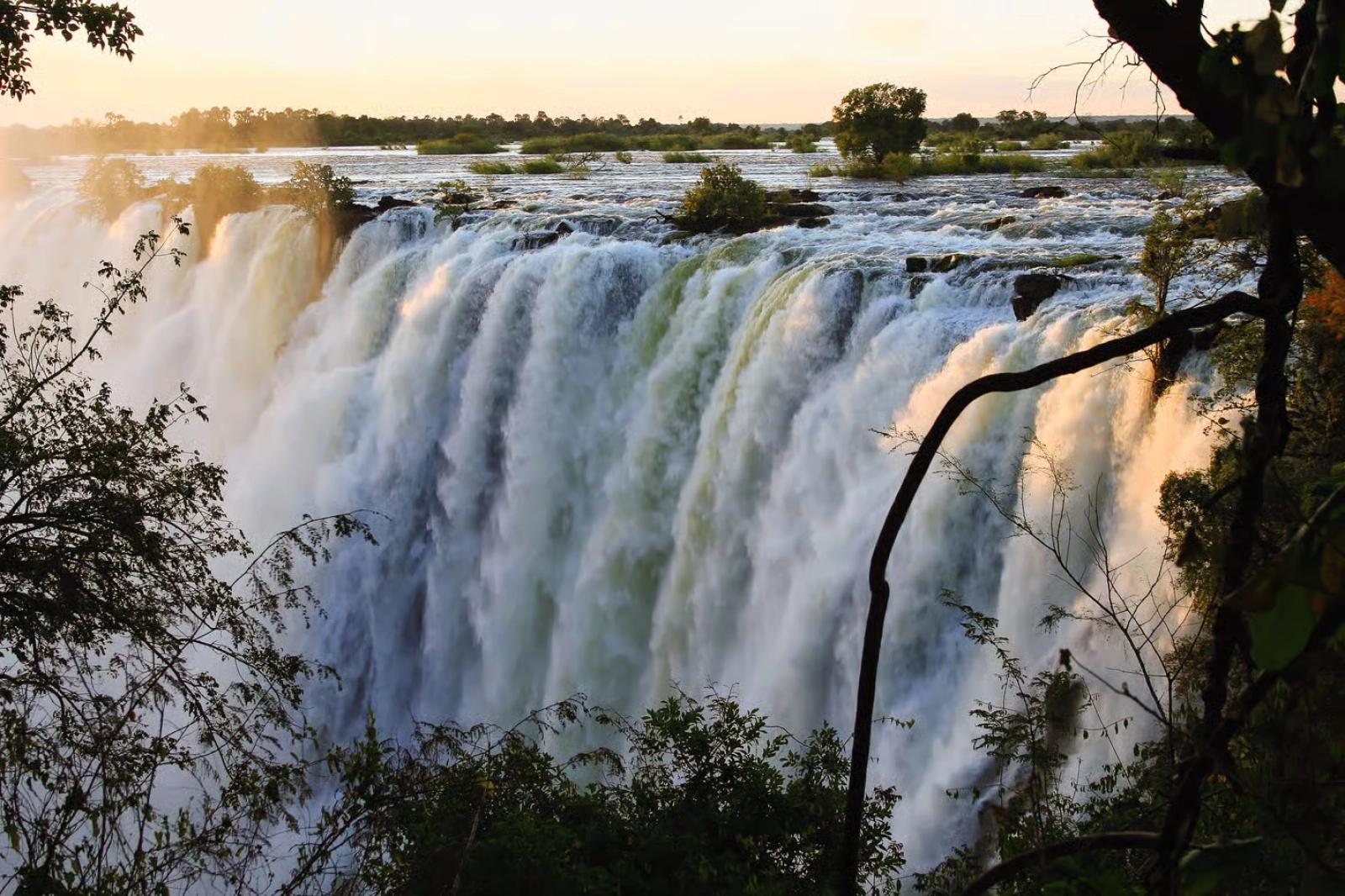
Travellers should therefore think in terms of different versions of Victoria Falls rather than one “correct” season.
Namibia is exceptionally well suited to dry-season travel. Etosha National Park becomes particularly interesting as wildlife concentrates around available waterholes. The safari experience differs from East Africa’s vast migration landscapes. Patience can be highly rewarding.
Instead of driving continuously in search of animals, travellers may spend extended periods observing a productive waterhole as different species arrive and leave. Elephants may dominate temporarily before giraffes approach cautiously. Antelopes gather at the edges. Predators may appear unexpectedly. Outside Etosha, a Namibia safari can include Damaraland, desert-adapted wildlife, Sossusvlei and the dramatic Atlantic coastline. Winter nights can be cold, particularly in desert environments, but daytime conditions are often excellent for exploration.
The Kruger safari is one of Africa’s most accessible major wildlife experiences. June through August corresponds with the dry winter period in northeastern South Africa. Vegetation can become thinner, permanent water increasingly important and game viewing highly productive. Mornings can be cold. Travellers staying in private reserves adjoining the greater Kruger ecosystem may experience open-vehicle game drives, skilled tracking and carefully managed sightings.
South Africa also provides enormous flexibility beyond safari. Cape Town, the Winelands, coastal regions and other attractions can be incorporated into one journey. However, travellers should remember that Cape Town follows a Mediterranean climate and winter there is generally cooler and wetter than the safari regions in the northeast. This illustrates why an Africa winter holiday must be planned region by region.
There is no universally best destination. For gorilla trekking, Uganda and Rwanda should be high on the list. For a Great Migration safari, Tanzania and Kenya provide the principal ecosystems. For water-and-wilderness experiences, Botswana’s Okavango is exceptional. For walking safaris, Zambia deserves serious consideration. For waterhole-based dry-season viewing, Namibia is outstanding. For a combination of accessible Big Five wildlife and broader holiday infrastructure, South Africa is difficult to beat. For travellers who want gorillas, chimpanzees, savannah wildlife and boat safaris within one country, Uganda offers remarkable variety.
This is why the right winter safari planner begins with experiences rather than country names.
One of the biggest packing mistakes is assuming Africa will always be hot. Early-morning game drives in June, July and August can be extremely chilly. Open safari vehicles amplify the cold because passengers remain exposed to moving air. Layers are the solution. A warm fleece or insulated jacket can be invaluable during the first hours of the morning and then removed as temperatures rise. A light hat, gloves and scarf may be worthwhile in southern Africa.
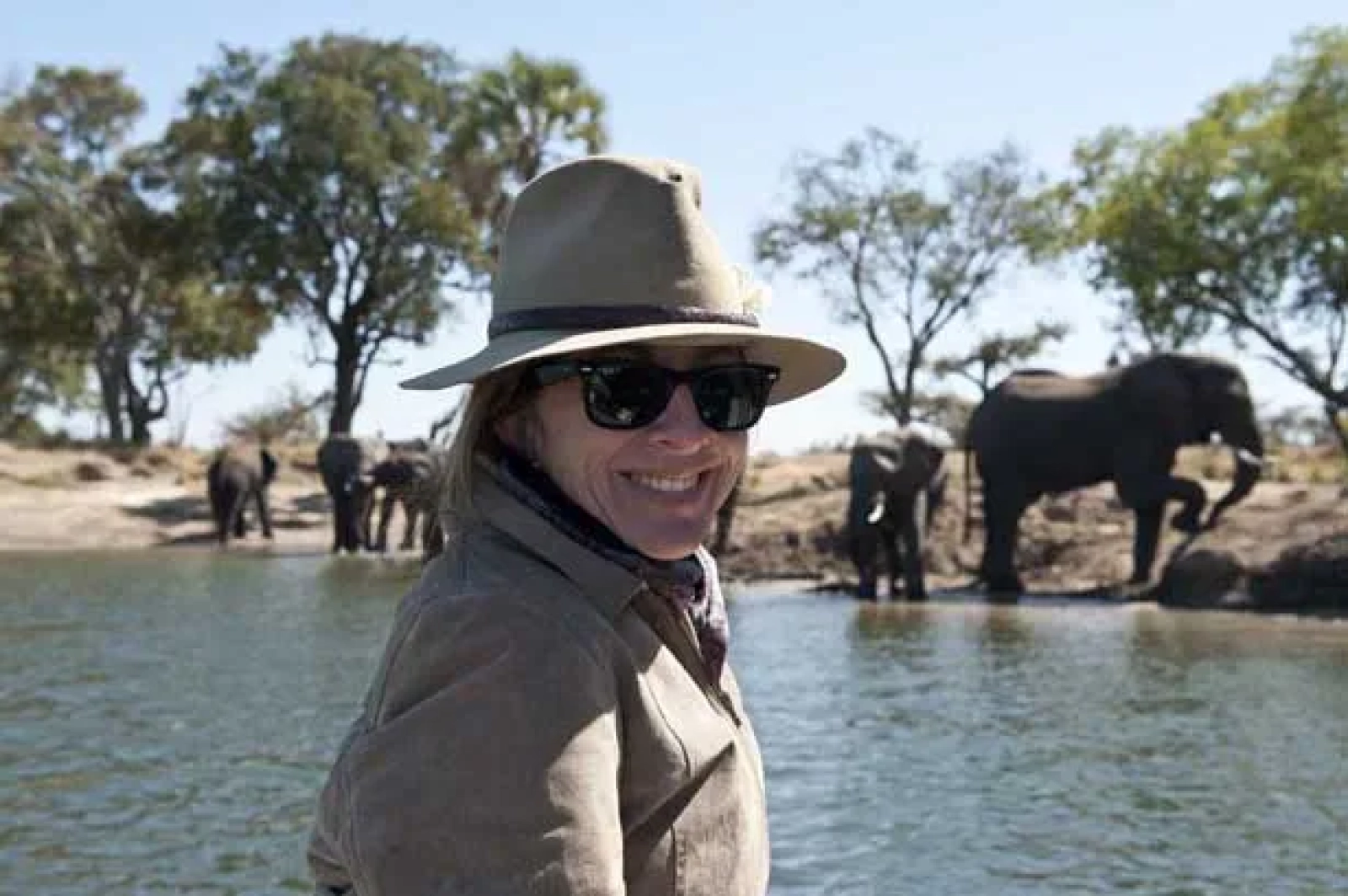
Neutral-coloured comfortable clothing works well for safari, while sturdy footwear becomes particularly important for gorilla trekking, chimpanzee trekking and walking safaris. Sun protection remains necessary even during winter. Travellers should pack sunscreen, sunglasses and a hat. For Uganda and Rwanda, waterproof protection should remain in the bag regardless of month because tropical forests can receive rainfall throughout the year.
Photography equipment should be protected from both dust and moisture. A good pair of binoculars is also one of the most useful safari investments, particularly for birds and distant predators.
It can be. June through August represents high or peak season across many famous destinations. Migration camps, Okavango properties, premium private reserves and strategically located lodges can command some of their highest rates. But travellers do not need to abandon the season.
Intelligent routing makes a substantial difference. Instead of selecting every famous lodge, a traveller can combine comfortable mid-range safari lodges with strategically chosen premium properties. Road transfers can replace expensive flights where distances are reasonable. A private safari shared by four or six travellers can sometimes offer much better per-person value than the same vehicle used by two.
Uganda is particularly attractive for travellers who want high-value wildlife diversity without constructing the entire journey around ultra-luxury camps. The important point is to compare complete itineraries rather than room prices. Park fees, permits, transport, guiding, meals, transfers and included activities all influence the real cost of an African safari package.
Winter safari planning rewards early decisions. This is especially true when the itinerary includes gorilla permits, migration camps, small luxury lodges or limited-capacity wilderness properties. Waiting does not necessarily produce lower prices. In peak season it may simply reduce choice. For gorilla itineraries, permit availability can determine the entire route. For migration safaris, camp location matters enormously. For family safaris, suitable family rooms are often limited. Early planning gives the operator greater flexibility to construct the itinerary around wildlife rather than around whatever accommodation happens to remain available.
A successful winter safari is not created simply by choosing June, July or August. It comes from matching the season to the traveller. Adventure in the Wild Safaris can design custom African safari itineraries around mountain gorillas, chimpanzees, the Great Migration, Big Five wildlife, birding, family travel, honeymoon safaris, photography or multi-country exploration. Our strongest approach is to build the journey around what you genuinely want to experience rather than forcing every traveller through the same itinerary.
Whether your dream is gorilla trekking in Uganda, a Uganda and Rwanda safari, the Serengeti Great Migration, Kenya’s Masai Mara, Botswana’s Okavango Delta, Victoria Falls or a broader East Africa safari, careful seasonal planning can transform a good journey into an exceptional one. June, July and August are among Africa’s most rewarding safari months. The secret is not simply travelling in winter. It is travelling to the right ecosystem, for the right experience, at the right stage of that ecosystem’s annual cycle.

Share This Article
When booking a luxury African safari, look beyond the room and compare the quality of guiding, wildlife location,…
Read article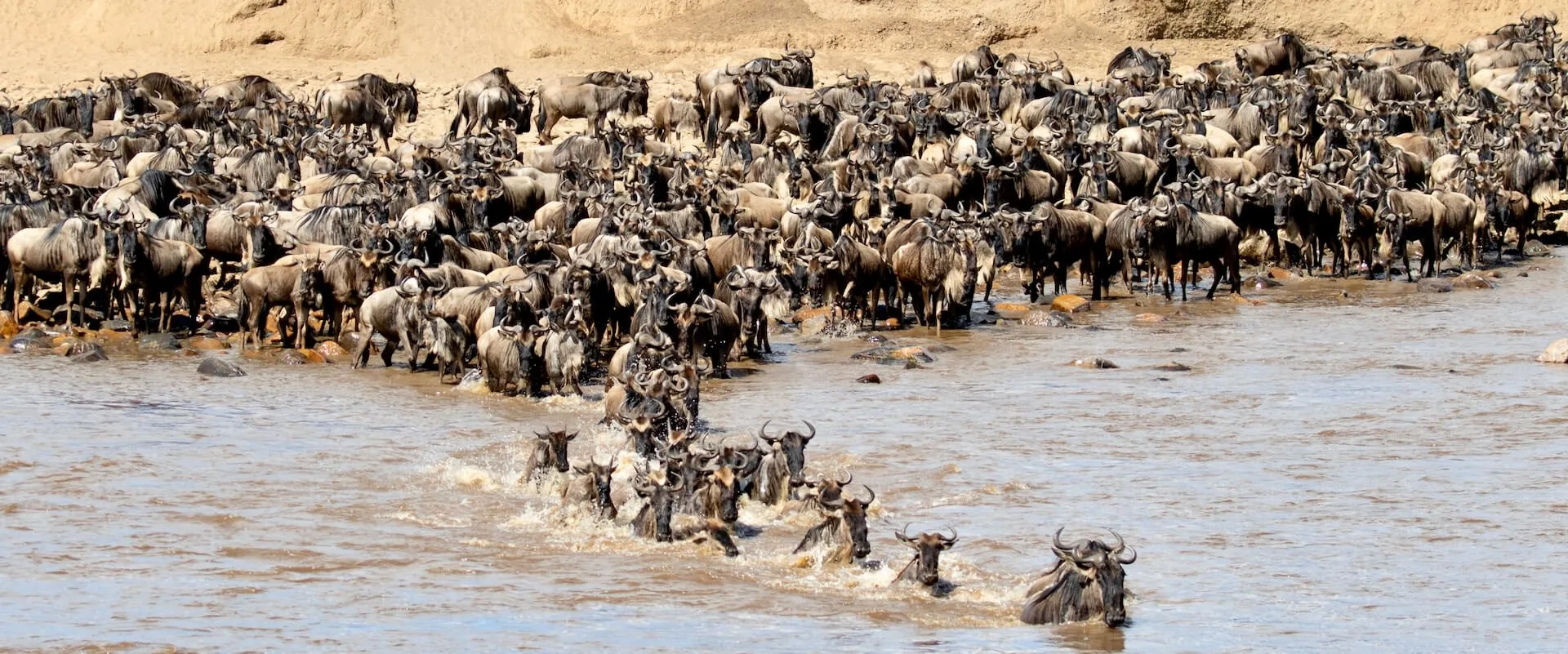
The Great Migration in Africa happens all year because the herds continuously circulate through the Serengeti–Mara ecosystem in…
Read article
Definitive answer: A picnic lunch on safari is a packed or catered midday meal eaten at an approved…
Read article
Definitive answer: A bush dinner is an outdoor evening meal arranged in a safe safari setting away from…
Read articleLet us take you closer to the wildlife, people and places that make Africa extraordinary.
Plan Your Safari Today