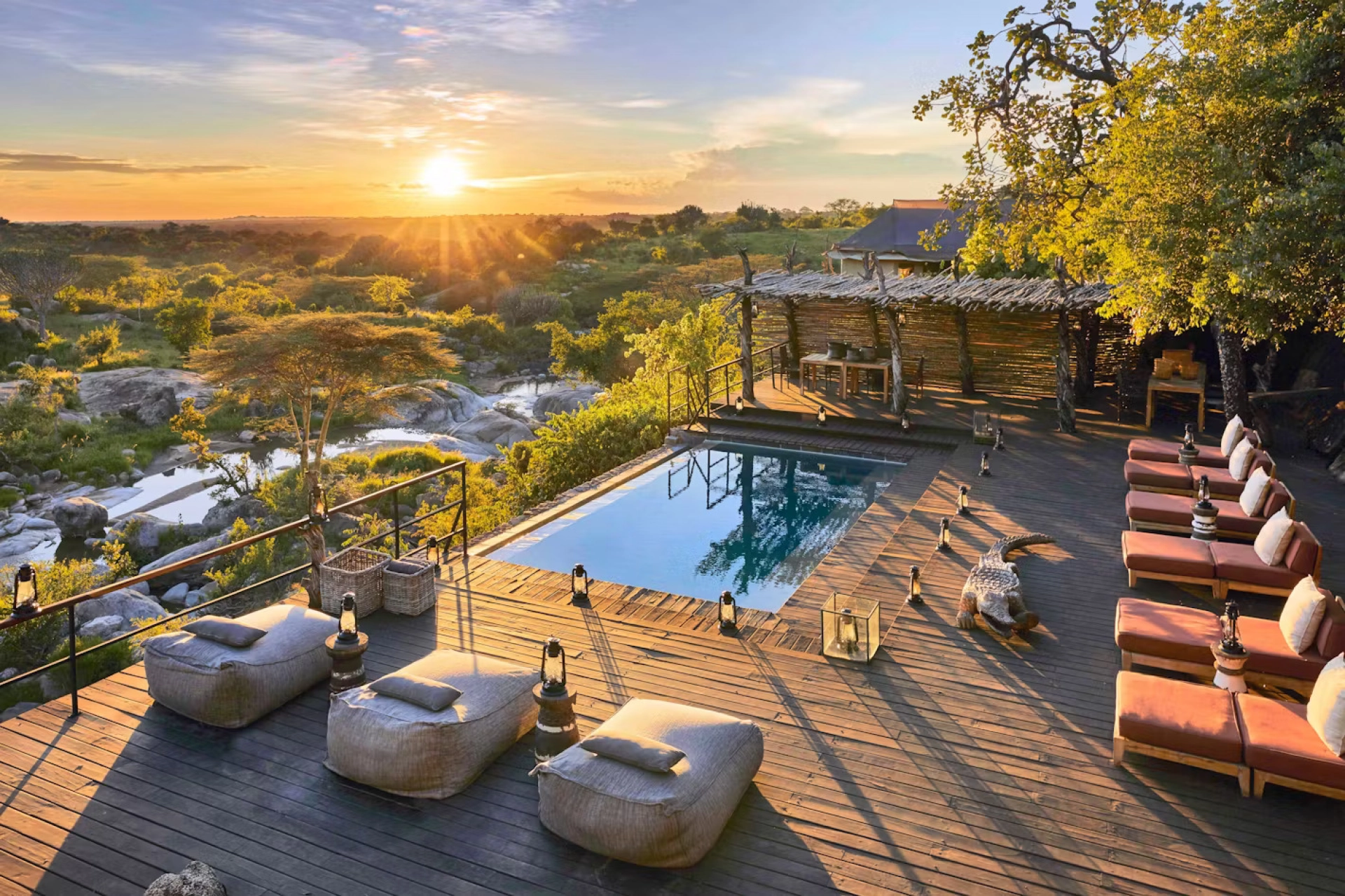
What should I look for when booking a luxury African safari?
When booking a luxury African safari, look beyond the room and compare the quality of guiding, wildlife location,…
Read article
Travel Guide
Cape Town is difficult to describe as simply a city. Turn in one direction and Table Mountain rises almost vertically above the urban center. Drive twenty minutes in another direction and you can be standing beside…
Cape Town is difficult to describe as simply a city. Turn in one direction and Table Mountain rises almost vertically above the urban center. Drive twenty minutes in another direction and you can be standing beside the Atlantic Ocean. Continue around the peninsula and you reach penguin colonies, fishing communities, mountain roads and the dramatic landscapes of Cape Point. Travel inland and vineyards stretch across valleys beneath mountains in Stellenbosch and Franschhoek. Then there is the city itself. Cape Town contains historic neighborhoods, museums, markets, restaurants, galleries, beaches, hiking trails and one of Africa’s most recognizable waterfront districts. This extraordinary concentration of experiences is why a Cape Town vacation can work for almost every kind of traveler. Safari travelers use Cape Town as the urban counterpoint to Kruger National Park. Honeymooners combine luxury hotels with wine estates and beaches. Families explore penguin colonies and the aquarium. Adventure travelers hike Table Mountain and Lion’s Head. Food lovers build entire days around Cape Malay cuisine, wine and restaurants. The best Cape Town holiday therefore does not come from racing between a checklist of famous attractions.
It comes from understanding the geography and allowing enough time to experience the different sides of the city. This detailed Cape Town travel guide explores the places that deserve priority, how to combine them efficiently and how Cape Town fits into a larger South Africa safari holiday.
Many cities have mountains.
Many have beaches. Others have excellent restaurants or historic neighborhoods. Cape Town’s appeal comes from having all of these elements compressed into one extraordinary region. You can hike in the morning and eat lunch beside the ocean. You can spend a day learning about South African history and the next among vineyards. You can watch African penguins, explore botanical gardens, surf, kayak, visit contemporary art museums and then fly to one of Africa’s great wildlife regions.
For international travelers with limited vacation time, that diversity is extremely valuable. A Cape Town and safari holiday can deliver city, coast, mountains, wine and wildlife within one journey.
Four nights is a useful minimum.
Five to seven nights is much better. Travelers sometimes allocate only two nights because they think of Cape Town as a stopover before safari. That is a mistake. Weather alone makes additional time valuable. Table Mountain can disappear beneath cloud. Strong wind can affect the cableway. Boat trips can change because of sea conditions. If you only have one scheduled opportunity for every attraction, poor weather can eliminate something important. A longer stay allows flexibility.
The best neighborhood depends on your travel style.

The V&A Waterfront is convenient for first-time visitors who value restaurants, shopping and easy access to organized activities. The City Bowl places you close to central restaurants, museums and urban attractions. Camps Bay appeals to travelers who prioritize beach atmosphere and dramatic mountain scenery. Other neighborhoods provide different combinations of local character, nightlife and access. Do not choose accommodation solely according to the cheapest room rate. Cape Town is geographically spread out. A slightly more expensive hotel in a convenient location may reduce daily transport costs and save considerable time.
If you only recognize one Cape Town landmark before arriving, it will probably be Table Mountain.
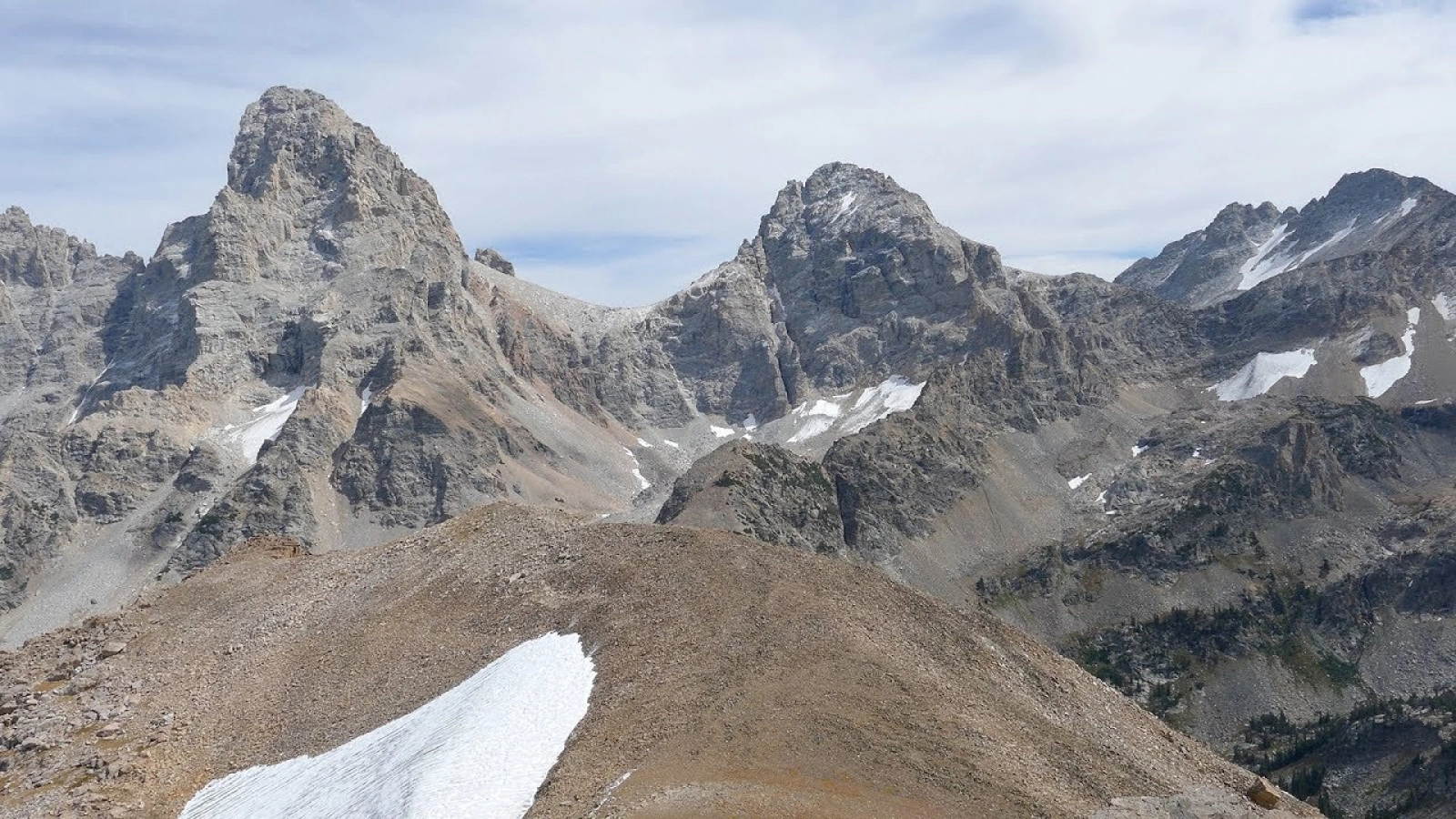
The mountain is not simply a backdrop. It is the geographical feature around which much of Cape Town’s identity is organized. Seeing it from below is impressive. Standing on it changes your understanding of the entire city. From the upper mountain, you begin to see how the city sits between mountain and ocean, how the peninsula stretches southward and how dramatically geography shapes Cape Town’s neighborhoods.
For travelers who do not want to hike, the Table Mountain Aerial Cableway provides the easiest route to the upper mountain when operating.
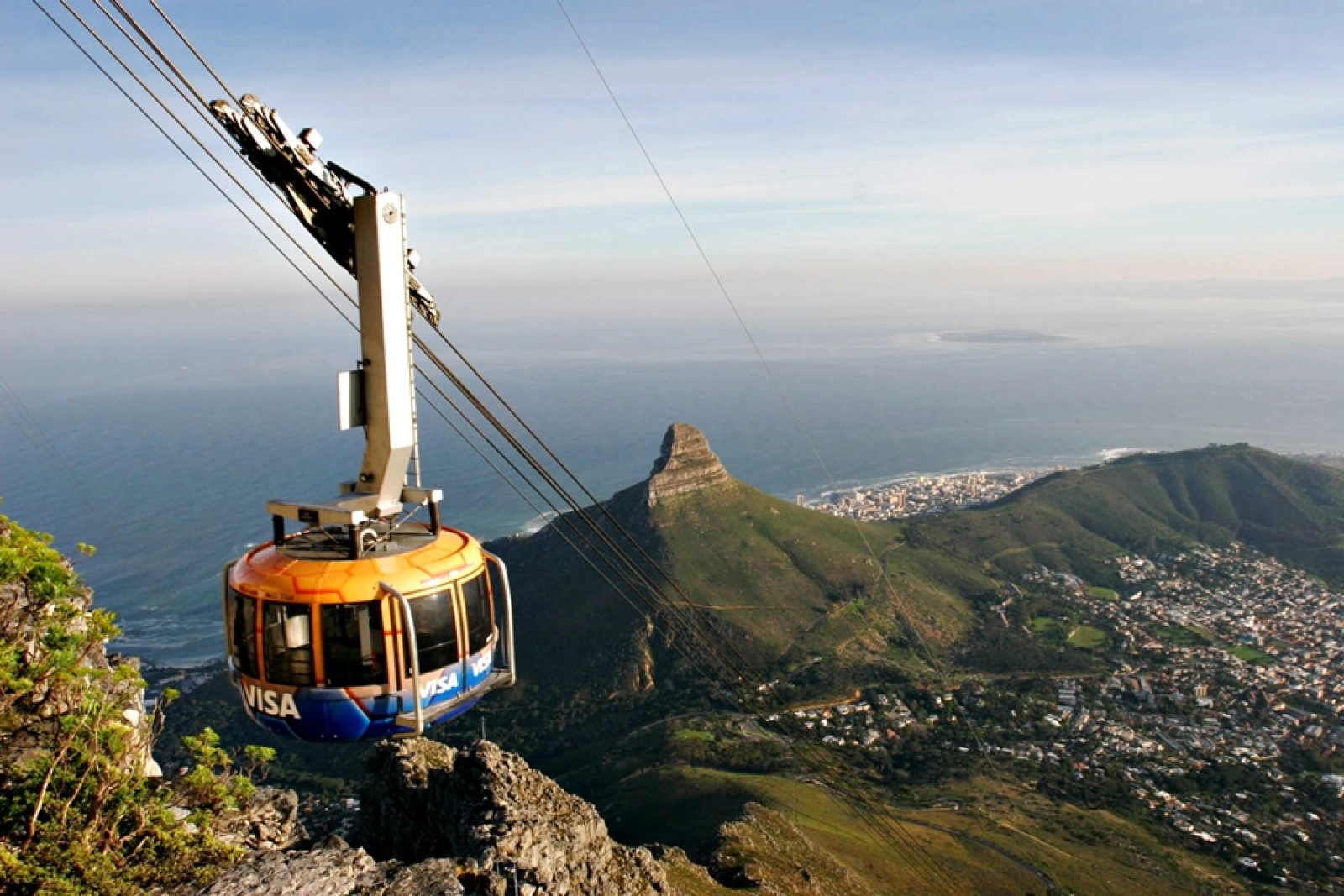
Because weather conditions can affect operations, avoid postponing Table Mountain until the final day. If you wake to clear skies and favorable conditions, consider going. Cape Town weather can change surprisingly quickly.
For active travelers, Table Mountain hiking creates a completely different experience. Walking upward allows you to appreciate the vegetation, geology and scale of the mountain gradually. The mountain forms part of the Cape Floristic Region, one of the world’s great centers of plant diversity. That means a Table Mountain hike is not simply exercise with a view. It is an opportunity to experience the unique fynbos ecosystem of South Africa.
Routes vary considerably in difficulty. First-time visitors should not assume every path is suitable merely because the mountain sits inside a city. Weather, exposure and route-finding matter.
Lion’s Head provides another classic Cape Town hike. Where Table Mountain gives you the experience of standing on the city’s dominant massif, Lion’s Head offers constantly changing views toward Table Mountain, the Atlantic Seaboard and city. This makes it particularly rewarding for photographers. Sunrise and sunset are popular, but safety and trail conditions should determine timing. A clear daytime hike can be every bit as memorable.
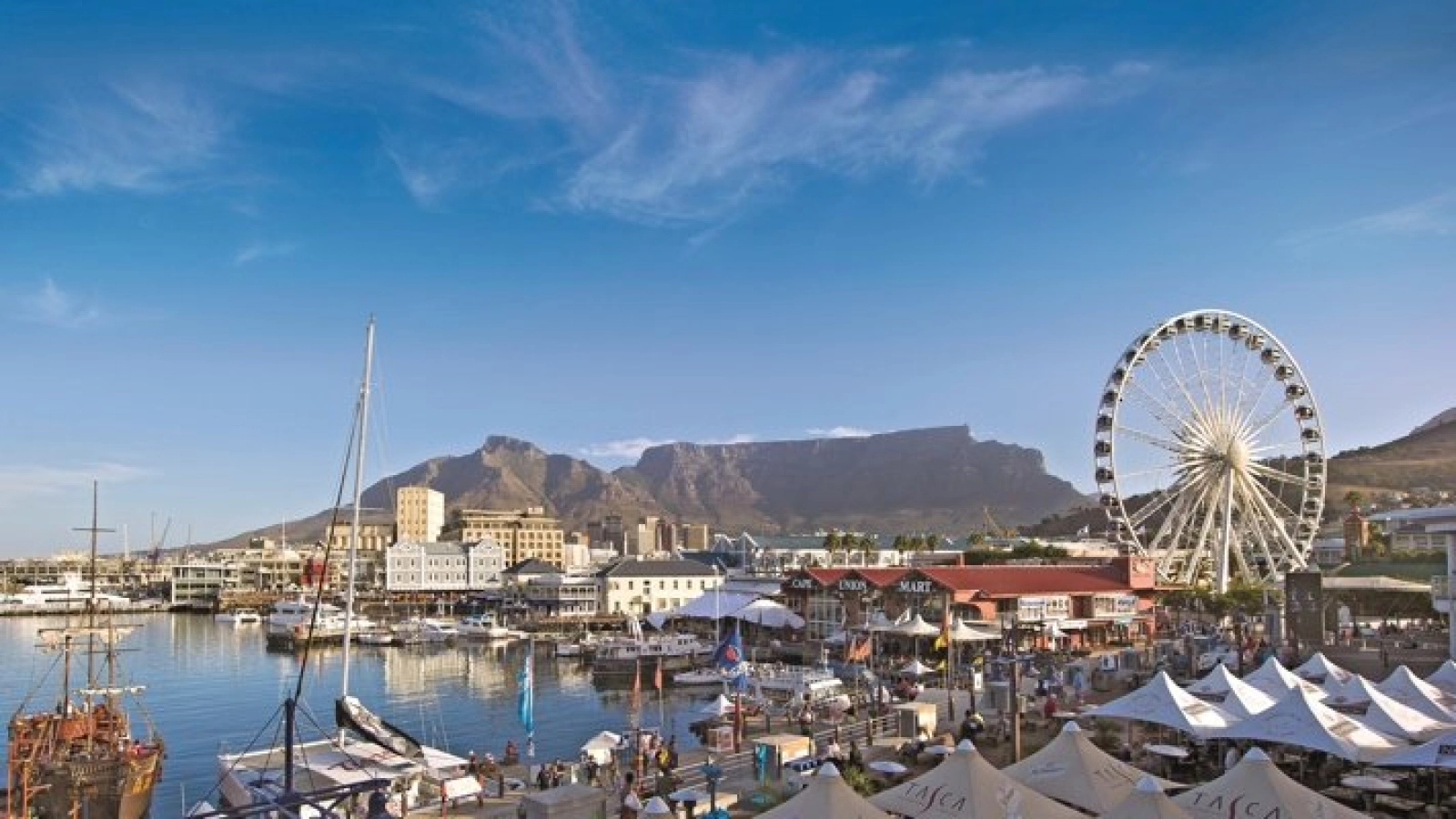
The Victoria & Alfred Waterfront, usually shortened to the V&A Waterfront, is one of Cape Town’s most visited areas. Its popularity sometimes causes independent travelers to dismiss it as overly tourist-oriented. That would be a mistake. The Waterfront works because it combines practical convenience with numerous attractions. Restaurants, shops, museums, hotels, boat departures and entertainment are concentrated in a walkable area. For first-time visitors, it can be an excellent base.
The Zeitz Museum of Contemporary Art Africa provides one of Cape Town’s strongest contemporary cultural experiences. The museum occupies a dramatically converted historic grain silo in the Waterfront’s Silo District. Its focus on contemporary art from Africa and the African diaspora creates a valuable counterpoint to travelers whose South African itinerary otherwise concentrates primarily on wildlife and landscapes. Cape Town should not be reduced to mountains and beaches. Its cultural institutions are an important part of understanding the city.
Cape Town has developed one of Africa’s most exciting restaurant cultures. Food reflects multiple layers of history. African traditions, Cape Malay influences, European settlement, Indian Ocean connections and contemporary international cooking all contribute to the city’s culinary identity. A Cape Town food tour can therefore function as both lunch and history lesson. Instead of simply moving between restaurants, a knowledgeable guide can explain how migration, slavery, colonialism and cultural exchange influenced what people eat today.
The colorful houses of Bo-Kaap have become one of Cape Town’s most photographed scenes. But reducing the neighborhood to a colorful Instagram backdrop ignores its deeper significance. Bo-Kaap is closely associated with Cape Muslim and Cape Malay heritage. Visitors should approach the neighborhood as a living community rather than an outdoor photography studio. Learning about local history, architecture, religion and food creates a far more meaningful experience than simply taking photographs of façades.
Cape Town is beautiful, but its history is complicated. Colonial settlement, slavery, dispossession and apartheid shaped the city physically and socially. Understanding this history changes how you interpret the neighborhoods you see. Sites and museums connected to District Six, slavery and apartheid provide essential context. A visitor who experiences only beaches, wine and luxury hotels sees an incomplete Cape Town.
District Six became internationally known because of forced removals under apartheid. Families were displaced and communities fragmented as racial segregation policies reshaped the city. Learning this history adds depth to contemporary Cape Town. It also helps visitors understand why urban geography and inequality remain important issues today.
Robben Island is one of South Africa’s most internationally recognized historical sites. It is strongly associated with Nelson Mandela and other political prisoners incarcerated during apartheid. Visiting the island can be a powerful experience, particularly when interpretation connects individual stories with South Africa’s broader struggle against apartheid. Because access requires a boat crossing, weather and sea conditions can affect operations. Do not leave an important Robben Island tour until the last possible day.
At the eastern slopes of Table Mountain lies Kirstenbosch National Botanical Garden, one of the city’s most beautiful green spaces. For travelers interested in plants, photography or simply a slower afternoon, Kirstenbosch is exceptional. The garden introduces visitors to South Africa’s remarkable botanical diversity while providing dramatic mountain scenery. It also offers an opportunity to experience fynbos and indigenous South African plants without undertaking a strenuous hike.
Cape Town’s Atlantic-facing neighborhoods contain some of the city’s most dramatic coastal scenery. Areas such as Camps Bay, Clifton and Sea Point each offer a different atmosphere. The coastline is visually spectacular because mountains rise directly behind urban beaches. This combination creates many of the images international travelers associate with Cape Town.
Camps Bay Beach is famous for its broad sandy beach, palm-lined road and the Twelve Apostles mountain range rising behind it. The neighborhood works particularly well for sunset. Restaurants and bars line the beachfront, allowing travelers to move easily from an afternoon beside the ocean to dinner. The Atlantic water is often cold. Many visitors are surprised by just how cold. Cape Town’s beautiful beaches should not automatically be imagined as warm tropical beaches.
The Clifton beaches are smaller and sheltered beneath some of Cape Town’s most expensive residential areas. Their setting is spectacular. Large granite boulders, pale sand and Atlantic water create a very different atmosphere from the broad beaches around Table Bay. Strong wind can influence beach comfort considerably, so local weather should guide your beach day.
The Sea Point Promenade provides one of the easiest places to experience Cape Town’s outdoor lifestyle. Locals walk, run and exercise beside the Atlantic. For travelers recovering from jet lag or looking for a relaxed afternoon, the promenade offers an excellent alternative to formal sightseeing. It is also a reminder that some of the best Cape Town experiences cost nothing.
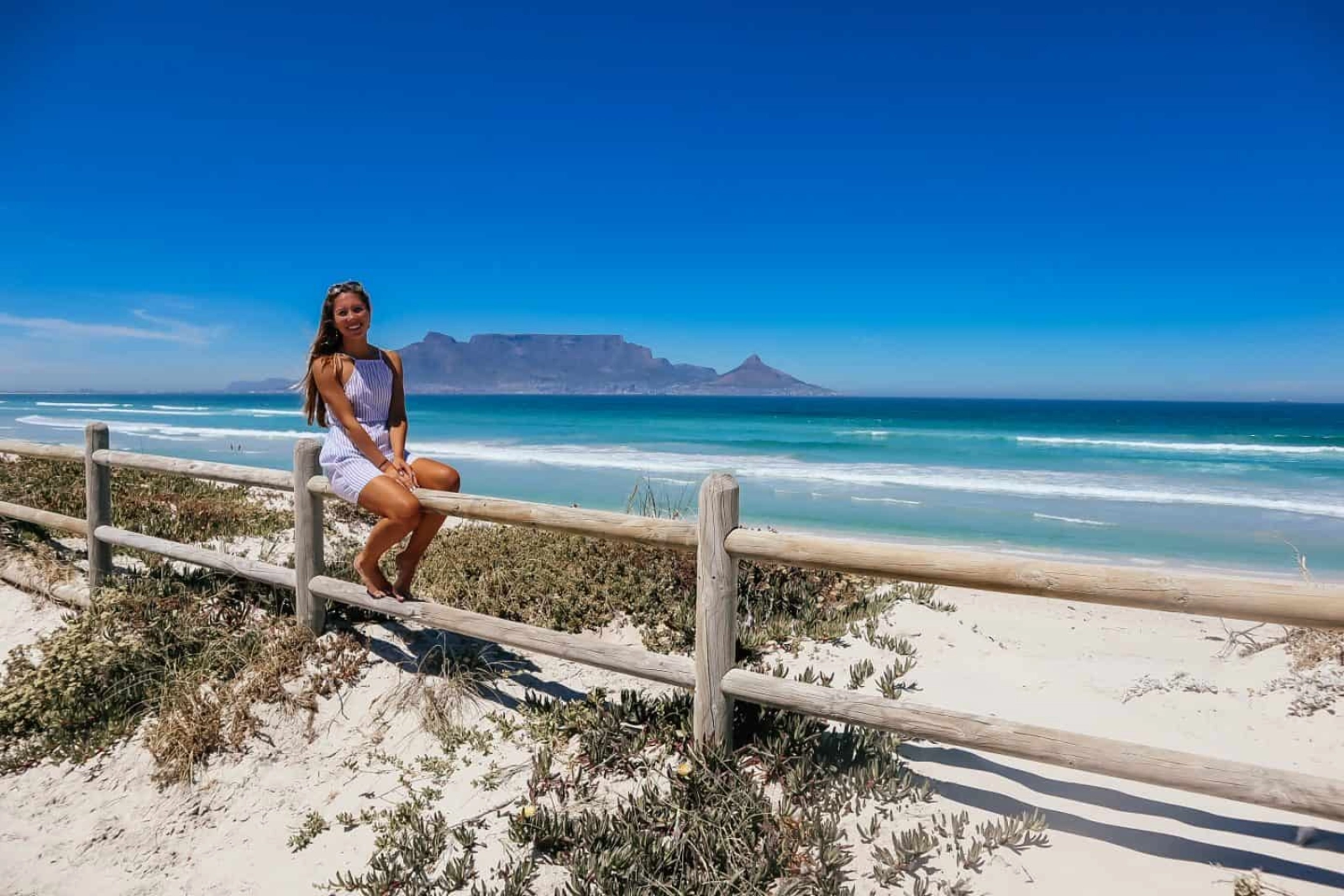
To understand Table Mountain’s full shape, cross to the opposite side of Table Bay. Bloubergstrand provides one of the city’s most iconic mountain views. The mountain appears across the water with Cape Town spread beneath it. This is also a major Cape Town kitesurfing destination, particularly when strong winds develop. Even travelers with no interest in wind sports should consider visiting for photography and the coastal atmosphere.
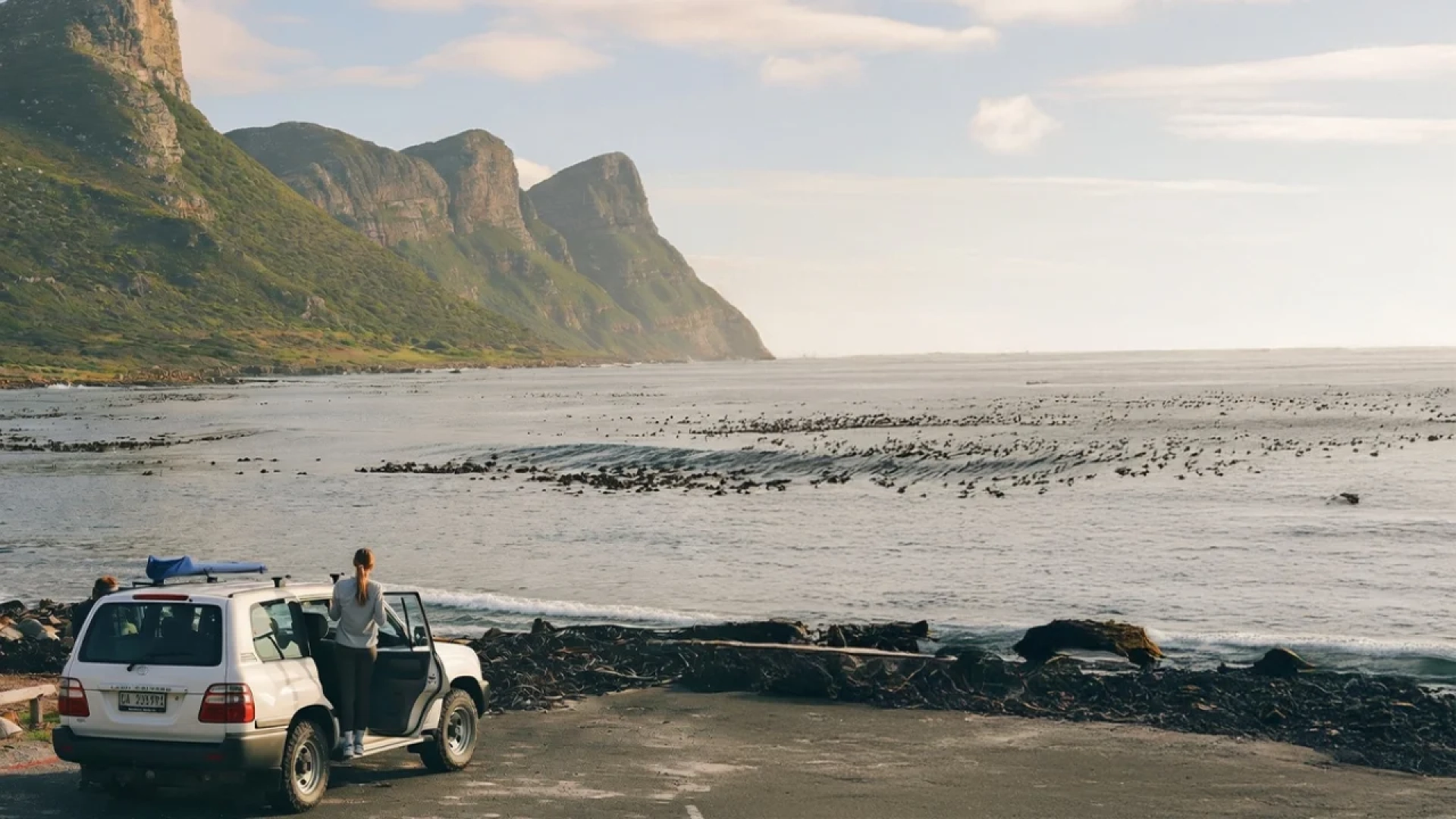
One of the biggest mistakes visitors make is treating the Cape Peninsula as a quick half-day outing. The peninsula deserves time. A full-day journey can combine mountain roads, fishing communities, beaches, wildlife and dramatic coastal scenery. Possible stops include Hout Bay, Chapman’s Peak Drive, Cape Point, the Cape of Good Hope, Simon’s Town and Boulders Beach. The journey is as important as the individual attractions.
Chapman’s Peak Drive curves along steep mountainsides above the Atlantic. It is one of South Africa’s great scenic roads. Viewpoints reveal cliffs dropping toward the ocean while the road itself demonstrates the dramatic relationship between Cape Town’s mountains and coastline. Weather or maintenance can occasionally affect access, so current road conditions should be checked before travel.
The landscapes around Cape Point feel remarkably wild considering their proximity to a major city. Fynbos covers exposed slopes. Ocean stretches toward the horizon. Baboons, antelope and other wildlife may appear. This is part of Table Mountain National Park, connecting the famous mountain above Cape Town with a much broader protected landscape across the peninsula.
The Cape of Good Hope carries enormous historical and geographical symbolism. Visitors sometimes mistakenly describe it as the southernmost point of Africa. It is not. That distinction belongs to Cape Agulhas farther east. The Cape of Good Hope remains historically important because of its relationship with maritime navigation around southern Africa.
One of the most popular stops on a Cape Peninsula itinerary is Boulders Beach, home to a colony of African penguins. The birds have enormous appeal because visitors can observe them at relatively close range from managed viewing areas. Yet the experience also carries a conservation message. African penguins face serious population pressures, and responsible tourism should prioritize the birds rather than photographs. Remain within designated areas and never attempt to touch or feed wildlife.
Simon’s Town is worth more than a hurried penguin stop. The town has a strong maritime and naval history. Its architecture and waterfront atmosphere provide a useful pause during a peninsula journey. Allowing time for lunch or a walk makes the day feel less like a race between attractions.
Few major cities have a wine region as beautiful and accessible as the Cape Winelands. Within relatively easy reach of Cape Town, vineyards spread across valleys beneath dramatic mountain ranges. The main tourism centers include Stellenbosch, Franschhoek and Paarl. Even travelers who are not serious wine enthusiasts can enjoy the architecture, food and landscapes.
Stellenbosch is one of South Africa’s best-known wine towns. Historic architecture, university culture, restaurants and surrounding wine estates make it a destination in its own right. A rushed tasting tour can be enjoyable, but spending more time in the town reveals another side of the region.
Franschhoek combines mountain scenery, food and wine. It is particularly popular with couples and honeymoon travelers. A Franschhoek wine tour can include several estates, but quality matters more than quantity. Racing through numerous tastings rarely creates the best experience. Allow time to appreciate individual estates, landscapes and food.
A Cape Town vacation can easily become a culinary holiday. Beyond the Winelands, the city offers contemporary restaurants, seafood, Cape Malay cooking, bakeries, coffee culture and food markets. Travelers combining Cape Town with an African safari often appreciate the contrast. Safari days revolve around wildlife and lodge schedules. Cape Town evenings can revolve around restaurants, neighborhoods and nightlife. That change of rhythm makes the overall trip stronger.
Cape Town may be one of Africa’s best urban bases for adventure. Within or near the city, travelers can experience Table Mountain hiking, Lion’s Head, surfing, kitesurfing, kayaking, cycling and numerous coastal activities. This allows you to stay in one hotel while undertaking a completely different adventure each day. Young travelers and active couples particularly benefit from this variety.
Muizenberg Beach has long been associated with Cape Town surf culture. Its surf schools make it particularly accessible to beginners. A morning surf lesson can combine naturally with exploring the False Bay coastline. The colorful beach huts also make Muizenberg one of the city’s recognizable photography locations.
Cape Town’s strong summer winds may frustrate ordinary beachgoers but delight kitesurfers. Bloubergstrand and Big Bay are among the city’s most recognized wind-sport locations. Professional instruction is essential for beginners. Even if you do not participate, watching experienced riders against the Table Mountain backdrop can be spectacular.
A Cape Town family vacation works well because children are not required to enjoy one type of activity for an entire week. One day can involve penguins. Another can involve the aquarium. Another can include a cableway ride. Beaches, gardens and family-friendly restaurants provide additional variety. This makes Cape Town an excellent extension to a South Africa family safari.
The Two Oceans Aquarium at the V&A Waterfront is particularly useful for families and for poor-weather days. It introduces visitors to southern Africa’s marine environments and creates a natural educational connection with the oceans surrounding the Cape. Because it is indoors, it also provides an excellent backup when strong wind or rain affects outdoor plans.
Few African cities integrate as naturally into a honeymoon as Cape Town. Couples can combine a luxury Cape Town hotel, sunset dinners, beaches, private Peninsula tours and Cape Winelands experiences. The city then combines beautifully with a Kruger honeymoon safari or a private reserve. This creates an itinerary with both wilderness and urban sophistication.
The classic South Africa combination is Cape Town and Kruger National Park. These destinations provide almost opposite experiences. Cape Town offers restaurants, ocean, mountains, history and urban culture. Kruger provides dawn game drives, elephants, lions, leopards and enormous wilderness landscapes. Together they create one of Africa’s most complete first-time itineraries. Domestic flights normally connect Cape Town with airports serving the Kruger region or Johannesburg.
Travelers seeking greater luxury can combine Cape Town with a Greater Kruger private safari lodge. This is particularly popular for honeymoons and high-end holidays. Spend several nights enjoying Cape Town independently, then fly to a lodge where meals and safari activities are largely organized for you. The contrast is seamless.
Travelers with more time should consider a Cape Town and Garden Route holiday. The journey east introduces coastal towns, forests, lagoons, hiking and adventure activities. Important destinations can include Hermanus, Mossel Bay, Wilderness, Knysna, Plettenberg Bay and Tsitsikamma. The Garden Route is especially suitable for families, couples and independent road-trip travelers.
One of South Africa’s best overland combinations is: Cape Town – Garden Route – Addo Elephant National Park. This route allows travelers to progress eastward rather than flying across the country. It combines city, coast and wildlife naturally. For visitors who prioritize the strongest possible classic safari, Kruger may still be preferable. But for travelers who love road trips, Addo creates excellent geographical logic.
Hermanus is famous for whale watching during the appropriate season. The coastal town can be visited from Cape Town or incorporated into a longer Garden Route journey. Even outside peak whale periods, the coastline is scenic. During whale season, however, Hermanus becomes one of the region’s most distinctive wildlife extensions.
Travelers with longer holidays can combine Cape Town with Victoria Falls. This adds one of Africa’s most dramatic natural landmarks. A larger itinerary can then continue into Botswana, creating a journey combining Cape Town, waterfalls and exceptional safari.
A Cape Town and Botswana safari works particularly well for travelers with a larger budget. Cape Town provides urban and coastal experiences. Botswana adds remote wilderness, particularly around the Okavango Delta and Chobe National Park. This creates an exceptional Southern African contrast.
Cape Town has a Mediterranean-type climate, with generally warmer, drier summers and cooler, wetter winters. However, the “best” month depends on your priorities. Beach travelers may favor warmer months. Hikers need to consider heat and wind. Food and wine experiences can work across seasons. Whale watching has its own seasonal pattern. Safari conditions in Kruger follow a different climate entirely. Therefore, travelers planning a Cape Town and safari vacation should evaluate the complete itinerary rather than optimizing only for Cape Town weather.
Wind is part of Cape Town life. The strong southeasterly wind, sometimes called the Cape Doctor, can dramatically alter outdoor plans. Blouberg may become ideal for kitesurfing while Table Mountain’s cableway may be affected. The solution is flexibility. Do not schedule every activity so tightly that one windy day destroys the itinerary.
Move indoor attractions forward. Visit Zeitz MOCAA. Explore the aquarium. Enjoy a long lunch. Go wine tasting. Visit museums. Or embrace the conditions and watch kitesurfers at Blouberg. Cape Town has enough variety that bad weather should rarely mean a wasted day.
Transportation choice depends on itinerary. Ride-hailing services can be convenient for urban journeys. Organized tours work well for the Winelands and Cape Peninsula. A rental vehicle becomes useful when exploring farther independently. For wine tasting, use professional transport rather than driving. For first-time visitors, combining private or guided day tours with independent city exploration often provides the best balance.
Not necessarily for every day. If staying centrally and joining organized excursions, you may manage without one. For a Garden Route road trip, however, a rental vehicle becomes extremely useful. Consider parking, insurance and intended route before deciding.
Cape Town can be experienced at many budget levels. Luxury hotels and restaurants can be expensive. But hiking, beaches and scenic drives can provide extraordinary experiences for relatively little money. Guesthouses and smaller hotels create mid-range options. The best strategy is to spend according to priorities. You may choose simple accommodation but invest in a private Peninsula tour. Or stay at a luxury hotel while exploring independently.
Leave breathing room. This is one of the most important pieces of advice in this entire guide. Cape Town is not a destination that rewards racing. If you schedule Table Mountain, Robben Island, Cape Point, Boulders Beach, Stellenbosch and five restaurants within two days, you will spend more time checking your watch than enjoying the city. Allocate whole days to major geographical areas. Give the Cape Peninsula a full day.
Give the Winelands a full day. Allow several hours for Table Mountain. Then let smaller experiences fit around them.
With five full days, you can experience the city’s essentials without excessive rushing. Use the clearest weather day for Table Mountain and nearby city attractions. Devote another day to the Cape Peninsula and Boulders Beach. Spend one day exploring Cape Town’s history, museums, food and Waterfront. Use another for Stellenbosch and Franschhoek. Keep the final day flexible for beaches, hiking, Kirstenbosch or anything weather disrupted earlier. The sequence should change according to conditions.
Seven days allows a more relaxed experience. You can add Lion’s Head, extended beach time, deeper cultural experiences and perhaps a night or day trip toward Hermanus. This is particularly useful for honeymooners and families who do not want every day to begin early.
Both work. Starting with Cape Town allows travelers to recover from international flights before early safari mornings. Ending with Cape Town provides restaurants, beaches and a more flexible schedule after several days of dawn game drives. For honeymooners, finishing with Cape Town and the Winelands can be especially relaxing. For wildlife-focused travelers, ending in Kruger can provide a dramatic finale.
A great Cape Town vacation becomes even better when the wider South African itinerary is planned logically. At Adventure in the Wild Safaris, we can help combine Cape Town with Kruger National Park, Greater Kruger private reserves, the Garden Route, Addo Elephant National Park, the Cape Winelands, Victoria Falls, Botswana and other destinations according to your available time and preferred travel style. A first-time South Africa itinerary might combine five nights in Cape Town with four nights on safari.
A longer journey could add the Garden Route. A honeymoon could combine Cape Town, Franschhoek and a luxury private reserve. A family trip might combine Cape Town with a malaria-free South Africa safari. There is no need to force every traveler into the same route.
Cape Town is sometimes treated as the place travelers visit before their “real” African adventure begins. That misunderstands the city completely. Cape Town is an adventure destination in its own right. It is where you can stand on Table Mountain in the morning and watch the sun disappear into the Atlantic that evening. It is where African penguins live beside suburban coastline. It is where vineyards spread beneath mountains less than an hour from the city.
It is where hiking, surfing, food, art, history and extraordinary scenery overlap within a remarkably compact region. Most importantly, Cape Town complements safari rather than competing with it. After watching elephants in Kruger National Park, you can walk through contemporary art galleries at the V&A Waterfront. After listening for lions before sunrise, you can spend an afternoon tasting wine in Franschhoek. After days surrounded by savanna, you can stand above the Atlantic at Cape Point.
Those contrasts create a richer journey. Give Cape Town enough time. Stay flexible with the weather. Explore beyond the most photographed viewpoints. Learn something about the city’s history. Eat well. Walk when you can. Spend time beside the ocean. And when you finally continue toward your South Africa safari, you will understand why Cape Town is not merely a gateway to Africa. For many travelers, it becomes one of the highlights of the entire continent.:::

Get quick answers to the most common questions. If you still have questions, our safari experts are here to help.
Five to seven nights is excellent for first-time visitors. Four nights can work if time is limited.
Prioritize Table Mountain, the Cape Peninsula, Boulders Beach, Cape Town’s cultural history and at least one experience in the Cape Winelands.
Cape Town itself is primarily a city, mountain and coastal destination rather than a major classic safari area. For a full Big Five safari, combine it with Kruger, Greater Kruger or an appropriate private reserve elsewhere in South Africa.
Yes. Boulders Beach near Simon’s Town is famous for African penguins.
Yes, but the two destinations are far apart and most travelers fly.
Absolutely if you have sufficient time. It is particularly strong for road trips, families and active travelers.
Yes. Penguins, beaches, the aquarium, gardens and numerous outdoor attractions make it highly family-friendly.
Exceptionally. It combines naturally with the Winelands and luxury safari lodges.
Operations and conditions depend on weather. Check current conditions before traveling.
Yes. Cape Town restaurants, Cape Malay cuisine, seafood and Cape Winelands food experiences are major attractions in their own right.
Yes. Muizenberg is particularly well known for beginner-friendly surf culture, while other coastal areas suit more experienced surfers depending on conditions.
Yes. It is an excellent Southern Africa combination, especially when further combined with Botswana.
Our safari experts are here to help you plan your safari. Get personalized advice, the latest information and a free, no-obligation quote.
We typically reply within a few hours.

Share This Article
When booking a luxury African safari, look beyond the room and compare the quality of guiding, wildlife location,…
Read article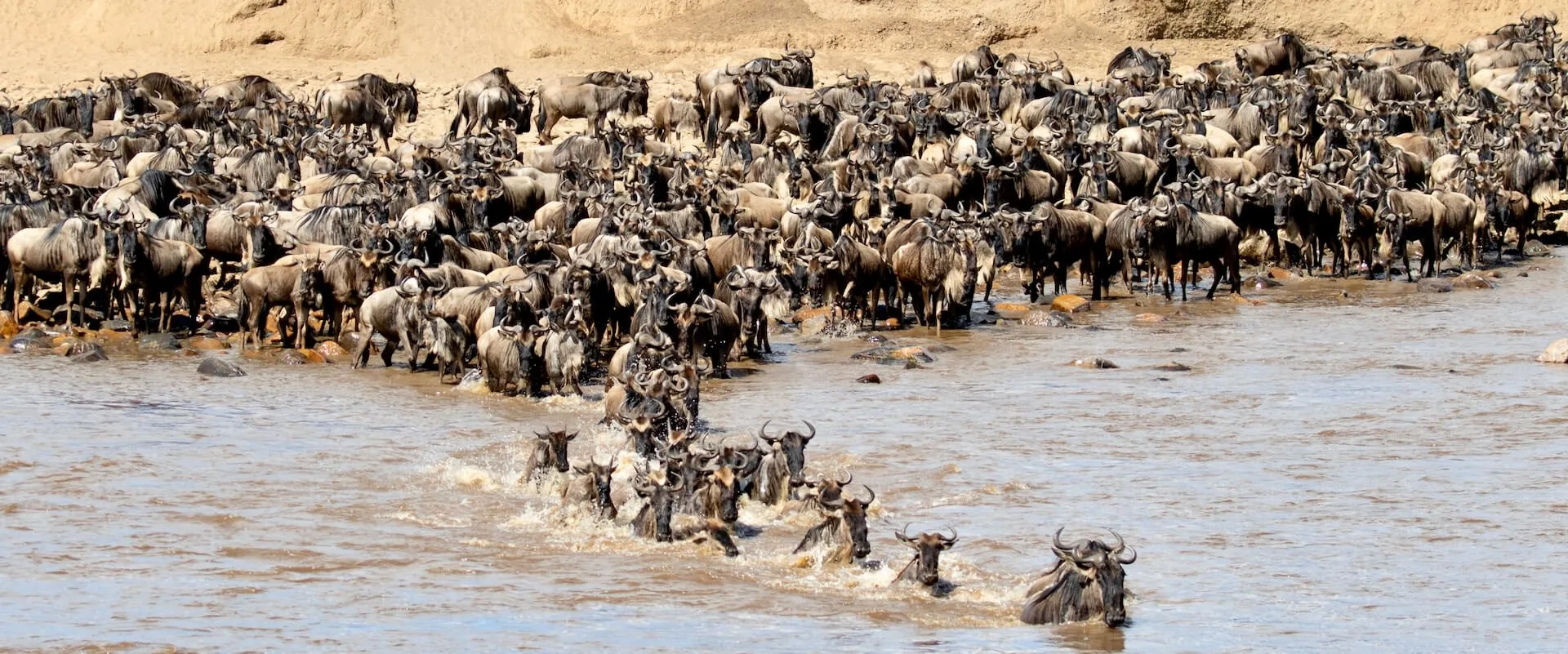
The Great Migration in Africa happens all year because the herds continuously circulate through the Serengeti–Mara ecosystem in…
Read article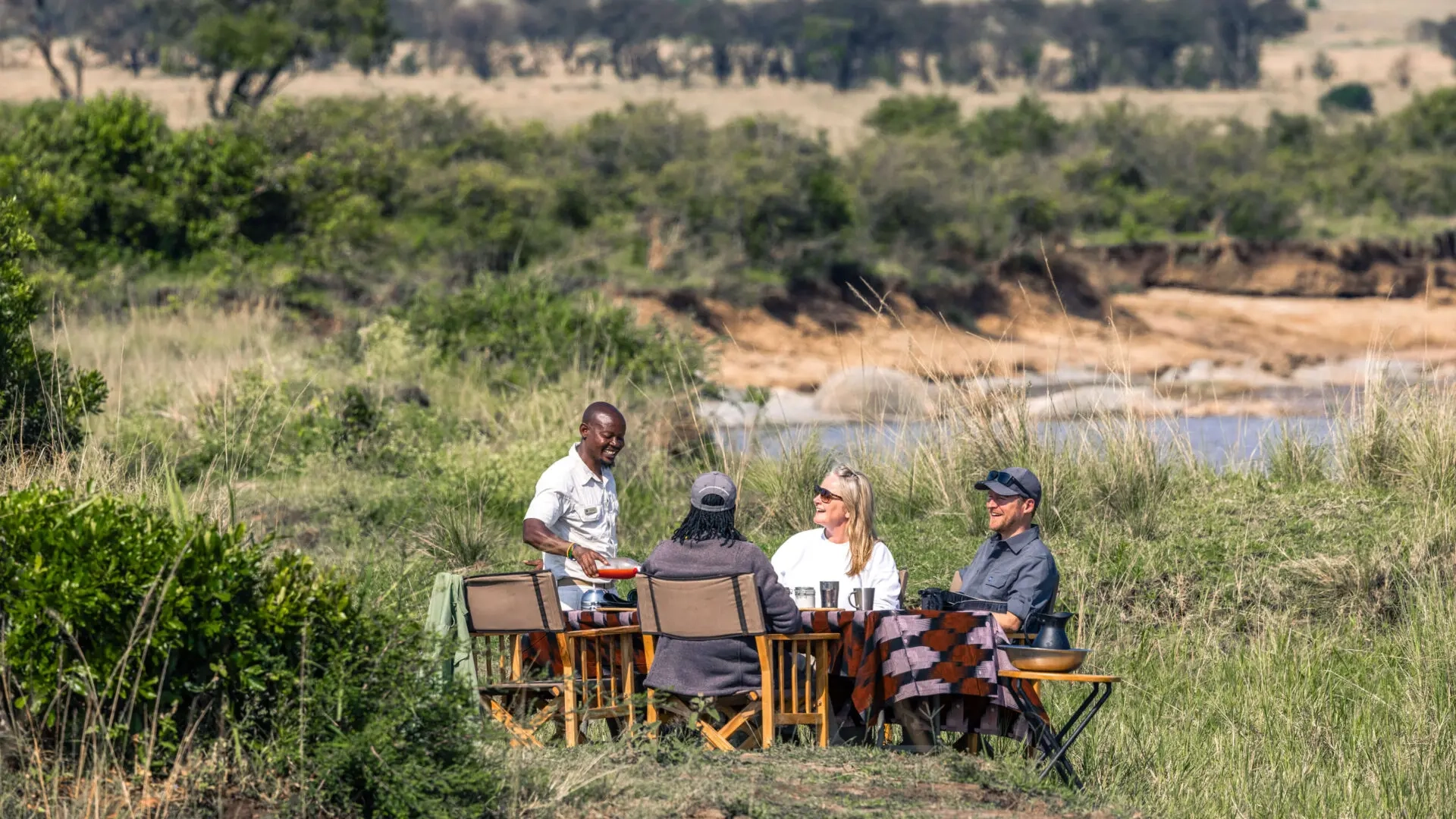
Definitive answer: A picnic lunch on safari is a packed or catered midday meal eaten at an approved…
Read article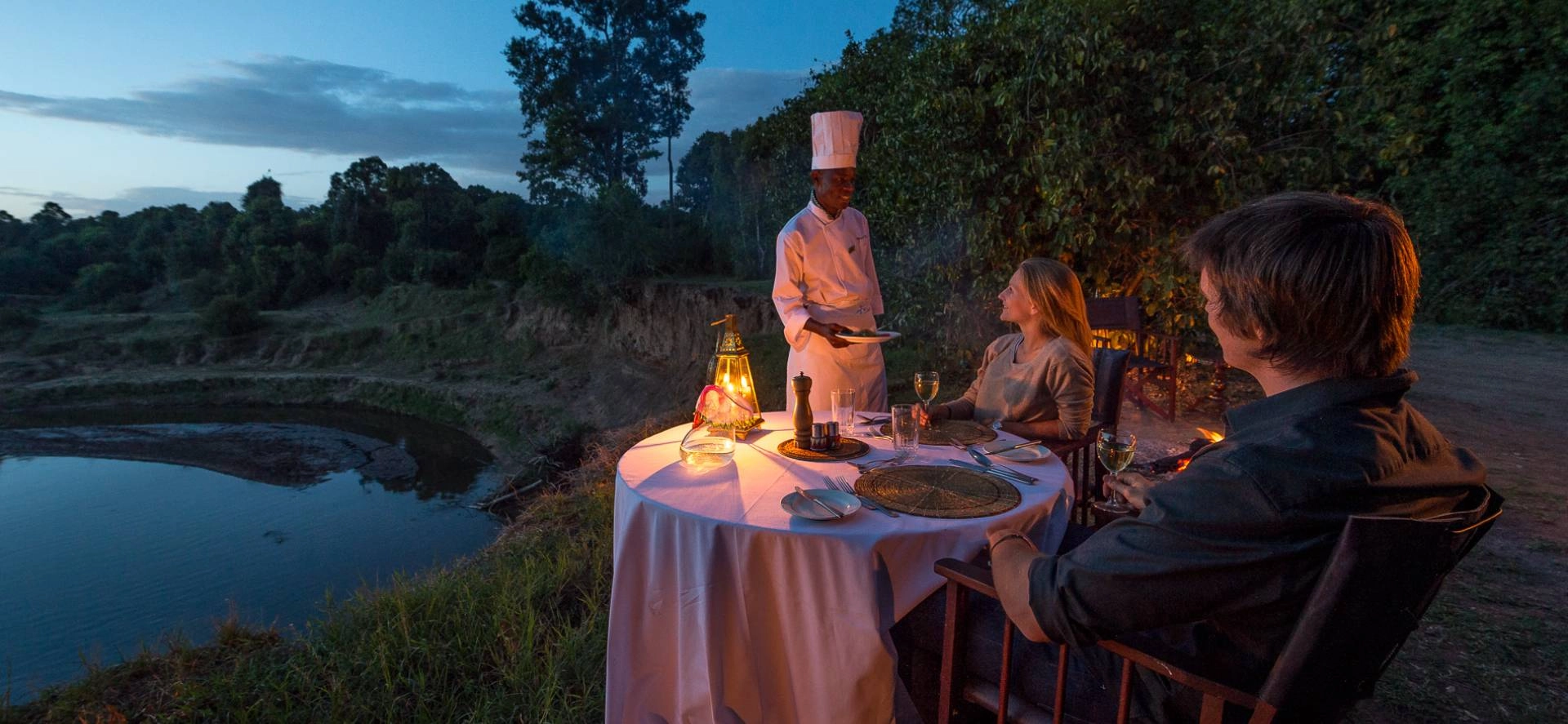
Definitive answer: A bush dinner is an outdoor evening meal arranged in a safe safari setting away from…
Read articleLet us take you closer to the wildlife, people and places that make Africa extraordinary.
Plan Your Safari Today