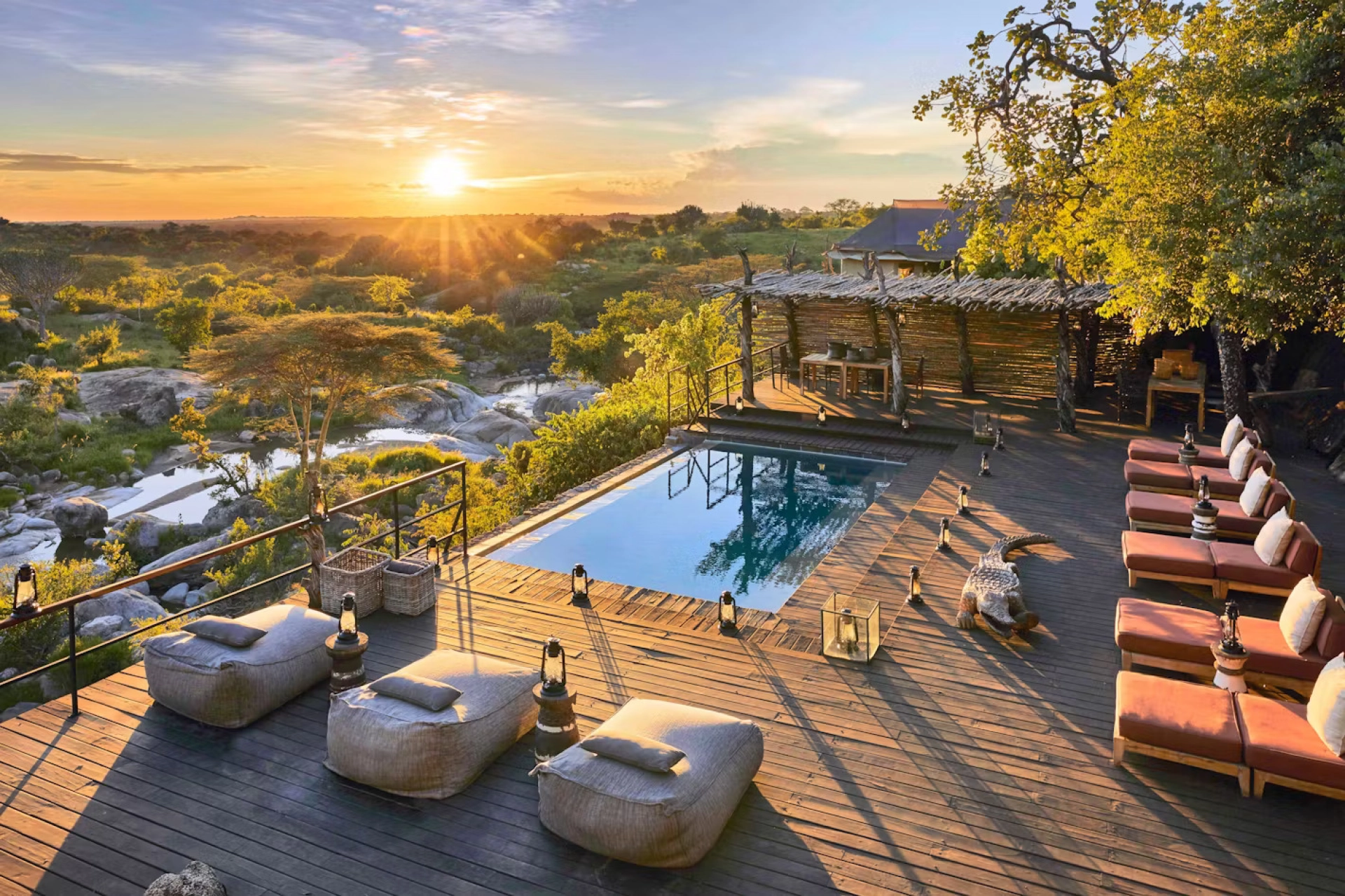
What should I look for when booking a luxury African safari?
When booking a luxury African safari, look beyond the room and compare the quality of guiding, wildlife location,…
Read article

Travel Guide
A Zambia walking safari is one of the closest experiences modern travelers can have to feeling completely immersed in the African wilderness. There is no vehicle door separating you from the landscape. No engine masks the…
A Zambia walking safari is one of the closest experiences modern travelers can have to feeling completely immersed in the African wilderness. There is no vehicle door separating you from the landscape. No engine masks the sounds of birds, insects or cracking branches. Instead, you move through the bush slowly, following an experienced guide who reads the ground, vegetation, wind and animal behavior almost like pages in a book. A faint footprint in sand may reveal where a leopard crossed the trail during the night.
Fresh elephant dung may tell the guide that a herd passed only a short time earlier. Oxpeckers leaving a distant tree can indicate that buffalo or giraffes are nearby. A baboon alarm call can suddenly change the direction of the walk. This is why walking safaris in Zambia are fundamentally different from conventional game drives. They are not simply safaris conducted without a vehicle. They change what you notice.
Instead of measuring success according to the number of lions or leopards photographed, you begin understanding how the ecosystem functions. Plants become as interesting as predators. Tracks become as exciting as sightings. A termite mound can generate twenty minutes of fascinating interpretation. Zambia is especially important in the history of this safari style. South Luangwa National Park is widely associated with the development of the modern guided African walking safari, and walking remains one of the signature ways to experience the Luangwa Valley today.
But Zambia walking safaris are not limited to South Luangwa. Travelers can explore sections of the Lower Zambezi, Kafue and other wilderness areas on foot, while many of the country’s best safari camps combine walking with game drives, night drives, boating or canoeing. For anyone who wants more than simply watching wildlife through a camera lens, Zambia deserves a place near the top of an African walking safari shortlist.
Zambia’s reputation developed from a combination of history, landscape and guiding culture. The country contains vast wilderness areas where wildlife remains relatively undisturbed and visitor numbers are often lower than in the busiest sections of East or southern Africa. The terrain of South Luangwa is particularly well suited to walking. Riverine woodland, dry channels, lagoons, open floodplains and mopane woodland create a mosaic of habitats that can be explored slowly.
The Luangwa River and its associated lagoons attract enormous numbers of animals, particularly as the dry season progresses. Walking therefore becomes an opportunity to understand why wildlife gathers where it does. Rather than simply seeing elephants beside a lagoon, your guide may explain the tracks showing when they arrived, which trees they have been feeding on and how their movements change as seasonal water disappears. This interpretive tradition is one of the great strengths of Zambia safari guiding.
For most travelers researching walking safaris in Zambia, South Luangwa is the natural starting point. The park protects a large section of the Luangwa Valley in eastern Zambia and is renowned for exceptional wildlife viewing. Its landscapes are shaped by the Luangwa River. During seasonal flooding, water spreads through parts of the valley. As the dry season develops, lagoons and permanent channels become increasingly important to wildlife. That seasonal concentration creates excellent safari conditions.
South Luangwa combines several characteristics that are ideal for walking. Wildlife density can be high. Habitats are diverse. The terrain is often suitable for tracking. A long-established professional guiding culture supports the activity. And many camps have been developed specifically around immersive bush experiences rather than simply high-volume vehicle tourism. Zambia’s own tourism material continues to emphasize South Luangwa as one of the country’s premier walking destinations and highlights both short guided nature walks and longer walking-based safari experiences.
A typical morning begins before the heat builds. Guests wake early and usually have tea, coffee and a light snack. The guide explains the plan for the morning and reviews safety procedures. Depending on the area and regulations, the group may also be accompanied by an armed wildlife scout. Once walking begins, the pace is deliberately slow. You are not hiking simply to reach a destination. The journey itself is the activity.
Your guide may stop after only a few minutes to examine tracks in the sand. Perhaps a lion passed during the night. The guide looks at the shape of the paw print, the sharpness of its edges and whether wind or insects have disturbed it. That information can help estimate when the animal moved through. A little farther ahead, fresh elephant feeding signs may appear. Branches have been twisted or broken.
Bark has been stripped. Dung lies beside the trail. The guide checks the wind before continuing. This process of constant interpretation makes the experience intensely engaging.
Not every traveler needs to spend a week walking through the bush. Most high-quality Zambia safari camps offer shorter guided walks. A typical walk may last two to four hours. This format is excellent for travelers undertaking a more conventional Zambia safari but wanting to experience wildlife on foot. You might walk in the morning, return to camp for brunch and rest, then undertake an afternoon or evening game drive.
This creates an excellent balance.
The walk provides ecological detail. The vehicle allows you to cover distance and search for predators.
For travelers who want genuine immersion, a multi-day walking safari in Zambia is a completely different experience. Instead of returning to the same lodge every evening, guests may walk between small bush camps. Some camps are deliberately located in remote areas with very limited vehicle traffic. The result is an extraordinary sense of separation from conventional safari tourism. Your world becomes smaller and richer. You begin recognizing individual bird calls.
You notice how different soils support different vegetation. You learn which areas elephants prefer in the morning and where antelope feed toward evening. Each day’s route is influenced by wildlife activity, weather and water availability rather than simply following a rigid trail.
Camp-to-camp walking is particularly associated with the Luangwa safari tradition. The distances are usually carefully managed. Guests carry only day essentials, while heavier luggage may be transported separately by the safari operation. This means the experience is not comparable to backpacking with a heavy expedition pack. You are free to concentrate on the landscape. Remote bush camps can be relatively simple compared with large permanent lodges, but that simplicity is often part of their charm.
The night sky becomes the entertainment. Lions may call after dark. Hippos grunt from distant water. Hyenas can be heard moving through the darkness. By the second or third day, the rhythm of wilderness begins to feel completely natural.
South Luangwa supports a remarkable variety of large mammals. Elephants are common. Buffalo move through woodland and floodplains. Hippos occupy the Luangwa River and lagoons. Giraffes, zebras, puku, impala, waterbuck and other herbivores create a diverse prey base. Lions, leopards, spotted hyenas and wild dogs inhabit the wider ecosystem. But walking safari wildlife encounters should not be misunderstood. You are not
The goal is to observe wildlife without creating unnecessary pressure.
Few experiences capture the intensity of a walking safari better than seeing elephants while standing on the ground. Even at substantial distance, their scale feels dramatically different from a vehicle. Guides pay very close attention to elephant behavior. A breeding herd with calves is treated differently from a solitary bull. Wind direction matters because elephants have an exceptional sense of smell. Vegetation matters because dense bush can reduce visibility. If the guide decides that continuing forward is inappropriate, the group changes direction.
That is not a missed opportunity. It is professional wildlife guiding.
African buffalo are treated with particular respect. Large herds may be easy to observe from open areas, but solitary bulls can rest inside dense vegetation. Experienced guides look for spoor and other signs before entering areas with limited visibility. This is one reason Zambia walking safaris are so educational. Guests begin to understand that wildlife safety depends less on simplistic ideas of “dangerous animals” and more on context, behavior, visibility and positioning.
South Luangwa is famous for predators. Leopards are one of the region’s celebrated attractions. Lions occur throughout suitable habitats. Seeing either species on foot can be extraordinary, but the interaction will normally be very different from a vehicle sighting. Guides maintain appropriate distance. Vegetation, wind and animal behavior determine whether viewing is possible. A responsible guide does not manufacture close encounters. If conditions are unsuitable, the group leaves.
Wild dogs are among Africa’s most exciting predators. They can cover large distances and are highly social. When encountered, travelers should follow guide instructions carefully and avoid disrupting hunting, resting or denning behavior. The opportunity to observe wild dogs while walking through their environment can become a highlight, but their welfare must always come first.
One of the greatest pleasures of a Zambia walking safari is discovering how interesting small things become. Dung beetles. Antlion traps. Spider webs. Termite mounds. Snake tracks. Feathers. Seeds. Medicinal plants. Animal bones. A game drive may pass these details in seconds. On foot, they become central to the experience.
Tracking is one of the most compelling parts of walking. Guides and trackers can interpret marks that inexperienced travelers would hardly notice. The size and shape of spoor can identify species. Track depth may indicate approximate weight. Fresh edges can suggest recent movement. Overlapping tracks may reveal sequence. Tail marks, dung, broken grass and disturbed vegetation add further clues. You begin understanding that the bush records its own history every night.
Walking also reveals the botanical side of safari. Different tree species provide food, shade and shelter. Some are heavily browsed by elephants. Others produce fruits consumed by baboons, monkeys or birds. Certain plants have traditional cultural or medicinal associations. Guides may explain how vegetation changes between floodplain, woodland and riverine habitat. This knowledge gives context to later wildlife sightings.
Zambia is exceptionally rewarding for birders. Walking allows guides to identify species by sound before they become visible. Bird calls also provide ecological information. Oxpeckers may indicate large mammals. Vultures circling above can suggest a carcass. Alarm calls may reveal predator movement. The slower pace means even travelers who begin a safari with limited interest in birds often become increasingly engaged.
Although South Luangwa dominates discussions of Zambia walking safaris, the Lower Zambezi National Park provides another excellent setting. The park lies along the Zambezi River opposite Zimbabwe’s Mana Pools ecosystem. The landscape includes riverine woodland, floodplains and escarpment country. Wildlife frequently moves between woodland and water. Elephants are a major attraction. Hippos and crocodiles dominate the river. Buffalo, antelope and predators inhabit the surrounding terrestrial habitats.
One major advantage of Lower Zambezi itineraries is the opportunity to combine several low-impact safari styles. A morning might involve walking. The next day could include canoeing along quieter river channels. Game drives provide additional coverage of the wider ecosystem. Boat safaris add another perspective. This variety makes the Lower Zambezi particularly attractive for travelers who become bored with several consecutive days of vehicle-only safari.
Kafue National Park is enormous and supports a tremendous range of habitats. Certain camps and areas can offer guided walking activities depending on local regulations, season and operator. Kafue’s greatest strength is scale. Visitor density is generally low compared with Africa’s most famous safari circuits. Travelers interested in remote wilderness may therefore find it rewarding. However, walking opportunities vary considerably by camp, so it is important to verify activities before booking.
For most travelers, the dry season provides the strongest overall conditions. Broadly, the main walking period runs from around June through October, although exact camp opening dates and trail conditions vary. During these months rainfall is limited. Vegetation gradually becomes thinner. Seasonal pools disappear.
Animals increasingly depend on permanent rivers and lagoons. This improves both visibility and track interpretation. The site’s existing Zambia walking guide likewise highlights June through October as the core dry-season period for walking safaris.
June can be an excellent month. The landscape may retain some green from previous rains. Morning temperatures can be cool and comfortable for walking. Many seasonal camps are operating. Wildlife concentration has begun increasing but conditions have not yet reached the extreme dryness of October. For travelers planning longer walks, the cooler temperatures can be particularly attractive.
July is classic safari season. The bush continues drying. Trails are generally firm. Morning conditions are often cool. Wildlife viewing improves around water sources. Demand also increases, so specialist walking camps should be reserved well in advance.
August is among the most reliable months. Vegetation becomes increasingly sparse. Wildlife concentrates around the Luangwa River, lagoons and other permanent water. Days are dry and morning walks are comfortable. It is also a popular month, especially for international travelers.
September can be exceptional for wildlife. Water sources continue shrinking and animal concentrations increase. However, temperatures begin rising. Walks generally start early to avoid the hottest part of the day. For photographers and serious wildlife enthusiasts, the density of activity can make September extremely rewarding.
October is often very hot. It can also produce outstanding wildlife viewing. Animals depend heavily on remaining water. Predator activity can be intense around concentrations of prey. Walking requires careful timing. Early mornings become especially important. Some travelers love October’s raw dry-season atmosphere; others find the heat exhausting.
From roughly November into the first months of the year, rainfall transforms the landscape. Vegetation becomes lush. Birdlife can be spectacular. Young animals appear. But heavy rainfall can make some remote routes difficult or inaccessible. Seasonal bush camps may close. Certain walking programs are therefore unavailable. This does not mean Zambia should never be visited during the green season. It simply means travelers specifically seeking multi-day walking need to select camps and dates carefully.
Walking in wilderness containing elephants, buffalo, lions and other large animals involves genuine risk. The quality of professional guiding is therefore critical. Guests receive instructions before departure. Walking formations are controlled. Guides consider wind direction, terrain and visibility constantly. In many settings, an armed wildlife scout accompanies the group. The weapon is a last-resort safety measure, not a tool for deliberately creating closer wildlife encounters.
The group needs to behave predictably. If the guide stops, everyone stops. If instructed to remain silent, do not whisper or move around for photographs. Never walk ahead. Never separate from the group. Never run unless specifically told to do so. These instructions allow the guide to manage people and wildlife as one situation.
A short morning bush walk requires moderate fitness rather than athletic ability. Multi-day walking safaris demand more stamina.
Heat, uneven terrain and consecutive days of walking can become tiring. Ask the operator for realistic information about daily distance. Do not rely on generic descriptions such as “easy” or “moderate.” One person’s easy walk can be another traveler’s challenge.
Begin walking regularly several weeks or months before departure. Increase distance gradually. Include uneven terrain. Practice in the shoes you plan to take. Carry a light daypack during training. If possible, hike on consecutive days to understand how your body responds to repeated walking.
Neutral colors are ideal. Khaki, olive, tan and muted brown work well. Long trousers protect from thorns, grass and sun. A lightweight long-sleeved shirt is useful. Comfortable hiking shoes or boots should already be broken in. A hat and sunscreen are essential. Early dry-season mornings may require a fleece or light jacket.
Keep your daypack light. Carry water, sun protection, essential medication, binoculars and appropriate camera equipment. A spare pair of socks can be useful on long walking days. Avoid carrying unnecessary electronics. For multi-day safaris, your operator will normally provide a specific packing list.
Walking safari photography requires a different approach. Long telephoto lenses can become heavy. A moderate zoom may be more practical. Instead of seeking only tight animal portraits, photograph environmental scenes. An elephant beneath winter-thorn trees. A guide studying lion tracks. Giraffes crossing a floodplain. Hippo trails leading from a lagoon. Walking creates excellent storytelling images.
Accommodation ranges from sophisticated permanent lodges to intimate seasonal bush camps. Remote walking camps are often
Luxury and walking are not contradictory. Travelers can stay in beautifully designed camps while spending mornings exploring on foot. A comfortable room, excellent meal and cold drink feel particularly rewarding after several hours in the bush. For many travelers, the ideal Zambia itinerary alternates immersive walking with high-quality camp comfort.
A walking safari can be combined easily with Victoria Falls. The contrast is excellent. South Luangwa provides intimate wildlife immersion. Victoria Falls provides one of Africa’s most dramatic natural landmarks. Depending on flight schedules and itinerary structure, travelers can connect through Lusaka or other regional hubs. A Zambia safari and Victoria Falls holiday is particularly suitable for first-time visitors to the country.
Combining South Luangwa and Lower Zambezi creates an outstanding specialist safari. South Luangwa emphasizes tracking, game drives and walking tradition. Lower Zambezi adds river scenery, canoeing, boating and excellent elephant encounters. The two destinations complement one another without feeling repetitive.
Longer regional journeys can continue from eastern Zambia into Malawi. A safari can therefore combine South Luangwa with Lake Malawi, creating a contrast between wilderness walking and relaxed lakeside travel. This is particularly attractive to travelers with two weeks or more.
Botswana is famous for the Okavango Delta and premium low-density safari experiences. Zambia generally has a stronger historical association with dedicated multi-day walking. Botswana may be better for travelers prioritizing mokoro trips and water-based wildlife. Zambia is especially compelling for travelers who want walking to be the central activity.
Combining the two produces an exceptional southern African itinerary.
Zimbabwe also has an exceptional walking tradition, particularly in Mana Pools. Mana Pools provides open Zambezi floodplains and extraordinary elephant encounters. South Luangwa offers a deeper network of camps historically built around walking programs. Travelers seeking structured camp-to-camp walking may favor Zambia. Those seeking the unique Mana Pools ecosystem may prefer Zimbabwe. Both are among Africa’s best.
Yes, provided the itinerary balances walking with other activities. A first-time visitor does not need to begin with a week-long expedition. Two or three guided morning walks alongside game drives provide an excellent introduction. If you discover that walking is the highlight, a future trip can focus more heavily on multi-day routes.
Zambia can be excellent for solo safari travelers. Small camps create social environments where guests frequently share activities and meals. However, single supplements and minimum group requirements vary. Travelers specifically wanting private walking should confirm costs in advance.
Age restrictions apply. Many dangerous-game walks have minimum ages. These vary by camp and operator. Families should confirm specific policies rather than assuming children who are allowed at a lodge can join every safari activity. Some properties can arrange nature-focused experiences suitable for younger travelers.
The best walking safaris have a small physical footprint. Stay on routes selected by guides. Do not collect bones, feathers or plants. Never feed animals. Carry out waste. Respect wildlife distances. Avoid pressuring guides to create risky encounters for photographs. A responsible safari prioritizes the animal’s behavior over the traveler’s image.
A Zambia walking safari changes the meaning of wildlife viewing. You stop asking only, “What animal will we see next?” Instead, you begin asking: What passed here last night? Why is this tree broken? Why did those birds suddenly alarm? Why are elephants moving toward that lagoon? Why did the guide change direction when the wind shifted? The wilderness becomes something you interpret rather than simply observe. That is the real power of walking.
For first-time visitors, a few mornings on foot in South Luangwa National Park can completely change how the rest of the safari feels. For experienced travelers, a multi-day journey between remote bush camps can become one of the most immersive adventures anywhere in Africa. Add the Lower Zambezi, canoeing, night drives or Victoria Falls and Zambia becomes far more than another Big Five destination. It becomes a place where the safari happens at human speed.
No engine. No rush. Just footsteps, tracks, birds, rivers and wildlife—and the knowledge that every sound in the bush might be telling you something.
Get quick answers to the most common questions. If you still have questions, our safari experts are here to help.
Zambia, particularly South Luangwa, has a long history of professionally guided walking safaris and remains one of Africa’s leading destinations for both short walks and multi-day wilderness experiences.
South Luangwa National Park is the classic choice. Lower Zambezi is another excellent destination, especially for combining walks with canoeing and boating.
The dry season, broadly from June through October, usually provides the most reliable conditions for specialist walking programs.
Yes, encounters are possible, but guides maintain appropriate distances and never guarantee predator sightings.
Yes. Elephants are common in major Zambia safari areas. All encounters must be controlled by experienced guides.
They involve genuine wilderness risks, but professional guides, wildlife scouts, safety procedures and careful animal observation are used to manage those risks.
They range from short two-hour bush walks to multi-day expeditions between remote camps.
Not for most short walks. Multi-day journeys require better endurance and comfort walking for several hours on successive days.
Comfortable, broken-in hiking or trail shoes with good grip are usually appropriate.
Neutral earth tones such as khaki, olive and brown are ideal.
Yes. This is one of the country’s strongest safari combinations.
Absolutely. In fact, this is often the ideal itinerary because the two activities reveal different aspects of the ecosystem.
Yes. South Luangwa is also an outstanding game-drive and night-drive destination.
Our safari experts are here to help you plan your safari. Get personalized advice, the latest information and a free, no-obligation quote.
We typically reply within a few hours.

Share This Article
When booking a luxury African safari, look beyond the room and compare the quality of guiding, wildlife location,…
Read article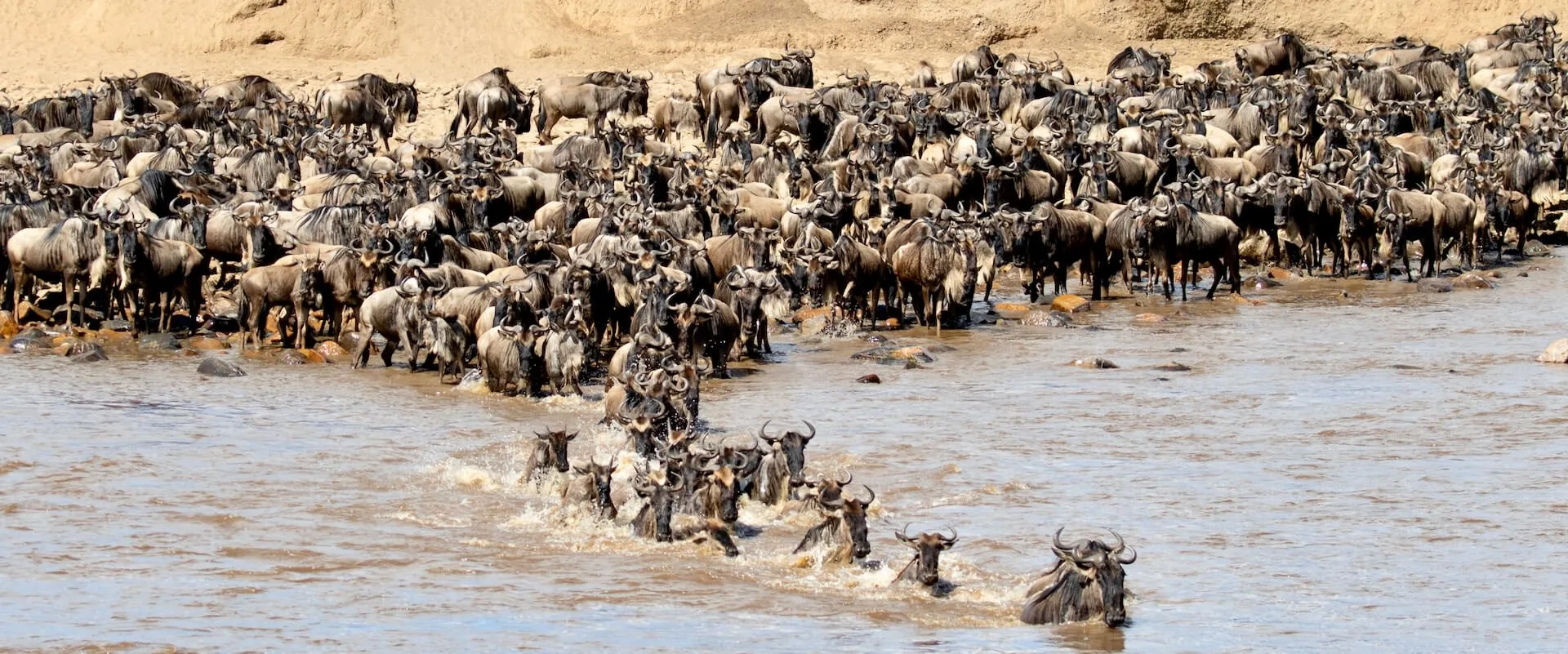
The Great Migration in Africa happens all year because the herds continuously circulate through the Serengeti–Mara ecosystem in…
Read article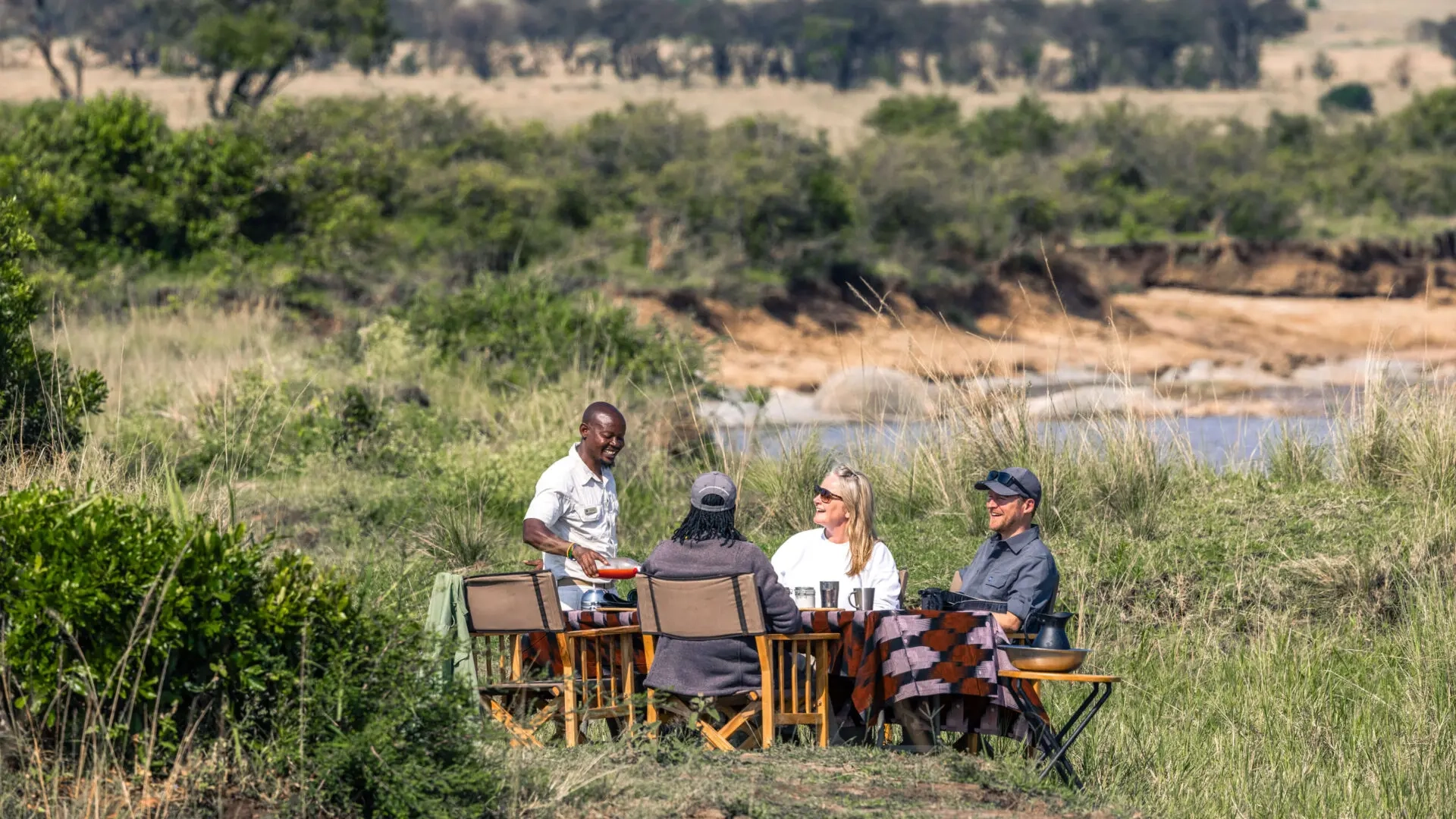
Definitive answer: A picnic lunch on safari is a packed or catered midday meal eaten at an approved…
Read article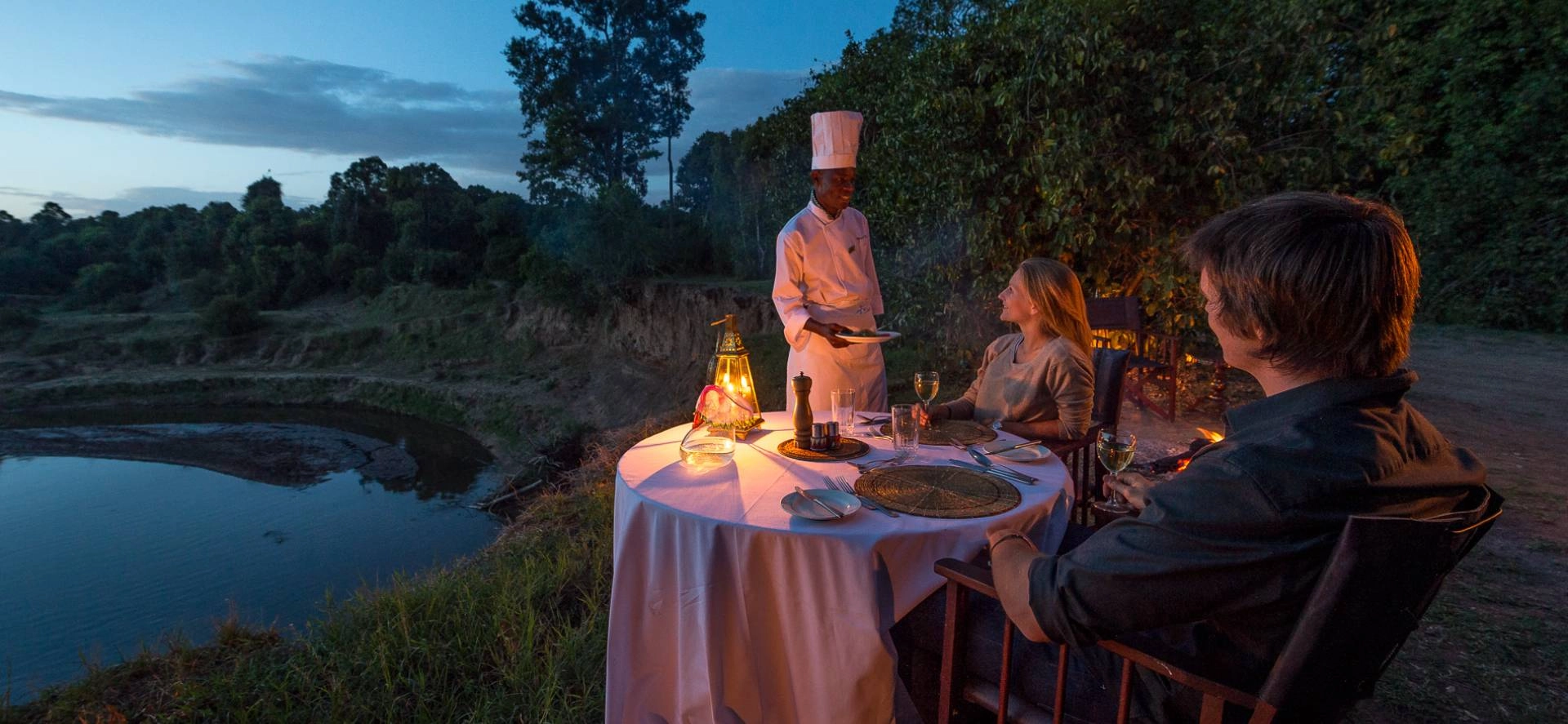
Definitive answer: A bush dinner is an outdoor evening meal arranged in a safe safari setting away from…
Read articleLet us take you closer to the wildlife, people and places that make Africa extraordinary.
Plan Your Safari Today