Culture + Conservation
Wildlife regularly moves beyond park boundaries into community areas. Learning about Maasai pastoral life shows why land use, livestock, tourism and wildlife management are inseparable across southern Kenya.


A cultural safari in Amboseli National Park pairs outstanding wildlife viewing with meaningful encounters with Maasai culture — elephants and Kilimanjaro views on one side, pastoral communities, crafts and conservation partnerships on the other.
A cultural safari in Amboseli National Park gives travelers the opportunity to experience two of southern Kenya's most powerful attractions in one journey: outstanding wildlife viewing and meaningful encounters with Maasai culture. Amboseli is internationally known for its large elephant herds and magnificent views toward Mount Kilimanjaro, but the human landscape surrounding the park is just as important to understanding the region.
For generations, Maasai communities have lived across the wider Amboseli ecosystem, moving livestock through seasonal grazing areas and developing social traditions closely connected to cattle, family, age-set systems and the environment. A cultural safari allows visitors to appreciate this living heritage while exploring one of the best-known wildlife destinations in Kenya.
The most rewarding experiences are those that go beyond a brief performance or souvenir stop. A well-organized cultural visit should help travelers understand everyday community life, traditional housing, pastoral livelihoods, local crafts, changing education patterns and the relationship between Maasai communities and wildlife conservation.
The Amboseli ecosystem is characterized by open plains, seasonal lakebeds, wetlands, acacia woodland and views of Kilimanjaro across the border in Tanzania. Although rainfall in parts of the area is relatively limited, underground water originating from the Kilimanjaro region feeds important wetlands that support both wildlife and livestock.
The Maasai people are among East Africa's most internationally recognized pastoral communities. Cattle have historically occupied a particularly important position within Maasai society, yet modern Maasai life is far more diverse than popular images suggest — combining livestock keeping with education, business, tourism, conservation and professional employment.
A responsible Maasai cultural tour in Amboseli should therefore explain both tradition and change. Combined with game drives among elephants, zebras, wildebeest and other animals, these experiences create a much deeper Kenya safari.
Plan Your Cultural Safari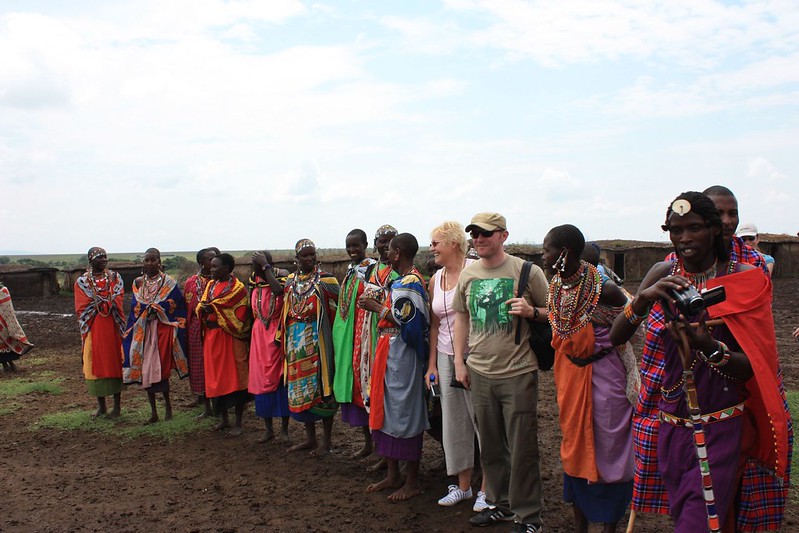
A visit to a Maasai manyatta, or homestead, is one of the most common cultural activities around Amboseli. Traditional homesteads may consist of several houses arranged within an enclosed area used to help protect families and livestock.
A guide or community representative can explain how homes have traditionally been constructed using locally available materials. Visitors may learn about sleeping arrangements, food preparation and family organization — and why the settlement is arranged in a particular way.
Traditional Maasai houses are designed around practical requirements and available materials, yet many families increasingly use more modern building materials. Cultural authenticity should never be measured by whether people live in older-style houses.
Music and dance are highly visible elements of Maasai cultural experiences. Visitors may watch group songs and the well-known jumping dance — with guides explaining age groups, ceremonies and social identity behind the movements.
Cattle remain one of the most important subjects to understand. Herders must understand grazing patterns, water sources, animal health and seasonal movements — knowledge that creates an intimate relationship with the Amboseli landscape.
Responsible operators arrange visits with communities that have agreed to receive travelers and where tourism income benefits residents directly. Conversation turns a short visit into a richer cultural exchange.
An Amboseli cultural safari can include several complementary experiences. The exact programme varies by community and camp — responsible arrangements emphasise genuine interaction over hurried tourist performances.
Visit a traditional homestead, learn how the settlement is organised, see house construction and domestic spaces, and ask respectful questions about family life, cattle and conservation.
Understand how cattle provide food, wealth and social status, and how grazing, drought and conservation boundaries shape modern pastoral life around the park.
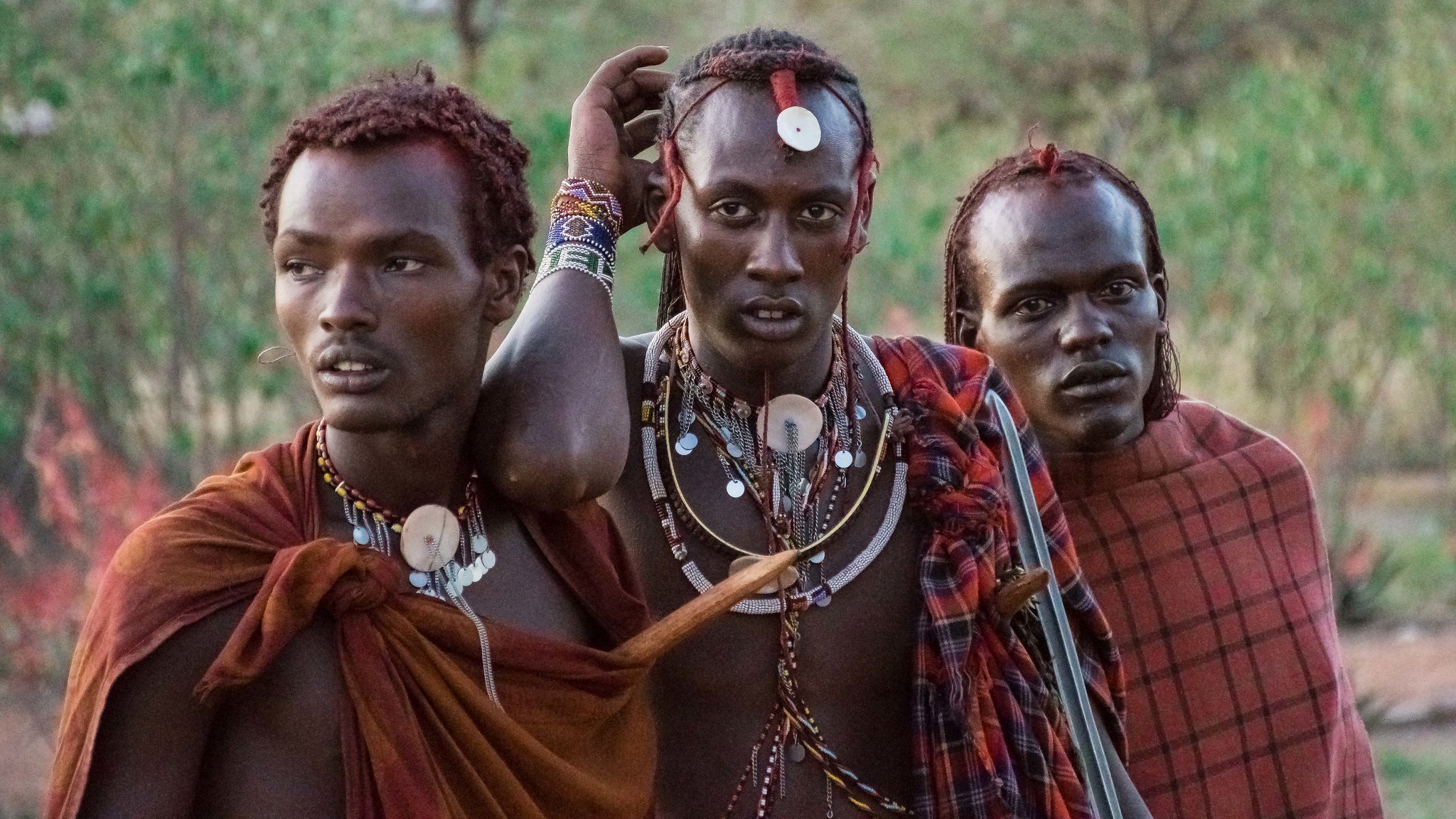
Local guides can explain how age, family roles and community responsibilities interact — avoiding simplified warrior stereotypes and inviting respectful questions about continuity and change.
Welcome songs, jumping dance and women's beadwork become more meaningful when hosts explain identity, ceremony and craft labour — buy directly from artisans where possible.
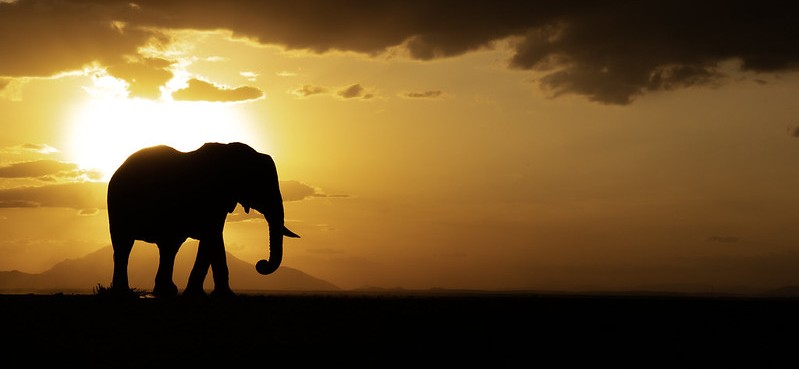
Amboseli's elephants and Kilimanjaro views are iconic, but for communities the mountain shapes water and identity while elephants move through landscapes beyond park boundaries.

Choose experiences where communities control visits and tourism supports households, schools or locally managed enterprises — especially beadwork cooperatives led by women.
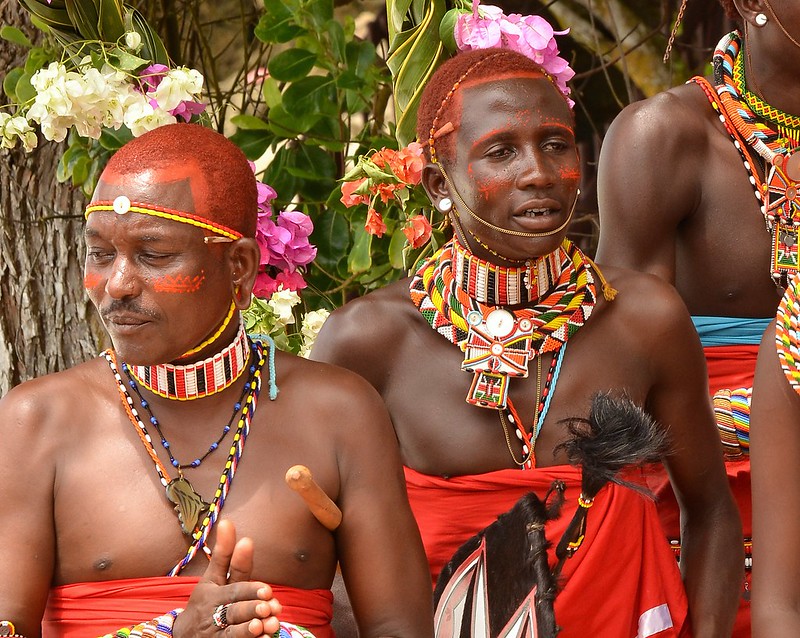
Some visits include food introductions or conversations about schools and young people balancing pastoral heritage with education and modern professions.
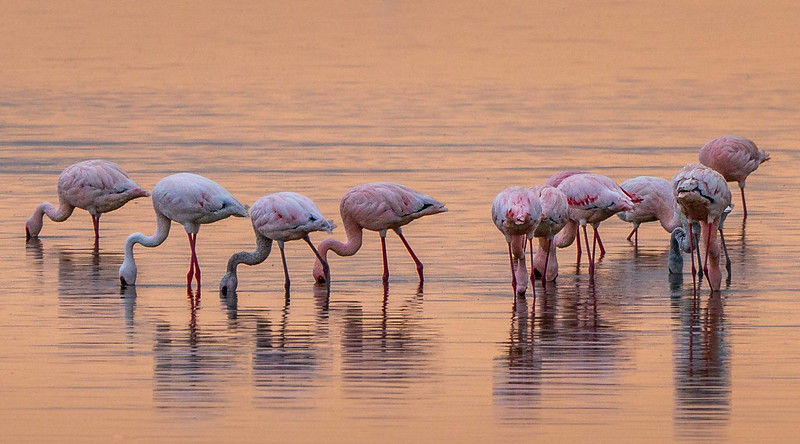
Always ask before close portraits. Conversation first usually creates better relationships and stronger photographs; obtain permission before photographing children.
The cultural experience is enhanced by Amboseli's exceptional wildlife — especially African elephants, open-terrain viewing and rich wetland birdlife.
Watch elephant families on the plains beneath Kilimanjaro, then visit a nearby Maasai community in the afternoon.
Best for: Classic Amboseli itineraries
Community tolerance and conservation partnerships have direct implications for elephant survival as herds move through shared landscapes.
Best for: Conservation-minded travellers
Wetlands and plains support rich birdlife. Local guides may share traditional names or cultural associations linked to certain species.
Best for: Nature & culture combined
An Amboseli cultural experience can be particularly rewarding for families traveling with children.
Young travelers can learn about different lifestyles, livestock, traditional houses, languages, crafts and relationships with nature in an interactive environment.
Parents should prepare children to behave respectfully and avoid treating homes or residents as attractions. When thoughtfully arranged, cultural activities can become some of the most educational moments of a family safari.
Ask your safari planner for family-friendly community visits with clear photography and gift guidelines.
Plan a Family Cultural Safari
Amboseli can be visited throughout the year. Cultural visits are generally available year-round, although specific community events may depend on local schedules.
Wildlife remains present across seasons, although rainfall affects vegetation, road conditions and animal distribution.
Two nights is a common minimum for an Amboseli safari. Three nights provides a more relaxed experience and allows cultural activities to be integrated without reducing wildlife-viewing time.
A balanced itinerary can include morning and afternoon game drives, a community visit and periods for rest or photography.
A simple village visit may take approximately one to two hours, while a more immersive community experience can occupy half a day or longer. Allow enough time so the visit does not feel rushed.
Travelers continuing through Kenya can combine Amboseli with Tsavo, Nairobi, Lake Naivasha, Lake Nakuru National Park or the Maasai Mara.
Tell your safari planner how deeply you want to engage with local culture — from a short manyatta visit to longer discussions, craft workshops or conservation-focused experiences.
Adventure in the Wild Safaris can match you with community partners where fees and craft purchases support residents directly.
Browse Kenya Safaris
Responsible cultural tourism should create value for both visitors and host communities. Choose ethical community visits that provide transparent benefits to hosts.
Responsible tourism is built on mutual respect rather than charity-based interactions.

For wildlife activities, lightweight neutral-colored clothing is practical. For Maasai village visits, modest clothing is appropriate.
Avoid highly revealing outfits. Dust can be considerable in dry periods, so travelers with cameras may want protective equipment. There is generally no need to imitate traditional Maasai clothing.
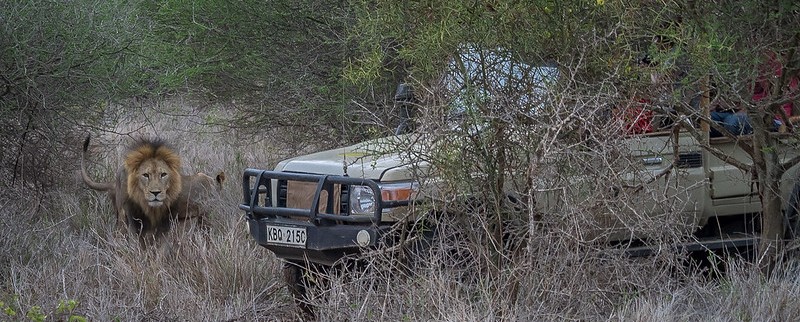
Most cultural visits are arranged from lodges and camps serving Amboseli National Park and neighbouring community areas.
Tell us your preferred depth of cultural engagement when you enquire so we can recommend the right camps and partners.
Lodges and camps often work with particular neighbouring communities. Choosing the right base can significantly improve cultural access.
Amboseli works extremely well as part of a longer Kenya cultural and wildlife safari. Combining several regions demonstrates that Kenyan culture cannot be reduced to a single community or tradition.
Pair your cultural safari with wildlife, photography, birding or game-drive experiences in the same ecosystem.
Activities may include a guided manyatta visit, traditional dance and song, beadwork demonstrations, conversations about pastoral life and pairing culture with elephant game drives. The exact programme depends on the community partner.
A simple village visit often lasts one to two hours. More immersive community experiences can take half a day or longer. Allow enough time so the visit does not feel rushed between game drives.
Two nights is a common minimum; three nights is more relaxed and allows cultural activities without reducing wildlife time.
Yes. A common pattern is morning game drives among elephants and wetlands, followed by an afternoon community visit beneath Kilimanjaro views.
Always ask first. Permission is especially important for close portraits, interiors of homes and photographs of children. Commercial photography may need separate arrangements.
Choose community-organised visits with clear benefits for residents, buy crafts directly where possible, avoid intrusive behaviour and coordinate any donations through established community channels.
Yes — it can be highly educational for children when parents prepare them to be respectful guests. Ask for family-friendly partners and clear guidelines on gifts and photography.
Ready for a Richer Amboseli Journey?
Tell us your dates, travel style and how deeply you want to engage with Maasai communities around Amboseli — Adventure in the Wild Safaris will build village visits, elephant game drives and Kilimanjaro scenery into one seamless trip.

