Beyond the Resort
Learn how local families live, how coastal trade shaped language and religion, and how fishing, farming, tourism and crafts contribute to livelihoods.


A cultural safari in Diani Beach looks beyond white sand and palm trees to the Swahili heritage, coastal villages, markets, sacred forests and community enterprises that shape the Kenya coast.
A cultural safari in Diani Beach offers travelers an opportunity to look beyond the white sand, palm trees and warm waters of the Kenya coast and discover the rich cultural heritage of communities that have lived along the Indian Ocean for generations. Diani is widely known as one of Kenya's leading beach destinations, yet its surroundings also contain Swahili influences, local markets, traditional villages, sacred forest traditions, coastal cuisine and community enterprises.
The coast of Kenya has been shaped by centuries of interaction between African communities, Arab traders, Persian influences, Indian Ocean commerce and later European powers. This history contributed to the development of Swahili culture, one of East Africa's most important coastal identities.
Although Diani itself is a modern tourism center, cultural experiences in the wider area provide insight into how older traditions continue to coexist with hotels, restaurants and contemporary coastal life. A well-designed Diani cultural safari therefore balances relaxation with learning.
Most travelers arrive in Diani after a wildlife safari in destinations such as Maasai Mara, Amboseli or Tsavo. Taking one or two days to explore the surrounding cultural landscape adds considerable depth — instead of seeing the coast only through resort boundaries.
Swahili culture developed along the East African coast through long-term interaction between African coastal communities and Indian Ocean trade networks. Architecture, food, clothing, music, religion and social customs reflect centuries of exchange.
Visitors should also understand Mijikenda heritage and sacred kaya forests — the coast is culturally diverse, and not all coastal culture is exclusively Swahili.
Plan Your Cultural Safari
A coastal village tour in Diani can introduce travelers to household life, traditional skills and local livelihoods. Depending on arrangements, visitors may learn about cooking, fishing traditions, farming or small businesses.
Markets provide one of the easiest ways to experience daily coastal life — fresh fruits, vegetables, fish, spices, clothing and household goods. A guide can introduce unfamiliar ingredients and explain how products are used.
Food is one of the strongest expressions of Kenya coastal culture. Swahili cuisine combines African ingredients with Indian Ocean trade influences: rice dishes, coconut, spices, seafood, grilled meats and flatbreads.
Fishing has long been part of coastal livelihoods. Where community experiences include fishing traditions, guides can explain local techniques and connect livelihoods with marine conservation.
The dhow is one of the most recognizable symbols of Indian Ocean culture. Sailing on a dhow can provide an atmospheric way to experience the coast when accompanied by interpretation about trade history.
The best experiences allow conversation rather than following a rigid sequence of staged demonstrations. Approach residential areas respectfully — the objective is cultural understanding, not observing people from a distance.
A Diani cultural safari can include several complementary experiences across villages, markets, heritage sites and the marine environment — arranged with local guides who understand community protocols.
Learn how Indian Ocean trade shaped coastal identity, language, architecture, food, clothing, music and religion — and how Swahili identity relates to broader Kenyan coastal communities.
Meet hosts for conversation about cooking, fishing, farming and how tourism has changed economic opportunities — interactive rather than theatrical.
Explore markets and Swahili food experiences — coconut, spices, seafood and household dishes that make coastal culture tangible.
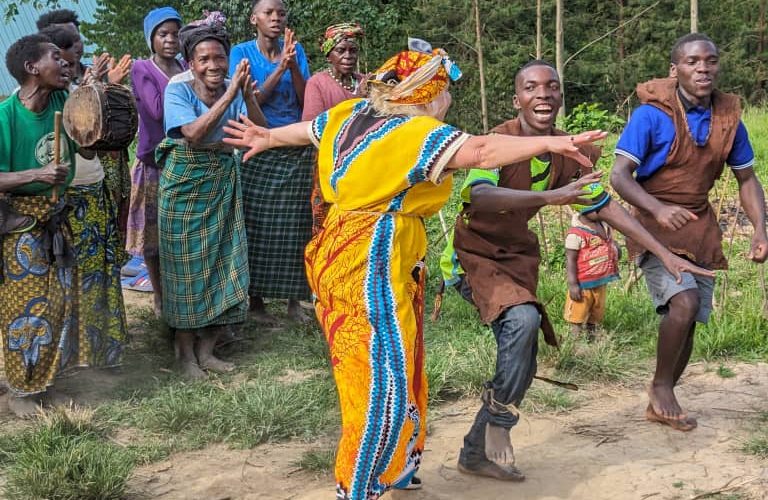
Connect seafaring traditions, fishing livelihoods and marine conservation — choose licensed, safety-conscious operators for dhow excursions.

Sacred kaya forests hold profound cultural significance. Follow local rules carefully; some areas may restrict photography or access.
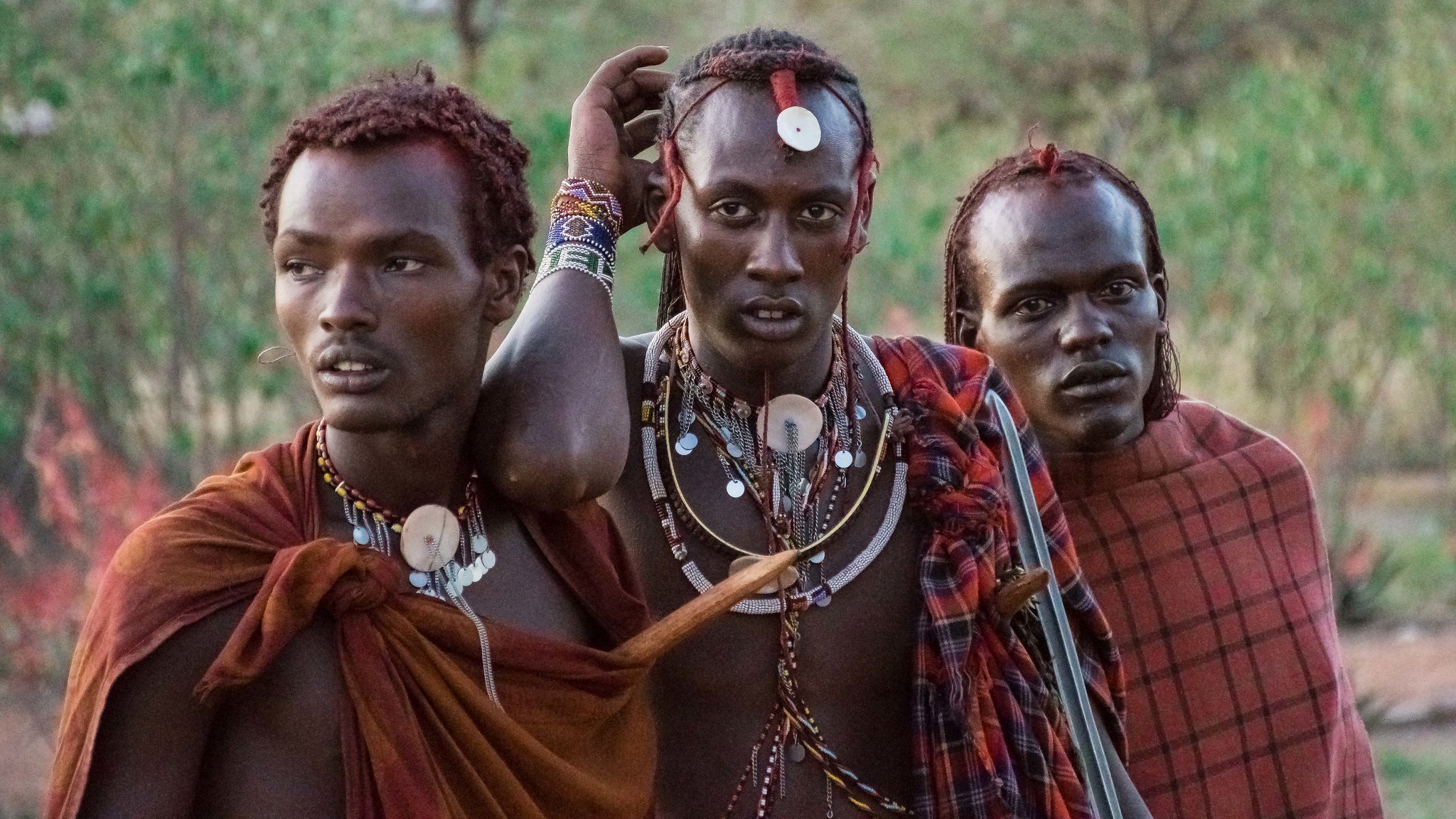
Visit artisans for carving, beadwork and textiles; understand Islamic heritage and modest coastal etiquette as part of respectful travel.
Heritage at Shimoni, Wasini Island culture and Kisite-Mpunguti marine experiences link people, history and the Indian Ocean.
Ask before photographing traders or residents. Dress modestly away from the beach, especially near religious sites and villages.
Diani works best when beach time, cultural visits and optional marine excursions are planned as complementary parts of one coastal stay.
Enjoy the shoreline, then visit markets, villages or craft workshops with a local guide.
Best for: Safari-and-beach holidays
Combine dhow sailing, Wasini or Shimoni heritage and marine time with cultural interpretation.
Best for: 1 full coastal day
Add depth after inland wildlife by exploring Swahili and Mijikenda heritage before flying home.
Best for: Classic Kenya itineraries
Coastal cultural experiences suit families well — markets, food, boats and craft workshops are interactive without long game-drive days.
Prepare children to dress modestly off the beach and to ask before photographing people.
Food tastings and artisan workshops often become memorable highlights of a Kenya beach extension.
Ask for family-friendly village partners and clear guidelines on gifts and photography.
Plan a Family Cultural Safari
Cultural experiences can generally be arranged year-round on the Kenya coast.
Weather affects beach comfort and marine excursions more than community visits themselves.
One focused cultural half-day adds depth to a short beach stay. Two or more nights in Diani allow village visits, markets, crafts and an island or marine day without rushing.
Most travelers arrive after inland parks — tell your planner you want culture included, not only resort downtime.
Sacred kaya forest visits require local permissions and careful etiquette; never treat restricted areas as open attractions.
Combine Diani with Amboseli, Tsavo or Maasai Mara for a complete Kenya safari-and-beach journey that also shows cultural diversity beyond a single inland community.
Adventure in the Wild Safaris can arrange local guides, community partners and licensed dhow operators for a respectful coastal programme.
Browse Kenya Safaris
Choose experiences organized with community participation and clear benefits for local residents. Dress and behave respectfully away from the beach.
Responsible coastal tourism links cultural respect with marine and community sustainability.
Beachwear is fine at the hotel, but modest clothing is appropriate for villages, markets and religious settings.
When in doubt, dress more modestly for cultural excursions than you would on the beach.
Diani is reached via Ukunda airstrip or by road from Mombasa, often as the beach finale after inland Kenya parks.
Tell us whether you want a light cultural half-day or a fuller coast heritage programme.
Beach hotels and boutique properties can arrange community partners — ask specifically for cultural guiding, not only water sports.
Diani is the classic beach extension after inland parks — adding culture shows Kenya's coastal heritage alongside savannah traditions.
Combine culture with beach time, marine parks and photography.
Typical activities include village visits, markets, Swahili food experiences, crafts, optional dhow trips and, where permitted, kaya forest or heritage excursions. Programmes vary by partner.
A half-day adds depth to a short beach stop. Two or more nights allow culture plus a marine or island day without rushing.
Yes — Diani is often the beach finale after Mara, Amboseli or Tsavo. Cultural days prevent the coast from being only downtime.
Modest clothing for villages, markets and religious sites; beachwear is fine at the hotel. Ask your guide about mosque or kaya etiquette.
Always ask first, especially of traders and residents. Some sacred sites may prohibit photography.
Use local guides, support artisan purchases, respect dress codes, avoid intrusive behaviour and choose licensed marine operators.
Ready for a Richer Coast Stay?
Tell us your dates and whether you want villages, markets, dhows or heritage excursions — Adventure in the Wild Safaris will weave them into your safari-and-beach itinerary.

