

Birding Safari in Meru National Park
A Meru National Park birding safari takes travelers into one of Kenya's most rewarding yet comparatively uncrowded wildlife destinations. Located east of Mount Kenya, Meru is characterized by wide-open wilderness, river systems, woodland, bushland and grassland that support an impressive range of birds alongside classic African mammals.
- Location Meru National Park, Kenya
- Duration Half Day – Multi-Day
- Difficulty Easy to Moderate
- Best For Birdwatchers, Photographers & Nature Lovers
Birding in Meru National Park
A Meru National Park birding safari takes travelers into one of Kenya's most rewarding yet comparatively uncrowded wildlife destinations. Located east of Mount Kenya, Meru is characterized by wide-open wilderness, river systems, woodland, bushland and grassland that support an impressive range of birds alongside classic African mammals.
Kenya Wildlife Service describes Meru as a birdwatchers' paradise, emphasizing the value of the park's varied habitats for birding enthusiasts. The park also combines bird watching with exceptional wildlife safaris, a rhino sanctuary and important conservation heritage.
For birders who have already experienced famous Kenyan destinations such as the Maasai Mara, Amboseli or Lake Nakuru, Meru offers a refreshing change. Its quieter roads and strong habitat diversity make it particularly suitable for private birding safaris where guests can spend time investigating calls, photographing birds and observing behavior without constantly needing to move for other vehicles.
Plan Your Kenya Birding SafariWhy Go Birding in Meru National Park?
What to Expect on a Meru National Park Birding Safari
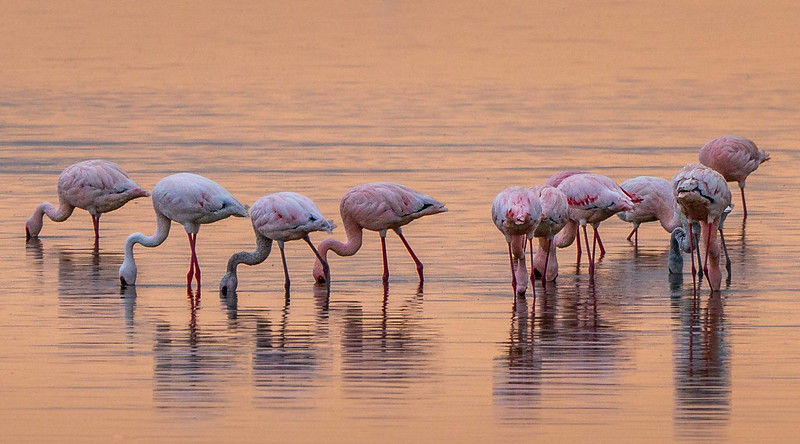
Birding tours generally begin early when many birds are most active.
Your guide helps identify birds by appearance, behaviour and calls while exploring productive habitats around Meru National Park.
The pace is flexible — more time is spent where conditions are productive rather than rushing between fixed stops.
Your Birding Experience Can Include
- Professional birding or nature guide
- Early-morning birdwatching
- Bird identification assistance
- Habitat interpretation
- Bird photography opportunities
- Personalised searches for target species
Birds You Can See in Meru National Park
Species depend on season, weather, habitat and the exact sites visited. Discuss target species with us when booking.
Meru National Park
Learn more
Resident Specialties
Search for regional specialties and commonly encountered birds around Meru National Park.
Habitat
Local habitats
Best area
Meru National Park
Status
Resident

Meru National Park
Learn more
Raptors
Scan ridges, plains and wetland edges for eagles, buzzards and other birds of prey.
Habitat
Open skies
Best area
Meru National Park
Status
Resident / Seasonal
Meru National Park
Learn more
Waterbirds
Where wetlands or shorelines occur, expect ducks, herons, egrets, waders and other water-associated species.
Habitat
Wetlands & water
Best area
Meru National Park
Status
Resident / Seasonal
Best Birding Areas in Meru National Park
A good birding itinerary around Meru National Park should include several environments rather than concentrating on a single site.
Why Choose Meru National Park for Birding?
Meru's greatest strength is ecological variety. The park encompasses riverine habitats, woodland, dry bushland, open grassland and seasonal wetlands.
Best for: Birdwatchers exploring Meru National Park.
River Birding in Meru
Meru is crossed by an extensive network of rivers and streams. These waterways are fundamental to both bird and mammal diversity.
Best for: Birdwatchers exploring Meru National Park.
Dry-Country and Bushland Birds
Meru's location makes it particularly interesting for species associated with eastern Kenya's drier habitats. Bushland and open country support a community distinct from the wetter highland and forest zones elsewhere in the country.
Best for: Exploring Meru National Park.
Raptors in Meru National Park
Open landscapes and abundant prey create good conditions for raptors. Eagles, vultures, hawks, falcons and other birds of prey may be encountered.
Best for: Birdwatchers exploring Meru National Park.
Woodland
Woodland birding is often most productive shortly after sunrise. Species are active, temperatures are comfortable and vocalization is stronger.
Best for: Birdwatchers exploring Meru National Park.
Wetlands, Pools and Waterbirds
Any standing water in Meru deserves close attention. Ducks, geese, lapwings, herons and other water-associated birds may occur depending on season and conditions.
Best for: Birdwatchers exploring Meru National Park.
Birding Habitats of Meru National Park
Understanding habitats makes birdwatching much more productive.
Woodland & Forest Edges
Listen for calls and watch canopy and understory movement along forest and woodland edges.
Open Country
Greater visibility supports raptor watching and terrestrial species.
Wetlands
Water attracts waterbirds and can be especially rewarding for photography.
Habitat Edges
Edges between habitats often concentrate bird activity.

Best Time for Birding in Meru National Park
Meru offers worthwhile birding year-round.
Seasonal rains influence vegetation, bird breeding and road conditions.
- Year-round Birdwatching is possible throughout the year; seasonal conditions change which species are most active.
- Migration periods Migrants can increase diversity during certain months — ask us about your target species before booking.
- After the rains Rainfall can refresh habitats and boost breeding activity and wetland productivity.
- Drier months Drier conditions may improve road access and visibility for open-country scanning and photography.
Half-Day vs Full-Day Birding Tours
Dedicated birders should make their interests clear when booking.
A standard game drive often prioritizes lions, elephants and other large mammals.
Vehicles may pass excellent bird habitat rapidly.
A specialist or bird-aware guide approaches the same landscape differently.
Interesting calls are investigated.
Raptors are identified carefully.
Time is allocated to confusing species rather than simply moving on.
A private vehicle is therefore one of the best investments serious birders can make.
Adventure in the Wild Safaris can arrange private birding guides and connect Meru National Park with a wider Kenya itinerary.
Enquire About a Private Birding Tour
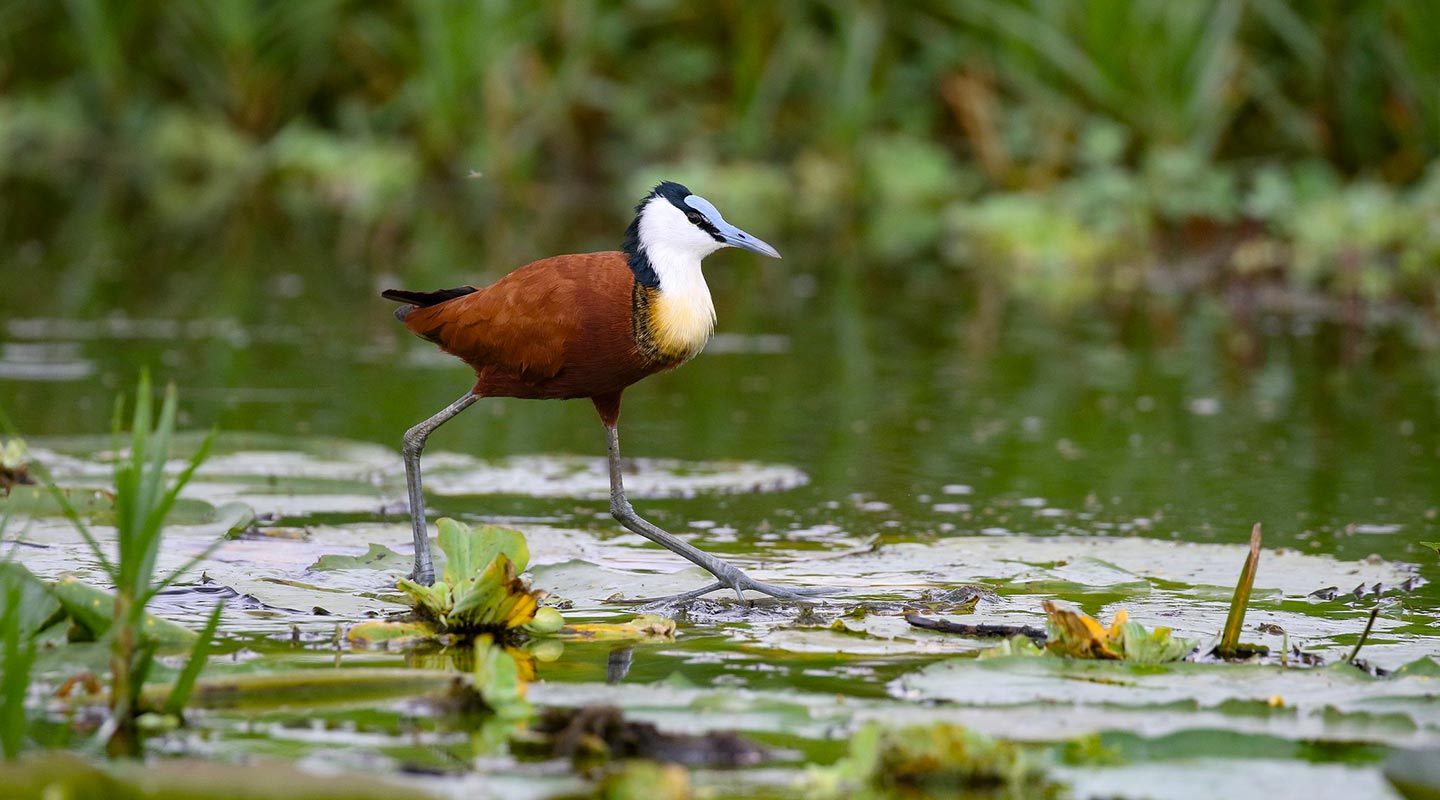
Photography in Meru
Meru's relatively open landscapes can provide excellent bird photography.
A telephoto zoom is particularly practical because subjects vary from small woodland birds to large raptors.
- Carry a telephoto lens where possible
- Keep spare batteries ready
- Avoid disturbing birds for photographs
- Photograph during softer morning light
- Allow time for positioning and waiting
- Always place wildlife welfare ahead of the photograph
Follow park rules and respect wildlife right of way.
What to Pack
Bring high-quality binoculars.
- Bring high-quality binoculars
- Wear lightweight neutral safari clothing
- Bring a hat, sunscreen, insect repellent and drinking water
- carry binoculars, cameras, sunscreen, insect repellent and appropriate outdoor gear
- bring telephoto equipment, spare batteries and sufficient memory cards
A spotting scope is useful for distant raptors and waterbirds but not essential.
A current East African bird guide or identification application is strongly recommended.
How to Reach Meru National Park
Meru can be reached by road from Nairobi and central Kenya or by scheduled or chartered flights depending on safari arrangements.
- Access Meru can be reached by road from Nairobi and central Kenya or by scheduled or chartered flights depending on safari arrangements.
- By Road Kenya Wildlife Service lists road approaches via Maua and Embu and identifies airstrips serving the park.
- Guided Transfer A road safari can be especially attractive for birders because additional species may be encountered during stops along the journey.
- Guided Transfer Flying significantly reduces travel time and is ideal for higher-end itineraries or travelers combining several distant Kenyan parks.
Accommodation for Birders in Meru
Meru has safari accommodation ranging from comfortable camps to higher-end lodges.
- Budget Good-value options suitable for travellers focused on time in the field.
- Mid-Range Comfortable lodges or hotels with reliable service and convenient access for early pick-ups.
- Luxury Higher-end properties combining comfort with easy logistics for private birding guides.
- Birding-Friendly Base Prefer properties with gardens, natural surroundings or easy early-morning departures.
Combining Meru with Samburu
A Meru and Samburu combination is also highly rewarding.
Other Experiences
Pair Meru National Park birding with other experiences in the same area.

Frequently Asked Questions About Birding in Meru National Park
Is Meru National Park good for bird watching?
Yes. Meru National Park offers productive habitats for both casual and dedicated birders.
Do I need a specialist birding guide?
A specialist guide greatly improves identification, especially for calls, habitat preferences and target species.
What is the best time of day for birding?
Early morning is generally best; late afternoon can also be productive.
Should I bring binoculars?
Yes. Binoculars are essential for any birding safari.
Can I combine birding with other safari activities?
Absolutely. Meru National Park birding can be combined with other Kenya destinations and experiences.
Include Birding in Your Kenya Safari
Plan Your Meru National Park Birding Experience
A birding safari in Meru National Park can be arranged as part of a dedicated Kenya bird-watching journey or integrated into a traditional wildlife safari. We can organize private specialist guides, 4x4 safari vehicles, accommodation, road transfers or flights, and extensions to Mount Kenya, Samburu and other Kenyan birding destinations. Allow at least three nights if possible. Move slowly through woodland, stop along rivers, watch the sky for raptors and make time for the park's exceptional mammals. Meru rewards travelers who resist rushing. Its quiet wilderness, diverse birdlife and strong conservation heritage make it one of Kenya's most satisfying destinations for birders seeking something beyond the standard safari circuit. Recommended duration: 3–5 nights Main habitats: Riverine forest, woodland, bushland, grassland and wetlands Best for: Dry-country birds, raptors, river birds and mixed wildlife safaris Major wildlife addition: Rhino sanctuary and classic African mammals Can be combined with: Mount Kenya, Samburu and wider Kenya birding circuits
- Trusted Local Experts
- Tailor-Made Itineraries
- Memorable & Responsible Travel