Low-Key Authenticity
Community visits around Meru often feel less staged — strong for genuine conversation.


A Meru National Park cultural safari introduces the human heritage around one of Kenya's less crowded wildlife destinations — Ameru traditions, farms, markets and community exchanges beside rivers, elephants and rhino country.
A Meru National Park cultural safari introduces travelers to the human heritage surrounding one of Kenya's most beautiful and comparatively less crowded wildlife destinations. While Meru is renowned for wilderness, rivers, elephants, lions, rhinos and the conservation story of Elsa the lioness, the wider Meru region is also home to communities with rich agricultural, social and cultural traditions.
Including community experiences gives visitors a broader understanding of eastern Kenya. Instead of viewing the park as isolated wilderness, travelers appreciate the relationship between conservation areas, farms, villages and families connected to the wider landscape.
A cultural safari may include community visits, local markets, traditional food experiences, agricultural encounters, craft demonstrations and opportunities to learn about traditions of the Ameru people.
Meru National Park lies east of Mount Kenya in a region of grasslands, wooded areas, riverine habitats and productive farmlands. Agriculture plays an important role in many households — maize, beans, bananas, vegetables and commercial crops depending on altitude.
Authentic cultural tourism should never suggest communities remain unchanged from an imagined past. Travelers meet people balancing heritage with contemporary education, employment and modern Kenyan life.
Plan Your Cultural Safari
Community visits can form the centerpiece of a Meru cultural safari. A local guide may introduce families, explain community organization and discuss changes across generations.
Topics can range from education and farming to marriage customs, food, religion, wildlife conservation and modern employment. The best visits are interactive rather than theatrical.
Oral history and elders remain valuable sources of knowledge about ancestry, migration and social customs. Guides can explain how traditions evolve.
Food experiences — observing meal preparation or tasting farm produce — naturally encourage relaxed conversation.
Agricultural visits show how crops are grown and how farming supports households. Markets and crafts extend the picture of local enterprise.
Advance planning matters: experiences vary by itinerary, season and community arrangements.
Meru culture programmes emphasise farms, food and low-key community exchange beside a wilderness park.
Meet hosts for two-way conversation about everyday life, education and conservation.
Learn how oral history, age-related responsibilities and contemporary life interact.
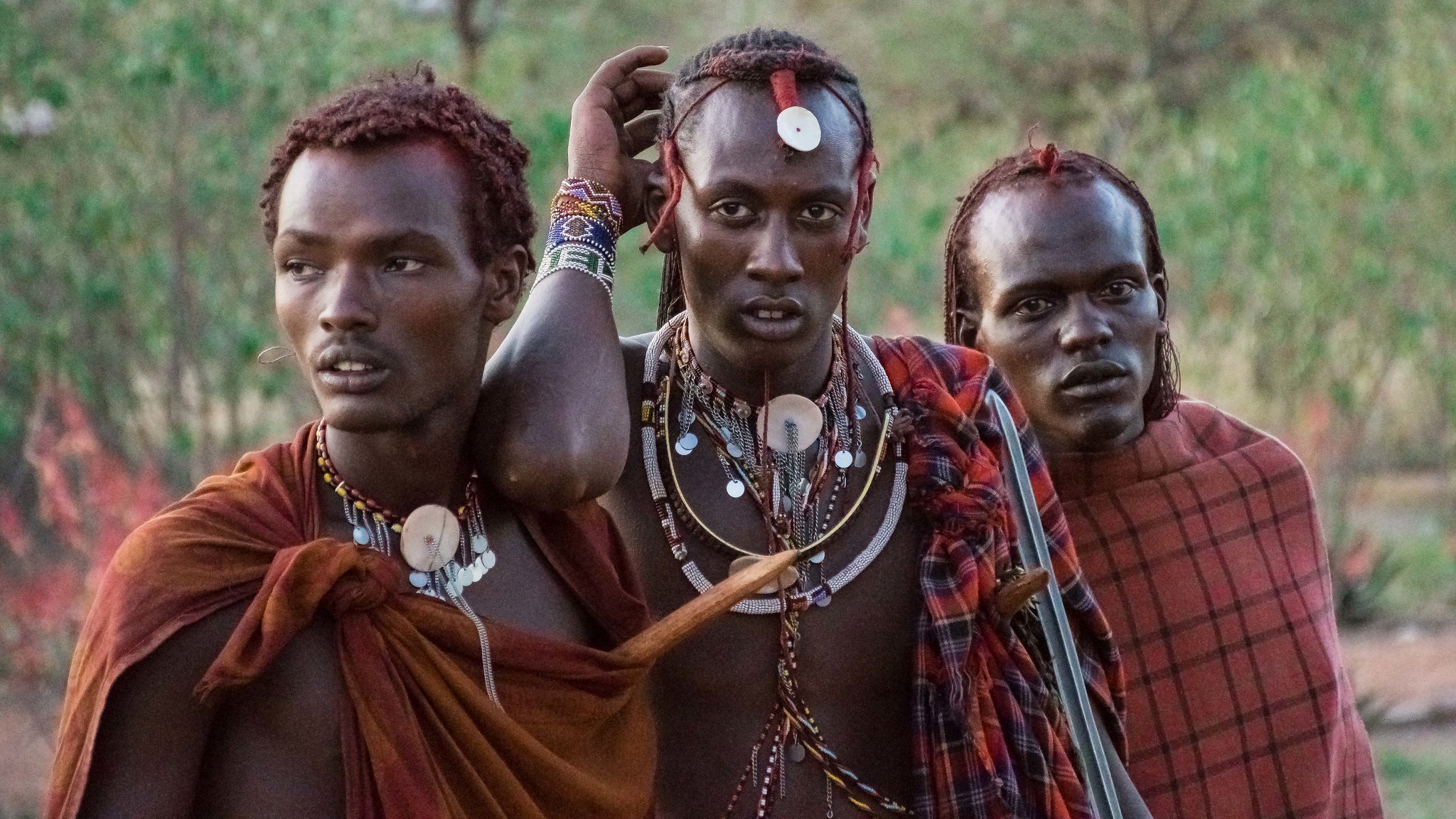
Taste local dishes and visit farms producing bananas, maize, beans, vegetables and cash crops.
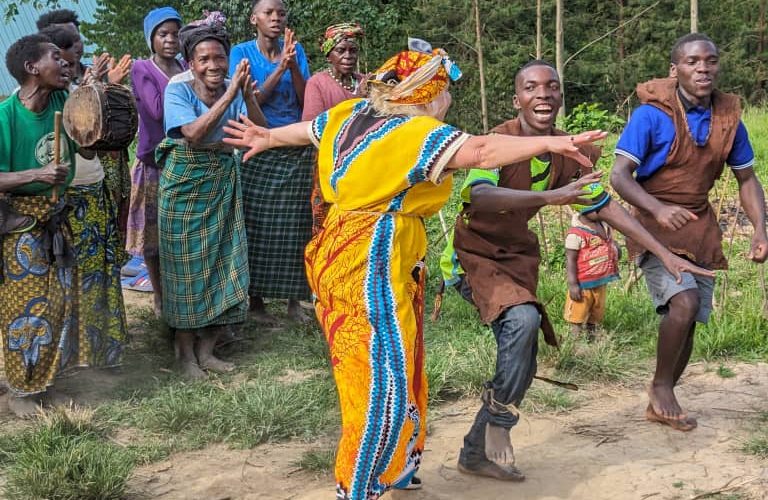
Support traders and artisans through guided market and enterprise visits.
Discuss how neighbouring communities relate to park boundaries, wildlife and tourism employment.

Connect community stories with Meru's famous conservation narrative and game drives.
Meru works well when community time is planned alongside game drives rather than added as an afterthought.
Wilderness first, then farms or village conversation.
Best for: 2–3 night stays
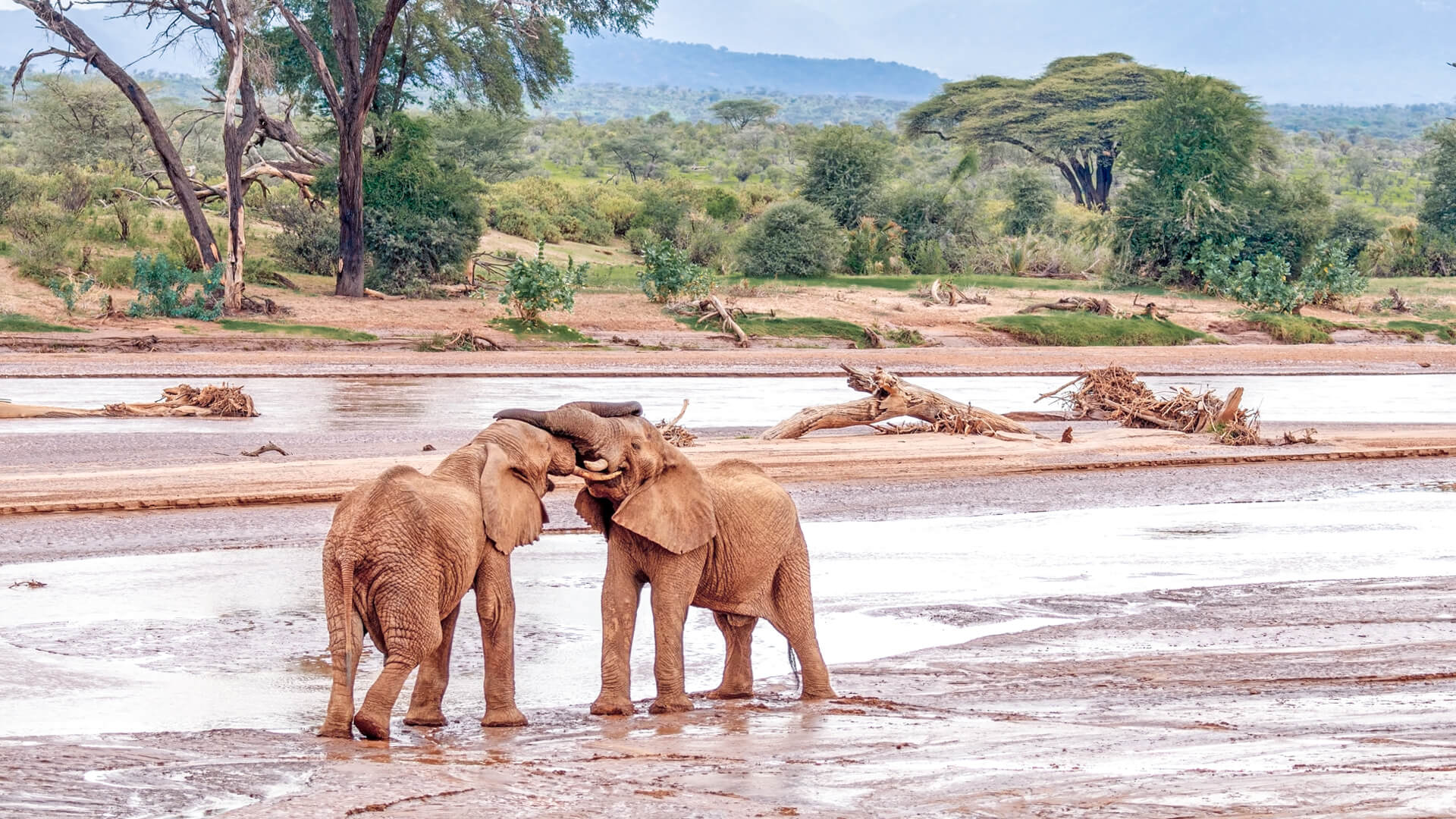
Eastern wilderness and Ameru farms paired with northern Samburu pastoral culture.
Best for: Northern circuits
Combine park wildlife with highland communities and mountain scenery.
Best for: Scenic Kenya routes
Farm visits and food experiences are engaging for children when hosts welcome families.
Prepare children to ask respectful questions and avoid treating homes as attractions.
Share dietary needs in advance for food experiences.
Plan a Family Cultural Safari
Cultural visits can be arranged year-round; wildlife and road conditions vary with rainfall.
Two or three nights in Meru usually allow both game drives and at least one meaningful cultural activity.
A simple community visit may take one to two hours; farm or market experiences can fill a half day.
Combine Meru with Mount Kenya, Samburu or the Maasai Mara for a broader Kenya cultural picture.
Adventure in the Wild Safaris can match community partners to your northern or eastern Kenya route.
Browse Kenya Safaris
Support communities responsibly — conversation first, photography second.
Responsible visits create value for hosts and more memorable exchanges for guests.
Lightweight safari clothing and modest attire for community visits.
There is no need to imitate traditional dress.
Meru is reached by road or scheduled/charter flights depending on itinerary.
Tell us if culture is a priority so visits are booked before arrival.
Park lodges and camps can arrange neighbouring community partners.
Meru sits naturally on eastern and northern Kenya circuits that showcase cultural diversity beyond a single community.
Combine culture with wildlife and birding in the same park.
Community visits, food or farm experiences, markets, crafts and conservation conversations — programmes vary by partner.
Two or three nights usually allow wildlife plus a meaningful cultural activity.
Yes — visits are often lower-key and conversation-focused compared with heavily touristed cultural stops.
Yes — a strong pairing of eastern wilderness culture with northern Samburu pastoral heritage.
Yes when hosts welcome children and parents prepare them to be respectful guests.
Ready for a Deeper Meru Journey?
Tell us your dates and preferred depth of community engagement — Adventure in the Wild Safaris will build Meru culture into your Kenya itinerary.

