Museum Context
The National Museum connects archaeology, natural history and cultural diversity before you reach the parks.


A Nairobi cultural safari reveals Kenya's capital through museums, markets, food, heritage sites, crafts and everyday urban life — valuable context before or after the Maasai Mara and other parks.
A Nairobi cultural safari reveals one of Africa's most dynamic capitals through history, communities, food, museums, markets, art and everyday urban life. Many travelers treat Nairobi only as an arrival point — spending even one additional day provides valuable context for the rest of a Kenyan journey.
Nairobi is a modern African metropolis shaped by numerous Kenyan communities and generations of migration. Office towers exist alongside historic buildings, colourful markets, craft workshops and important cultural institutions.
The city developed rapidly after a railway depot linked the coast with the interior. Today it is Kenya's capital and one of East Africa's most important economic, political and cultural centres — a multicultural environment where languages, foods, music and customs intersect.
A cultural safari may include the Nairobi National Museum, Bomas of Kenya, markets, restaurants, craft centres such as Kazuri Beads, galleries, architectural heritage, railway history, Karen Blixen literary connections and optional links with Nairobi National Park.
Understanding Nairobi's diversity is essential: the city's identity cannot be explained through a single ethnic tradition.
Plan Your Cultural Safari
The Nairobi National Museum is one of the most useful places to begin exploring Kenya's heritage — especially with a guide who connects exhibits to your wider itinerary.
Bomas of Kenya showcases traditional-style homesteads and performances. Treat it as an educational centre, not a substitute for living community visits elsewhere.
Guided market visits introduce produce, spices, fabrics, crafts and street life. An experienced local guide is highly recommended in this busy city.
Food tours or carefully chosen restaurants introduce dishes from different parts of Kenya.
Kazuri Beads and similar enterprises highlight women's craft livelihoods. Architectural walks, railway history and Karen Blixen connections add further layers.
Photography should be handled sensitively. Always ask before photographing traders or individuals. Follow local safety guidance from your guide.
Build a half-day or full-day programme around museums, markets, food and crafts — before or after your wildlife safari.
Gain background on Kenya's ecology, archaeology and cultural diversity before safari.
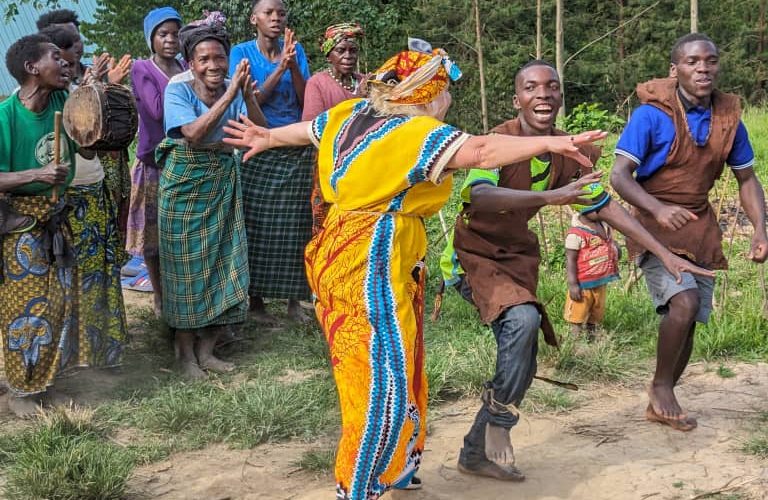
Educational homesteads and performances introducing Kenya's cultural diversity in one place.
Explore commerce and cuisine with a guide — from staples to regional specialties.
Visit bead and craft enterprises that support women's livelihoods and skills.
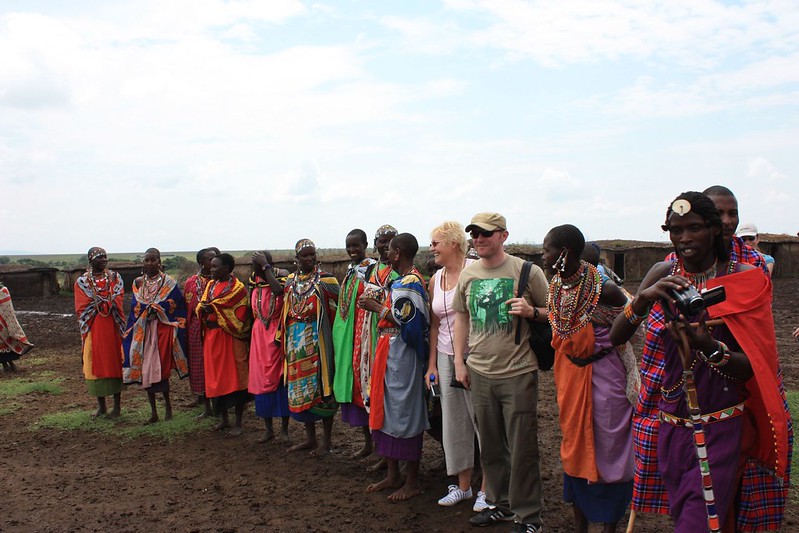
Galleries, historic buildings and railway heritage explain how Nairobi grew.
Optional literary and colonial-era heritage sites for travelers interested in Nairobi's layered past.
Pair city culture with wildlife viewing on the capital's edge when time allows.
Choose beadwork, carvings, baskets, textiles and paintings with guidance on quality and ethical buying.
Nairobi culture works best as a deliberate half-day or overnight — not only an airport transfer.
Museum and market time before flying or driving to Mara, Amboseli or Samburu.
Best for: Jet-lag friendly starts
Kazuri, galleries and final Kenyan meals before the international flight.
Best for: Soft landings
Museum + Bomas + food + crafts for travelers who want urban Kenya in depth.
Best for: 1–2 night city stays
Museums, Bomas performances and craft workshops can be excellent for children.
Use a guide for markets and city movement; prepare kids for respectful photography.
Ask for family-paced city itineraries with built-in rest stops.
Plan a Family Cultural Safari
Cultural activities run year-round. City visits fit any safari season.
A focused half-day covers museum plus one market or craft stop. A full day allows Bomas, food and crafts.
One or two nights in Nairobi transform the capital from a transit point into part of the cultural journey.
Combine with Nairobi National Park if wildlife-on-arrival is appealing.
Tell your planner whether culture should sit before Mara/Amboseli or on the way home.
Adventure in the Wild Safaris designs Nairobi days around your flight times and safari circuit.
Browse Kenya Safaris
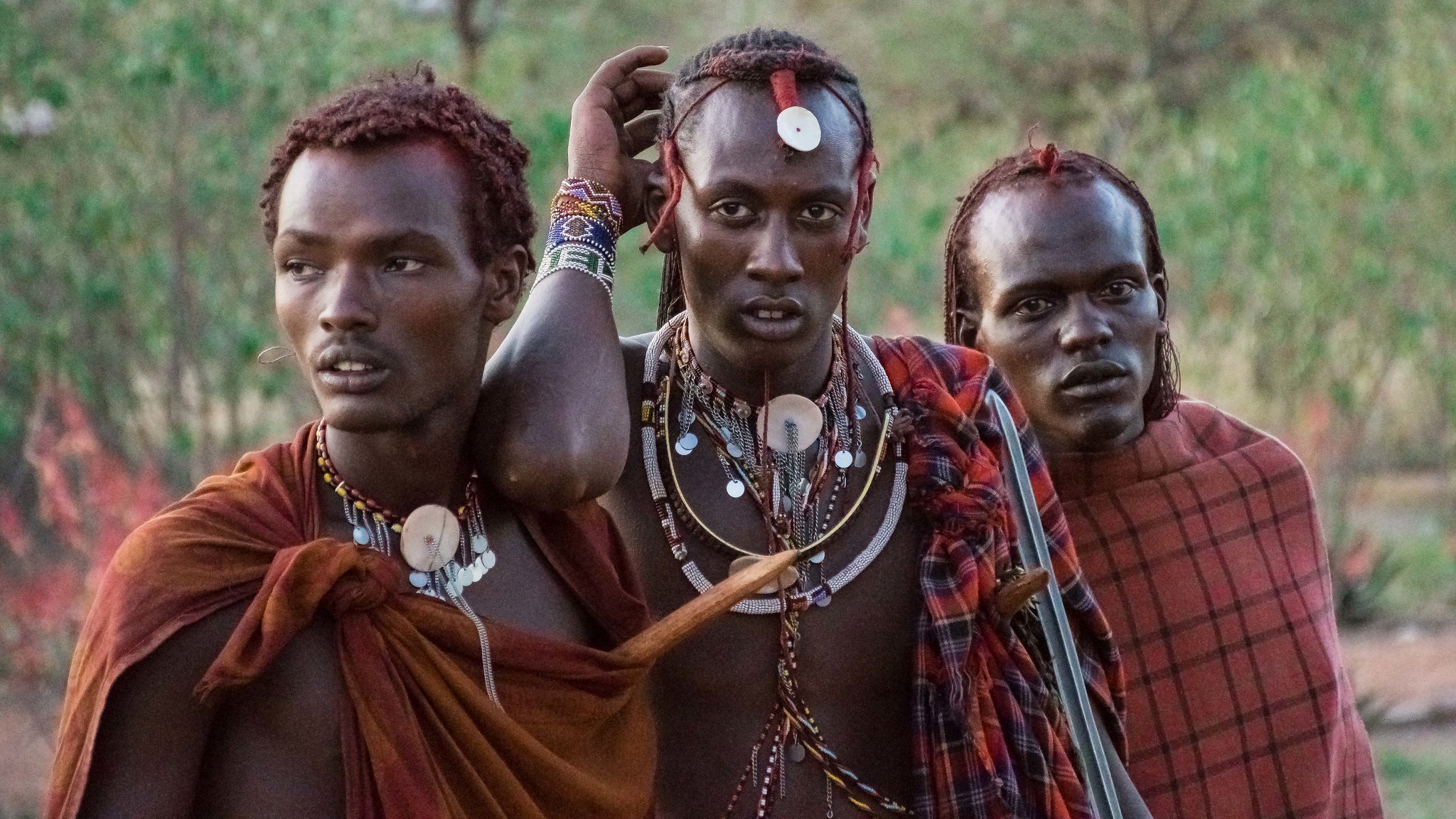
Use trusted guides for markets and neighbourhoods; follow local safety advice.
A guided cultural day is both richer and more comfortable than improvising alone.
Smart-casual city clothing; comfortable shoes for museums and markets.
Dress modestly for religious sites if included.
Private guided transfers are the easiest way to link museums, Bomas, Karen craft centres and hotels.
Share flight times so we can build a realistic cultural window.
City hotels near museums or Karen-area stays near craft centres both work — choose based on your programme.
Nairobi sets context for Mara Maasai culture, Amboseli, Samburu, Rift Valley towns and the coast.
Pair culture with city wildlife or birding if time allows.
Half a day for highlights; a full day or overnight for museum, Bomas, food and crafts.
With a trusted private guide and sensible routing, cultural days are a standard and rewarding part of Kenya itineraries.
Either works — arrival days set context; departure days suit crafts and final meals.
It is an educational cultural centre — excellent orientation, best combined with living community experiences elsewhere.
Yes — museums, performances and craft workshops engage children when paced well.
Ready to See More of Nairobi?
Share your flight times and interests — Adventure in the Wild Safaris will build a Nairobi cultural day around your safari.

