Distinct Northern Culture
Experience Samburu identity as related to — but distinct from — Maasai traditions further south.


A Samburu National Reserve cultural safari pairs northern Kenya's rugged wildlife country with Samburu village visits, beadwork, pastoral life and community conservation conversations.
A Samburu National Reserve cultural safari combines northern Kenya's spectacular wildlife and rugged landscapes with opportunities to learn about the heritage, traditions and contemporary lives of the Samburu people. Rocky hills, dry plains, acacia woodland and the life-giving Ewaso Nyiro River create one of Kenya's most distinctive safari environments.
The Samburu people have historically depended strongly on pastoralism — cattle, goats, sheep and camels. Social traditions, colourful beadwork, ceremonies, livestock knowledge and relationships with the semi-arid landscape deepen understanding of northern Kenya.
A cultural experience should not simply consist of photographing people in traditional clothing. When thoughtfully arranged, it becomes conversation and mutual exchange about drought, education, conservation, land use and modern opportunities.
The Samburu are closely related culturally and linguistically to other Maa-speaking communities including the Maasai, yet Samburu culture has distinctive characteristics within northern Kenya's landscapes.
Understanding pastoral heritage helps visitors appreciate why the Samburu landscape cannot be separated from the people who have lived within it for generations.
Plan Your Cultural Safari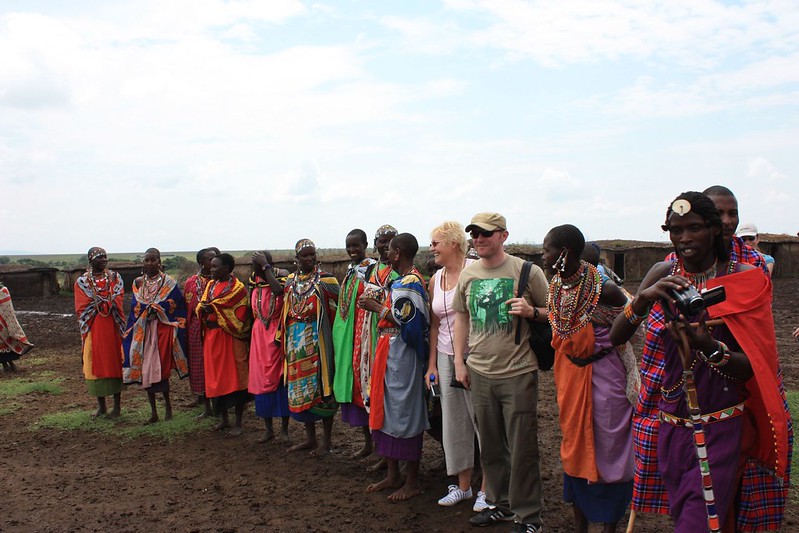
A Samburu village visit is one of the most popular cultural activities in the region. A community guide explains settlement organisation and aspects of family life.
Visitors may learn about traditional dress and beadwork, songs and dances, pastoral livestock management and the central role of water in Samburu life.
Traditional environmental knowledge — plants, tracks, weather and grazing — often surfaces in conversation with guides and hosts.
Samburu women's enterprises and craft sales can channel tourism income directly to households.
Responsible operators arrange visits with communities that welcome travelers and benefit from agreed fees.
Always ask before photographing people; permission is essential for close portraits and images of children.
Samburu cultural programmes emphasise pastoral life, beadwork and community conservation beside northern wildlife.
Visit a settlement with a community guide; ask respectful questions about family life and change.
Understand colours, patterns, songs and dances as social identity — not only photo opportunities.
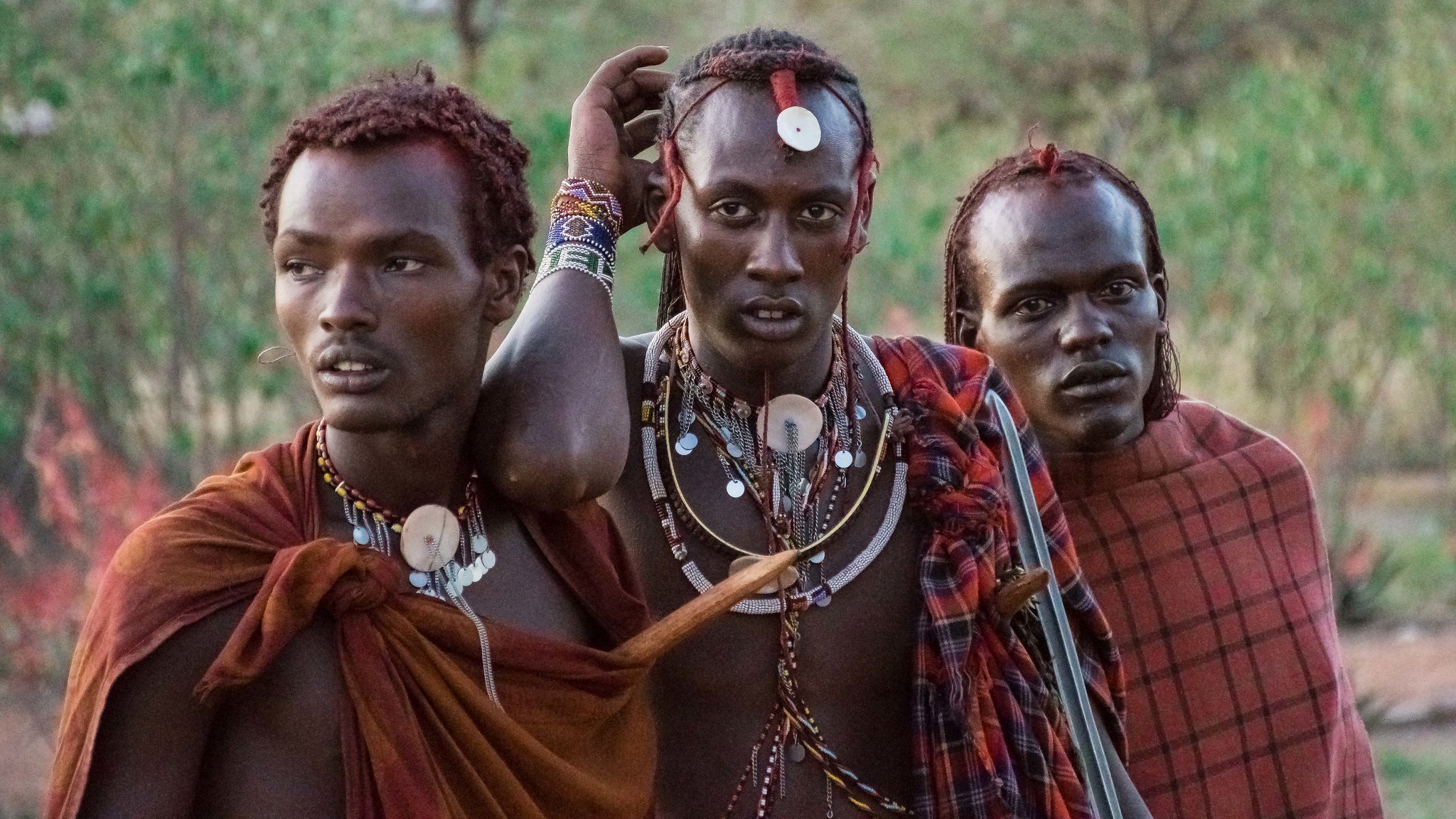
Learn how cattle, camels, goats and scarce water shape movement, wealth and daily routines.
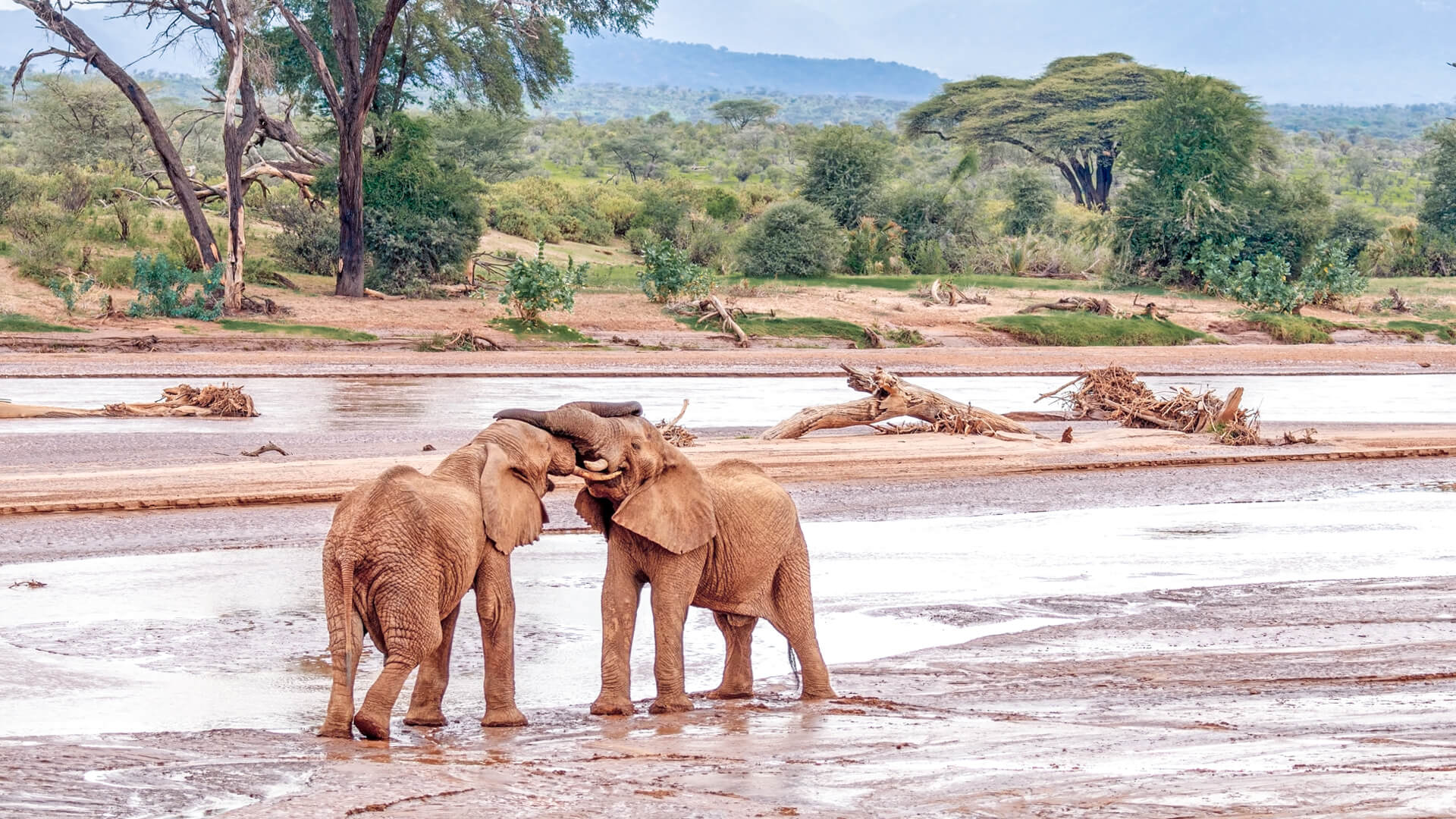
Guides share plant uses, tracking and environmental reading easy to miss from a vehicle.

Support beadwork and community businesses that provide independent income.
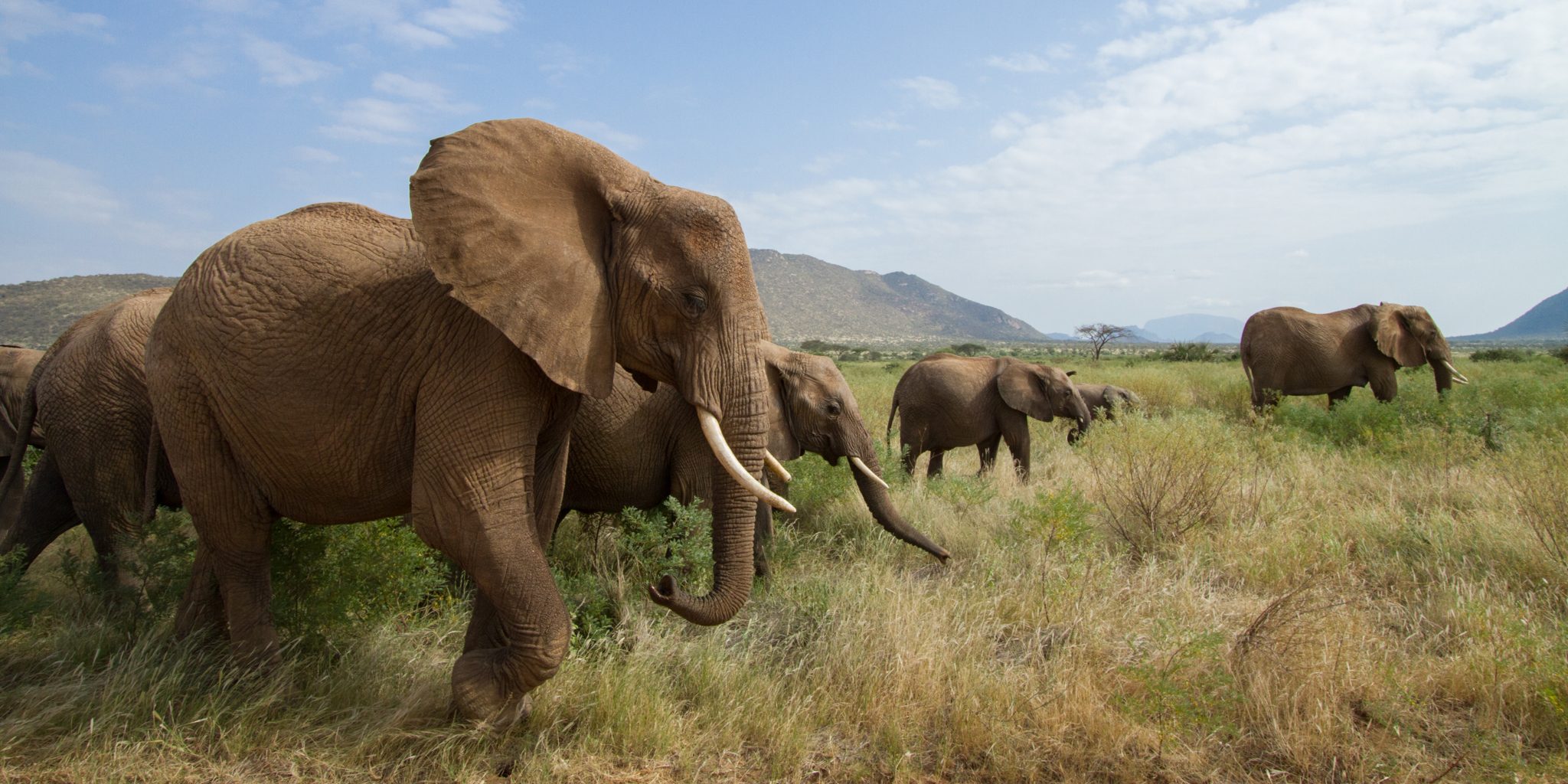
Discuss coexistence with elephants and predators after game drives along the Ewaso Nyiro.
Northern specials and river elephants pair powerfully with afternoon village visits.
Wildlife along the Ewaso Nyiro, then community exchange in the afternoon.
Best for: 2–3 night stays

Pastoral northern culture with Laikipia rhino conservation further south.
Best for: Northern circuits
Compare Samburu and Maasai cultural landscapes on one Kenya journey.
Best for: Classic north–south arcs
Village visits and beadwork can fascinate children when parents prepare them to be respectful guests.
Avoid treating people as photo subjects; encourage questions and listening.
Ask for family-friendly community partners and clear gift guidelines.
Plan a Family Cultural Safari
Cultural visits are generally year-round; wildlife concentrates near permanent water in drier periods.
Two or three nights in Samburu usually allow strong wildlife viewing plus a meaningful cultural visit.
A village visit often lasts one to two hours; allow enough time so it does not feel rushed.
Combine with Ol Pejeta, Mount Kenya, Lake Nakuru or the Maasai Mara.
Adventure in the Wild Safaris matches camps with community partners who benefit directly from visits.
Browse Kenya Safaris
Choose community-organised visits and remember settlements are homes.
Respectful tourism supports both cultural dignity and conservation partnerships.
Light neutral safari clothing; modest attire for village visits. Northern Kenya can be hot and dusty.
Do not imitate traditional Samburu dress.

Samburu is reached by road or air on northern Kenya safari circuits.
Tell us your preferred cultural depth when booking northern itineraries.
Reserve lodges and conservancy camps often work with particular neighbouring communities.
Samburu is a cornerstone of northern Kenya cultural and wildlife itineraries.
Pair culture with wildlife, birding and photography.
Typically a guided village visit, beadwork and dance context, pastoral life discussions and pairing with game drives. Details vary by partner.
Often one to two hours; immersive experiences can take longer.
They are related Maa-speaking communities with shared roots but distinct regional cultures and landscapes.
Yes — popular circuits link Samburu with Nakuru and the Maasai Mara.
Yes when children are prepared to be respectful guests and photography rules are clear.
Ready for a Deeper Samburu Journey?
Tell us your dates and preferred cultural depth — Adventure in the Wild Safaris will weave Samburu village visits into your itinerary.

