Taita & Local Heritage
Meet communities whose histories and livelihoods surround this vast conservation landscape.


A Tsavo East National Park cultural safari adds Taita heritage, village life and community conservation to the vast wilderness of red elephants, lions and open savannah.
A Tsavo East National Park cultural safari combines the immense wilderness of one of Kenya's largest national parks with opportunities to explore cultural heritage and everyday life in the wider Tsavo region. Famous for vast landscapes, red-dust elephants, lions and dramatic wilderness, Tsavo East is usually promoted as a wildlife destination — yet human stories surrounding the park add substantial depth.
The wider Tsavo landscape connects inland Kenya with routes toward Mombasa and the coast, shaped by wildlife conservation, agriculture, livestock, trade and centuries of human movement.
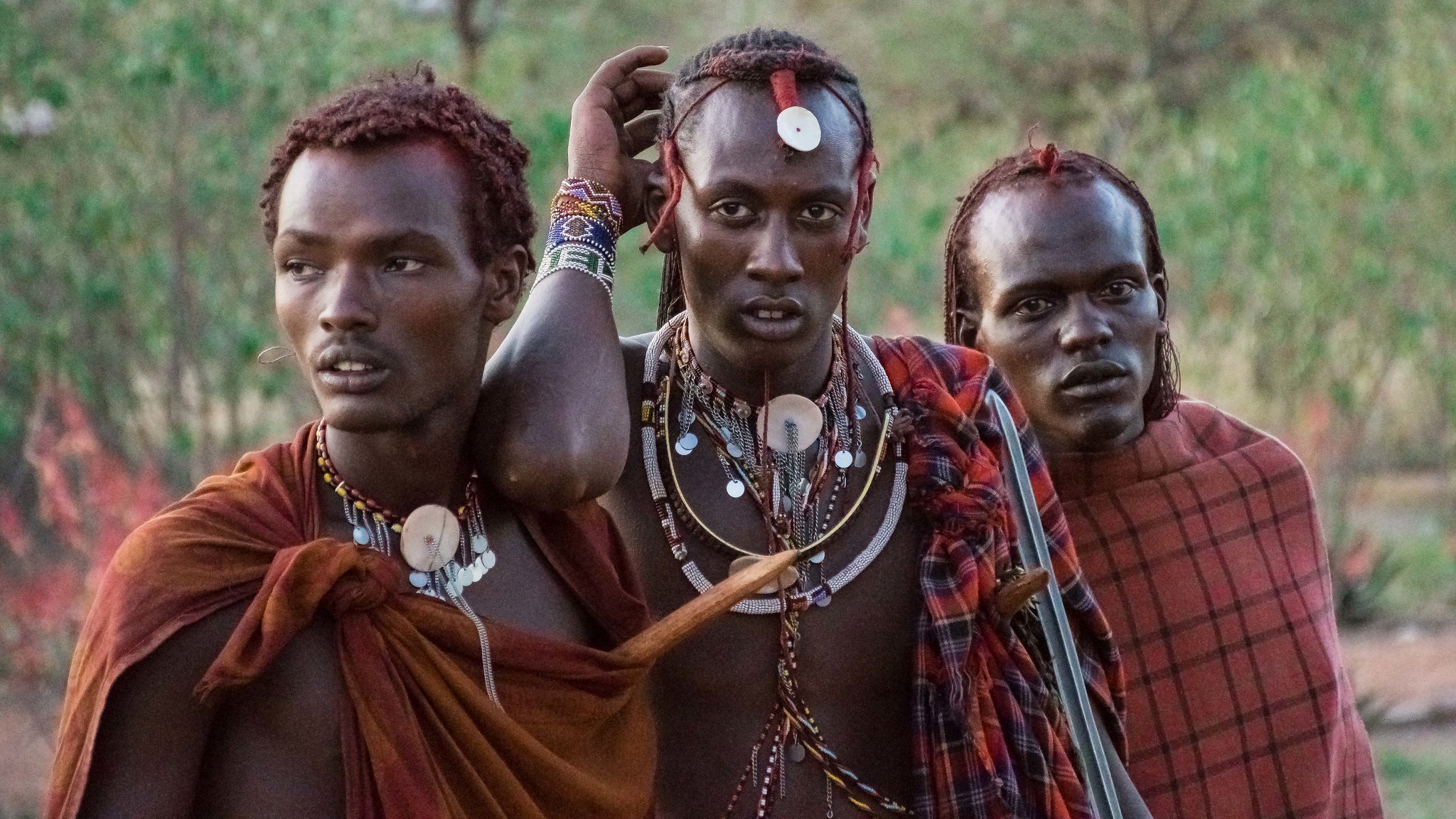
Cultural experiences can introduce communities living around the protected area, including aspects of Taita culture and other local traditions depending on route and partners.
Tsavo East and neighbouring Tsavo West form the core of one of Kenya's most important conservation landscapes. Because wildlife moves across large areas, relationships between parks and neighbouring communities are critical to long-term conservation.
Rather than simply adding a short village stop, a well-designed cultural safari helps visitors understand how people interact with one of Kenya's largest wildlife ecosystems — including railway history, oral traditions, crafts, music and human–wildlife coexistence.
Plan Your Cultural Safari
Village visits can introduce travelers to everyday life around Tsavo — farming, livestock, trade and tourism-related employment.
Taita cultural heritage and other local traditions may feature depending on the route and community partner.
Traditional food experiences, agricultural visits, crafts, music and dance, and oral history deepen exchanges beyond a hurried photo stop.
Tsavo's railway history offers another interpretive layer for guides and interested travelers.
Wildlife remains central: red elephants, predators and open-country game drives provide the foundation, while culture explains the human landscape beyond the fence.
Responsible tourism chooses partners where communities control presentations and benefit from fees and craft sales.
Tsavo cultural programmes vary by community partner — expect village life, heritage and conservation context beside big wilderness.
Meet hosts for conversation about household life, farming and how tourism shapes opportunities.
Where arranged, learn aspects of Taita traditions and identity in southeastern Kenya.
Taste local dishes, see agricultural livelihoods and purchase crafts directly from makers.
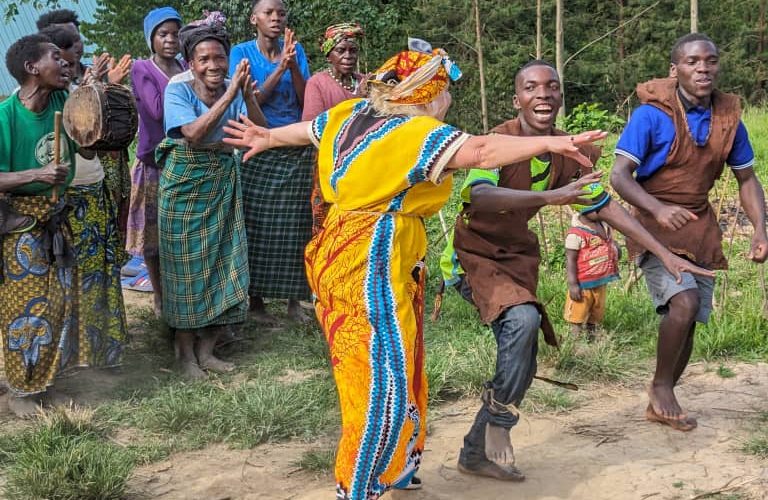
Performances and storytelling gain meaning when guides explain social context.
Tsavo's railway past and trade routes add historical depth to the wilderness narrative.

Discuss how communities live with elephants and other wildlife moving beyond park boundaries.
Tsavo East culture works well on Amboseli–Tsavo–coast itineraries and Mombasa safari gateways.
Wilderness mornings, community exchange later when heat rises.
Best for: 2–3 night stays
Combine both parks' landscapes with community heritage on a fuller Tsavo chapter.
Best for: Longer Tsavo stays

Link red-elephant country with Kilimanjaro views or Mombasa/Diani beach culture.
Best for: Southeast Kenya routes
Village visits and craft stops can engage children between long game drives.
Prepare families for heat, dust and respectful behaviour in community settings.
Ask for family-paced partners and clear photography guidelines.
Plan a Family Cultural Safari
Cultural visits are generally year-round; wildlife viewing and road conditions vary with rainfall.
Two or three nights in Tsavo East usually allow wildlife plus at least one cultural activity.
Cultural safaris from Mombasa work well for coast-based travelers wanting a wilderness-and-community day or overnight.
Combine with Tsavo West, Amboseli or the Kenya coast for a richer southeastern itinerary.
Adventure in the Wild Safaris can arrange community partners on Amboseli–Tsavo–coast routes.
Browse Kenya Safaris
Choose ethical community visits and remember villages are homes.
Responsible travel links guest experience to community benefit around a vast wildlife landscape.
Light neutral safari clothing; modest attire for village visits. Tsavo can be hot and dusty.
There is no need to imitate traditional dress.
Tsavo East is accessible from Nairobi, Amboseli routes and Mombasa / coast gateways.
Tell us whether you approach Tsavo from the coast or inland parks so we can place culture correctly.
Park lodges and edge camps can arrange neighbouring community experiences.
Tsavo East is a natural link between Amboseli, Tsavo West and Kenya's coast.
Pair culture with wildlife, birding and photography.
Community or village visits, heritage interpretation, crafts or food experiences and pairing with game drives — details vary by partner.
Two or three nights usually allow wildlife plus culture; coast day-trips are also possible with less depth.
Yes — Tsavo is a classic safari add-on from the coast, and culture can be included.
Yes — popular Amboseli and Tsavo East itineraries work well with cultural stops.
Yes when paced for heat and guided with clear photography etiquette.
Ready for a Richer Tsavo Safari?
Tell us your dates and whether you approach from Amboseli or the coast — Adventure in the Wild Safaris will build community visits into your Tsavo itinerary.

