
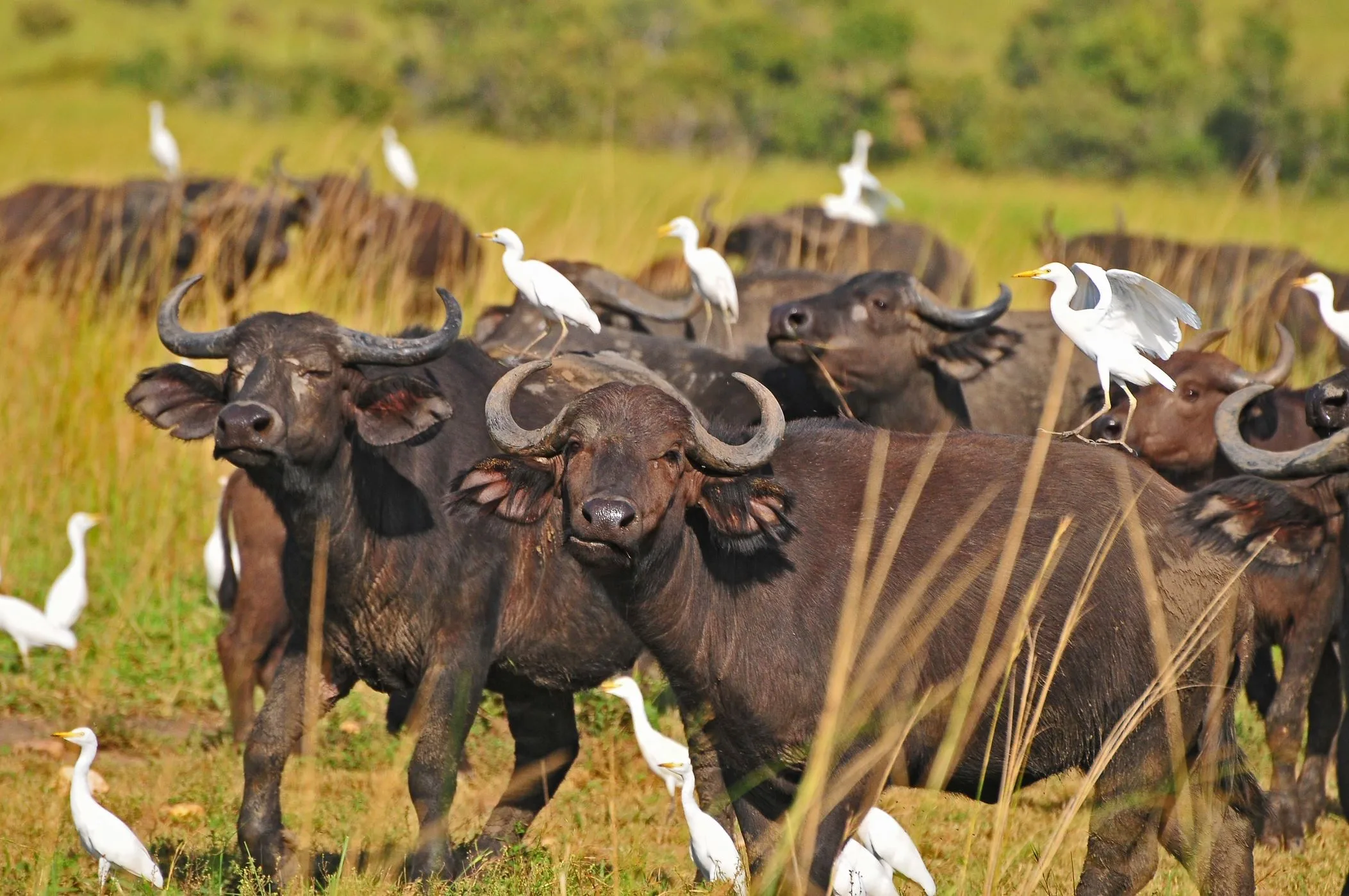
Birding Safari in Akagera National Park
An Akagera National Park birding safari takes you into one of Rwanda's richest and most varied birding environments, where open savannah, acacia woodland, rolling hills, lakes, seasonal pools and extensive papyrus wetlands support an extraordinary variety of species. Situated in eastern Rwanda along the border with Tanzania, Akagera offers a completely different birding experience from the montane forests of Nyungwe and Volcanoes National Parks.
- Location Akagera National Park, Rwanda
- Duration Half Day – Multi-Day
- Difficulty Easy to Moderate
- Best For Birdwatchers, Photographers & Nature Lovers
Birding in Akagera National Park
An Akagera National Park birding safari takes you into one of Rwanda's richest and most varied birding environments, where open savannah, acacia woodland, rolling hills, lakes, seasonal pools and extensive papyrus wetlands support an extraordinary variety of species. Situated in eastern Rwanda along the border with Tanzania, Akagera offers a completely different birding experience from the montane forests of Nyungwe and Volcanoes National Parks.
Almost 500 bird species have been documented in Akagera, making the park one of Rwanda's most important destinations for birdwatchers. Its importance comes not only from the number of species recorded but also from the remarkable variety of habitats accessible within a relatively compact protected area.
A day of birding can begin among dry savannah species before continuing through woodland, grassland and lakeshore habitats and ending beside a papyrus swamp filled with wetland specialists. For visitors planning a dedicated Rwanda birding safari, this habitat diversity makes Akagera an essential destination.
Akagera is particularly rewarding for birders interested in the Red-faced Barbet, papyrus specialists, waterbirds, raptors and East African savannah species. At the same time, birdwatchers frequently encounter Rwanda's larger mammals while searching for birds, making Akagera an excellent destination for travellers who want to combine serious birding with a traditional African wildlife safari.
Plan Your Rwanda Birding SafariWhy Go Birding in Akagera National Park?
What to Expect on a Akagera National Park Birding Safari
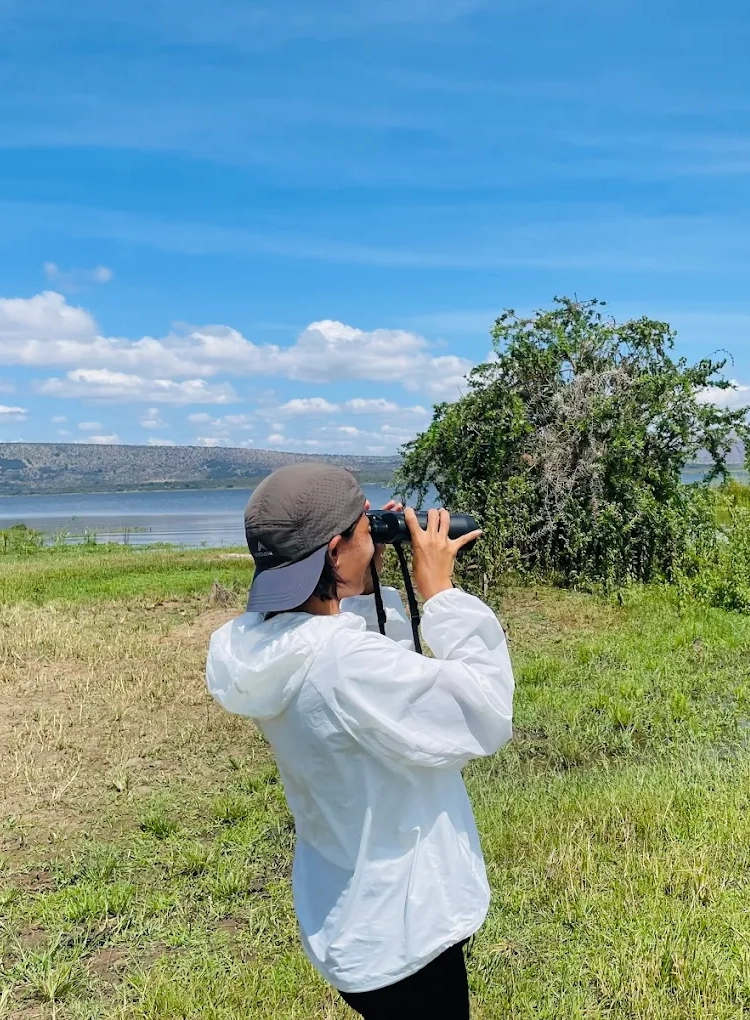
Although Akagera can be visited on a short safari from Kigali, serious birdwatchers should consider spending at least two or three days exploring the park.
One day provides an introduction, but it limits the amount of time available for different habitats.
Two days allow birders to combine productive savannah drives with wetland exploration and a Lake Ihema boat safari.
Three days provide a more relaxed experience and additional opportunities to return to productive areas or search for missed target species.
For highly specialised birding tours, Akagera can also form part of a longer Rwanda itinerary incorporating Nyungwe Forest, Volcanoes National Park and other important birding areas.
Your Birding Experience Can Include
- Professional birding or nature guide
- Early-morning birdwatching
- Bird identification assistance
- Habitat interpretation
- Bird photography opportunities
- Personalised searches for target species
What to Bring for Bird Watching in Akagera
Good binoculars are the most important piece of equipment for an Akagera National Park birding safari. Bird photographers should consider a telephoto lens suitable for photographing relatively small subjects from a vehicle or boat.
A Rwanda or East Africa bird field guide is useful, although travelling with an experienced specialist guide significantly improves identification and target-species searches.
Lightweight neutral-coloured clothing, a hat, sunscreen, drinking water and comfortable footwear are recommended. A light rain jacket is useful, particularly during wetter periods.
Akagera National Park
Learn more
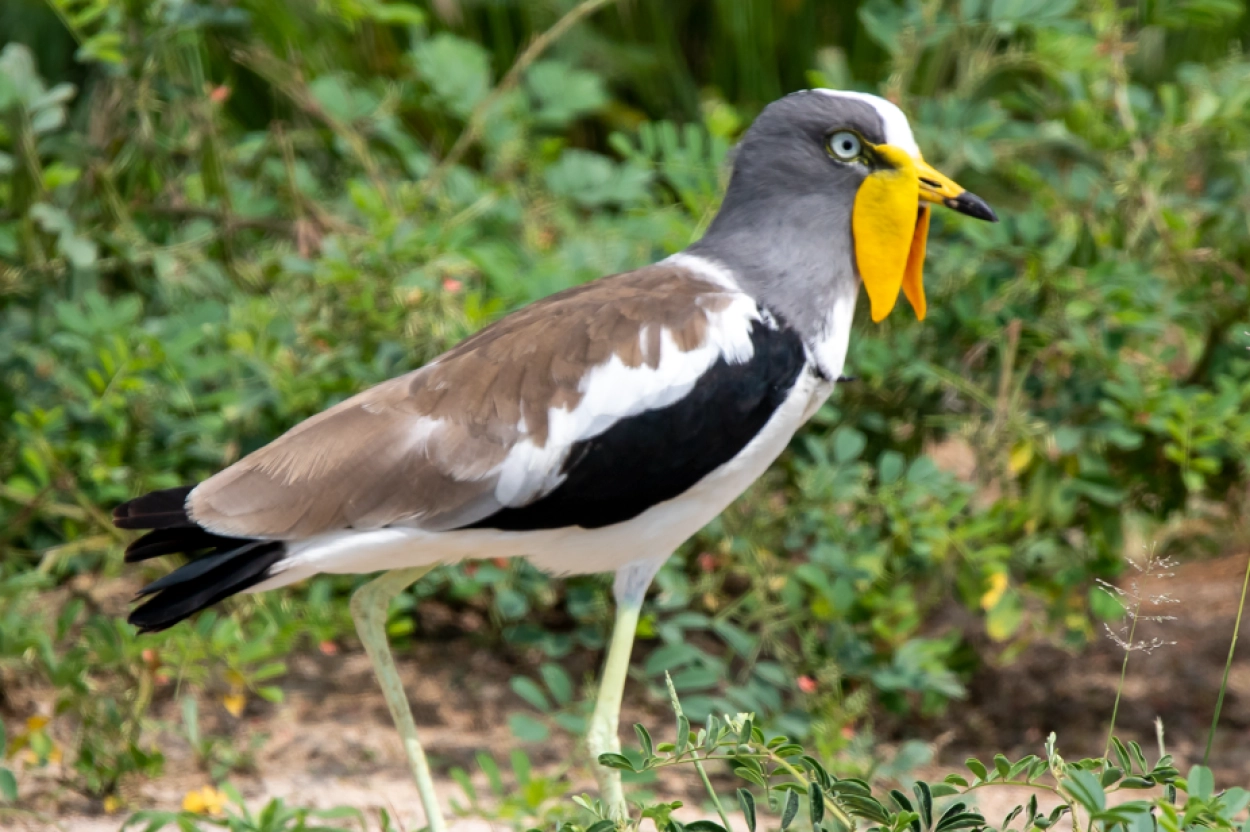
Resident Specialties
Search for regional specialties and commonly encountered birds around Akagera National Park.
Habitat
Local habitats
Best area
Akagera National Park
Status
Resident
Akagera National Park
Learn more
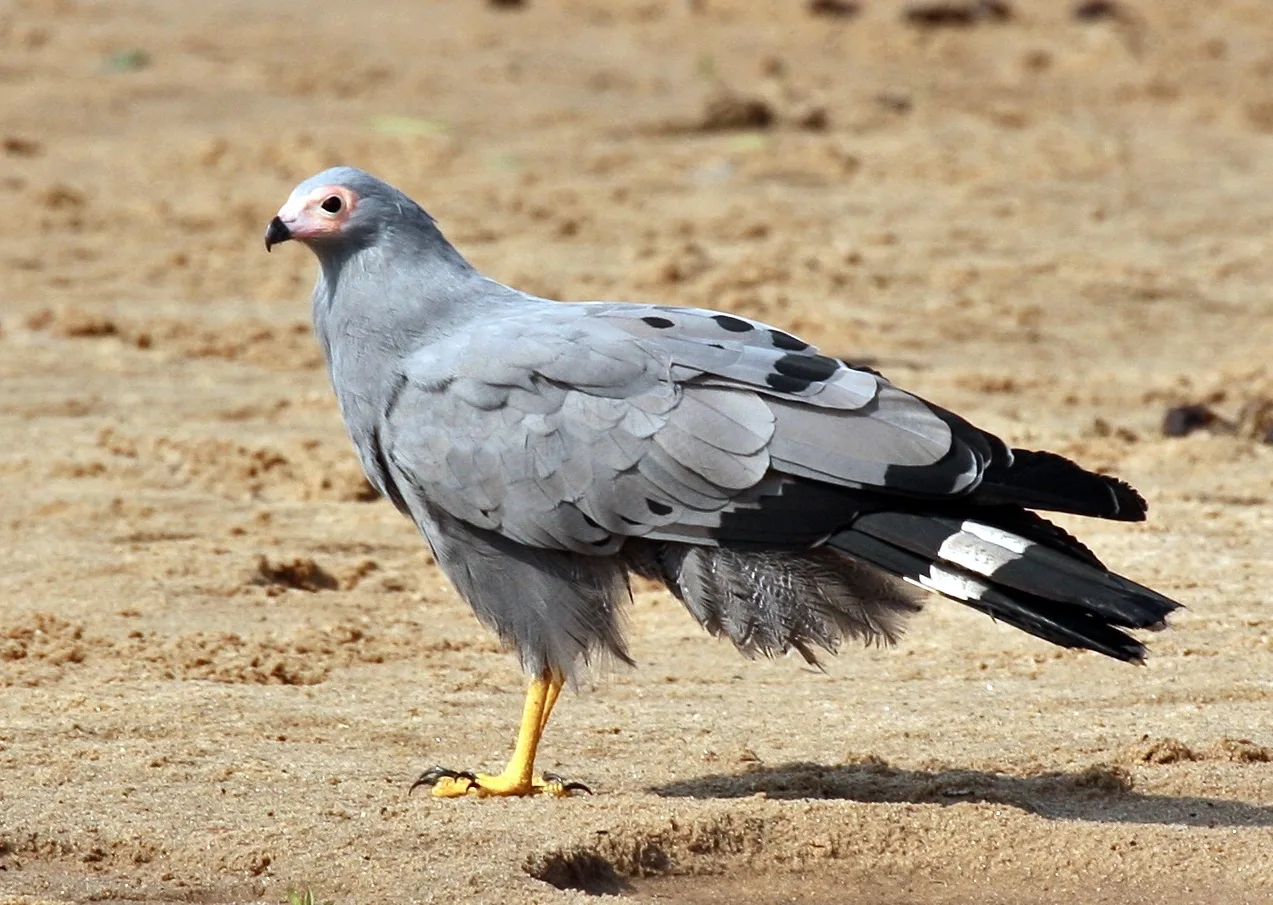
Raptors
Scan ridges, plains and wetland edges for eagles, buzzards and other birds of prey.
Habitat
Open skies
Best area
Akagera National Park
Status
Resident / Seasonal
Akagera National Park
Learn more
Waterbirds
Where wetlands or shorelines occur, expect ducks, herons, egrets, waders and other water-associated species.
Habitat
Wetlands & water
Best area
Akagera National Park
Status
Resident / Seasonal
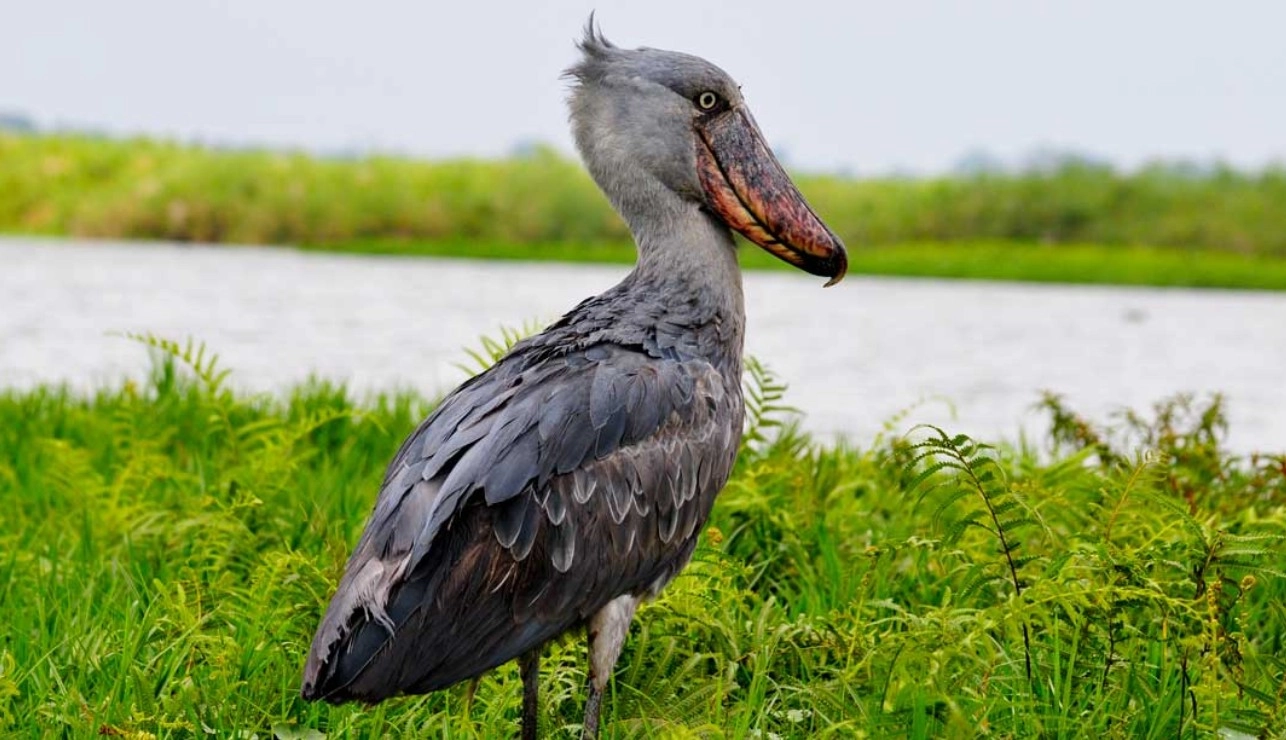
Best Birding Areas in Akagera National Park
A good birding itinerary around Akagera National Park should include several environments rather than concentrating on a single site.
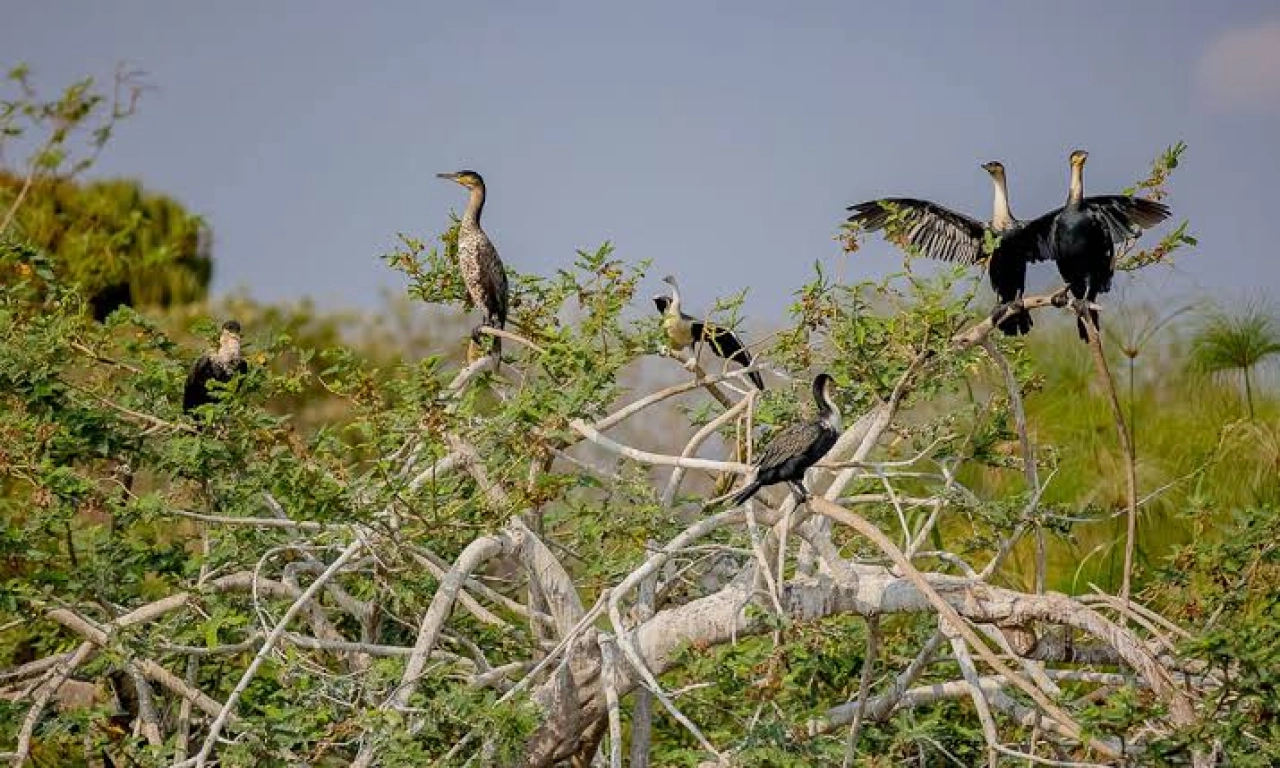
Akagera National Park Birding Safari
An Akagera National Park birding safari takes you into one of Rwanda's richest and most varied birding environments, where open savannah, acacia woodland, rolling hills, lakes, seasonal pools and extensive papyrus wetlands support an extraordinary variety of species. Situated in eastern Rwanda along the border with Tanzania, Akagera offers a completely different birding experience from the montane forests of Nyungwe and Volcanoes National Parks.
Best for: Birdwatchers exploring Akagera National Park.

Birds of Akagera National Park
The bird checklist of Akagera is extensive, so the species encountered vary considerably according to habitat, season, rainfall and the amount of time spent birding. One of the most desirable species is the Red-faced Barbet, a range-restricted bird that is particularly associated with the region around Rwanda, Tanzania and neighbouring areas.
Best for: Birdwatchers exploring Akagera National Park.
Searching for the Red-faced Barbet
For serious birders, the Red-faced Barbet can be one of the primary targets of an Akagera safari. This colourful barbet is geographically restricted and consequently attracts birdwatchers travelling through East Africa specifically to add range-restricted species to their life lists.
Best for: Exploring Akagera National Park.
Papyrus Birds and Wetland
Akagera's wetlands provide one of the most distinctive components of the birding experience. African Parks describes Akagera as Central Africa's largest protected wetland, while the park contains extensive swamp-fringed lakes alongside its plains and highlands.
Best for: Birdwatchers exploring Akagera National Park.
Birding on Lake Ihema
A Lake Ihema boat safari adds another dimension to birding in Akagera National Park. Instead of observing wetlands only from roads and viewpoints, a boat excursion provides access to lakeshore environments and allows birders to watch waterbirds from a different perspective.
Best for: Birdwatchers exploring Akagera National Park.
Savannah and Woodland
Away from the wetlands, Akagera changes dramatically. Open grasslands, wooded savannah and rolling hills provide habitat for numerous birds typical of East African savannah ecosystems.
Best for: Birdwatchers exploring Akagera National Park.
Birding Habitats of Akagera National Park
Understanding habitats makes birdwatching much more productive.
Woodland & Forest Edges
Listen for calls and watch canopy and understory movement along forest and woodland edges.
Open Country
Greater visibility supports raptor watching and terrestrial species.
Wetlands
Water attracts waterbirds and can be especially rewarding for photography.
Habitat Edges
Edges between habitats often concentrate bird activity.
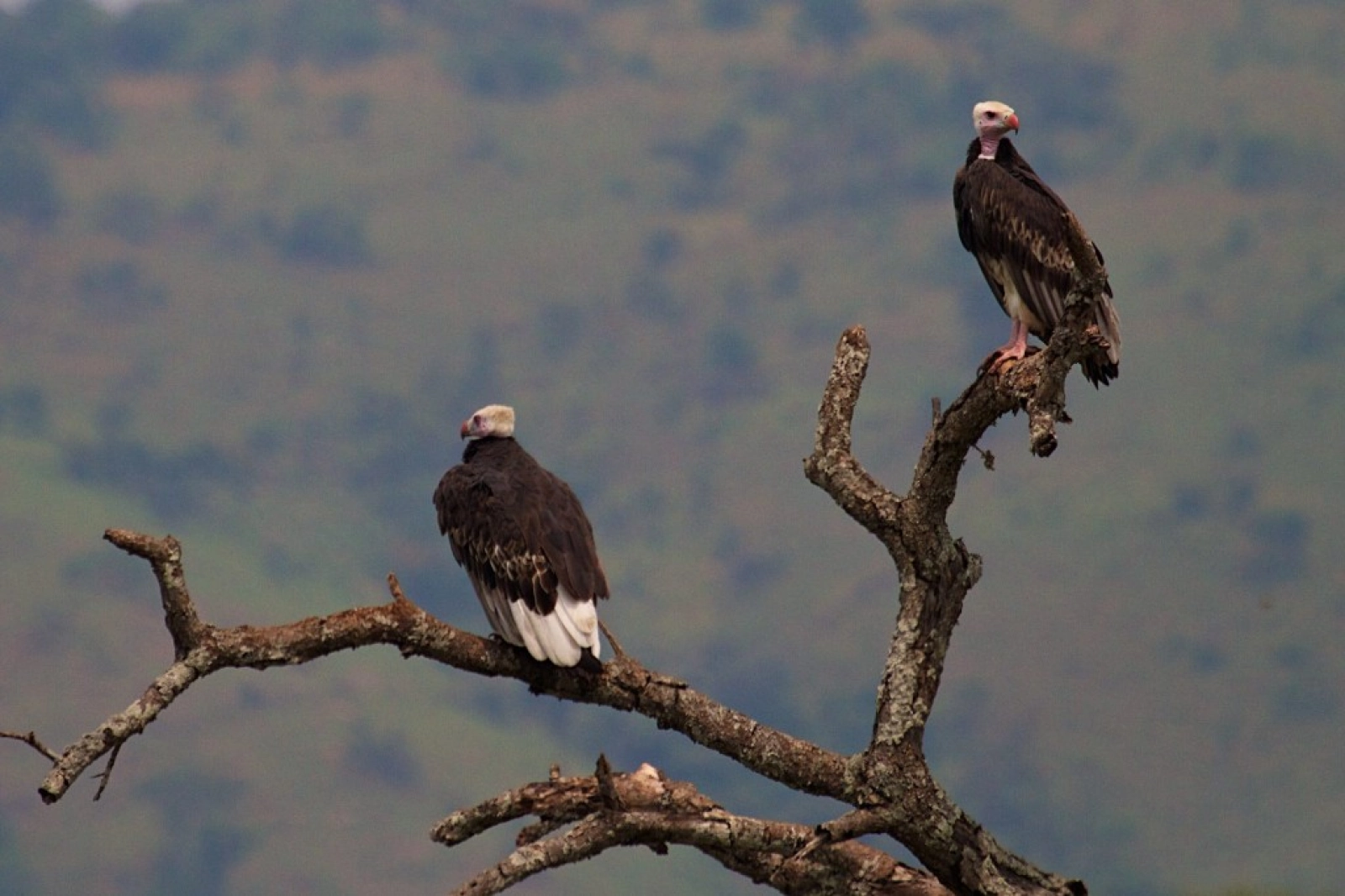
Best Time for Birding in Akagera National Park
Akagera can be visited for birdwatching throughout the year.
The most suitable period depends partly on what a visitor wants from the safari. Resident birds provide excellent birding across seasons, while seasonal movements and migrant species can alter the composition of the park's birdlife.
- Year-round Birdwatching is possible throughout the year; seasonal conditions change which species are most active.
- Migration periods Migrants can increase diversity during certain months — ask us about your target species before booking.
- After the rains Rainfall can refresh habitats and boost breeding activity and wetland productivity.
- Drier months Drier conditions may improve road access and visibility for open-country scanning and photography.
Half-Day vs Full-Day Birding Tours
Akagera National Park birding can be arranged to match your available time.
Half-Day Birding Safari — An early start concentrating on one or two productive habitats near your base. Ideal for stopovers and travellers with limited time.
Full-Day Birding Safari — More time to explore different elevations or habitat types and build a stronger day list.
Adventure in the Wild Safaris can arrange private birding guides and connect Akagera National Park with a wider Rwanda itinerary.
Adventure in the Wild Safaris can arrange private birding guides and connect Akagera National Park with a wider Rwanda itinerary.
Enquire About a Private Birding Tour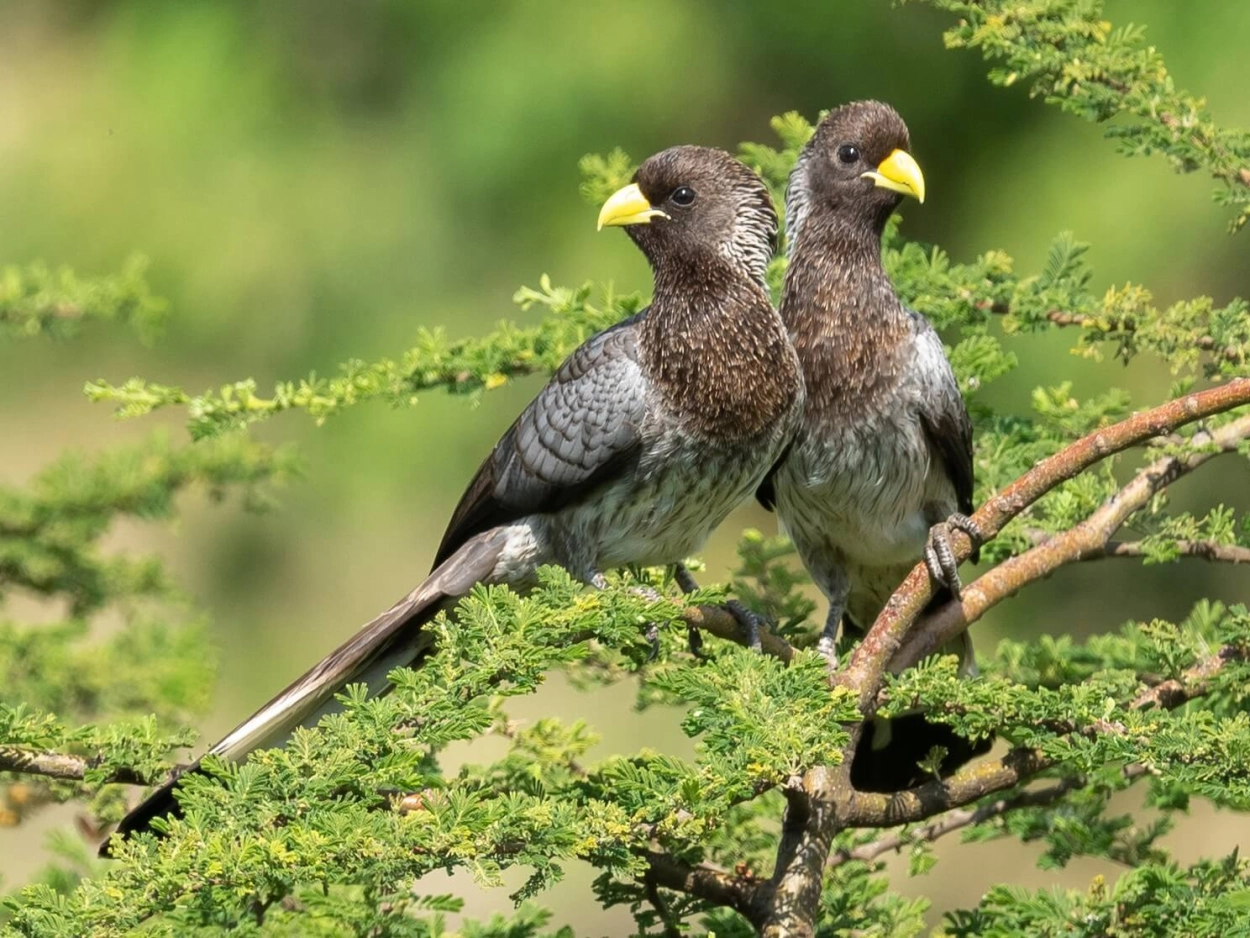
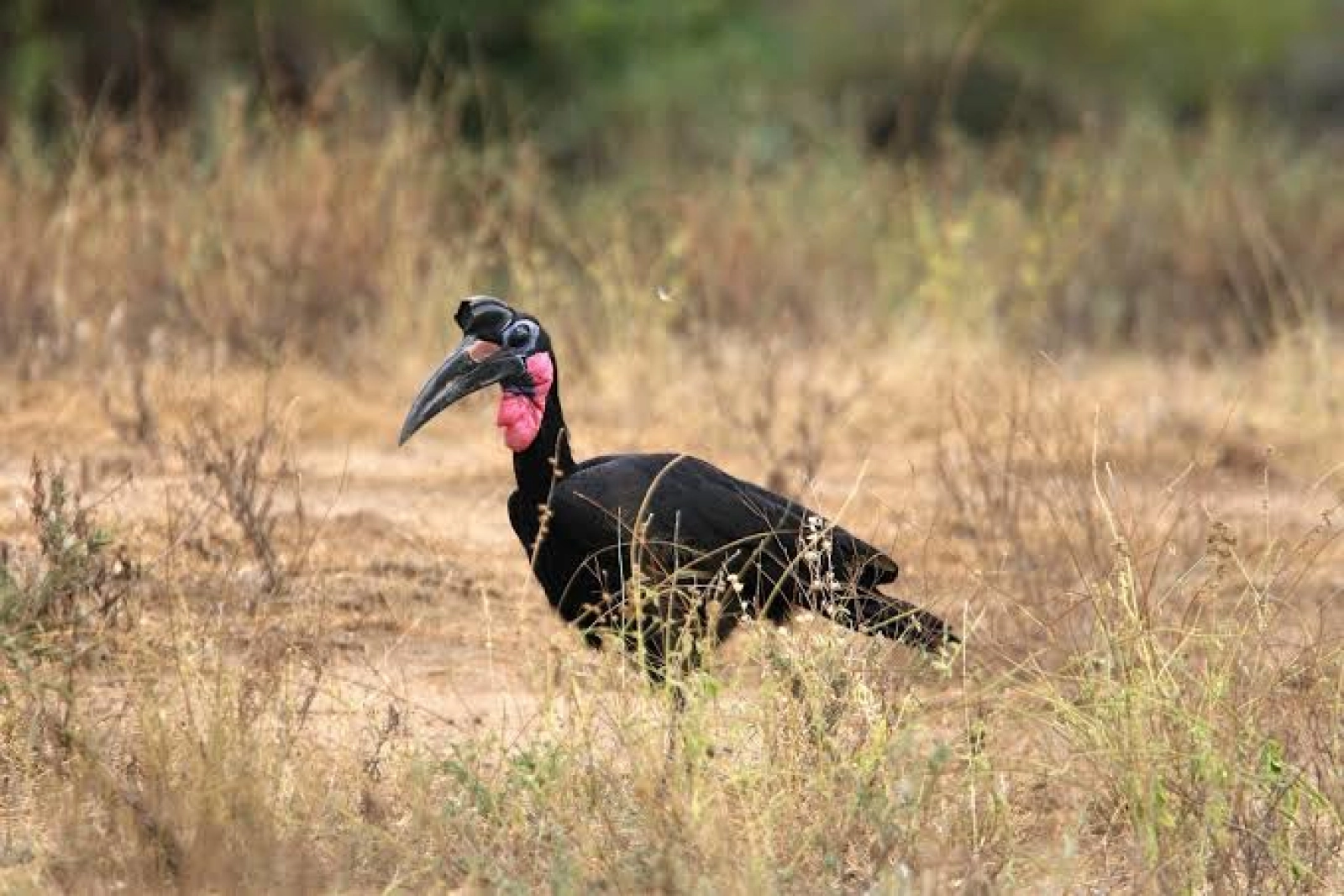
Photography on an Akagera Birding Safari
Akagera can be extremely rewarding for bird photographers because many habitats are relatively open.
Savannah species frequently perch where they can be photographed clearly, while wetlands provide opportunities for flight photography and behavioural images.
- Carry a telephoto lens where possible
- Keep spare batteries ready
- Avoid disturbing birds for photographs
- Photograph during softer morning light
- Allow time for positioning and waiting
- Always place wildlife welfare ahead of the photograph
Responsible birdwatching helps protect the very habitats and species visitors have travelled to experience.
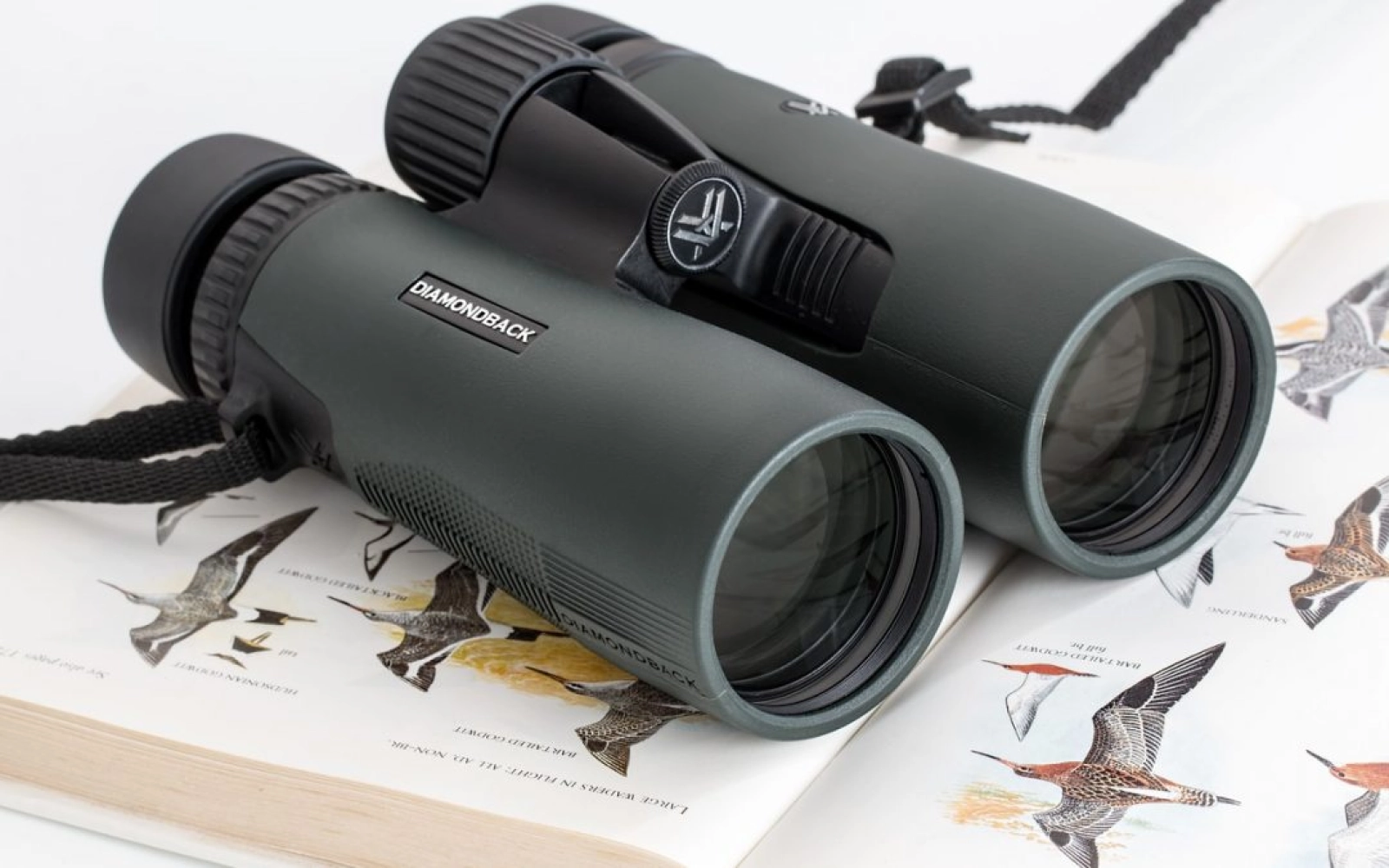
What to Pack for a Akagera National Park Birding Safari
Essential birding equipment makes a major difference in Akagera National Park.
- Quality binoculars
- Regional bird field guide or app
- Camera with telephoto lens
- Spare batteries
- Memory cards
- Neutral-coloured clothing
- Sun hat
- Sunscreen
- Refillable water bottle
- Small daypack
- Light jacket
- Comfortable walking shoes
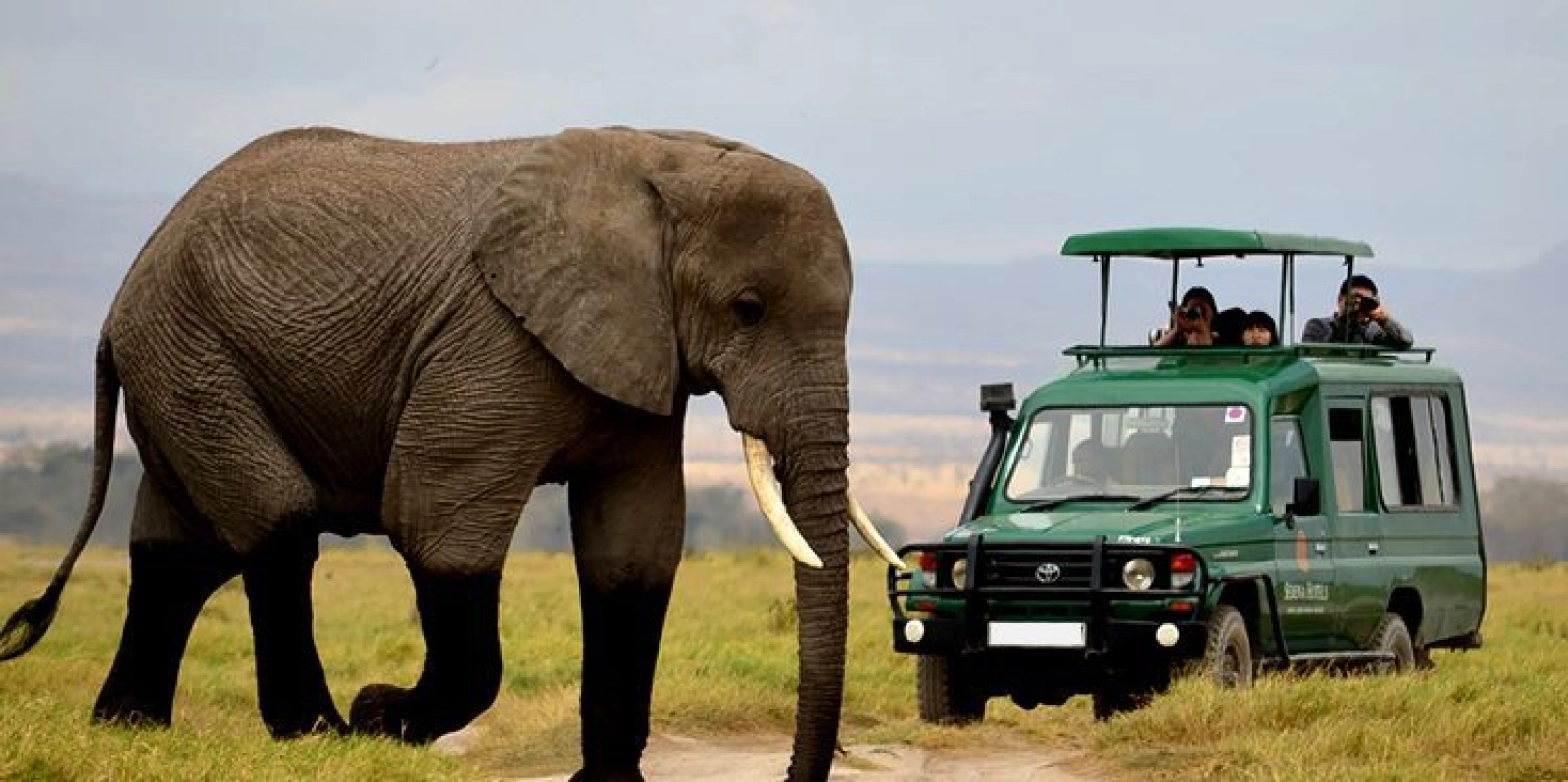
How to Reach Akagera National Park
Akagera National Park is incorporated into privately guided Rwanda journeys.
- Gateway Access Akagera National Park is reached as part of a wider Rwanda itinerary. We arrange private transfers timed for early birding starts.
- Private Guided Tour Adventure in the Wild Safaris can arrange specialist birding guides and logistics around Akagera National Park.
- Combined Itineraries Birding days can be placed at the start or end of a longer Rwanda safari.

Where to Stay for a Akagera National Park Birding Safari
Choose accommodation that supports early starts for birding around Akagera National Park.
- Budget Good-value options suitable for travellers focused on time in the field.
- Mid-Range Comfortable lodges or hotels with reliable service and convenient access for early pick-ups.
- Luxury Higher-end properties combining comfort with easy logistics for private birding guides.
- Birding-Friendly Base Prefer properties with gardens, natural surroundings or easy early-morning departures.
Combine Akagera with Other Rwanda Birding Destinations
Akagera and Nyungwe complement each other exceptionally well — savannah, lakes and papyrus in the east, montane forest specialties in the southwest. Add Volcanoes, Lake Kivu or Kigali to round out a Rwanda birding circuit.
Other Experiences
Pair Akagera birding with boat safaris, game drives, walking and photography in the same park.

Frequently Asked Questions About Birding in Akagera National Park
Is Akagera National Park good for bird watching?
Yes. Akagera National Park offers productive habitats for both casual and dedicated birders.
Do I need a specialist birding guide?
A specialist guide greatly improves identification, especially for calls, habitat preferences and target species.
What is the best time of day for birding?
Early morning is generally best; late afternoon can also be productive.
Should I bring binoculars?
Yes. Binoculars are essential for any birding safari.
Can I combine birding with other safari activities?
Absolutely. Akagera National Park birding can be combined with other Rwanda destinations and experiences.
Include Birding in Your Rwanda Safari
Plan Your Akagera National Park Birding Experience
An Akagera National Park birding safari is one of the finest ways to experience the ecological diversity of eastern Rwanda. Few destinations combine open savannah, woodland, papyrus swamps, lakes, large mammals and almost 500 documented bird species within such an accessible landscape. Whether your priority is finding the Red-faced Barbet, searching papyrus wetlands for specialist species, photographing colourful savannah birds, taking a birding boat safari on Lake Ihema or combining birdwatching with Rwanda's Big Five, Akagera offers an exceptionally varied safari. For dedicated birders, we recommend allowing enough time to explore both the northern and southern sections of the park rather than treating Akagera as a quick wildlife excursion. A carefully planned itinerary with an experienced birding guide greatly increases the opportunity to identify target species while still enjoying the park's spectacular scenery and mammals. Your Akagera birding experience can also be incorporated into a longer Rwanda bird watching safari, combining Akagera with Nyungwe National Park, Volcanoes National Park, Kigali wetlands and other productive birding locations. Whether you are an experienced birder building an African life list, a wildlife photographer looking for outstanding subjects or a first-time visitor interested in discovering Rwanda's remarkable birdlife, Akagera National Park deserves a prominent place on your Rwanda safari itinerary.
- Trusted Local Experts
- Tailor-Made Itineraries
- Memorable & Responsible Travel