Skip to content
+256775218880 / +256753750983 info@gorillaugandasafaris.com

Cultural Safari in Akagera National Park

An Akagera National Park cultural safari combines Rwanda's premier savannah wildlife experience with opportunities to understand the communities, farming traditions and everyday life surrounding the protected area — showing how wildlife conservation in Rwanda relates to people living near park boundaries.

  • Location Akagera National Park, Rwanda
  • Duration Half Day to 2–3 Nights+
  • Difficulty Easy
  • Best For All Ages / Families
  • Focus Culture, Cattle & Conservation

Cultural Safari in Akagera National Park

An Akagera National Park cultural safari combines Rwanda's premier savannah wildlife experience with opportunities to understand the communities, farming traditions and everyday life surrounding the protected area. Located in eastern Rwanda close to the Tanzanian border, Akagera National Park is best known for game drives, wetlands, lakes and opportunities to see iconic African wildlife.

Yet wildlife is only one part of the wider Akagera landscape. Communities living around the park cultivate crops, raise livestock, operate small businesses and participate in tourism and conservation-related activities. Through responsibly organized cultural experiences, visitors can learn how local livelihoods have evolved alongside one of Rwanda's most important conservation areas.

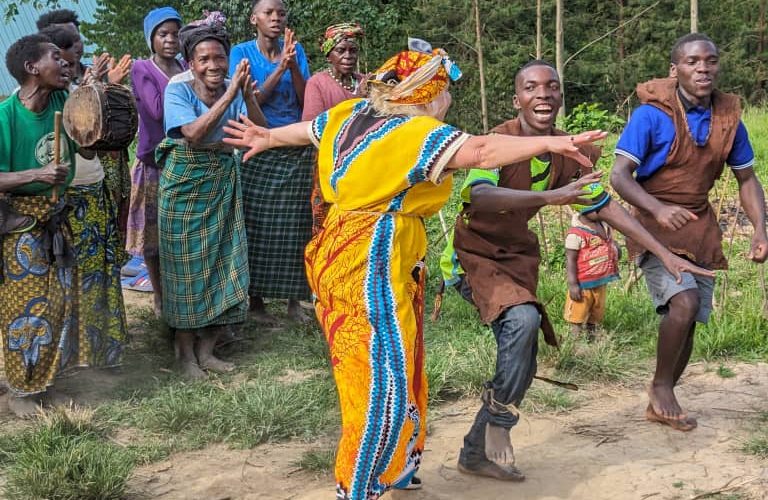
A cultural safari is particularly worthwhile for travelers who want to understand how wildlife conservation in Rwanda relates to people living near protected areas. Activities can include community walks, cattle-related experiences, traditional food, local farming, craft-making and storytelling depending on the program available.

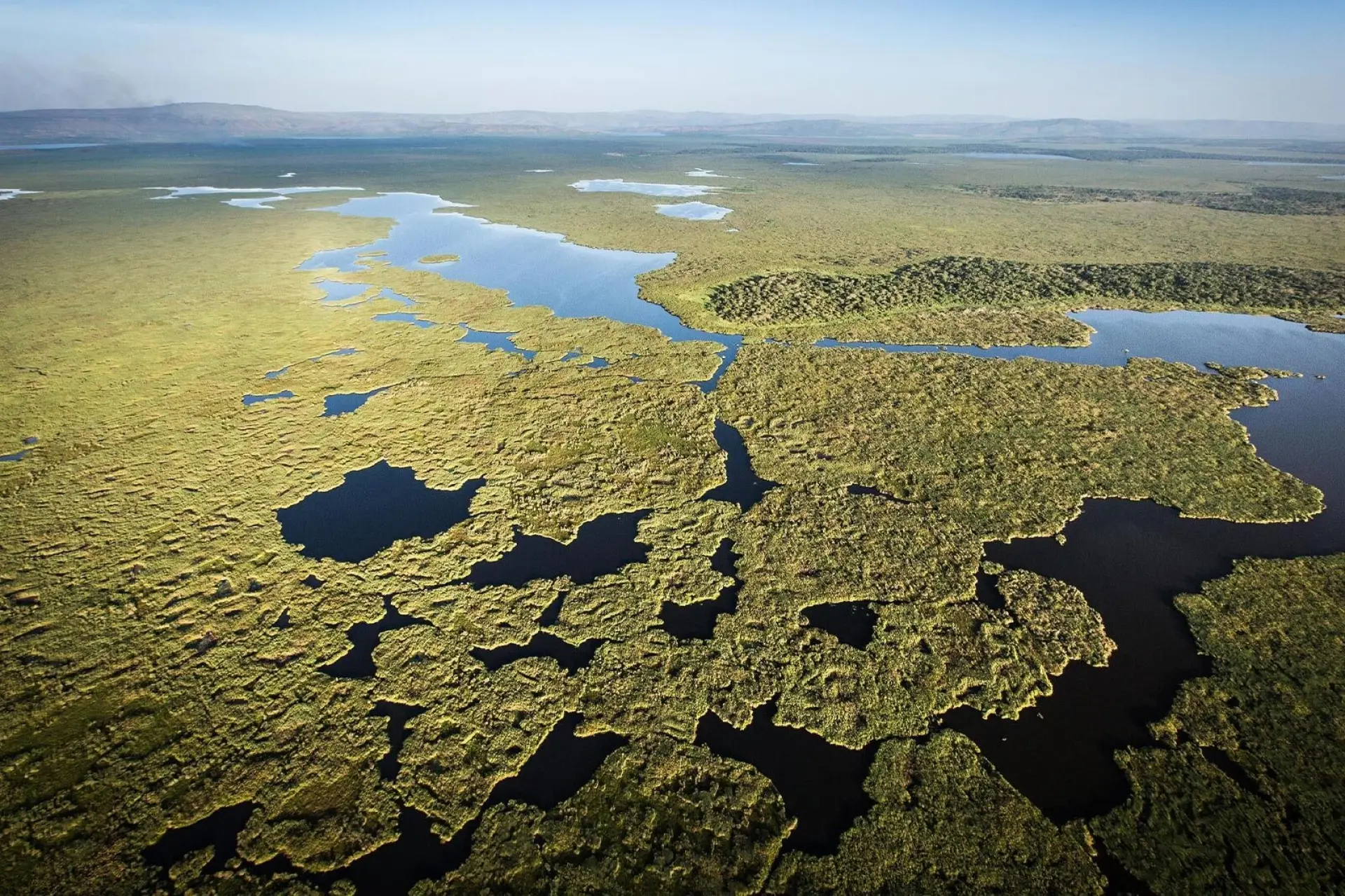
Akagera lies in eastern Rwanda and contains a landscape dramatically different from the country's famous mountain regions. Savannah, woodland, wetlands, lakes and rolling hills create habitat for a wide diversity of wildlife. Travelers commonly visit for Akagera game drives and boat safaris. The park is also an important example of wildlife restoration and modern conservation — yet understanding Akagera fully requires looking beyond park boundaries to the communities that form part of the wider ecological and economic landscape.

Plan Your Cultural Safari

Why Add Culture to an Akagera Safari?

Meet Living Culture

A conventional safari may involve several hours inside a 4x4 searching for animals. Cultural activities introduce another perspective — meeting people whose daily lives are influenced by agriculture, livestock, tourism and proximity to wildlife.

Community Tourism

Local guides, artisans, farmers and community groups may earn income through organized visitor experiences, distributing tourism revenue outside lodges and park operations.

Cattle Culture

Cattle occupy an important place in Rwandan history. Experiences around Akagera can introduce milking, cattle keeping and the social importance of livestock beyond economics alone.

Farming & Food

Visit farms, learn about seasonal crops in eastern Rwanda, and connect lodge meals with the people who produce bananas, grains, vegetables and other staples.

Imigongo & Baskets

Eastern Rwanda is strongly associated with Imigongo geometric art and skilled basket weaving — purchasing directly from artisans supports creative livelihoods.

Conservation Context

A cultural safari near Akagera provides context for why successful protected areas need positive relationships with neighboring communities facing human–wildlife realities.

Community Visits & What to Expect

Community tourism around Akagera can create direct economic benefits from safari travel. For travelers, community-led tourism also creates opportunities for genuine interaction — instead of learning only through wildlife guides, visitors hear directly from local residents.

The best experiences are structured but conversational. Visitors may learn about milking, cattle keeping or dairy products depending on the program. Cattle are more than economic assets; they have historically been connected to prestige, family life and social relationships.

Some community programs may demonstrate traditional milking techniques. These activities should be community-led, and visitors should follow instructions carefully around animals. For families, cattle experiences can be particularly engaging because they offer direct participation rather than passive observation.

A Rwanda cultural safari may include farm visits, traditional food experiences, banana-based traditions, Imigongo workshops, basket weaving and storytelling about conservation and everyday life. Ask permission before photographing community members — children require particular sensitivity.

Typical Cultural Activities

  • Guided community walks near the park
  • Cattle culture and traditional milking experiences
  • Farm visits and agricultural conversations
  • Traditional Rwandan food experiences
  • Banana cultivation or preparation (where offered)
  • Imigongo art workshops or craft centres
  • Basket weaving demonstrations and craft purchases
  • Storytelling on conservation and community life
Plan a Cultural Day near Akagera

Cultural Experiences Around Akagera

An Akagera cultural safari can include several complementary experiences. Exact programmes vary by community partner — responsible arrangements emphasise genuine interaction over hurried tourist performances.

Akagera National Park

Community Tourism Around Akagera

Local guides, artisans, farmers and community groups may earn income through organized visitor experiences. This helps distribute tourism revenue outside lodges and park operations while creating genuine conversation with residents.

Setting Community partners
Where Villages near Akagera
Timing Structured but conversational
Ask to include this
Community Tourism Around Akagera
Akagera National Park

Cattle Culture

Cattle occupy an important place in Rwandan history and culture. Experiences can introduce traditional practices, milking and the social importance of livestock — prestige, family life and relationships beyond economics alone.

Setting Pastoral households
Where Eastern Rwanda communities
Timing Strong cultural context
Ask to include this
Cattle Culture
Akagera National Park

Traditional Milking Experiences

Some programs demonstrate traditional milking techniques and how dairy products are culturally important. Activities should be community-led; follow instructions carefully around animals. Especially engaging for families.

Setting Cattle bomas / farms
Where Community partners
Timing Family-friendly when offered
Ask to include this
Traditional Milking Experiences
Akagera National Park

Farming Communities

Agriculture supports many households. Guides can explain seasonal cycles, land use and household food production. Travelers may see bananas, grains, vegetables or other crops depending on location and season.

Setting Smallholder farms
Where Eastern Rwanda
Timing Links food to people
Ask to include this
Farming Communities
Akagera National Park

Traditional Food & Banana Traditions

Learn how local ingredients are prepared or join an organized meal. Bananas play an important role — cooking, eating fresh or preparing traditional beverages — creating an excellent link between agriculture and culinary culture.

Setting Homesteads & kitchens
Where Community partners
Timing Advise dietary needs
Ask to include this
Traditional Food & Banana Traditions
Akagera National Park

Imigongo Art

Imigongo is a distinctive decorative tradition strongly associated with eastern Rwanda. Geometric patterns and bold designs make it one of Rwanda's recognizable visual art forms. Workshop visits and direct purchases support artisans.

Setting Workshops & craft centres
Where Eastern Rwanda
Timing Signature eastern craft
Ask to include this
Imigongo Art
Akagera National Park

Basket Weaving and Crafts

Rwandan basket weaving is another well-known craft tradition. Demonstrations reveal how much time and skill go into a finished piece. Baskets and handmade products make excellent souvenirs while supporting local enterprises.

Setting Craft cooperatives
Where Community partners
Timing Ideal for souvenirs
Ask to include this
Basket Weaving and Crafts
Akagera National Park

Storytelling & Human–Wildlife Relationships

Guides and community members share perspectives on conservation, crop damage, livestock concerns and tourism benefits. Animals do not understand park boundaries — understanding conflict and benefit-sharing gives travelers a more realistic view of conservation.

Setting Community conversations
Where Park edges
Timing Essential conservation context
Ask to include this
Storytelling & Human–Wildlife Relationships
Ask Us to Arrange These Experiences

Combining Culture with Akagera Wildlife

Akagera remains first and foremost an outstanding wildlife destination. A cultural itinerary should retain adequate time for game drives, boat safaris and birding.

Game Drives + Community Time

Game Drives + Community Time

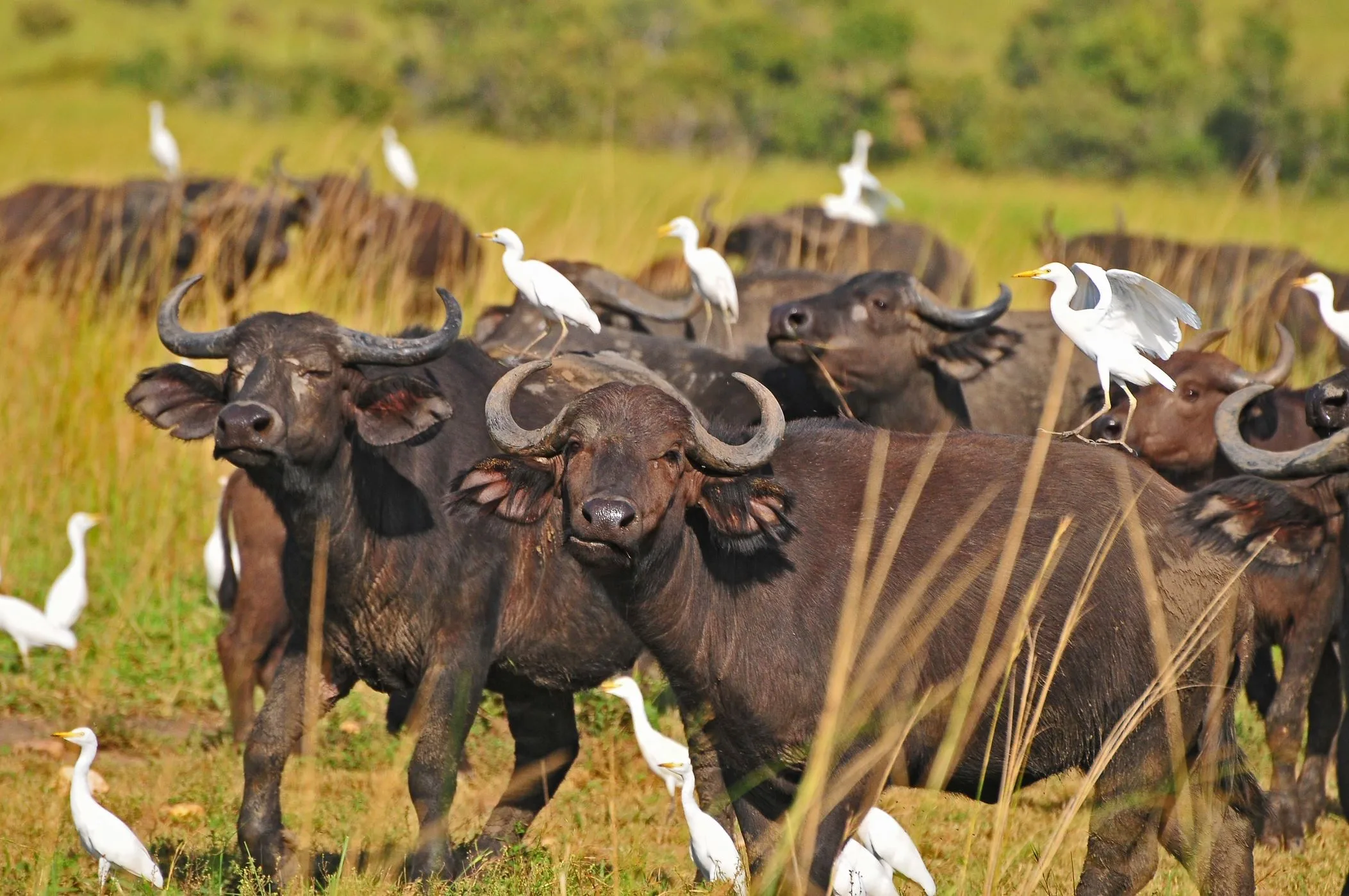
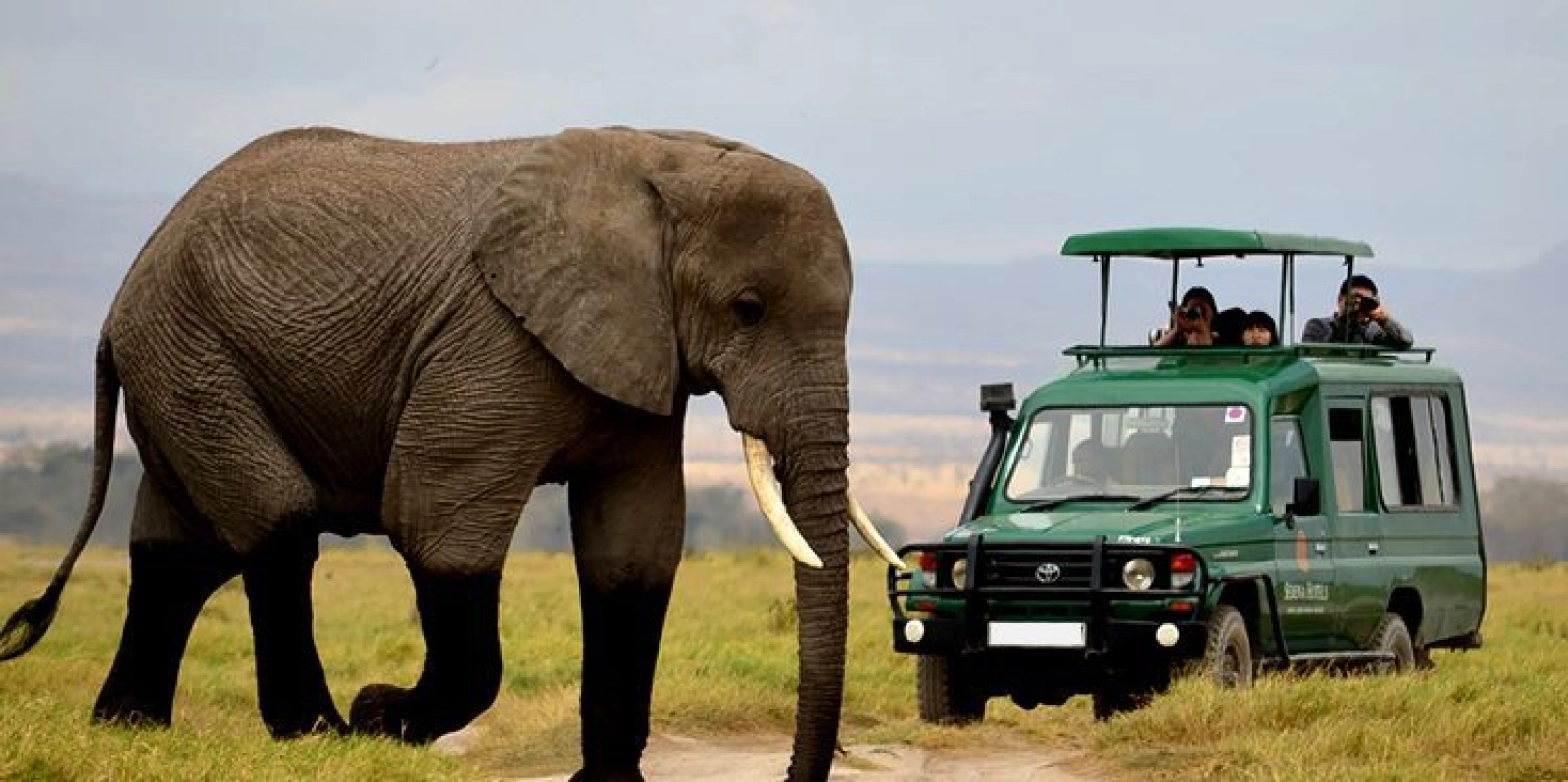
Search for elephants, buffaloes, giraffes, antelopes, zebras and predators on game drives, then meet neighbouring communities for cattle, crafts or farming experiences.

Best for: Classic 2–3 night stays

Boat Safari on Lake Ihema

Boat Safari on Lake Ihema

Wetland environments support hippos, crocodiles and numerous birds. Combining a boat trip with community activities demonstrates the park's variety — wildlife from land and water, then life beyond the boundary.

Best for: Mixed itineraries

Birding + Culture

Birding + Culture

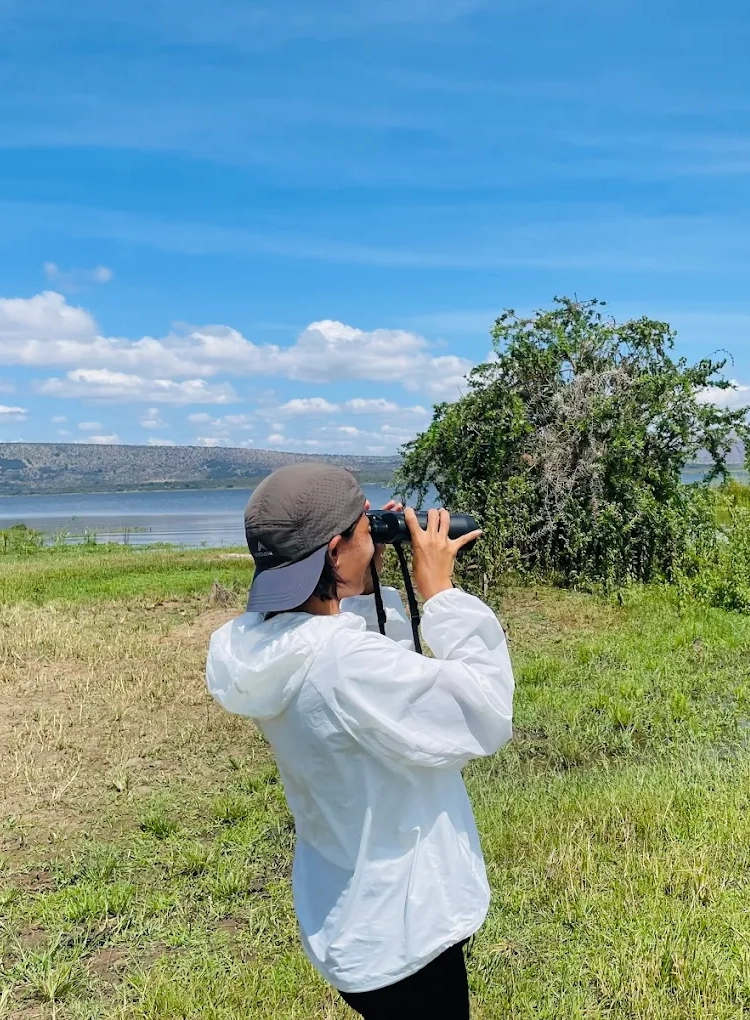
Wetlands, woodland and savannah support numerous species. Birdwatchers can combine wildlife observation with cultural activities — especially appealing on two- or three-night stays.

Best for: Birders & photographers

Cultural Safari for Families

Akagera is one of Rwanda's best destinations for families. Wildlife viewing is accessible by vehicle, while cultural activities provide educational variety.

Children may particularly enjoy cattle, crafts and farming experiences. Parents should encourage respectful behavior and explain why handing out sweets or money directly to children is discouraged.

Couples and honeymooners can combine private game drives with cultural activities — a Rwanda honeymoon safari becomes more meaningful when travelers interact with local communities rather than spending the entire journey inside luxury lodges.

Ask your safari planner for family-friendly community visits with clear photography and gift guidelines.

Plan a Family Cultural Safari

Best Time for Akagera Cultural Safaris

Cultural activities can be included throughout much of the year. The best travel period depends on wildlife preferences, weather and the broader Rwanda itinerary.

Rwanda can experience seasonal rainfall — prepare for variable conditions. Community activities may sometimes be adjusted according to farming schedules or weather.

  • Drier periods Often easier for road access, outdoor community visits and comfortable game drives.
  • Greener / wetter months Attractive landscapes and strong birding; some tracks may be slower after rain.
  • Farming calendars Community activities may shift with planting, harvest or livestock schedules — build flexibility into the day.

How Long & How to Plan

Two or three nights around Akagera provides a good balance. A one-night visit can feel rushed.

With additional time, travelers can enjoy game drives, a boat safari and cultural experiences. Longer stays are valuable for birdwatchers and photographers.

Allow enough time for conversation rather than treating culture as a quick stop. Tell your safari planner how deeply you want to engage — cattle experiences, crafts, food or conservation discussions.

Support local producers. Ask questions about agriculture, conservation and everyday life. Then continue toward Kigali, Volcanoes National Park, Lake Kivu or Nyungwe National Park.

Adventure in the Wild Safaris can match you with community partners where fees and craft purchases support residents directly.

Browse Rwanda Safaris

Responsible Cultural Tourism & Photography

Use recognized community programs. Responsible tourism creates economic value while protecting community dignity.

  • Pay established fees and purchase products directly from artisans.
  • Avoid random donations; coordinate support through established community channels.
  • Do not enter homes without invitation; respect local customs.
  • Ask permission before photographing community members — children require particular sensitivity.
  • Do not assume organized tourism means unrestricted photography.
  • Photograph people in ways that convey dignity rather than reinforcing stereotypes about rural Africa.
  • A guide can help facilitate communication around photography and gifts.

When visitors wish to support schools or community initiatives, contributions are generally better coordinated through established projects or community representatives.

What to Wear

Comfortable safari clothing is appropriate for community activities around Akagera.

  • Lightweight trousers, shirts and walking shoes
  • Modest clothing for community visits
  • Sunscreen, hat, insect repellent and drinking water
  • A light rain jacket depending on season

Dress respectfully while allowing local people to present their culture on their own terms.

Getting to Akagera

Kigali is the main gateway to Akagera. Most cultural visits are arranged from lodges and camps near the park.

  • From Kigali Overland transfers from Kigali typically take several hours depending on traffic and road conditions. Many travelers begin with a Kigali cultural tour before continuing east.
  • By air / charter Where flights or charters are arranged, transfers continue by road to your lodge near the park.
  • From camp Your guide coordinates timing with neighbouring communities so cultural visits fit around game drives and boat safaris without feeling rushed.

Tell us your preferred depth of cultural engagement when you enquire so we can recommend the right lodges and partners.

Where to Stay for Cultural Access

Lodges and camps near Akagera often work with particular neighbouring communities. Choosing the right base improves cultural access.

Suggested Rwanda Tours

View All Rwanda Safaris

Akagera Cultural Safari FAQs

What is included in an Akagera cultural safari?

Activities may include community walks, cattle and milking experiences, farming visits, traditional food, Imigongo or basket crafts, storytelling and conversations about conservation. Exact programmes depend on community partners.

How long should we stay near Akagera?

Two or three nights provide a good balance for game drives, a boat safari and cultural experiences. One night can feel rushed.

Can we combine culture with game drives?

Yes. Retain adequate time for wildlife viewing and weave community activities into the wider itinerary rather than treating culture as an afterthought.

Is there a best season for cultural visits?

Cultural activities can be arranged through much of the year. Weather, wildlife priorities and farming schedules may influence timing.

May we take photographs?

Always ask first. Permission is especially important for close portraits and photographs of children. Your guide can help facilitate requests.

Is Akagera suitable for families?

Yes — wildlife is accessible by vehicle and cultural activities such as cattle, crafts and farming can be educational when children are prepared to be respectful guests.

How do we travel responsibly?

Use recognized community programs, pay established fees, buy crafts directly, avoid random donations and respect homes and customs.

Ready for Eastern Rwanda?

Add Culture to Your Akagera Safari

Tell us your dates, travel style and how deeply you want to engage with communities around Akagera — Adventure in the Wild Safaris will build game drives, boat safaris and cultural experiences into one seamless Rwanda itinerary.

  • Trusted Local Experts
  • Tailor-Made Itineraries
  • Memorable & Responsible Travel
Back To Top
Request Quote WhatsApp