Rural Tanzania Context
Wildlife is only one part of Tanzania's story. Village walks, farms and markets reveal how people cook, trade, farm and adapt near protected areas.


A Mikumi National Park cultural safari combines classic Tanzanian wildlife viewing with village walks, farms, markets, crafts, local food and community life in the Morogoro region — an accessible southern-central safari from Dar es Salaam that reveals how people live alongside wildlife landscapes.
A Mikumi National Park cultural safari combines classic Tanzanian wildlife viewing with meaningful experiences in the communities and rural landscapes surrounding one of the country's most accessible national parks. Located west of Dar es Salaam in southern-central Tanzania, Mikumi is known for open plains, elephants, lions, giraffes, zebras, buffalo and antelope — yet beyond the park boundary lie farming communities, livestock keepers, markets, traditional foods, crafts and everyday rural life.
Because Mikumi is relatively easy to reach from Dar es Salaam, it is an excellent choice for travelers wanting a short Tanzania wildlife safari without flying to the northern circuit. Adding cultural activities turns a conventional game-viewing trip into a more rounded journey through both wildlife habitats and communities.
Mikumi forms part of the broader ecosystem connected with the Selous–Nyerere landscape. Its floodplains and grasslands are sometimes compared with parts of the Serengeti, though Mikumi has its own distinctive ecology near the Uluguru Mountains and important agricultural areas. Communities participate in farming, livestock keeping, trade, transport and tourism — and influence conservation outcomes while parks affect employment and land use.
A cultural safari can include guided village walks, farm visits, local food experiences, craftspeople, community conservation discussions and opportunities to learn about ethnic groups in the wider Morogoro region — including Maasai pastoral traditions where locally organised.
Swahili provides a cultural link across Tanzania's diverse population. Learning a few expressions — asante (thank you), karibu (welcome) — improves interactions and reflects Tanzania's strong national cohesion.
Human–wildlife conflict is one of the most important topics cultural travelers can explore: elephants that thrill visitors on the Mkata Floodplain can also damage crops outside park boundaries. Tourism employment and community enterprises help offset those costs when operators work fairly with neighbours.
Plan Your Cultural Safari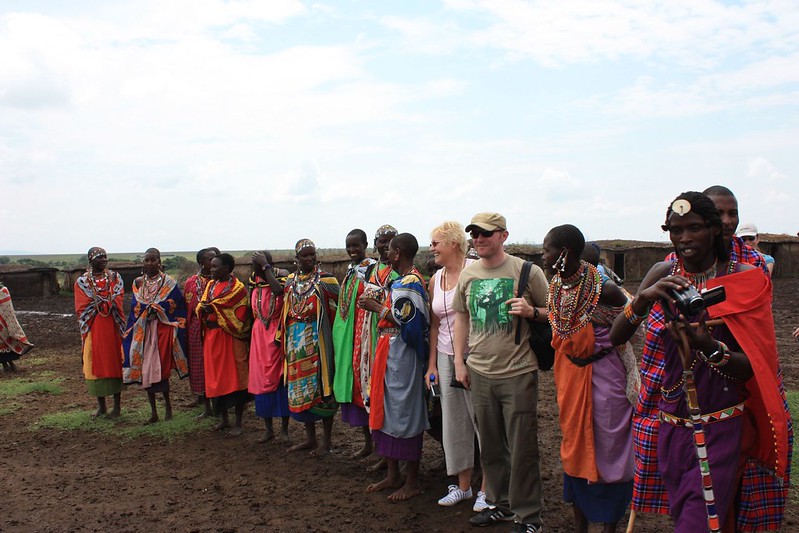
Guided village visits introduce everyday rural life — residential areas, farms or small trading centres. A local guide explains housing styles, family structures, crops, transportation and community services. The strongest experiences allow plenty of time for conversation with farmers, craftspeople or shopkeepers.
Agriculture supports many Morogoro households. Depending on rainfall and soil, crops may include maize, rice, cassava, bananas, vegetables and fruit. Farm visits show cultivation, irrigation, harvest and marketing — and provide context for crop-raiding wildlife near park edges.
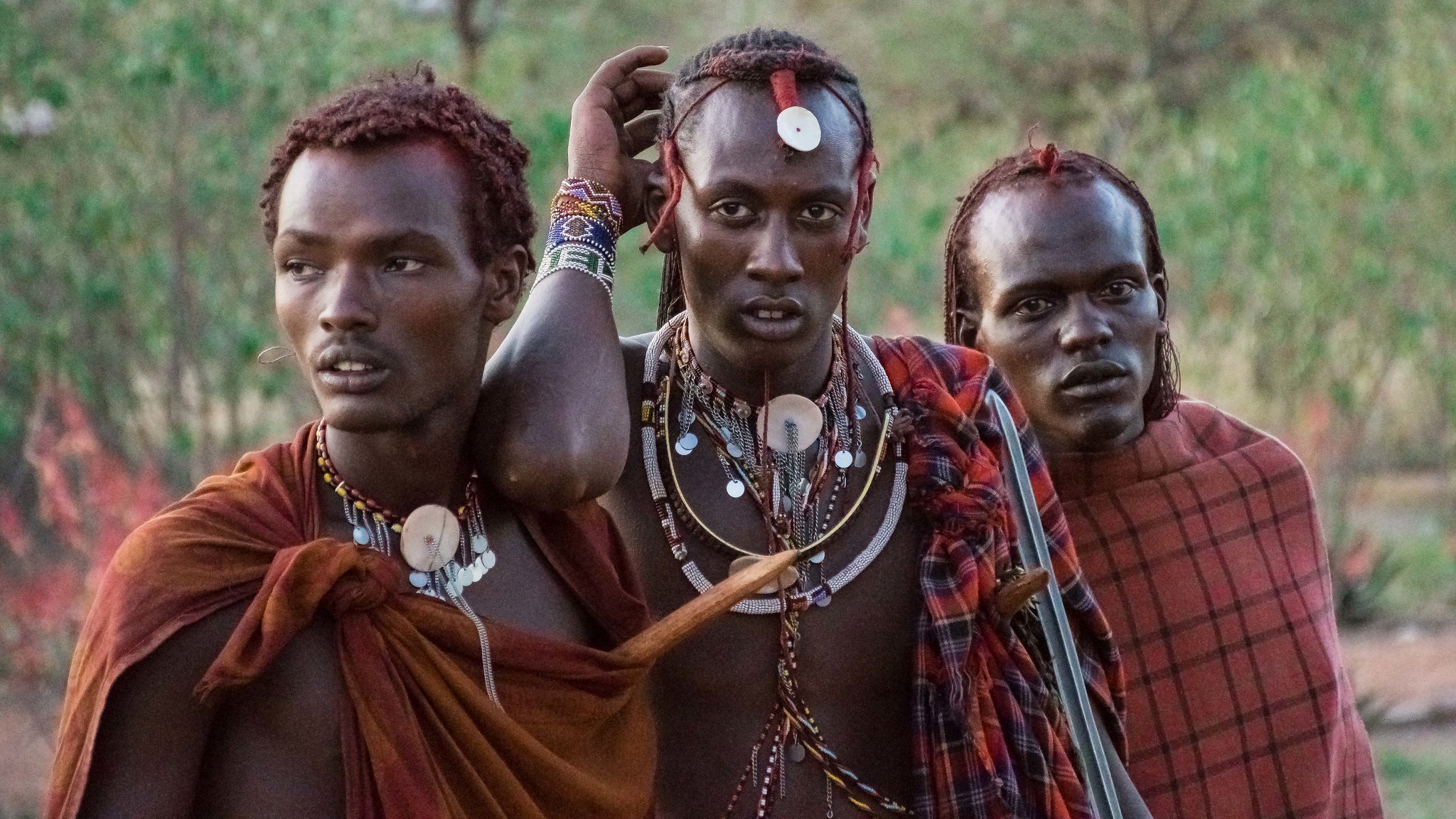
Where appropriate and locally organised, a Maasai cultural experience may be incorporated — cattle keeping, clothing, beadwork and the historical importance of livestock — while acknowledging that modern Maasai families also pursue schooling, entrepreneurship and professional work.
Food is one of the simplest cultural bridges: ugali (a maize staple), rice, beans, greens, grilled meats and stews. Markets reveal everyday commerce — produce, grains, clothing and livestock products. Stay with your guide, avoid blocking traders and ask before photographing people.
A typical culturally balanced day begins with an early game drive on the Mkata Floodplain for elephants, lions and giraffes, then an afternoon village walk, farm visit or local meal before returning to the lodge.
Responsible Mikumi cultural programmes emphasise living communities — not staged attractions — with clear benefits for hosts in the Morogoro region.
Guided walks through residential areas and trading centres with time for conversation about family life, work and change.
Learn seasonal cycles for maize, rice, cassava, bananas and vegetables — and how wildlife near parks affects harvests.

Where organised locally, learn about livestock, clothing and beadwork while recognising contemporary diversity within Maasai society.
Taste Tanzanian staples and visit markets to see ingredients, trade and social life — always with photography etiquette.

Buy beadwork, baskets and carvings from makers; practise simple Kiswahili greetings that open warmer exchanges.
Hear how elephants and predators are experienced outside the park — and how tourism can support neighbouring communities.

Mikumi supports elephants, lions, giraffes, zebras, buffalo, wildebeest, impala, hippos and predators — with the Mkata Floodplain among the most productive game-viewing areas. Birding across wetlands, grassland and woodland complements culturally focused journeys.
Explore the floodplain early, then visit a village, farm or market after lunch — ideal on three- or four-day itineraries.
Best for: Short Dar es Salaam safaris
Watch family herds in woodland and open areas, then discuss how the same species are perceived by farmers outside the boundary.
Best for: Conservation-minded travellers

Storks, hornbills, kingfishers and eagles reward greener seasons; pair birding mornings with cultural afternoons.
Best for: Mixed-interest travellers
Mikumi suits families because distances from Dar es Salaam are manageable compared with more remote parks. Children enjoy game drives and short farm or craft activities. Private vehicles keep the pace family-friendly.
Couples can combine private wildlife drives with a community visit and scenic lodge stay, then continue to Zanzibar for a romantic beach extension.
Ask for family-friendly partners and clear guidelines on gifts and photography.
Plan a Family Cultural Safari
Mikumi can be visited during much of the year. Drier months often make wildlife easier to locate; greener months bring lush landscapes and strong birding. Cultural activities are generally less seasonal, though farm visits change with planting and harvest.
A 3-day Mikumi safari is popular from Dar es Salaam. Travelers interested in culture may prefer three or four nights for several game drives plus one dedicated cultural excursion.
Longer journeys combine Mikumi with Nyerere, Udzungwa Mountains, Dar es Salaam city culture or a Zanzibar beach holiday.
Tell your planner whether you want farming, markets, Maasai encounters, food experiences or conservation discussions so partners can be matched fairly.
Adventure in the Wild Safaris designs Mikumi itineraries that balance accessible wildlife with respectful community time.
Browse Tanzania Safaris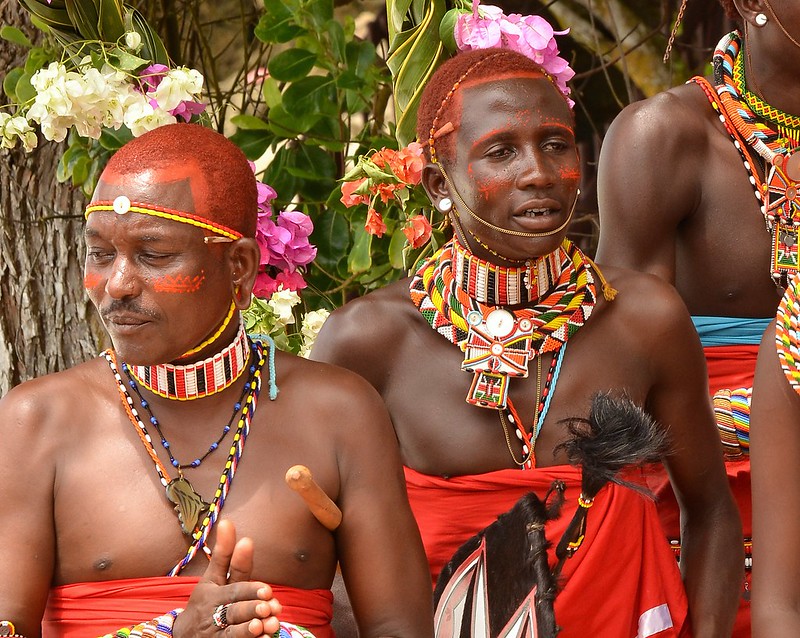
Villages are living communities rather than staged attractions. Respect for privacy is essential.
A respectful conversation often creates better memories than photographs taken without interaction.
Lightweight, comfortable clothing suits most activities. Neutral colours work for game drives; modest clothing is respectful for village visits.
Dress respectfully and let hosts present their culture on their own terms.
Most travelers access Mikumi through Dar es Salaam by road — one reason the park works so well for short cultural and wildlife safaris.
Ask us to build Mikumi as a standalone short safari or as the start of a southern Tanzania journey.
Lodges and camps near Mikumi can arrange neighbouring community visits around game-drive schedules.
Pair Mikumi with Nyerere for vast wilderness and boat safaris, Udzungwa for rainforest hiking and primates, Dar es Salaam for urban culture, or Zanzibar for Stone Town, spices and beaches.
Pair culture with wildlife, birding and game drives in the same park.
Typically village walks, farm or market visits, local food, crafts and optional Maasai experiences where organised — alongside classic game drives.
Three days from Dar es Salaam is popular; three to four nights better if you want a dedicated cultural excursion plus multiple game drives.
Yes. Nyerere adds remote wilderness and boat safaris; Zanzibar adds Swahili coastal culture and beaches.
Yes — manageable travel distances and short interactive farm or craft activities work well for children when paced privately.
Always ask first, especially of people and children. Follow your guide's etiquette in markets and homes.
Ready for Accessible Wildlife & Culture?
Tell us your dates and whether you want farms, markets, Maasai encounters or conservation conversations — Adventure in the Wild Safaris will build them into your Tanzania trip.

