

Birding Safari in Mount Kilimanjaro
A Mount Kilimanjaro birding safari offers far more than the opportunity to see Africa's highest mountain. The slopes of Kilimanjaro contain an extraordinary sequence of habitats, ranging from cultivated foothills and montane forest to heath, moorland and alpine environments. These dramatic changes in elevation support an equally interesting transition in birdlife.
- Location Mount Kilimanjaro, Tanzania
- Duration Half Day – Multi-Day
- Difficulty Easy to Moderate
- Best For Birdwatchers, Photographers & Nature Lovers
Birding in Mount Kilimanjaro
A Mount Kilimanjaro birding safari offers far more than the opportunity to see Africa's highest mountain. The slopes of Kilimanjaro contain an extraordinary sequence of habitats, ranging from cultivated foothills and montane forest to heath, moorland and alpine environments. These dramatic changes in elevation support an equally interesting transition in birdlife.
For many visitors, Kilimanjaro is primarily a climbing destination. Birders approach the mountain differently. Instead of focusing exclusively on reaching the summit, they explore forest trails, lower mountain slopes, gardens, farmland and highland habitats at a slower pace.
This makes Kilimanjaro particularly suitable for travelers who want to combine bird watching with hiking, mountain scenery and a traditional northern Tanzania wildlife safari.
The mountain's location near Moshi and within reach of Arusha also makes it easy to connect with destinations such as Arusha National Park, Tarangire, Lake Manyara and the Ngorongoro highlands.
Plan Your Tanzania Birding SafariWhy Go Birding Around Mount Kilimanjaro?
What to Expect on a Mount Kilimanjaro Birding Safari
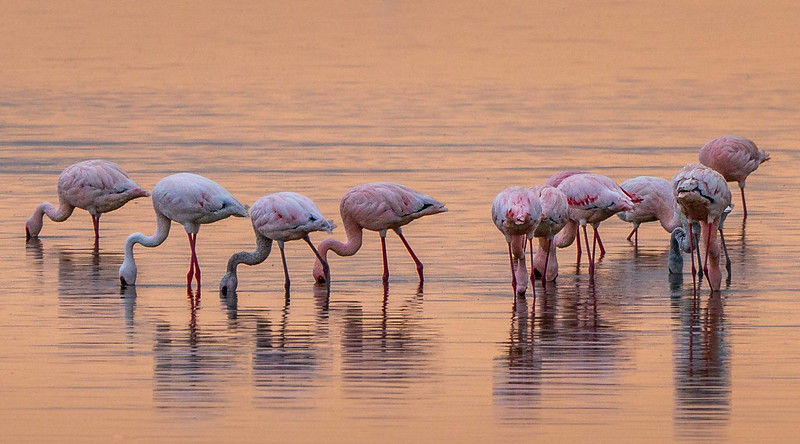
One dedicated day provides a useful introduction.
Two days are preferable for exploring different elevations.
Three nights around Moshi allow birding to be combined with sightseeing or hiking.
Travelers undertaking a Kilimanjaro climb should consider adding one dedicated birding day outside the trekking schedule.
Your Birding Experience Can Include
- Professional birding or nature guide
- Early-morning birdwatching
- Bird identification assistance
- Habitat interpretation
- Bird photography opportunities
- Personalised searches for target species
Birds You Can See in Mount Kilimanjaro
Species depend on season, weather, habitat and the exact sites visited. Discuss target species with us when booking.
Mount Kilimanjaro
Learn more
Highland Raptors
Mountain slopes create good conditions for raptor watching. Birds of prey may use ridges and thermals.
Habitat
Local habitats
Best area
Mount Kilimanjaro
Status
Resident / Seasonal

Mount Kilimanjaro
Learn more
Ngorongoro Highlands
The Ngorongoro region introduces highland forest, crater landscapes and open grassland. Birders can encounter species associated with several different elevations.
Habitat
Local habitats
Best area
Mount Kilimanjaro
Status
Resident / Seasonal
Best Birding Areas in Mount Kilimanjaro
A good birding itinerary around Mount Kilimanjaro should include several environments rather than concentrating on a single site.
Foothill
The lower slopes contain villages, gardens, farms, scattered woodland and cultivated landscapes. These human-influenced environments can still support impressive bird diversity.
Best for: Birdwatchers exploring Mount Kilimanjaro.
Montane Forest
The mountain's forest zone is one of the most important environments for birders. Dense vegetation creates a cool, atmospheric experience.
Best for: Birdwatchers exploring Mount Kilimanjaro.
Turacos and Colorful Forest Birds
Turacos are among the birds many visitors hope to encounter in East African mountain forests. Their calls can be easier to detect than the birds themselves.
Best for: Birdwatchers exploring Mount Kilimanjaro.
Heath and Moorland
Travelers climbing higher encounter progressively more open vegetation. Heath and moorland create a dramatic contrast with the forest below.
Best for: Birdwatchers exploring Mount Kilimanjaro.
Birding Without Climbing Kilimanjaro
You do not need to attempt the summit to enjoy Kilimanjaro birding. This is an important distinction.
Best for: Birdwatchers exploring Mount Kilimanjaro.
Birding During a Kilimanjaro Climb
Climbers who are also birders can incorporate observations into their expedition. However, summit itineraries are governed by distance, altitude and acclimatization requirements.
Best for: Birdwatchers exploring Mount Kilimanjaro.
Birding Habitats of Mount Kilimanjaro
Understanding habitats makes birdwatching much more productive.
Woodland & Forest Edges
Listen for calls and watch canopy and understory movement along forest and woodland edges.
Open Country
Greater visibility supports raptor watching and terrestrial species.
Wetlands
Water attracts waterbirds and can be especially rewarding for photography.
Habitat Edges
Edges between habitats often concentrate bird activity.

Best Time for Birding Around Kilimanjaro
Birding is possible throughout the year.
Seasonal rainfall influences vegetation and breeding activity.
- Year-round Birdwatching is possible throughout the year; seasonal conditions change which species are most active.
- Migration periods Migrants can increase diversity during certain months — ask us about your target species before booking.
- After the rains Rainfall can refresh habitats and boost breeding activity and wetland productivity.
- Drier months Drier conditions may improve road access and visibility for open-country scanning and photography.
Half-Day vs Full-Day Birding Tours
Mount Kilimanjaro birding can be arranged to match your available time.
Half-Day Birding Safari — An early start concentrating on one or two productive habitats near your base. Ideal for stopovers and travellers with limited time.
Full-Day Birding Safari — More time to explore different elevations or habitat types and build a stronger day list.
Adventure in the Wild Safaris can arrange private birding guides and connect Mount Kilimanjaro with a wider Tanzania itinerary.
Adventure in the Wild Safaris can arrange private birding guides and connect Mount Kilimanjaro with a wider Tanzania itinerary.
Enquire About a Private Birding Tour
Photography
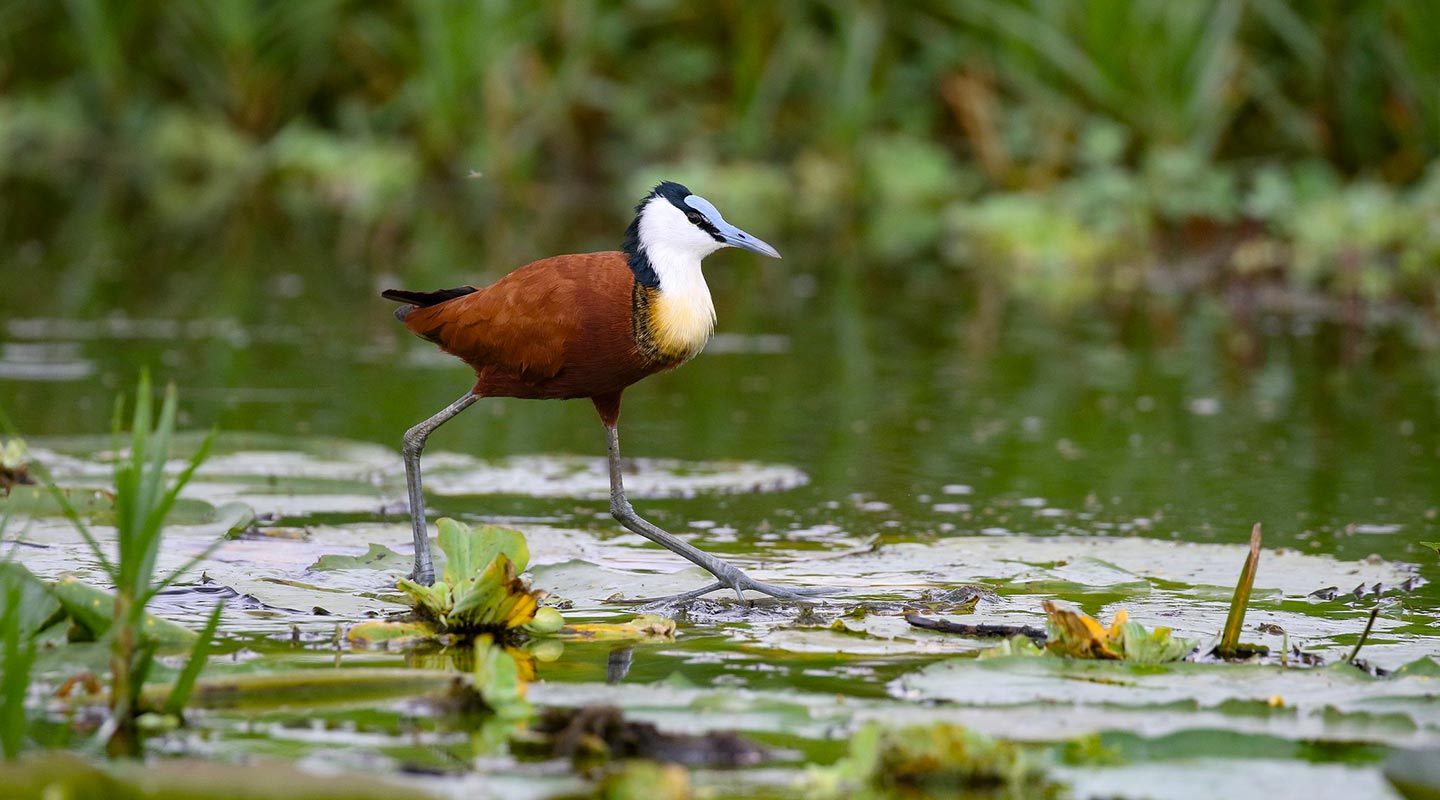
Kilimanjaro provides exceptional opportunities to combine birds with landscapes.
A telephoto lens is essential for bird photography.
- Carry a telephoto lens where possible
- Keep spare batteries ready
- Avoid disturbing birds for photographs
- Photograph during softer morning light
- Allow time for positioning and waiting
- Always place wildlife welfare ahead of the photograph
Follow national park and trail regulations.
What to Pack
Bring binoculars and an East African bird guide.
- Bring binoculars and an East African bird guide
- Wear sturdy walking shoes
- Carry layered clothing because temperatures vary with altitude
- Bring a hat, sunscreen and sufficient water
- pack a telephoto lens, spare batteries and waterproof protection
Wear sturdy walking shoes.
Carry layered clothing because temperatures vary with altitude.
How to Reach Mount Kilimanjaro
Mount Kilimanjaro is incorporated into privately guided Tanzania journeys.
- Gateway Access Mount Kilimanjaro is reached as part of a wider Tanzania itinerary. We arrange private transfers timed for early birding starts.
- Private Guided Tour Adventure in the Wild Safaris can arrange specialist birding guides and logistics around Mount Kilimanjaro.
- Combined Itineraries Birding days can be placed at the start or end of a longer Tanzania safari.
Accommodation
Accommodation ranges from simple guesthouses to comfortable lodges and luxury properties.
- Budget Good-value options suitable for travellers focused on time in the field.
- Mid-Range Comfortable lodges or hotels with reliable service and convenient access for early pick-ups.
- Luxury Higher-end properties combining comfort with easy logistics for private birding guides.
- Birding-Friendly Base Prefer properties with gardens, natural surroundings or easy early-morning departures.
Combining Kilimanjaro with Tarangire
Tarangire provides a dramatic ecological contrast.
Other Experiences
Pair Mount Kilimanjaro birding with other experiences in the same area.

Frequently Asked Questions About Birding in Mount Kilimanjaro
Is Mount Kilimanjaro good for bird watching?
Yes. Mount Kilimanjaro offers productive habitats for both casual and dedicated birders.
Do I need a specialist birding guide?
A specialist guide greatly improves identification, especially for calls, habitat preferences and target species.
What is the best time of day for birding?
Early morning is generally best; late afternoon can also be productive.
Should I bring binoculars?
Yes. Binoculars are essential for any birding safari.
Can I combine birding with other safari activities?
Absolutely. Mount Kilimanjaro birding can be combined with other Tanzania destinations and experiences.
Include Birding in Your Tanzania Safari
Plan Your Mount Kilimanjaro Birding Experience
A birding safari around Mount Kilimanjaro reveals the ecological diversity hidden beneath Africa's most famous summit. Explore flowering foothills, walk through cool montane forest, watch for raptors over mountain ridges and discover how bird communities change with elevation. We can arrange private guides, transfers, accommodation and combinations with Tanzania's major national parks. Whether you are preparing for a Kilimanjaro climb, relaxing after the summit or visiting the mountain purely for nature, dedicated birding adds significant depth to the experience. For the strongest itinerary, combine Kilimanjaro's highland habitats with the savannah and wetlands of northern Tanzania. The result is a birding safari that encompasses some of East Africa's most varied landscapes. Recommended duration: 1–3 dedicated birding days Main habitats: Foothills, montane forest, heath and moorland Best for: Highland birds, forest species, hiking and photography Main gateway: Moshi Ideal combinations: Arusha, Tarangire, Lake Manyara and Ngorongoro Suitable for: Dedicated birders, climbers and non-climbing nature travelers
- Trusted Local Experts
- Tailor-Made Itineraries
- Memorable & Responsible Travel