Chagga Living Culture
Meet communities whose farming systems, chiefdom histories and contemporary livelihoods are inseparable from Kilimanjaro's fertile slopes.


A Mount Kilimanjaro cultural safari reveals that Africa's highest mountain is far more than a climbing destination — introducing Chagga farming traditions, coffee and banana landscapes, waterfalls, caves, village walks and community life on the fertile lower slopes around Moshi.
A Mount Kilimanjaro cultural safari reveals that Africa's highest mountain is much more than a climbing destination. Rising dramatically above the plains of northern Tanzania, Kilimanjaro has shaped the culture, agriculture, settlement and identity of communities living on its fertile lower slopes for generations — especially the Chagga people, whose coffee farming, banana landscapes, village systems, food and historical sites provide some of northern Tanzania's most rewarding cultural experiences.
Many travelers arrive solely to climb to Uhuru Peak, or pass through on the way to the Serengeti or Ngorongoro. Spending one or two days exploring villages, coffee farms, waterfalls and community projects around Moshi adds remarkable depth to a Tanzania safari holiday — and can be undertaken without climbing the mountain at all.
Kilimanjaro's volcanic soils and mountain streams created favorable conditions for intensive agriculture. Generations of farmers established homesteads combining bananas, coffee, livestock and other crops. A Kilimanjaro cultural tour therefore explores the relationship between people and the mountain rather than focusing only on its summit.
Historically, Chagga society was organized into numerous local chiefdoms rather than one centralized kingdom. Colonial rule, missionaries, schools and commercial coffee cultivation transformed governance and land use — yet Chagga communities had complex agricultural and social systems long before European arrival. Today families work in business, education, tourism and professional sectors while maintaining cultural ties around the mountain.
Swahili is spoken throughout the region alongside local Chagga languages and dialects. Learning a few Kiswahili greetings improves interactions and reflects Tanzania's strong national cohesion. Forest conservation on the mountain remains a human issue: protecting water catchments supports farms and settlements far below the summit.
Plan Your Cultural Safari
A typical cultural day may begin with a guided walk through coffee and banana farms, learning how households use limited land efficiently in multi-layered systems. Hosts can demonstrate coffee processing — and some tours invite guests to participate before ending with a freshly prepared cup.
Village walks around Kilimanjaro pass farms, homes, local markets and places of worship. A local guide provides translation and historical interpretation. Traditional meals may feature bananas in savory dishes, meat, vegetables, beans and maize — especially rewarding after seeing where ingredients are grown.
Many programmes combine culture with waterfall walks through greener valleys. Paths can be steep or slippery; appropriate footwear matters. Some tours include caves or underground structures associated with historical periods of conflict — follow safety instructions carefully.
Where offered, hosts may explain traditional banana beer preparation and its role in gatherings, or discuss irrigation systems that distribute mountain water across farms. Markets around Moshi introduce everyday commerce — fruits, vegetables, grains and household goods — with photography only by permission.
After the day, travelers typically return to Moshi or nearby lodges. Trekkers often use a light cultural excursion to acclimatize before departure, or to recover with a relaxed village and coffee tour after reaching the summit.
Responsible programmes emphasise living Chagga communities, transparent community tourism and genuine interaction — whether you are climbing or exploring the lower slopes only.
Walk farms, schools, homes and churches with a local guide — allowing time for conversation about family life, change and mountain identity.
See ripe cherries selected, then pulping, washing, drying, roasting and grinding — ending with a cup that links agriculture to household income.

Explore mixed banana systems used for cooking, fresh eating and beverages; learn preparation and cultural context of traditional banana beer where offered.

Combine village scenery with waterfall walks and learn how farmers historically organised access to mountain water across channels and fields.

Visit historical caves linked to protection during raids, and learn how local chiefdoms, alliances and colonial rule shaped the mountain before modern Tanzania.
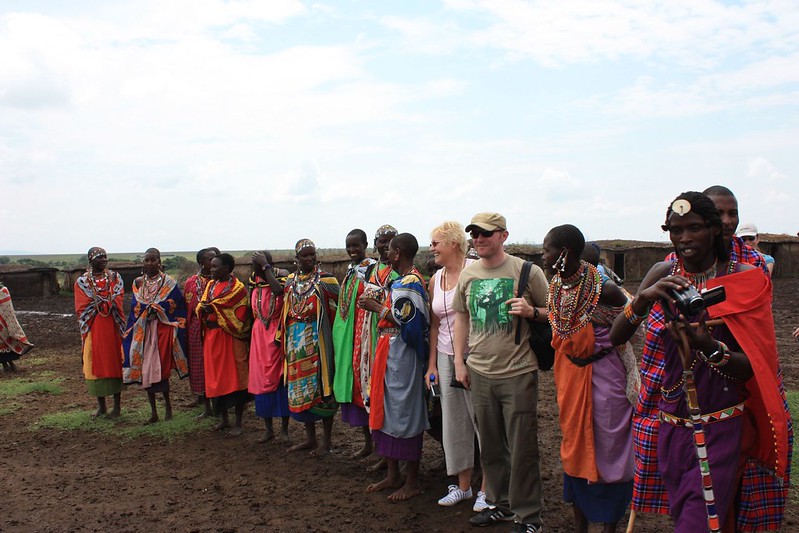
Explore local markets, buy beadwork, carvings or textiles from artisans, and practise Kiswahili greetings that open warmer exchanges.
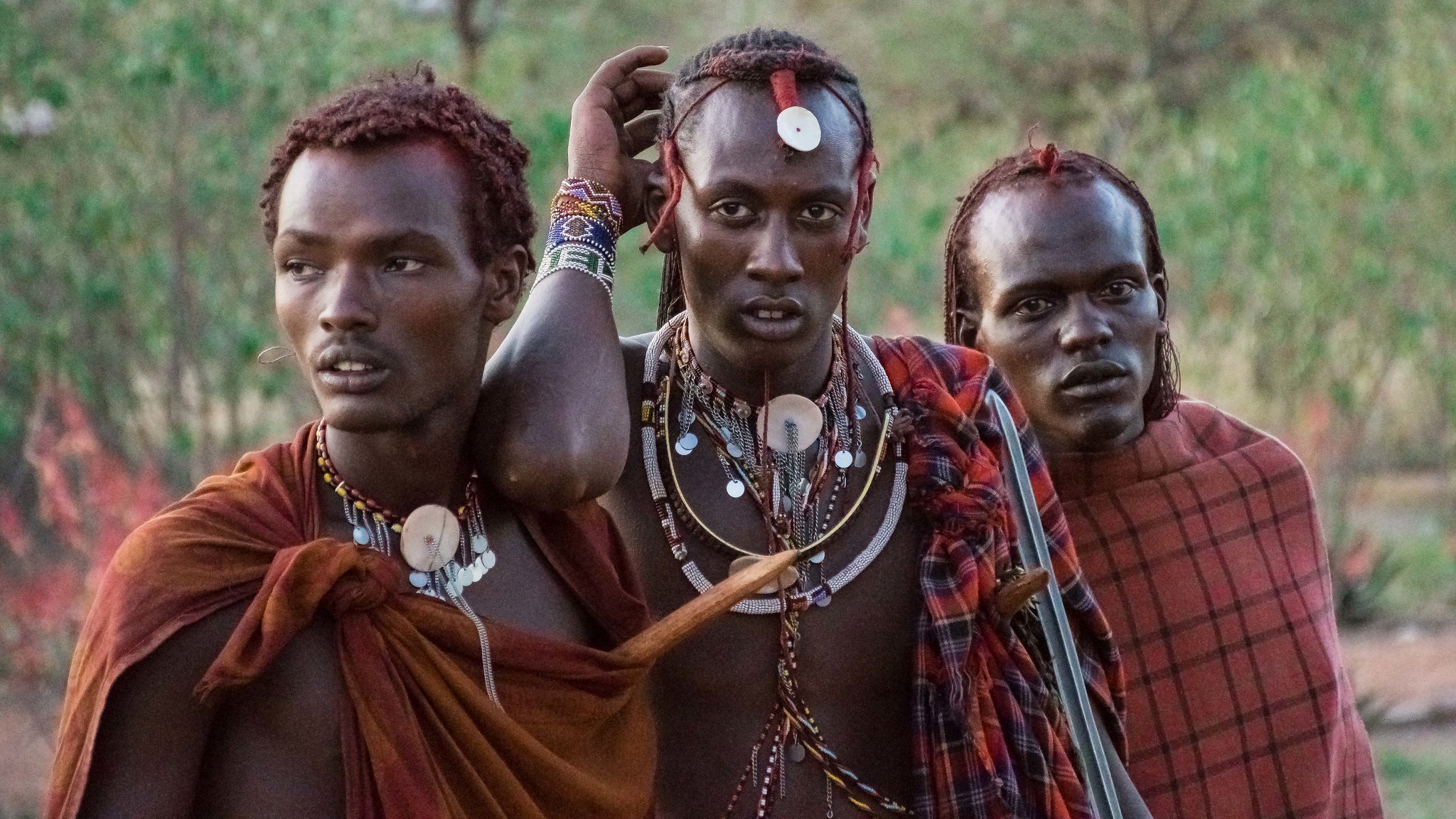
Farm gardens and forest edges support varied birdlife; conservation conversations link mountain forests, water regulation and farming communities below.

Kilimanjaro is not primarily a Big Five destination, yet forests hold monkeys and rich birdlife. Cultural days pair naturally with trekking logistics and short hops to Arusha National Park, Tarangire, Lake Manyara or the Serengeti.
Use a light village or coffee day to settle in before your route, or unwind after the summit with farms, waterfalls and local food.
Best for: Kilimanjaro trekkers
Viewpoints, forests, waterfalls and Chagga communities at lower elevations — ideal for families and companions of climbers.
Best for: Non-climbers & families
Continue from Moshi to Arusha and the northern parks — dramatic contrast from cultivated slopes to open savannah.
Best for: Northern circuit itineraries
Families often find coffee and farm experiences engaging — children see how familiar products are grown and prepared, while waterfall walks add gentle activity. Tours should be paced for age and fitness.
Couples can arrange private coffee, waterfall and local-meal days as part of a Tanzania honeymoon, then continue to luxury safari lodges or Zanzibar beaches.
Ask for family-friendly partners, modest walking distances and clear guidelines on gifts and photography.
Plan a Family Cultural Safari
Cultural tours can be arranged year-round. Weather influences walking comfort and mountain views — drier periods generally ease paths, while early mornings often offer the clearest Kilimanjaro vistas even when afternoon cloud builds.
One full day provides a worthwhile cultural introduction. Two days better combine coffee, waterfalls and separate village experiences without rushing.
Trekkers can add a cultural day before or after their climb. Travelers not climbing may spend three or four nights around Moshi before continuing on safari.
Tell your planner whether you want coffee immersion, waterfalls, caves, markets, food or conservation conversations so community partners can be matched fairly.
Adventure in the Wild Safaris designs Kilimanjaro itineraries that balance Chagga culture with trekking logistics or northern-circuit wildlife.
Browse Tanzania Safaris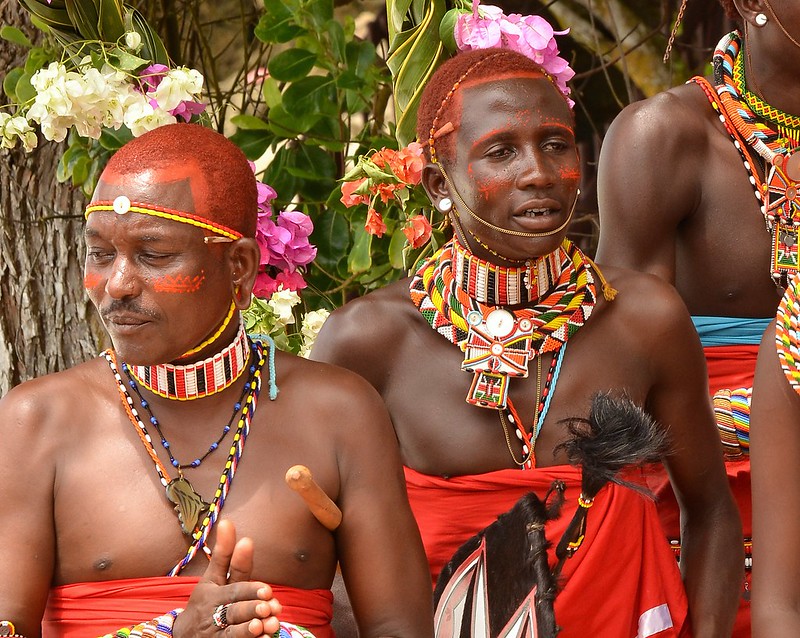
Villages are living communities. Respect for privacy, homes and religious sites is essential.
A responsible cultural experience creates mutual respect rather than treating communities as displays.
Lightweight, modest clothing suits village visits. Closed shoes with grip help on farm and waterfall paths.
Dress respectfully and let hosts present Chagga culture on their own terms.

Most cultural programmes base from Moshi or nearby lodges, easily reached via Kilimanjaro International Airport or overland from Arusha.
Ask us to weave Kilimanjaro culture into a trek, a non-climbing stay, or a wider northern Tanzania journey.
Moshi hotels and nearby lodges place you close to Chagga communities, coffee farms and transfer links to Arusha or the mountain gates.
Pair Chagga culture with Arusha and Meru landscapes, Serengeti or Ngorongoro wildlife and Maasai pastoralism, Lake Manyara and Tarangire, or Zanzibar's Swahili coast — mountain culture and coastal culture make an exceptional combination.
Pair culture with trekking routes and nearby wildlife or coastal extensions.
No. Village walks, coffee tours, waterfalls and Chagga food experiences explore the lower slopes and work well for non-climbers, families and companions of trekkers.
One full day is a strong introduction; two days better combine coffee, waterfalls and separate village time. Trekkers often add a day before or after the climb.
A guided visit covering plants, cherry selection, processing, roasting and tasting — showing how smallholder coffee supports local households.
Yes. Continue to the northern parks for wildlife and Maasai encounters, or fly to Zanzibar for Stone Town, spices and beaches.
Always ask first, especially of people and children. Follow your guide's etiquette in homes, markets and at religious sites.
Ready for Chagga Culture on the Slopes?
Tell us your dates and whether you want coffee immersion, waterfalls, caves, markets or a gentle pre-/post-climb day — Adventure in the Wild Safaris will build them into your Tanzania trip.

