Intimate Southern Encounters
Lower tourism volumes than the northern circuit create space for genuine conversation in living villages — not rehearsed tourist programmes.


A Nyerere National Park cultural safari pairs southern Tanzania's vast Rufiji wilderness — rivers, woodlands and uncrowded game viewing — with village walks, farming and fishing livelihoods, markets, crafts and everyday community life beyond the park boundary.
A Nyerere National Park cultural safari combines the immense wilderness of southern Tanzania with authentic insights into communities living around one of Africa's largest protected landscapes. Nyerere is famous for rivers, lakes, woodlands, wildlife and comparatively uncrowded safari experiences — yet the wider region also contains villages whose livelihoods have long been connected to agriculture, fishing, livestock, forest products and local trade.
Southern Tanzania often feels very different from the heavily traveled northern circuit. Tourism volumes are generally lower, and carefully organized cultural experiences can provide intimate opportunities for interaction — village walks, farming and fishing traditions, crafts, food, markets and everyday family life.
The Rufiji River system defines much of the destination: channels, lakes and wetlands support hippos, crocodiles and birds, while woodland and grassland beyond hold elephants, giraffes, buffalo, lions, wild dogs and more. Community visits are arranged outside the protected park itself, creating a powerful contrast between wilderness and inhabited landscapes.
Tanzania's cultural diversity means southern communities should not be assumed identical to northern Maasai or coastal Swahili contexts. Local guides explain specific traditions, languages and histories rather than a generalized version of "Tanzanian culture."
When tourism employs guides, artisans, food providers and community enterprises fairly, cultural activities become part of sustainable destination management — helping neighbours of vast conservation landscapes see tangible benefits alongside wildlife tourism.
Plan Your Cultural Safari
Community visits are generally arranged outside the national park. A good village experience is not simply a walk past houses — it should involve explanation and conversation about family compounds, farming methods, water, schools, worship and community projects.
Agriculture is central to many southern households. Guides explain seasonal planting, harvesting and rainfall challenges. Where rivers support resources, fishing traditions add another livelihood layer. Food experiences — maize dishes, rice, beans and vegetables — encourage relaxed conversation that short formal visits rarely achieve.
Market visits reveal practical everyday commerce rather than souvenir stalls. Move respectfully, stay with your guide and ask before photographing people. Craft demonstrations show skill transforming local materials into useful or decorative objects — pay fairly rather than bargaining aggressively.
Some programmes include carefully managed visits to schools or community initiatives. Schools exist for education, not tourism — never disrupt classes for entertainment. Donate only through recognized structures or your operator, never by handing items directly to children.
Integrate culture around wildlife time: early game drives for elephants, lions and possible wild dogs; boat safaris for hippos, crocodiles and waterbirds; walking safaris where permitted for tracks and plants — then compare professional ecological interpretation with local knowledge outside the park.
Responsible Nyerere programmes emphasise community agency — hosts decide what visitors see and photograph — with clear benefits through guide fees, crafts and locally managed projects.
Guided walks through living communities with time for questions about housing, family life, work and change — unpredictability is part of the authenticity.
Understand crops, rainfall and markets — and how rivers influence settlement, fishing, agriculture and transport around the Rufiji system.

Taste staples and walk ordinary markets for produce, grains and household goods — culture as daily commerce, not a stage show.

Watch weaving, carving or textile work; support artisans directly. Local guides provide etiquette, translation and historical nuance.
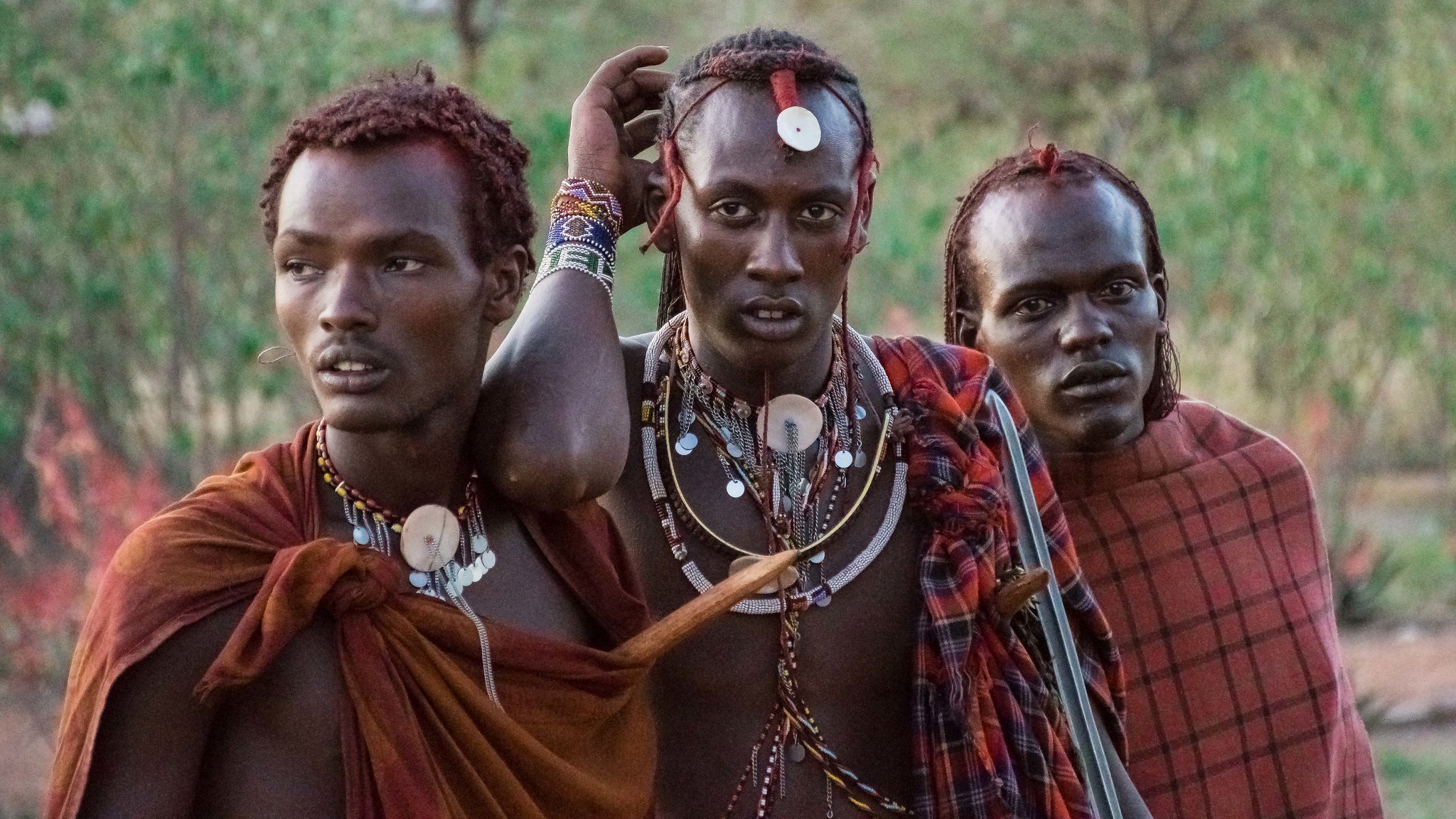
Only where communities deliberately include education or development initiatives — never disrupt classes; donate via proper channels.
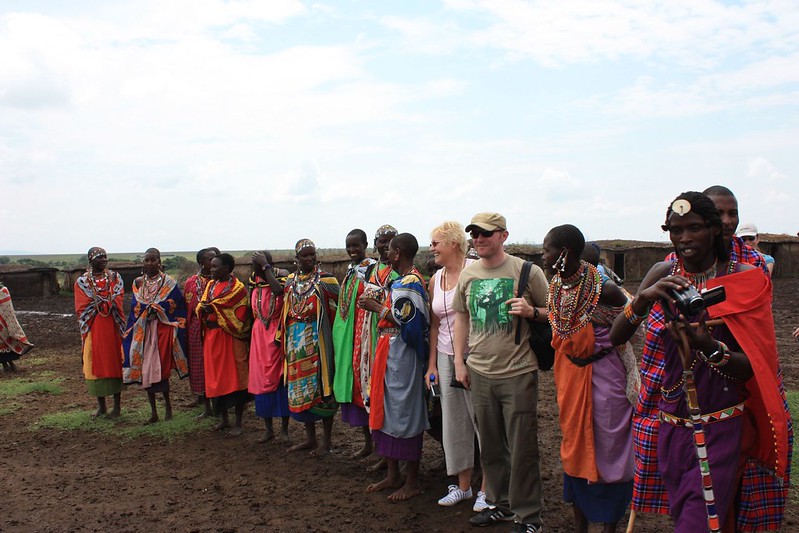
Avoid assuming northern or coastal customs apply here. Local interpretation of languages, histories and livelihoods is essential.

Nyerere remains an outstanding wildlife destination — elephants, giraffes, buffalo, zebras, wildebeest, lions and famous African wild dogs (never guaranteed). Culture works best integrated around game drives, Rufiji boat safaris and managed walking.
Explore park habitats early, then visit a community before or after park time — wilderness beside inhabited landscapes.
Best for: Classic Nyerere stays
Watch hippos, crocodiles and waterbirds from the water, then discuss how rivers shape fishing, farming and settlement.
Best for: Signature Nyerere itineraries

Pair professional track-and-plant interpretation inside approved areas with community walks outside the park.
Best for: Curious, active travellers
Families benefit when children see crops, crafts or simple greetings rather than lengthy lectures. Meeting local families encourages younger travellers to think about lifestyles, education and relationships with nature — with respectful behaviour prepared in advance.
Couples can fold community experiences into private Nyerere safaris without sacrificing wilderness time. A shared meal, market walk or village visit creates memories very different from conventional honeymoon activities.
Avoid distributing gifts without guidance; ask for family-friendly partners and clear photography rules.
Plan a Family Cultural Safari
The dry season is popular for wildlife because animals concentrate near permanent water and road access is often easier. Cultural visits remain rewarding across seasons — green months reveal agricultural activity and lush scenery, though rain can influence roads and schedules.
At least three nights is often advisable to appreciate Nyerere's scale without rushing. Adding culture may justify an extra half-day or full day.
Longer stays create flexibility for game drives, boat safaris, walking and community encounters. Tell us if you prefer agriculture, crafts, food, education or conservation themes.
Allow enough time for conversation rather than squeezing culture into a rushed transfer window.
Adventure in the Wild Safaris designs southern Tanzania itineraries that balance Nyerere wilderness with respectful community time.
Browse Tanzania Safaris
Choose experiences developed with local communities. Hosts should control what visitors see, where they walk and what can be photographed.
Responsible operators treat cultural activities as more than optional entertainment — part of sustainable destination management.
Lightweight, breathable clothing suits southern Tanzania's warm climate. Modest dress for villages; sun and insect protection matter near waterways.
Carry a camera, but request permission for portraits before shooting.
Nyerere is commonly accessed from Dar es Salaam by road or light aircraft — a natural partner for Mikumi, Ruaha and Zanzibar extensions.
Ask us to build Nyerere as a wilderness focus with community time, or as the start of a wider southern Tanzania journey.
Lodges and camps in and around Nyerere can arrange neighbouring community visits around wildlife schedules when partners are booked in advance.
Pair Nyerere with Ruaha for one of Tanzania's finest southern safari combinations, with Mikumi or Udzungwa for variety, Dar es Salaam for urban culture, or Zanzibar for Swahili heritage and the Indian Ocean.
Pair culture with wildlife, boat safaris and birding in the same landscape.
Typically village walks outside the park, farming or fishing context, local food, markets, crafts and conservation conversations — alongside game drives and often boat safaris.
Three nights is a useful minimum for the park's scale; add time if you want a dedicated cultural half-day or full day without rushing wildlife activities.
Yes. Ruaha adds rugged landscapes and predators; Zanzibar adds Stone Town, spices and beaches after southern wilderness.
Yes when paced privately — practical farm, craft or greeting activities engage children better than long lectures.
Always ask first. Respect refusals immediately, especially for children, homes and markets.
Ready for Wilderness & Community?
Tell us your dates and whether you want villages, markets, food, crafts or conservation conversations — Adventure in the Wild Safaris will build them into your southern Tanzania journey.

