

Birding Safari in Lake Mburo National Park
A birding safari in Lake Mburo National Park introduces travelers to one of Uganda’s most distinctive birding landscapes. Situated in western Uganda between Kampala and the major safari destinations farther west, Lake Mburo protects a mosaic of acacia woodland, open savannah, wetlands, lakes, rocky hills and wooded valleys.
- Location Lake Mburo National Park, Uganda
- Duration Half Day – Multi-Day
- Difficulty Easy to Moderate
- Best For Birdwatchers, Photographers & Nature Lovers
Birding in Lake Mburo National Park
A birding safari in Lake Mburo National Park introduces travelers to one of Uganda’s most distinctive birding landscapes. Situated in western Uganda between Kampala and the major safari destinations farther west, Lake Mburo protects a mosaic of acacia woodland, open savannah, wetlands, lakes, rocky hills and wooded valleys.
This habitat differs significantly from the wetter forests of Bwindi and Kibale and from the vast grasslands of Queen Elizabeth and Murchison Falls. As a result, Lake Mburo supports several birds associated with dry woodland and acacia country that can be more difficult to find elsewhere on a standard Uganda safari.
The park is relatively compact, making it possible to explore multiple habitats within one or two days.
Birders can undertake game drives, guided walking safaris and boat excursions while searching for woodland birds, waterbirds and raptors.
Lake Mburo is also exceptionally convenient for travelers moving between Entebbe and southwestern Uganda. It can be used as the first wildlife destination after arrival or the final national park before returning to the airport.
Plan Your Uganda Birding SafariWhy Go Birding in Lake Mburo National Park?
What to Expect on a Lake Mburo National Park Birding Safari
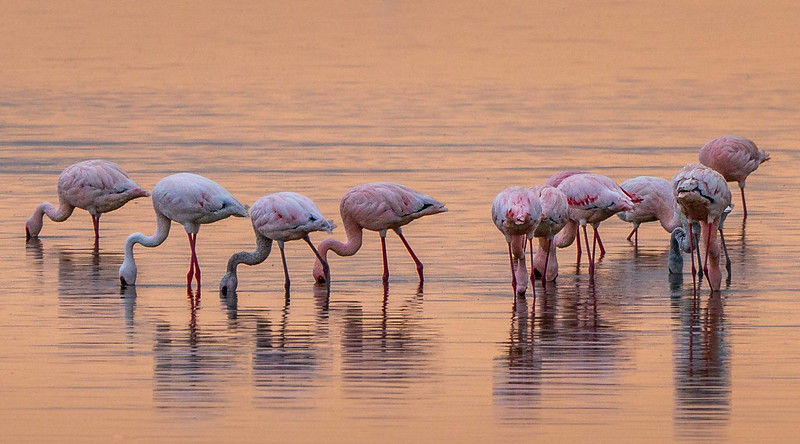
One night allows a brief introduction.
Two nights are much better for dedicated birding.
This permits both morning and afternoon game drives, a boat excursion and possibly a guided walk.
Serious birders may spend three nights if the Red-faced Barbet, African Finfoot and other target species are priorities.
The park is excellent for beginners because many birds are easier to see than forest species.
Open woodland provides unobstructed views.
Large species such as cranes, eagles and kingfishers are straightforward to observe.
Guides can explain identification using shape, call and behavior.
Your Birding Experience Can Include
- Professional birding or nature guide
- Early-morning birdwatching
- Bird identification assistance
- Habitat interpretation
- Bird photography opportunities
- Personalised searches for target species
Responsible Bird Watching
Stay on approved roads and trails.
Do not disturb nests or breeding birds.
Playback should be used responsibly.
Lake Mburo National Park
Learn more
Red-faced Barbet
The Red-faced Barbet is one of Lake Mburo’s signature birding attractions. Dedicated visitors often include the park specifically to search for this species.
Habitat
Local habitats
Best area
Lake Mburo National Park
Status
Resident / Seasonal

Lake Mburo National Park
Learn more
African Finfoot
Another prized species is the African Finfoot. This unusual bird is associated with quiet waterways with overhanging vegetation.
Habitat
Local habitats
Best area
Lake Mburo National Park
Status
Resident / Seasonal
Best Birding Areas in Lake Mburo National Park
A good birding itinerary around Lake Mburo National Park should include several environments rather than concentrating on a single site.
Birds of Lake Mburo National Park
The park supports an impressive variety of birds. Potential highlights include African Finfoot, Red-faced Barbet, Bare-faced Go-away-bird, African Fish Eagle, Pied Kingfisher, Malachite Kingfisher, Grey-crowned Crane, African Wattled Lapwing, various hornbills, bee-eaters, woodpeckers, weavers, sunbirds, shrikes and raptors.
Best for: Birdwatchers exploring Lake Mburo National Park.
Acacia Woodland
Acacia woodland is central to the Lake Mburo birding safari experience. Birders should move slowly through woodland roads and watch exposed branches.
Best for: Birdwatchers exploring Lake Mburo National Park.
Lake Mburo Boat Safari
A boat safari on Lake Mburo is one of the park’s most enjoyable activities. It adds waterbirds that may not be encountered during game drives.
Best for: Exploring Lake Mburo National Park.
Wetland
The park includes several lakes and wetland systems. Marshes, papyrus and shallow shoreline provide habitat for numerous birds.
Best for: Birdwatchers exploring Lake Mburo National Park.
Birding on Game Drives
Game drives remain an important part of the safari. They allow visitors to cover larger distances and move between woodland, grassland and wetland habitats.
Best for: Birdwatchers exploring Lake Mburo National Park.
Mammals Seen While
Lake Mburo supports an interesting mammal community. Visitors may encounter zebras, impalas, elands, buffaloes, warthogs, topis and various smaller antelopes.
Best for: Birdwatchers exploring Lake Mburo National Park.
Birding Habitats of Lake Mburo National Park
Understanding habitats makes birdwatching much more productive.
Woodland & Forest Edges
Listen for calls and watch canopy and understory movement along forest and woodland edges.
Open Country
Greater visibility supports raptor watching and terrestrial species.
Wetlands
Water attracts waterbirds and can be especially rewarding for photography.
Habitat Edges
Edges between habitats often concentrate bird activity.

Best Time for Birding in Lake Mburo
Bird watching is productive throughout the year.
Wet and dry seasons affect habitat conditions and road accessibility.
- Year-round Birdwatching is possible throughout the year; seasonal conditions change which species are most active.
- Migration periods Migrants can increase diversity during certain months — ask us about your target species before booking.
- After the rains Rainfall can refresh habitats and boost breeding activity and wetland productivity.
- Drier months Drier conditions may improve road access and visibility for open-country scanning and photography.
Half-Day vs Full-Day Birding Tours
Lake Mburo is particularly well known for guided walking experiences.
Walking changes the pace of birding completely.
Without vehicle engine noise, visitors can hear calls more clearly.
A guide can stop immediately when movement is detected.
Walking also allows birders to explore smaller habitat details that are easy to miss from a vehicle.
All walks must follow park regulations and be conducted with authorized guides.
Adventure in the Wild Safaris can arrange private birding guides and connect Lake Mburo National Park with a wider Uganda itinerary.
Enquire About a Private Birding Tour
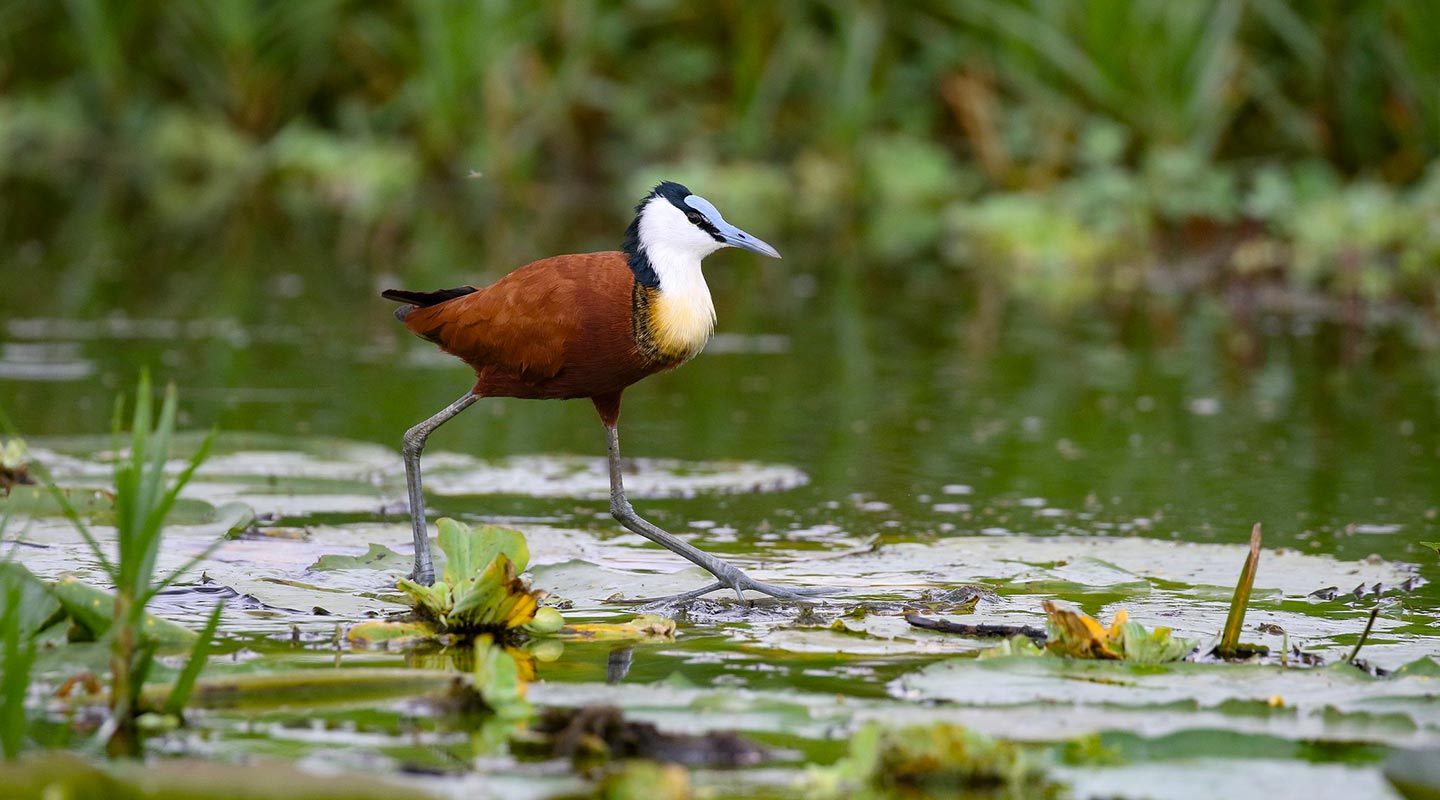
Bird Photography
Lake Mburo provides excellent photography conditions because of its relatively open vegetation.
Colorful woodland birds often perch on exposed branches.
- Carry a telephoto lens where possible
- Keep spare batteries ready
- Avoid disturbing birds for photographs
- Photograph during softer morning light
- Allow time for positioning and waiting
- Always place wildlife welfare ahead of the photograph
Responsible birding protects wildlife and habitats. Keep distance from nesting birds, use playback cautiously, stay on authorised tracks, avoid litter, and support professional local guides.
What to Pack
Bring binoculars, a field guide or bird identification app and a camera if desired.
- Quality binoculars
- Regional bird field guide or app
- Camera with telephoto lens
- Spare batteries
- Memory cards
- Neutral-coloured clothing
- Sun hat
- Sunscreen
- Refillable water bottle
- Small daypack
- Light jacket
- Comfortable walking shoes
- Personal medication
A spotting scope can be helpful but is not essential.
Wear neutral safari clothing.
How to Reach Lake Mburo National Park
Lake Mburo National Park is incorporated into privately guided Uganda journeys.
- Gateway Access Lake Mburo National Park is reached as part of a wider Uganda itinerary. We arrange private transfers timed for early birding starts.
- Private Guided Tour Adventure in the Wild Safaris can arrange specialist birding guides and logistics around Lake Mburo National Park.
- Combined Itineraries Birding days can be placed at the start or end of a longer Uganda safari.
Accommodation Around Lake Mburo
Accommodation ranges from budget camps to comfortable mid-range lodges and luxury safari properties.
- Budget Good-value options suitable for travellers focused on time in the field.
- Mid-Range Comfortable lodges or hotels with reliable service and convenient access for early pick-ups.
- Luxury Higher-end properties combining comfort with easy logistics for private birding guides.
- Birding-Friendly Base Prefer properties with gardens, natural surroundings or easy early-morning departures.
Combine Birding in Lake Mburo National Park With
Build a richer Uganda journey around your Lake Mburo National Park birding experience.
Other Experiences
Pair Lake Mburo National Park birding with other experiences in the same area.

Frequently Asked Questions About Birding in Lake Mburo National Park
Is Lake Mburo National Park good for bird watching?
Yes. Lake Mburo National Park offers productive habitats for both casual and dedicated birders.
Do I need a specialist birding guide?
A specialist guide greatly improves identification, especially for calls, habitat preferences and target species.
What is the best time of day for birding?
Early morning is generally best; late afternoon can also be productive.
Should I bring binoculars?
Yes. Binoculars are essential for any birding safari.
Can I combine birding with other safari activities?
Absolutely. Lake Mburo National Park birding can be combined with other Uganda destinations and experiences.
Include Birding in Your Uganda Safari
Plan Your Lake Mburo National Park Birding Experience
A birding safari in Lake Mburo National Park is one of the best ways to add acacia woodland and wetland species to a Uganda birding itinerary. The park is compact, accessible and exceptionally diverse. Birders can search for Red-faced Barbets in woodland, African Finfoots from boats, kingfishers beside the lake and raptors across open savannah. At the same time, zebras, giraffes, impalas, elands and buffaloes create the atmosphere of a classic African wildlife safari. Its position between Kampala and western Uganda makes Lake Mburo particularly easy to combine with Bwindi, Queen Elizabeth, Kibale and Mgahinga. For the strongest experience, spend at least two nights, use a specialist bird guide and combine game drives with a boat safari and guided walk. Whether you are beginning a longer Uganda birding tour or enjoying one final wildlife stop before returning to Entebbe, Lake Mburo delivers a rich combination of birds, scenery and safari wildlife.
- Trusted Local Experts
- Tailor-Made Itineraries
- Memorable & Responsible Travel