Wildlife Meets Pastoral Heritage
Observe zebras and antelopes in the park, then meet communities whose lives have long been shaped by Ankole cattle and the surrounding grasslands — two of western Uganda's defining features in one stop.


A cultural safari in Lake Mburo National Park combines wildlife viewing with the pastoral traditions of western Uganda — Ankole cattle, Bahima heritage and communities living alongside one of the country's most convenient parks.
A cultural safari in Lake Mburo National Park offers travelers a fascinating opportunity to combine wildlife viewing with the pastoral traditions of western Uganda. Situated between Kampala and the country's southwestern safari circuit, Lake Mburo National Park is one of Uganda's most convenient national parks and is particularly well known for zebras, impalas, elands, buffaloes, giraffes and scenic acacia woodland. Beyond the protected area, however, lies a cultural landscape strongly associated with livestock keeping, traditional cattle breeds and communities whose livelihoods have developed around pastoralism and mixed farming.
The wider region is closely linked with Ankole culture, including the famous Ankole long-horned cattle whose enormous sweeping horns have become one of the most recognizable symbols of western Uganda. A thoughtfully arranged cultural safari can introduce visitors to cattle keeping, traditional milk practices, homesteads, community enterprises, local food, farming and the changing relationship between pastoral communities and wildlife conservation.
This makes Lake Mburo an especially valuable stop for travelers who want more than conventional game drives. A visit may combine a morning wildlife activity with an afternoon cultural experience, or travelers may stay two or three nights and explore the area more slowly through game drives, walking safaris, horseback safaris, boat excursions and local community visits.
The landscapes surrounding Lake Mburo consist of rolling hills, open grassland, farms and cattle-grazing areas. Unlike the densely cultivated highlands around Kabale and Kisoro, much of this region has historically supported pastoral and mixed farming livelihoods. Cattle are therefore central to understanding local culture — livestock provide food, income and social value, while grazing practices have shaped the surrounding landscape.
As land use changes, many households now combine cattle keeping with crop agriculture, businesses, education and tourism. A Lake Mburo cultural safari can introduce visitors to both traditional pastoral practices and the realities of contemporary rural life.
Plan Your Cultural Safari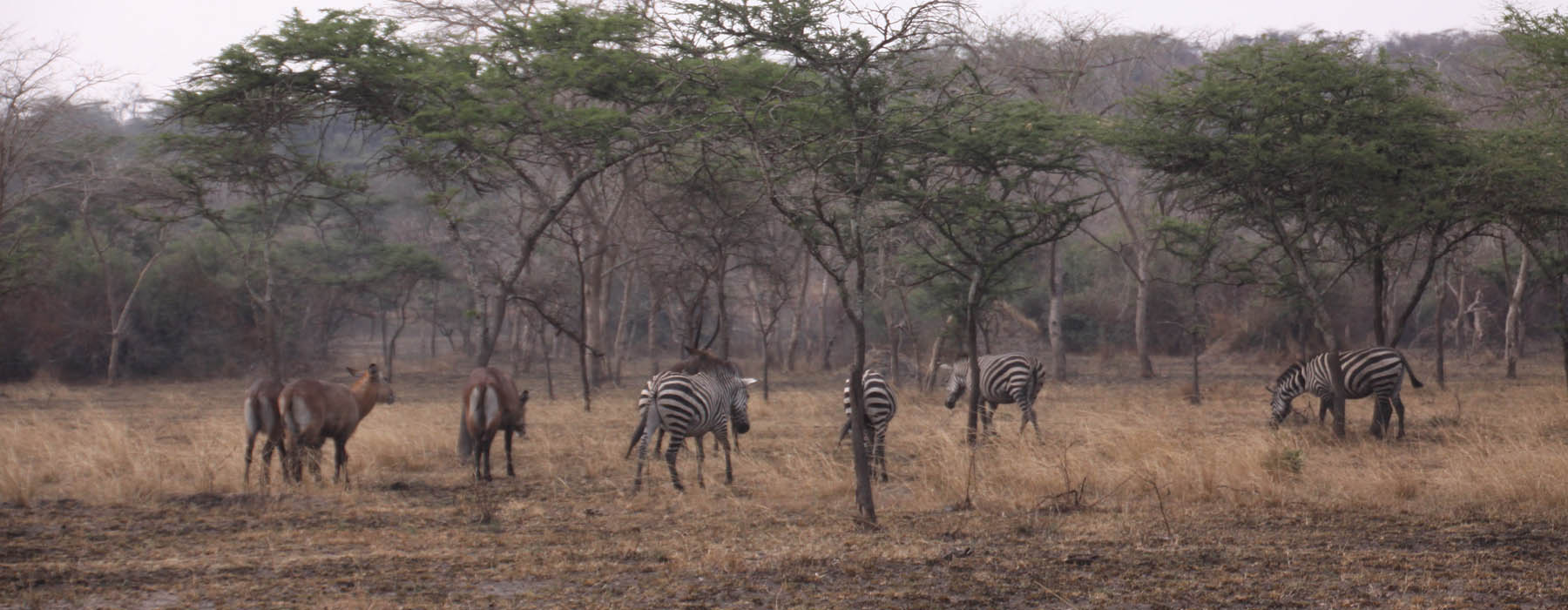
A guided cattle experience may introduce visitors to herd management, breeding, milking and the role cattle play in household life. Meeting local herders provides a much richer understanding than simply photographing cattle from a roadside.
One of the culturally distinctive activities available in the region is learning about traditional milking practices. Where arranged through a community tourism initiative, visitors may watch livestock being milked and learn how milk has traditionally been handled, stored or processed — including traditional containers and cleaning techniques.
A guided community walk near Lake Mburo National Park allows travelers to explore grazing areas, farms, homesteads and local businesses on foot. Guides explain plants, agriculture, livestock and regional history, and how communities and wildlife share the wider landscape.
Some community experiences include visits to local homesteads. Visitors may learn how compounds are organized and how family and livestock spaces are arranged. These visits should always be prearranged and community-led — a respectful visit centers on conversation and learning rather than photography.
Farm visits demonstrate how livelihoods are becoming increasingly diverse. Families may cultivate bananas, maize, beans, vegetables and other crops. Travelers can compare mixed farming around Lake Mburo with highland agriculture in Kabale, Kisoro and Lake Bunyonyi.
Visitors may encounter local artisans producing baskets, mats, jewelry or decorative objects. Women's groups often play an important role in craft production. Purchasing directly from artisans helps tourism revenue remain within nearby communities.
A Lake Mburo cultural safari can include several complementary experiences. Exact programmes vary by community partner — responsible arrangements emphasise genuine interaction over hurried tourist performances, and present Bahima culture as living heritage rather than something frozen in the past.
Rolling hills, open grassland, farms and cattle-grazing areas surround the park. Unlike the densely cultivated highlands around Kabale and Kisoro, much of this region has historically supported pastoral and mixed farming. Livestock provide food, income and social value, while grazing has shaped the landscape. Households increasingly combine cattle with crops, businesses, education and tourism.

Ankole long-horned cattle are the region's most famous cultural symbol — their enormous sweeping horns are immediately distinctive. Cattle hold economic, social and cultural importance. Guided experiences cover herd management, breeding, milking and why particular animals may be valued for more than meat or commercial production. In some pastoral traditions, cattle are associated with wealth, family identity and social relationships.
The wider region is closely associated with Bahima pastoral traditions. Historically, cattle were central to daily life; milk and milk products were important foods, while knowledge of grazing, animal health and seasonal water formed pastoral expertise. Guides explain how practices have changed as communities become more settled and diversified. Responsible tourism presents both heritage and contemporary life.
Where arranged through community tourism, visitors may watch livestock being milked and learn how milk has traditionally been handled, stored or processed. Programs may explain milk within pastoral diets and hospitality, traditional containers and techniques used to clean or preserve them. Demonstrations should be understood within cultural context rather than treated as entertainment.
Milk and dairy products have historically been significant within pastoral households, while contemporary meals may also include matooke, millet, beans, vegetables, meat and other agricultural products. Sharing food creates relaxed conversation about family life, cattle ownership and changes in rural livelihoods as communities adopted more crop farming.
Guided walks pass grazing areas, farms, homesteads and local businesses. Guides explain plants, agriculture, livestock and regional history. Walking shows how communities and wildlife share the wider landscape — animals do not always remain within park boundaries, and neighbours may experience both benefits and challenges from wildlife. Useful discussions about community conservation in Uganda often arise naturally.
Prearranged, community-led homestead visits show how compounds are organized and how family and livestock spaces are arranged. Hosts explain household routines, traditional building styles and the importance of livestock. Travelers should not enter private homes without permission or treat family compounds as open tourist attractions — conversation and learning come before photography.
Although cattle are particularly associated with the region, agriculture is also important. Families may cultivate bananas, maize, beans, vegetables and other crops. Farm visits show increasingly diverse livelihoods and let travelers compare mixed farming here with highland agriculture in Kabale, Kisoro and Lake Bunyonyi — different landscapes producing different economic traditions.
Local artisans produce baskets, mats, jewelry or decorative objects. Community enterprises provide income beyond livestock and farming; women's groups often lead craft production. Buy directly from artisans, prioritize locally managed experiences and fair purchases — a practical expression of responsible tourism in Uganda.

Wildlife conservation can provide tourism income and employment, but local residents may also experience crop damage or competition for land and resources. Responsible tourism creates benefits through cultural visits, guiding, craft production and accommodation. Participating in community activities contributes to a broader tourism economy rather than spending only inside park facilities.
Lake Mburo works especially well as a culture-and-wildlife stop between Kampala and southwestern Uganda, or as a gentle finale before Entebbe.
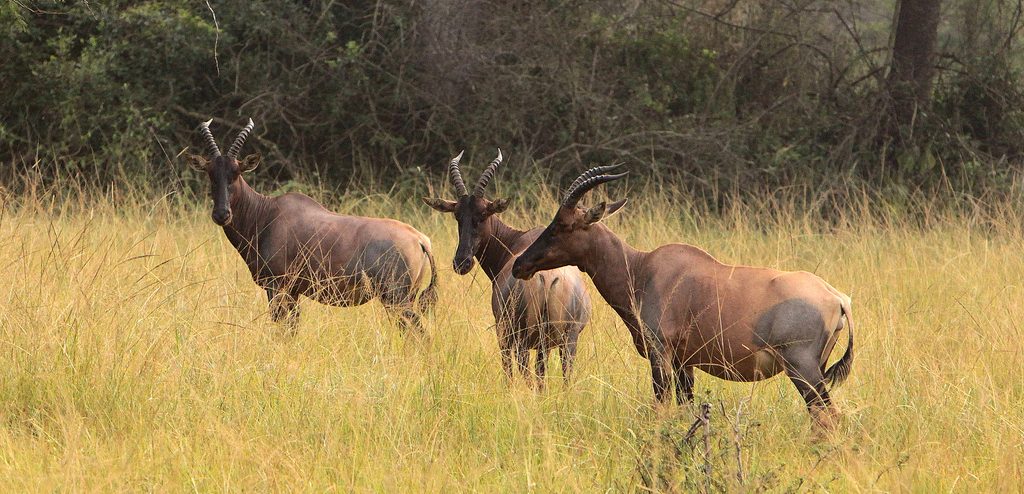
The park supports zebras, impalas, eland, buffaloes, warthogs, topis, waterbucks and giraffes in relatively compact landscapes. Early morning or late-afternoon drives pair naturally with afternoon cattle and homestead visits.
Best for: Classic short Mburo stays
Authorized walking safaris reveal tracks, plants and smaller details; horseback riding among zebras and antelopes offers a different perspective. Combine a morning nature walk or ride with an afternoon cultural homestead visit.
Best for: Active & distinctive itineraries
Boat excursions add hippos, crocodiles and waterbirds; birding complements forest destinations like Bwindi or Kibale. Some surrounding areas suit guided cycling through farmland — always with operators familiar with traffic, roads and wildlife considerations.
Best for: Birders & slow travel
Lake Mburo is well suited to Uganda family safaris. The park is relatively accessible from Kampala and offers activities beyond long vehicle game drives. Children may enjoy seeing zebras, learning about Ankole cattle and participating in shorter cultural visits.
Families can combine wildlife, food, crafts and farming experiences. Because the park is often used as the final safari stop before returning to Entebbe, it can provide a gentle conclusion to a longer family journey.
Couples can enjoy a relaxed combination of wildlife and culture. A private Lake Mburo safari might include a morning nature walk, a leisurely lunch, an afternoon cultural visit and an evening game drive. The smaller scale of the park can create a more intimate feeling than larger safari destinations, and couples can also combine culture with horseback riding or scenic lodge stays.
Ask your safari planner for family-friendly community partners and clear photography guidelines.
Plan a Family Cultural Safari
Lake Mburo can be visited throughout the year. Drier conditions often make wildlife viewing easier around water sources and create favorable walking conditions.
Rainier months bring greener landscapes and may appeal to photographers and birdwatchers. Because cultural experiences are not dependent on a specific wildlife migration, they remain available during most seasons. Carry basic rain protection regardless of the time of year.
Although Lake Mburo can be visited as a short overnight stop, two nights provide a far better experience. With two nights, travelers can comfortably combine a boat safari, game drive and cultural excursion.
Three nights suit slower itineraries that add walking safaris, horseback riding, birding or longer community visits. One night may offer only enough time to arrive, take a short drive and depart the following morning.
Tell your safari planner whether you want a short cattle visit, a full homestead-and-food morning, a community walk, craft shopping, or a fuller culture-and-wildlife day.
Lake Mburo is strategically located along one of the main routes between Kampala and southwestern Uganda. Instead of undertaking the entire journey in one day, break the drive with wildlife and cultural experiences — reducing continuous vehicle time and adding variety.
A typical Uganda gorilla safari can include Lake Mburo before or after gorilla trekking in Bwindi: begin with zebras, giraffes, walking safaris and Ankole culture before the rainforest, or use Mburo as the final destination before Entebbe. Longer routes connect Queen Elizabeth, Kibale chimpanzees and Bwindi in an efficient southwestern circuit.
Adventure in the Wild Safaris can match you with community partners where fees and craft purchases support residents directly.
Browse Uganda Safaris
A responsible cultural safari around Lake Mburo should create benefits for local communities. Using community guides, buying crafts directly from artisans and joining locally managed activities helps tourism revenue reach households. Community-based tourism is important because residents may experience both benefits and challenges from neighbouring wildlife.
Respect for privacy is as important as paying agreed activity fees — hosts are neighbours, not exhibits.
Comfortable clothing suits community and nature walks; mornings can be cool and sun strong by midday.
Dress comfortably and respectfully while allowing local people to present their culture on their own terms.
Lake Mburo sits between Kampala and southwestern Uganda, making it an excellent stop toward Bwindi, Lake Bunyonyi, Kisoro or Mgahinga — or a gentle last park before Entebbe.
Tell us your preferred depth of cultural engagement when you enquire so we can recommend the right lodges and partners.
Lodges and camps near the park often work with neighbouring communities for cattle visits, walks and craft experiences. Choosing the right base improves cultural access alongside game drives and boat trips.
Lake Mburo fits naturally with Bwindi gorilla trekking, Queen Elizabeth National Park, Kibale chimpanzee safaris and journeys between Kampala and southwestern Uganda. Combining regions shows that Uganda's culture cannot be reduced to a single community or tradition — forest-edge farming around Kibale contrasts with pastoral cattle culture here.
Pair your cultural safari with wildlife, birding, photography or family experiences in the same area.
 Bird Watching
A birding safari in Lake Mburo National Park introduces travelers to one of Uganda’s most distinctive birding landscapes.…
Learn More
Cultural Experiences
A Queen Elizabeth National Park cultural safari introduces the communities, traditions and everyday livelihoods surrounding one of Uganda's…
Learn More
Cultural Experiences
A Bwindi cultural safari takes travelers beyond mountain gorilla trekking to discover the people, traditions and community landscapes…
Learn MoreProgrammes may include Ankole cattle experiences, Bahima cultural exchange, traditional milking, homestead visits, community walks, farm visits, craft demonstrations, local food and optional game drives, walking safaris, horseback riding or boat trips. Exact activities depend on community partners.
Two nights are far better than one. With two nights you can combine a boat safari, game drive and cultural excursion; three nights allow walking safaris, horseback riding or deeper community time.
Yes. Lake Mburo works well before or after Bwindi gorilla trekking and also combines with Queen Elizabeth and Kibale on longer southwestern circuits.
Yes. The park is relatively accessible from Kampala; children often enjoy zebras, Ankole cattle and shorter cultural visits. It also makes a gentle final stop before Entebbe.
Ask first for portraits, private homes and livestock. Homesteads are private property; avoid photographing children without consent.
Year-round. Drier periods ease wildlife viewing and walking; greener months suit photographers and birdwatchers. Cultural experiences remain available most seasons — pack light rain protection anytime.
Use community guides, buy crafts directly, respect Bahima culture as living heritage, avoid treating homesteads as open attractions, and channel donations through recognized projects.
Ready for a Richer Western Uganda Journey?
Tell us your dates, travel style and how deeply you want to engage with Ankole and Bahima communities — Adventure in the Wild Safaris will build cattle visits, walks and wildlife into one seamless trip.