Batwa Heritage & Forest Knowledge
Hear Batwa perspectives on plants, shelter, songs and forest life — community-led tourism that recognizes contemporary people, not a vanished past.


A Mgahinga Gorilla National Park cultural safari pairs Virunga volcano scenery and primate encounters with Batwa heritage, highland farming communities and living traditions around Kisoro.
A Mgahinga Gorilla National Park cultural safari combines the spectacular volcanic scenery and primate encounters of southwestern Uganda with meaningful opportunities to learn about communities whose histories are closely connected to the forests and mountains of the Virunga region. Although Mgahinga is best known for mountain gorilla trekking, golden monkey trekking and volcano hiking, its cultural experiences add an important human dimension to a safari.
The park lies in Uganda's far southwest, close to the borders with Rwanda and the Democratic Republic of Congo. Three dramatic Virunga volcanoes—Mount Muhabura, Mount Gahinga and Mount Sabyinyo—dominate the landscape. Beneath these peaks are bamboo forests, montane vegetation, farms and densely settled highland communities.
Among the most significant cultural experiences around Mgahinga are those connected with the Batwa, whose ancestors depended on forests throughout the wider region. A thoughtfully organized cultural safari provides an opportunity to hear Batwa perspectives, learn about traditional forest knowledge and understand how conservation has changed local livelihoods.
Visitors can also explore agricultural communities around Kisoro, experience traditional food, learn about local crafts and combine culture with some of Uganda's finest primate and hiking adventures.
Many travelers visit Mgahinga for a specific wildlife activity and leave immediately afterward. Yet spending an additional day around the park creates a much more complete experience. The dramatic Virunga landscape has never existed independently of people — communities have cultivated the surrounding highlands for generations, while the Batwa historically depended on forest ecosystems for food, medicine and shelter. A cultural tour helps visitors understand the relationship between people, conservation and the environment, and provides direct economic benefit when travelers use community guides, participate in locally managed experiences and purchase crafts from producers.
Plan Your Cultural Safari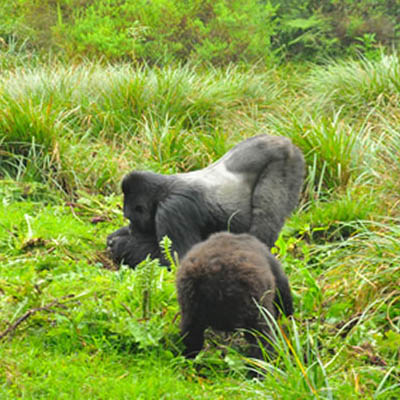
The Batwa cultural experience is one of the most important activities associated with Mgahinga. Historically, Batwa communities lived within and around forests of the Great Lakes region. Knowledge passed between generations about edible plants, medicinal species, hunting, gathering, shelter and movement through dense forest. Protected areas significantly changed access to ancestral forest environments.
Modern Batwa cultural tourism initiatives seek to provide participating community members with opportunities to share elements of this heritage while earning income from tourism. Approach with sensitivity — the Batwa are contemporary people with present-day aspirations.
The Batwa Trail introduces aspects of traditional forest knowledge with Batwa guides. Travelers may learn how previous generations used plants, identified food sources, constructed shelters and survived in forest environments. Songs, stories and demonstrations help communicate knowledge that would otherwise be difficult to understand. Listen to the guides' own explanations rather than treating demonstrations as entertainment. Availability and format can change — confirm when planning.
Cultural tourism also extends to Kisoro highland farming communities. A guided Kisoro community walk may pass cultivated hillsides, villages and small trading centres. Common crops include potatoes, beans, maize, vegetables and bananas. Walking rather than driving allows everyday life to be observed at a slower, more personal pace.
Traditional food experiences may show ingredients growing in nearby gardens before meals are prepared — sometimes with guest participation. Craft making provides supplementary income; baskets, woven products, jewelry and carvings from community groups, including women's initiatives. Music, dance and storytelling communicate history, celebration and identity when properly interpreted.
Remember Mgahinga is a protected national park. Cultural interpretation does not give travelers permission to collect plants or natural materials — the objective is education and preservation of knowledge.
A Mgahinga cultural safari can include several complementary experiences. Exact programmes vary by community partner — responsible arrangements emphasise community-led tourism, fair payment and genuine exchange rather than exoticized performances.
Batwa ancestors depended on forests throughout the Great Lakes region for food, medicine and shelter. Knowledge of plants, hunting, gathering and forest movement passed between generations. Protected areas changed access to ancestral environments. Modern initiatives let participating members share heritage while earning tourism income — approach as contemporary people with present-day aspirations, not a vanished past.

Accompanied by Batwa guides, learn how previous generations used plants, identified food, built shelters and moved through forest. Demonstrations may include historical hunting techniques and plant uses; songs and stories deepen understanding. Listen to guides' explanations rather than treating the day as entertainment. Confirm current availability and format when planning.

Long before modern tourism, communities developed detailed knowledge of plants, animals, weather and landscapes. Batwa guides may explain historical medicinal, food, rope, tool and shelter uses — a different way of understanding the forest from a conventional wildlife trek. Do not collect plants or materials; the park remains protected and the goal is education.
Guided Kisoro community walks pass cultivated hillsides, villages and trading centres. Learn how households farm steep volcanic terrain and how crops vary by elevation — potatoes, beans, maize, vegetables and bananas. Volcanic soils can be highly productive, but mountainous landscapes demand heavy labour. Walking reveals everyday life more personally than driving.
Agriculture is central around Mgahinga. Visits introduce small family farms, planting seasons, soil management and household food production. Discussions often turn to population pressure and land availability in one of Uganda's most densely cultivated mountain regions — useful context for why protected forests matter and why conservation must consider livelihoods.
See ingredients in nearby gardens before learning how meals are prepared. Potatoes, beans, vegetables, maize and bananas may feature by household and season. Guests can sometimes join simple cooking stages; sharing the meal opens conversation about family life, agriculture, education and traditions — especially suitable for families who prefer interactive activities.
Baskets, woven products, jewelry, carvings and decorative items provide supplementary income. Buy directly from artisans so more money remains with producers. Demonstrations show how materials are prepared and woven — particularly useful opportunities for women's community groups in the tourism economy.
Batwa and other local groups use performance to communicate history, celebration and identity. Guides should explain the context of each song or dance so performances do not become anonymous entertainment. Storytelling about childhood, farming, forest history or changing livelihoods adds a personal dimension guidebooks cannot provide.
Mgahinga works especially well when culture is paired with gorilla and golden monkey trekking, Virunga hikes and nearby Lake Mutanda — rather than a single trek and immediate departure.
Briefing, forest trek and regulated viewing of a habituated group remain the highlight — then add Batwa or village culture so gorilla conservation is understood as connected to surrounding communities. Terrain can be steep, muddy and demanding.
Best for: Classic Mgahinga stays
Golden monkeys move quickly through bamboo — a very different experience from gorillas. Three or four nights can combine mountain gorillas, golden monkeys and culture without rushing.
Best for: Primate enthusiasts
Muhabura, Gahinga and Sabyinyo offer demanding climbs and dramatic Virunga panoramas. Place names and farming traditions intertwine with the mountains — cultural time after a hike contrasts wilderness adventure with highland community life. Confirm trail access and fitness.
Best for: Adventure travellers
Food experiences, craft visits and shorter village walks suit families who want interactive culture around Mgahinga. Children below gorilla-trekking minimum ages can still enjoy meaningful community activities while adults trek — especially when based near Kisoro or Lake Mutanda.
Two nights may cover a single gorilla trek but is too short to appreciate the wider destination. Three nights allow gorillas plus golden monkeys or culture; four nights better for gorillas, golden monkeys and Batwa heritage; five or more when adding volcano hiking or Lake Mutanda.
Combining Mgahinga with Lake Mutanda creates a slower itinerary with birding, canoe options and additional community interaction rather than moving immediately to the next park.
Ask your safari planner for community-led Batwa programs, fair payment structures and clear photography guidelines.
Plan a Family Cultural Safari
Mgahinga can be visited throughout the year. The relatively drier periods around June to August and December to February are particularly popular for trekking.
Mountain weather is unpredictable and rain can occur at any time. Wetter months produce exceptionally green landscapes but can make forest and village trails muddy. Cultural activities can generally be enjoyed throughout the year — carry waterproof clothing regardless of season.
Two nights may be enough for a single gorilla trek, but it is too short to appreciate the wider destination. Three nights allow gorilla trekking with either golden monkeys or culture.
Four nights are better for visitors wanting gorillas, golden monkeys and a Batwa cultural experience. Five nights or longer may be appropriate when adding volcano hiking or Lake Mutanda.
Tell your safari planner whether you want the Batwa Trail, a village-and-farm morning, food and crafts, music and storytelling, or a fuller culture day alongside primate permits.
Mgahinga combines easily with Bwindi for a second gorilla trek or forest comparison across Buhoma, Ruhija, Rushaga and Nkuringo. Lake Mutanda offers rest, birding and further community interaction after trekking.
Because Mgahinga lies close to Rwanda, it is frequently incorporated into Uganda and Rwanda itineraries with Volcanoes National Park and Kigali — check border regulations and visa requirements before travel. Confirm Batwa experience availability and format when planning, as programmes can change.
Adventure in the Wild Safaris can match you with community-led partners where fees and craft purchases support residents directly.
Browse Uganda Safaris
Responsible cultural tourism is essential around Mgahinga. Travelers should use community-led programs where participants receive fair payment.
The goal should be genuine cultural exchange — hosts are neighbours and partners in conservation, not exhibits.
High elevation around Mgahinga means cool mornings; community visits need practical, respectful clothing alongside any trekking kit.
Dress comfortably and respectfully while allowing local people to present their culture on their own terms.
Mgahinga sits in Uganda's far southwest near Kisoro, with easy pairing to Lake Mutanda, Bwindi sectors and Rwanda border crossings when immigration allows.
Tell us your preferred mix of culture, primates and hiking when you enquire so we can recommend nights, permits and partners.
Lodges near Mgahinga and Kisoro, or scenic bases at Lake Mutanda, often work with community partners for Batwa experiences, village walks and crafts.
Mgahinga fits naturally with Lake Mutanda, Bwindi Impenetrable National Park, Kisoro, Queen Elizabeth and cross-border Rwanda itineraries. A longer Uganda gorilla safari can include Bwindi trekking, Mgahinga golden monkeys and Batwa cultural experiences in the wider region.
Pair your cultural safari with gorilla trekking, birding, photography or family experiences in the same area.
 Bird Watching
A Mgahinga Gorilla National Park birding safari takes visitors into one of Uganda's smallest yet most biologically remarkable…
Learn More
Cultural Experiences
A cultural safari in Lake Mutanda explores southwestern Uganda's highland beauty while revealing the communities living beneath the…
Learn More
Cultural Experiences
A Bwindi cultural safari takes travelers beyond mountain gorilla trekking to discover the people, traditions and community landscapes…
Learn MoreProgrammes may include the Batwa Trail or other community-led Batwa heritage experiences, forest knowledge interpretation, Kisoro village walks, farming visits, traditional food, crafts, music and storytelling. Exact activities depend on partners and current availability.
Three nights allow gorillas plus golden monkeys or culture; four nights better for all three; five or more when adding volcano hiking or Lake Mutanda. Two nights is usually too short for the wider destination.
Yes — that is one of Mgahinga's strengths. Add culture before or after primate days so conservation is understood in community context.
Availability and format can change. Confirm arrangements when planning your safari and choose community-led programmes with fair payment.
Always ask first. Approach Batwa experiences with particular sensitivity and avoid treating participants as exotic attractions.
Year-round. June–August and December–February are popular for trekking; rain is possible anytime. Cultural activities remain available most seasons — pack waterproofs.
Use community-led programmes with fair payment, buy crafts directly, avoid gifts of sweets or cash to children, do not collect park plants, and support established community projects.
Ready for a Richer Virunga Journey?
Tell us your dates, travel style and how deeply you want to engage with Batwa and Kisoro communities — Adventure in the Wild Safaris will build heritage walks, primate treks and volcano days into one seamless trip.