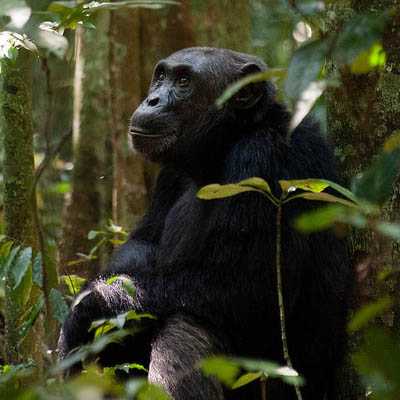
Beyond One Trek
A single gorilla trek is extraordinary, but village walks, Batwa heritage, coffee and crafts turn a brief overnight into a fuller understanding of southwestern Uganda.


A Bwindi cultural safari takes travelers beyond mountain gorilla trekking to discover the people, traditions and community landscapes surrounding Bwindi Impenetrable National Park — where ancient rainforest meets densely populated rural communities whose livelihoods form an essential part of the destination.
A Bwindi cultural safari takes travelers beyond mountain gorilla trekking to discover the people, traditions and community landscapes surrounding Bwindi Impenetrable National Park. Situated in southwestern Uganda, Bwindi is internationally recognized for its mountain gorillas, ancient rainforest and exceptional biodiversity. Yet the forest exists beside densely populated rural communities whose livelihoods, histories and cultural traditions form an essential part of the destination.
Around the park’s principal tourism sectors—Buhoma, Ruhija, Rushaga and Nkuringo—visitors encounter steep cultivated hills, village trading centers, coffee gardens, craft groups and households that live within sight of the forest boundary. Adding cultural experiences to a gorilla safari provides a more complete understanding of Bwindi and explains why successful wildlife conservation depends upon strong relationships with surrounding communities.
A conventional Bwindi itinerary often includes arrival, one gorilla trek and departure. While this is enough to experience mountain gorillas, it leaves little time to understand the destination. A Bwindi community safari can add village walks, Batwa heritage experiences, Bakiga cultural activities, craft workshops, food demonstrations, coffee tours and conservation discussions.
The Bakiga people form a significant population across the Kigezi highlands. The Batwa people have a deep historical association with forest environments. A responsible cultural safari avoids presenting any community as frozen in the past — modern education, Christianity, technology, agriculture, tourism and urban migration have all influenced contemporary life.
Community-led Batwa cultural tourism creates opportunities to preserve and interpret historical forest knowledge while generating income. Bakiga experiences introduce intensive highland farming, food, clan traditions, dance and local history across steep terrain where land is limited by the protected forest boundary.
Plan Your Cultural Safari
Bwindi community walks vary by sector. Routes can pass farms, craft centers, schools, local shops and community tourism projects. A local guide provides interpretation and introduces residents participating in the activity.
Walking allows visitors to see the landscape from the perspective of the people living there — far more informative than viewing villages only from a vehicle.
During a Batwa heritage program, visitors may learn about historical fire-making, plant use, hunting techniques, shelter construction and storytelling. Traditional songs and demonstrations provide insight into a way of life closely connected with the forest — while recognising that contemporary Batwa families share aspirations involving education, employment, health and land.
A Bwindi coffee tour is an excellent hands-on cultural activity. Farmers may demonstrate harvesting, drying, shelling, roasting and grinding before fresh coffee tasting completes the experience.
Food experiences introduce matooke, beans, groundnut sauce, cassava and vegetables. Cultural performances can include Bakiga dancing, drumming and songs, or Batwa forest songs — ask guides to explain meaning so entertainment becomes education.
Responsible operators arrange visits with communities that have agreed to receive travelers and where tourism income benefits residents directly.
A Bwindi cultural safari can include several complementary experiences across Buhoma, Ruhija, Rushaga and Nkuringo. Exact programmes vary by community partner.
Community-led programs interpret historical fire-making, plant use, shelter construction and storytelling — preserving knowledge while generating income.

Intensive highland agriculture on steep terrain — bananas, beans, potatoes, maize — plus food, clan traditions, dance, music and local history.
Pass farms, craft centres, schools and tourism projects with a local guide who introduces residents and explains how gorilla tourism shapes livelihoods.
Follow coffee from cultivation to roasting with community projects that create direct links between tourism and local agriculture.
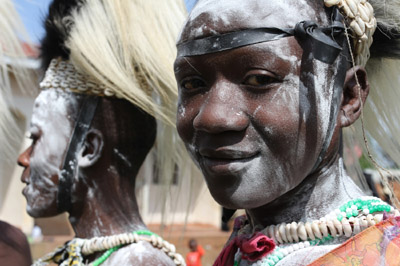
Share local dishes, buy from women’s craft groups, and enjoy Bakiga or Batwa music with cultural context from your guide.
Discuss revenue sharing, tourism jobs and the reality that crop-raiding wildlife can affect household food and income for farmers beside the forest.

Albertine Rift endemics and designated forest trails focusing on waterfalls, plants, butterflies and birds — strong complements to culture for longer stays.

Culture pairs easily with gorilla trekking, habituation (where available), birding and circuits through Queen Elizabeth or Kibale.
Trek a habituated family, then add village walks, Batwa heritage, coffee or crafts so the destination is not reduced to a single morning in the forest.
Best for: Classic Bwindi itineraries
Buhoma offers established community programmes; Ruhija suits birders; Rushaga links toward Lake Mutanda; Nkuringo rewards dramatic views and walking.
Best for: Choosing the right base
Combine Kibale chimpanzees with Bwindi gorillas, adding community tourism around both parks for a strong cultural dimension.
Best for: Uganda primate safaris
Families can include community activities even when younger children cannot trek gorillas. Crafts, farm visits and village walks provide excellent alternatives.
Bwindi is also increasingly popular for honeymoon safaris — forest lodges, private transfers and mountain gorillas create an unforgettable romantic journey, with community experiences adding authenticity.
Parents should prepare children to behave respectfully and avoid treating homes or residents as attractions.
Ask your safari planner for family-friendly community visits with clear photography and gift guidelines. Check gorilla trekking age rules separately.
Plan a Family Cultural Safari
Bwindi can be visited year-round. Community activities operate throughout the year and are not tied to a narrow seasonal window.
Drier periods generally provide easier trekking, although rainfall is always possible in this rainforest.
Two nights is a practical minimum. Three nights is preferable when culture is an important part of the journey. Longer stays suit birders and travelers wanting multiple activities.
When planning a Bwindi cultural safari, consider your gorilla trekking sector and cultural interests — Batwa heritage, Bakiga village experiences, coffee, crafts, food and conservation.
A tailor-made itinerary can integrate everything without rushing. Cultural activities can also sit before or after a gorilla habituation experience where available under current park regulations.
Bwindi combines naturally with Queen Elizabeth National Park (game drives, Kazinga Channel, Ishasha), Kibale chimpanzee trekking, Lake Bunyonyi, or onward travel into Rwanda.
Tell your safari planner how deeply you want to engage with local culture so the right sector base and community partners are chosen.
Adventure in the Wild Safaris can match you with community partners where fees and craft purchases support residents directly.
Browse Uganda Safaris

Travelers should choose locally managed programs with clear financial benefits for host communities.
When visitors wish to support schools or community initiatives, contributions are generally better coordinated through established projects or community representatives.
Bring sturdy hiking boots, long trousers, long sleeves, rain gear and gloves for gorilla trekking. For cultural visits, comfortable modest clothing works well.
Dress comfortably and respectfully while allowing local people to present their culture on their own terms.
Bwindi’s four main sectors each have lodge bases and community partners. Cultural visits are usually arranged from your chosen sector.
Tell us your preferred depth of cultural engagement when you enquire so we can recommend the right sector and partners.
Choosing a lodge that works with neighbouring communities significantly improves cultural access in each sector.
Bwindi combines naturally with Queen Elizabeth, Kibale, Lake Bunyonyi and Rwanda for a fuller primate and culture circuit.
Pair your cultural safari with gorilla trekking and related experiences across Bwindi’s sectors.
Cultural Experiences
A Buhoma cultural safari offers one of the most meaningful additions to gorilla trekking in Bwindi Impenetrable National…
Learn More
Cultural Experiences
A Ruhija cultural safari reveals the communities and highland traditions surrounding the eastern sector of Bwindi Impenetrable National…
Learn More
Cultural Experiences
A Queen Elizabeth National Park cultural safari introduces the communities, traditions and everyday livelihoods surrounding one of Uganda's…
Learn More
Cultural Experiences
A cultural safari in Kibale National Park discovers the communities, traditions and rural landscapes surrounding Uganda’s most famous…
Learn MoreActivities may include community walks, Batwa heritage, Bakiga farming and food experiences, coffee tours, crafts, music and conservation discussions. Exact programmes depend on your sector and community partner.
Two nights is a practical minimum; three nights is preferable when culture matters. Longer stays suit birders and multiple activities.
Yes. Culture is commonly arranged before or after trekking, or on a separate day. Habituation experiences can also be paired with community activities where available.
Cultural experiences run year-round. Drier periods are easier for trekking; rain is always possible in Bwindi.
Always ask first. Permission is especially important for portraits, homes and photographs of children.
Choose locally managed programmes, pay fair prices, buy crafts directly, avoid gifts to children, and donate through established channels.
Yes — crafts, farm visits and village walks work well even when younger children cannot trek gorillas. Check gorilla age rules separately.
Ready for a Richer Bwindi Journey?
Tell us your dates, trekking sector and how deeply you want to engage with communities around Bwindi — Adventure in the Wild Safaris will weave Batwa heritage, village walks, coffee and gorilla trekking into one seamless trip.