Rhino Tracking on Foot
Walk with rangers to southern white rhinos — tracks, behaviour and ground-level observation under supervised safety distances, not just vehicle windows.


A Ziwa Rhino Sanctuary cultural safari combines one of Uganda's most important wildlife conservation experiences with communities, rural livelihoods and landscapes surrounding the sanctuary.
A Ziwa Rhino Sanctuary cultural safari combines one of Uganda's most important wildlife conservation experiences with opportunities to understand the communities, rural livelihoods and landscapes surrounding the sanctuary. Ziwa is best known for white rhino tracking in Uganda, but travelers who slow down and spend additional time in the region can discover a much broader story involving conservation, farming, community livelihoods, birding and the relationship between people and wildlife.
Located in central-northern Uganda along the route between Kampala and Murchison Falls National Park, Ziwa Rhino Sanctuary has become an important stop on many Uganda Big Five safaris. The sanctuary's rhinos make it possible for visitors to combine rhino tracking at Ziwa with lions, leopards, elephants and buffaloes in Uganda's national parks.
Yet visiting Ziwa only for a short rhino walk means missing an opportunity to understand the human environment surrounding this important conservation area. A cultural safari can include guided community encounters, agricultural experiences, local food, conversations about conservation and birding in the surrounding landscape.
For travelers interested in responsible tourism in Uganda, combining wildlife conservation with community interaction creates a more complete safari experience.
Ziwa sits in the Nakasongola area north of Kampala, conveniently on the road toward Murchison Falls. Many visitors stop for rhino tracking en route, but overnight guests explore woodland, grasslands, wetlands and agricultural communities at a more relaxed pace — an excellent introduction to the transition between central and northern Uganda.
Plan Your Cultural Safari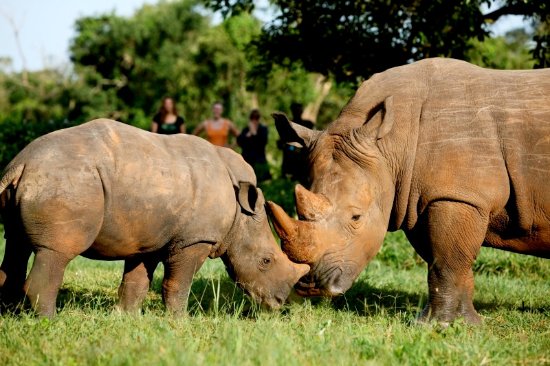
The signature experience is rhino tracking on foot. Accompanied by trained guides and rangers, visitors walk suitable habitat in search of southern white rhinos. Guides interpret tracks, vegetation and behaviour while maintaining safety distances.
Seeing such enormous animals at ground level differs completely from vehicle viewing. Follow guide instructions at all times — rhinos are powerful wild animals, and responsible tracking prioritizes visitor safety and animal welfare.
A Ziwa cultural experience allows travelers to understand relationships between protected areas and surrounding farms, businesses and employment. Organised village visits should never be intrusive; do not enter homes or photograph residents without permission.
Agricultural visits may introduce crops grown for households and markets. Livestock discussions — cattle, goats, poultry — add another livelihood dimension where appropriate community programmes exist.
Food experiences, markets and crafts create relaxed settings for conversation. Markets are working spaces; photograph individuals only with permission.
Birding and nature walks extend beyond a rushed rhino stop. Confirm sanctuary operations and any shoebill or wetland arrangements when booking — sightings and activities are not guaranteed.
A Ziwa cultural safari can include several complementary experiences beyond rhino tracking. Exact community programmes vary — responsible visits are organised so participating households benefit.
In Uganda's Nakasongola area north of Kampala, on the road toward Murchison Falls — one of the easiest conservation stops on a northern safari. Many travelers track rhinos en route; overnight guests explore woodland, grasslands, wetlands and farming communities at a slower pace.

Uganda historically supported wild rhinos, but poaching and instability removed them from wild landscapes. Ziwa's protected breeding population is central to restoring rhinos. Visits introduce security, habitat management, breeding, conservation financing and long-term restoration ambitions — more than a photo opportunity.
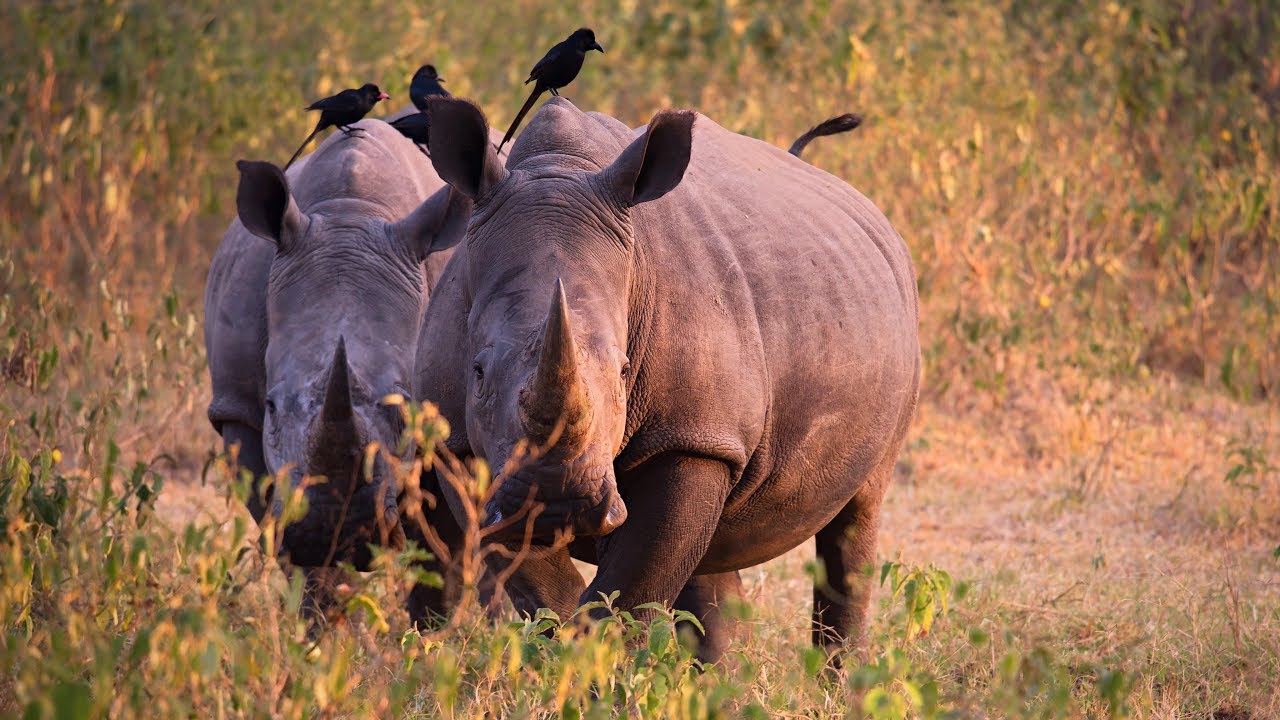
Walk with trained guides and rangers searching for southern white rhinos. Interpret tracks and behaviour at safe distances. Ground-level observation is a different experience from vehicle game drives. Always follow instructions — safety and animal welfare come first.
Protected areas exist within wider human landscapes. Communities farm and trade nearby while tourism creates jobs. Cultural experiences make conservation less abstract — the sanctuary becomes part of a social and economic landscape, not only a fenced rhino enclosure.

Farming communities and small trading centres surround the sanctuary. Guided experiences may walk cultivated areas and meet participating families. Visits must be organised — never intrusive. Local guides provide introductions so households benefit from tourism.
Community farming visits may encounter cassava, maize, beans, groundnuts, bananas and other crops. Guides explain planting, harvesting, rainfall, market access and changing practices — valuable insight into the rural economy through which much of a Ugandan safari passes.
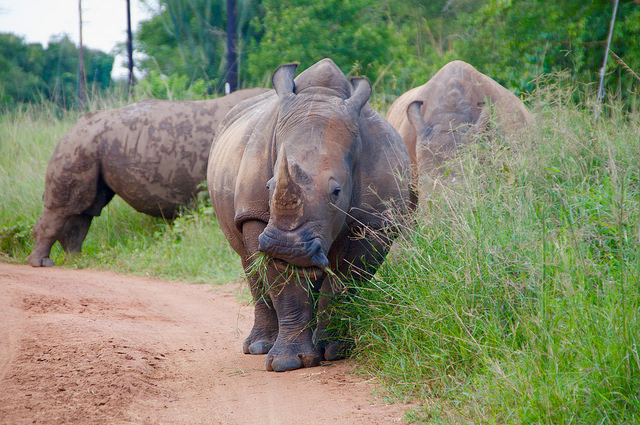
Where appropriate programmes exist, guides may discuss cattle, goats, poultry and other animals that provide food, income and savings. Learn how families balance crops and livestock and how water and grazing shape rural life.

Learn how locally grown ingredients are prepared in everyday households. Guests may help with simple stages before sharing the meal — a relaxed setting to discuss farming, education and traditions. For many visitors, eating with hosts becomes one of the most personal safari moments.
Trading centres connect farmers, traders and consumers. Depending on day and location, see produce, household goods, clothing and prepared food. Guides explain how goods move from farms to markets. Remember markets are workplaces — photograph individuals only with permission.

Community members may produce baskets, mats and handmade items. Buy directly from artisans and watch demonstrations of material preparation and weaving. Pay fair prices — aggressive bargaining undermines community tourism benefits.
Woodland, grassland and wetland habitats support numerous birds. Extend beyond rhino tracking with an experienced guide. Birding and cultural tourism both reward slower exploration instead of rushing from Kampala to Murchison.
The wider Ziwa environment has historically attracted wetland birders, including shoebill searches subject to current access. Confirm arrangements when booking — sightings are never guaranteed. Mabamba Swamp near Entebbe is another famous Uganda shoebill option.
Beyond rhinos, guided walks introduce plants, smaller wildlife and varied habitats. Notice tracks, insects, birds and vegetation easily missed from a vehicle. Combine with a community activity for a full conservation-and-rural day.
Lion, leopard, elephant, buffalo and rhinoceros form the traditional Big Five. Major parks offer four; Ziwa provides Uganda's best-known rhino experience. Combining Ziwa with Murchison Falls is a classic route — sightings never guaranteed, but the opportunity is excellent.

Ziwa sits on the Kampala–Murchison road, making culture-plus-conservation easy to add to northern Uganda itineraries.
After rhino tracking, continue for savannah game drives, Nile boat safaris and the falls gorge. Wildlife can include elephants, giraffes, buffaloes, lions, leopards, hippos, crocodiles and antelopes — one of Uganda's best short wildlife itineraries.
Best for: Big Five short safaris
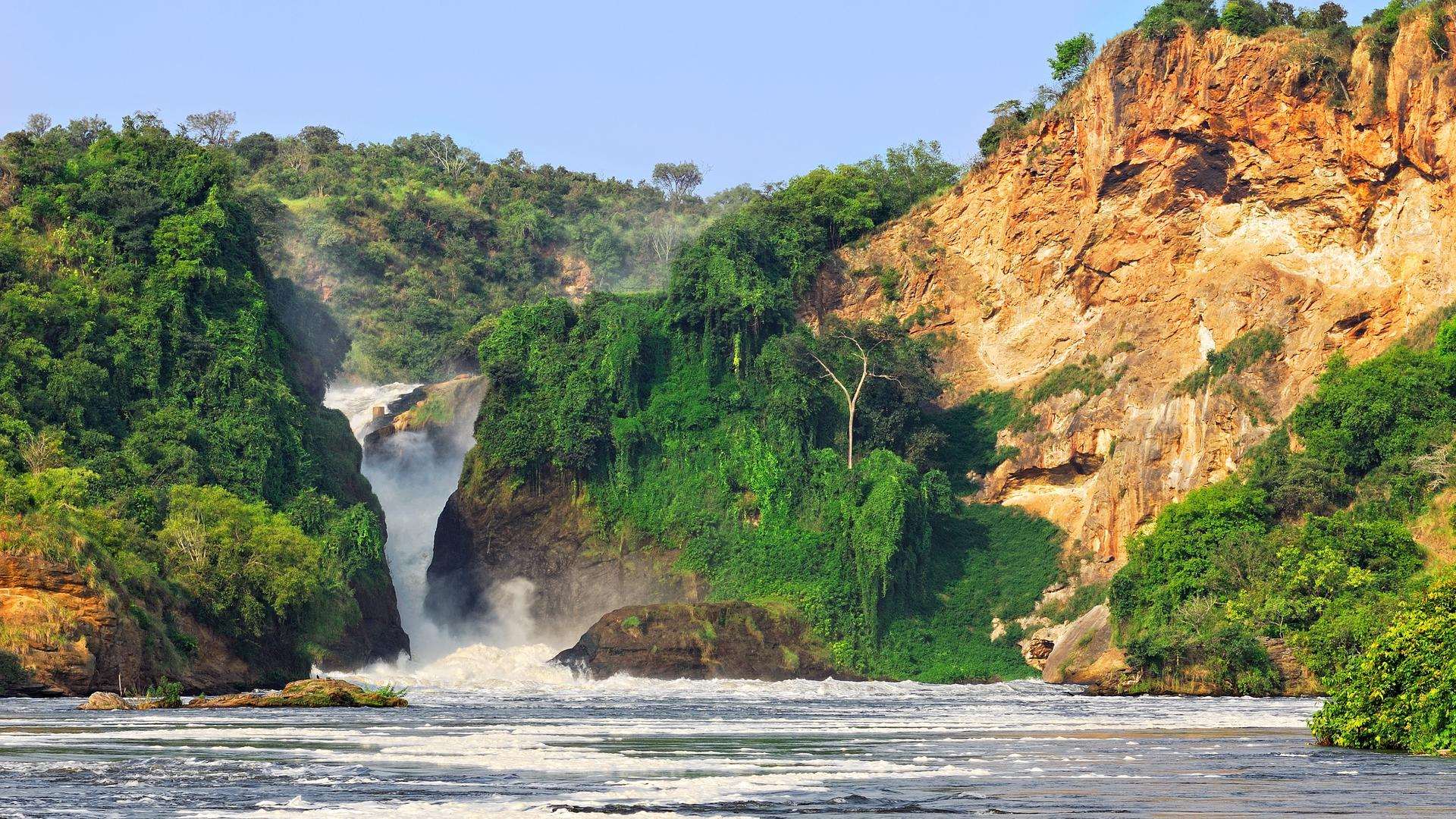
Vehicle game drives contrast with walking at Ziwa. The Nile cruise adds hippos, crocodiles, elephants and waterbirds approaching the falls — walking, boating, game viewing and culture in one journey.
Best for: Classic northern circuits
Break the northbound journey after Entebbe/Kampala, or stop southbound from Murchison. Longer routes can add Jinja and the Source of the Nile before or after rhinos and Murchison wildlife.
Best for: Arrival & extended itineraries
Rhino tracking on foot is memorable for families when children can follow ranger instructions. Community food, farm visits and crafts adapt well to different ages.
An overnight stay avoids rushing between Kampala and Murchison and gives time for birding or a second gentle activity.
Prepare children to be respectful guests — no random gifts, ask before photos, and stay with the ranger group near rhinos.
Ask your safari planner about age suitability for tracking and family-friendly community partners.
Plan a Family Cultural Safari
Ziwa can be visited throughout the year. Relatively drier seasons generally provide comfortable walking conditions.
During wetter periods, vegetation becomes greener and birding can be excellent, although trails may become muddy. Rhino tracking follows sanctuary operations and conditions — confirm current opening arrangements before departure.
Morning activities are particularly pleasant because temperatures are cooler.
Many travelers visit Ziwa for only a few hours while traveling to Murchison Falls — practical when time is limited.
An overnight stay provides a more complete experience: rhino tracking, birding and community activities without rushing. Two nights may appeal to serious birdwatchers or visitors especially interested in conservation.
The ideal itinerary combines rhino tracking with at least one additional activity — birding, a nature walk or a community experience — before continuing to Murchison Falls.
Confirm sanctuary activity fees, opening times and any wetland or shoebill arrangements when booking. Sightings and optional activities are never guaranteed.
Tell your planner whether Ziwa is a transit stop or an overnight conservation-and-culture focus so transfers and Murchison nights are sequenced correctly.
Adventure in the Wild Safaris can combine rhino tracking with community partners where fees and craft purchases support surrounding households.
Browse Uganda Safaris
A responsible Ziwa Rhino Sanctuary safari should support conservation while recognizing surrounding communities.
Respectful photography and ranger-led safety create better interactions — people and rhinos are not props for a safari checklist.
Comfortable closed walking shoes, lightweight trousers and a breathable shirt in neutral safari colours are practical.
Avoid approaching rhinos independently — always remain with your ranger group.
Ziwa is strategically placed on the road between Kampala/Entebbe and Murchison Falls National Park.
Tell us whether Ziwa is a half-day stop or an overnight focus when you enquire.
Sanctuary-area lodges and nearby stays make overnight culture and birding realistic. Confirm community partner arrangements and tracking start times.
A thoughtfully planned Ziwa cultural safari connects wildlife restoration, rural livelihoods and Uganda's northern conservation story — an excellent introduction to the northern safari circuit.
Pair your cultural safari with rhino tracking, birding, wildlife, photography or family experiences.
 Bird Watching
Plan birding safari in ziwa rhino sanctuary with expert advice on costs, best time, routes, accommodation and safari…
Learn More
Cultural Experiences
A Murchison Falls cultural safari adds an important human dimension to a journey through Uganda's largest national park…
Learn More
Cultural Experiences
A Budongo Forest cultural safari combines the extraordinary biodiversity of one of Uganda’s most important tropical forests with…
Learn MoreProgrammes typically centre on rhino tracking plus optional community encounters, farming visits, local food, crafts, birding or nature walks. Exact community activities depend on partners and season.
A few hours works as a Murchison transit stop. Overnight is better for culture and birding; two nights suit serious birders or conservation-focused travelers.
Yes — it is the most natural pairing for Uganda Big Five itineraries, adding Nile boat safaris and savannah game drives after rhino tracking.
When children can follow ranger instructions and stay with the group, it can be memorable. Discuss ages with your planner and never approach rhinos independently.
Wetland birding including shoebill interest has historically been associated with the wider area, but confirm current access — sightings are never guaranteed. Mabamba near Entebbe is another option.
Follow ranger guidance near rhinos and never move closer for a shot. Ask permission before photographing people in villages or markets.
Pay activity fees, use local guides, buy crafts fairly, avoid gifts to children, and channel donations through organized conservation or community initiatives.
Ready for a Richer Northern Journey?
Tell us your dates, whether Ziwa is a half-day or overnight stop, and how deeply you want community engagement — Adventure in the Wild Safaris will weave rhino tracking, culture and Murchison Falls into one seamless trip.