Meet Diverse Communities
Acholi, Alur, Banyoro and other groups live around the park. Guides explain how languages, histories and traditions change with your route and lodge area — not one uniform “park culture.”


A Murchison Falls cultural safari adds an important human dimension to a journey through Uganda's largest national park — beyond elephants, lions, giraffes and the dramatic Nile gorge.
A Murchison Falls cultural safari adds an important human dimension to a journey through Uganda's largest national park. Murchison Falls National Park is famous for elephants, lions, giraffes, buffaloes, hippos, Nile crocodiles, spectacular game drives and the dramatic point where the River Nile squeezes through a narrow rocky gorge. Yet the communities surrounding this enormous conservation area have equally fascinating histories, traditions and relationships with the landscape.
By combining wildlife activities with carefully arranged community experiences, travelers gain a more complete understanding of northern and northwestern Uganda. Cultural visits can introduce traditional music and dance, farming, food preparation, fishing traditions, crafts and everyday village life while creating opportunities for local people to benefit directly from tourism.
Rather than treating culture as a short performance between game drives, a well-designed Murchison Falls cultural safari allows time for genuine interaction. Travelers meet local guides, families, craftspeople, farmers and community organizations and learn how people live alongside one of Uganda's most important protected areas.
Murchison Falls National Park covers an extensive area in northwestern Uganda, and several culturally distinct communities live in the surrounding districts. The wider region includes communities associated with Acholi, Alur, Banyoro and other cultural groups. Their languages, histories and traditions vary according to location.
This diversity means that there is no single “Murchison culture.” The cultural experience available to a visitor depends on the route, community and accommodation area included in the safari. Travelers entering the park from the southern side may encounter cultural influences associated with Bunyoro, while journeys through northern approaches reveal different traditions and historical experiences. A knowledgeable local guide can provide context and help travelers understand these differences rather than presenting the communities surrounding the park as culturally identical.
Plan Your Cultural Safari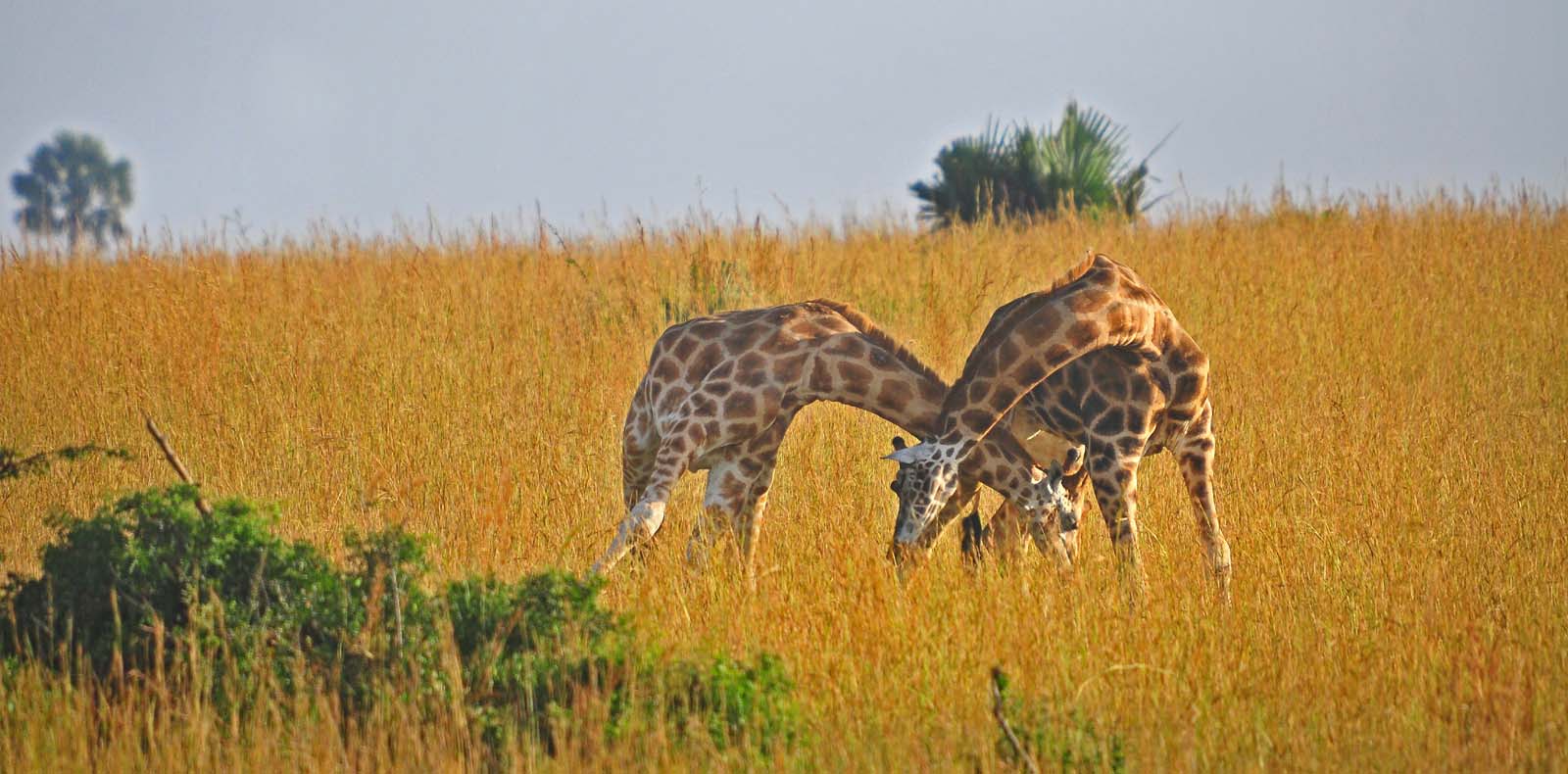
A guided village visit is one of the best ways to add culture to a Murchison Falls safari. These experiences usually take place outside the national park in communities that have developed tourism initiatives.
Visitors may walk through villages, observe agricultural activities, meet families and learn how local households organize everyday life. The value of the experience lies in conversation — asking about farming, education, marriage traditions, family structures, conservation and the changes tourism has brought to the region.
Community guides often provide personal perspectives that make the experience memorable. Many have grown up near the national park and can explain how attitudes toward wildlife and conservation have changed over time.
Organized community performances may feature traditional songs, drums and energetic dances. Some celebrate harvests, marriage, community gatherings or historical events; others express social identity and storytelling. A good cultural guide explains the background of each performance and introduces the instruments being used.
Travelers may occasionally be invited to participate. Joining respectfully can create a relaxed and enjoyable interaction between visitors and performers.
Photography should always be undertaken with permission, particularly when photographing individuals or homes. Your guide can help explain when photography is appropriate during ceremonies or private visits.
A Murchison Falls cultural safari can include several complementary experiences. Exact programmes vary by community partner and lodge location — responsible arrangements emphasise genuine interaction over hurried tourist performances.
The wider region includes Acholi, Alur, Banyoro and other cultural groups whose languages, histories and traditions vary by location. Southern approaches may emphasise Bunyoro influences; northern routes reveal different traditions. A knowledgeable guide helps you understand these differences rather than treating surrounding communities as culturally identical.
Guided village visits usually take place outside the national park. Walk through settlements, observe agriculture, meet families and ask about farming, education, marriage, conservation and tourism's local impact. Many guides grew up near the park and share personal perspectives on changing attitudes toward wildlife.
Community performances may feature songs, drums and energetic dances linked to harvests, marriage, gatherings, historical events or social identity. Ask your guide to explain meaning and instruments so the encounter becomes cultural exchange rather than spectacle. Respectful participation is sometimes welcomed.

Visit gardens, learn about staple crops and observe traditional preparation. Ingredients may include cassava, millet, maize, beans, groundnuts, vegetables and fish. Some experiences let you help prepare a meal before sharing it with hosts — revealing how food connects agriculture, climate, family life and culture.
The Nile has supported regional communities for generations; fishing traditions matter especially near the river and Lake Albert. Where appropriately arranged, cultural experiences introduce local fishing methods, boat building and the importance of fish to household livelihoods — distinct from the park's licensed sport-fishing excursions.
Craft groups produce baskets, mats, decorative items, jewelry and other handmade products — valuable supplementary income, particularly for women's groups. Buy directly from artisans, learn materials and techniques, and where offered try simple weaving under guidance.
Living close to a national park creates both opportunities and challenges — tourism employment alongside crop damage when wildlife moves beyond boundaries. Speaking with residents provides nuanced understanding. Paying for guided walks, performances, meals and crafts helps tourism income reach households that might otherwise see little direct benefit.
Cultural activities are easy to combine with game drives, the Nile boat safari, the top of the falls and optional Ziwa rhino tracking on the way from Kampala or Entebbe.
The northern savannah plains are productive for elephants, Rothschild's giraffes, buffaloes, Uganda kobs, hartebeests, oribis and predators including lions and leopards. A morning game drive can be followed by an afternoon or evening cultural activity outside the park, or dedicate separate days when staying three or four nights.
Best for: Classic Murchison itineraries
The boat journey toward the base of the falls commonly reveals hippos, Nile crocodiles, elephants, buffaloes and waterbirds, culminating near the powerful falls. Combining the cruise with community activities illustrates both the natural and human importance of the Nile.
Best for: Signature Murchison days
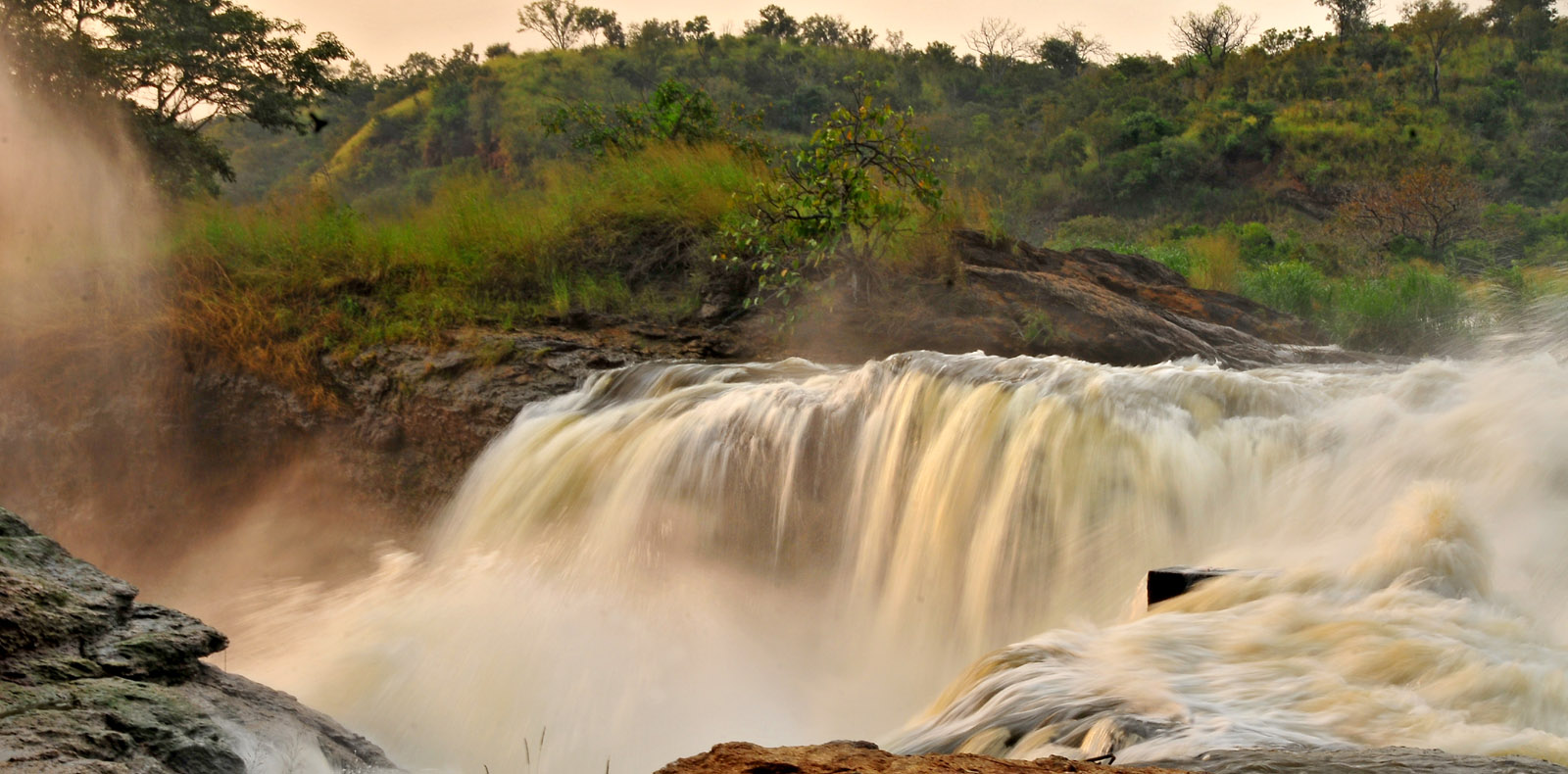
The top-of-falls viewpoint — where the Nile is forced through a narrow gorge — pairs with cultural activities depending on your route. Many itineraries also include Ziwa Rhino Sanctuary for southern white rhino tracking on foot, helping complete Big Five sightings alongside park lions, leopards, elephants and buffaloes.
Best for: Longer northern Uganda circuits
Murchison Falls works well for family safaris in Uganda. Village walks, craft demonstrations, food experiences and music can be adapted to different ages and energy levels.
Families often appreciate pairing wildlife mornings with gentler cultural afternoons, giving children a chance to meet people and ask questions after game drives or the Nile boat safari.
Couples and honeymoon travelers can keep cultural visits unhurried — a short village walk or craft stop that deepens the journey without crowding iconic park activities.
Ask your safari planner for family-friendly community partners and clear photography guidelines.
Plan a Family Cultural Safari
Cultural experiences are possible throughout the year. For wildlife viewing, drier periods are often preferred because animals tend to concentrate around reliable water sources and vegetation can be less dense.
Wetter months create lush scenery and can be excellent for birding and photography. Because community experiences take place outside the park as well as around rural settlements, weather should be considered when planning village walks — during rainy periods some unpaved roads and footpaths can become muddy.
Three days is usually considered the minimum for a conventional Murchison Falls safari from Kampala or Entebbe. Travelers interested in culture should ideally consider four days or longer.
An additional night reduces the need to rush and provides time for a dedicated community visit without sacrificing game drives, the Nile boat safari or the top of the falls.
A four-day itinerary might include arrival and wildlife viewing, a full day combining game drive and boat safari, a cultural experience and additional wildlife activity, followed by departure.
Longer itineraries can incorporate Ziwa Rhino Sanctuary, Budongo Forest chimpanzee tracking or additional birding. Tell your safari planner whether you want a short village visit, food and music, crafts, fishing livelihoods context, or a fuller community day.
Lodge location matters: cultural partners vary by approach and accommodation area. Choosing the right base improves access to genuine community experiences.
Adventure in the Wild Safaris can match you with community partners where fees and craft purchases support residents directly.
Browse Uganda Safaris
Responsible cultural tourism should provide meaningful benefits to participating communities. Choose experiences where guides, performers, craftspeople and host families receive fair payment.
Respect for privacy is as important as paying agreed activity fees — hosts are neighbours, not exhibits.
Lightweight, breathable safari clothing suits most activities; dress respectfully for community visits.
Dress comfortably and respectfully while allowing local people to present their culture on their own terms.
Most travelers reach Murchison Falls by road from Kampala or Entebbe, often with an optional stop at Ziwa Rhino Sanctuary.
Tell us your preferred depth of cultural engagement when you enquire so we can recommend the right lodges and partners.
Accommodation area influences which community partners are practical. Choosing the right base improves walks, music and craft access without long backtracking.
Murchison Falls works exceptionally well within a longer Uganda safari. Continue south toward Kibale for chimpanzees, Queen Elizabeth for game viewing and the Kazinga Channel, and Bwindi for mountain gorilla trekking — a journey through several very different cultural regions.
Pair your cultural safari with wildlife, birding or related experiences in the same region.
 Bird Watching
A Murchison Falls National Park birding safari combines some of Uganda's finest savannah bird watching with the rich…
Learn More
Cultural Experiences
A Ziwa Rhino Sanctuary cultural safari combines one of Uganda's most important wildlife conservation experiences with communities, rural…
Learn More
Cultural Experiences
A Budongo Forest cultural safari combines the extraordinary biodiversity of one of Uganda’s most important tropical forests with…
Learn More
Cultural Experiences
A Queen Elizabeth National Park cultural safari introduces the communities, traditions and everyday livelihoods surrounding one of Uganda's…
Learn More
Cultural Experiences
A cultural safari in Kibale National Park discovers the communities, traditions and rural landscapes surrounding Uganda’s most famous…
Learn MoreProgrammes may include guided village walks, traditional music and dance, food experiences, craft visits, conversations about conservation, and optional Nile livelihood introductions. Exact activities depend on community partners and lodge location.
Three days is a common wildlife minimum from Kampala or Entebbe; four days or longer is better if you want a dedicated community visit without rushing game drives, the Nile boat or the top of the falls.
Yes. Morning wildlife activities often pair with afternoon cultural visits, or you can dedicate separate days on a longer stay.
Yes. Village walks, crafts, food experiences and music adapt well to different ages when scheduled around energy levels after game drives.
Ask first for portraits and private homes. Your guide can advise during ceremonies; a short conversation before photos is more respectful.
Year-round for culture. Drier periods often ease wildlife viewing and walks; wetter months bring lush scenery and strong birding — pack rain protection either way.
Use community guides, buy crafts directly, avoid gifts of cash to children, and channel donations through recognized projects.
Ready for a Richer Northern Journey?
Tell us your dates, travel style and how deeply you want to engage with communities around the park — Adventure in the Wild Safaris will build village visits, wildlife and the Nile into one seamless trip.