Gorilla trekking in Uganda from UK - For British travellers seeking a once-in-a-lifetime wildlife experience,…
How Much Does Gorilla Trekking in Uganda Cost in 2026?
When planning a once-in-a-lifetime wildlife adventure, one of the first and most important questions travellers ask is:
How much does gorilla trekking in Uganda cost in 2026?
The answer is more layered than most people expect. Gorilla trekking is not simply a park entry fee — it is a regulated conservation experience involving permits, professional rangers, logistics coordination, accommodation in remote rainforest regions, and structured tourism systems designed to protect one of the world’s most endangered species.
In this detailed cost guide, we will carefully break down:
- The official 2026 gorilla permit cost
- What the permit actually covers
- Why the experience is priced at a premium
- Safari package pricing structures
- Accommodation cost differences
- Transport options and their price impact
- Hidden or often-overlooked expenses
The Official Gorilla Trekking Permit Cost in 2026
The foundation of every gorilla trekking experience in Uganda is the official permit issued by the Uganda Wildlife Authority (UWA).
2026 Official Permit Price:
$800 per person (Foreign Non-Resident rate)
This fee applies to international travellers visiting Bwindi Impenetrable National Park or Mgahinga Gorilla National Park.
It is important to understand that this permit is mandatory. Without it, you cannot participate in a gorilla trek.
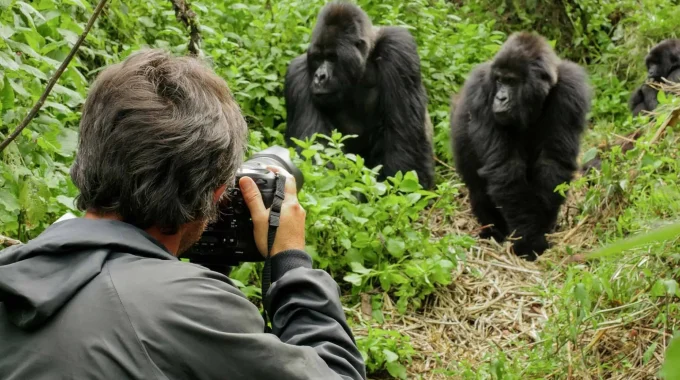
Unlike many tourism activities around the world, this is not a flexible ticketing system. The number of permits available each day is strictly limited. Only eight visitors per habituated gorilla family are allowed to visit per day, and this controlled system ensures both animal welfare and visitor safety.
For comparison:
- Rwanda’s permit cost remains $1,500 per person.
- Congo permits are cheaper but involve higher regional travel risks.
This makes Uganda the strongest balance between cost, conservation impact, and safari diversity.
Why the Gorilla Permit Costs $800
Many travellers initially experience sticker shock when seeing the $800 permit fee. However, the price reflects a conservation-based tourism model rather than simple entry pricing.
Mountain gorillas are critically endangered. Their protection requires continuous investment in:
- Anti-poaching patrols
- Ranger training and salaries
- Veterinary intervention teams
- Habitat preservation
- Community revenue-sharing programs
A significant percentage of permit revenue is redistributed directly into communities surrounding Bwindi and Mgahinga. This revenue-sharing model reduces human-wildlife conflict and provides economic incentives for local communities to protect gorilla habitats rather than exploit forest resources.
Additionally, gorilla trekking is labour-intensive. Before visitors even begin hiking, tracking teams often spend hours locating gorilla families. Rangers then coordinate trekking routes to ensure both minimal disturbance and visitor safety.
When viewed through this lens, the $800 fee is not simply an access ticket — it is a structured conservation contribution that makes mountain gorilla recovery possible.
What the Gorilla Permit Actually Includes
The $800 permit covers more than many travellers realise.
Included in the permit fee:
- Park entry to Bwindi or Mgahinga
- Professional armed ranger guides
- Gorilla tracking coordination teams
- One full hour with a habituated gorilla family
- Security personnel
- Conservation and community development allocation
The one-hour rule is strictly enforced. This is to protect gorillas from stress and potential disease transmission.
What the permit does NOT include:
- Accommodation
- Transport to the park
- Meals
- Porter services (optional but highly recommended)
- Tips
- Visa or international flights
Understanding this distinction is crucial when calculating total safari cost.
The Real Total: Safari Package Pricing Explained
While some travellers focus only on the permit fee, the true cost of gorilla trekking includes logistics.
Most visitors book a structured safari package that combines:
- Gorilla permit
- Accommodation
- Transport
- Guide services
- Park fees
- Fuel and vehicle usage
- Airport transfers
This bundled approach simplifies planning and ensures guaranteed permit access.
Below are realistic 2026 estimates:
3-Day Gorilla Trekking Safari
Typically ranges between $1,400 and $2,500 per person, excluding international flights.
This includes:
- 1 gorilla permit
- 2 nights accommodation
- Transport from Entebbe or Kigali
- Full board meals
- Professional guide
5-Day Gorilla + Wildlife Safari
Ranges between $2,500 and $4,500 per person.
This allows travellers to combine gorilla trekking with:
- Chimpanzee trekking
- Big Five game drives
- Boat safari experiences
7–10 Day Uganda Safari
Ranges between $3,500 and $7,500+ per person, depending on accommodation level and transport choices.
Longer safaris spread transport costs across more days, sometimes improving value per day.
Accommodation: The Biggest Variable in Safari Cost
Accommodation category significantly influences total safari pricing.
Because gorilla trekking occurs in remote rainforest regions, lodge infrastructure impacts cost.
Budget Accommodation
Budget options typically range from $60 to $120 per night (per person sharing).
These lodges offer:
- Basic but clean rooms
- Shared or private bathrooms
- Simple meals
- Limited luxury amenities
They are suitable for cost-conscious travellers or backpackers.
Mid-Range Accommodation
Mid-range lodges typically cost $150 to $300 per night (per person sharing).
This is the most popular category for international travellers.
Mid-range lodges usually provide:
- Private cottages
- Ensuite bathrooms with hot showers
- Full board meals
- Scenic forest views
- Comfortable beds
This category provides strong comfort without excessive luxury pricing.
Luxury Accommodation
Luxury forest lodges range from $400 to $1,200+ per night per person.
Luxury experiences often include:
- Panoramic forest decks
- Gourmet dining
- Fireplace lounges
- Spa services
- Butler-style attention
Luxury dramatically increases overall safari cost but enhances privacy and exclusivity.
Transport: Road vs Domestic Flights
Road Transfer
A road journey from Entebbe or Kampala to Bwindi takes approximately 8–9 hours.
While included in safari packages, estimated transport cost per person (shared basis) is roughly $150–$250 when broken down.
Road travel offers scenic countryside views but requires patience.
Domestic Flights
Many travellers choose domestic flights to reduce travel time.
One-way flight costs range between $300 and $450 per person.
Flights reduce travel to roughly one hour but increase total safari cost by $600–$900 round trip.
For luxury travellers, time savings often justify the price.
Additional Expenses You Should Budget For
Even when booking a package, travellers should account for smaller additional costs.
- Visa: $50
- Travel insurance: $150–$300
- Porter services: $15–$20
- Guide tips: $10–$20 per day
- Souvenirs and crafts
Sample Realistic 5-Day Mid-Range Budget Estimate
Permit: $800
Accommodation (4 nights): $900
Transport & fuel: $600
Guide services: $300
Park & admin fees: $250
Estimated total:
$2,800 – $3,800 per person
Want a Personalised Gorilla Trekking Cost Breakdown?
Get an exact 2026 quote based on your travel dates, accommodation preference, and group size. Our safari specialists will secure your $800 permit and design a fully customised Uganda itinerary.
Request My Detailed Safari Quote
No middleman markups • Direct local operator • Guaranteed permit availability
Cost Comparison: Travelling from the USA vs the UK
While the gorilla permit itself remains fixed at $800 for foreign non-residents, overall safari investment differs slightly depending on your country of departure.
Travelling from the United States
Return flights from major US hubs such as New York, Washington DC, Chicago, or Los Angeles typically range between $900 and $1,600 depending on season and how early tickets are booked.
Because of longer travel time, American visitors often stay slightly longer — typically 7 to 10 days — to justify the long-haul journey. This increases overall safari spend but also provides more wildlife exposure and better value per travel hour.
A realistic total budget for American travellers in 2026:
- Mid-range 5–7 days: $3,500 – $6,000 per person
- Luxury 7–10 days: $7,000 – $12,000+ per person
Travelling from the United Kingdom
Flights from London Heathrow typically range between £550 and £900 return, depending on travel month.
Because flight duration is shorter than from the US, some UK travellers opt for shorter 4–5 day gorilla-focused safaris.
A realistic total budget for UK travellers in 2026:
- Mid-range 5 days: £2,000 – £4,000 per person
- Luxury 7–8 days: £5,000 – £9,000+ per person
Overall, flight origin affects total budget more than the safari cost itself.
Seasonal Price Differences: Does Time of Year Affect Cost?
While the gorilla permit price does not fluctuate seasonally, other components do.
Peak Season (June–September, December–February)
During peak travel months:
- Lodge rates increase
- Domestic flights sell out earlier
- Luxury accommodation books faster
- Vehicle availability becomes limited
Prices can rise 10–25% depending on accommodation level.
Peak season is ideal for:
- Drier trekking conditions
- Easier hiking
- Clearer photography
- School holiday travel
Low Season (March–May, October–November)
Low season offers:
- Reduced lodge rates
- Easier permit availability
- Fewer tourists
- Lush green landscapes
Budget-conscious travellers can sometimes save $300–$700 on full safari packages by choosing shoulder or rainy season travel.
The trekking experience itself remains equally powerful year-round.
Group vs Private Gorilla Safari Pricing
Private Safari
Private safaris include:
- Dedicated 4×4 vehicle
- Personal driver-guide
- Flexible departure times
- Customised routing
Private tours cost more but provide flexibility and privacy.
Estimated price difference:
Private safaris may cost $400–$800 more per person compared to shared departures, depending on group size.
Small Group Safari
Shared safaris reduce transport and fuel costs.
Advantages:
- Lower per-person price
- Opportunity to meet other travellers
- Same gorilla trekking experience
However, departure dates are fixed and itinerary flexibility is reduced.
Cost of Adding Chimpanzee Trekking
Many travellers choose to combine gorilla trekking with chimpanzee tracking in Kibale Forest.
Chimpanzee permit cost in 2026:
$250 per person (standard tracking)
Chimpanzee habituation experience:
$300 per person (longer encounter)
Adding chimpanzee trekking typically increases total safari cost by $400–$800 depending on transport and accommodation adjustments.
This addition greatly enhances overall primate safari value.
Cost of Adding a Big Five Safari
Uganda offers classic wildlife experiences in Queen Elizabeth National Park and Murchison Falls National Park.
Additional costs may include:
- Park entry fees: $40 per day
- Game drives: Included in safari package
- Boat safari: $30–$40
- Rhino tracking at Ziwa: $50
Adding 2–3 days of wildlife safari can increase total budget by $600–$1,200 depending on accommodation level.
This extension dramatically enriches the overall safari experience.
Domestic Flights vs Road Transfers: Value Analysis
While domestic flights increase cost, they reduce travel fatigue significantly.
Road Travel
- 8–9 hours driving
- Lower cost
- Scenic rural views
Domestic Flight
- 1 hour
- Higher cost
- Saves 1 full day of travel
For travellers with limited time, flights improve overall trip quality despite the additional $600–$900 round-trip cost.
Is It Cheaper to Book Direct or Through International Agents?
Many international travel agencies resell Uganda gorilla safaris at marked-up prices.
Typical markups range from 15% to 40%.
Booking directly with a licensed Ugandan tour operator often provides:
- Better permit access
- Faster confirmation
- Lower pricing
- Direct communication with local team
- More flexibility in adjustments
Over a $5,000 safari, avoiding a 20% markup can save $1,000 per person.
This is one of the most significant cost-control decisions travellers can make.
Cost Per Day Analysis
Breaking safari investment into daily cost provides helpful perspective.
For a 5-day mid-range safari costing $3,500:
$700 per day
Considering this includes:
- Accommodation
- Meals
- Transport
- Guide
- Park fees
- Gorilla permit
When compared to luxury holidays in Europe, the Maldives, or the United States, the value proposition becomes clearer.
Is Gorilla Trekking Worth the Investment?
From a purely financial standpoint, gorilla trekking is not a budget holiday.
However, the experience includes:
- Rare wildlife access
- Strict conservation regulation
- Small-group intimacy
- Deep emotional impact
- Direct conservation contribution
Unlike zoo experiences or safari sightings from a distance, gorilla trekking offers a face-to-face wildlife encounter that very few humans ever experience.
Want an Exact 2026 Gorilla Trekking Cost Estimate?
Get a personalised safari quote based on your travel dates, group size, and accommodation preference. We provide transparent pricing with no hidden fees and guaranteed $800 permit allocation.
Get My Custom Gorilla Safari Quote
Direct local operator • Competitive pricing • Fully tailored itineraries
Example Gorilla Trekking Budgets for 2026
To fully understand the financial commitment required for gorilla trekking in Uganda, it helps to look at realistic planning scenarios across three travel styles: budget, mid-range, and luxury.
Budget Gorilla Trekking Example (4–5 Days)
This scenario assumes shared transport, budget guesthouses, and road transfers.
Permit: $800
Accommodation (3–4 nights): $350
Shared transport & fuel: $400
Guide & admin: $250
Meals & park fees: $200
Estimated Total: $2,000 – $2,300 per person (excluding international flights)
This option is suitable for younger travellers, backpackers, and cost-conscious adventurers who prioritise the trekking experience over comfort.
Mid-Range Gorilla Safari Example (5–6 Days)
This is the most popular category among international visitors.
Permit: $800
Mid-range lodge (4–5 nights): $1,100
Private vehicle & guide: $700
Park fees & activities: $350
Fuel & transfers: $500
Estimated Total: $3,200 – $4,200 per person
This level balances comfort, efficiency, and value. Most travellers find this the ideal middle ground.
Luxury Gorilla Trekking Safari Example (7–8 Days)
Luxury packages typically include domestic flights, premium forest lodges, and exclusive guiding.
Permit: $800
Luxury lodge (5–6 nights): $3,500
Domestic flights (return): $800
Private vehicle & senior guide: $1,200
Extended wildlife safari: $1,000
Estimated Total: $7,000 – $12,000+ per person
Luxury safaris reduce travel fatigue and enhance comfort but do not change the gorilla trekking experience itself — the permit remains identical across all categories.
Multi-Country Safari Cost Comparisons
Rwanda’s gorilla permit alone costs $1,500. When adding similar accommodation and logistics, Rwanda safaris typically cost $1,500–$2,500 more than equivalent Ugandan itineraries.
Combining Uganda and Rwanda in a 10-day safari may range between $6,000 and $12,000 depending on accommodation category.
For travellers focused primarily on value, Uganda remains the most cost-effective gorilla trekking destination.
Cost-Saving Strategies Without Compromising Experience
- Travel during shoulder season
- Choose mid-range over luxury lodges
- Opt for road transfers instead of domestic flights
- Travel in a group of 3–4 people to share vehicle costs
- Book directly with a licensed Ugandan operator
These strategies can reduce total safari cost by 15–30% without reducing the quality of the gorilla trekking experience.
Is Gorilla Trekking a Good Financial Investment?
While gorilla trekking is not inexpensive, it is important to view it differently from traditional holidays.
- Access to one of the world’s rarest primates
- Highly regulated conservation tourism
- Direct community support impact
- A once-in-a-lifetime wildlife encounter
- Personalised small-group access
Final Thoughts
So, how much does gorilla trekking in Uganda cost in 2026?
At minimum, travellers should realistically budget around $2,000–$2,500 per person excluding international flights. For a comfortable mid-range experience, $3,500–$5,000 is more typical. Luxury travellers may invest significantly more depending on accommodation and flight choices.
The key takeaway is that gorilla trekking is not just a tourism activity — it is a structured conservation experience with limited daily access and strict protection protocols. The pricing reflects its rarity and global significance.
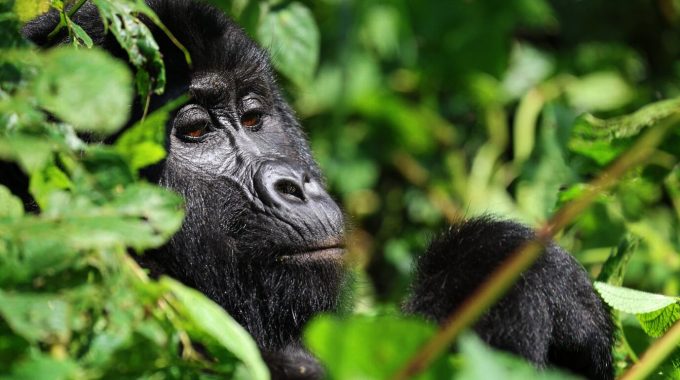
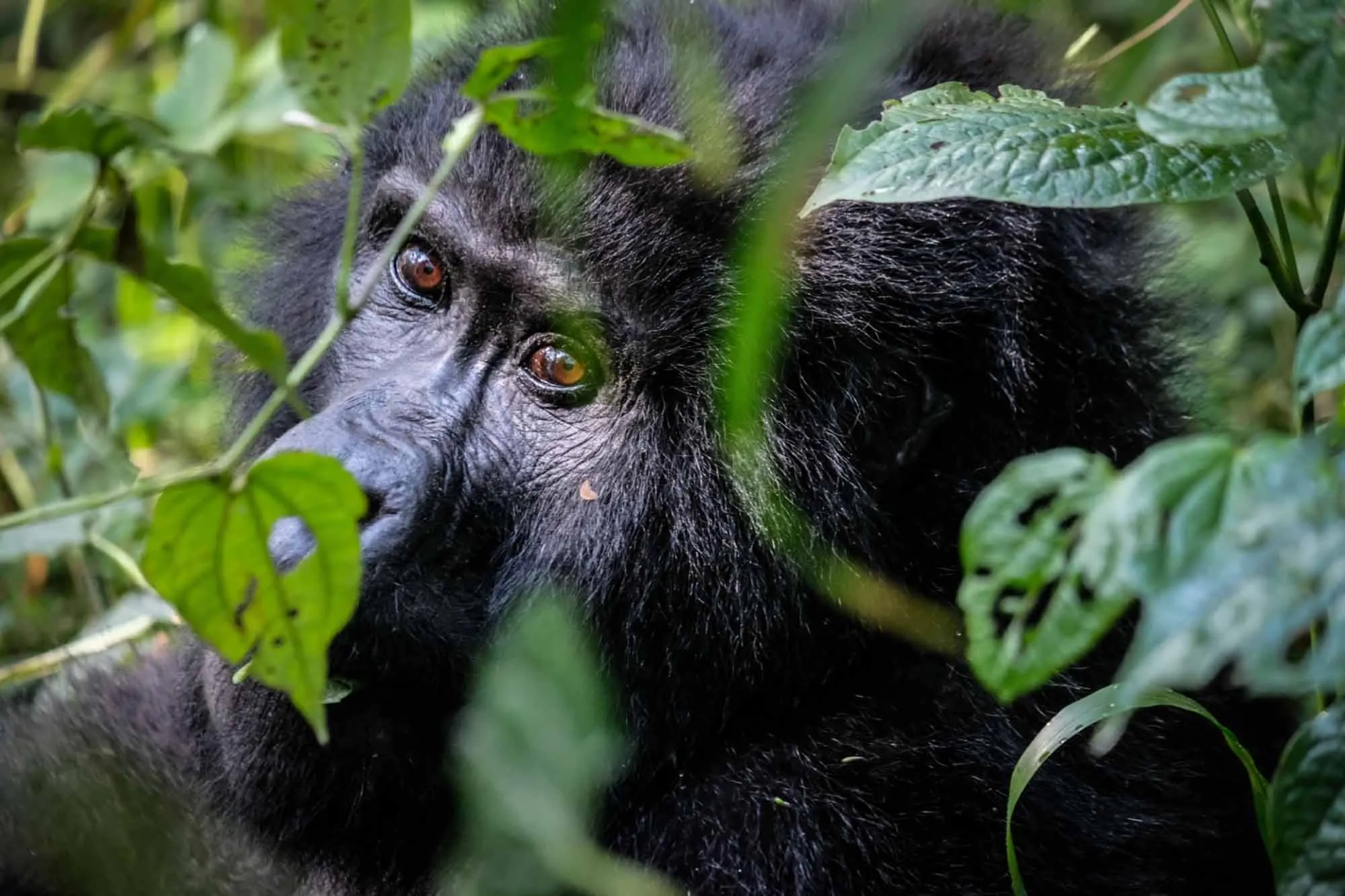
For most travellers, the emotional impact of sitting quietly in the forest while a silverback gorilla watches from a few metres away far exceeds the financial investment required to be there.
When planned properly, gorilla trekking in Uganda offers not just value for money — but value for life.

Related Posts