Skip to content
+256775218880 / +256753750983 info@gorillaugandasafaris.com
How big is Jinja Uganda?

Jinja city

How big is Jinja Uganda?

How big is Jinja, Uganda? Jinja, Uganda, is both a city and a district in the Eastern Region, known for its historical importance and location as the source of the Nile. Here's a detailed overview of…

  • Expert Insights From local specialists
  • Practical Information Permits, costs & logistics
  • Destinations Coverage Uganda, Rwanda & DRC
  • Responsible Travel Support conservation
  • Real Experiences Tips from past travellers

How big is Jinja, Uganda? Jinja, Uganda, is both a city and a district in the Eastern Region, known for its historical importance and location as the source of the Nile. Here’s a detailed overview of its size and demographics:

How big is Jinja Uganda?
Jinja City, a popular tourism destination in Uganda
  1. Geographic Size

  • Urban Area: The city proper of Jinja spans approximately 28 square kilometers (11 square miles).
  • Metropolitan Area: The wider metropolitan area, which includes peri-urban and rural zones surrounding the city, covers around 721 square kilometers (278 square miles).
  1. Population

  • Urban Population: Jinja City has an estimated population of 300,000 people.
  • District Population: The entire Jinja District, which includes the city and surrounding areas, has a population of about 500,000 to 600,000 people, depending on the most recent census data.
  1. Location and Boundaries

  • Jinja is located 80 km (50 miles) east of Uganda’s capital, Kampala.
  • It is situated along the northern shores of Lake Victoria, near the outlet of the Nile River.
  • The district borders Iganga District to the north, Kamuli District to the northeast, and Mayuge District to the east and south.
  1. Administrative Structure

  • Jinja is divided into three divisions: Central, Northern, and Bugembe, each with urban centers and suburban communities.
  • The Jinja District also includes rural sub-counties and town councils, extending its administrative reach beyond the urban core.
  1. Economic and Social Significance

  • Historically, Jinja was Uganda’s industrial hub during the colonial era, earning it the nickname “the Industrial City.”
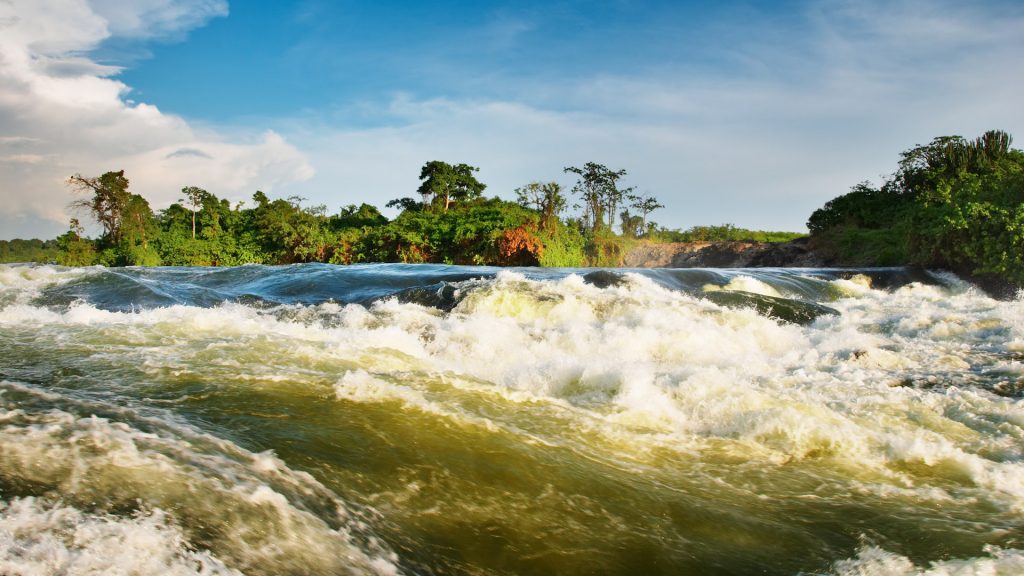
  • It remains a key location for tourism, hosting the Source of the Nile, Bujagali Falls, and activities like rafting and bungee jumping.
  • Its strategic location at the confluence of major road and rail networks makes it an essential transit and commercial center.
  1. Climate and Topography

  • Jinja lies at an elevation of approximately 1,200 meters (3,937 feet) above sea level.
  • The area enjoys a tropical rainforest climate, with significant rainfall throughout the year, averaging about 1,200 mm annually.
  • The topography is marked by gentle hills and the presence of Lake Victoria and the Nile River.
  1. Land Use

  • Urban areas are predominantly residential, commercial, and industrial.
  • The outskirts of Jinja include agricultural lands, forest reserves, and small-scale rural settlements.

Conclusion

Jinja’s relatively small urban footprint belies its importance as a historical, economic, and cultural center in Uganda. Its metropolitan area combines urban vibrancy with rural charm, making it a significant player in both tourism and regional development.

Florence Dorothy Aguti

About the Author

Florence Dorothy Aguti

Ready to Experience Africa?

Let us take you closer to the wildlife, people and places that make Africa extraordinary.

Plan Your Safari Today
Back To Top
Request Quote WhatsApp