Rhinos + People
Pair rhino conservation stories with the communities and tourism economy that help fund protection.


A cultural safari in Lake Nakuru National Park pairs rhinos, birdlife and Rift Valley scenery with markets, farms, local food and the contemporary culture of Nakuru city.
A cultural safari in Lake Nakuru National Park combines one of Kenya's best-known Rift Valley wildlife destinations with an introduction to the diverse communities, livelihoods and contemporary culture found around Nakuru. The park is famous for rhino conservation, dramatic escarpments, birdlife and the alkaline lake at its center, yet the broader region also offers markets, farms, local food, urban culture and community experiences.
Unlike cultural safaris centered around one specific ethnic group, a Nakuru experience can reflect the diversity of modern Kenya. The city and surrounding agricultural region attract people from different communities, creating a multicultural environment shaped by trade, education, farming, tourism and urban growth.
Many safari itineraries spend only a few hours inside the park before continuing toward Naivasha or the Maasai Mara. Staying longer provides opportunities to experience both wildlife and the surrounding human landscape.
A cultural extension might include a local market, farm visit, community project or meal in Nakuru town — revealing the economic life beyond national park boundaries.
Travelers begin to understand conservation as part of a broader regional system involving residents, agriculture, roads, tourism and environmental management.
Plan Your Cultural Safari
Game drives create the natural foundation — rhinos, giraffes, buffaloes, zebras and rich birdlife around the lake and escarpments.
Rhino conservation is one of the park's major success stories. Seeing these animals opens discussion of anti-poaching, habitat management and tourism revenue.
Nakuru city provides a very different experience from safari lodges. Shops, restaurants, markets and residential areas reveal everyday modern Kenyan life.
Markets are excellent places to experience local life — approach them as workplaces, photograph discreetly and ask permission for close portraits.
Rift Valley agriculture, dairy and livestock farming, Kenyan food, coffee and tea, crafts and small enterprises extend the story beyond the park gate.
Viewpoints and photography opportunities are outstanding, but cultural visits should leave time for conversation, not only scenery.
Use Nakuru as more than a wildlife stop — markets, food, farms and city life show how the Rift Valley works beyond the park fence.
Discuss how tourism, anti-poaching and habitat management support black and white rhinos in the park.

Bird numbers vary with water levels — a powerful way to talk about ecology and environmental change.
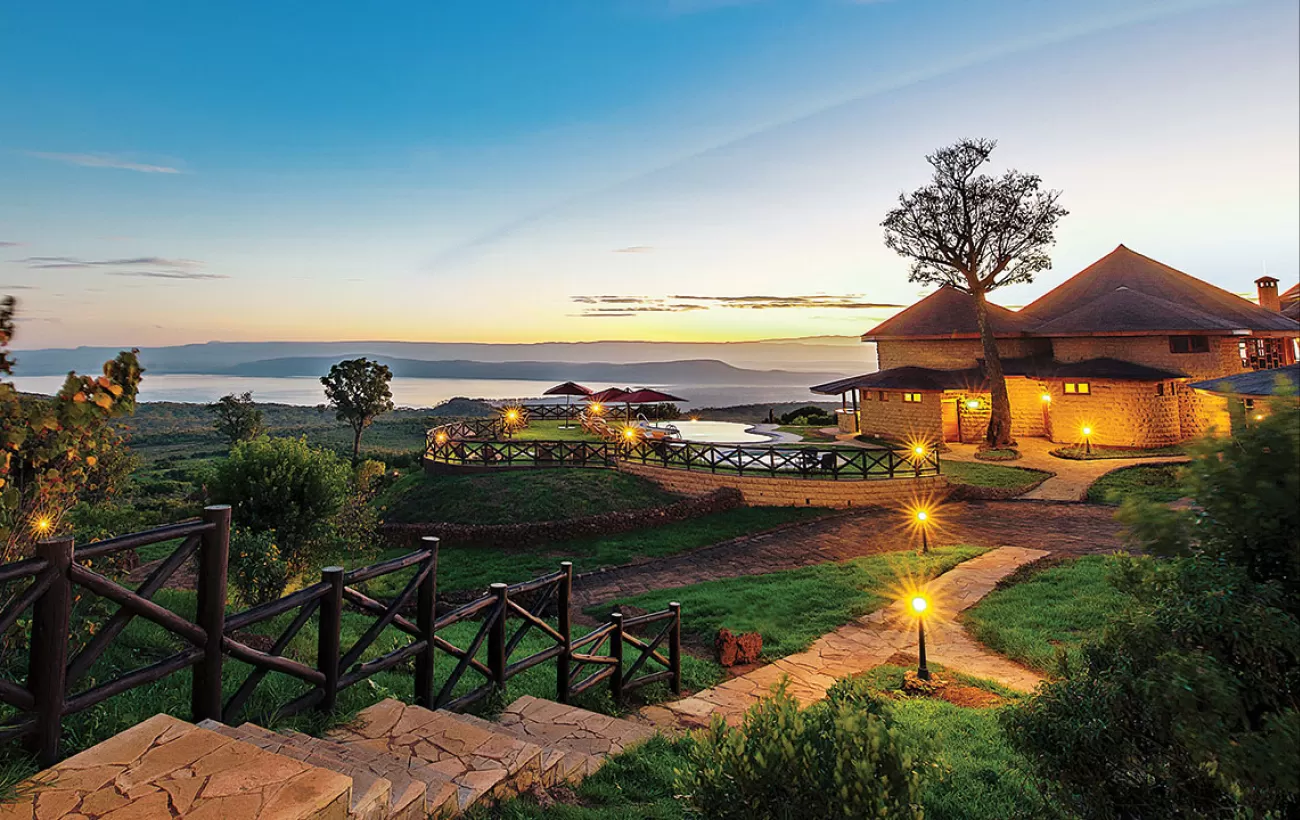
Guided urban and market tours introduce commerce, street life and multicultural Rift Valley Kenya.
Learn how farms and livestock products supply local and national markets around the Rift Valley.

Share meals that introduce staples, grilled meats, tea and coffee culture in a relaxed social setting.
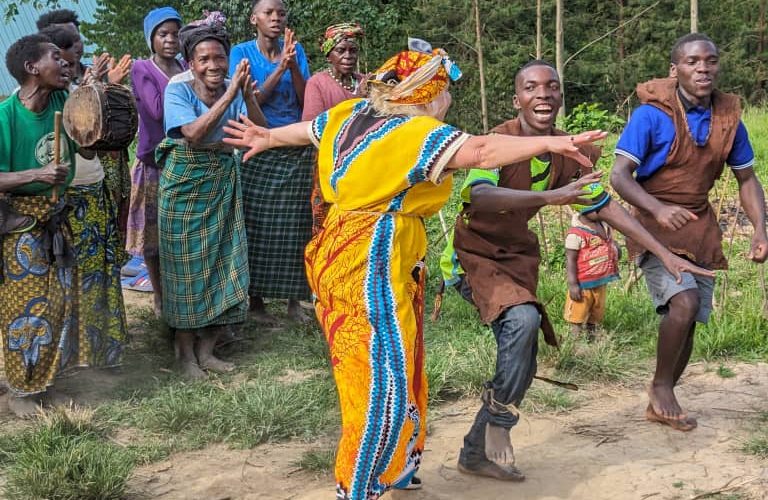
Support small enterprises and community projects that channel tourism spending to local households.
Wider Rift Valley viewpoints and heritage sites add geological and historical context to the park visit.

Explore how residents, agriculture and tourism interact with a park that sits beside a growing city.
Lake Nakuru is more than a wildlife stop — culture turns a brief park visit into a fuller Rift Valley chapter.
Rhinos and viewpoints first, then markets or food experiences in Nakuru.
Best for: 1–2 night stays

Combine alkaline-lake wildlife with freshwater boat culture and farms at Naivasha.
Best for: Rift Valley pairs

Classic circuit: Rift Valley parks then savannah and Maasai cultural experiences further west.
Best for: Kenya classics
Nakuru works well for families — compact park drives, viewpoints and town food experiences are easy to pace.
Children enjoy rhino sightings and market colours when prepared to be respectful guests.
Ask for family-friendly market guides and clear photography guidelines.
Plan a Family Cultural Safari
Park and cultural visits are possible year-round. Bird concentrations and lake appearance vary with water conditions.
A single park game drive can be done in half a day, but an overnight (or two) allows culture without rushing rhinos and viewpoints.
Combine with Lake Naivasha, Nairobi or the Maasai Mara on standard Kenya circuits.
Tell your planner you want town or farm time — otherwise many itineraries leave only a few park hours.
Adventure in the Wild Safaris can extend Nakuru beyond a quick wildlife stop into a fuller Rift Valley experience.
Browse Kenya Safaris
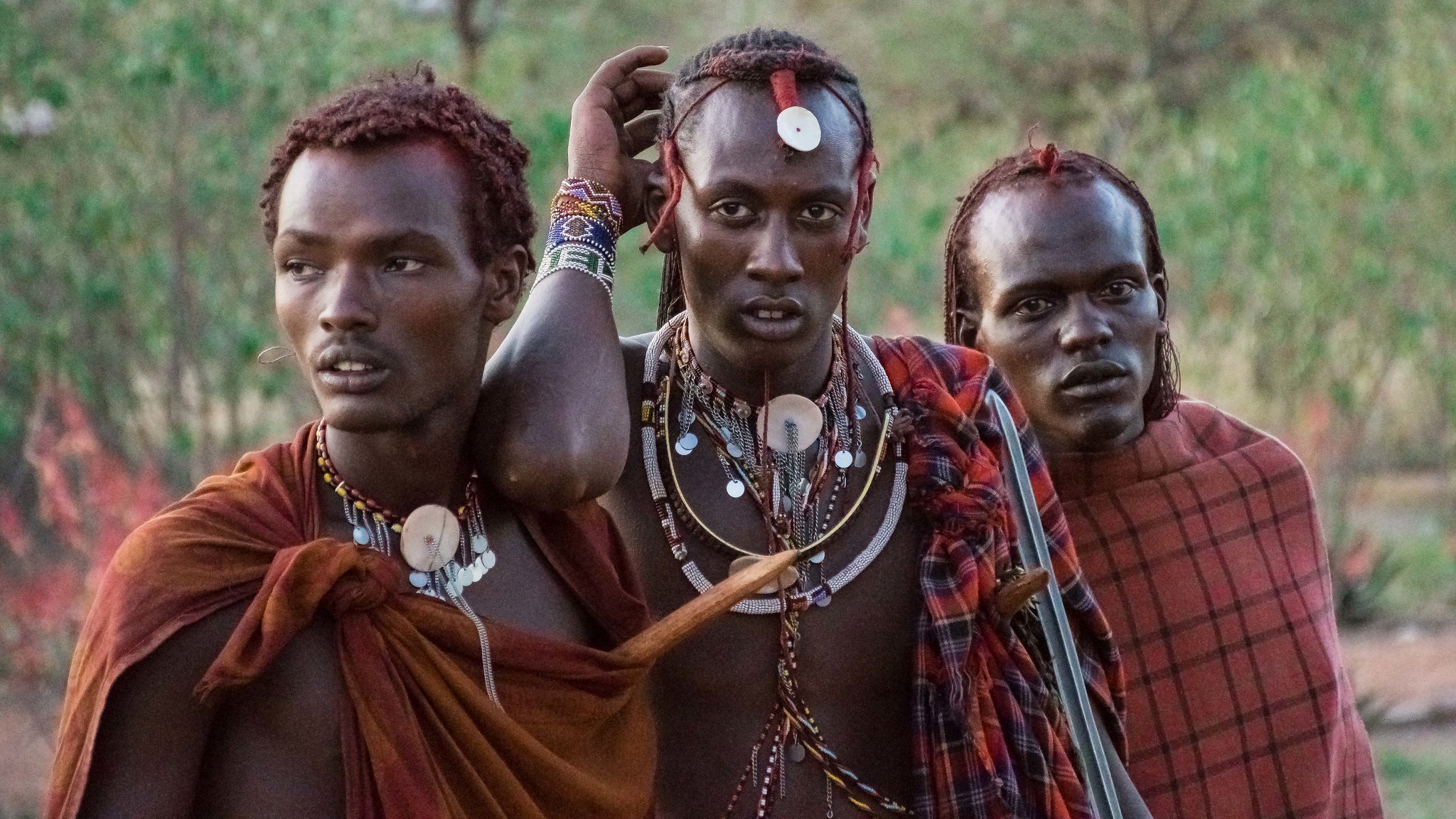
Respect markets as workplaces and remember that park fees and responsible tourism support conservation.
Good travel here respects both wildlife protection and the people of Nakuru.
Neutral safari clothing for the park; modest casual clothes for town and markets.
Dust can occur on park roads — protect cameras accordingly.
Nakuru sits on major Rift Valley safari routes between Nairobi, Naivasha and the road toward the Maasai Mara.
Ask us to reserve cultural time so it is not squeezed out by a short park transit.
In-park and town-edge lodges both work — town-edge stays make market and food experiences easier.
Nakuru links naturally with Naivasha, Nairobi and the Maasai Mara — and with northern routes via Samburu.
Pair culture with wildlife, birding and photography.
Typically park game drives plus markets, food, farms or city experiences. Exact activities depend on time and partners.
Half a day covers a park drive; one or two nights allow culture without rushing.
Numbers vary with lake conditions. Birdlife remains rewarding even when flamingo concentrations change.
Yes — Nakuru is a classic link on Kenya safari circuits.
Yes — compact park drives and town food experiences pace well for children.
Ready for a Richer Nakuru Stop?
Tell us your dates and whether you want city markets, farms or food experiences alongside rhinos — Adventure in the Wild Safaris will build them in.

