Skip to content
+256775218880 / +256753750983 info@gorillaugandasafaris.com

Chimpanzee Trekking in Nyungwe

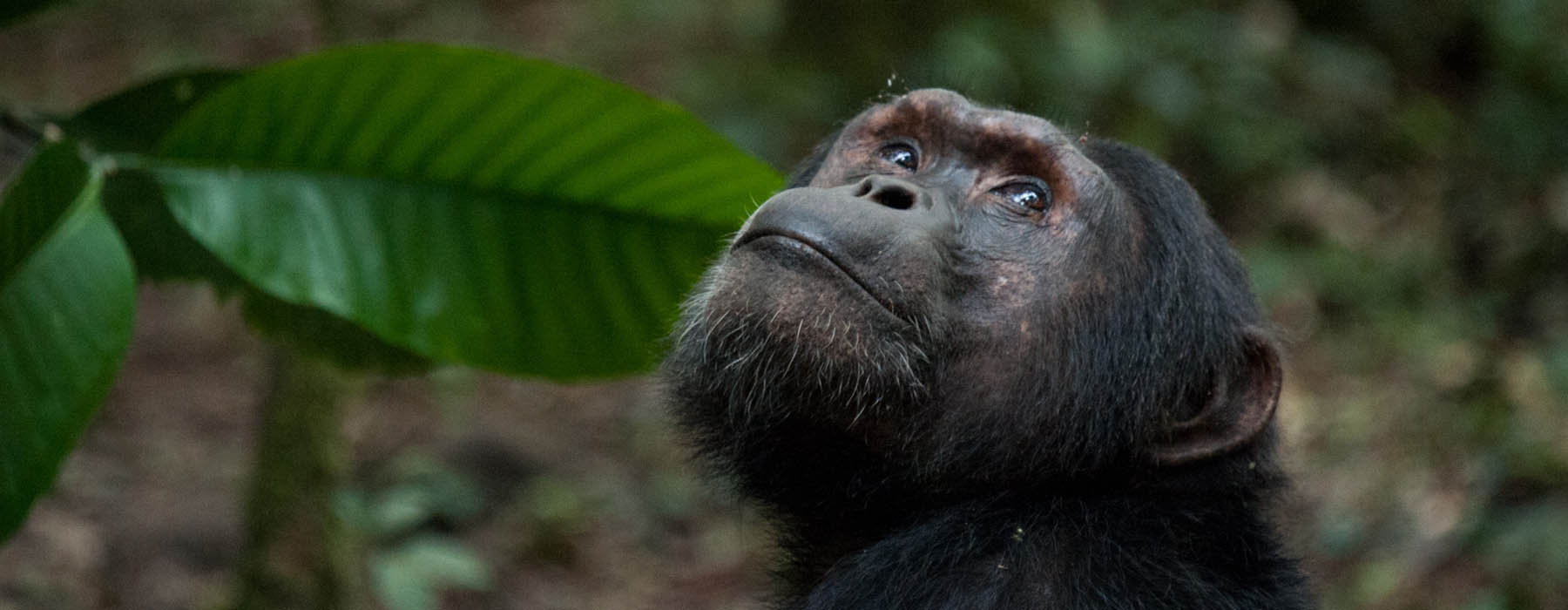
Chimpanzee trekking in Nyungwe National Park is one of Rwanda's most rewarding wildlife experiences and one of the finest ways to explore the country's extraordinary primate diversity beyond mountain gorillas — including tracking associated with Cyamudongo Forest inside a UNESCO World Heritage rainforest.

  • Location Nyungwe / Cyamudongo, Rwanda
  • Duration Half Day – Several Hours
  • Difficulty Moderate to Demanding
  • Minimum Age Confirm current park rules
  • Best For Primates, Rainforest & Birding

Chimpanzee Trekking in Nyungwe National Park

Chimpanzee trekking in Nyungwe National Park is one of Rwanda's most rewarding wildlife experiences and one of the finest ways to explore the country's extraordinary primate diversity beyond mountain gorillas. Situated in southwestern Rwanda, Nyungwe protects a vast expanse of Afromontane rainforest characterized by steep forested hills, bamboo-covered slopes, wetlands, streams and remarkably rich biodiversity.

For many travelers, Rwanda is synonymous with gorilla trekking in Volcanoes National Park. Yet visitors who continue south to Nyungwe discover a completely different primate environment. Instead of climbing through bamboo and montane vegetation in search of mountain gorillas, you enter a dense rainforest alive with chimpanzee calls, monkeys, birds, butterflies and layers of vegetation stretching from the forest floor to the canopy.

Chimpanzee trekking here is active, unpredictable and deeply immersive. Chimpanzees are highly mobile. They can cover significant distances while searching for fruit and other foods, often separating into smaller parties before regrouping. Trackers therefore begin work early, following vocalizations, feeding signs, nests and knowledge of recent chimpanzee movements.

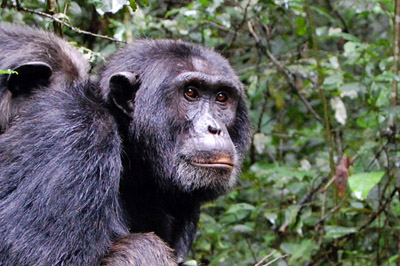
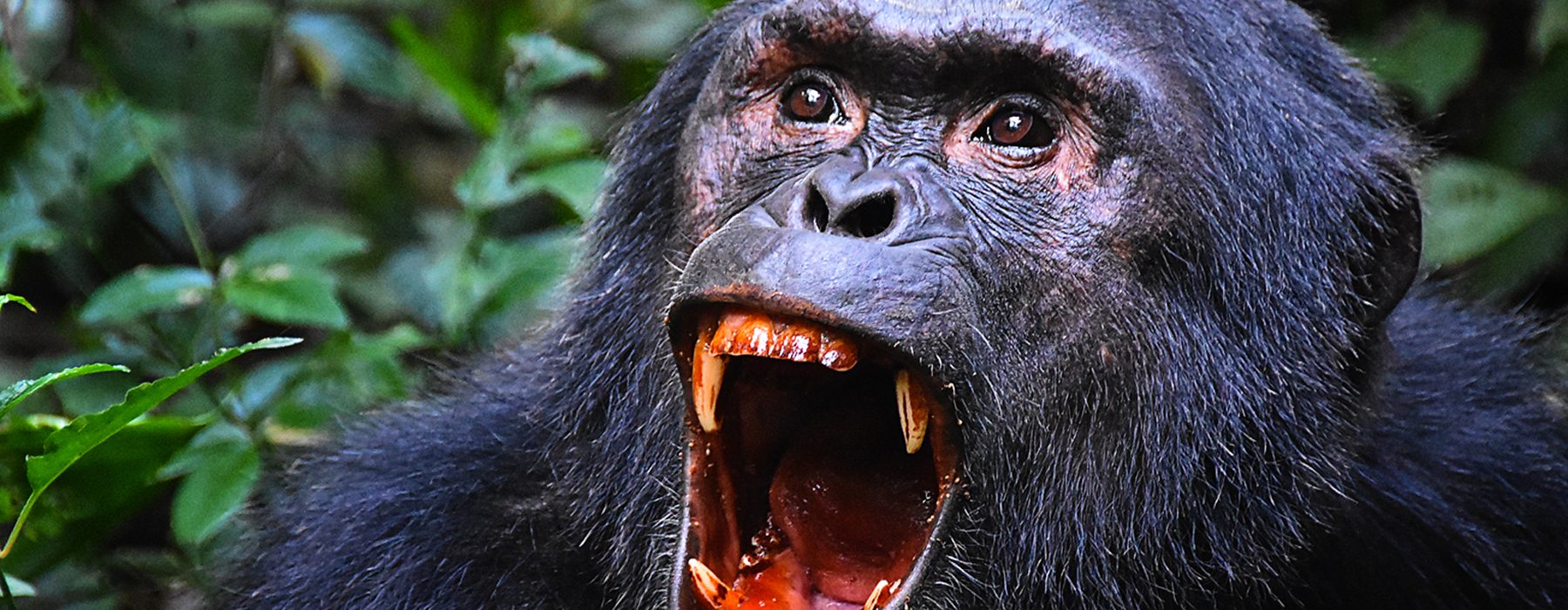
When the chimpanzees are eventually located, the atmosphere can change in seconds. Calls reverberate through the forest. Branches shake above the trail. A chimpanzee may appear on the ground and then climb rapidly into the canopy, while another individual feeds quietly nearby. This dynamic behavior gives Nyungwe chimpanzee trekking an entirely different character from gorilla tracking.

Nyungwe is also important on a global conservation level. In 2023, the park was inscribed as a UNESCO World Heritage Site, becoming Rwanda's first natural World Heritage property. Its extraordinary biodiversity includes 13 primate species as well as hundreds of bird species, extensive plant diversity and numerous animals associated with the Albertine Rift.

For travelers seeking a complete Rwanda primate safari, Nyungwe should therefore be considered a major destination rather than simply an optional extension after gorilla trekking.

Plan Your Nyungwe Chimpanzee Safari

Why Nyungwe National Park Is Special for Chimpanzee Trekking

Vast Afromontane Rainforest

This is not a small woodland surrounded by tourist facilities. It is Rwanda's largest expanse of natural forest and one of Central and East Africa's most important Afromontane ecosystems — covering approximately 1,019 square kilometers of dense montane forest, bamboo, grassland and wetlands along the Albertine Rift.

Immersive Forest Atmosphere

Mist can hang between forested ridges in the morning. Sunlight filters irregularly through the canopy. Bird calls overlap in the distance. Monkeys move overhead. Small streams descend through valleys. Then, somewhere ahead, a chimpanzee may call — the combination that makes a Nyungwe chimpanzee safari memorable.

13 Primate Species

The chimpanzees are the headline attraction, but a trek can also reveal blue monkeys, L'Hoest's monkeys, colobus monkeys, forest birds, butterflies and extraordinary plant life. Even on a day when chimpanzees prove difficult to photograph, the forest walk remains a substantial wildlife experience.

UNESCO World Heritage Status

Nyungwe's 2023 inscription on the UNESCO World Heritage List reflects exceptional biodiversity and ecological processes. For safari travelers, this confirms the park is a globally significant conservation landscape — not merely a place where chimpanzees happen to live.

Natural Rwanda Circuit Hub

Nyungwe pairs naturally with Volcanoes National Park for gorillas, Lake Kivu for scenery and rest, and Akagera for savannah wildlife — so chimpanzees fit into one of East Africa's strongest single-country itineraries.

Dynamic Great-Ape Encounters

Chimpanzee tracking often feels more energetic and unpredictable than gorilla trekking. Pant-hoots, canopy movement and complex social behavior make every trek immersive and distinctive.

What Is Chimpanzee Trekking & How a Nyungwe Trek Works

Chimpanzee trekking is a guided wildlife activity in which visitors walk through natural chimpanzee habitat in search of habituated wild chimpanzees. The term "habituated" does not mean domesticated — the chimpanzees remain completely wild. Habituation is a gradual process through which selected chimpanzee communities become accustomed to the non-threatening presence of researchers, trackers and controlled tourist groups.

This allows visitors to observe natural behavior without the animals reacting as strongly to human presence as completely unhabituated chimpanzees might. There are no fences separating you from the ecosystem. The chimpanzees decide where to move, when to feed, and whether to travel through trees, descend to the ground or move away from observers. That uncertainty is an essential part of authentic chimpanzee tracking in Rwanda.

Chimpanzee tracking starts early. Current Visit Rwanda information indicates that tracking commonly begins at approximately 5:30 a.m. Chimpanzees leave their overnight nests and begin moving through the forest in search of food; starting early improves the ability of trackers to locate them before they travel too far. Your exact wake-up time depends on accommodation location and reporting point — for some travelers this means leaving the lodge while it is still dark.

Breakfast may be taken very early or packed depending on the accommodation arrangement. You then drive to the designated meeting point, where park staff organize participants and conduct a briefing covering trekking rules, expected forest conditions, appropriate behavior around chimpanzees and general safety requirements. Once everything is ready, the tracking begins.

The first part of the trek can feel surprisingly quiet — birds, insects and footsteps. Guides and trackers look for recent nests, feeding remains, broken vegetation and other indicators of movement. They listen constantly. A distant pant-hoot can become one of the most exciting sounds of the morning. Some treks involve relatively straightforward walking; others require climbing or descending steep slopes. Rain can turn trails muddy, roots slippery and vegetation dense. This is why chimpanzee trekking in Nyungwe Forest should be considered a genuine outdoor adventure rather than an easy nature stroll.

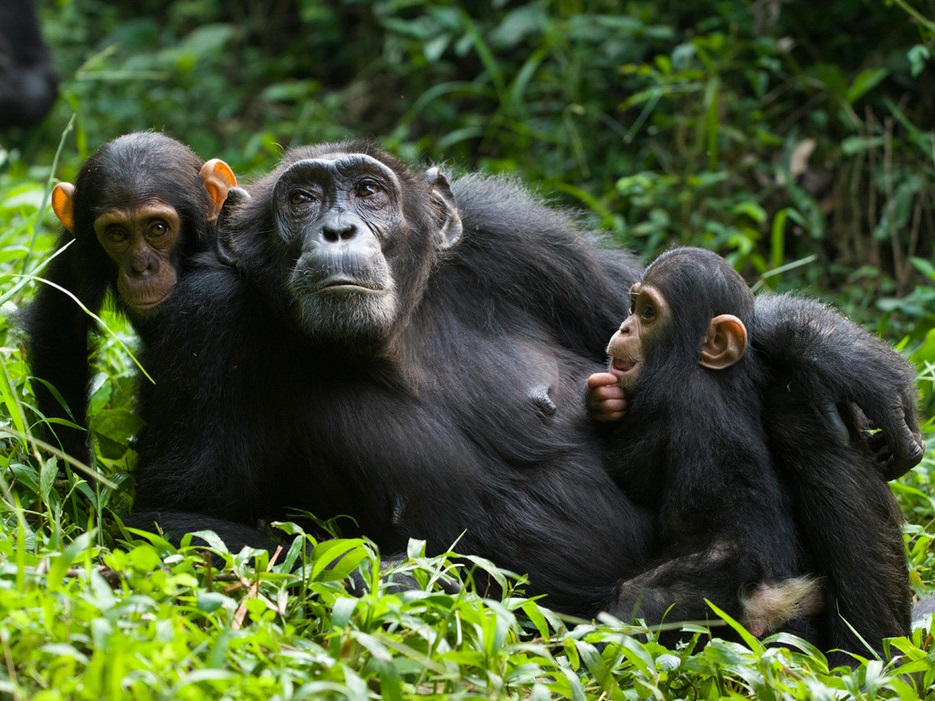
Few moments on a Rwanda safari compare with hearing wild chimpanzees nearby for the first time. Sometimes the encounter begins with sound — a powerful vocalization, answering calls, shaking branches — then a dark figure appears between leaves. At other times a chimpanzee may simply be sitting in a tree feeding, grooming a companion, or a mother may move with an infant. Once chimpanzees are located, current tourism guidance allows visitors a limited period of observation, typically up to one hour. The guide controls the encounter according to park regulations and the behavior of the animals.

No wildlife encounter in a natural forest should be described as absolutely guaranteed. Visit Rwanda itself notes that chimpanzee sightings cannot be guaranteed. Chimpanzees are free-ranging animals influenced by food, social dynamics, weather and other natural factors. A responsible safari company should describe chimpanzee tracking as an opportunity rather than a guaranteed performance — though professional trackers maximize chances through detailed knowledge of habituated groups and the forest.

What the Experience Offers

  • Early start (commonly around 5:30 a.m. — confirm current reporting time)
  • Guided tracking with park staff, trackers and experienced guides
  • Typically up to one hour of observation once chimpanzees are found
  • Immersive Afromontane rainforest walking — active and unpredictable
  • Strong association with Cyamudongo Forest within the wider Nyungwe protected area
  • Chance encounters with other primates, birds and forest wildlife
  • Outstanding but demanding photography conditions under canopy
  • Easy pairing with canopy walk, colobus tracking, birding and western Rwanda circuits
Start Planning Your Nyungwe Chimp Trek

Nyungwe Chimpanzee Highlights

Nyungwe is more than a single trailhead. Cyamudongo Forest, primate diversity, canopy adventures, birding, hiking, tea landscapes and conservation all shape how travelers experience the park.

Nyungwe National Park

Cyamudongo Forest

One of the most important areas associated with chimpanzee trekking in Nyungwe is Cyamudongo Forest — an isolated forest patch that forms part of the wider Nyungwe protected area. It is particularly important for chimpanzee conservation and has become closely associated with Rwanda's chimpanzee tracking experience. Many travelers therefore hear Nyungwe chimpanzee trekking and Cyamudongo chimpanzee trekking used together. The exact area assigned for a particular trek depends on park operations, chimpanzee movements and current management arrangements — arrange the activity properly rather than designing a self-drive itinerary around outdated blog information.

Setting Isolated forest patch
Where Wider Nyungwe protected area
Timing Key tracking association
Ask to include this
Cyamudongo Forest
Nyungwe National Park

Cyamudongo Tracking Character

Although relatively compact compared with the main Nyungwe forest block, Cyamudongo Forest is biologically significant and forms an important refuge for chimpanzees. Its smaller scale can create a different trekking character from exploring the enormous central forest. The terrain remains forested and can still be demanding. Chimpanzee conservation in both Nyungwe and Cyamudongo continues to be monitored closely — park management uses tracking and research data to understand habituated populations and support long-term conservation. For the visitor, tourism is connected to monitoring, habitat protection, law enforcement, community engagement and ecological management together.

Setting Forested primate refuge
Where Cyamudongo
Timing Conservation-linked tourism
Ask to include this
Cyamudongo Tracking Character
Nyungwe National Park

Behavior Highlights

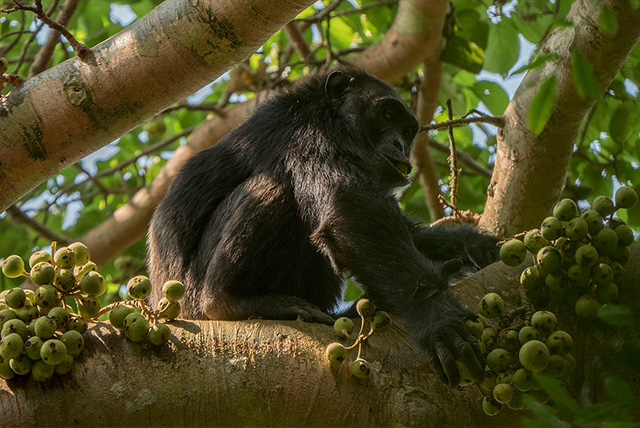
A successful Nyungwe chimpanzee trek can reveal feeding (fruit is particularly important, though diets are varied), grooming that maintains relationships and reduces tension, vocalizations including the famous pant-hoot, powerful climbing, ground travel at regulated viewing distance, and complex social interaction — dominance, friendship, mating behavior, maternal care, play and alliances. Whether any given behavior appears on your trek is a matter of chance; even a short observation period can reveal aspects of these relationships.

Setting Canopy & forest floor
Where During viewing period
Timing Unpredictable & authentic
Ask to include this
Behavior Highlights
Nyungwe National Park

Social Structure

Chimpanzees live in communities containing multiple males, females and young animals, but the entire community does not necessarily travel together. Instead they follow a fission-fusion social system — the larger community repeatedly divides into smaller temporary parties and later reunites. A small party might consist of several adult males; another might contain females with young. Individuals may join or leave according to food availability, social relationships and other factors. That is why the number of chimpanzees encountered during a trek can vary greatly — completely natural unpredictability.

Setting Community ranging area
Where Nyungwe / Cyamudongo
Timing Fission–fusion society
Ask to include this
Social Structure
Nyungwe National Park

Other Primates

Chimpanzees are only one component of Nyungwe's primate diversity. The park is home to 13 primate species, making it one of Africa's most important primate destinations. Other primates include Ruwenzori black-and-white colobus monkeys, L'Hoest's monkeys, blue monkeys, owl-faced monkeys, Dent's mona monkeys, vervet monkeys, olive baboons, and nocturnal primates including bushbabies and potto. Not every species is likely to be seen during one chimp trek, but visitors frequently become aware that the forest supports an entire primate community.

Setting Montane rainforest
Where Park-wide
Timing 13 primate species
Ask to include this
Other Primates
Nyungwe National Park

Colobus Monkey Tracking

One of the best additions to a chimpanzee safari is colobus monkey tracking in Nyungwe National Park. Nyungwe is famous for remarkable aggregations of Ruwenzori black-and-white colobus monkeys — striking primates with black bodies contrasted by long white hair, living largely in trees and often occurring in impressive groups. Compared with chimpanzees, colobus tracking creates a different encounter: monkeys often feed on leaves and move through the canopy in coordinated groups. For photographers, their contrasting coats can be spectacular against green foliage.

Setting Canopy groups
Where Nyungwe Forest
Timing Excellent complementary trek
Ask to include this
Colobus Monkey Tracking
Nyungwe National Park

Birdwatching

Nyungwe is also one of Rwanda's most important birding destinations. African Parks records approximately 345 bird species in the park, including numerous Albertine Rift endemics. The forest supports a completely different bird community from the savannahs of Akagera — turacos, forest robins, sunbirds, warblers, flycatchers and many other forest-dependent species. Dedicated birdwatching should ideally be arranged separately from chimp trekking, because trackers may need to walk quickly while birding works better at a slower pace.

Setting Forest canopy & understory
Where Nyungwe National Park
Timing ~345 bird species
Ask to include this
Birdwatching
Nyungwe National Park

Nyungwe Canopy Walk

The Nyungwe canopy walk is one of Rwanda's best-known adventure experiences and an excellent complement to chimpanzee trekking. Suspended above the forest floor, the walkway gives visitors a completely different perspective — looking across treetops, valleys and forested ridges, with birds and monkeys sometimes observed in the canopy. For travelers spending two or more nights around Nyungwe, combining chimpanzee trekking and the canopy walk creates a well-balanced itinerary.

Setting Canopy walkway
Where Nyungwe Forest
Timing Signature adventure add-on
Ask to include this
Nyungwe Canopy Walk
Nyungwe National Park

New Adventure Experiences

Nyungwe's tourism offering continues to evolve. In 2025, the park introduced new adventure products including the Nyungwe Canopy Zipline and the Gisakura Rope Course. The zipline begins from the Uwinka Visitor Centre and provides an aerial journey through the forest landscape. These newer attractions expand Nyungwe beyond traditional trekking — travelers can now combine primate encounters with forest adventure experiences, making the park especially suitable for longer stays as a full rainforest adventure destination.

Setting Aerial & adventure courses
Where Uwinka / Gisakura
Timing New 2025 products
Ask to include this
New Adventure Experiences
Nyungwe National Park

Hiking & Cyinzobe Trail

Nyungwe contains an extensive network of hiking opportunities across mountainous landscape — forest ecology walks, routes toward waterfalls, ridges or wetlands, and longer immersive wilderness experiences. One extended option is the Cyinzobe Trail, connecting areas of the park through a multi-day walking route. Long-distance and specialist hiking should be planned separately from chimp tracking. A traveler interested in serious hiking may easily justify three or four nights around Nyungwe.

Setting Mountain trails & wetlands
Where Park trail network
Timing Multi-day hiking possible
Ask to include this
Hiking & Cyinzobe Trail
Nyungwe National Park

Photography

Photographing chimpanzees in Nyungwe can be challenging: canopy blocks substantial light, chimpanzees may move quickly, and branches frequently obstruct the view. A camera capable of handling higher ISO settings, a medium telephoto zoom and fast autofocus help. Flash photography may be restricted around primates — follow guide instructions at all times. Put the camera down occasionally; watching a chimpanzee without looking through a screen can create stronger memories. Wildlife photographers should ideally allocate more time than ordinary visitors and protect equipment from moisture.

Setting Low-light rainforest
Where During tracking
Timing Demanding & rewarding
Ask to include this
Photography
Nyungwe National Park

Tea Experiences

The landscapes surrounding Nyungwe include important tea-growing areas. Tea plantation experiences provide an excellent contrast with the forest — visitors may learn how tea is grown, harvested and processed while enjoying views across cultivated hills. This works especially well after a morning chimp trek when guests want a lighter afternoon activity. Combining Nyungwe chimpanzee trekking and tea experiences helps diversify the safari beyond wildlife alone.

Setting Tea estates & cultivated hills
Where Around Nyungwe
Timing Light afternoon contrast
Ask to include this
Tea Experiences
Ask Us to Shape Your Nyungwe Day

Tracking Options, Circuits & Suggested Itineraries

Compare chimpanzees with gorillas and canopy experiences, then build Nyungwe into western Rwanda circuits with Lake Kivu, Volcanoes and Akagera.

Chimpanzees Versus Mountain Gorillas

Chimpanzees Versus Mountain Gorillas

Travelers planning a Rwanda gorilla and chimpanzee safari often ask which experience is better — they are fundamentally different. Mountain gorillas generally create a slower, more grounded encounter; they are larger-bodied and often spend considerable time feeding or resting near ground level. Chimpanzees are usually faster and more mobile — they may climb high into trees, vocalize loudly and travel considerable distances. Gorilla encounters can be surprisingly quiet; chimpanzee encounters may erupt with calls, branch shaking and rapid movement. Doing both allows visitors to appreciate how diverse Africa's great apes really are.

Best for: Understanding great-ape differences

Why Combine Gorilla and Chimpanzee Trekking?

Why Combine Gorilla and Chimpanzee Trekking?

Rwanda is exceptionally well suited to a gorilla and chimpanzee safari because both experiences fit one national itinerary. A typical route may include Kigali for arrival and culture; Volcanoes National Park for mountain gorillas; Lake Kivu for scenery and relaxation; Nyungwe for chimpanzees and forest activities; and optionally Akagera for savannah wildlife. Within one relatively compact country, travelers can experience great apes, monkeys, rainforest, lakes, volcanoes and traditional game viewing — making Rwanda primate safaris particularly attractive to international travelers who do not want excessive border crossings.

Best for: Complete Rwanda primate itineraries

Chimpanzee Trekking Versus Colobus Tracking

Chimpanzee Trekking Versus Colobus Tracking

Chimpanzee trekking is generally more dynamic — chimpanzees move faster and over larger distances. Colobus monkeys may be easier to observe within canopy groups. Travelers interested in behavior and great apes often prioritize chimpanzees; photographers and primate enthusiasts may enjoy doing both. The experiences complement rather than replace one another.

Best for: Deeper Nyungwe primate safari

Chimpanzee Trekking Versus Canopy Walk

Chimpanzee Trekking Versus Canopy Walk

These activities are completely different. Chimpanzee trekking focuses on wildlife tracking; the canopy walk focuses more on forest perspective and scenery. You should not choose one solely because you have already done the other. If time permits, combine both — a two- or three-night stay makes this straightforward.

Best for: Balanced forest itineraries

Combining Nyungwe with Lake Kivu

Combining Nyungwe with Lake Kivu

Nyungwe fits naturally into a western Rwanda circuit incorporating Lake Kivu. After active forest trekking, lakeside relaxation can be very welcome. Possible routes may connect Nyungwe with Karongi or Rubavu depending on the overall itinerary. Lake Kivu also provides scenic landscapes, cultural experiences and opportunities to slow the pace between trekking destinations — particularly suitable for honeymooners and private safari travelers who want wildlife without making every day physically demanding.

Best for: Recovery & scenic western Rwanda

Combining Nyungwe with Volcanoes National Park

Combining Nyungwe with Volcanoes National Park

One of Rwanda's strongest wildlife combinations is Nyungwe National Park chimpanzee trekking plus Volcanoes National Park gorilla trekking. The journey between the two can be incorporated into a scenic western Rwanda route, with Lake Kivu between forest experiences rather than driving directly from one trekking destination to another. Both activities involve forest walking, so allowing relaxed afternoons and recovery time is sensible.

Best for: Signature Rwanda great-ape dual trek

Combining Nyungwe with Akagera National Park

Combining Nyungwe with Akagera National Park

For travelers wanting the widest possible Rwanda wildlife experience, add Akagera National Park. Instead of rainforest, Akagera includes savannah, woodland, wetlands and lakes, with game drives, wildlife viewing and boat experiences. Combining Akagera and Nyungwe creates ecological contrast — one safari can include lions and other savannah wildlife in the east, chimpanzees in the southwest and mountain gorillas in the north.

Best for: Full Rwanda wildlife diversity

How Many Nights in Nyungwe?

How Many Nights in Nyungwe?

A single-night stay is usually too rushed. Two nights allow time for one major morning activity such as chimpanzee trekking plus another experience. Three nights are better for travelers wanting to combine several activities. A strong stay might include: Day 1 arrival and forest or tea experience; Day 2 chimpanzee trekking and a relaxed afternoon; Day 3 canopy walk, birding or colobus tracking; Day 4 departure. Specialist birders and hikers may want even longer.

Best for: Pace & activity planning

Suggested 3-Day Nyungwe Chimpanzee Safari

Suggested 3-Day Nyungwe Chimpanzee Safari

Day 1: Leave Kigali and travel southwest through scenic countryside; arrive near Nyungwe, check into your lodge, and enjoy a relaxed afternoon, tea experience or short nature activity. Day 2: Wake early for chimpanzee trekking — briefing, forest search, regulated observation, then lodge lunch and optional lighter afternoon activity. Day 3: After breakfast, enjoy the Nyungwe canopy walk or another forest experience, then return to Kigali or continue to your next Rwanda destination.

Best for: Short focused Nyungwe trips

Suggested 7-Day Rwanda Primate Safari

Suggested 7-Day Rwanda Primate Safari

Day 1: Arrival in Kigali. Day 2: Kigali to Nyungwe. Day 3: Nyungwe chimpanzee trekking. Day 4: Canopy walk or colobus tracking, then continue toward Lake Kivu. Day 5: Lake Kivu to Volcanoes National Park. Day 6: Mountain gorilla trekking. Day 7: Return to Kigali. This route creates a strong Rwanda chimpanzee and gorilla trekking safari without excessive activity duplication.

Best for: Classic Rwanda primate circuits

Suggested Rwanda Wildlife Circuit

Suggested Rwanda Wildlife Circuit

Travelers with more time can create a comprehensive safari including Akagera National Park (game drives and savannah wildlife), Nyungwe National Park (chimpanzees, rainforest and canopy experiences), Lake Kivu (relaxation and scenery), Volcanoes National Park (mountain gorillas and golden monkeys), and Kigali (cultural and city experiences). This provides one of the most diverse itineraries possible within a single East African country.

Best for: Extended Rwanda wildlife journeys

Who This Experience Suits

Families: Confirm the current minimum age requirements for chimpanzee trekking before booking. Even if a child meets the official age requirement, physical ability and interest should be considered — the activity can involve early mornings and substantial walking. Families with younger children can design an itinerary in which adults undertake the chimp trek while children participate in another appropriate activity with supervision. Older teenagers interested in wildlife often find chimpanzee trekking particularly exciting because the tracking process is active and unpredictable.

Senior travelers: Age alone does not determine whether chimpanzee trekking is appropriate. Fitness, mobility and comfort on uneven terrain matter more. Active travelers in their 60s or 70s may manage very well; younger travelers with mobility limitations may find the trek difficult. Discuss physical concerns before booking. A customized itinerary can include recovery time and avoid unnecessarily long road transfers immediately after trekking.

Photographers: Ideally allocate more time than ordinary visitors. One trek may produce difficult light or obstructed views. Adding another primate activity, birding and landscape photography improves overall opportunities — mist, ferns, tree textures, canopy views, waterfalls, monkeys, birds and dramatic mountain landscapes. Bring moisture protection for equipment.

Birdwatchers: Dedicated birders could easily spend several days here. The park is one of the most important components of a Rwanda birding safari. Because of its Albertine Rift location, Nyungwe supports species not found in Rwanda's savannah parks. A specialist bird guide can dramatically improve the experience. Serious birdwatchers should avoid trying to combine birding and chimp tracking into the same excursion — allow separate sessions.

Honeymoon safaris: Nyungwe can be surprisingly romantic. Mist-covered forest, high-end lodge options, quiet surroundings and unusual wildlife create a different honeymoon atmosphere from a conventional beach holiday. Couples can combine chimpanzee trekking, forest walks, spa or lodge relaxation, Lake Kivu, gorilla trekking and private scenic transfers. A Rwanda honeymoon safari including Nyungwe suits couples who value adventure and nature.

Age rules for chimpanzee tracking should always be reconfirmed against current park regulations at the time of booking.

Plan a Tailored Nyungwe Safari

Best Time for Chimpanzee Trekking in Nyungwe

Chimpanzee trekking in Nyungwe National Park can be done throughout much of the year, but weather conditions influence the experience.

Rwanda's climate is shaped by altitude and alternating wetter and relatively drier periods. The forest receives substantial rainfall — even during a nominal dry season, showers remain possible.

Travelers should therefore select dates according to their overall itinerary rather than assuming one month guarantees perfect conditions. Proper equipment matters more than attempting to eliminate every possibility of rain.

  • Drier periods Relatively drier months can make trekking easier because trails may be less muddy and slippery. Photographers may also appreciate brighter conditions. However, forest wildlife movements depend on food availability rather than simply tourist comfort.
  • Wetter periods Rainier months create lush vegetation and dramatic rainforest atmosphere. Birding can be excellent and the forest looks intensely green. On the other hand, trails can become slippery and some sections more difficult.
  • For most international travelers Plan Nyungwe within the overall Rwanda safari season and prepare for rain regardless of month. Difficulty varies with chimpanzee location, terrain and weather — reasonable walking fitness helps more than chasing a perfect dry-season window.

Chimpanzee Trekking Permits in Nyungwe

A permit or confirmed activity booking is required for regulated chimpanzee tracking.

Permit prices and booking procedures can change. For that reason, this page intentionally avoids presenting an old price as a permanent figure.

Travelers planning for 2026, 2027 or later should confirm the current tariff at the time of booking.

When Adventure in the Wild Safaris arranges your itinerary, we can check permit availability for your travel dates and include the applicable cost in your quotation. This also allows accommodation, transport and reporting times to be synchronized with the activity.

Booking early is particularly important when combining several permit-based activities, such as chimpanzee trekking in Nyungwe and gorilla trekking in Volcanoes National Park. There is no separate Rwanda chimpanzee permit product page on this site — use our Rwanda chimpanzee trekking planning guide, browse Rwanda chimpanzee safaris, or contact us for current fees and availability. Gorilla permit details are on the Rwanda gorilla trekking permit page.

We arrange chimpanzee tracking bookings as part of private Nyungwe and Rwanda primate safari planning. Check current availability through our planning guide or contact team rather than budgeting from historical blog prices.

Browse Rwanda Chimpanzee Safaris

Chimpanzee Trekking Rules, Health & Responsible Tourism

Exact rules should always be confirmed during the official briefing. Chimpanzees are closely related to humans and can be susceptible to diseases — responsible tourism requires strict health awareness.

  • Maintain the required distance from chimpanzees.
  • Avoid direct contact.
  • Do not feed wildlife.
  • Avoid loud behavior.
  • Follow guide instructions at all times.
  • Respect the permitted viewing period.
  • Do not enter the forest when prohibited by relevant health rules.
  • Never attempt to chase or surround chimpanzees.
  • Arrive in good health for primate trekking; if you are unwell, inform your guide or safari operator.
  • Park management may restrict participation in certain circumstances to reduce disease-transmission risks.
  • Before traveling to Rwanda, consult an appropriate travel-health professional regarding vaccinations, malaria prevention and any personal medical considerations.
  • During the trek: drink enough water, walk at a comfortable pace, tell the guide if you need a break, watch footing carefully, and carry required personal medication.
  • Follow current rules regarding flash photography and viewing distance.
  • Never leave the group or move in front of the guide to obtain a better image — wildlife welfare must remain more important than a photograph.

These regulations exist to protect both visitors and the animals. Tourism contributes financially to keeping forest ecosystems protected — a chimpanzee booking is part of a wider conservation model.

What to Wear & Pack for Nyungwe Chimpanzee Trekking

Appropriate clothing makes the experience significantly more comfortable. Wear sturdy hiking boots or good-quality walking shoes with reliable grip — avoid smooth-soled sneakers. Long trousers protect the legs from vegetation, insects and mud; lightweight hiking trousers are ideal. A breathable long-sleeved shirt provides extra protection in dense vegetation. Always carry a lightweight waterproof jacket because rain can occur unexpectedly. Comfortable moisture-managing hiking socks help reduce blisters. Gaiters can be useful in particularly muddy conditions. Simple gardening-style gloves may help when navigating steep or wet sections, although visitors should avoid unnecessarily damaging vegetation.

  • Sturdy hiking boots or walking shoes with good grip
  • Long trousers and breathable long-sleeved shirt
  • Lightweight waterproof jacket
  • Hiking socks (moisture-managing)
  • Gaiters (useful in muddy conditions)
  • Gardening-style gloves (optional)
  • Small daypack — do not carry excessive weight
  • Drinking water / reusable water bottle
  • Binoculars
  • Camera, spare battery and rain protection for electronics
  • Sunscreen and insect repellent
  • Personal medication
  • Snacks if permitted or provided
  • Walking pole if required

Anything unnecessary becomes increasingly uncomfortable after several hours of trekking.

Tracking can last from around an hour to several hours depending on chimpanzee location — keep the rest of the morning flexible and do not schedule a time-critical transfer immediately after the expected end of the trek.

Kigali to Nyungwe National Park

Nyungwe is normally reached by road from Kigali as part of a privately guided safari. The journey passes through Rwanda's hilly countryside and can include cultural or historical stops depending on itinerary design.

  • By road from Kigali Rather than treating the transfer purely as transport, a good safari itinerary can turn it into part of the experience. Travelers should allow sufficient time — Rwanda may appear small on a map, but mountainous roads mean driving times should not be underestimated.
  • Private 4×4 safari transport Private 4x4 transport is particularly convenient because departure times and stops can be tailored to the traveler, and accommodation can be coordinated with the reporting location provided for your confirmed chimpanzee activity.
  • Western Rwanda routing Nyungwe connects naturally with Lake Kivu destinations such as Karongi or Rubavu, and onward to Volcanoes National Park — build recovery and scenic stops into the route rather than rushing between trekking days.

Adventure in the Wild Safaris arranges private 4×4 transfers, multi-park Rwanda routing and synchronized reporting times for chimpanzee tracking.

Accommodation Near Nyungwe National Park

Nyungwe offers accommodation across different comfort levels in and around the wider park region. Travelers can choose from high-end forest lodges, comfortable mid-range options and more affordable accommodation depending on itinerary and availability.

Frequently Asked Questions About Nyungwe Chimpanzee Trekking

Can you see chimpanzees in Nyungwe National Park?

Yes. Nyungwe is Rwanda's principal chimpanzee trekking destination and protects populations of eastern chimpanzees.

Where does chimpanzee trekking take place?

Tracking is associated strongly with Nyungwe and the Cyamudongo forest area. Exact reporting points should be confirmed with the park or your operator.

What time does chimpanzee tracking begin?

Current tourism information indicates that tracking commonly begins at around 5:30 a.m., although confirmed reporting details should always be checked for your booking date.

How long does the trek take?

It can take from around an hour to several hours depending on where the chimpanzees are located. No operator can accurately promise that the forest walk will last exactly two or three hours.

How long can visitors stay with chimpanzees?

Once they are found, the regulated viewing period is generally limited to approximately one hour, subject to current park rules.

Are chimpanzee sightings guaranteed?

No. The chimpanzees are wild and move freely through the forest. Visit Rwanda notes that sightings cannot be guaranteed.

Is Nyungwe chimpanzee trekking difficult?

It can be moderately to very challenging depending on terrain, weather and chimpanzee location. Nyungwe is mountainous; trails can involve substantial uphill and downhill walking, mud, roots and rocks. Reasonable walking fitness helps.

What shoes should I wear?

Sturdy hiking boots or walking shoes with good grip are strongly recommended.

Can I do the canopy walk on the same day?

It may be possible depending on timing and energy levels, but many travelers prefer to separate the activities.

Can I combine Nyungwe with gorilla trekking?

Yes. Combining Nyungwe with Volcanoes National Park creates one of Rwanda's best primate safari itineraries.

Is Nyungwe worth visiting without chimpanzee trekking?

Absolutely. The park offers birding, hiking, colobus tracking, canopy experiences, scenery and exceptional biodiversity.

How many nights should I stay?

Two nights is a reasonable minimum for most visitors. Three or more nights provide a more complete experience.

Is Nyungwe a UNESCO World Heritage Site?

Yes. Nyungwe National Park was inscribed on the UNESCO World Heritage List in 2023.

Are there other primates besides chimpanzees?

Yes. Nyungwe protects 13 primate species, including Ruwenzori colobus, L'Hoest's monkeys and several other monkey species.

Can children do chimpanzee trekking?

Age restrictions apply and should be confirmed when booking.

Should I book permits in advance?

Yes. Advance arrangements are strongly recommended, especially when combining chimpanzee and gorilla permits.

Ready for Rwanda's Rainforest Chimpanzee Trek?

Plan Your Nyungwe Chimpanzee Trekking Safari

Chimpanzee trekking in Nyungwe National Park deserves a place alongside mountain gorilla trekking as one of Rwanda's signature wildlife experiences. The adventure begins before sunrise, continues through misty forest as trackers listen for vocalizations, and culminates when one of our closest living relatives appears through the vegetation. Yet the experience is larger than the chimpanzees alone — Nyungwe introduces travelers to a UNESCO World Heritage montane forest filled with primates, endemic birds, remarkable plants and dramatic landscapes. Spend enough time to combine Nyungwe chimpanzee trekking with the canopy walk, colobus monkey tracking, birding, forest hiking or tea experiences. Continue to Volcanoes National Park for gorilla trekking, add Lake Kivu for rest, or include Akagera National Park for savannah wildlife. Adventure in the Wild Safaris can design customized Rwanda chimpanzee safaris, gorilla and chimpanzee trekking tours, luxury journeys, mid-range safaris and extended East African primate itineraries. Always reconfirm current permits, tariffs, reporting points and age requirements at booking. Tracking wild chimpanzees through this extraordinary rainforest — including areas associated with Cyamudongo Forest — remains one of the most intimate and exciting ways to experience Rwanda's natural heritage.

  • Trusted Local Experts
  • Tailor-Made Itineraries
  • Memorable & Responsible Travel
Back To Top
Request Quote WhatsApp