Meet Living Culture
Instead of simply driving between landmarks, explore markets, taste Rwandan food, meet artisans and discover neighborhoods where everyday life unfolds — guided by someone who can explain how Kigali has developed.


A cultural safari in Kigali is one of the best ways to understand modern Rwanda before or after exploring the country's national parks — a dynamic African city where traditional Rwandan identity, contemporary creativity, cuisine, art, history and everyday community life come together.
A cultural safari in Kigali is one of the best ways to understand modern Rwanda before or after exploring the country's national parks. Rwanda's capital is more than an arrival point for travelers heading to Volcanoes National Park, Nyungwe Forest or Akagera National Park. Kigali is a dynamic African city where traditional Rwandan identity, contemporary creativity, entrepreneurship, cuisine, art, history and everyday community life come together.
Exploring Kigali with a knowledgeable guide allows travelers to experience the city beyond hotels, airport transfers and conventional sightseeing. A cultural itinerary can include markets, neighborhoods, art spaces, local restaurants, craft workshops, historical landmarks and community initiatives.
Because Kigali is Rwanda's main international gateway, cultural activities can easily be included at the beginning or end of almost any Rwanda safari. Many travelers arrive focused primarily on mountain gorillas — spending time in Kigali provides essential context for understanding the country's remarkable social and economic transformation while maintaining connections to traditional culture.
Kigali spreads across hills and valleys, creating panoramic viewpoints throughout the city. Residential neighborhoods, commercial districts, government areas and rapidly developing urban spaces form a diverse cityscape. Exploring these contrasts — modern buildings and restaurants beside traditional markets and residential neighborhoods — is central to understanding contemporary Rwanda.
Plan Your Cultural Safari
A full cultural day might begin with a guided market exploration while activity is at its peak, continue with an artisan cooperative or contemporary art space, and include lunch featuring Rwandan cuisine.
The afternoon might focus on historical interpretation, neighborhood exploration or another creative center. Travelers interested in food and contemporary culture can finish with dinner at a locally recommended restaurant.
Community-based tourism provides opportunities to meet residents and learn about cooperatives involved in crafts, food production, education or vocational training. Responsible visits emphasize genuine interaction rather than staged displays.
Nightlife and evening dining need not be separated from cultural tourism — restaurants, live music venues and social spaces reveal how younger generations experience the modern city. The exact itinerary should remain flexible rather than a rigid checklist.
A Kigali cultural safari can include several complementary experiences. Exact programmes vary — responsible arrangements emphasise genuine interaction and local benefit.
Fresh produce sections may contain bananas, avocados, passion fruit, vegetables, beans and grains; elsewhere traders sell clothing, textiles and handmade products. Avoid blocking pathways or photographing traders without permission.
Artists use painting, sculpture, mixed media, photography, fashion and performance to explore Rwandan identity. Visiting galleries demonstrates that culture is not limited to historical traditions — purchasing original work supports the creative sector.

Artisan cooperatives and craft markets offer baskets, textiles, jewelry, carvings and decorative products. Famous woven baskets require considerable patience and skill — learning how they are made transforms souvenir shopping into culture.
Traditional cuisine uses beans, bananas, potatoes, cassava, maize, vegetables and meat. Experiences range from restaurant meals to guided market and cooking activities. The capital's restaurant scene also reflects regional and international influences.
Rwanda produces internationally recognized specialty coffee. Kigali cafés introduce processing methods, roasting styles and preparation techniques — a useful introduction before visiting farms or washing stations elsewhere.

Walking tours reveal small shops, cafés, homes, churches, workshops and businesses. Elevated viewpoints help travelers appreciate Kigali's distinctive geography and how hills influence settlement and transportation.

Important locations connected to the 1994 Genocide against the Tutsi require a very different approach from markets or crafts. Behave quietly and respectfully, follow photography instructions, and allow sufficient time rather than rushing sensitive sites.
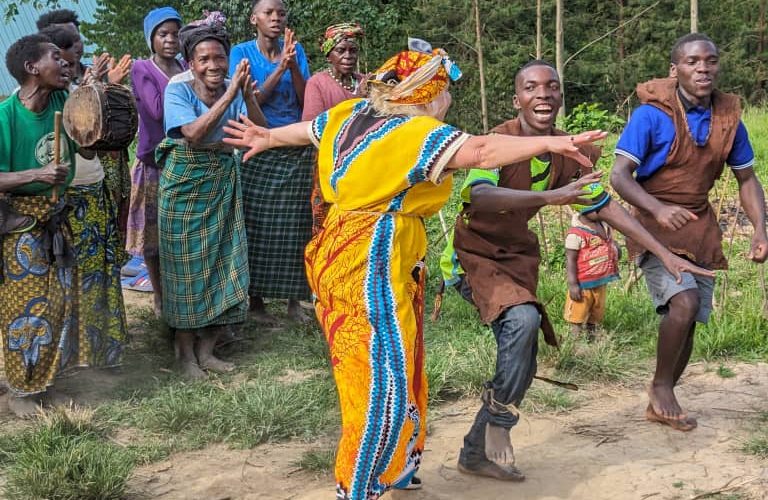
Traditional dance is characterized by expressive movement, rhythm and storytelling; drumming adds energy. Contemporary musicians combine local influences with modern African styles. Evening restaurants and live music venues reveal urban social life.
Because Kigali is Rwanda's main gateway, cultural activities fit naturally at the start or end of almost any itinerary.

Arrive, recover from the flight, spend a day exploring the capital, then continue to Musanze and Volcanoes National Park with stronger context for Rwanda.
Best for: Classic gorilla itineraries
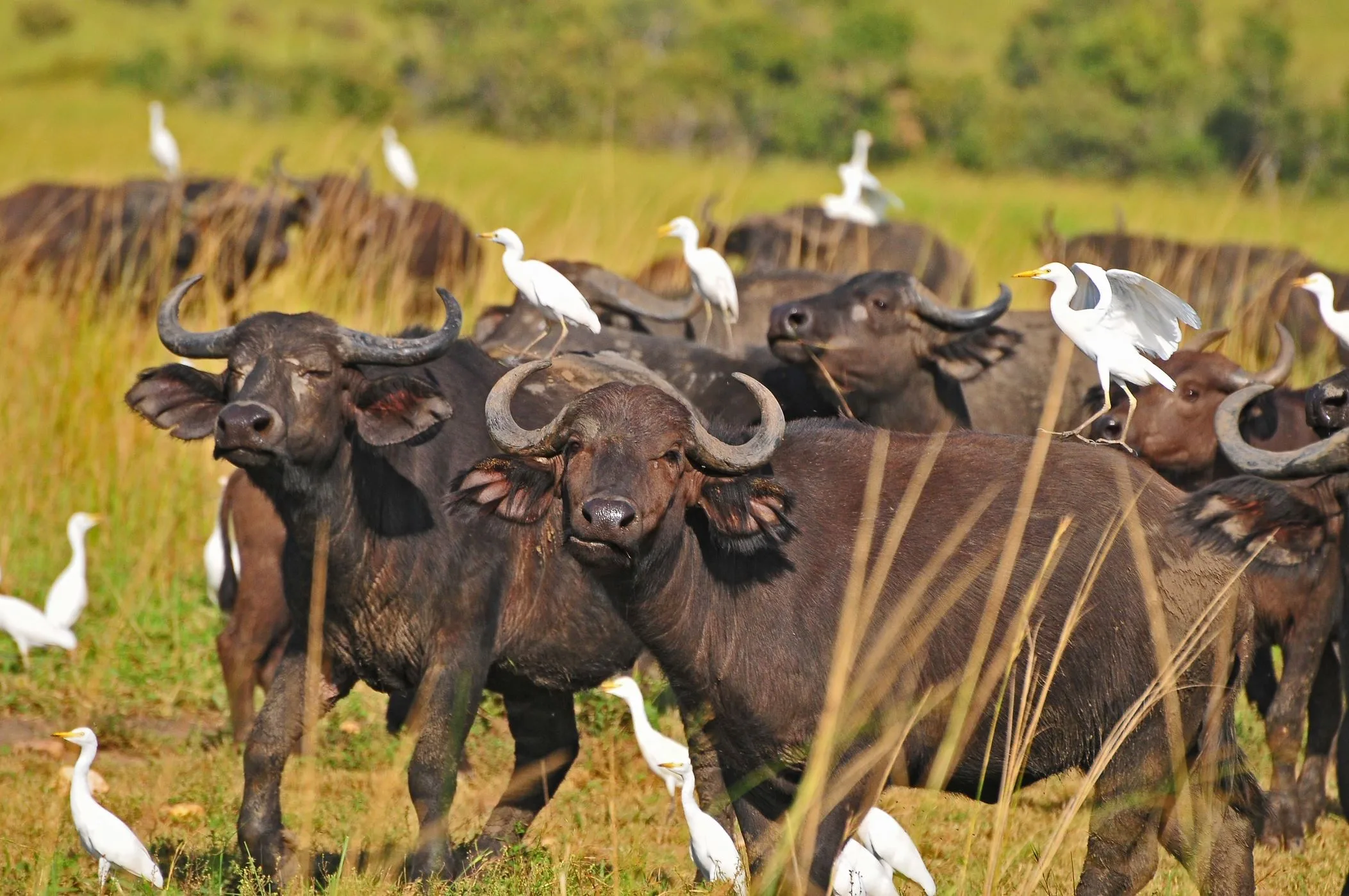
One day exploring markets, art and cuisine; the next introducing savannah landscapes and wildlife — remarkable variety within a compact country.
Best for: Wildlife + culture

Combine Kigali with Nyanza, Huye and other heritage destinations en route to chimpanzee trekking in Nyungwe.
Best for: Heritage + primates
A cultural safari in Kigali suits almost every traveler type. Families can enjoy markets, crafts and food experiences; couples may combine culture with restaurants and galleries.
Solo travelers often appreciate guided city exploration for immediate local interaction. Photographers, food enthusiasts, artists, students and history enthusiasts can tailor experiences to their interests.
Ask your safari planner for family-friendly market and craft visits with clear photography guidelines.
Plan a Family Cultural Safari
Kigali can be explored throughout the year. Many activities take place indoors or within developed urban areas, so cultural tours are less dependent on weather than wilderness safaris.
Walking tours are generally more comfortable during dry weather. Carry a compact rain jacket or umbrella for sudden showers. Early mornings are excellent for markets; late afternoons provide attractive light for city photography.
Allow at least one full day for Kigali. A half-day can introduce several highlights, but a full day allows markets, food, crafts, history and neighborhood exploration.
Two days are worthwhile for travelers particularly interested in art, history or food. An extra night can also make international flight schedules more comfortable.
Adventure in the Wild Safaris can organize private Kigali cultural experiences as standalone city tours or components of longer Rwanda itineraries — customized around art, markets, food, history, coffee, photography or community tourism.
Private guiding allows the experience to proceed at a comfortable pace while providing cultural context independent sightseeing often lacks.
Browse Rwanda Safaris
Responsible tourism means respecting residents and supporting businesses that contribute positively to local communities.
Kigali's residents should be encountered with dignity and reciprocity.
Comfortable casual clothing is suitable for most Kigali cultural activities.
Dress comfortably and respectfully while allowing local people to present their culture on their own terms.
Kigali is Rwanda's main international gateway and the natural start or end point for most safaris.
Tell us whether you prefer a half-day introduction or a full cultural immersion when you enquire.
Central and hillside hotels make market, restaurant and craft visits easy to arrange.
Kigali combines particularly well with Nyanza, Huye, Kibeho, Musanze, Karongi and other destinations for travelers interested in Rwanda's cultural diversity.
Pair your cultural safari with birding, photography or onward park experiences.
 Bird Watching
A birding safari in Kigali reveals a side of Rwanda's capital that many visitors overlook. Although Kigali is…
Learn More
Cultural Experiences
A cultural safari in Volcanoes National Park gives travelers an opportunity to discover the human stories surrounding Rwanda's…
Learn More
Cultural Experiences
An Akagera National Park cultural safari combines Rwanda's premier savannah wildlife experience with opportunities to understand the communities,…
Learn More
Cultural Experiences
A cultural safari in Nyungwe National Park adds an important human dimension to one of Rwanda's most celebrated…
Learn More
Cultural Experiences
A cultural safari in Nyanza offers one of the most important journeys into Rwanda's royal history and traditional…
Learn More
Cultural Experiences
A cultural safari in Huye offers one of the most rewarding opportunities to explore Rwanda beyond its famous…
Learn MoreYes. Kigali provides essential insight into modern Rwanda and offers excellent cultural, historical, artistic and culinary experiences.
At least one full day is recommended. Two days are better for travelers with strong interests in history, art or food.
Yes. Kigali is an excellent starting point before traveling to Volcanoes National Park.
Yes, although the city is hilly. Comfortable walking shoes are important, and some sections may be connected by vehicle.
Locally produced baskets, textiles, artwork, jewelry and other crafts. Purchasing directly from artisans and reputable cooperatives is encouraged.
Yes. Kigali combines particularly well with Nyanza, Huye, Kibeho, Musanze, Karongi and other destinations.
Ready to Discover Kigali?
Tell us your dates and interests — Adventure in the Wild Safaris will weave Kigali markets, crafts, cuisine and heritage into a seamless Rwanda itinerary with gorillas, wildlife and lakeside time.