Skip to content
+256775218880 / +256753750983 info@gorillaugandasafaris.com

Chimpanzee Trekking in Kibale

Chimpanzee trekking in Kibale National Park is Uganda's flagship chimpanzee experience and one of the most important primate encounters anywhere in East Africa — centred principally around Kanyanchu, with extraordinary primate diversity and long-running research.

  • Location Kibale National Park, Uganda
  • Duration Half Day – Full Day (CHEX)
  • Difficulty Moderate (variable)
  • Minimum Age Confirm current UWA rules
  • Best For Primates, Photography & Nature

Chimpanzee Trekking in Kibale National Park

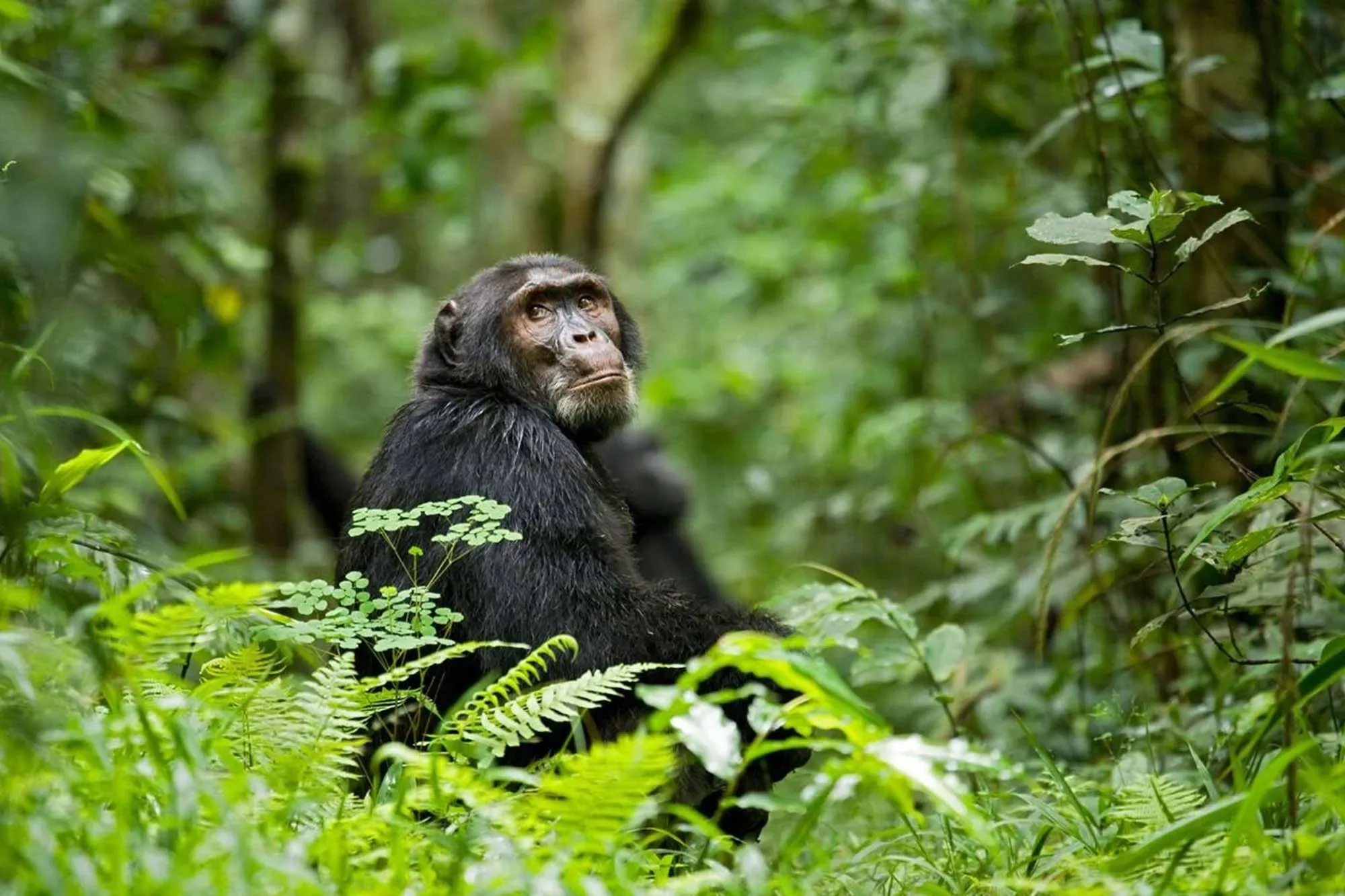
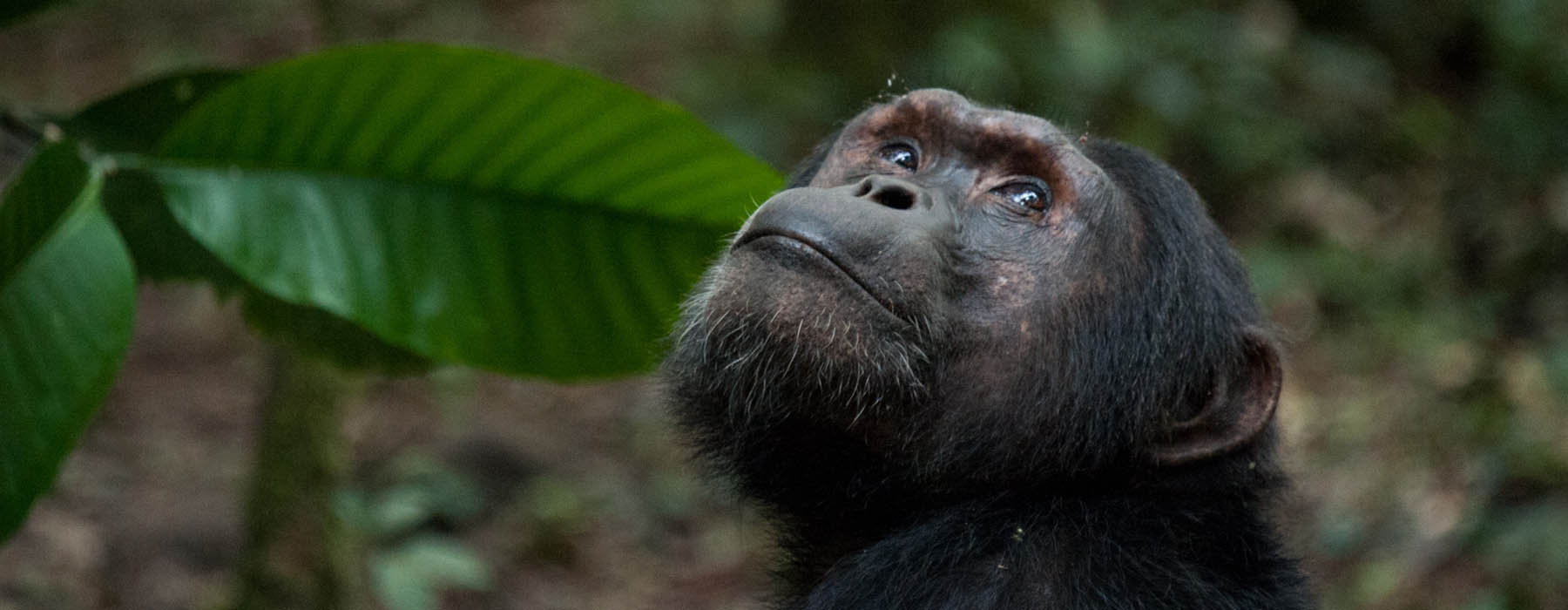
Chimpanzee trekking in Kibale National Park is Uganda's flagship chimpanzee experience and one of the most important primate encounters anywhere in East Africa. The park is internationally known for its remarkable primate diversity, long-running chimpanzee research and well-established tracking program centered principally around Kanyanchu.

For travelers planning a serious Uganda primate safari, Kibale is often the natural place to begin. The park protects a mosaic of mature tropical forest, regenerating forest, woodland and grassland, creating habitat for chimpanzees, several monkey species, forest birds, butterflies, small mammals and other wildlife. Uganda Wildlife Authority promotes Kibale as one of the country's premier primate destinations and identifies 13 primate species in the park.

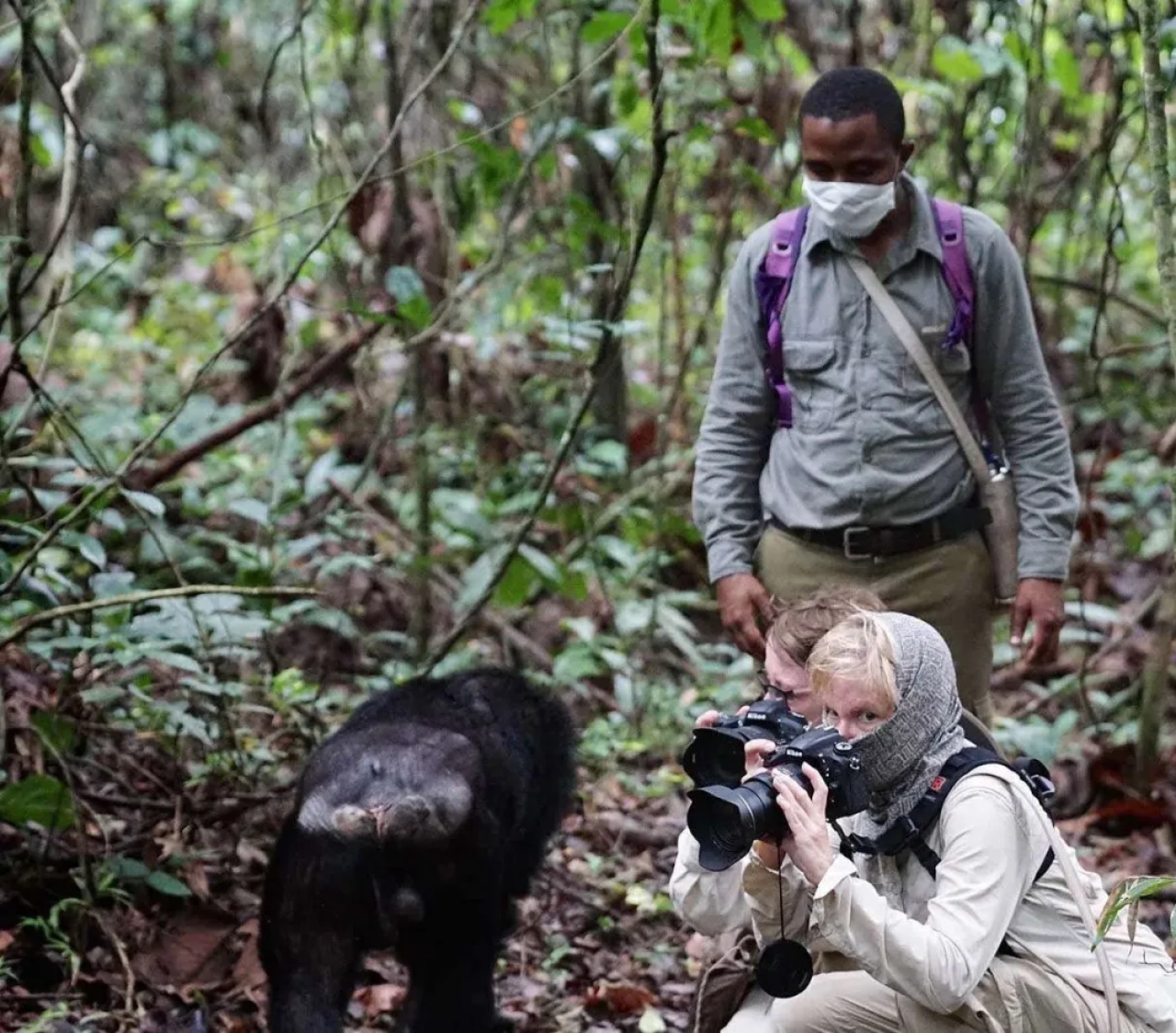
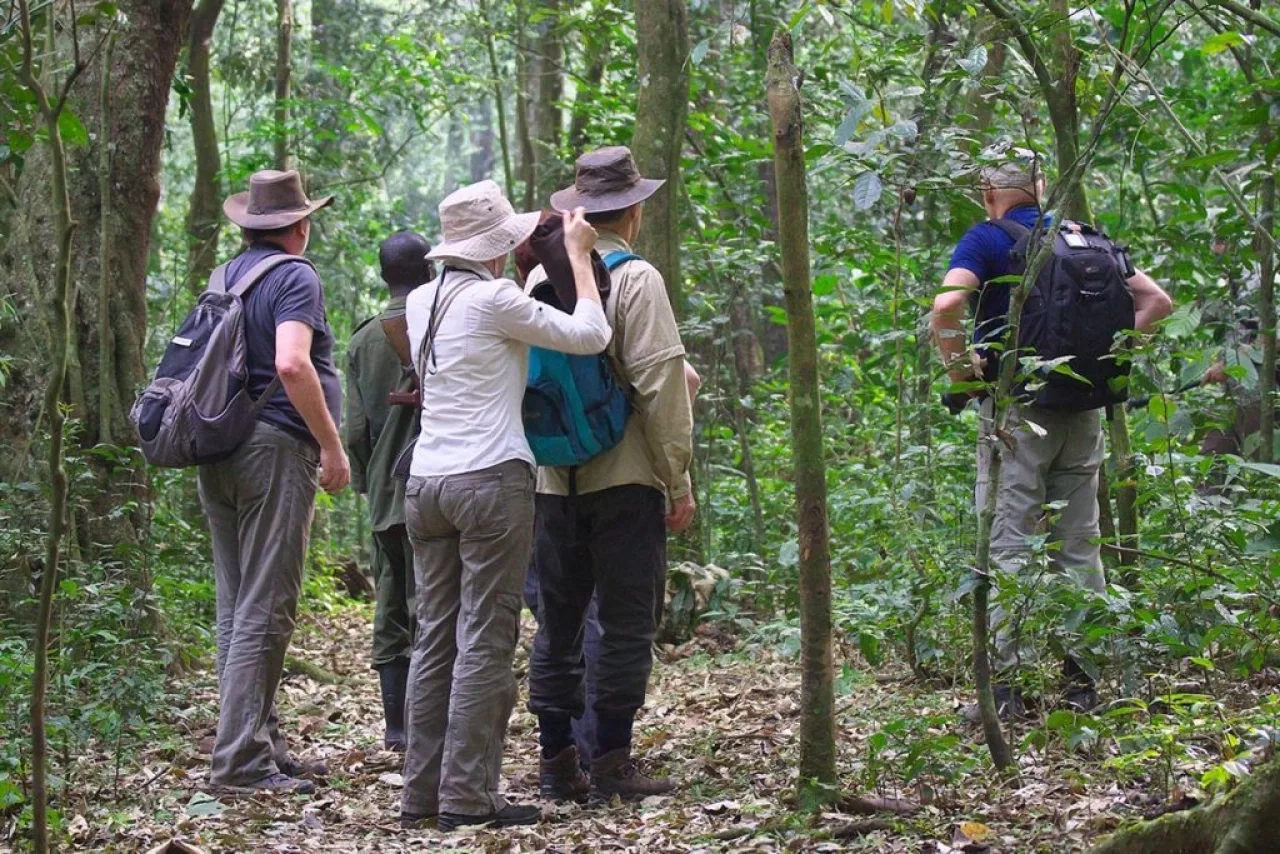
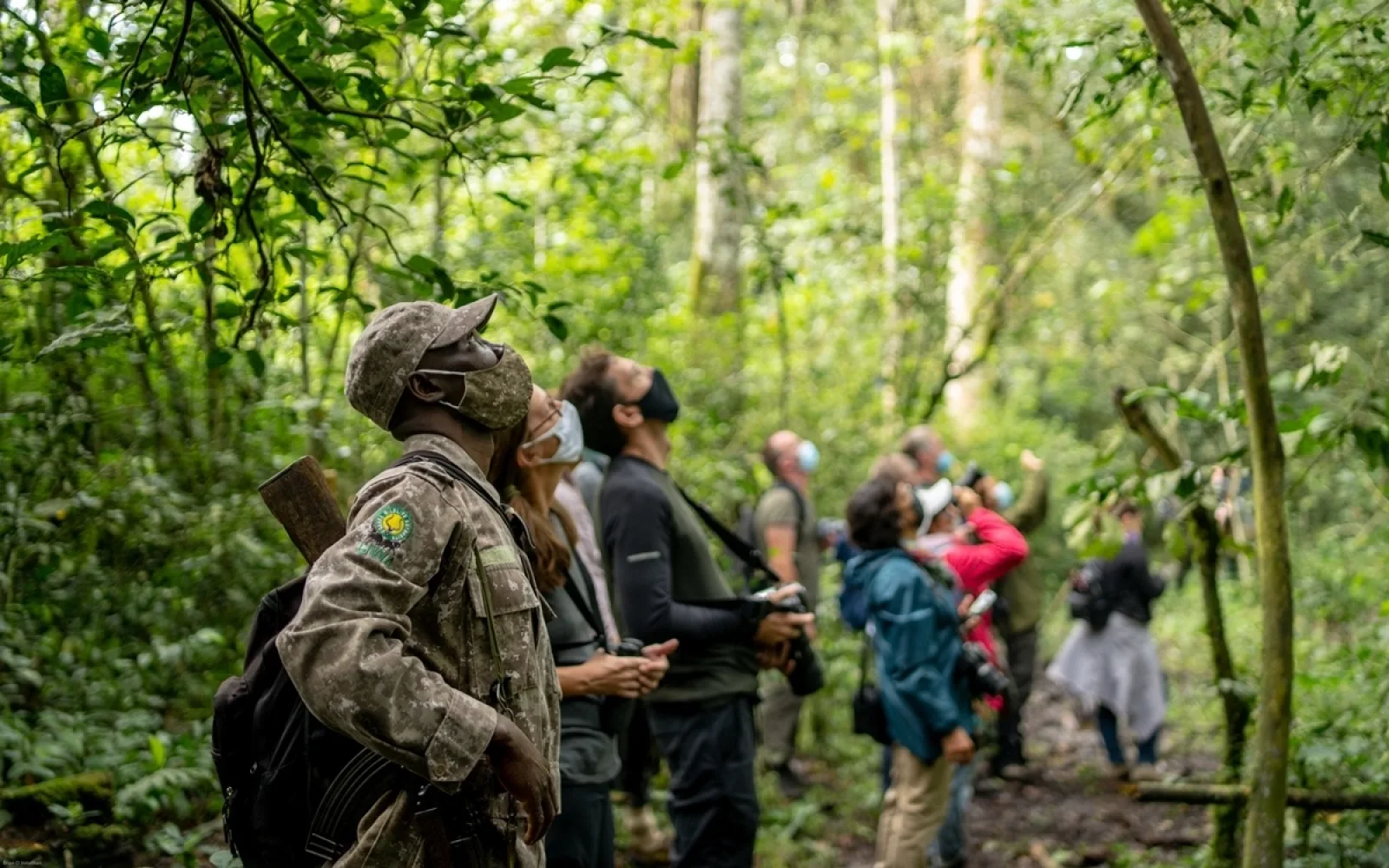
The experience of chimpanzee trekking is active and immersive. Unlike a conventional safari game drive, there is no vehicle between you and the forest. Visitors enter on foot with trained guides and trackers, listening for calls and searching for signs of recent chimpanzee activity.

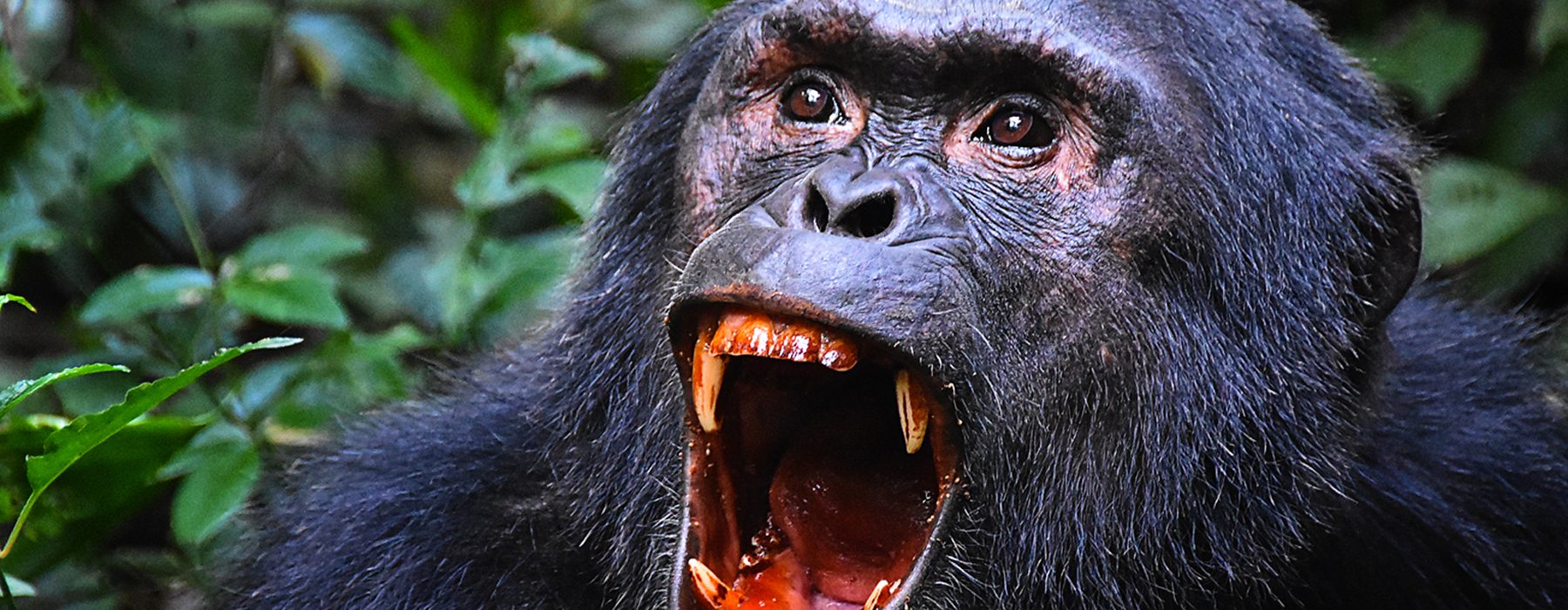
A morning can begin quietly. Birds move through the canopy. Monkeys call in the distance. Trackers examine feeding trees and listen for vocalizations. Then the forest can change in seconds — a pant-hoot echoes through the trees, another chimpanzee answers, branches begin moving, and the search suddenly becomes more urgent.

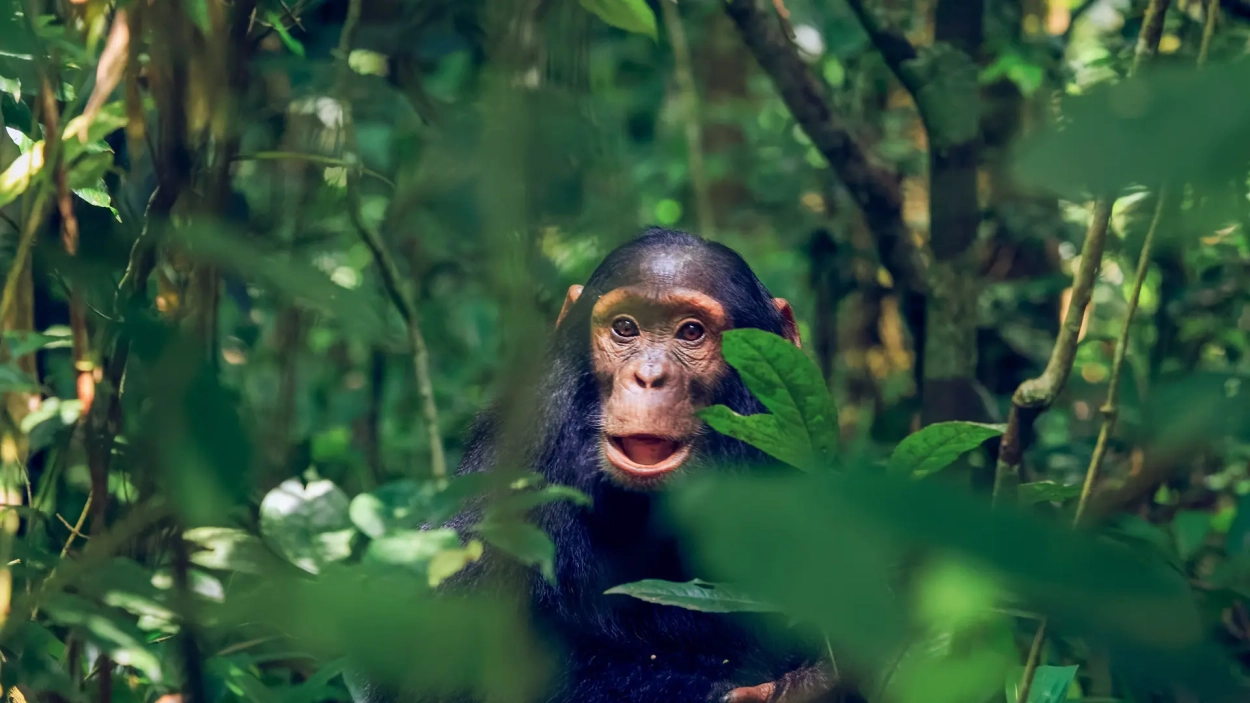
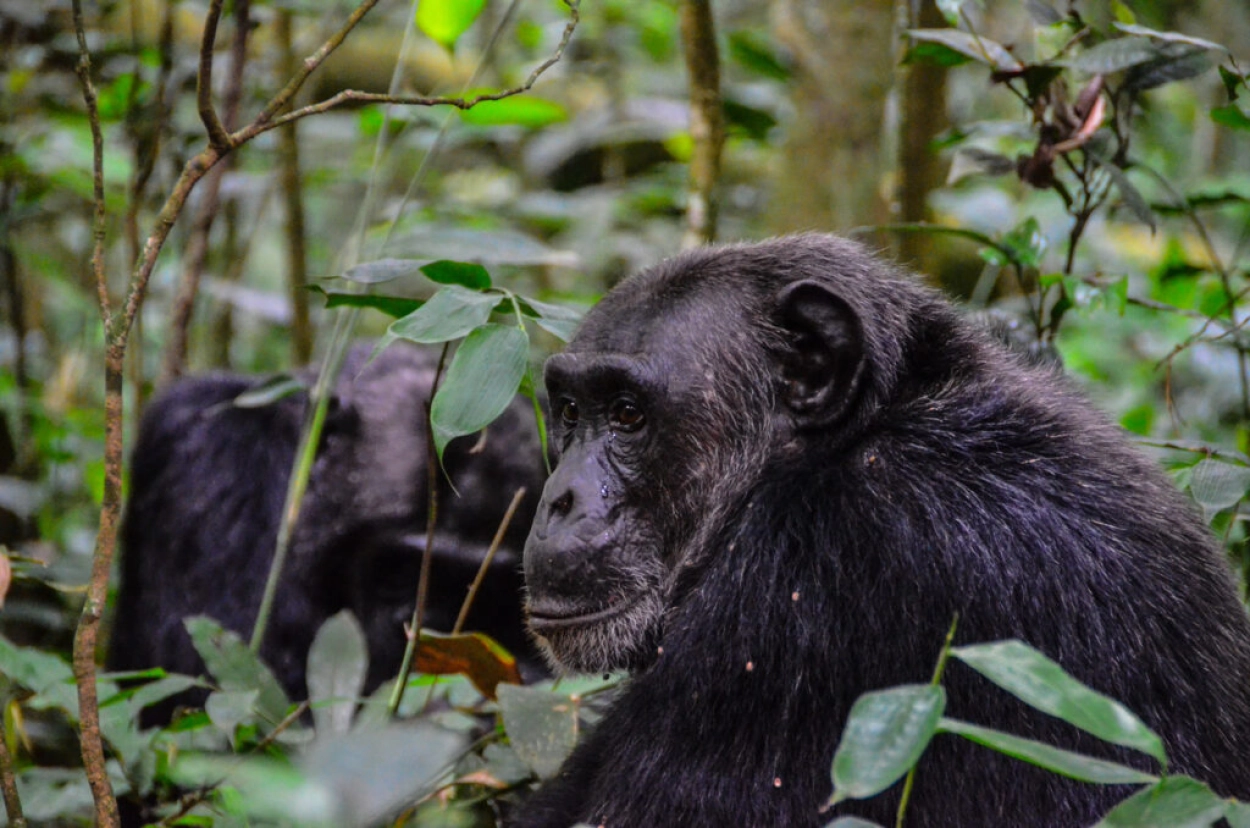
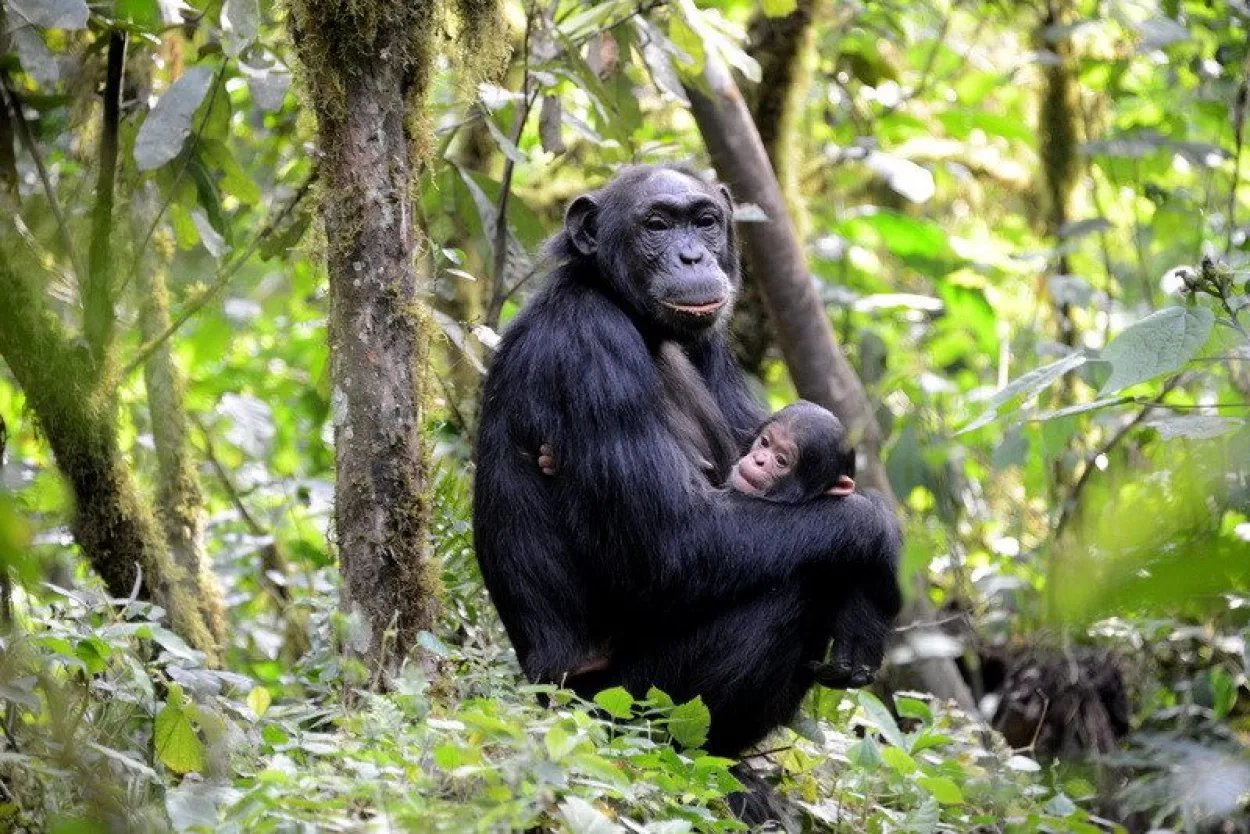
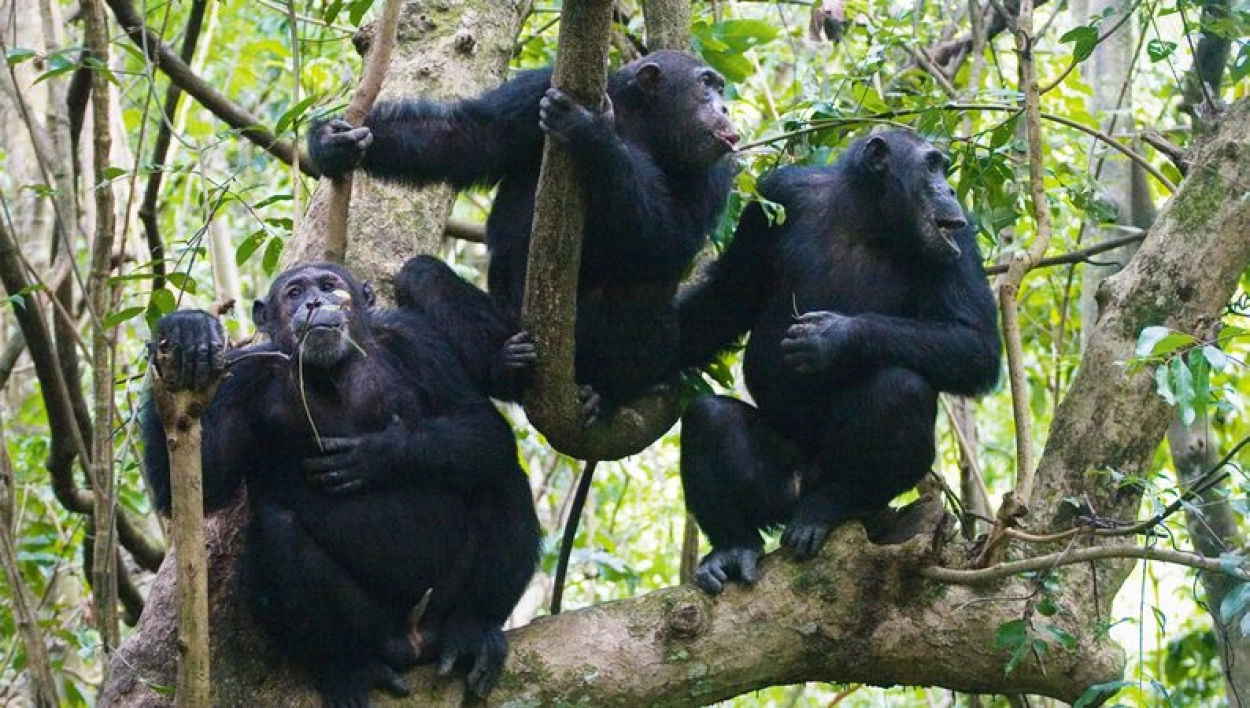
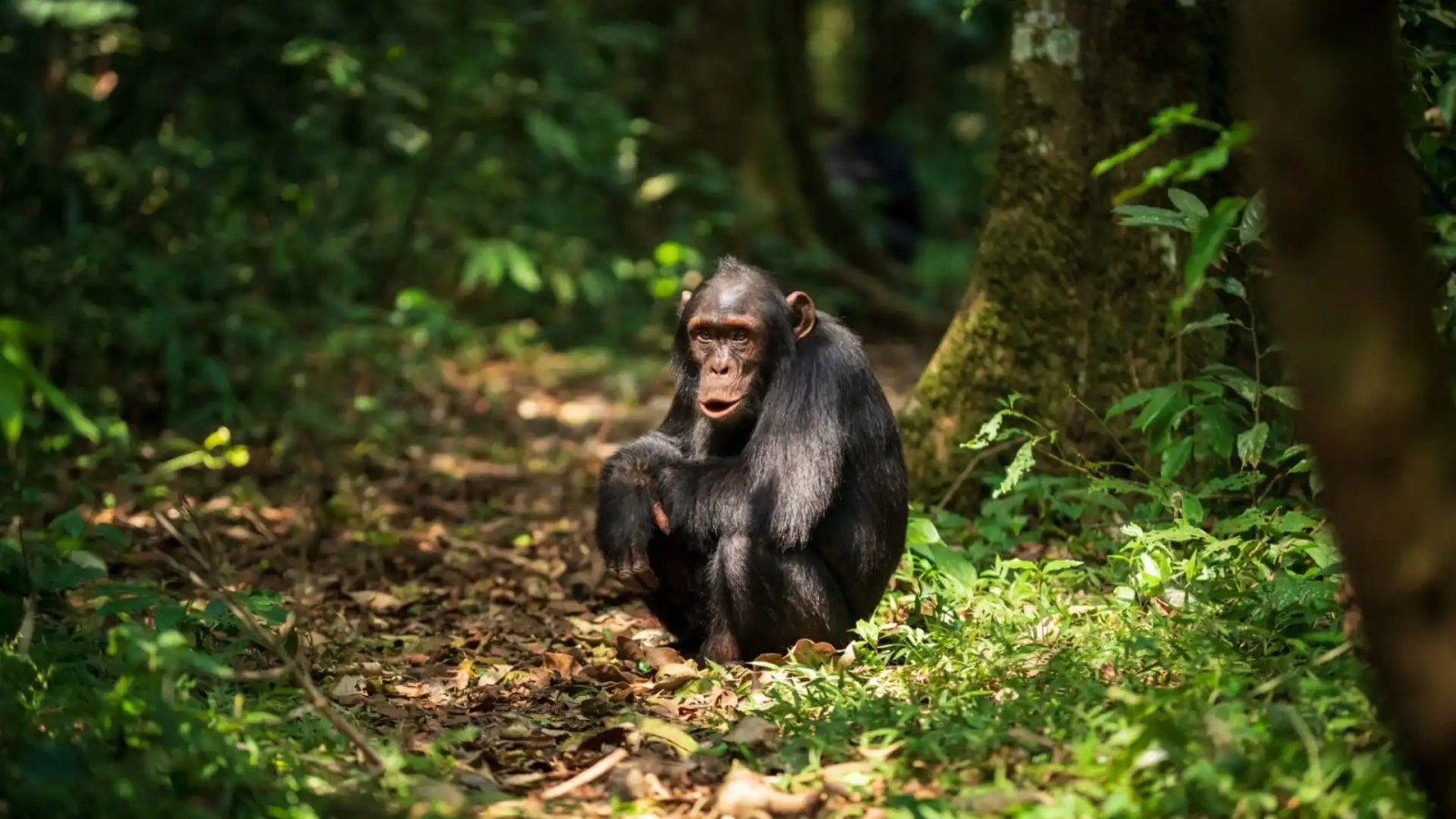
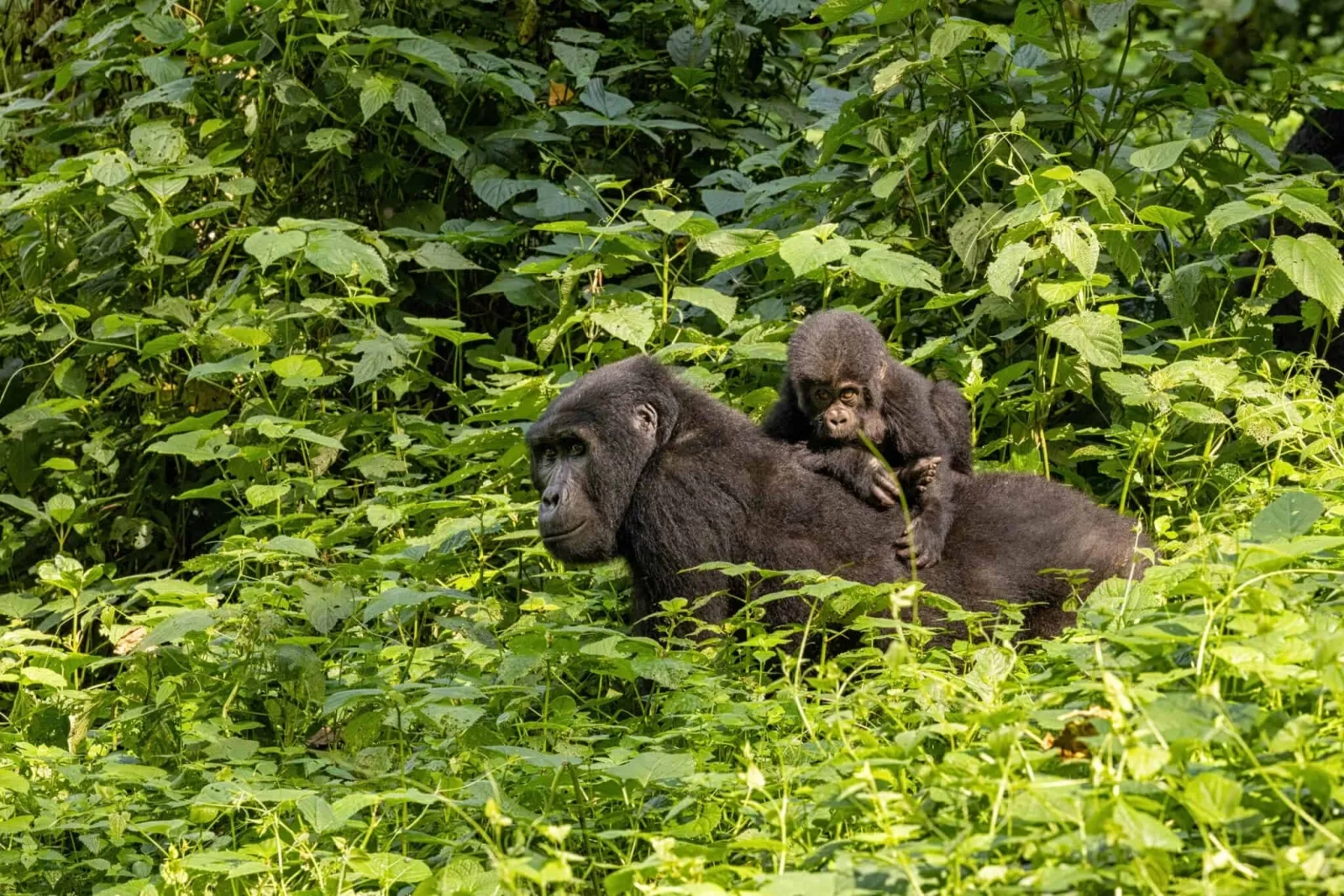
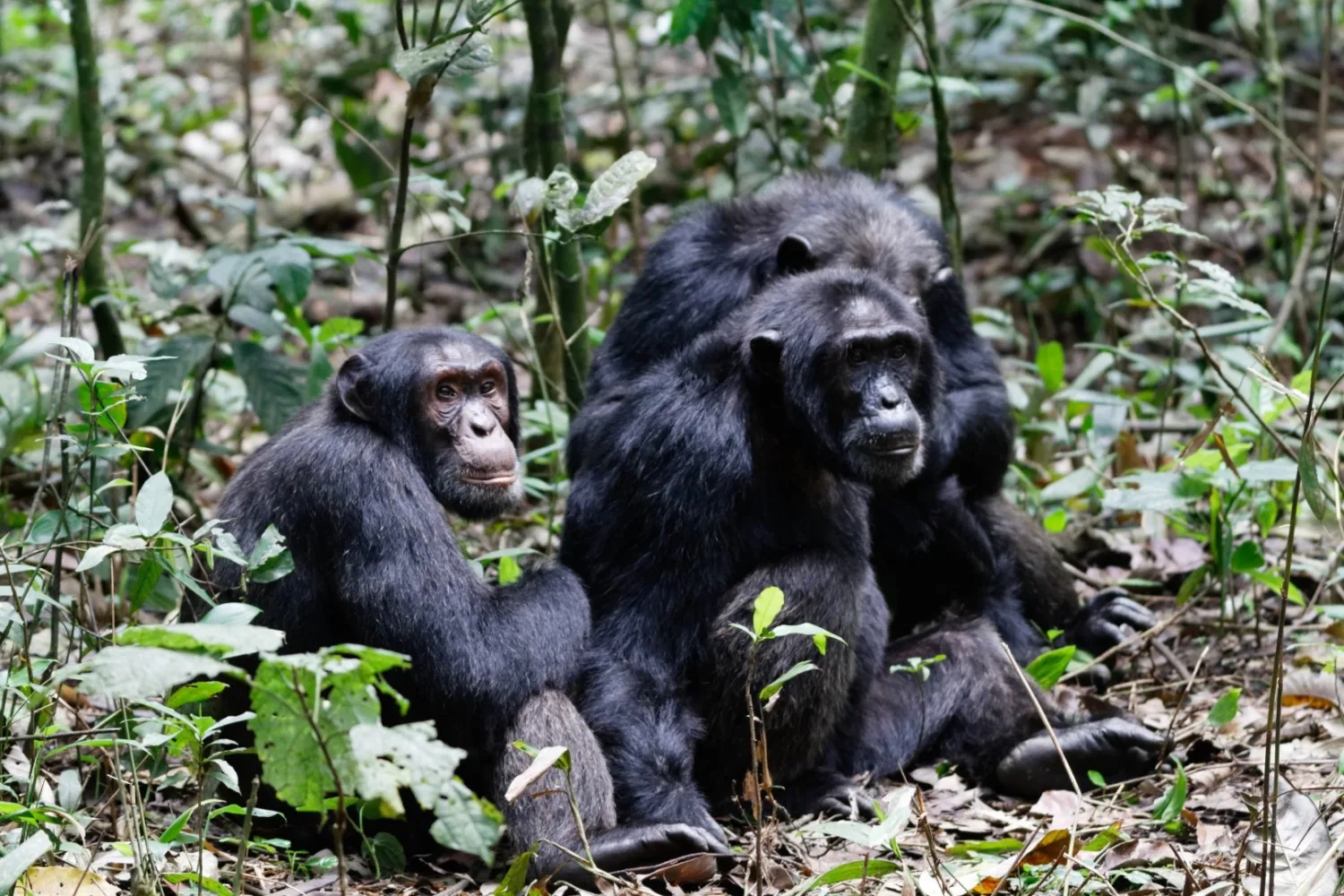
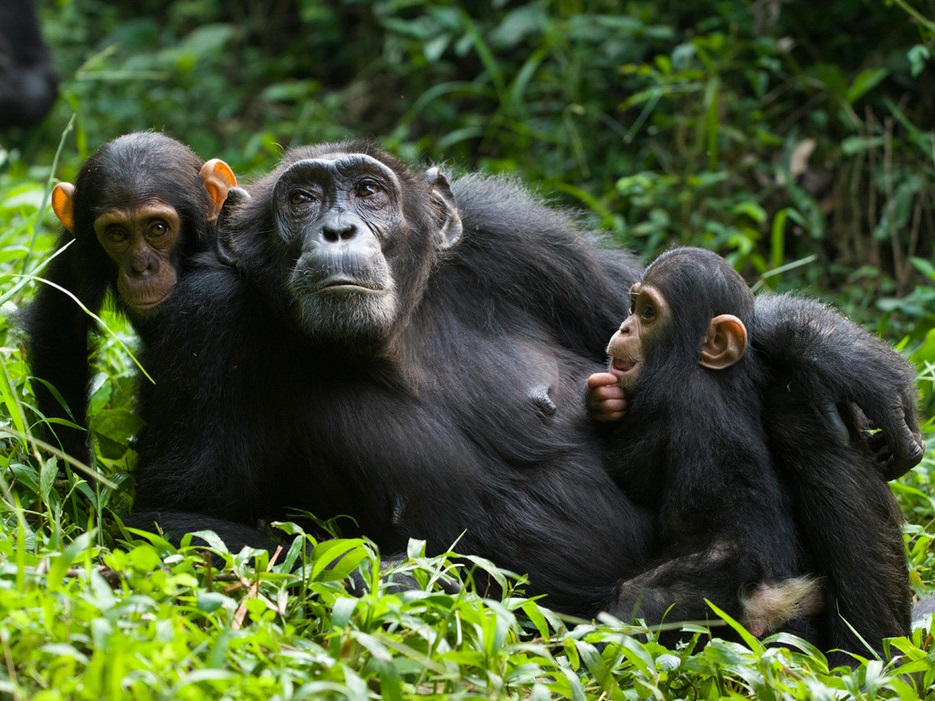
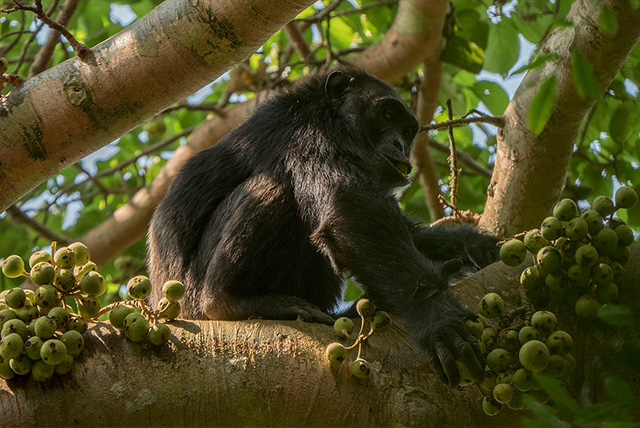
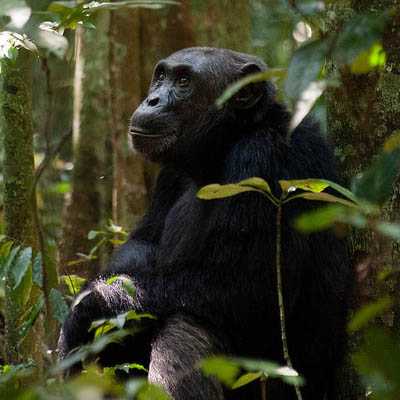
When the chimpanzees appear, the encounter can be extraordinarily dynamic. Some may feed high in fruiting trees. Others move rapidly across the ground. Mothers carry infants, juveniles play and adult males interact according to the complex social relationships of the community.

This is why Kibale chimpanzee trekking is not simply about "seeing a chimp." It is an opportunity to observe a functioning wild chimpanzee society inside one of Uganda's most biologically important forests.

Plan Your Kibale Chimpanzee Safari

Why Kibale Is Uganda's Flagship Chimpanzee Destination

Premier Chimpanzee Tracking

Uganda has several legitimate chimpanzee-tracking destinations, including Budongo, Kalinzu and Kyambura Gorge. Kibale nevertheless holds a special position — with long history of chimpanzee research and habituation, and tourism infrastructure strongly developed around primate viewing.

Kanyanchu Primate Walk

UWA's own tourism material describes the Kanyanchu Primate Walk as the park's premier wildlife experience. Habituated chimpanzee communities have been monitored over long periods, giving trackers extensive knowledge of ranging patterns and behavior.

13 Primate Species

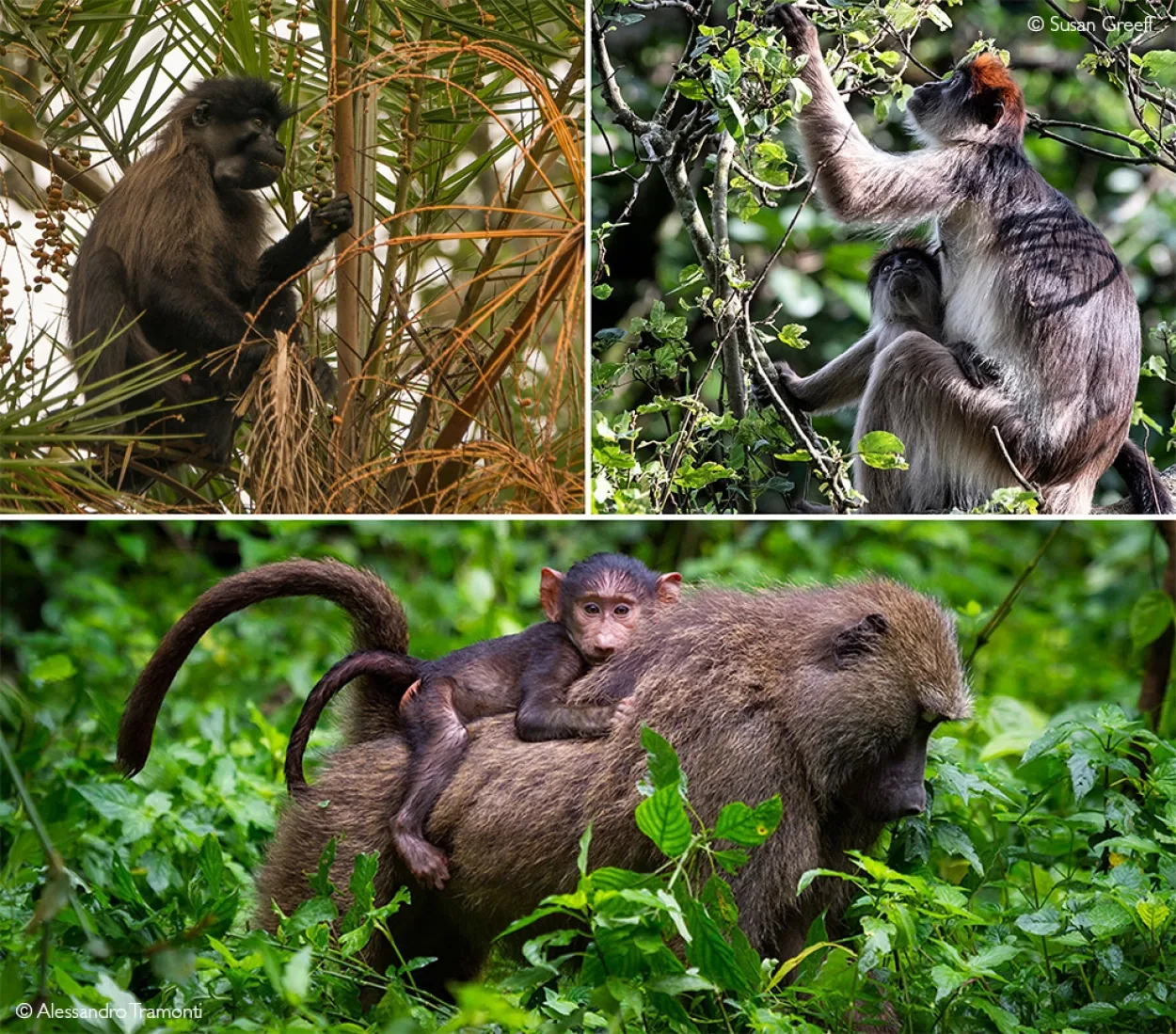
Beyond chimpanzees, visitors may encounter black-and-white colobus, red colobus, L'Hoest's monkeys, grey-cheeked mangabeys and other primates. For travelers interested in primate biology rather than only one species, Kibale is exceptional.

Excellent — Not Guaranteed — Prospects

Wild chimpanzees remain free to move through their habitat. Kibale's combination of long-term research, habituation, professional tracking and extensive habitat has made it Uganda's best-known location for a serious chimpanzee encounter — without turning sightings into a guarantee.

Western Uganda Circuit Hub

Kibale anchors routes through Fort Portal, Queen Elizabeth National Park and onward to Bwindi — so chimpanzees fit naturally into Uganda's classic great-ape and wildlife safaris.

Dynamic Wild Encounters

Chimpanzee trekking often feels faster and more vocal than gorilla trekking. Pant-hoots, canopy movement and complex social behavior make every trek unpredictable and immersive.

What Is Chimpanzee Trekking & How It Works in Kibale

Chimpanzee trekking is a guided search for habituated wild chimpanzees in natural forest habitat. Habituation does not mean the chimpanzees are tame, pets or trained to perform — they retain normal wild behavior, choose where to feed, decide when to travel and interact socially without following a tourist schedule.

The process normally begins with registration and a pre-trek briefing. Current UWA guidelines provide for morning and afternoon chimpanzee-tracking sessions, with the present framework listing an 8:00 a.m. morning start and a 2:00 p.m. afternoon start. Because operating procedures can change, travelers should rely on the reporting time printed or communicated with their current booking.

During the briefing, rangers explain trekking rules, health requirements, safety and appropriate behavior around chimpanzees. Groups then enter the forest. Trackers may already have information about where chimpanzees nested or were seen earlier, combining that with fresh feeding remains, vocalizations and movement in fruiting trees.

One of the defining moments of chimpanzee tracking in Kibale is often heard rather than seen. The pant-hoot can carry through the forest and be answered by individuals at considerable distance. Guides listen for direction, distance and replies — and when several individuals begin calling, the sound can reverberate through the trees.

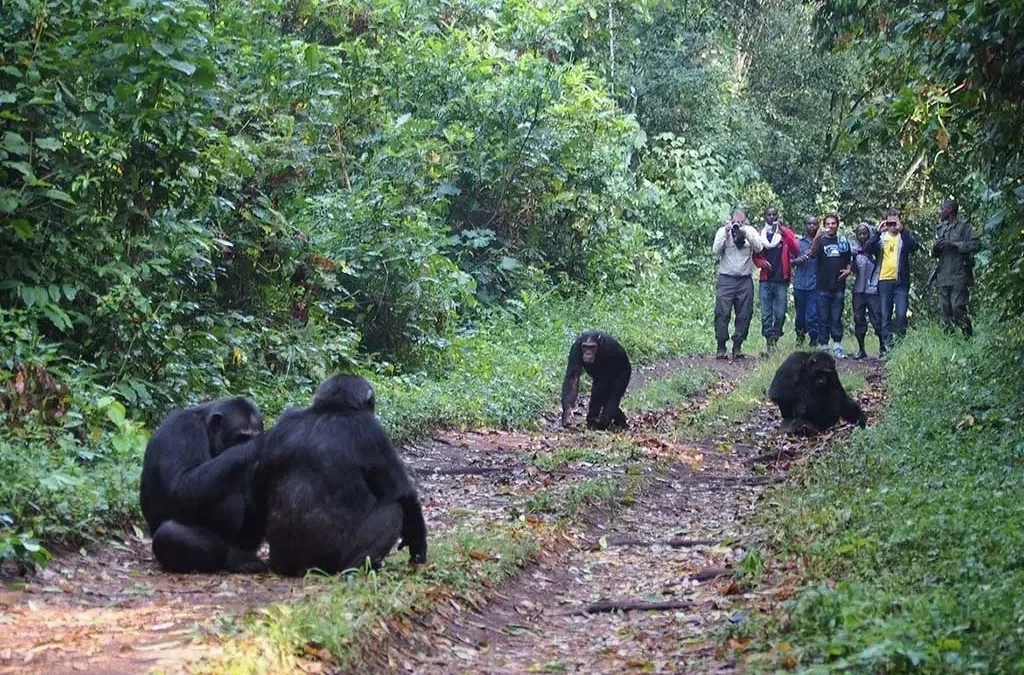
Once trackers determine the likely location of a party, visitors may need to move quickly but carefully. A chimpanzee may be feeding high above the trail; another may descend unexpectedly. Forest wildlife rarely arranges itself for photography. When a chimpanzee is on the ground, the physical power of adult males becomes immediately apparent. Visitors must never interpret apparent curiosity as permission to approach — the ranger remains in control of the encounter.

Under current UWA tracking guidelines, ordinary chimpanzee tracking allows a maximum viewing period of one hour once the chimpanzees have been encountered. The total trek lasts longer because that hour does not include registration, briefing, searching and the return walk. Build flexibility into the day rather than scheduling a tight onward transfer.

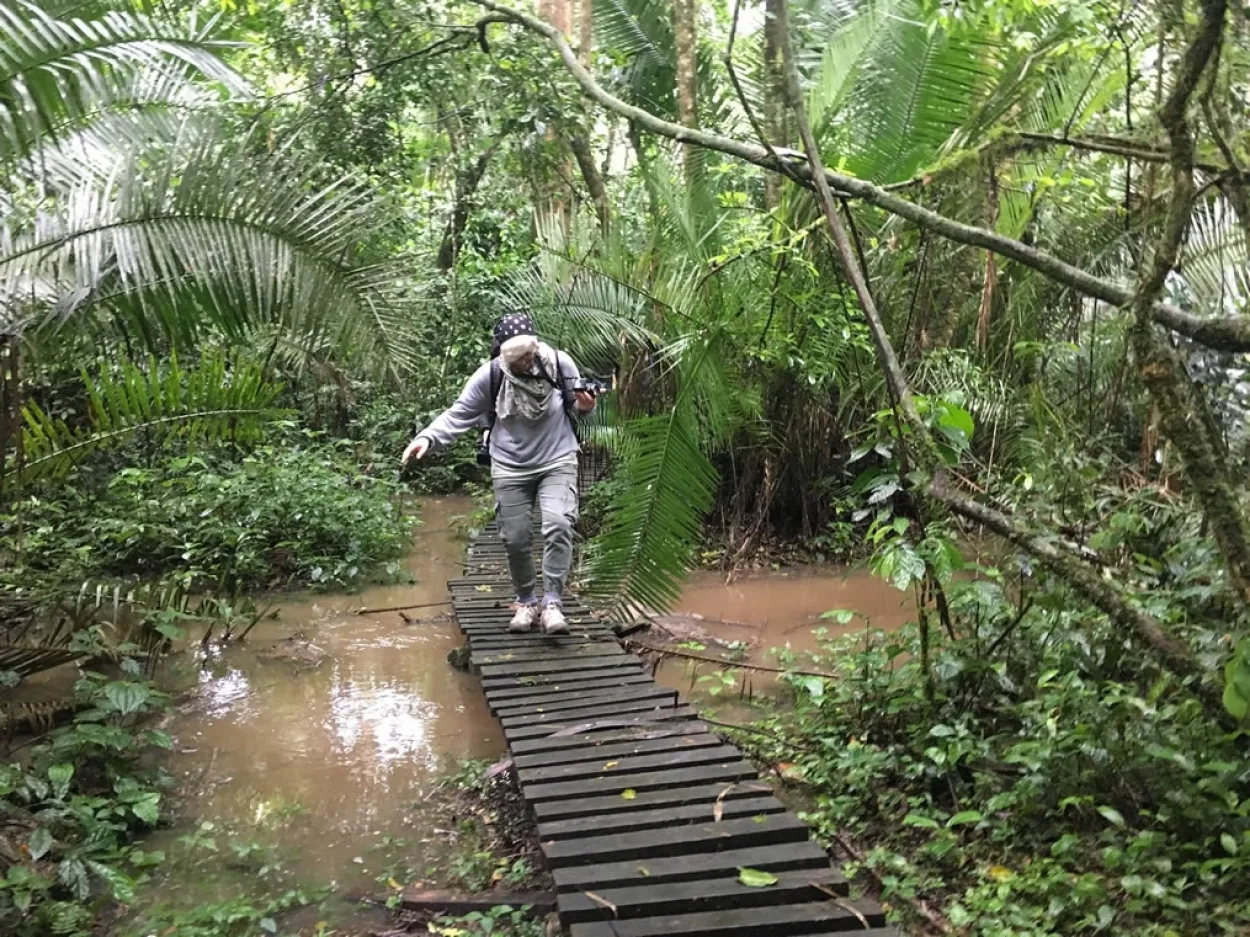
Kibale trekking difficulty varies significantly. Terrain around the main tourism areas is generally manageable for active travelers, but natural forest trails can still be muddy, uneven and slippery. Travelers should be able to remain on their feet for several hours if necessary.

What the Experience Offers

  • Guided tracking with UWA rangers and experienced trackers
  • Morning or afternoon sessions (confirm current reporting times)
  • Up to one hour of viewing on standard tracking after chimpanzees are found
  • Optional Chimpanzee Habituation Experience (CHEX) for deeper observation
  • Immersive tropical forest walking — no vehicle between you and the habitat
  • Chance encounters with other primates, birds and forest wildlife
  • Outstanding but demanding photography conditions
  • Easy pairing with Bigodi, crater lakes and western Uganda circuits
Start Planning Your Kibale Chimp Trek

Kibale Chimpanzee Highlights

Kibale is more than a single trailhead. Tracking sectors, habituation, primate diversity, Bigodi, crater lakes and photography all shape how travelers experience the park.

Kibale National Park

Kanyanchu

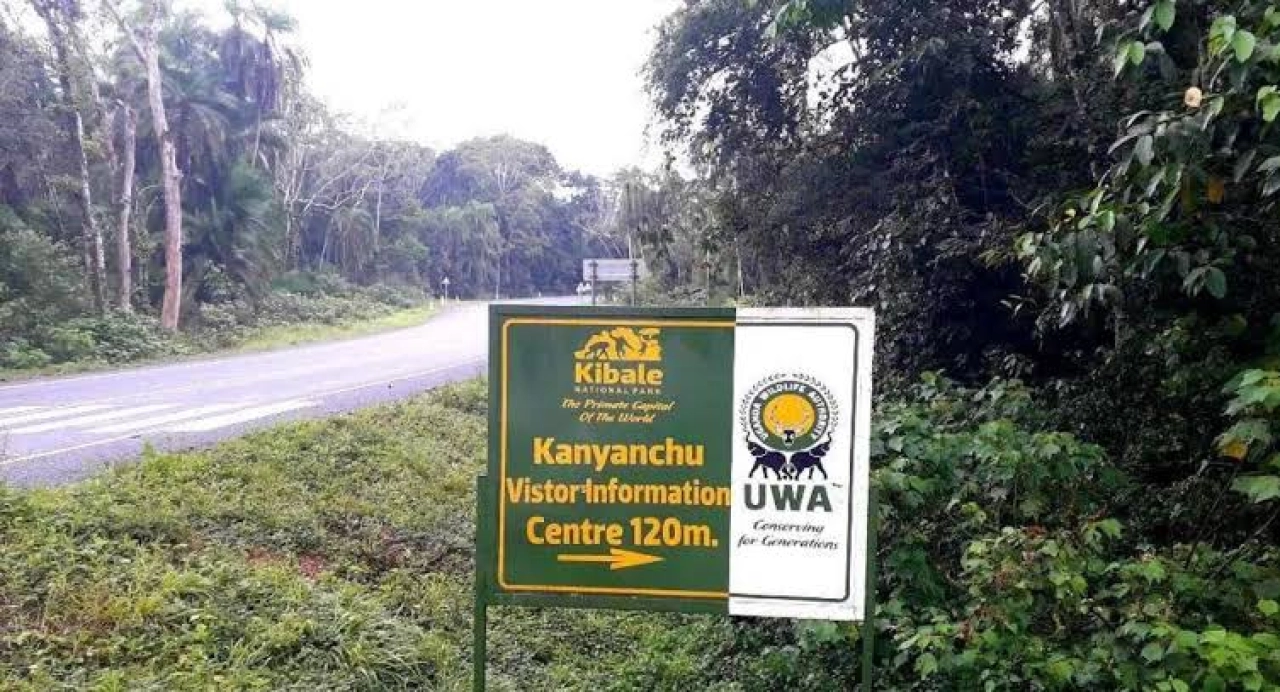
Kanyanchu is the name most travelers associate with chimpanzee trekking in Kibale. The visitor centre has historically been the best-known starting point for the park's primate walk and remains central to Kibale tourism. Current UWA guidelines recognize Kanyanchu as a designated entry point. Exact group allocation depends on current park operations — treat Kanyanchu as the classic base while confirming your reporting point on the booking.

Setting Tropical forest
Where Kanyanchu Visitor Centre
Timing Classic tracking base
Ask to include this
Kanyanchu
Kibale National Park

Buraiga

Current UWA guidelines identify Buraiga alongside Kanyanchu as a designated chimpanzee-tracking entry point. Older websites often imply every visitor always starts from Kanyanchu. Operational arrangements evolve as UWA manages visitor numbers, habituated communities and conservation needs — your final permit or booking confirmation should determine where you report.

Setting Tropical forest
Where Buraiga entry point
Timing Designated UWA entry
Ask to include this
Buraiga
Kibale National Park

Chimpanzee Habituation (CHEX)

The Chimpanzee Habituation Experience (CHEX) should not be confused with ordinary tracking. Visitors accompany teams working with chimpanzees becoming accustomed to controlled human presence. Current UWA guidelines list a 6:30 a.m. start and permit up to four hours of viewing once chimpanzees are encountered. The day is more intensive and can be more physically demanding — choose it for extended observation, not simply because four hours sounds better than one.

Setting Forest ranging routes
Where Kibale habituation zones
Timing Longer, deeper day
Ask to include this
Chimpanzee Habituation (CHEX)
Kibale National Park

Behavior Highlights

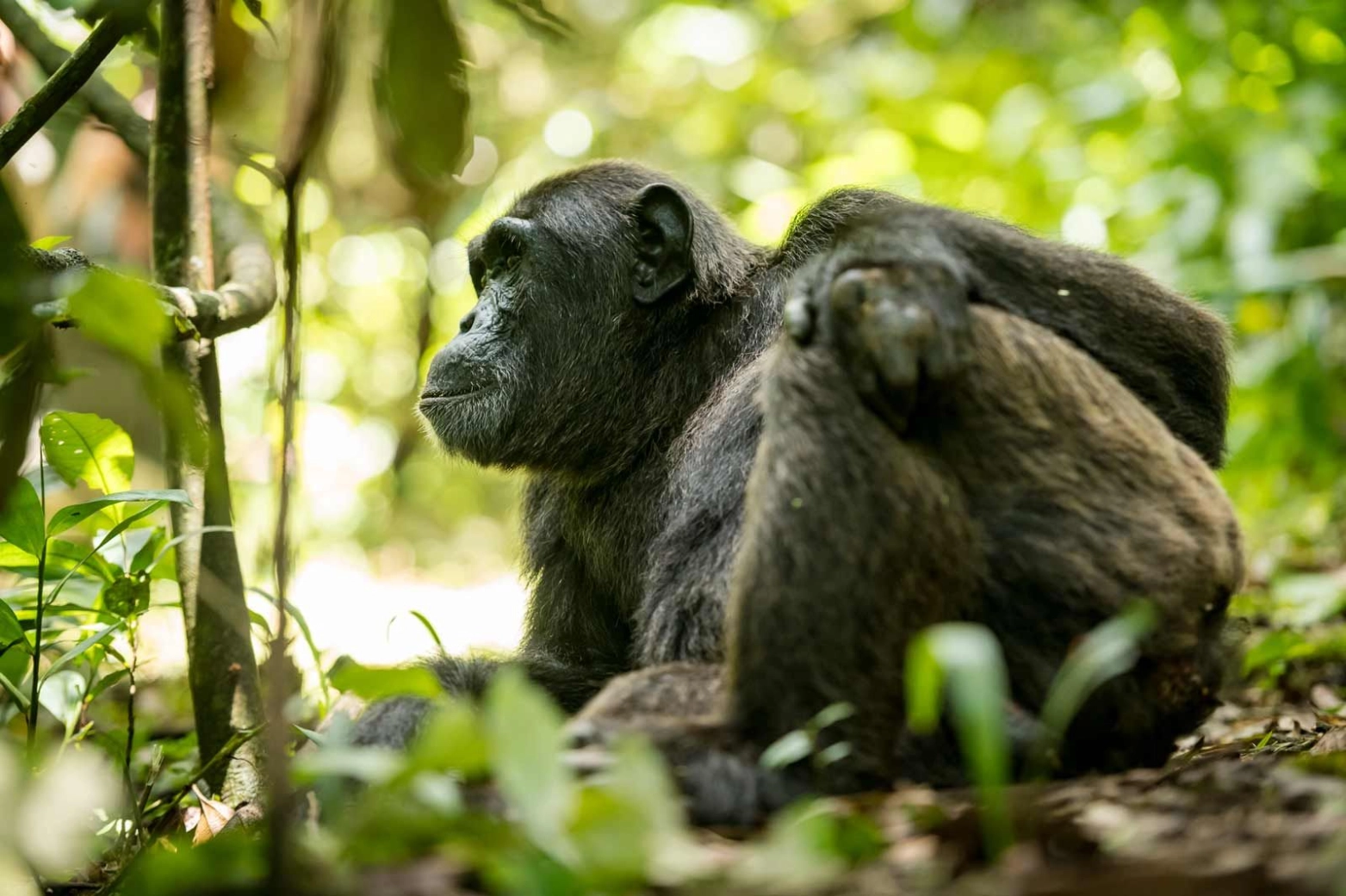
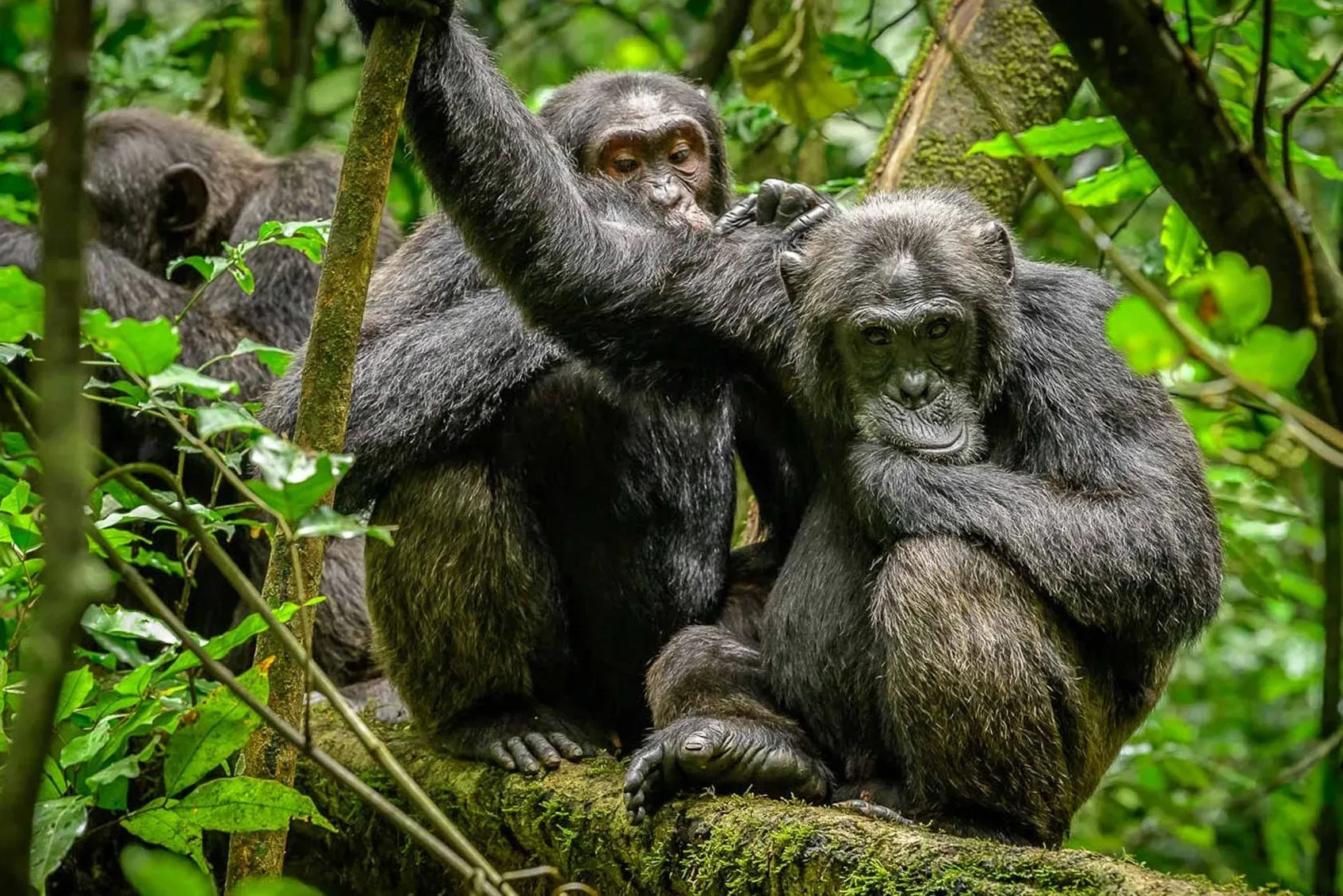
You may observe feeding (especially around fruiting trees), grooming that reinforces alliances, powerful male social displays, maternal care, play among juveniles, and — with luck — tool-related behavior. Whether any given behavior appears on your trek is a matter of chance; the scientific importance is chimpanzees' remarkable behavioral flexibility.

Setting Canopy & forest floor
Where During viewing period
Timing Unpredictable & authentic
Ask to include this
Behavior Highlights
Kibale National Park

Social Structure

Chimpanzees live in fission-fusion communities. The whole community does not move as one fixed group — individuals split into smaller temporary parties and later reunite according to food, social relationships and reproductive conditions. That is why you may see a handful of chimpanzees even though the wider community contains many more. You are observing a fragment of a complex community.

Setting Community ranging area
Where Kibale forest
Timing Fission–fusion society
Ask to include this
Social Structure
Kibale National Park

Other Primates

UWA highlights 13 primate species in Kibale. Visitors may encounter red colobus, black-and-white colobus, L'Hoest's monkeys, grey-cheeked mangabeys, blue monkeys, olive baboons and others depending on habitat and luck. A dedicated nature or primate walk can reveal species overlooked while trackers concentrate on chimpanzees — strong reason to stay more than one night.

Setting Forest mosaic
Where Park-wide
Timing 13 primate species
Ask to include this
Other Primates
Kibale National Park

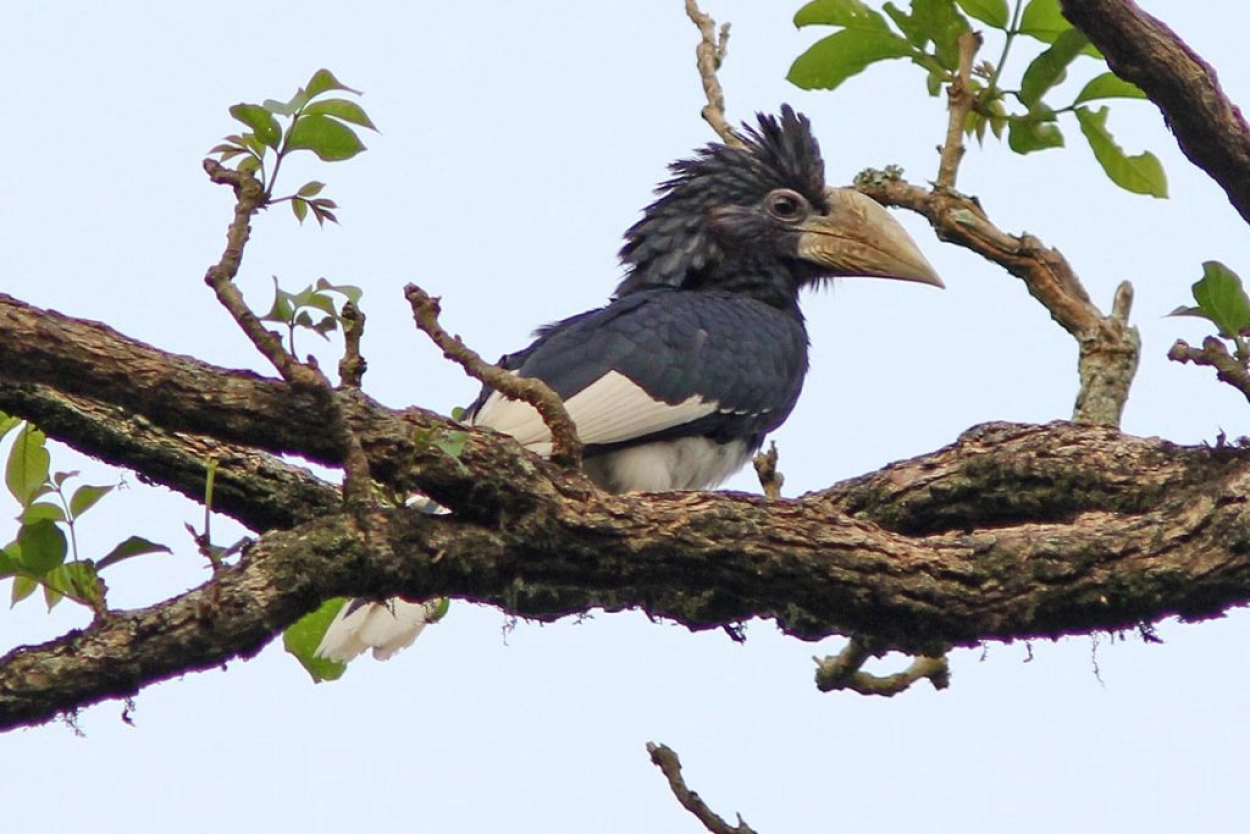
Birding

Kibale is a major Uganda birding destination. UWA material lists approximately 370 bird species, including forest specialists. Birding needs a different rhythm from chimpanzee tracking — serious birders should arrange separate Kibale birding walks rather than expecting the chimp trek to deliver a complete birding day. Pairing the forest with Bigodi Wetland Sanctuary is particularly strong.

Setting Forest canopy & edges
Where Kibale & Bigodi
Timing ~370 bird species
Ask to include this
Birding
Kibale National Park

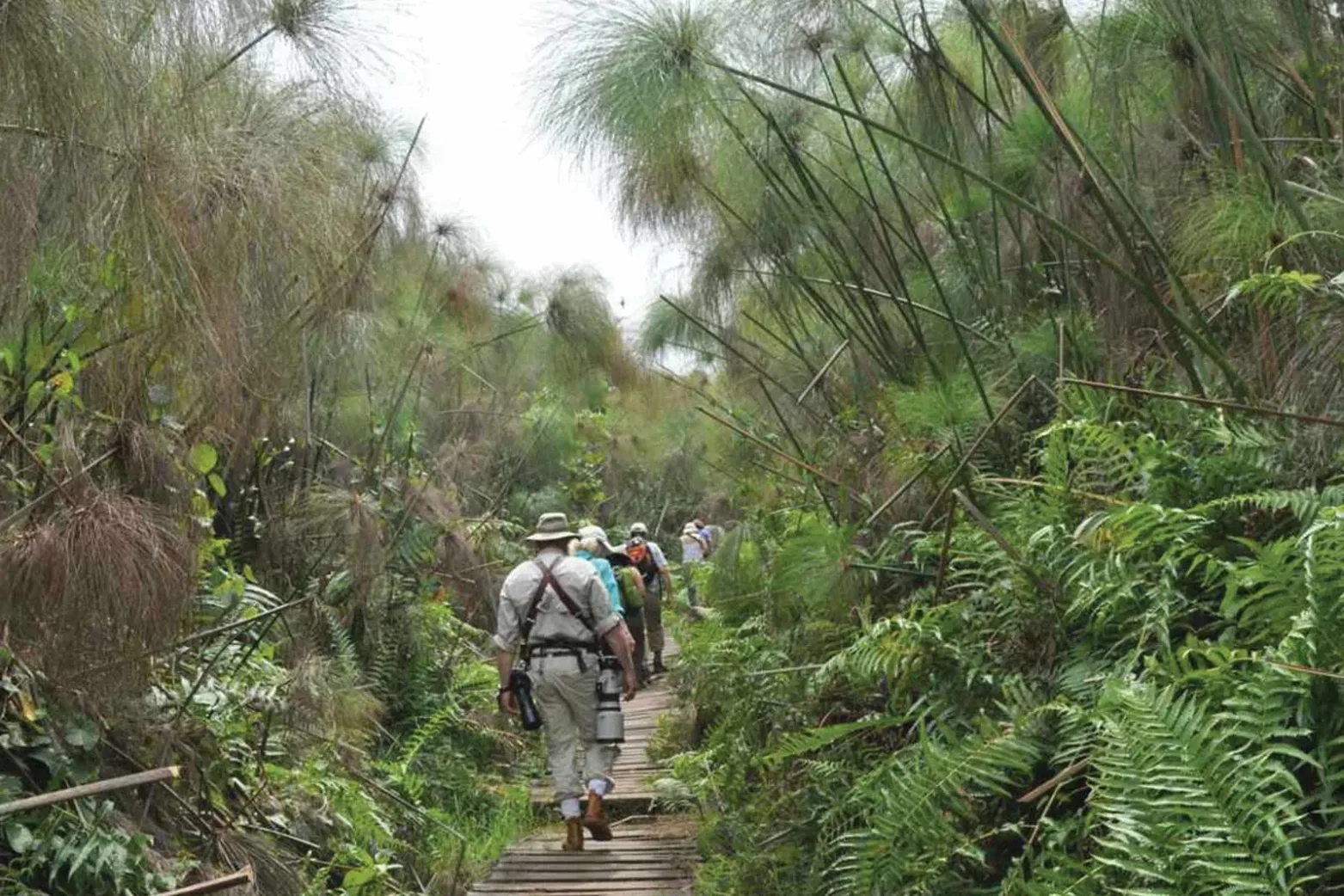
Bigodi Wetland Sanctuary

Bigodi Wetland Sanctuary is one of the most valuable complementary experiences around Kibale. The community-run wetland outside the park offers a different habitat — guided walks can reveal monkeys, birds, butterflies and wetland vegetation, while demonstrating how local conservation and tourism generate value beyond the park boundary. A classic day pairs morning tracking with afternoon Bigodi.

Setting Wetland & community trail
Where Outside the national park
Timing Community tourism
Ask to include this
Bigodi Wetland Sanctuary
Kibale National Park

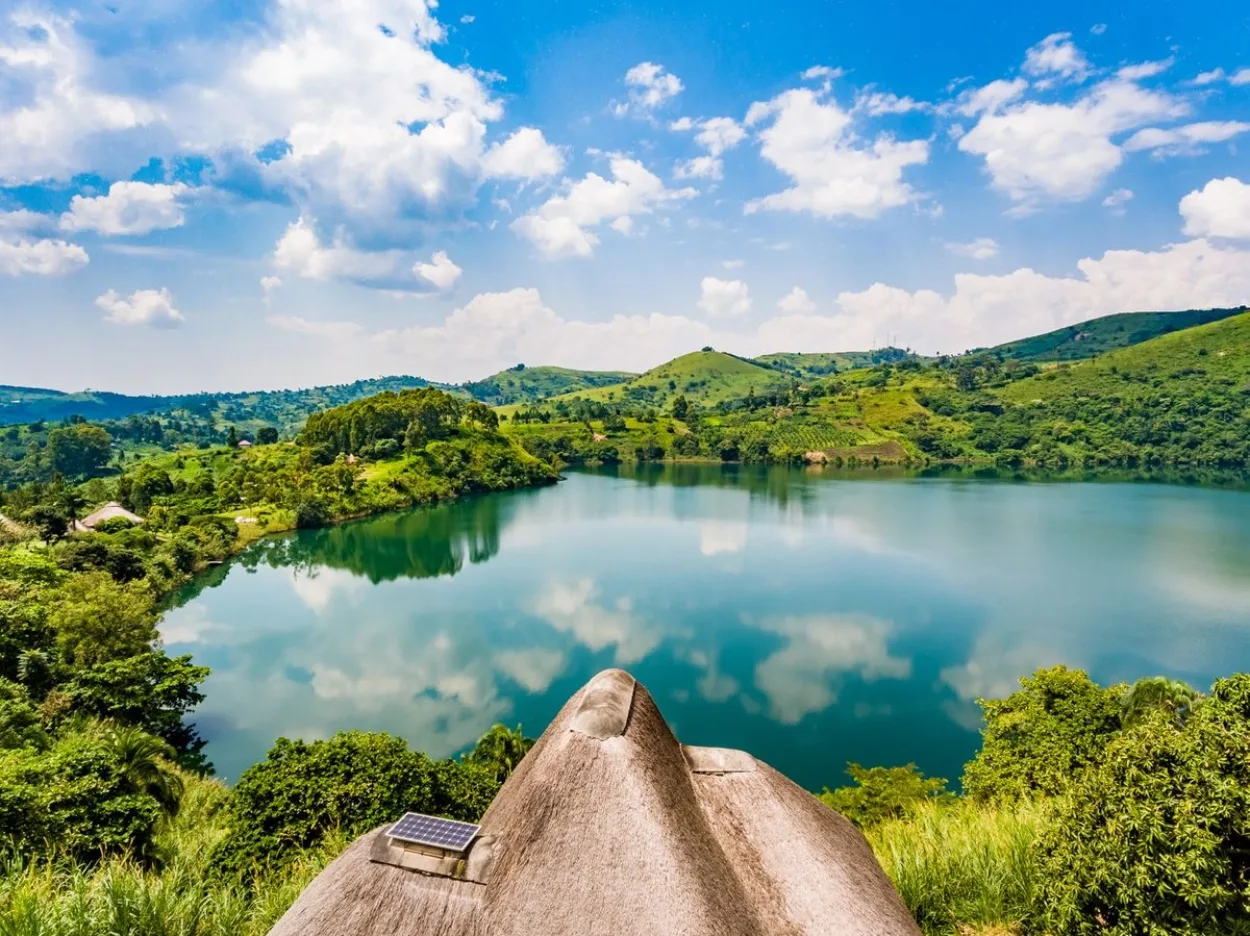
Crater Lakes & Tea

Kibale is closely tied to Fort Portal and western Uganda's crater-lake landscape — volcanic depressions with steep green slopes, farms and water. A crater-lake walk works well after a demanding trek. Tea plantations add another dimension, introducing agriculture and livelihoods so the safari explains the human landscape around protected forest.

Setting Volcanic lakes & tea estates
Where Fort Portal / Kibale region
Timing Scenic multi-night stay
Ask to include this
Crater Lakes & Tea
Kibale National Park

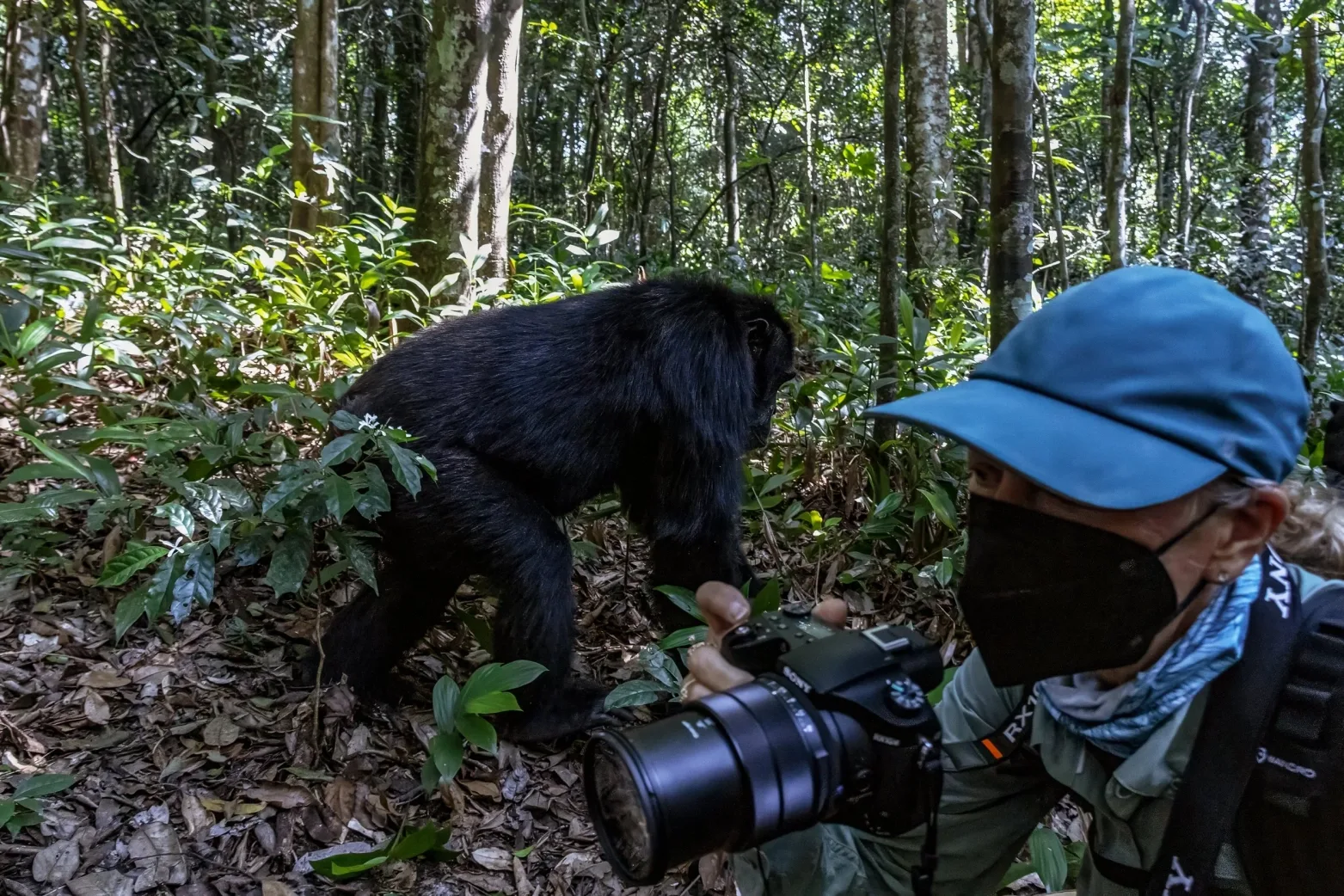
Photography

Kibale is rewarding but demanding for photographers: low light under canopy, fast-moving subjects and vegetation that blocks clean views. A camera that performs well at higher ISO, a flexible telephoto zoom and fast autofocus help. Binoculars remain valuable. Follow flash and distance rules; never leave the group or move ahead of the ranger for a shot — chimpanzee welfare takes priority.

Setting Low-light rainforest
Where During tracking / CHEX
Timing Demanding & rewarding
Ask to include this
Photography
Ask Us to Shape Your Kibale Day

Tracking Options, Circuits & Suggested Itineraries

Choose between standard tracking and habituation, then build Kibale into western Uganda circuits — or compare it with other chimpanzee destinations based on route logic.

Standard Tracking vs Chimpanzee Habituation (CHEX)

Standard Tracking vs Chimpanzee Habituation (CHEX)

Standard Kibale chimpanzee trekking suits most visitors: regulated one-hour observation and easy fit into a broader Uganda safari, often leaving time for Bigodi, crater lakes or onward travel. CHEX suits wildlife enthusiasts, primate specialists, photographers and repeat travelers who want deeper observation and are comfortable spending longer in the forest. Neither is automatically superior — they are different products.

Best for: Choosing depth vs. itinerary flexibility

Kibale + Queen Elizabeth National Park

Kibale + Queen Elizabeth National Park

One of Uganda's strongest safari combinations. The destinations are close enough for the same western circuit but ecologically very different: Kibale for rainforest chimpanzees and primate diversity; Queen Elizabeth for savannah game drives, the Kazinga Channel, elephants, buffaloes, Uganda kobs, hippos and predators. Track chimpanzees one morning and continue toward classic African safari landscapes afterward.

Best for: Western Uganda wildlife circuits

Kibale + Queen Elizabeth + Bwindi

Kibale + Queen Elizabeth + Bwindi

For first-time visitors, connecting Kibale, Queen Elizabeth and Bwindi Impenetrable National Park is one of Uganda's classic safari circuits — chimpanzees, savannah wildlife and mountain gorillas. The route can also incorporate Ishasha, the Kazinga Channel, Bigodi and Lake Bunyonyi. Chimpanzee trekking is often faster and more vocal; gorilla trekking often becomes slower observation once a family is located. Doing both makes each encounter more meaningful.

Best for: First-time great-ape & wildlife safaris

Kibale vs Budongo, Kalinzu, Kyambura & Nyungwe

Kibale vs Budongo, Kalinzu, Kyambura & Nyungwe

Budongo suits Murchison Falls / northern routes; Kibale fits the western circuit and generally has the stronger dedicated primate-tourism identity. Kalinzu is convenient near Queen Elizabeth as an alternative or addition. Kyambura Gorge offers dramatic scenery within the Queen Elizabeth ecosystem — choose it when already based there; prioritize Kibale when chimpanzees are the main goal. Nyungwe (Rwanda) pairs with Volcanoes and Lake Kivu; cross-border itineraries can include both Kibale and Nyungwe without feeling repetitive.

Best for: Route-based destination choice

How Many Nights in Kibale?

How Many Nights in Kibale?

Two nights is a practical minimum for many travelers: arrive day one, track on the second morning, depart on day three. Three nights is more rewarding — allowing Bigodi, birding, crater lakes or extra primate activities without rushing. Habituation travelers especially appreciate an extra night because CHEX can occupy much of the day. Specialist birders, photographers and primate enthusiasts can justify even longer.

Best for: Pace & activity planning

Suggested 3-Day Kibale Chimpanzee Safari

Suggested 3-Day Kibale Chimpanzee Safari

Day 1: Kampala/Entebbe to Kibale via Fort Portal; lodge check-in; optional crater-lake or light community activity. Day 2: chimpanzee trekking from the designated entry point, then optional afternoon Bigodi Wetland Sanctuary. Day 3: return toward Kampala/Entebbe or continue to Queen Elizabeth for game drives and a Kazinga Channel boat safari.

Best for: Short focused chimp trips

Suggested 6-Day Chimpanzee, Wildlife & Gorilla Safari

Suggested 6-Day Chimpanzee, Wildlife & Gorilla Safari

Day 1 to Kibale; Day 2 chimpanzee trekking and Bigodi; Day 3 transfer to Queen Elizabeth with afternoon wildlife; Day 4 morning game drive then Ishasha toward Bwindi; Day 5 gorilla trekking; Day 6 departure to Entebbe or Kigali. Longer versions can add Lake Bunyonyi, a second game drive, CHEX, golden monkeys or additional gorilla activities.

Best for: Classic Uganda great-ape circuits

Who This Experience Suits

Families: Verify the current age requirement before booking — older UWA material has listed restrictions for the Kanyanchu primate walk, and policies can change. Eligible teenagers often enjoy chimpanzee trekking because it is active and educational. Younger children can be given alternative nature or community activities. Avoid excessive driving after early forest starts; a two- or three-night stay makes the trip far more comfortable.

Senior travelers: Many active seniors successfully track chimpanzees. Fitness and mobility matter more than age alone. Be comfortable on natural forest trails and prepared for mud. Those with knee or balance concerns should discuss the activity before booking. A walking pole, proper footwear and a well-paced itinerary significantly improve comfort.

Photographers: Consider whether a standard trek provides enough time for your objectives. Habituation may offer more prolonged observation, although chimpanzees can also be more mobile and difficult to photograph. Bring gear suited to low light and humidity, protect cameras from sudden rain, and avoid carrying more equipment than you can manage through the forest.

Budget travelers: Kibale fits a budget Uganda safari using simpler accommodation and efficient road routing. The wildlife encounter quality does not depend on lodge category — budget and luxury travelers enter the same protected forest. Differences are accommodation style, vehicle arrangements and extras. Combining Kibale with Queen Elizabeth and Bwindi on one road circuit is particularly efficient.

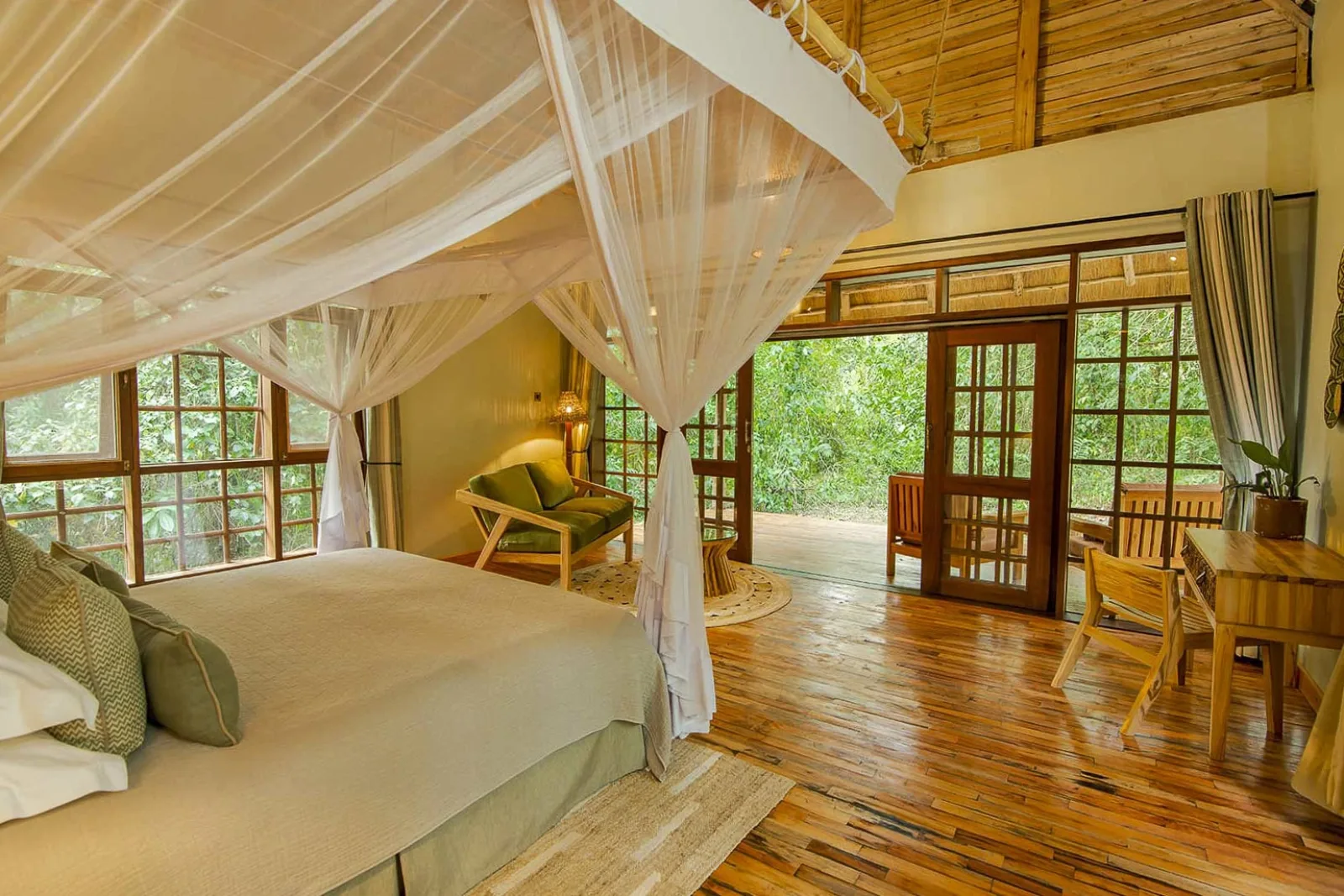
Luxury travelers: Pair chimpanzee tracking with high-end forest or crater-region accommodation, private vehicles and slower itineraries. Luxury is especially valuable for rest between demanding activities — comfortable lodges, excellent meals and private transfers make multi-park primate safaris more relaxing. There is no luxury shortcut that controls where chimpanzees move; the forest trek itself remains authentic.

Age rules for chimpanzee tracking should always be reconfirmed against current UWA regulations at the time of booking.

Plan a Tailored Kibale Safari

Best Time for Chimpanzee Trekking in Kibale

Kibale can be visited throughout the year.

UWA tourism information notes that chimpanzee tracking can remain productive during wetter periods, when food availability may keep chimpanzees in more accessible areas, even though mud makes walking less comfortable. During drier periods, trails may be easier to negotiate, but chimpanzees can range farther while searching for food.

This illustrates why "best time" is not a simple dry-season-versus-wet-season answer.

  • If physical ease is the priority Relatively dry conditions may appeal more — trails are generally easier to negotiate, though chimpanzees may range farther for food.
  • If lush rainforest atmosphere matters Wetter months can be attractive for forest mood and certain fruiting conditions, even when walking is muddier.
  • For most international travelers Plan Kibale within the overall Uganda safari season and prepare for rain regardless of month.

Chimpanzee Permits & Booking

Chimpanzee tracking is a regulated, permit-based activity. Permit prices can change with UWA tariff periods.

This evergreen page intentionally avoids hard-coding a price that may become outdated. Travelers should confirm the current fee for the exact year and residency category of travel. The same applies to chimpanzee habituation permits.

Advance booking is strongly recommended because Kibale is Uganda's most famous chimpanzee destination and availability can be limited.

Adventure in the Wild Safaris can coordinate permits with accommodation and the rest of the itinerary.

We arrange standard tracking and habituation permits as part of private Kibale and western Uganda safari planning.

Browse Chimpanzee Safaris

Health Rules, Great-Ape Protection & Responsible Tourism

Chimpanzees are closely related to humans and are vulnerable to some human illnesses. Health rules around great-ape tourism matter. Responsible safari travel begins with following UWA regulations.

  • Arrive in good health; if you develop respiratory symptoms, fever or another potentially transmissible illness, notify your operator or ranger rather than concealing it.
  • Always follow current UWA instructions.
  • Do not touch chimpanzees.
  • Do not feed them.
  • Do not leave food or litter behind.
  • Maintain the prescribed viewing distance.
  • If an animal approaches unexpectedly, remain calm and follow the guide's directions.
  • Use valid permits and travel with authorized guides.
  • Do not approach chimpanzees independently.
  • Respect local communities and choose legitimate accommodation and community experiences.
  • Avoid demanding unrealistic wildlife interactions; a responsible guide should never manipulate chimpanzee behavior simply to obtain a photograph.
  • Follow current rules regarding flash photography and viewing distance.
  • Never leave the group or move in front of the ranger to obtain a better image — wildlife welfare must remain more important than a social-media image.

Responsible tourism protects both the visitor and the chimpanzees. A chimpanzee permit is part of a wider conservation economy that supports park management and community revenue sharing around protected areas.

What to Wear & Pack

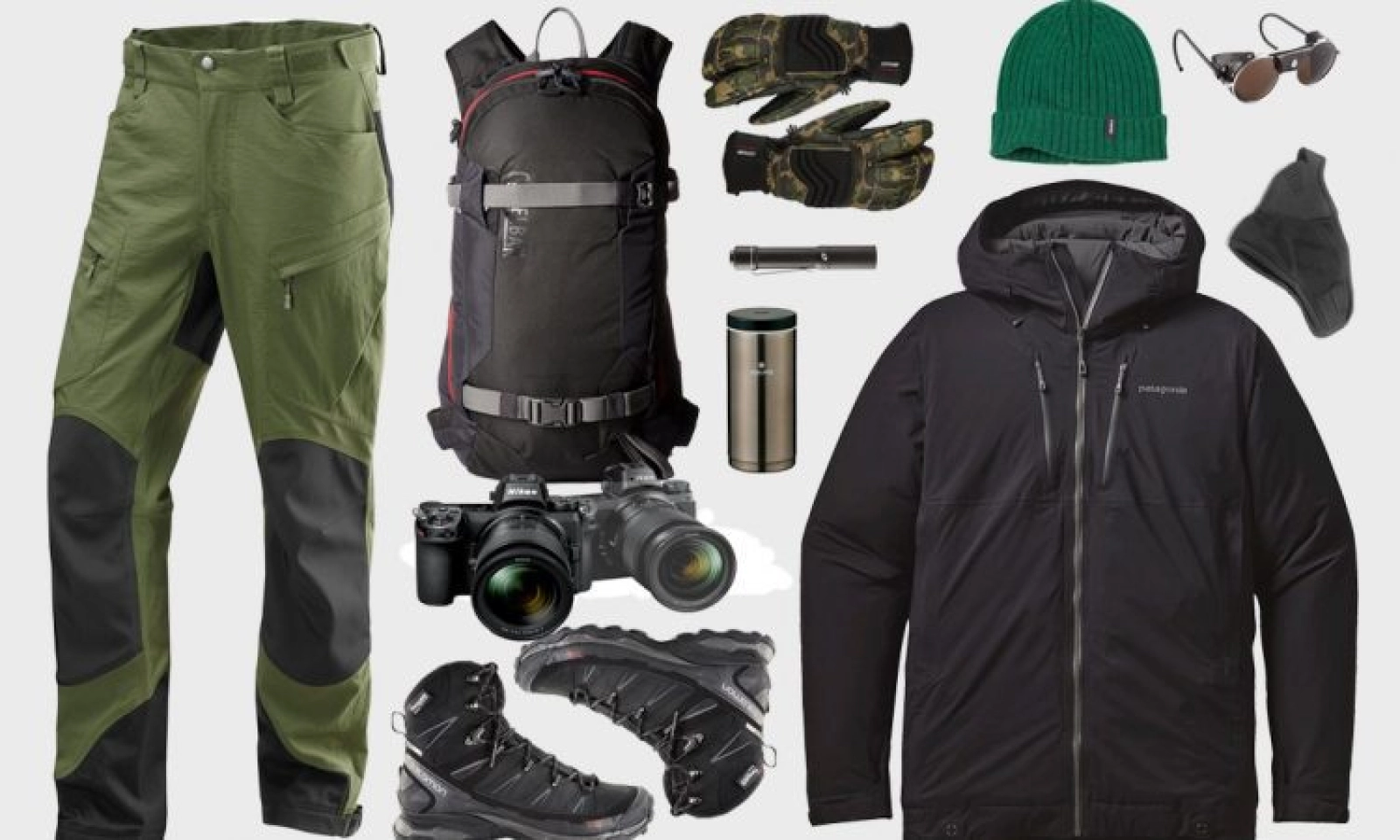
Wear long trousers for protection against vegetation, mud and insects. A breathable long-sleeved shirt provides additional protection. Sturdy hiking boots or walking shoes with good tread are highly recommended. A lightweight waterproof jacket should remain in the daypack even if the morning begins dry. Gaiters can be useful in muddy periods. Some trekkers use gardening gloves when negotiating vegetation or slippery ground. Avoid heavy cotton that becomes uncomfortable when wet — lightweight, quick-drying safari clothing is more practical.

  • Long trousers and breathable long-sleeved shirt
  • Sturdy hiking boots or walking shoes with good tread
  • Lightweight waterproof jacket
  • Gaiters (useful in muddy periods)
  • Gardening or trekking gloves (optional)
  • Compact daypack — do not overpack
  • Drinking water
  • Camera, spare battery and waterproof protection for electronics
  • Binoculars
  • Insect repellent
  • Personal medication
  • Walking pole (useful for some visitors)
  • Packed snack or breakfast only if permitted — follow ranger instructions about food in the forest

The forest is humid, and unnecessary weight becomes increasingly noticeable as the trek continues.

If your lodge provides a packed snack or breakfast, confirm what is permitted inside the forest.

Getting to Kibale National Park

Kibale is normally reached by road from Kampala or Entebbe through western Uganda. It can also be reached from Queen Elizabeth National Park, Semuliki, Fort Portal or other destinations in the region.

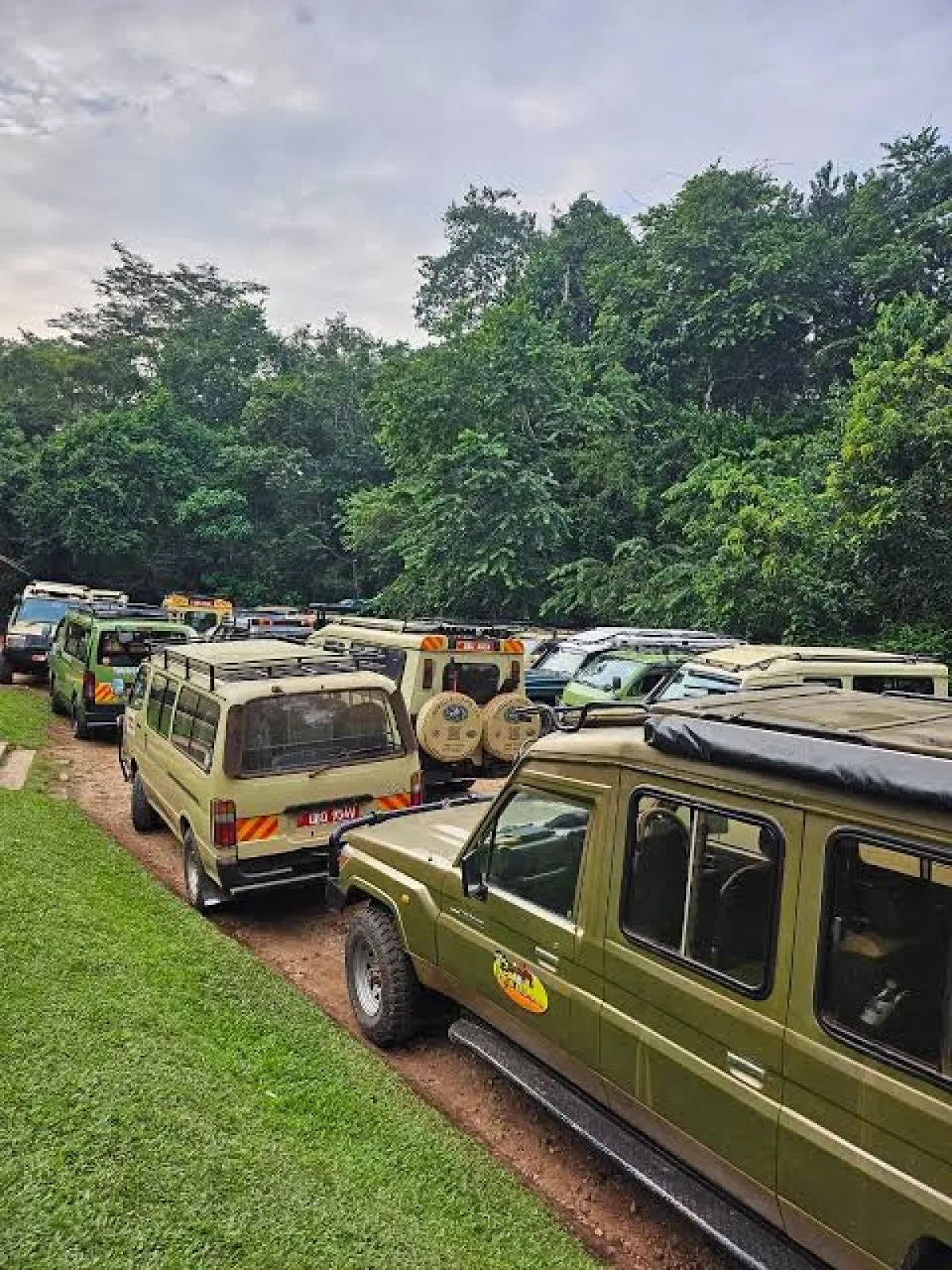
  • By road from Kampala / Entebbe Driving times vary with traffic, road works, weather, stops and lodge location. For most private safaris, a 4x4 vehicle provides the greatest flexibility.
  • Via Fort Portal & the western circuit Fort Portal is a principal tourism gateway and a useful logistical connection between Kibale, Semuliki, the Rwenzori region and Queen Elizabeth National Park.
  • Domestic aviation Domestic aviation can sometimes be incorporated into premium itineraries through nearby regional airstrips combined with road transfers, depending on current schedules.

Adventure in the Wild Safaris arranges private 4×4 transfers, multi-park routing and optional flight combinations.

Accommodation Around Kibale

Kibale has a broad accommodation ecosystem in the surrounding region. Travelers can choose budget, mid-range, luxury and high-end properties depending on comfort expectations and itinerary.

What to Combine With Kibale Chimpanzee Trekking

Kibale anchors western Uganda itineraries — from wetland walks and crater lakes to savannah wildlife and mountain gorillas.

Related Experiences

Habituation, birding, gorilla trekking and other chimpanzee destinations complement a Kibale stay.

Frequently Asked Questions About Kibale Chimpanzee Trekking

Is Kibale the best place for chimpanzee trekking in Uganda?

Kibale is Uganda's flagship and best-known chimpanzee-tracking destination, with long-established habituation and tourism programs. "Best" still depends on itinerary because Budongo, Kalinzu and Kyambura can be excellent choices in different routes.

Where does chimpanzee tracking start?

Kanyanchu is the classic tourism base. Current UWA guidelines also recognize Buraiga as a designated Kibale entry point.

Are chimpanzee sightings guaranteed?

No. Kibale has historically reported very high success rates, but chimpanzees are wild and sightings should never be guaranteed.

How long can I stay with the chimpanzees?

Under current UWA guidelines, standard chimpanzee tracking allows up to one hour of viewing after the chimpanzees are encountered.

What time does tracking begin?

Current UWA guidance provides morning tracking from 8:00 a.m. and afternoon tracking from 2:00 p.m. Confirm your exact reporting time with the current booking.

What is the Chimpanzee Habituation Experience?

It is a longer activity allowing visitors to accompany teams working with chimpanzees undergoing habituation. Current UWA guidance provides an earlier start and up to four hours of viewing.

Is chimpanzee habituation better than normal tracking?

It is longer and more intensive but also potentially more demanding. Standard tracking suits most travelers; habituation suits visitors wanting deeper observation.

Can I combine Kibale with Bigodi?

Yes. Bigodi Wetland Sanctuary is one of the most popular complementary experiences around Kibale.

Can I combine Kibale with Queen Elizabeth National Park?

Yes. This is one of Uganda's classic safari combinations.

Can I combine chimpanzees and gorillas?

Yes. Kibale can be combined with Bwindi or Mgahinga to create a Uganda gorilla and chimpanzee safari.

What should I wear?

Wear long trousers, a long-sleeved shirt, sturdy walking shoes or hiking boots and rain protection.

How many nights do I need?

Two nights is a practical minimum. Three nights provides more time for Bigodi, crater lakes, birding or other activities.

Is Kibale good for birding?

Yes. The forest supports a rich bird community, and specialist birding can be combined with Bigodi.

Are there other primates?

Yes. UWA identifies 13 primate species in Kibale.

Should I book permits early?

Yes. Advance booking is strongly recommended, particularly during popular travel periods.

Ready for Uganda's Flagship Chimpanzee Trek?

Plan Your Kibale National Park Chimpanzee Safari

Chimpanzee trekking in Kibale National Park is one of the defining wildlife experiences of Uganda. Kibale's reputation is built on long history of chimpanzee research, established habituation programs, designated tracking sectors and extraordinary primate diversity. After tracking, continue to Queen Elizabeth National Park for game drives and the Kazinga Channel boat safari, proceed through Ishasha, and reach Bwindi Impenetrable National Park for gorilla trekking. Adventure in the Wild Safaris can arrange private Kibale tours, CHEX, budget and luxury primate itineraries, family journeys and complete Uganda gorilla and chimpanzee safaris. Always reconfirm current UWA permits, prices, sectors, age requirements and reporting times at booking. For travelers searching for the most established chimpanzee trekking experience in Uganda, Kibale National Park remains the country's essential primate destination.

  • Trusted Local Experts
  • Tailor-Made Itineraries
  • Memorable & Responsible Travel
Back To Top
Request Quote WhatsApp