Skip to content
+256775218880 / +256753750983 info@gorillaugandasafaris.com

Chimpanzee Habituation in Kibale

The chimpanzee habituation experience (CHEX) in Kibale National Park is a deeper, more extended forest encounter than standard trekking — accompanying teams working with chimpanzees becoming accustomed to controlled human presence.

  • Location Kibale National Park, Uganda
  • Duration Full Day (CHEX — extended)
  • Difficulty Demanding (extended forest time)
  • Minimum Age Confirm current UWA rules
  • Best For Primate Enthusiasts & Photographers

Chimpanzee Habituation Experience in Kibale

The chimpanzee habituation experience offers travellers an opportunity to learn about chimpanzees within the broader process through which wild chimpanzee communities become accustomed to the controlled presence of researchers, conservation personnel and visitors. It should be distinguished from standard chimpanzee trekking, which is designed around tracking a habituated chimpanzee community and observing it under established guidelines.

For travellers with a particularly strong interest in primate behaviour, forest ecology and a more extended chimpanzee-focused activity, habituation can be an appealing option when available. Kibale National Park is one of Uganda's most important primate destinations, and visitors can base themselves around the Kibale–Bigodi area while combining their forest experience with birding, nature and community activities.

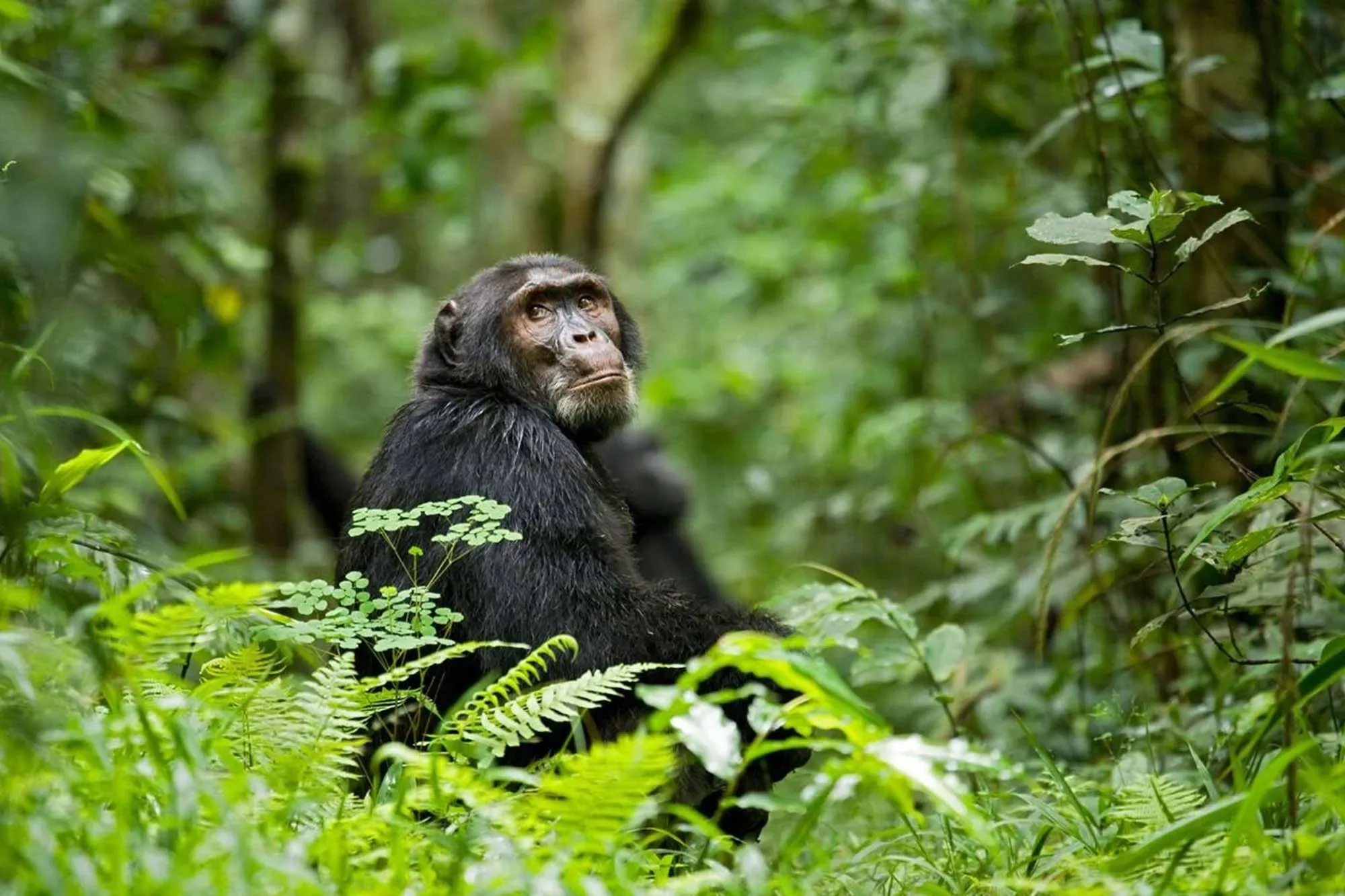
Kibale chimpanzee habituation is designed for travellers who want to explore chimpanzee behaviour and the process of habituation in greater depth than a conventional trekking experience. Habituation is the gradual process through which wild chimpanzees become accustomed to carefully controlled human presence for purposes that include research, conservation and managed wildlife experiences. The chimpanzees remain completely wild; habituation does not mean taming or domesticating them.

The Kibale chimpanzee habituation experience is more immersive than a standard trek. Participants can spend considerably more time in the forest and may observe a wider range of natural behaviour as field teams follow chimpanzees involved in the habituation process. Current UWA guidelines for the Chimpanzee Habituation Experience (CHEX) list an earlier start and permit up to four hours of viewing once chimpanzees are encountered — always reconfirm current procedures at booking.

Choose habituation because you are interested in the process and behaviour of wild chimpanzees, not simply because you assume more time automatically means a guaranteed or superior sighting. Wildlife encounters remain unpredictable. Neither habituation nor standard trekking is inherently “better” — they satisfy different interests.

Plan Your Kibale Habituation Experience

Why Choose Chimpanzee Habituation in Kibale?

Process, Not Just a Sighting

Habituation is the gradual process of familiarising wild chimpanzees with carefully managed human presence. A visitor experience connected to that process emphasises learning and observation rather than treating the day purely as a search for a photographic encounter.

Extended Forest Commitment

Compared with standard trekking, habituation generally requires a greater time commitment in the forest. Current UWA CHEX guidance provides an earlier start and up to four hours of viewing once chimpanzees are encountered — a more intensive day.

Ideal for Dedicated Primate Enthusiasts

Particularly suitable for travellers with a strong interest in chimpanzees and primate behaviour, research and conservation processes, slower observational wildlife experiences, and enough time in the Uganda itinerary.

Behaviour Over Guaranteed Photos

More time may appeal to serious wildlife photographers because it creates extended observation — but forest photography remains unpredictable. Do not choose habituation solely because you assume more time guarantees better photographs.

The Forest Is Part of the Experience

Moving slowly through Kibale can reveal trees, plants, birds, monkeys and signs of other wildlife. Chimpanzee calls may be heard before animals are seen. For travellers interested in ecology as much as photography, this broader forest experience matters.

Separate From Standard Trekking

Do not assume a standard chimpanzee trekking permit covers habituation. CHEX requires the appropriate separate arrangements. Confirm which activity you want when booking.

What Is Chimpanzee Habituation & How It Differs From Trekking

Habituation is the gradual process of familiarising wild chimpanzees with the carefully managed presence of people. It does not mean domesticating the chimpanzees — they remain wild animals living naturally within their forest habitat. The process allows researchers and conservation teams to observe chimpanzee behaviour while reducing the animals' reaction to controlled human presence over time.

Standard chimpanzee trekking generally focuses on tracking an already habituated chimpanzee community and experiencing a regulated period of observation once the chimpanzees are located. Under current UWA guidelines, ordinary tracking allows up to one hour of viewing after encounter, with morning and afternoon session frameworks.

The chimpanzee habituation experience is connected to the longer process of familiarising chimpanzees with controlled human presence and can involve a greater time commitment. Current UWA guidelines list a CHEX start around 6:30 a.m. and permit up to four hours of viewing once chimpanzees are encountered. Reconfirm exact reporting times and procedures with your current booking.

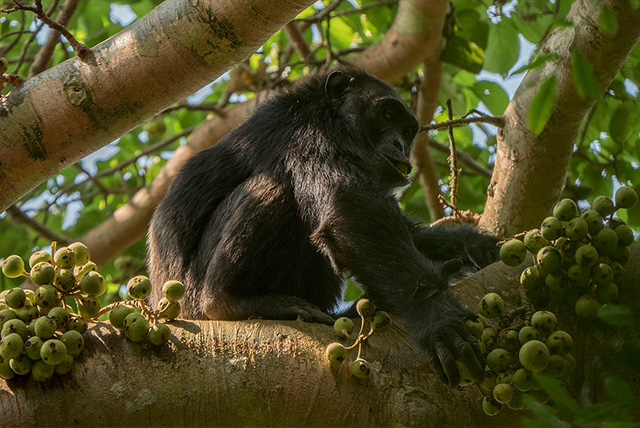
The day centres around travelling on foot through the forest with trained guides and field personnel. Unlike visiting wildlife in a fixed location, participants follow animals that move freely. The length and difficulty of walking therefore depend on where the chimpanzees are found and how they move. You may observe travelling, feeding, resting, grooming, calling, social interactions and movement between smaller subgroups.

Physical conditions vary. Kibale is a tropical forest where terrain may be uneven, muddy or slippery, particularly after rain. Because habituation involves a more substantial time commitment, comfort and endurance become particularly relevant. You do not need to approach it as a competitive endurance activity, but realistic self-assessment helps.

Neither option guarantees sightings or particular chimpanzee behaviour. Chimpanzees may be feeding, travelling, resting, interacting socially or positioned in places that make observation more difficult. Their behaviour is determined by the animals themselves rather than a visitor schedule.

Trekking vs Habituation at a Glance

  • Trekking: track habituated chimpanzees — up to one hour of viewing after encounter
  • Habituation (CHEX): aspects of the habituation process — up to four hours once encountered
  • Trekking: more compact day; easier to fit multi-park Uganda safaris
  • Habituation: earlier start and longer forest commitment for primate enthusiasts
  • Both: forest preparation important; sightings never guaranteed
  • Habituation: extended comfort in the forest is especially relevant
  • Permits: trekking and habituation require separate arrangements — do not interchange them
  • Both: follow UWA rules, health protocols and authorized guides
Decide Between Trekking and Habituation

Habituation Experience Highlights

Understanding CHEX, comparing it with trekking, preparing physically, planning permits and building Bigodi time around Kibale all shape a successful habituation visit.

Kibale National Park

What Habituation Means

Over time, carefully managed exposure helps reduce chimpanzees' tendency to immediately move away from authorised observers. This makes systematic research and controlled visitor experiences possible while the chimpanzees continue living naturally. Approach the day as immersive wildlife learning rather than simply a longer photography session.

Setting Tropical forest
Where Kibale habituation zones
Timing Process-focused experience
Ask to include this
What Habituation Means
Kibale National Park

Trekking vs Habituation

Choose chimpanzee trekking when you want a focused encounter that integrates efficiently into a wider Uganda safari. Choose chimpanzee habituation when chimpanzees are a central interest and you want to commit more time to behaviour and forest environment. There is no benefit in choosing the longer experience merely because it sounds more exclusive.

Setting Kibale Forest
Where Designated tracking / CHEX areas
Timing Different products
Ask to include this
Trekking vs Habituation
Kibale National Park

Behaviour You May See

Extended time may reveal travelling through the forest, feeding in trees or on the ground, resting, grooming, calling, social interactions and fission–fusion subgroup movements. Whether any given behaviour appears is a matter of chance — that unpredictability is part of authentic wild-primate observation.

Setting Canopy & forest floor
Where During CHEX viewing
Timing Unpredictable & authentic
Ask to include this
Behaviour You May See
Kibale National Park

Physical Demands

Uneven ground, mud, wet vegetation, humidity and changing weather may all be encountered. Chimpanzee movements influence walking distance. Because habituation involves extended commitment, physical comfort in the forest is especially important. Travellers concerned about mobility or fitness should discuss this during planning.

Setting Tropical forest trails
Where Kibale
Timing Extended endurance matters
Ask to include this
Physical Demands
Kibale National Park

Photography During CHEX

A longer forest experience can create interesting photography opportunities because there may be more time to observe changes in behaviour. However, light beneath the canopy may be limited, chimpanzees may move quickly and vegetation can obstruct views. Approach the day as wildlife observation first and photography second. Follow all guide instructions.

Setting Low-light rainforest
Where During habituation
Timing Observation first
Ask to include this
Photography During CHEX
Kibale National Park

Habituation Permit

A chimpanzee habituation permit authorizes participation in the organized habituation experience and should not be confused with an ordinary chimpanzee trekking permit. When making an enquiry, state the full activity name. A permit authorizes participation — it is not a wildlife-sighting guarantee.

Setting Regulated activity
Where Kibale National Park
Timing Separate from trekking permit
Ask to include this
Habituation Permit
Kibale National Park

Bigodi After Habituation

After an intensive forest experience, many travellers appreciate a contrasting activity. A Bigodi Wetland Walk shifts focus toward wetlands, birds and other primates; a community walk introduces local life around Kibale. Adding these prevents understanding Kibale solely through one primate encounter.

Setting Wetland & community
Where Bigodi
Timing Complementary experiences
Ask to include this
Bigodi After Habituation
Kibale National Park

Suggested 3-Day Habituation Safari

Day 1: Travel to Kibale and settle in near the park — keep the evening relatively relaxed. Day 2: Chimpanzee habituation experience according to confirmed arrangements. Day 3: Depart Kibale or extend for Bigodi, birding and nature. Precise transfers and onward destinations are confirmed when planning.

Setting Kibale–Bigodi area
Where Western Uganda
Timing Depth over destination count
Ask to include this
Suggested 3-Day Habituation Safari
Ask Us to Plan Your CHEX Day

Choosing CHEX, Timing & Suggested Itineraries

Decide deliberately between trekking and habituation, allow enough Kibale time, then build Bigodi and western Uganda extensions around the confirmed activity.

When Standard Trekking Is Better

When Standard Trekking Is Better

Choose standard trekking if this is your first chimpanzee experience, you are combining Kibale with several Uganda destinations, you want a more compact forest activity, your safari includes other major wildlife experiences, or you have limited time in Kibale. For many itineraries this provides a practical balance.

Best for: Most first-time / multi-park visitors

When Habituation Is Better

When Habituation Is Better

Consider CHEX if chimpanzees are a major reason for your Uganda trip, you have a strong interest in primate behaviour, you enjoy extended nature experiences, you are interested in research and conservation processes, you have sufficient Kibale time, and you are comfortable spending longer in forest conditions.

Best for: Dedicated primate enthusiasts

How Much Time Should You Allow?

How Much Time Should You Allow?

Treat habituation as a substantial forest activity rather than something to squeeze between tightly scheduled plans. Keep the relevant part of your day flexible and avoid making an important onward transfer dependent on a precise finishing time. If you want Bigodi or other nearby experiences, allow enough nights in the Kibale area.

Best for: Itinerary pacing

3-Day Chimpanzee Habituation Safari Shape

3-Day Chimpanzee Habituation Safari Shape

Day 1 travel to Kibale and overnight near the park; Day 2 dedicated CHEX; Day 3 onward journey or extension. This pacing suits primate enthusiasts, wildlife photographers and travellers who prefer meaningful time in one destination instead of rushing between parks. Chimpanzee sightings should never be treated as guaranteed.

Best for: Focused Kibale primate trips

Extend Beyond Kibale

Extend Beyond Kibale

After CHEX, continue to Queen Elizabeth for savannah wildlife and Kazinga Channel, or to Bwindi for mountain gorillas. Alternatively remain longer around Kibale and Bigodi for birding, photography and community experiences. The most useful extension adds something genuinely different rather than simply increasing destination count.

Best for: Western Uganda circuits

Planning Sequence for Permits

Planning Sequence for Permits

A sensible sequence: choose preferred Kibale dates; decide trekking or habituation; check the relevant permit arrangements; select accommodation that fits the confirmed activity; plan supporting Kibale and Bigodi experiences around it. Do not assume availability until the activity has been confirmed.

Best for: Booking discipline

Who Should Consider Chimpanzee Habituation?

Dedicated primate enthusiasts: Habituation may appeal if you want more depth than a conventional wildlife encounter, enjoy substantial time in forest environments, and prefer slower observational experiences.

First-time multi-park visitors: If chimpanzees are one activity within a busy safari, standard trekking may fit your schedule better. Habituation becomes especially compelling when your interest in primates is more specialised.

Photographers: More forest time may help observation, but do not choose CHEX solely for assumed better photos. Carry only equipment you can manage for an extended period; follow photography rules strictly.

Senior travelers & mobility concerns: Raise fitness or mobility questions during planning rather than waiting until the day. Extended forest time makes realistic self-assessment essential.

Repeat safari visitors: Travellers seeking a deeper primate experience after a previous standard trek often find habituation particularly rewarding.

Confirm current age requirements, eligibility and CHEX procedures against current UWA regulations at booking. Habituation and trekking are not interchangeable permits.

Plan a Tailored Kibale Habituation Safari

Best Time for Chimpanzee Habituation

There is no single period that suits every traveller.

Relatively drier conditions may appeal to visitors who prefer potentially easier forest trails, while wetter periods bring their own atmosphere and lush vegetation.

Kibale remains a tropical forest, and rain is possible at different times of year. Prepare for moisture and variable trail conditions regardless of the month. Your wider Uganda safari route may also influence the best dates.

  • If trail ease is the priority Relatively drier conditions may make extended forest walking more comfortable.
  • If lush forest atmosphere matters Wetter periods bring green vegetation and strong rainforest mood, even when trails are muddier.
  • For most CHEX travellers Choose dates that fit the overall safari, confirm the permit early, and pack for tropical forest weather either way.

Chimpanzee Habituation Permit & Booking

A chimpanzee habituation permit is required for travellers who want to participate in the chimpanzee habituation experience rather than standard chimpanzee trekking. Although both activities take place in chimpanzee habitat, they are separate experiences with different structures and should be booked accordingly.

Do not request a general “chimpanzee permit” and assume it automatically covers habituation. Distinguish clearly: a chimpanzee trekking permit covers standard organized trekking; a chimpanzee habituation permit covers the separate CHEX experience.

Permit prices, availability, eligibility requirements and procedures can change. This evergreen page intentionally avoids hard-coding a fee. Verify the current official rate applicable to your travel date rather than relying on an old figure. When requesting a quotation, confirm exactly what the quoted amount represents — a permit price should not automatically be assumed to include accommodation, transportation or meals unless explicitly listed.

If habituation is a priority, address the permit early. Accommodation availability and permit availability are separate. Finding an available room near Kibale does not mean a habituation permit will automatically be available for the same date. Provide preferred dates, number of participants, clear interest in habituation, accommodation needs and wider itinerary when enquiring.

Adventure in the Wild Safaris can coordinate CHEX arrangements with accommodation and the rest of your Uganda itinerary. Also see our Uganda chimpanzee trekking permit planning page for related permit context — and specify CHEX clearly so the correct product is secured.

We arrange chimpanzee habituation (CHEX) and standard Kibale trekking permits as part of private primate safari planning — tell us which experience you want.

Browse Chimpanzee Safaris

Health Rules, Great-Ape Protection & Responsible Tourism

Chimpanzees are closely related to humans and vulnerable to some human illnesses. Follow all current UWA and guide instructions during habituation.

  • Arrive in good health; disclose respiratory or other potentially transmissible illness before the activity.
  • Always follow current UWA and field-team instructions.
  • Do not touch chimpanzees.
  • Do not feed them.
  • Do not leave food or litter behind.
  • Maintain the prescribed viewing distance.
  • If an animal approaches unexpectedly, remain calm and follow guide directions.
  • Use the correct valid CHEX permit and authorized guides.
  • Do not approach chimpanzees independently.
  • Follow current rules regarding flash photography and positioning.
  • Never leave the group or move ahead of the guide for a photograph — a photograph is never more important than responsible wildlife observation.
  • Avoid demanding unrealistic interactions; guides should never manipulate chimpanzee behaviour simply for images.

Responsible tourism protects visitors and chimpanzees. Habituation exists to support research, conservation and carefully managed observation — not to stage wildlife for tourism.

What to Wear & Pack

Dress for a tropical forest rather than an ordinary sightseeing excursion. Lightweight long trousers and a long-sleeved top provide useful coverage. Walking shoes or hiking boots should have dependable grip, particularly if trails are wet. Carry lightweight rain protection even when conditions appear dry at the beginning of the day. A small daypack can hold water, rainwear, protected camera equipment and personal essentials without creating unnecessary weight.

  • Long trousers and comfortable long-sleeved top
  • Sturdy walking footwear / hiking boots with good grip
  • Lightweight rain protection
  • Manageable daypack — avoid heavy unused equipment
  • Drinking water
  • Camera/phone protection against moisture
  • Binoculars
  • Insect repellent
  • Personal medication
  • Appropriate sun protection for exposed areas
  • Spare battery
  • Only camera gear you can carry for an extended period

Pack for practicality and mobility. Avoid carrying heavy equipment you are unlikely to use.

Any personal health or mobility concerns relevant to the activity should be raised during safari planning.

Getting to Kibale for Habituation

Kibale is normally reached by road from Kampala or Entebbe through western Uganda, or as part of a longer circuit with Queen Elizabeth, Fort Portal or other destinations.

  • Arrive before the CHEX day If habituation is a priority, staying in the Kibale area before the activity creates a more relaxed schedule than combining a major road transfer with your forest experience on the same day.
  • Private safari transfers Private 4×4 transport provides the greatest flexibility for coordinating reporting times with accommodation and onward travel.
  • Keep Day 2 flexible Avoid building your itinerary around an exact guaranteed finishing time. Chimpanzee movements and forest conditions affect how activities unfold.

Adventure in the Wild Safaris arranges private transfers and multi-park routing around confirmed CHEX arrangements.

Where to Stay for Kibale Chimpanzee Habituation

Staying in the Kibale–Bigodi area before your forest activity helps avoid combining an important chimpanzee experience with an unnecessarily rushed arrival. Accommodation should be chosen according to the complete activity plan.

Frequently Asked Questions About Chimpanzee Habituation

What is a chimpanzee habituation experience?

It is a regulated forest activity connected to the gradual process through which wild chimpanzees become accustomed to carefully managed human presence. Chimpanzees remain wild — habituation is not taming.

How is habituation different from chimpanzee trekking?

Standard trekking focuses on locating a habituated community for a regulated shorter observation period. Habituation (CHEX) involves a greater forest time commitment and a different emphasis on the habituation process and behaviour.

Do trekking and habituation use the same permit?

No. Do not assume they do. Book the specific experience you want and confirm current official arrangements.

Does a habituation permit guarantee seeing chimpanzees?

No. A permit authorizes participation. Chimpanzees remain wild and free-ranging.

How much does a chimpanzee habituation permit cost?

Permit prices can change. Verify the current official rate for your travel date rather than relying on outdated figures. Confirm what any quotation includes.

Is habituation better for first-time visitors?

For many first-time visitors, standard chimpanzee trekking is the logical starting point. Habituation suits travellers who deliberately want deeper forest-focused time.

Is habituation more physically demanding?

Both take place in natural forest, so difficulty varies. Because habituation involves extended commitment, physical comfort in the forest is especially important.

Which is better for photography?

Do not choose habituation solely for assumed better photographs. More time may help observation, but forest photography remains unpredictable.

How much time should I allow in Kibale?

Treat CHEX as a substantial day and avoid tight onward transfers. Extra nights help add Bigodi, birding or recovery time.

Can I combine habituation with Bigodi?

Yes. Wetland and community experiences around Bigodi pair well after an intensive forest day.

Should I book the habituation permit in advance?

Yes — especially if CHEX is a principal reason for visiting Kibale. Coordinate permit, accommodation and supporting activities together.

What should I wear?

Long trousers, a long-sleeved top, sturdy grip footwear and rain protection, with a manageable daypack.

Ready for Deeper Forest Time With Chimpanzees?

Plan Your Chimpanzee Habituation Experience

The chimpanzee habituation experience in Kibale is for travellers who want more than a compact trek — time to engage with wild chimpanzee behaviour and the process of habituation itself. Choose CHEX deliberately; book the correct permit separately from standard trekking; stay near Kibale–Bigodi so the forest day is not squeezed between transfers; and add wetland, birding or western Uganda wildlife afterward. Adventure in the Wild Safaris can arrange private Kibale habituation experiences, standard trekking alternatives, Bigodi combinations and complete Uganda gorilla and chimpanzee safaris. Always reconfirm current UWA CHEX fees, eligibility, reporting times and procedures at booking. For travellers searching for a deeper chimpanzee habituation experience in Uganda, Kibale remains the country's essential setting.

  • Trusted Local Experts
  • Tailor-Made Itineraries
  • Memorable & Responsible Travel
Back To Top
Request Quote WhatsApp