Beyond Chimpanzees Alone
Meeting farmers, walking communities and supporting enterprises creates a deeper understanding of western Uganda than primate tracking alone.


A cultural safari in Kibale National Park discovers the communities, traditions and rural landscapes surrounding Uganda’s most famous chimpanzee destination — revealing how people live alongside one of East Africa’s most biologically important tropical forests.
A cultural safari in Kibale National Park provides travelers with an opportunity to discover the communities, traditions and rural landscapes surrounding Uganda’s most famous chimpanzee destination. Although Kibale is internationally known for its primates and exceptional chimpanzee trekking, the people living around the forest contribute an equally important part of the region’s identity.
Community walks, farm visits, traditional food experiences, coffee tours, craft demonstrations and village encounters can be incorporated before or after a chimpanzee trek. These activities reveal how people live alongside one of East Africa’s most biologically important tropical forests and how tourism, agriculture and conservation interact.
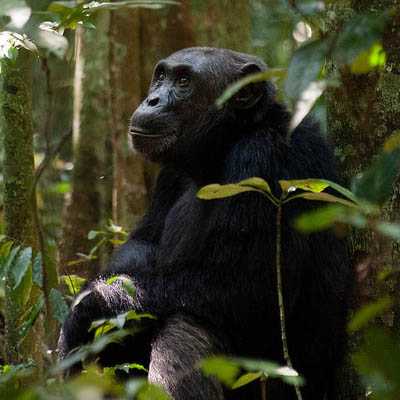
The majority of travelers arrive with one primary objective: seeing chimpanzees in the wild. That experience deserves its reputation — yet focusing exclusively on primates leaves an important part of the Kibale story unexplored. The park is surrounded by agricultural communities, villages, tea plantations, wetlands and small trading centers.
Several communities live around the greater Kibale landscape. The wider western Uganda region includes Batoro, Bakiga and other groups. A good community tour demonstrates how traditions continue to change through education, tourism, technology, religion and interaction between groups — rather than presenting culture as static.
One of the best-known cultural and nature areas near Kibale is Bigodi, associated with Bigodi Wetland Sanctuary — a celebrated ecotourism initiative where guided nature walks support local conservation and community development. Combining the wetland with a village experience is an excellent way to understand biodiversity conservation and community tourism together.
Plan Your Cultural Safari
A guided village walk allows travelers to move slowly through agricultural landscapes surrounding the national park — banana plantations, coffee gardens, small farms, schools and family compounds. Walking creates opportunities for informal interaction that contrast beautifully with the enclosed rainforest of chimpanzee trekking.
A Bigodi Wetland walk is one of the most rewarding additions to a Kibale chimpanzee safari. Local guides lead visitors through wetlands, forest edges and community landscapes while identifying birds, primates and plants — demonstrating responsible tourism around protected areas.
A coffee experience near Kibale may include selecting cherries, drying, roasting and traditionally prepared coffee. Banana demonstrations explain cooking bananas (matooke), ripe varieties and local beverages — tasting of alcohol optional.
A cooking experience can become one of the most memorable components — preparing matooke, beans, groundnut sauce, vegetables, sweet potatoes and cassava, then sharing the meal with hosts.
Craft enterprises produce baskets, mats, jewellery and decorative products. Some carefully organized programs introduce traditional plant knowledge in cultural context without encouraging unsustainable collection from protected areas.
Responsible operators ensure communities determine how their culture is presented and that tourism creates genuine economic benefits.
A Kibale cultural safari can include Bigodi, village walks, farms, coffee, cooking, crafts and conservation discussions paired with chimpanzee trekking.
Guided wetland and village experiences supporting conservation and community development — birds, monkeys and local livelihoods.

Banana plantations, coffee gardens, tea estates and family compounds — productive landscapes, not just scenery.
Harvest to traditionally prepared cup — labour made visible and income for farming households.
Matooke preparation, shared meals and optional local beverage demonstrations connected to hospitality and ceremonies.
Baskets, mats and jewellery from community groups; plant knowledge as cultural education, not medical advice.

Discuss how chimpanzee tourism, guiding, crafts and food production can widen economic benefits for forest-edge households.
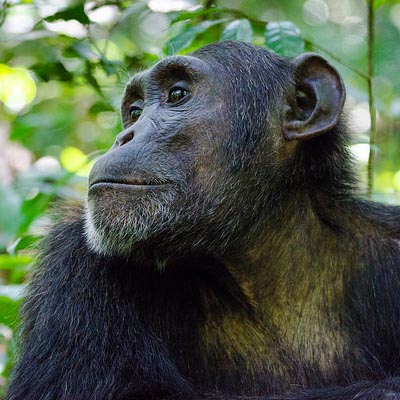
Culture pairs easily with chimpanzee trekking, habituation (where available), Bigodi birding and circuits through Queen Elizabeth or Fort Portal.
Track habituated chimpanzees in the morning, then add Bigodi, a village walk, coffee or cooking for contrast between forest ecology and community life.
Best for: Classic Kibale itineraries
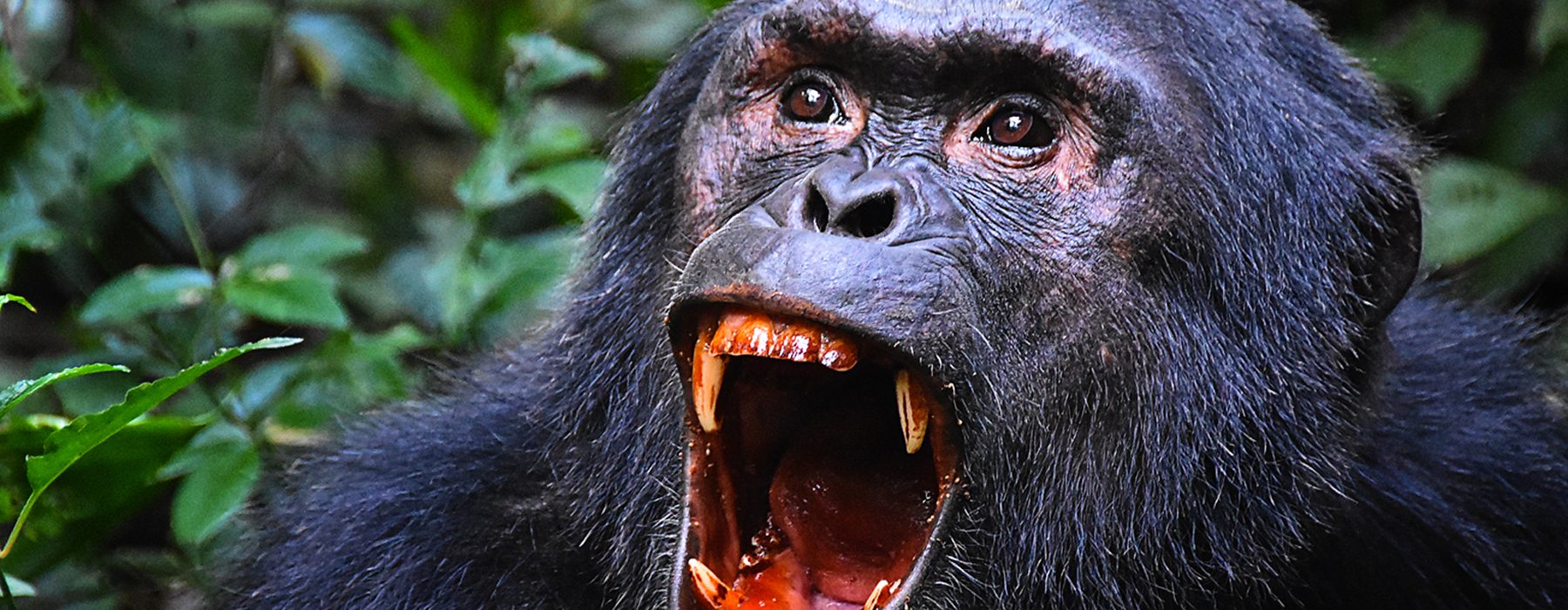
Where available, longer chimpanzee habituation pairs beautifully with cultural activities for an immersive multi-night Kibale stay.
Best for: Primate enthusiasts
Continue to savannah wildlife and Kazinga, then Ishasha and Bwindi gorillas — culture in each region adds a human dimension.
Best for: Western Uganda circuits
Community activities around Kibale are particularly useful for families. Chimpanzee trekking has age restrictions — a cultural walk, farm visit or nature excursion provides an engaging alternative.
Children can learn how coffee and bananas grow, observe craft making and explore rural landscapes — making Kibale easier to incorporate into a Uganda family safari.
Parents should prepare children to behave respectfully during community visits.
Ask your safari planner for family-friendly Bigodi and village options. Check chimpanzee trekking age rules separately.
Plan a Family Cultural Safari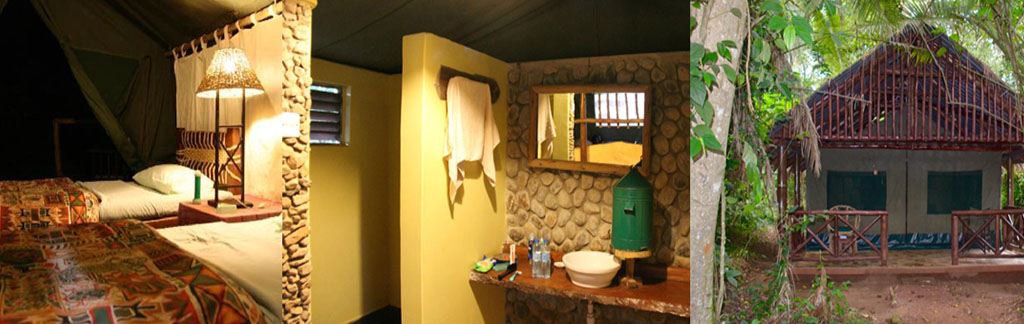
A cultural safari in Kibale is possible throughout the year. Rainfall can occur in every month.
Drier periods generally provide easier forest and community walks; wetter periods bring green scenery rewarding for photography and birding.
Many travelers stay one night for chimpanzees alone. Two or more nights allow Bigodi, culture, birding and a less rushed link to Fort Portal crater lakes.
Confirm current chimpanzee tracking and habituation permit requirements when booking — availability can change.
Kibale combines with Fort Portal, Queen Elizabeth, Ishasha, Bwindi and the Rwenzoris. Tell your planner how deeply you want community engagement versus primate focus.
Adventure in the Wild Safaris can match Bigodi and community partners with chimpanzee permits and western Uganda routing.
Browse Uganda Safaris
Cultural tourism should respect the dignity and privacy of host communities and allow them to determine how their culture is presented.
Spending money with community enterprises helps widen the economic impact of chimpanzee tourism in Uganda.
Comfortable walking shoes are essential. For chimpanzee trekking, long trousers and long sleeves are generally recommended; garden gloves can help on dense trails.
Plan for rain regardless of season, especially when entering tropical forest.
Kibale is reached via Fort Portal on classic western Uganda safari routes from Kampala/Entebbe.
Tell us your preferred pace — single-night chimp stop or multi-night Fort Portal–Kibale stay.
Forest-edge camps and lodges near Bigodi significantly improve cultural access.
Kibale combines with Fort Portal, Queen Elizabeth, Bwindi and the Rwenzoris for a full western Uganda safari.
Pair Kibale culture with chimpanzee trekking and neighbouring destinations.
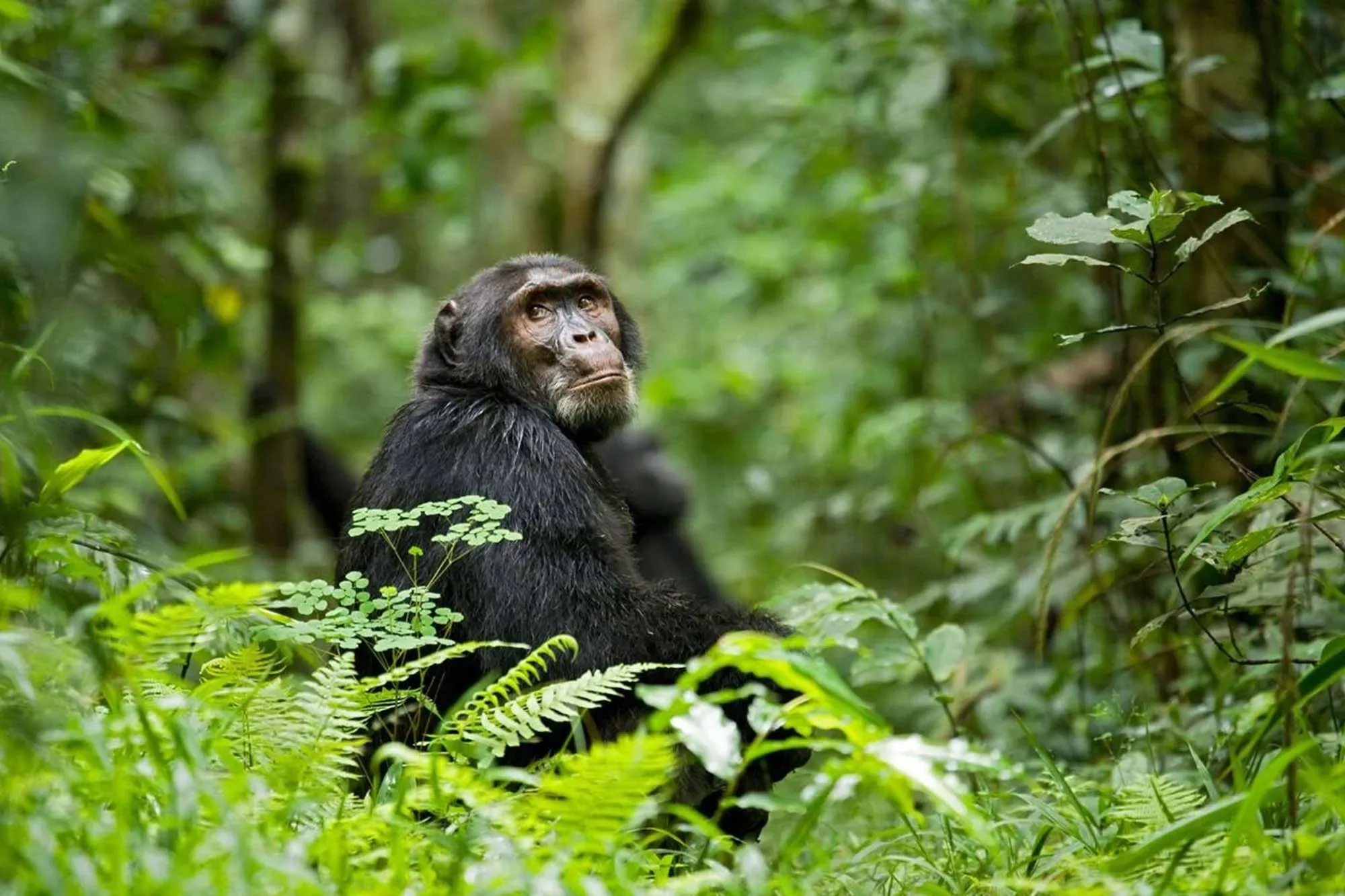 Chimpanzee Trekking
Chimpanzee trekking in Kibale National Park is Uganda's flagship chimpanzee experience and one of the most important primate…
Learn More
Cultural Experiences
A Fort Portal cultural safari introduces travelers to the heritage of the Tooro Kingdom, the fertile landscapes of…
Learn More
Cultural Experiences
A Queen Elizabeth National Park cultural safari introduces the communities, traditions and everyday livelihoods surrounding one of Uganda's…
Learn More
Cultural Experiences
A Bwindi cultural safari takes travelers beyond mountain gorilla trekking to discover the people, traditions and community landscapes…
Learn MoreActivities may include village walks, Bigodi Wetland experiences, coffee tours, banana and cooking demonstrations, crafts and conservation discussions. Exact programmes depend on partners.
Yes. A common pattern is morning tracking plus afternoon Bigodi or community activities. Habituation can also be paired where available.
Yes. Bigodi is well known among birdwatchers and demonstrates community-managed habitat protection.
Year-round. Drier periods are less muddy; greener months are excellent for birding and photography.
Always ask before photographing residents. Forest and wetland photography follows normal safari etiquette.
Use community guides, buy crafts directly, avoid gifts to children, and support established initiatives.
Yes — culture and Bigodi often work as alternatives when younger children cannot trek chimpanzees. Check age rules separately.
Ready for a Richer Kibale Journey?
Tell us your dates, chimpanzee permits and whether you want Bigodi, coffee or cooking — Adventure in the Wild Safaris will weave community experiences into your Kibale stay.