Life Beside Bwindi
The contrast between dark forest and cultivated hillsides defines Nkuringo. Guides explain how families farm steep slopes and how livelihoods have changed as conservation and tourism expanded.


An Nkuringo cultural safari offers one of the most rewarding ways to experience the communities and spectacular highland landscapes surrounding Bwindi Impenetrable National Park — far more than gorillas alone.
An Nkuringo cultural safari offers one of the most rewarding ways to experience the communities and spectacular highland landscapes surrounding Bwindi Impenetrable National Park in southwestern Uganda. Nkuringo is best known as one of the important mountain gorilla trekking sectors of Bwindi, but visitors who travel here solely for gorillas miss an equally fascinating part of the destination: the people who live around the forest.
The steep hills surrounding Nkuringo are covered with small farms, villages, footpaths and terraced gardens. Local communities cultivate bananas, beans, potatoes, vegetables, coffee and other crops in a landscape that rises and falls dramatically around the edge of Bwindi.
Community walks, Batwa cultural experiences, traditional food, craft demonstrations, agricultural visits and conversations with local residents allow travelers to understand how people live beside one of Africa's most celebrated rainforest ecosystems.
Adding culture to a gorilla safari also helps distribute tourism income beyond lodges, park fees and gorilla permits. Local guides, farmers, craftspeople, performers and community organizations can benefit directly when travelers participate in responsibly managed experiences.
Nkuringo lies on the southern side of Bwindi. The area is characterized by dramatic ridges, deep valleys and exceptional views across the Virunga highlands. On clear days, visitors may see the volcanic peaks extending toward Mgahinga Gorilla National Park and Rwanda. Nkuringo's elevation gives the area a cool highland climate, particularly in the mornings and evenings — and the surrounding countryside is ideal for walking, photography, birding and cultural experiences.
Plan Your Cultural Safari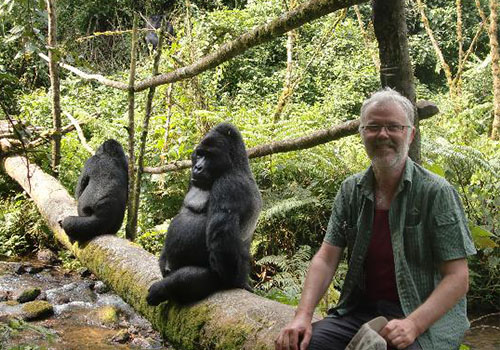
A guided village walk is one of the easiest cultural activities to combine with gorilla trekking. Routes vary depending on available time and interests — passing homes, farms, schools, small trading centers, viewpoints and community projects.
Unlike driving, walking allows travelers to appreciate the scale of the landscape and observe details easily missed from a safari vehicle. You may see farmers tending gardens, residents carrying produce along hillside paths or children traveling between home and school.
A local guide explains what visitors encounter and can introduce participating families or community enterprises. The experience is most rewarding when approached as conversation rather than simply sightseeing.
Batwa cultural experiences may demonstrate historical hunting techniques, explain medicinal plants, show traditional shelters or share songs and stories. Approach with sensitivity: Batwa culture should not be reduced to entertainment or portrayed as frozen in the past.
The Batwa are contemporary communities navigating modern social and economic realities while maintaining elements of cultural identity and historical knowledge. Responsible programs allow Batwa participants to determine how their culture is presented and ensure meaningful financial benefits.
Photography of the highland landscape is irresistible, but always request permission before close-up portraits. Respectful interaction should always come before photography.
An Nkuringo cultural safari can include several complementary experiences. Exact programmes vary by community partner — responsible arrangements emphasise genuine interaction over hurried tourist performances.
Bwindi is surrounded by densely settled agricultural communities. Families depend heavily on small-scale farming on valuable steep land. A cultural walk shows how people cultivate these slopes and how livelihoods have changed as conservation and tourism expanded — including both benefits and challenges of living beside a protected forest.
Routes may pass homes, farms, schools, trading centers, viewpoints and community projects. Walking reveals landscape scale and everyday detail — farmers, hillside paths, school journeys — while a guide facilitates introductions and conversation rather than mere sightseeing.

Batwa communities historically depended on forests for hunting, wild foods and medicinal plants. Park protection changed access and created social and economic challenges. Carefully managed experiences share forest knowledge, shelters, songs and stories while ensuring dignity, contemporary context and fair benefits for Batwa participants.

Demonstrations show how bananas, beans, potatoes, sweet potatoes, maize and vegetables are grown and prepared. Guests may see gardens, help prepare a meal and share it with hosts — creating relaxed conversation about family life, farming and local recipes.

Where available, walk through a smallholder garden, learn tree maintenance and see processing stages — harvesting ripe cherries, removing pulp, drying, roasting, grinding and brewing. The process shows the work behind a cup of coffee and another way farmers earn directly from tourism.
Different banana varieties are used for cooking, eating fresh and traditional beverages. Where appropriately arranged, experiences explain cultivation and how local drinks have traditionally been produced — understanding agriculture, social gatherings and food traditions, not simply tasting a beverage.
Artisans create baskets, mats, jewelry, carvings and decorative products from local materials. Watch demonstrations, try simple techniques under guidance, and purchase directly for household income and a souvenir with genuine connection to the destination.
Songs and dances may communicate stories about family, history, work or celebration. Ask for explanations of meaning so performances become cultural exchange. Storytelling by elders and guides offers perspectives on how life around Bwindi has changed over generations.
Nkuringo is one of the most scenic areas around Bwindi. Steep terrain can be demanding, but views of terraced hills, misty valleys and distant volcanoes are exceptional. Active travelers may combine village walks with longer regional hikes — cool highlands help, though strong sun and sudden rain are both possible.
Bwindi is one of Uganda's most important birding destinations; agricultural landscapes also support sunbirds, weavers, flycatchers and more. Combine cultural walks with early birding, or arrange specialist excursions inside appropriate areas of Bwindi for slow-paced exploration.
Nkuringo works best when cultural time is planned around gorilla permits, energy levels and the exact trekking sector printed on your permit.
A community walk the afternoon before trekking familiarises you with the area without exhausting yourself; alternatively schedule culture after the trek. Three nights allow a far more relaxed itinerary than the practical two-night minimum.
Best for: Classic Nkuringo gorilla stays
Both lie in southern Bwindi, but mountain roads are slow — do not judge distances by kilometres alone. Match accommodation to the gorilla sector on your permit, then arrange culture close to your lodge to reduce unnecessary driving.
Best for: Southern Bwindi circuits
Pair Nkuringo with Lake Mutanda or Lake Bunyonyi for canoeing, birding and rest after trekking, or continue to Queen Elizabeth for savannah game drives, the Kazinga Channel and optionally Ishasha's tree-climbing lions.
Best for: Southwestern Uganda itineraries
Nkuringo cultural walks, food experiences, crafts and coffee visits can be adapted to different ages — especially valuable when some family members cannot join gorilla trekking due to age limits.
Choose shorter village routes on steep terrain for younger children, and leave demanding scenic hikes for those who want them.
Couples often appreciate an unhurried community afternoon after gorilla trekking — highland views, a shared meal and craft shopping without rushing to the next transfer.
Ask your safari planner for family-friendly community partners and clear photography guidelines.
Plan a Family Cultural Safari
Nkuringo can be visited throughout the year. Uganda's relatively drier periods, generally around June to August and December to February, are popular for gorilla trekking because trails may be somewhat less muddy.
Bwindi is a rainforest, and rain can occur at any time. Wetter months bring lush scenery and often dramatic mist across the hills. Cultural activities continue year-round, although heavy rainfall can temporarily affect village paths — carry rain protection regardless of travel month.
Two nights is usually the practical minimum when gorilla trekking is the main objective: arrive day one, trek day two, depart day three. That schedule leaves limited time for cultural experiences.
Three nights are better for travelers interested in both gorillas and community activities. An additional day can include a Batwa experience, village walk, coffee activity, birding or scenic hike.
Longer stays also provide time to relax and enjoy the remarkable views surrounding Nkuringo. Tell your safari planner whether you want a short village visit or a fuller day of Batwa heritage, food, farming, coffee and crafts.
Match accommodation to the gorilla trekking sector printed on your permit. Cultural activities should then be arranged close to the lodge to reduce unnecessary driving on slow mountain roads.
Avoid exhausting hikes immediately before a gorilla trek. An afternoon walk on arrival, or culture the day after trekking, usually works best.
Adventure in the Wild Safaris can match you with community partners where fees and craft purchases support residents directly.
Browse Uganda Safaris
The most sustainable approach is usually to pay fair prices for locally managed experiences, hire community guides and purchase crafts directly from producers.
Respectful interaction should always come before photography — hosts are neighbours, not exhibits.
Nkuringo is steep; good grip and modest clothing for community visits are essential.
Dress comfortably and respectfully while allowing local people to present their culture on their own terms.
Nkuringo sits on the southern side of Bwindi and is reached by mountain roads that can be slow even when distances look short.
Tell us your preferred depth of cultural engagement when you enquire so we can recommend the right lodges and partners.
Lodges near the Nkuringo trekking sector make both gorilla mornings and community afternoons practical without long transfers.
Nkuringo fits naturally with Rushaga, Lake Mutanda, Lake Bunyonyi, Mgahinga and Queen Elizabeth National Park — moving from rainforest and highland communities to lakes and savannah.
Pair your cultural safari with gorilla trekking and related experiences in the same area.
Cultural Experiences
A Rushaga cultural safari reveals the communities, traditions and rural landscapes surrounding the southern sector of Bwindi Impenetrable…
Learn More
Cultural Experiences
A Bwindi cultural safari takes travelers beyond mountain gorilla trekking to discover the people, traditions and community landscapes…
Learn More
Cultural Experiences
A cultural safari in Lake Bunyonyi offers one of the most relaxing and meaningful ways to explore the…
Learn More
Cultural Experiences
A cultural safari in Lake Mutanda explores southwestern Uganda's highland beauty while revealing the communities living beneath the…
Learn More
Cultural Experiences
A Queen Elizabeth National Park cultural safari introduces the communities, traditions and everyday livelihoods surrounding one of Uganda's…
Learn MoreProgrammes may include village walks, Batwa experiences, traditional food, coffee visits, banana and brewing traditions, crafts, music and storytelling, plus optional scenic walking or birding. Exact activities depend on community partners.
Two nights cover a basic gorilla trek; three nights are far better for meaningful culture without rushing.
Yes. Schedule a gentle community walk before trekking or culture afterward — avoid exhausting activities immediately before your trek.
Nkuringo is steep. Choose village routes suited to fitness; sturdy shoes with good grip are essential.
Ask first for portraits and private homes. Avoid photographing children without consent; interaction comes before photography.
Year-round. Drier periods are popular for trekking; rain can occur anytime in this rainforest environment — always carry waterproofs.
Use community guides, buy crafts directly, avoid gifts to children, support established projects, and choose Batwa programmes that prioritise dignity and fair benefits.
Ready for a Richer Southern Bwindi Journey?
Tell us your dates, travel style and how deeply you want to engage with communities around Nkuringo — Adventure in the Wild Safaris will build village walks, Batwa encounters and gorilla trekking into one seamless trip.