Diverse Communities
Traditions vary across Kasese, Rubirizi, Rukungiri, Kamwenge and beyond — fishing, farming or livestock may dominate depending on sector. Guides explain local identity without oversimplifying.


A Queen Elizabeth National Park cultural safari introduces the communities, traditions and everyday livelihoods surrounding one of Uganda's most famous wildlife destinations — beyond lions, elephants and the Kazinga Channel.
A Queen Elizabeth National Park cultural safari introduces travelers to the communities, traditions and everyday livelihoods that surround one of Uganda's most famous wildlife destinations. Although Queen Elizabeth National Park is widely known for tree-climbing lions, elephants, buffaloes, hippos, leopards, chimpanzees and the spectacular Kazinga Channel boat cruise, the human landscape around the park is equally diverse and fascinating.
Communities have lived around the lakes, crater landscapes, savannah plains and foothills of the Rwenzori Mountains for generations. Fishing, cattle keeping, salt production, agriculture, traditional food preparation, handicrafts and music remain important parts of local life. A carefully planned cultural safari therefore allows visitors to move beyond conventional game viewing and understand how people live alongside a major protected area.
Cultural experiences can be included before or after a game drive, combined with a boat safari or added as an extra day to a longer Uganda wildlife safari. They work particularly well for travelers who want to understand Uganda through both its natural attractions and its people.
Queen Elizabeth is one of Uganda's most varied destinations. Its landscapes include open savannah, wetlands, crater lakes, forests, channels and volcanic features. That ecological diversity is mirrored by the cultural diversity of communities living around the park.
Visitors who concentrate exclusively on wildlife may spend several days in the region without gaining much understanding of the people they pass on the way to lodges and park gates. Guided community visits introduce local histories, agriculture, fishing practices, food, traditional performances and conservation challenges — making the conservation story more complete.
Plan Your Cultural Safari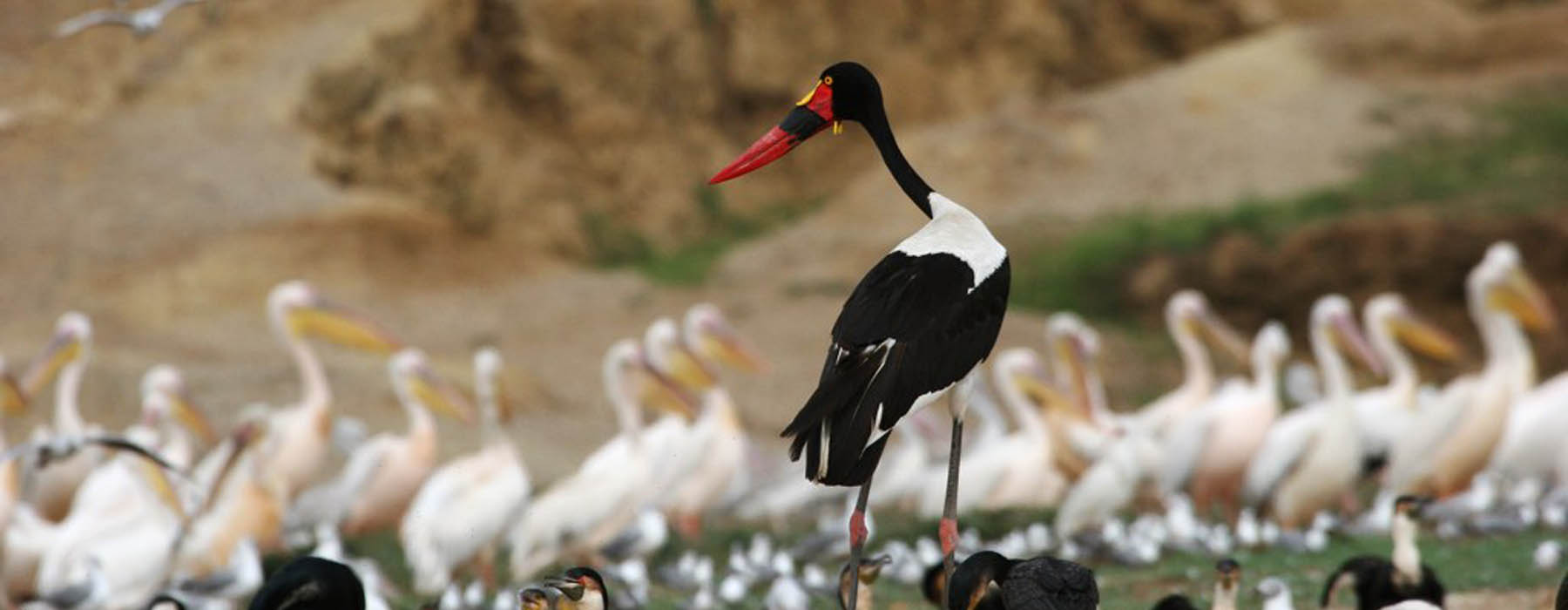
Guided cultural encounters are preferable to simply driving through villages without context. A knowledgeable community guide can explain local identity and customs across this diverse western Uganda region.
A guided visit to an authorized fishing settlement can introduce the role of fishing in local livelihoods. Visitors may see boats returning, nets being prepared, fish being sorted or trading taking place. Guides explain commonly caught species, regulation and how communities balance livelihoods with conservation.
Some fishing areas are working environments rather than conventional tourist attractions — always follow local guidance.
Community walks such as Kasoga-style initiatives may introduce crop cultivation, traditional homes, wetlands, medicinal plants and measures communities use to coexist with wildlife — generating income outside the national park itself.
Lake Katwe provides one of the most distinctive excursions: traditional salt-mining practices, the economics of the saline crater lake, and historical salt trade across western Uganda.
Photography should be respectful. Always ask before photographing individuals, particularly during visits to homes, schools, markets or ceremonies. Meaningful interaction should come before photography.
A Queen Elizabeth cultural safari can include several complementary experiences. Exact programmes vary by lodge location and community partner — responsible arrangements emphasise genuine interaction over hurried tourist performances.
The park extends through western Uganda near districts including Kasese, Rubirizi, Rukungiri and Kamwenge. Communities may have distinct languages, histories and economic activities — fishing in some areas, agriculture or livestock in others. Near Kasese, histories connect closely with the Rwenzori Mountains. Guided encounters prevent oversimplification.
Lake Edward, Lake George and the Kazinga Channel have supported fishing communities for generations. Authorized visits show boats, nets, sorting and trade while guides explain species, regulation and livelihood–conservation balance. Human life exists immediately beside landscapes famous for hippos and crocodiles.
Community tourism initiatives offer guided walks through landscapes where farming and wildlife conservation intersect — crops, traditional homes, wetlands, medicinal plants and everyday household activities. Participation helps generate income outside the park and makes conservation economically relevant to neighbouring communities.
Within a volcanic crater landscape, salt extraction has shaped livelihoods for generations. Local guides explain how salt is extracted from different sections of the lake and how workers operate in the challenging saline environment — plus historical trade importance across western Uganda. A dramatic contrast to wildlife viewing.
Community cooking may begin in a garden or market before preparation. Learn about bananas, cassava, millet, maize, beans, groundnuts and vegetables; observe techniques; help with simple stages; then share the meal. Informal conversations about agriculture, celebrations and family life often become as memorable as the activity itself.
Community groups may organize songs, drums and dances linked to marriage, harvests, work, celebrations or historical events. Ask guides to explain meaning and history. Respectful participation after the main performance can be enjoyable when booked through genuine community organizations so musicians and dancers benefit financially.
Women's associations and village groups produce baskets, mats, jewelry, carvings and other handmade items. Demonstrations show techniques; buying directly from producers provides more transparent benefits than mass-produced souvenirs. Some projects also support education or community initiatives.
Farm visits may cover bananas, coffee, cotton, vegetables or other regional crops — explaining why fertile land is so valuable around protected areas and opening discussions about rainfall, wildlife crop damage and changing practices. Coffee lovers can connect onward toward Kibale or the Rwenzori region.
For visitors, an elephant or buffalo can be an exciting safari moment; for nearby farmers the same animals may threaten crops or property. Community guides explain these complexities without diminishing conservation. Lodges, safari companies and community tourism together create economic opportunities when travelers intentionally participate.
Cultural activities pair naturally with Kasenyi game drives, the Kazinga Channel boat cruise, Ishasha tree-climbing lions and optional Kyambura chimpanzee tracking.
The Kasenyi Plains support large numbers of Uganda kobs and attract lions. Early morning game drives may reveal elephants, buffaloes, warthogs, antelopes and birds; schedule a cultural experience for afternoon or evening for a varied day of wildlife and human interaction.
Best for: Classic Queen Elizabeth days
The boat cruise connecting Lake George and Lake Edward commonly reveals hippos, Nile crocodiles, buffaloes, elephants and waterbirds. Fishing boats and nearby settlements illustrate the human side of the channel — pair the cruise with a fishing-village or community experience.
Best for: Signature channel days
Continue south via Ishasha for tree-climbing lions en route to Bwindi, or add Kyambura Gorge chimpanzee tracking where permits allow. Cultural encounters at Queen Elizabeth and again around Bwindi show how communities change across western Uganda.
Best for: Wildlife + gorilla circuits
Queen Elizabeth cultural visits adapt well for families — fishing settlements, salt lake explanations, food experiences and crafts can be paced around game drives and boat safaris.
Three or four nights give families time for an early game drive, Kazinga cruise and a community morning without rushing.
Couples can keep cultural time intimate: a Katwe visit or cooking experience that deepens the journey between savannah wildlife and onward gorilla trekking.
Ask your safari planner for family-friendly community partners and clear photography guidelines.
Plan a Family Cultural Safari
A cultural safari can be enjoyed throughout the year. The relatively drier seasons, typically around June to August and December to February, are popular for wildlife safaris and generally make village walks easier.
Western Uganda remains green for much of the year, and rain can occur even during traditionally drier periods. Wetter months can produce beautiful landscapes and excellent birding. Community activities generally continue regardless of season, although heavy rain may occasionally influence walking routes or road conditions.
A conventional Queen Elizabeth National Park safari normally requires at least two nights, although three nights provide a better experience. Travelers interested in culture should strongly consider three or four nights.
This allows time for an early game drive, Kazinga Channel cruise, community activity and optional excursions without rushing. A longer stay can include Kyambura Gorge, crater lakes, birding or the Ishasha sector.
Tell your safari planner whether you want fishing villages, Katwe salt, a Kasoga-style walk, food and crafts, or a fuller community day matched to your lodge location.
Cultural visits can also form part of the journey between Queen Elizabeth, Kibale National Park, Bwindi Impenetrable National Park and the Rwenzori Mountains.
You might spend the morning searching for lions on the Kasenyi Plains, cruise the Kazinga Channel in the afternoon and dedicate the following morning to a community experience.
Adventure in the Wild Safaris can match you with community partners where fees and craft purchases support residents directly.
Browse Uganda Safaris
Travelers should choose community activities that provide fair benefits to participants. Pay activity fees through established projects, use trained community guides and purchase crafts directly from artisans where possible.
Respect for privacy is as important as paying agreed activity fees — hosts are neighbours, not exhibits.
Lightweight, comfortable clothing suits most cultural experiences; dress respectfully in rural communities.
Dress comfortably and respectfully while allowing local people to present their culture on their own terms.
Queen Elizabeth sits in western Uganda and combines naturally with Kibale to the north and Bwindi sectors to the south.
Tell us your preferred depth of cultural engagement when you enquire so we can recommend the right lodges and partners.
Lodge location influences which community partners, fishing settlements and Katwe logistics are practical.
One of Uganda's classic routes connects Queen Elizabeth with Bwindi for gorillas and Kibale for chimpanzees. Adding cultural experiences in each region turns the journey into a deeper exploration of western Uganda.
Pair your cultural safari with wildlife, birding or related experiences in the same region.
 Bird Watching
A Queen Elizabeth National Park birding safari takes you into one of Uganda's richest and most varied bird-watching…
Learn More
Cultural Experiences
A cultural safari in Kyambura Gorge explores the communities and rural landscapes surrounding one of Queen Elizabeth National…
Learn More
Cultural Experiences
A cultural safari in Kibale National Park discovers the communities, traditions and rural landscapes surrounding Uganda’s most famous…
Learn More
Cultural Experiences
A Bwindi cultural safari takes travelers beyond mountain gorilla trekking to discover the people, traditions and community landscapes…
Learn More
Cultural Experiences
A Murchison Falls cultural safari adds an important human dimension to a journey through Uganda's largest national park…
Learn MoreProgrammes may include fishing village visits, Kasoga-style community walks, Lake Katwe salt experiences, traditional food, crafts, music and dance, farm visits and conversations about conservation. Exact activities depend on lodge location and partners.
Two nights is a common wildlife minimum; three or four nights are better if you want game drives, Kazinga and a dedicated cultural experience without rushing.
Yes. Morning wildlife activities often pair with afternoon community visits, or dedicate a separate morning to culture on a longer stay.
Yes for many travelers — it offers a distinctive livelihood story and crater landscape that contrasts strongly with savannah game viewing.
Ask first for portraits and private settings. Avoid situations where children perform for cameras; interaction comes before photography.
Year-round for culture. Drier periods ease walks and are popular for wildlife; wetter months bring lush scenery and birding — pack rain protection either way.
Use community guides, pay through established projects, buy crafts directly, avoid gifts to children, and support experiences where communities control how their stories are presented.
Ready for a Richer Western Uganda Journey?
Tell us your dates, travel style and how deeply you want to engage with communities around the park — Adventure in the Wild Safaris will build cultural visits, wildlife and primate trekking into one seamless trip.