

Birding Safari in Queen Elizabeth National Park
A Queen Elizabeth National Park birding safari takes you into one of Uganda's richest and most varied bird-watching destinations. Stretching across the western arm of the East African Rift Valley, Queen Elizabeth National Park contains an extraordinary combination of lakes, wetlands, savannah grasslands, acacia woodland, tropical forest, crater lakes, papyrus swamps and riverine habitats. This remarkable ecological diversity explains why the park supports one of the largest bird lists of any protected area in East Africa.
- Location Queen Elizabeth National Park, Uganda
- Duration Half Day – Multi-Day
- Difficulty Easy to Moderate
- Best For Birdwatchers, Photographers & Nature Lovers
Birding in Queen Elizabeth National Park
A Queen Elizabeth National Park birding safari takes you into one of Uganda's richest and most varied bird-watching destinations. Stretching across the western arm of the East African Rift Valley, Queen Elizabeth National Park contains an extraordinary combination of lakes, wetlands, savannah grasslands, acacia woodland, tropical forest, crater lakes, papyrus swamps and riverine habitats. This remarkable ecological diversity explains why the park supports one of the largest bird lists of any protected area in East Africa.
For birders planning a Uganda safari, Queen Elizabeth National Park deserves considerably more than a quick game drive. The famous Kazinga Channel alone can produce an impressive concentration of waterbirds, while the Kasenyi Plains provide open-country species and raptors. The Ishasha sector adds woodland and savannah birds, Kyambura Gorge introduces forest species, and the crater landscapes create still more habitat variation.
Add elephants, lions, buffaloes, hippos, leopards and the famous tree-climbing lions of Ishasha, and Queen Elizabeth becomes one of Uganda's finest destinations for travelers wanting to combine serious bird watching with classic African wildlife viewing.
Plan Your Uganda Birding SafariWhy Go Birding in Queen Elizabeth National Park?
What to Expect on a Queen Elizabeth National Park Birding Safari
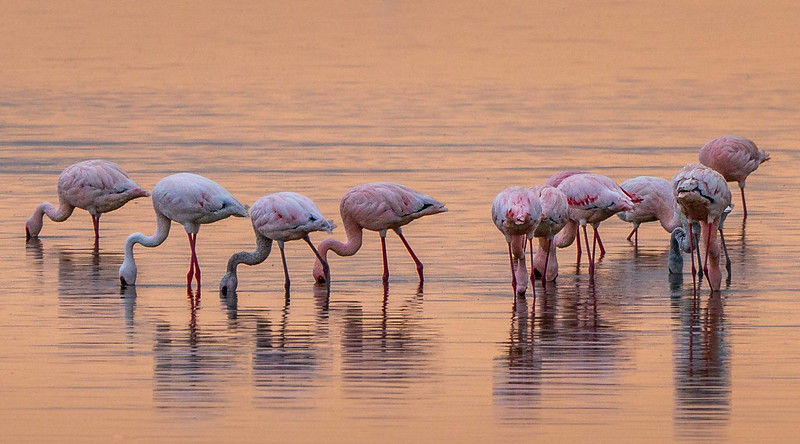
Two nights provide an introduction.
Three or four nights are much better for serious birders.
This allows time for Kasenyi, Mweya, the Kazinga Channel, crater areas and possibly Ishasha or Kyambura.
Travelers pursuing a comprehensive Uganda bird list should incorporate Queen Elizabeth into a longer itinerary rather than rushing through it.
Your Birding Experience Can Include
- Professional birding or nature guide
- Early-morning birdwatching
- Bird identification assistance
- Habitat interpretation
- Bird photography opportunities
- Personalised searches for target species
Birds You Can See in Queen Elizabeth National Park
Species depend on season, weather, habitat and the exact sites visited. Discuss target species with us when booking.
Queen Elizabeth National Park
Learn more
Resident Specialties
Search for regional specialties and commonly encountered birds around Queen Elizabeth National Park.
Habitat
Local habitats
Best area
Queen Elizabeth National Park
Status
Resident

Queen Elizabeth National Park
Learn more
Raptors
Scan ridges, plains and wetland edges for eagles, buzzards and other birds of prey.
Habitat
Open skies
Best area
Queen Elizabeth National Park
Status
Resident / Seasonal
Queen Elizabeth National Park
Learn more
Waterbirds
Where wetlands or shorelines occur, expect ducks, herons, egrets, waders and other water-associated species.
Habitat
Wetlands & water
Best area
Queen Elizabeth National Park
Status
Resident / Seasonal
Best Birding Areas in Queen Elizabeth National Park
A good birding itinerary around Queen Elizabeth National Park should include several environments rather than concentrating on a single site.
Why Choose Queen Elizabeth National Park for Birding?
Few Ugandan national parks offer such a concentrated variety of birding environments. A bird-focused journey through Queen Elizabeth can include: - Lake and shoreline birding - Papyrus wetlands - Savannah grasslands - Acacia woodland - Tropical forest - Riverine vegetation - Volcanic crater landscapes - Salt-lake environments - Kazinga Channel boat birding - Rift Valley escarpments Moving between these habitats can produce dramatically different species within the same day.
Best for: Birdwatchers exploring Queen Elizabeth National Park.
Birds of Queen Elizabeth National Park
Queen Elizabeth National Park is famous for its exceptional bird diversity. The park's location between Central and East African ecological zones contributes to its impressive species richness.
Best for: Birdwatchers exploring Queen Elizabeth National Park.
Kazinga Channel Birding Safari
The Kazinga Channel is arguably Queen Elizabeth National Park's most famous birding location. This natural waterway connects Lake George and Lake Edward and supports extraordinary concentrations of wildlife.
Best for: Birdwatchers exploring Queen Elizabeth National Park.
Kasenyi Plains
The Kasenyi Plains provide a completely different environment. These open grasslands are famous for Uganda kob and the lions that prey upon them, but birders should spend just as much time scanning the ground, bushes and sky.
Best for: Birdwatchers exploring Queen Elizabeth National Park.
Mweya Peninsula
The Mweya Peninsula is another productive area. Its combination of woodland, scrub, lake edges and lodge gardens can produce numerous species.
Best for: Birdwatchers exploring Queen Elizabeth National Park.
Ishasha Sector
Southern Queen Elizabeth's Ishasha sector is famous for tree-climbing lions. For birders, however, Ishasha deserves attention for its open woodland, grassland and riverine environments.
Best for: Birdwatchers exploring Queen Elizabeth National Park.
Lake George and Wetland Habitats
Understanding habitats makes birdwatching much more productive.
Habitat 1
Lake George and surrounding wetlands contribute substantially to the park's bird diversity.
Habitat 2
Papyrus and marsh environments can support specialized wetland birds.
Habitat 3
Open water attracts cormorants, pelicans and other aquatic species.
Habitat 4
Birders should also examine muddy margins and shallow water for waders.
Habitat 5
Migratory species can increase the diversity during appropriate seasons.

Best Time for Queen Elizabeth National Park Birding
Bird watching is rewarding throughout the year.
Uganda's equatorial climate means resident birds remain present in every season.
- Year-round Birdwatching is possible throughout the year; seasonal conditions change which species are most active.
- Migration periods Migrants can increase diversity during certain months — ask us about your target species before booking.
- After the rains Rainfall can refresh habitats and boost breeding activity and wetland productivity.
- Drier months Drier conditions may improve road access and visibility for open-country scanning and photography.
Half-Day vs Full-Day Birding Tours
Queen Elizabeth National Park birding can be arranged to match your available time.
Half-Day Birding Safari — An early start concentrating on one or two productive habitats near your base. Ideal for stopovers and travellers with limited time.
Full-Day Birding Safari — More time to explore different elevations or habitat types and build a stronger day list.
Adventure in the Wild Safaris can arrange private birding guides and connect Queen Elizabeth National Park with a wider Uganda itinerary.
Adventure in the Wild Safaris can arrange private birding guides and connect Queen Elizabeth National Park with a wider Uganda itinerary.
Enquire About a Private Birding Tour
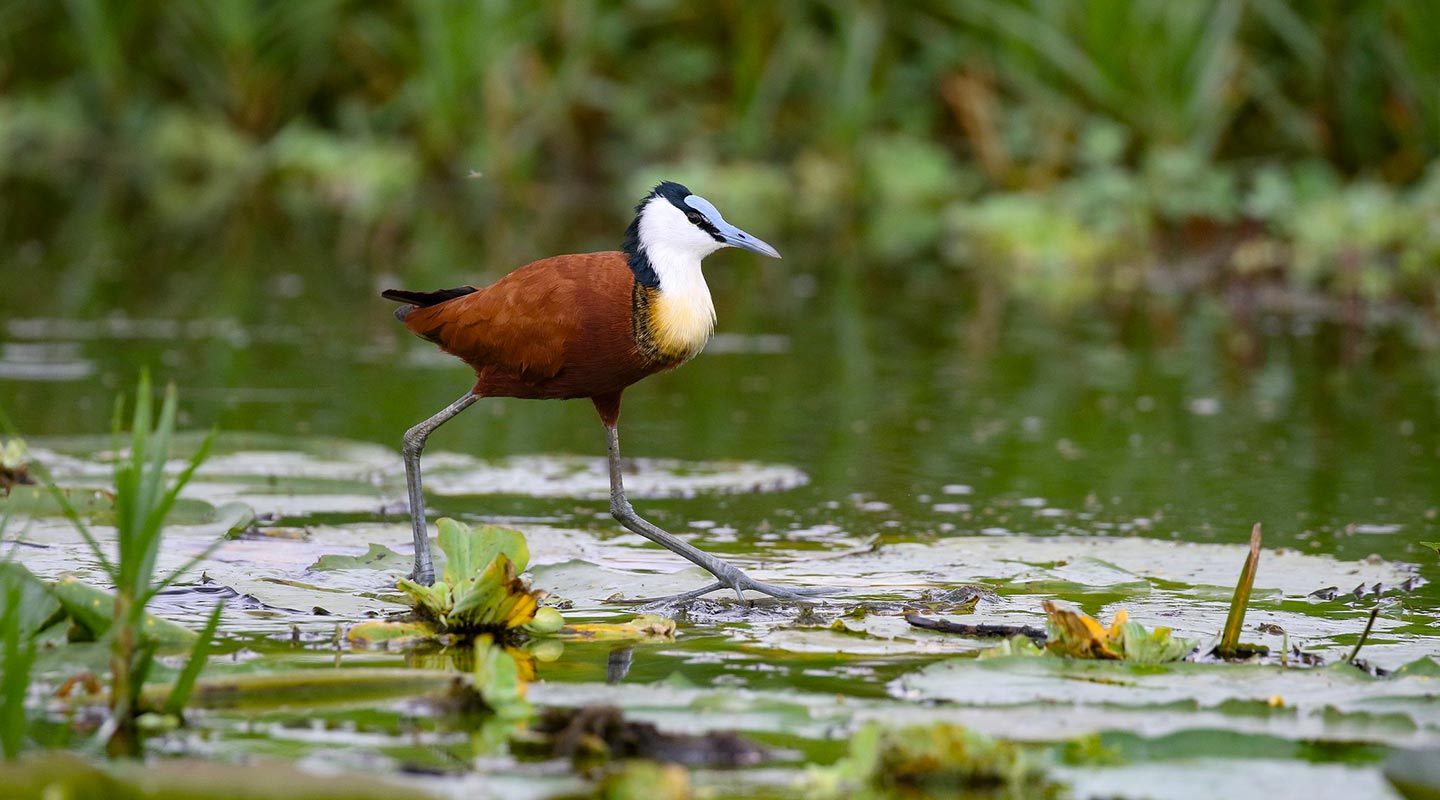
Bird Photography on the Kazinga Channel
Photographers should consider the Kazinga Channel one of the highlights of a Uganda birding safari.
Birds often occur against open water or clean shoreline backgrounds.
- Carry a telephoto lens where possible
- Keep spare batteries ready
- Avoid disturbing birds for photographs
- Photograph during softer morning light
- Allow time for positioning and waiting
- Always place wildlife welfare ahead of the photograph
Follow Uganda Wildlife Authority regulations and your guide's instructions.
What to Pack
Bring:
- Quality binoculars
- Regional bird field guide or app
- Camera with telephoto lens
- Spare batteries
- Memory cards
- Neutral-coloured clothing
- Sun hat
- Sunscreen
- Refillable water bottle
- Small daypack
- Light jacket
- Comfortable walking shoes
- Personal medication
- Quality binoculars - Camera with telephoto lens - Uganda bird field guide - Neutral safari clothing - Lightweight rain jacket - Hat - Sunscreen - Insect repellent - Comfortable shoes - Refillable water bottle - Spare batteries and memory cards
A spotting scope can be useful around lakes and wetlands.
How to Reach Queen Elizabeth National Park
Queen Elizabeth National Park is incorporated into privately guided Uganda journeys.
- Gateway Access Queen Elizabeth National Park is reached as part of a wider Uganda itinerary. We arrange private transfers timed for early birding starts.
- Private Guided Tour Adventure in the Wild Safaris can arrange specialist birding guides and logistics around Queen Elizabeth National Park.
- Combined Itineraries Birding days can be placed at the start or end of a longer Uganda safari.
Accommodation
Queen Elizabeth National Park offers accommodation ranging from budget camps to comfortable mid-range lodges and high-end safari properties.
- Budget Good-value options suitable for travellers focused on time in the field.
- Mid-Range Comfortable lodges or hotels with reliable service and convenient access for early pick-ups.
- Luxury Higher-end properties combining comfort with easy logistics for private birding guides.
- Birding-Friendly Base Prefer properties with gardens, natural surroundings or easy early-morning departures.
Combine Birding in Queen Elizabeth National Park With
Build a richer Uganda journey around your Queen Elizabeth National Park birding experience.
Other Experiences
Pair Queen Elizabeth National Park birding with other experiences in the same area.
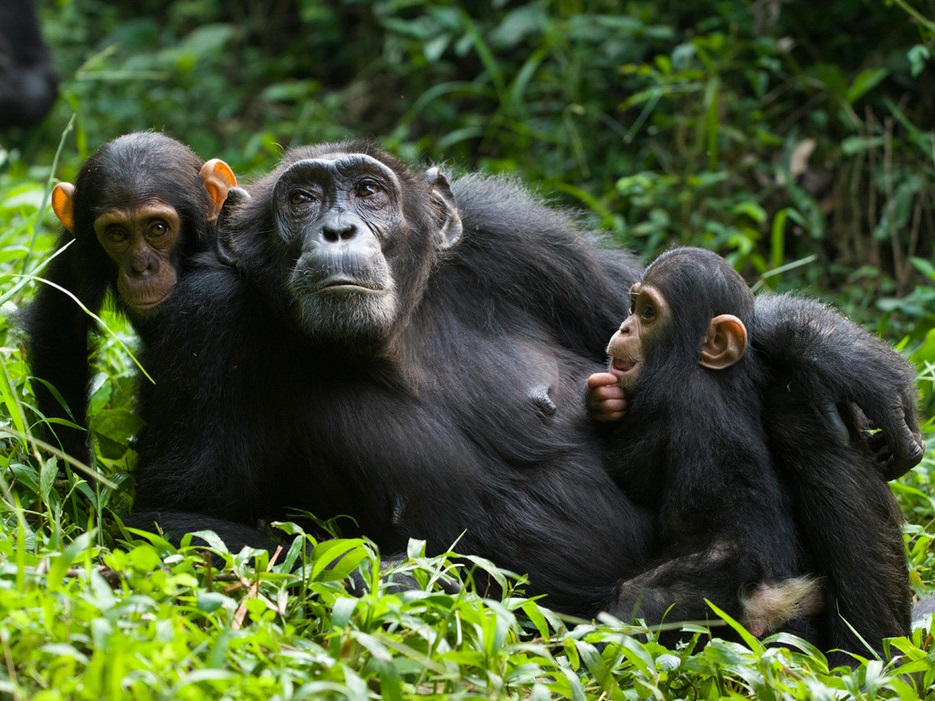 Chimpanzee Trekking
 in Queen Elizabeth National Park
Chimpanzee trekking in Queen Elizabeth National Park combines a great-ape encounter with classic savannah safari — search for…
Learn More Cultural Experiences
Cultural Safari in Queen Elizabeth National Park
A Queen Elizabeth National Park cultural safari introduces the communities, traditions and everyday livelihoods surrounding one of Uganda's…
Learn MoreFrequently Asked Questions
Is Queen Elizabeth National Park good for bird watching?
Yes. Queen Elizabeth National Park offers productive habitats for both casual and dedicated birders.
Do I need a specialist birding guide?
A specialist guide greatly improves identification, especially for calls, habitat preferences and target species.
What is the best time of day for birding?
Early morning is generally best; late afternoon can also be productive.
Should I bring binoculars?
Yes. Binoculars are essential for any birding safari.
Can I combine birding with other safari activities?
Absolutely. Queen Elizabeth National Park birding can be combined with other Uganda destinations and experiences.
Include Birding in Your Uganda Safari
Plan Your Queen Elizabeth National Park Birding Experience
A Queen Elizabeth National Park birding safari reveals why Uganda is frequently described as one of Africa's most rewarding birding countries. Few destinations allow you to photograph kingfishers from a boat in the morning, search savannah for raptors after lunch and watch elephants or lions before sunset. The park's wetlands, lakes, forests, grasslands and volcanic landscapes provide continuous variety. Gorilla Uganda Safaris can arrange customized Queen Elizabeth birding tours with specialist guides, private safari vehicles, Kazinga Channel cruises and accommodation, as well as extensions to Bwindi, Kibale, Mabamba, Murchison Falls and Rwanda. Whether you are pursuing a large Uganda checklist or simply want birds to play a meaningful role in your wildlife safari, Queen Elizabeth National Park deserves several days on your itinerary.
- Trusted Local Experts
- Tailor-Made Itineraries
- Memorable & Responsible Travel