For visitors booking normal chimpanzee tracking in the Queen Elizabeth Conservation Area, the key location is Kyambura Gorge. The gorge forms a forested corridor cut dramatically into the surrounding landscape. From above, the wider Queen Elizabeth region is characterized by open country, crater features and expansive views. Descending toward the gorge changes the environment: the air becomes cooler, vegetation closes around the trail, and the soundscape shifts from open-country birds and distant mammals to forest calls, insects and primate vocalizations.
Visitors normally report to the designated tracking point for registration and briefing. The ranger explains the rules of chimpanzee tourism, including appropriate behavior, health precautions and the structure of the activity. Under UWA's current guidelines, standard chimpanzee tracking has morning and afternoon sessions. The present framework lists tracking from 8:00 a.m. for the morning session and 2:00 p.m. for the afternoon session. These times should always be reconfirmed when booking because wildlife-management procedures can change.
After briefing, the group enters the forest with authorized guides. Chimpanzee tracking requires patience: guides do not lead visitors to a fixed enclosure. They search for a free-ranging chimpanzee community using vocalizations, nests, feeding remains, movement in fruiting trees and information from trackers familiar with recent activity.
Sometimes the first sign is sound. A pant-hoot carries through the gorge. The guide stops. Everyone listens. Another chimpanzee answers. The direction of the trek changes. At other times, the forest remains quiet for longer. That unpredictability is fundamental to the experience.
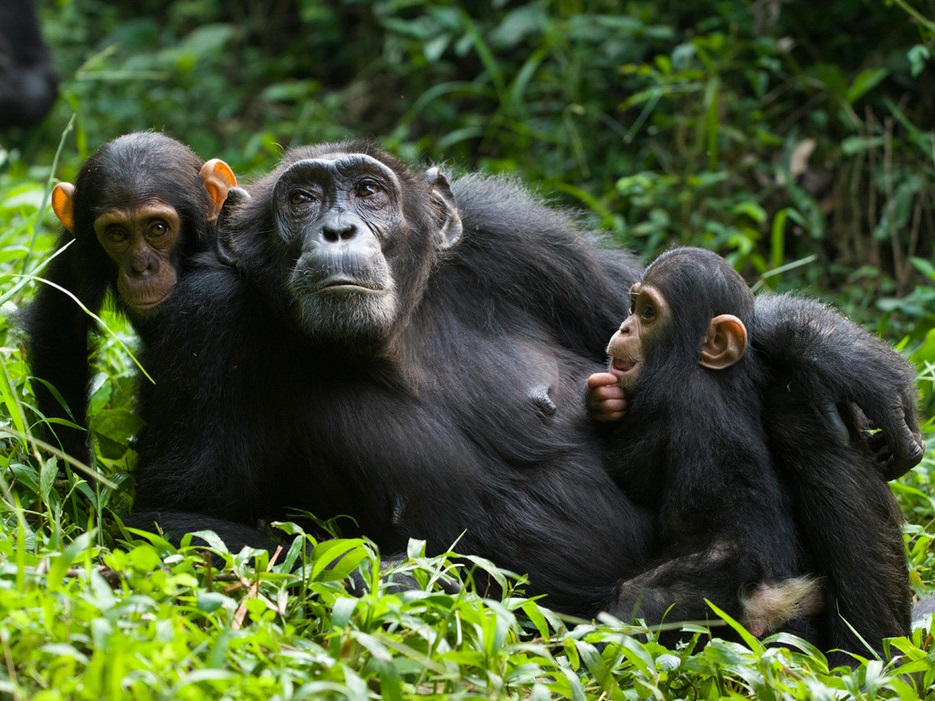
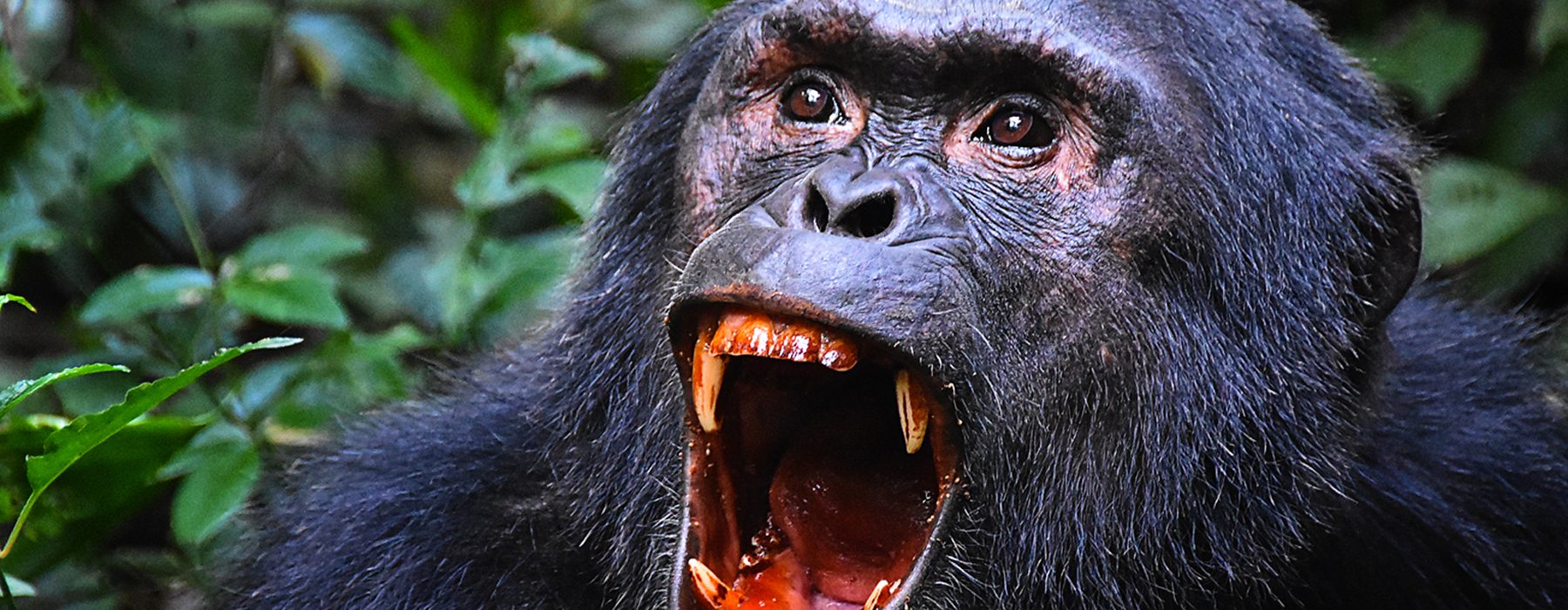
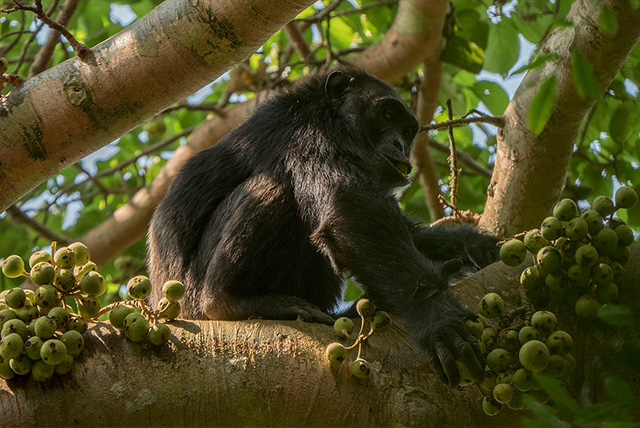
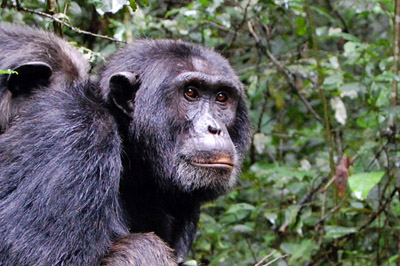
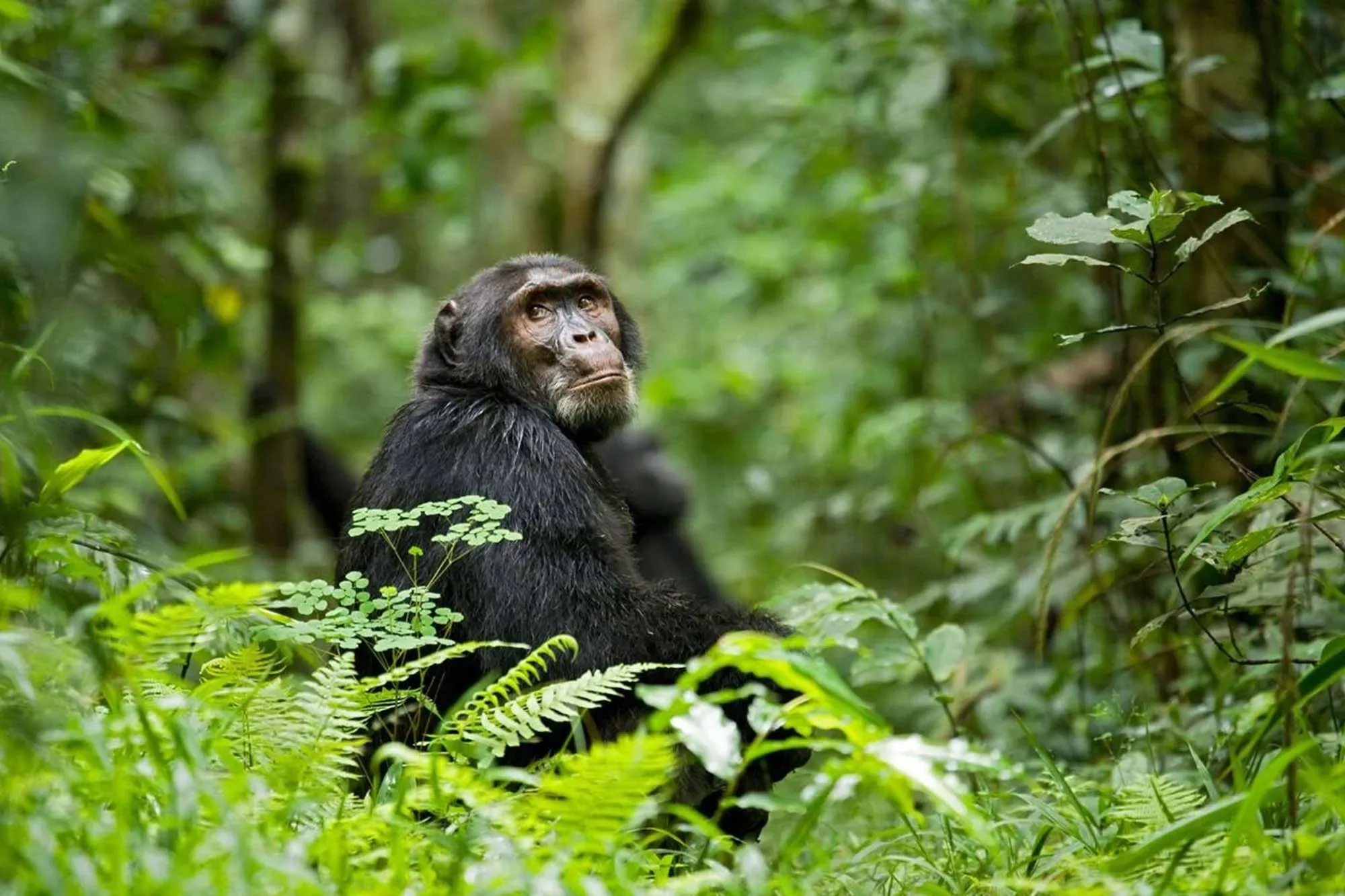
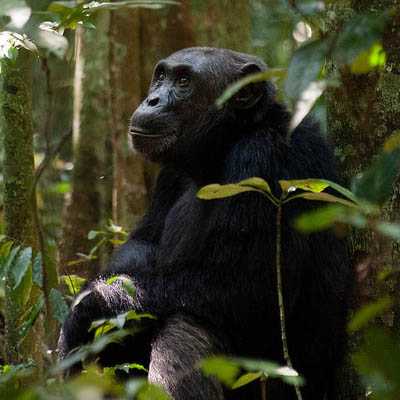
Once chimpanzees are located, the encounter becomes an observation of real wild behavior. An individual may be feeding above the group; a mother may move with a youngster; juveniles may play; adult males may interact, vocalize or display. Some chimpanzees may remain high in the canopy while others descend and travel along the forest floor. Chimpanzees are generally more mobile than mountain gorillas, so visitors may need to keep moving under ranger direction.
Current UWA guidelines provide a maximum viewing period of one hour for normal chimpanzee tracking once the animals are encountered. This should not be confused with the total duration of the trek, which includes briefing, walking, searching, observation and returning. If the chimpanzees are farther away, the activity may take considerably longer than a visitor initially expects. For itinerary design, avoid scheduling an immediate departure based on an assumed fixed finish time.
Are chimpanzee sightings guaranteed? No. This is one of the most important facts to state clearly. The chimpanzees are wild. Their movements are affected by food, social relationships, weather and other ecological factors. Trackers know the landscape and understand chimpanzee behavior, but they do not control the animals. Some tourism websites quote success percentages; those figures may be based on a particular period, but they should not be presented as guarantees. Kyambura offers a legitimate opportunity to track habituated chimpanzees — it does not offer a guaranteed appointment with them.
What the Experience Offers
- Guided tracking at Kyambura — UWA's designated Queen Elizabeth Conservation Area entry point
- Morning or afternoon sessions (confirm current 08:00 / 14:00 framework)
- Up to one hour of viewing on standard tracking after chimpanzees are found
- Dramatic gorge descent into forest habitat amid a savannah park
- Natural pairing with Kazinga Channel boat safaris and Kasenyi game drives
- Optional Ishasha tree-climbing lion searches en route to Bwindi
- Outstanding but demanding forest photography conditions
- Efficient combination of primates, wetlands, plains and onward gorilla country
Start Planning Your Queen Elizabeth Chimp Trek →