When planning a once-in-a-lifetime wildlife adventure, one of the first and most important questions travellers…
Gorilla Trekking in Uganda: The Ultimate 2026 Complete Guide for US Travelers
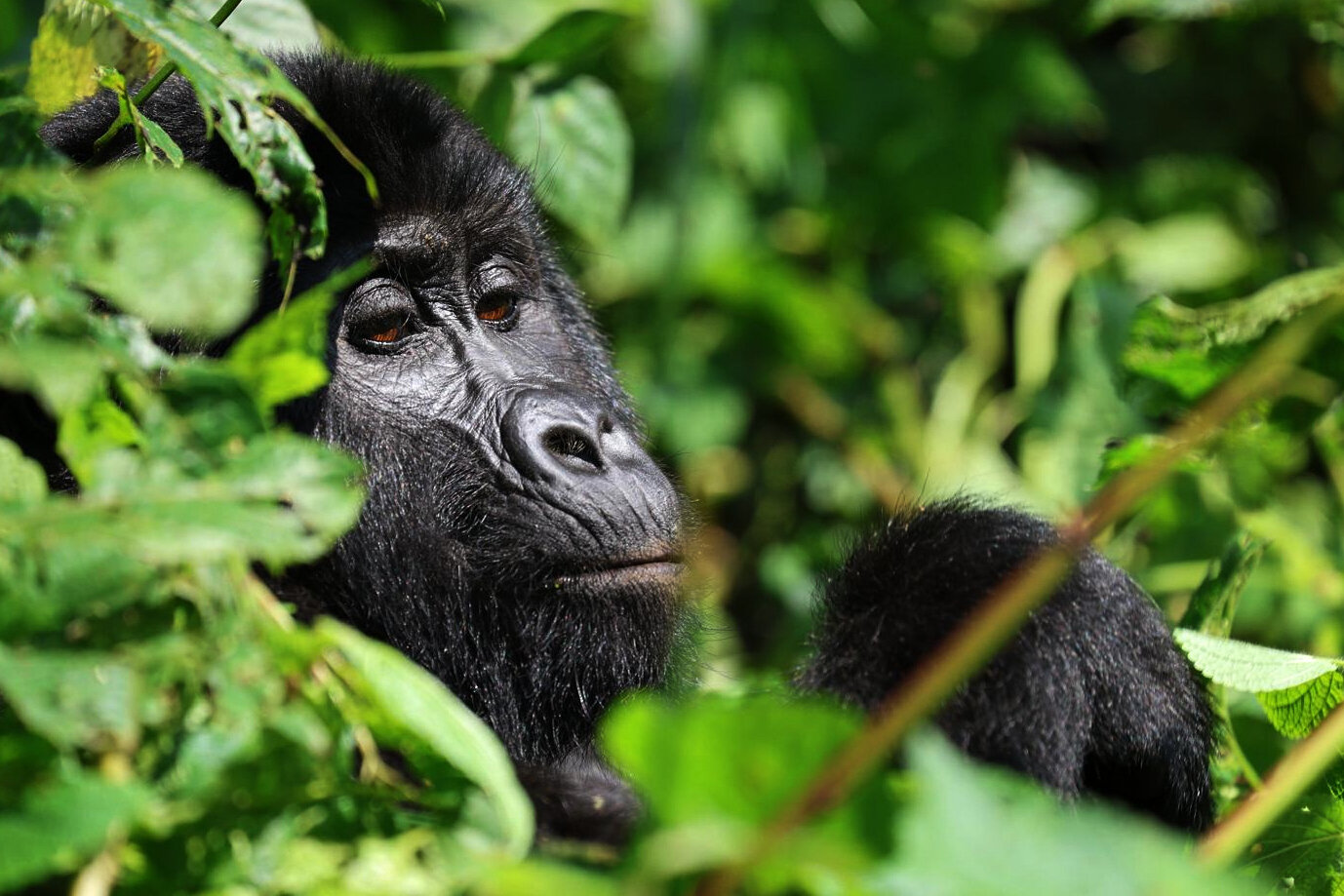
Gorilla trekking from USA
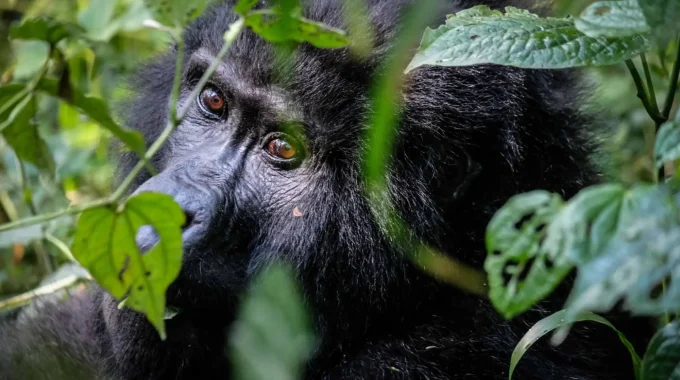
– For American travelers seeking an experience that goes far beyond ordinary tourism, gorilla trekking in Uganda represents one of the most powerful wildlife encounters available anywhere in the world. It is not simply a safari activity. It is an immersive journey into ancient rainforest ecosystems, a direct encounter with endangered mountain gorillas, and a deeply emotional wildlife experience that many travelers describe as life-changing.
In 2026, Uganda continues to stand out as the best-value and most diverse gorilla trekking destination in Africa. While Rwanda is often marketed heavily in the luxury space, Uganda offers something broader: competitive permit pricing, multiple trekking sectors, more varied safari extensions, and a truly wild forest environment that feels untouched and authentic.
This comprehensive guide is written specifically for travelers from the United States. It answers the real questions Americans are asking online, including:
- How much does gorilla trekking in Uganda really cost from the USA?
- Is Uganda safe for American tourists in 2026?
- What is the best time of year for US travelers to visit?
- How physically demanding is the trek?
- What flights are best from the United States?
- Is it better to choose Uganda or Rwanda?
By the end of this guide, you will have a complete planning blueprint for your 2026 gorilla trekking safari.
Why Uganda Is the Best Choice for Gorilla Trekking in 2026
When comparing gorilla destinations, American travelers typically look at three countries: Uganda, Rwanda, and the Democratic Republic of Congo. While all three host mountain gorillas, Uganda consistently offers the strongest balance of value, diversity, and experience quality.
The most immediate difference is permit pricing. Uganda’s official gorilla trekking permit remains at $800 per person, while Rwanda charges $1,500 for the same one-hour experience. For couples or families traveling from the US, this difference alone can represent savings of $1,400 to $3,000 — funds that can instead be used for better accommodation or additional safari activities.
Beyond pricing, Uganda offers far greater safari variety. In one trip, American visitors can combine gorilla trekking, chimpanzee tracking in Kibale Forest, Big Five game drives in Queen Elizabeth National Park, boat safaris along the Nile at Murchison Falls, rhino tracking at Ziwa Sanctuary, and relaxation at Lake Bunyonyi. Rwanda, while exceptional for luxury-focused gorilla experiences, does not provide the same breadth of wildlife ecosystems.
For many Americans, Uganda feels more authentic and less commercialized. The forests are denser, the terrain more dramatic, and the trekking experience more adventurous. Instead of paved roads leading directly to trekking start points, you enter genuine rainforest environments — adding to the sense of discovery.
Where Gorilla Trekking Takes Place in Uganda
Uganda has two official mountain gorilla habitats open to tourism: Bwindi Impenetrable National Park and Mgahinga Gorilla National Park. Both are located in the southwestern region of the country, near the borders of Rwanda and the Democratic Republic of Congo.
Bwindi Impenetrable National Park
Bwindi is the most famous and most visited gorilla trekking destination in Uganda. It is a UNESCO World Heritage Site and home to nearly half of the world’s remaining mountain gorilla population.
The park is divided into four trekking sectors:
- Buhoma
- Ruhija
- Rushaga
- Nkuringo
Each sector hosts several habituated gorilla families, meaning they are accustomed to human presence under strict conservation guidelines.
Buhoma is often chosen by first-time American visitors because it has a range of accommodation options and relatively accessible terrain. Nkuringo and Rushaga offer more challenging hikes but also spectacular mountain views. Ruhija is known for its cooler climate and strong birdwatching opportunities.
Mgahinga Gorilla National Park
Mgahinga is smaller and quieter than Bwindi. It is part of the larger Virunga Conservation Area that spans three countries. This park is ideal for travelers seeking fewer crowds and a more exclusive trekking experience.
One major advantage of Mgahinga is the opportunity to combine golden monkey trekking with gorilla trekking in the same park. For Americans who want a more diverse primate-focused itinerary, this is an attractive option.
How Gorilla Trekking Permits Work for US Travelers
Many Americans assume they can simply arrive in Uganda and book a permit on arrival. This is not recommended.
Gorilla permits are limited to eight people per gorilla family per day. Because of conservation rules, availability is strictly controlled. During peak travel months — particularly June through August and December holidays — permits often sell out several months in advance.
The process typically works as follows:
First, you confirm your travel dates with a licensed Ugandan tour operator. The operator checks permit availability through the Uganda Wildlife Authority system. Once availability is confirmed, payment must be made in full to secure the permit. Only after payment is processed is the permit officially allocated to your name.
For US travelers planning around summer vacations or school holidays, it is advisable to begin planning at least four to six months in advance.
Detailed Cost Breakdown: Gorilla Trekking from the United States
International Flights
Flights from major US hubs such as New York, Washington DC, Chicago, Dallas, and Los Angeles typically range from $900 to $1,600 round trip depending on season and booking timing.
Common transit hubs include Doha, Dubai, Istanbul, and Amsterdam. Total travel time averages between 16 and 22 hours.
Gorilla Permit
The official permit fee is $800 per person. This includes park entry, ranger guides, security, and one hour with a habituated gorilla family.
Safari Package Costs
A typical 3-day gorilla trekking safari from Entebbe ranges from $1,400 to $2,500 depending on accommodation level.
A 5-day gorilla and wildlife combination safari ranges from $2,500 to $4,500.
A 7 to 10-day comprehensive Uganda safari may range from $3,500 to $7,500 or more for luxury travelers.
Additional Costs
Visa for US citizens: $50
Travel insurance: $150–$300
Tips and gratuities: $100–$200
Porter services: $20
When all expenses are considered, most American travelers spend between $3,500 and $6,000 for a high-quality mid-range experience. Luxury safaris may exceed $10,000 depending on lodge selection and internal flights.
Compared to other bucket-list travel experiences such as Antarctica cruises or Galapagos expeditions, gorilla trekking remains highly competitive in price.
What to Expect During the Gorilla Trek
The trekking day begins early in the morning. Visitors gather at the park headquarters for registration and a detailed briefing from Uganda Wildlife Authority rangers.
During the briefing, you will learn about gorilla behavior, conservation rules, and safety procedures. You are then assigned to a specific gorilla family and introduced to your ranger team.
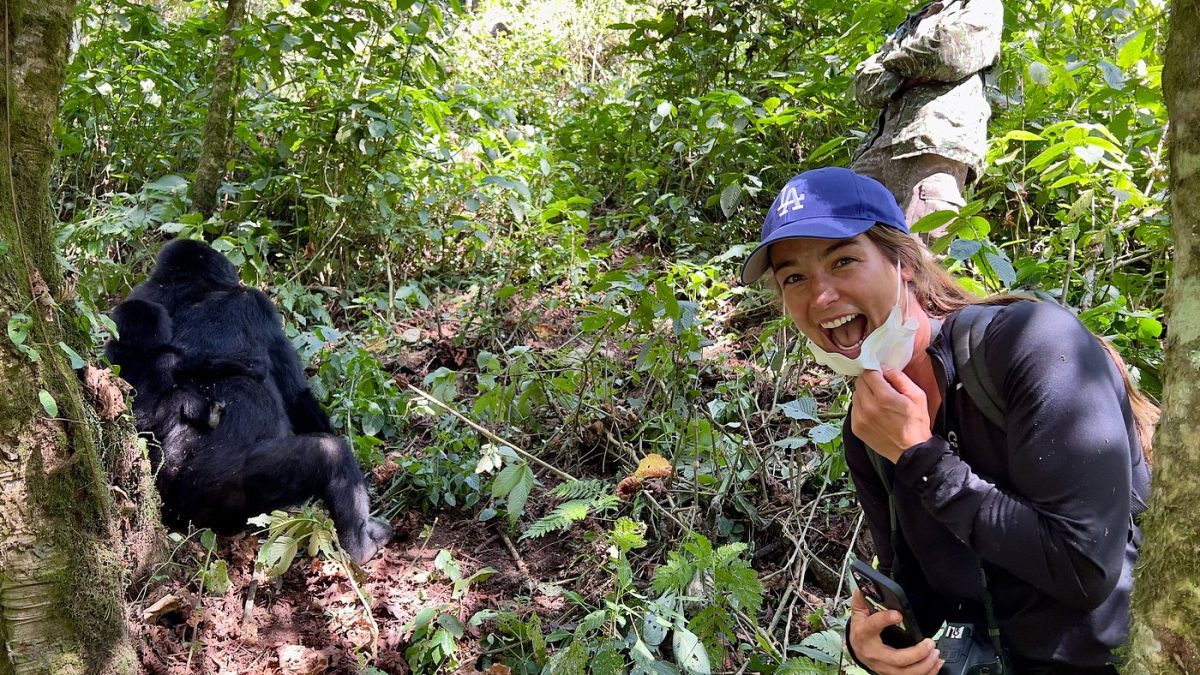
The hike itself can vary significantly in length and difficulty. Some groups encounter gorillas within an hour. Others may trek for four to six hours through dense vegetation and steep terrain.
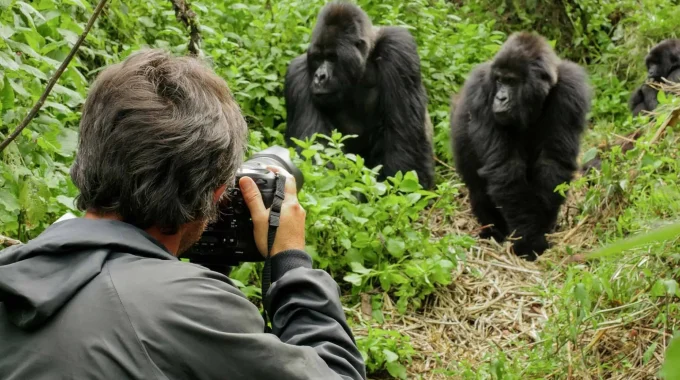
Once the gorillas are located, visitors are allowed exactly one hour in their presence. This hour is carefully monitored to ensure minimal disturbance to the animals.
Many Americans describe the moment of first eye contact with a silverback as overwhelming. The calm intelligence of these animals, combined with the forest atmosphere, creates a profound emotional experience.
Physical Fitness Requirements
Contrary to popular belief, you do not need to be an elite athlete to complete a gorilla trek. However, moderate physical fitness is recommended.
Terrain can be muddy, steep, and uneven. Elevation ranges between 4,000 and 8,500 feet above sea level. Walking sticks are provided, and porters are available to assist with backpacks and provide stability on steep sections.
Even travelers in their 60s and 70s regularly complete gorilla treks successfully.
Is Uganda Safe for American Tourists in 2026?
Safety is a common concern among US travelers researching Africa.
Uganda’s main tourism regions, especially national parks, are considered safe and well-regulated. Gorilla trekking areas are protected by armed rangers trained in wildlife security and visitor safety.
Tourism contributes significantly to Uganda’s economy, and authorities prioritize visitor protection in safari zones. Major security incidents involving tourists in gorilla parks are extremely rare.
As with any international travel, it is recommended to use licensed operators, avoid political gatherings, and follow guide instructions.
Best Time for Gorilla Trekking in Uganda (Month-by-Month for US Travelers)
Uganda is a year-round destination, but understanding seasonal patterns helps American travelers align their safari with school breaks, summer vacations, or holiday travel windows.
January – February
These are dry-season months with warm daytime temperatures and easier forest trails. This period is excellent for travelers escaping winter in the United States. Permit availability is moderate, and photography conditions are generally clear. Many visitors combine this period with a full Uganda safari itinerary including wildlife game drives and chimpanzee trekking.
March – May
These are rainy-season months. Trails can be muddy and more physically demanding. However, landscapes are extremely lush and green. Fewer tourists travel during this period, meaning more lodge availability and occasionally better package pricing. For flexible travelers looking to avoid crowds, this can be an underrated time to visit. You may find attractive rates on budget gorilla trekking packages during this season.
June – September
This is the peak season for gorilla trekking in Uganda. It coincides with US summer holidays, making it one of the most popular periods for American families. Trails are drier and hiking is easier. Because of demand, permits should be secured at least 4–6 months in advance. Many travelers extend their trip with a Big Five safari in Queen Elizabeth National Park during this period.
October – November
Short rains return, but trekking remains possible and wildlife is still active. These months are often quieter, offering a more intimate experience. Availability for last-minute gorilla permits may improve compared to peak season.
December
A high-demand travel month due to Christmas and New Year holidays. Weather conditions are favorable, and many American travelers combine gorilla trekking with extended safari itineraries or even beach add-ons such as a Zanzibar extension safari.
Overall, the best months for US travelers balancing weather and availability are June, July, August, January, and February.
Luxury vs Mid-Range vs Budget Gorilla Trekking Options
Uganda offers flexibility across all comfort levels, making it possible for every traveler to experience mountain gorilla trekking regardless of budget.
Luxury Gorilla Trekking Safaris
Luxury experiences are designed for travelers who prioritize comfort, privacy, and seamless logistics.
These typically include:
- Private 4×4 Land Cruiser vehicle
- Chartered domestic flights to Bwindi
- High-end forest lodges with private cottages
- Premium dining experiences
- Personalized guiding
Luxury packages for 6–8 days range from $6,000 to $12,000 per person depending on lodge selection and internal flights. For US travelers celebrating anniversaries, honeymoons, or milestone birthdays, luxury gorilla trekking Uganda offers exclusivity without Rwanda’s higher permit pricing.
Mid-Range Gorilla Safaris
Mid-range is the most popular category for American visitors. These safaris balance comfort and cost efficiency while still delivering an exceptional wildlife experience.
These packages typically include:
- Comfortable safari lodge accommodation
- Full board meals
- Private vehicle and driver-guide
- Gorilla permit included
- Park fees and transfers
Costs generally range from $3,500 to $5,500 per person for a 5–7 day itinerary. Many travelers choose a 5-day gorilla and wildlife safari at this level.
Budget Gorilla Trekking Options
Budget options are designed for younger travelers, backpackers, or cost-conscious couples.
These may involve:
- Shared vehicle transport
- Guesthouse-style accommodation
- Road transfers instead of flights
Total cost may range from $2,500 to $3,500 including flights from the USA if booked strategically. Even at the budget level, the gorilla trekking experience itself remains identical — the permit guarantees the same one-hour encounter.
Sample 5-Day Gorilla Trekking Itinerary (Ideal for US Travelers)
Day 1: Arrival in Entebbe
Arrive at Entebbe International Airport. Meet your guide and transfer to your hotel near Lake Victoria. Relax and prepare for your adventure.
Day 2: Transfer to Bwindi Impenetrable Forest
Either take a scenic 8–9 hour drive through rural Uganda or a 1-hour domestic flight. Check into your lodge overlooking the forest canopy. Explore our Bwindi gorilla trekking tours for accommodation options.
Day 3: Gorilla Trekking Experience
Morning briefing and forest trek. Spend one hour observing a habituated gorilla family. Return to lodge for relaxation and reflection.
Day 4: Lake Bunyonyi Relaxation
Transfer to Lake Bunyonyi for canoeing, island exploration, and scenic relaxation after the trek. Learn more about our Lake Bunyonyi safari extensions.
Day 5: Return to Entebbe and Departure
Transfer back to Entebbe for your outbound flight.
This itinerary balances adventure and recovery time, which many American travelers appreciate.
What to Pack for Gorilla Trekking (US-Specific Advice)
Packing correctly can significantly improve your experience during gorilla trekking in Uganda.
Essential clothing:
- Waterproof hiking boots (broken in before travel)
- Long-sleeve lightweight shirts
- Hiking pants
- Lightweight rain jacket
- Gardening gloves (for gripping vegetation)
- High socks
Other essentials:
- Daypack
- Refillable water bottle
- Insect repellent
- Sunscreen
- Camera with zoom lens
Avoid bright colors. Neutral tones are best for wildlife photography. For more guidance, see our complete gorilla trekking packing list.
Photography Tips for Gorilla Trekking
Photographing gorillas in dense forest lighting can be challenging, especially in low-light canopy environments.
Recommended equipment:
- Mirrorless or DSLR camera
- Fast lens (f/2.8 or wider if possible)
- ISO flexibility
- No flash photography (strictly prohibited)
Many travelers also explore our Uganda wildlife photography safaris for guided support.
Combining Gorilla Trekking with Other African Destinations
Many US travelers maximize long-haul flights by combining Uganda with other destinations.
Popular combinations include:
- Gorilla trekking and Masai Mara safari
- Gorilla trekking and Serengeti safari
- Uganda gorillas and Zanzibar beach
- Rwanda and Uganda combined safari
This creates a complete East African safari experience in one trip.
Frequently Asked Questions
How difficult is gorilla trekking in Uganda?
Gorilla trekking requires moderate physical fitness. Hiking duration varies between one and six hours depending on gorilla movement.
How close do you get to the gorillas?
Visitors must maintain a 7-meter distance, but gorillas may occasionally approach closer.
Is gorilla trekking worth the cost?
For most travelers, the emotional impact and conservation contribution make it one of the most worthwhile wildlife experiences globally.
What is the minimum age for gorilla trekking?
The minimum age requirement is 15 years old.
Can seniors participate?
Yes, many travelers in their 60s and 70s successfully complete treks with porter assistance.
Why Booking Direct with a Local Uganda Operator Matters
Many US travelers unknowingly book through international middlemen who add 20–40% markup.
Booking directly with a licensed Ugandan safari operator provides:
- Faster permit confirmation
- Better pricing
- Real-time lodge coordination
- Local emergency support
- Stronger conservation contribution
Explore our custom Uganda safari packages to start planning your 2026 adventure.
Final Thoughts: Why 2026 Is the Ideal Year
With growing global demand for experiential travel and conservation-focused tourism, 2026 presents an excellent opportunity to plan ahead.
Mountain gorilla populations are stable and increasing thanks to responsible tourism. Uganda remains politically stable and tourism-ready. Flight connectivity from the United States continues to improve.
For American travelers seeking an extraordinary wildlife encounter that combines adventure, conservation, culture, and deep emotional impact, gorilla trekking in Uganda remains unmatched.
2026 Gorilla Permits Are Selling Fast
Only a limited number of visitors are allowed to trek each day.
Book early to secure your preferred dates during peak US travel months.
Planning from the United Kingdom?
If you’re travelling from Britain instead of the United States, read our dedicated guide:
Gorilla Trekking in Uganda from the UK.
It includes flight routes from London, UK visa guidance, budgeting in pounds (£), and seasonal advice tailored specifically for British travellers.

Related Posts