Skip to content
+256775218880 / +256753750983 info@gorillaugandasafaris.com

Cultural Safari in Maasai Mara

A Maasai Mara cultural safari reveals a side of Kenya beyond the famous lions, elephants, cheetahs and wildebeest — introducing the pastoral communities whose traditions and relationship with the landscape have shaped this extraordinary East African ecosystem.

  • Location Maasai Mara, Kenya
  • Duration 1–2 Hours to Half Day+
  • Difficulty Easy
  • Best For All Ages / Families
  • Focus Culture, Community & Conservation

Cultural Safari in Maasai Mara

A Maasai Mara cultural safari offers travelers an opportunity to discover a side of Kenya that extends far beyond the famous lions, elephants, cheetahs and wildebeest of the Maasai Mara National Reserve. The greater Mara ecosystem is the ancestral homeland of Maasai communities whose pastoral traditions, social structures, ceremonies, livestock culture and close relationship with the landscape have helped shape the identity of this remarkable part of East Africa.

For many travelers, wildlife is the original reason for visiting the Maasai Mara. Yet meeting local people and learning how communities have lived alongside wildlife for generations can add an entirely different dimension to the journey. A thoughtfully arranged cultural experience provides insight into traditional and contemporary Maasai life while also demonstrating the important relationship between tourism, conservation and community livelihoods.

Cultural activities around the Maasai Mara may include visiting a Maasai homestead, meeting elders and community guides, observing traditional dances, learning about livestock keeping, discovering local medicinal plants, watching beadwork demonstrations and hearing stories about Maasai customs. The exact experience varies considerably between communities, so responsible arrangements should emphasize genuine interaction rather than a hurried performance designed purely for tourists.

The Maasai are among East Africa's best-known pastoral communities and have historically occupied extensive areas of what are now southern Kenya and northern Tanzania. Cattle have traditionally occupied a central position in Maasai economic and social life. Livestock provide food, represent wealth and have long played important roles in family and ceremonial relationships.

Although many recognizable elements of Maasai heritage remain strong, contemporary Maasai society is diverse and constantly evolving. Families may combine livestock keeping with tourism, agriculture, education, conservation employment and other businesses. Children attend schools, young adults pursue university education and community members participate in modern Kenyan economic and political life.

A good cultural safari in Maasai Mara therefore avoids presenting Maasai people as if they exist outside the modern world. Instead, it allows visitors to understand how communities maintain important cultural traditions while responding to education, technology, conservation, changing land use and economic opportunities. This balance between continuity and change is one of the most interesting aspects of a genuine cultural encounter.

Plan Your Cultural Safari

Why Add a Cultural Safari to Your Maasai Mara Journey?

Meet Living Culture

Wildlife may provide the spectacular images for which the Maasai Mara is famous, but cultural interaction provides context. The grasslands form part of a living cultural landscape where communities have raised livestock, maintained traditions and adapted to changing conditions for generations.

Village Visits

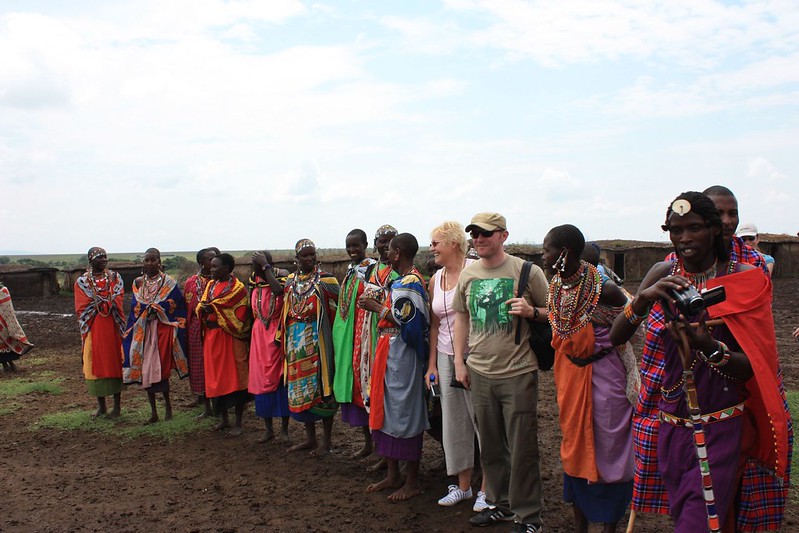
Visit a traditional Maasai homestead (manyatta or enkang), learn how settlements are organised and how cattle, goats and sheep remain central to family life — with conversation that turns a short visit into a richer exchange.

Dance & Song

Experience traditional songs and the famous jumping dance with context from local guides, so the performance is understood as social identity and ceremony rather than only as a photo opportunity.

Beadwork & Crafts

Watch artisans create colourful beadwork and purchase directly from community craft groups — one of the simplest ways to ensure tourism spending reaches local households.

Conservancies

Community conservancies show how landowners receive income from conservation and safari tourism while wildlife moves beyond national reserve boundaries.

Culture + Wildlife

Combine morning game drives with afternoon community visits so your safari explores both the animals and the people who call the Mara home.

Maasai Village Visits & What to Expect

One of the most popular cultural activities near the Maasai Mara is a visit to a traditional Maasai homestead, commonly known as a manyatta or enkang.

The settlement typically consists of homes arranged within or around an enclosure used to help protect livestock. During a guided visit, a community member can explain how the settlement is organized and why cattle, goats and sheep remain important to family life.

Visitors may learn about traditional house construction and the materials historically used to create homes. Depending on the village and circumstances, guests may also be invited to see the interior of a house and understand how domestic spaces are arranged.

What makes the experience particularly valuable is conversation. Asking respectful questions about marriage traditions, education, cattle, wildlife, family structures, conservation and modern life can turn a short village visit into a much richer cultural exchange.

Responsible operators should arrange visits with communities that have agreed to receive travelers and where tourism income benefits residents directly.

Music and dance are highly visible elements of Maasai cultural experiences. Visitors may be welcomed with traditional songs performed by groups of men or women. One of the best-known traditions associated with Maasai ceremonies is the jumping dance, often referred to by visitors as the Maasai jumping competition.

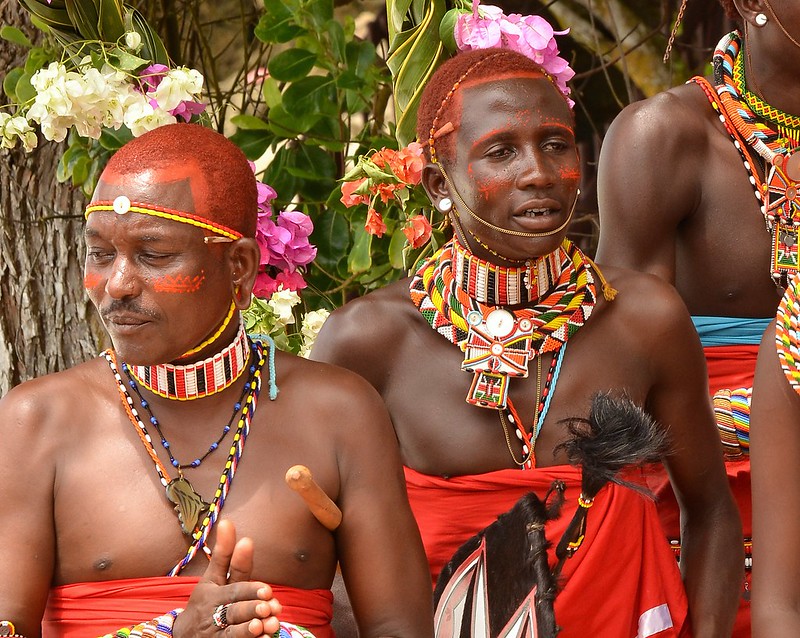
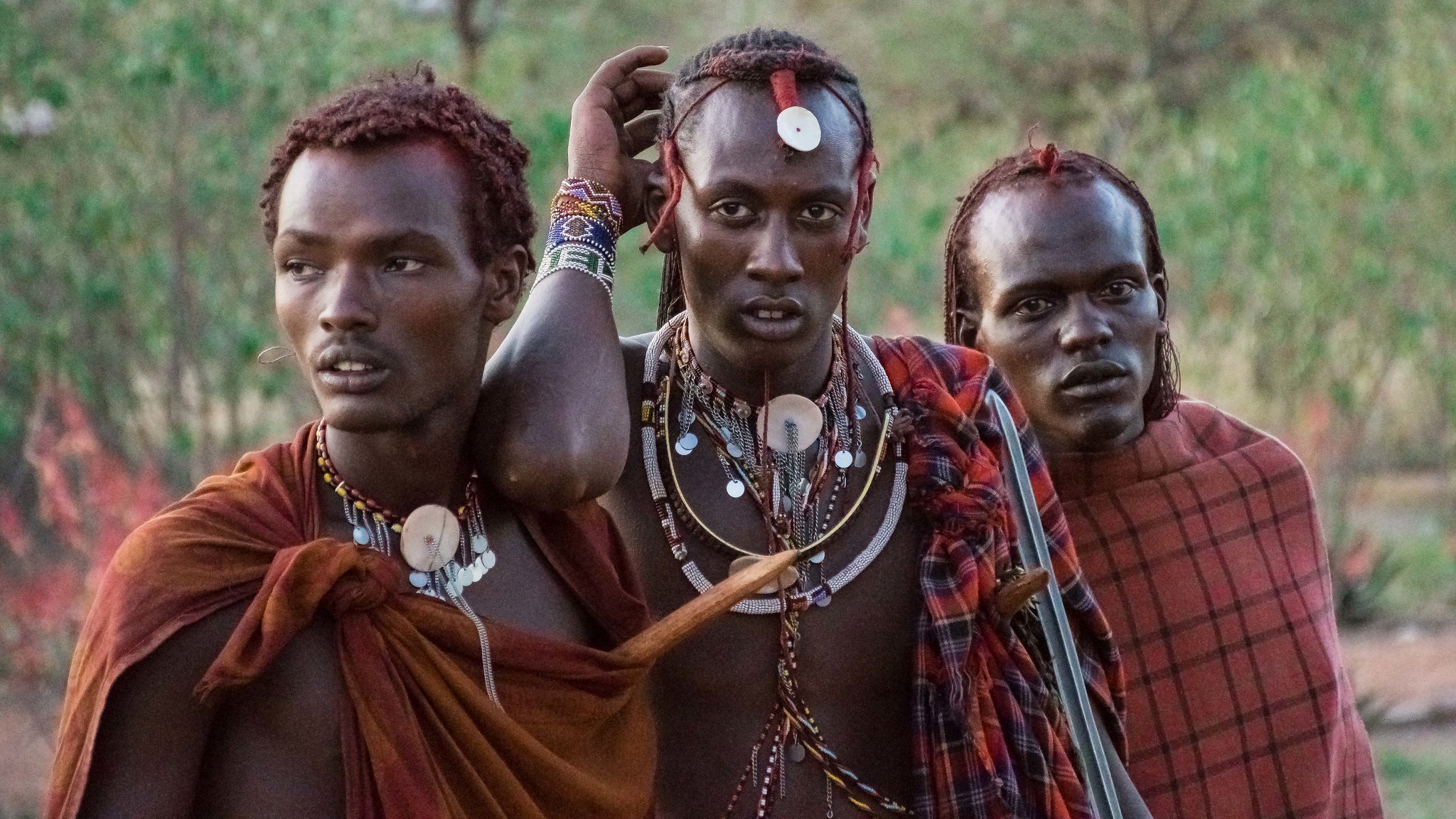
Rather than simply photographing the performance, travelers benefit from learning what the songs and movements represent. Different songs can relate to age groups, celebrations, community events or social identity. Women may perform their own songs accompanied by rhythmic movements and the sound of elaborate beaded necklaces.

Guests are sometimes invited to participate. Joining respectfully can create a relaxed and memorable interaction, provided participation is welcomed by the community.

Typical Cultural Activities

  • Guided visit to a Maasai manyatta / enkang
  • Meeting elders and community guides
  • Traditional songs and jumping dance
  • Beadwork demonstrations and craft purchases
  • Learning about livestock and pastoral life
  • Guided nature walks with Maasai guides (where permitted)
  • Conversations on conservation and modern Maasai life
Plan a Cultural Day in the Mara

Cultural Experiences Around the Mara

A Maasai Mara cultural safari can include several complementary experiences. The exact programme varies by community, camp and conservancy — responsible arrangements emphasise genuine interaction over hurried tourist performances.

Maasai Mara

Maasai Village Visits

Visit a traditional homestead, learn how the settlement is organised, see house construction and domestic spaces, and ask respectful questions about family life, cattle and conservation.

Setting Manyatta / enkang
Where Communities near the reserve & conservancies
Timing 1–2 hours typical
Ask to include this
Maasai Village Visits
Maasai Mara

Traditional Dance & Song

Welcome songs, the famous jumping dance and women's performances become far more meaningful when a local guide explains age groups, ceremonies and social identity behind the movements.

Setting Community gathering space
Where Village & cultural centres
Timing Often part of village visit
Ask to include this
Traditional Dance & Song
Maasai Mara

Beadwork & Traditional Crafts

Necklaces, bracelets and belts carry patterns and colours shaped by tradition and creativity. Watch artisans at work, ask how purchases support the makers, and buy directly from community craft groups rather than bargaining aggressively over small amounts.

Setting Craft workshops & markets
Where Women's craft projects
Timing Ideal for souvenirs
Ask to include this
Beadwork & Traditional Crafts
Maasai Mara

Pastoral Life & Livestock

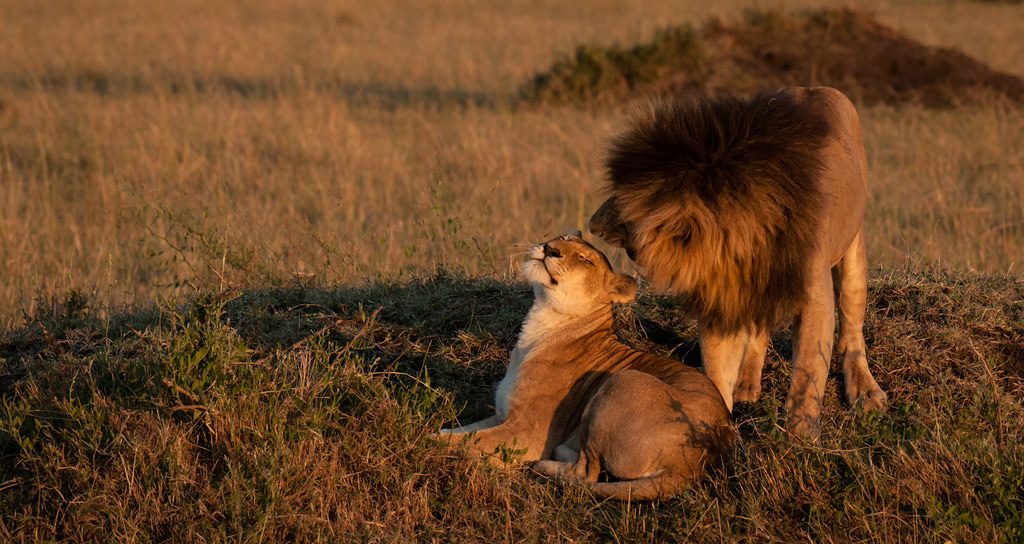
Cattle shape social and economic relationships. Learn how grazing areas are chosen and how communities live with predators and elephants — a powerful contrast after a morning game drive watching lions or elephants on the same grasslands.

Setting Grazing lands & bomas
Where Greater Mara ecosystem
Timing Strong contrast with game drives
Ask to include this
Pastoral Life & Livestock
Maasai Mara

Community Conservancies

Conservancies surrounding the national reserve let landowners earn tourism income while protecting habitat, sometimes with regulated livestock grazing. Meet Maasai guides, trackers and families with direct ties to the landscape.

Setting Community conservancies
Where Around the Mara Reserve
Timing Culture + conservation
Ask to include this
Community Conservancies
Maasai Mara

Guided Nature Walks

Where walking is safely organised, Maasai guides introduce plants (including traditional medicinal uses), tracks, birds and ecological knowledge easy to miss from a vehicle — always with qualified guides in approved locations.

Setting Approved walking areas
Where Conservancies & designated zones
Timing Safety first
Ask to include this
Guided Nature Walks
Maasai Mara

Respectful Cultural Photography

The Mara is highly photogenic, but always ask before photographing people. Permission is essential for close portraits, interiors and images of children; commercial photography may need separate arrangements.

Setting Village & cultural visits
Where Organised community partners
Timing Ask first, always
Ask to include this
Respectful Cultural Photography
Ask Us to Arrange These Experiences

Combining Culture with Maasai Mara Wildlife

One of the greatest advantages of choosing a cultural experience in the Maasai Mara is the ease with which it can be incorporated into a traditional wildlife safari.

Morning Game Drive + Afternoon Culture

Morning Game Drive + Afternoon Culture

Begin with an early game drive when predators are active, return to the lodge for breakfast or lunch, then visit a nearby community in the afternoon.

Best for: Classic Mara itineraries

Between Game-Viewing Sessions

Between Game-Viewing Sessions

Cultural activities can also be arranged between game drives or on arrival and departure days without sacrificing wildlife time.

Best for: Flexible 3–4 day stays

Migration Season Context

Migration Season Context

During the Great Migration, wildebeest and zebra move through the Mara–Serengeti ecosystem. Pairing that spectacle with cultural exchange turns the safari into a broader exploration of people and place.

Best for: July–October travellers

Cultural Safari for Families

A Maasai cultural experience can be particularly rewarding for families traveling with children.

Young travelers can learn about different lifestyles, livestock, traditional houses, languages, crafts and relationships with nature in an interactive environment. Meeting local children can also make Africa feel more immediate and relatable than simply observing wildlife from a vehicle.

Parents should prepare children to behave respectfully and avoid treating homes or residents as attractions. When thoughtfully arranged, cultural activities can become some of the most educational moments of a family safari.

Ask your safari planner for family-friendly community visits with clear photography and gift guidelines.

Plan a Family Cultural Safari

Best Time for a Maasai Mara Cultural Safari

Cultural experiences can generally be arranged throughout the year. Unlike wildlife events such as the Great Migration, community visits are not dependent on a narrow seasonal window.

This means travelers can incorporate cultural activities into safaris during both busy and quieter periods.

  • July–October Especially popular for the Great Migration. Accommodation demand and visitor numbers can be high — book cultural visits in advance.
  • January–February Rewarding wildlife viewing with good conditions for combining game drives and community experiences.
  • Greener months Attractive landscapes and excellent photographic conditions. Travellers focused on meaningful cultural interaction may appreciate quieter periods outside peak migration.

How Long & How to Plan

A simple village visit may take approximately one to two hours, while a more immersive community experience can occupy half a day or longer.

Travelers particularly interested in culture should avoid trying to squeeze the experience into a rushed schedule between game drives. Allowing sufficient time encourages conversation and makes the visit feel less transactional.

A three- or four-day Maasai Mara safari usually provides enough flexibility to include both extensive wildlife viewing and at least one meaningful cultural activity. Longer stays allow travelers to combine village visits, guided walks, conservation discussions and craft experiences.

The best cultural safari is integrated naturally into the wider itinerary rather than added as an afterthought. Tell your safari planner how deeply you want to engage with local culture — from a short village visit to longer discussions, guided walks, craft workshops or conservation-focused experiences.

Accommodation location also matters because lodges and camps often work with particular neighboring communities. When culture is an important priority, choosing the right camp and conservancy can significantly improve the experience.

Adventure in the Wild Safaris can match you with community partners where fees and craft purchases support residents directly.

Browse Kenya Safaris

Responsible Cultural Tourism & Photography

Responsible cultural tourism should create value for both visitors and host communities. Choose experiences organized with community participation and clear financial benefits for local residents.

  • Avoid visits that treat people as exhibits or encourage intrusive photography.
  • Listen, ask questions respectfully and remember that communities are homes rather than tourist attractions.
  • Always ask before photographing individuals — traditional clothing does not make someone a public attraction.
  • Obtain permission before close portraits, photographing inside homes or focusing on children.
  • Discuss professional or commercial photography with your operator beforehand.
  • Handle gifts carefully: sweets or money given directly to children can encourage begging.
  • Support schools or projects through established community representatives rather than ad-hoc gifts.
  • Purchasing crafts, paying agreed activity fees and using community guides support local livelihoods.

When visitors wish to support schools or community initiatives, contributions are generally better coordinated through established projects or community representatives.

What to Wear

Comfortable, modest safari clothing is appropriate for village visits and cultural activities.

  • Lightweight trousers, skirts or dresses and shirts that protect against the sun
  • Comfortable closed shoes for walking through villages or countryside
  • Hat, sunscreen and drinking water for daytime activities
  • A light layer for cooler mornings and evenings

There is generally no need to imitate traditional Maasai clothing. Travelers should dress comfortably and respectfully while allowing local people to present their culture on their own terms.

Getting to the Maasai Mara

Most cultural visits are arranged from lodges and camps inside the Maasai Mara National Reserve or neighbouring community conservancies.

  • By air Scheduled and charter flights connect Nairobi with airstrips serving the Mara; transfers to camp then continue by safari vehicle.
  • By road Overland transfers from Nairobi typically take 5–6 hours depending on traffic and road conditions, often combined with game viewing on arrival.
  • From camp Your guide coordinates timing with neighbouring communities so cultural visits fit around game drives without feeling rushed.

Tell us your preferred depth of cultural engagement when you enquire so we can recommend the right camps and partners.

Where to Stay for Cultural Access

Lodges and camps often work with particular neighbouring communities. Choosing the right base can significantly improve cultural access.

Combine Maasai Mara with Other Kenyan Destinations

The Maasai Mara can be combined with several other destinations for travelers interested in Kenya's cultural diversity. Combining several regions demonstrates that Kenyan culture cannot be reduced to a single community or tradition.

Suggested Maasai Mara Tours

View All Masai Mara Safaris

Maasai Mara Cultural Safari FAQs

What is included in a Maasai Mara cultural safari?

Activities may include a guided manyatta visit, traditional dance and song, beadwork demonstrations, conversations about pastoral life and, where permitted, guided nature walks with Maasai guides. The exact programme depends on the community partner.

How long does a village visit take?

A simple village visit often lasts one to two hours. More immersive community experiences can take half a day or longer. Allow enough time so the visit does not feel rushed between game drives.

Can we combine culture with game drives?

Yes. A common pattern is an early morning game drive followed by an afternoon community visit, or arranging culture between game-viewing sessions on a three- or four-day Mara safari.

Is there a best season for cultural visits?

Cultural experiences can be arranged year-round. July–October is busiest because of the Great Migration; quieter months can feel more personal for cultural exchange.

May we take photographs?

Always ask first. Permission is especially important for close portraits, interiors of homes and photographs of children. Commercial photography may need separate arrangements.

How do we travel responsibly?

Choose community-organised visits with clear benefits for residents, buy crafts directly where possible, avoid intrusive behaviour and coordinate any donations through established community channels.

Is a cultural safari suitable for families?

Yes — it can be highly educational for children when parents prepare them to be respectful guests. Ask for family-friendly partners and clear guidelines on gifts and photography.

Ready for a Richer Mara Journey?

Add a Cultural Safari to Your Kenya Itinerary

Tell us your dates, travel style and how deeply you want to engage with Maasai communities — Adventure in the Wild Safaris will build village visits, conservancy stays and game drives into one seamless trip.

  • Trusted Local Experts
  • Tailor-Made Itineraries
  • Memorable & Responsible Travel
Back To Top
Request Quote WhatsApp