Skip to content
+256775218880 / +256753750983 info@gorillaugandasafaris.com

Cultural Safari in Buhoma

A Buhoma cultural safari offers one of the most meaningful additions to gorilla trekking in Bwindi Impenetrable National Park. Situated on the northern side of Bwindi, Buhoma is one of Uganda’s best-known gorilla trekking sectors — and beyond the forest entrance lies a vibrant community landscape shaped by Bakiga farming traditions and Batwa forest heritage.

  • Location Buhoma, Bwindi, Uganda
  • Duration 1–2 Hours to Half Day+
  • Difficulty Easy
  • Best For All Ages / Families
  • Focus Batwa, Bakiga & Community

Cultural Safari in Buhoma

A Buhoma cultural safari offers one of the most meaningful additions to gorilla trekking in Bwindi Impenetrable National Park. Situated on the northern side of Bwindi, Buhoma is one of Uganda’s best-known gorilla trekking sectors and has a long history of tourism connected with mountain gorilla conservation. Beyond the forest entrance, however, lies a vibrant community landscape shaped by Bakiga farming traditions, Batwa forest heritage, coffee growing, craft making, local food, community organizations and everyday life beside one of Africa’s most important protected forests.

Many travelers arrive in Buhoma focused entirely on the chance to see mountain gorillas. The trek is unquestionably extraordinary, but travelers who stay an additional day can experience another side of Bwindi. A Buhoma community walk, Batwa heritage program or locally guided cultural experience introduces the people whose lives are directly connected with gorilla tourism and forest conservation.

Buhoma is one of the principal entrances to Bwindi. Forested mountains rise above cultivated valleys, while villages and farms occupy the slopes outside the park boundary. This dramatic contrast between dense forest and cultivated land immediately demonstrates the conservation challenges faced in southwestern Uganda — protected habitat is extremely valuable, but surrounding communities also need farmland, jobs and economic opportunities.

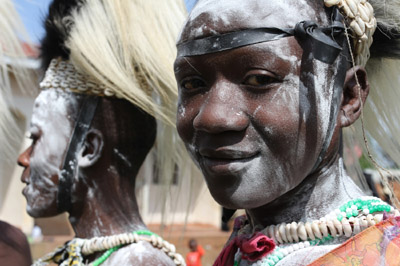
The Bakiga people are one of the major cultural groups living around Bwindi, historically associated with intensive agricultural systems adapted to steep highland terrain. The Batwa people have an especially deep historical relationship with the forests of southwestern Uganda as traditionally forest-dependent hunter-gatherers with extensive knowledge of plants, wildlife and forest environments.

A good cultural safari avoids presenting communities as if they exist outside modern Uganda. Batwa and Bakiga families today participate in education, agriculture, employment and tourism — and that balance between heritage and contemporary life is one of the most interesting aspects of a genuine encounter.

Plan Your Cultural Safari

Why Choose a Buhoma Cultural Safari?

Community Beside the Forest

Buhoma is especially suitable for cultural tourism because the community and national park exist side by side. Visitors can leave their lodge and quickly move between forest-edge environments, farms, villages and small community businesses.

Bakiga Highlands Life

Learn how Bakiga communities cultivate steep hillsides with bananas, beans, maize and coffee — and how household traditions, food and music shape life around Bwindi.

Batwa Forest Heritage

Responsible Batwa programs interpret historical forest knowledge — finding food, useful plants, fire-making and shelter — while recognising that contemporary families live fully in modern Uganda.

Coffee, Crafts & Food

Follow coffee from plant to cup, purchase baskets and jewellery from women’s groups, and share matooke, beans and groundnut sauce with local hosts.

Responsible Gorilla Tourism

Gorilla conservation creates jobs through guiding and lodges; cultural experiences spread those benefits further when travelers hire local guides and buy crafts directly.

Pair with Trekking & Birding

Arrange culture before or after gorilla trekking, or on a separate day — and combine with Bwindi birding and forest nature walks for a fuller stay.

Village Walks & What to Expect

A Buhoma village walk is one of the easiest ways to explore local life. Routes can pass farms, homes, craft centers, schools and community organizations. A local guide explains how residents earn livelihoods and how gorilla tourism has influenced the area.

Walking allows visitors to slow down and have genuine conversations — far more informative than simply observing villages from a safari vehicle.

Agriculture is central to local life. Common crops include bananas, beans, maize, cassava, sweet potatoes and vegetables; coffee is also grown in parts of the region. Farmers may explain planting, harvesting and soil management on intensive small plots across steep terrain.

A Buhoma coffee experience may allow visitors to follow coffee from plant to cup — seeing cherries, learning how beans are processed and participating in roasting or grinding. Freshly brewed coffee provides a rewarding conclusion.

Food experiences help visitors connect farming with everyday life. Meals may include matooke, beans, groundnut sauce, cassava, vegetables and locally available meat. Banana brewing demonstrations can introduce agricultural and social traditions without requiring alcohol tasting.

Music and dance — energetic Bakiga performances and Batwa songs and storytelling — become cultural education when guides explain context rather than treating performances only as entertainment.

Responsible operators arrange visits with communities that have agreed to receive travelers and where tourism income benefits residents directly.

Typical Cultural Activities

  • Guided Buhoma village walk with a local host
  • Batwa heritage program and forest interpretation
  • Bakiga farming, food and household traditions
  • Coffee tours from plant to cup
  • Craft demonstrations and women’s group purchases
  • Traditional music, dance and storytelling
  • Conversations on gorilla tourism and conservation
  • Optional birding or forest nature walks
Plan a Cultural Day in Buhoma

Cultural Experiences Around Buhoma

A Buhoma cultural safari can include several complementary experiences. Exact programmes vary by community partner — responsible arrangements emphasise genuine interaction over hurried tourist performances.

Buhoma

Bakiga Culture

Explore Bakiga food, agriculture, dance, music and household traditions shaped by intensive highland farming on steep cultivated hillsides around Bwindi.

Setting Highland villages & farms
Where Buhoma & Kigezi region
Timing Guided interpretation
Ask to include this
Bakiga Culture
Buhoma

Batwa Heritage & Forest Experience

Community guides may demonstrate historical methods of finding food, identifying useful plants, making fire or constructing temporary shelters — interpreting heritage without pretending families live outside modern society.

Setting Forest-edge heritage
Where Buhoma communities
Timing 2–3 hours typical
Ask to include this
Batwa Heritage & Forest Experience
Buhoma

Buhoma Village Walk

Pass farms, homes, craft centres, schools and community organisations while learning how gorilla tourism shapes local livelihoods.

Setting Villages & trading spots
Where Around Buhoma sector
Timing 1–3 hours typical
Ask to include this
Buhoma Village Walk
Buhoma

Coffee Tours

Follow coffee from cherry to cup with local farmers — processing, roasting, grinding and tasting that puts extra value in growers’ hands.

Setting Coffee gardens
Where Buhoma hillsides
Timing Seasonal & local
Ask to include this
Coffee Tours
Buhoma

Local Food & Banana Brewing

Share matooke, beans and groundnut sauce; learn how bananas are cooked or used in traditional beverages as an introduction to agricultural and social traditions.

Setting Homestead kitchens
Where Community partners
Timing Ideal for families
Ask to include this
Local Food & Banana Brewing
Buhoma

Crafts, Music & Traditional Medicine

Baskets, mats, bags and jewellery from women’s groups; Bakiga and Batwa music; herbal knowledge presented as cultural education, not medical advice.

Setting Craft & gathering spaces
Where Buhoma communities
Timing Souvenirs with story
Ask to include this
Crafts, Music & Traditional Medicine
Buhoma

Conservation & Human–Wildlife Reality

Discuss how gorilla tourism creates jobs while crop-raiding wildlife can feel like an economic risk to farmers — essential context for long-term Bwindi conservation.

Setting Forest edge
Where Buhoma & Bwindi boundary
Timing Culture + conservation
Ask to include this
Conservation & Human–Wildlife Reality
Ask Us to Arrange These Experiences

Combining Culture with Buhoma Wildlife

One of the greatest advantages of a Buhoma cultural safari is how easily it pairs with gorilla trekking, birding and a classic southwestern Uganda circuit.

Gorilla Trekking + Afternoon Culture

Gorilla Trekking + Afternoon Culture

Trek a habituated gorilla family in the morning, then slow down for a village walk, Batwa heritage program, coffee tour or shared meal that shows how the same landscape supports people.

Best for: Classic Buhoma itineraries

Birding + Community Time

Birding + Community Time

Buhoma is an excellent base for Albertine Rift endemic and forest birding. Combine bird walks with cultural visits for travellers who want both natural and community landscapes.

Best for: Birders & nature travellers

Buhoma + Queen Elizabeth Circuit

Buhoma + Queen Elizabeth Circuit

Continue through the Ishasha sector for tree-climbing lions, then savannah wildlife — pairing forest primates, culture and classic game viewing.

Best for: 3–5+ night southwestern Uganda

Cultural Safari for Families

Families can enjoy community walks, crafts and food experiences. Children who are too young for gorilla trekking can participate in selected cultural activities — making Buhoma useful for multi-generational Uganda safaris.

Meeting local hosts and learning simple greetings can make Uganda feel more immediate than observing wildlife alone — when parents prepare young travellers to behave respectfully.

Couples and honeymooners also find Buhoma rewarding: intimate lodges, forest scenery and a private community walk or coffee experience add meaning beyond the trek.

Ask your safari planner for family-friendly community visits with clear photography and gift guidelines. Check gorilla trekking age rules separately.

Plan a Family Cultural Safari

Best Time for a Buhoma Cultural Safari

Buhoma can be visited throughout the year. Cultural activities remain available year-round and are not tied to a narrow seasonal window.

The drier months are popular because trekking trails may be less slippery. However, Bwindi is a rainforest, and rain can occur at any time.

  • Drier periods Easier trekking and village walking conditions; popular for combining gorilla permits with community visits.
  • Greener months Lush forest scenery and excellent photography. Cultural activities and birding remain rewarding despite occasional rain.
  • Year-round culture Community programmes operate throughout the year — book in advance when pairing with gorilla permits and Buhoma lodges.

How Long & How to Plan

Two nights is common for travelers focused on a single gorilla trek. Three nights is preferable when cultural activities are important — an extra day allows visitors to enjoy the community without rushing after a demanding trek.

A simple village visit may take one to two hours; a more immersive Batwa heritage, coffee, food and craft day can occupy half a day or longer.

When planning your Buhoma cultural safari, choose themes that match your interests — Batwa heritage, Bakiga village walks, coffee, crafts, local food, forest walks and birding.

A tailor-made itinerary can combine them seamlessly with Bwindi gorilla trekking. After Buhoma, many travelers continue to Queen Elizabeth National Park, Lake Bunyonyi, or onward toward Rwanda.

Tell your safari planner how deeply you want to engage with local culture so the right community partners and overnight bases are chosen.

Adventure in the Wild Safaris can match you with community partners where fees and craft purchases support residents directly.

Browse Uganda Safaris

Responsible Cultural Tourism & Photography

Responsible cultural tourism should create value for both visitors and host communities. Choose programs where community members participate directly and tourism income benefits residents.

  • Always request permission before photographing people — do not assume paying for a cultural activity gives unrestricted photography rights.
  • Spend time speaking with residents before focusing on photography; your guide can facilitate permission.
  • Avoid distributing money, sweets or gifts directly to children.
  • If you wish to support a school or development initiative, use an established channel recommended by your operator.
  • Purchase crafts directly from artisans and pay fair prices.
  • Use local guides and community-managed activities so tourism income reaches households.
  • Present Batwa and Bakiga heritage respectfully — as living culture, not a performance frozen in the past.

When visitors wish to support schools or community initiatives, contributions are generally better coordinated through established projects or community representatives.

What to Wear & Pack

For gorilla trekking in Bwindi, bring hiking boots, long trousers, long sleeves, rain gear, gloves and a small backpack. For cultural walks, comfortable modest clothing is suitable.

  • Comfortable closed shoes for village paths and countryside walks
  • Lightweight trousers or skirts and shirts that protect against the sun
  • Hat, sunscreen, drinking water and insect repellent
  • Rain jacket — Bwindi weather can change quickly
  • Binoculars for birding around Buhoma
  • A light layer for cooler highland mornings and evenings

Dress comfortably and respectfully while allowing local people to present their culture on their own terms. There is no need to imitate traditional clothing.

Getting to Buhoma

Buhoma is the northern entrance to Bwindi Impenetrable National Park. Cultural visits are usually arranged from nearby lodges and camps.

  • By road from Kampala / Entebbe Most travelers reach Buhoma overland as part of a southwestern Uganda safari, often combining Queen Elizabeth or Kibale en route.
  • With gorilla trekking Community activities are commonly timed before or after the trek, or on a rest day, so culture fits naturally around permit schedules.
  • From lodge Your guide coordinates with neighbouring community partners so visits do not feel rushed between transfers and the forest.

Tell us your preferred depth of cultural engagement when you enquire so we can recommend the right bases and partners.

Where to Stay for Cultural Access

Choosing a Buhoma lodge that works with neighbouring communities significantly improves cultural access.

Suggested Uganda Tours

View All Uganda Safaris

Buhoma Cultural Safari FAQs

What is included in a Buhoma cultural safari?

Activities may include a guided village walk, Batwa heritage interpretation, Bakiga farming and food experiences, coffee tours, crafts, music or storytelling, and conversations about conservation. Exact programmes depend on the community partner.

How long does a community visit take?

A simple village visit often lasts one to two hours. More immersive Batwa, coffee, food and craft experiences can take half a day or longer. Allow enough time so the visit does not feel rushed after gorilla trekking.

Can we combine culture with gorilla trekking?

Yes. A common pattern is gorilla trekking plus an afternoon or next-day community activity. Three nights in Buhoma works well when culture is a priority.

Is there a best season for cultural visits?

Cultural experiences can be arranged year-round. Drier periods are easier for walking and trekking; rain can occur any time in this rainforest.

May we take photographs?

Always ask first. Permission is especially important for close portraits, interiors of homes and photographs of children.

How do we travel responsibly?

Choose community-organised visits with clear benefits for residents, buy crafts directly where possible, avoid gifts to children, and coordinate donations through established channels.

Is a cultural safari suitable for families?

Yes — village walks, crafts and food are often engaging for children, including those too young for gorilla trekking. Check gorilla age rules separately.

Ready for a Richer Buhoma Journey?

Add a Cultural Safari to Your Uganda Itinerary

Tell us your dates, travel style and how deeply you want to engage with communities around Buhoma — Adventure in the Wild Safaris will weave Batwa heritage, village walks, coffee and gorilla trekking into one seamless trip.

  • Trusted Local Experts
  • Tailor-Made Itineraries
  • Memorable & Responsible Travel
Back To Top
Request Quote WhatsApp