Uganda in One City
Regional diversity of languages, food and communities makes Kampala an introduction not only to the capital but to Uganda as a whole.


A cultural safari in Kampala is one of the best ways to understand Uganda beyond its national parks — revealing royal history, Buganda traditions, markets, food, arts and everyday urban life in the country’s political, commercial and cultural heart.
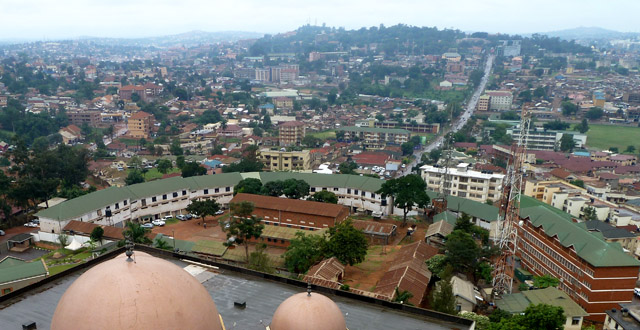
A cultural safari in Kampala is one of the best ways to understand Uganda beyond its national parks, mountain gorillas and famous wildlife attractions. Kampala is the country’s political, commercial and cultural heart — a vibrant capital built across rolling hills where historic kingdoms, religious landmarks, traditional markets, contemporary neighborhoods, food culture and modern African city life exist side by side.
For many visitors, Kampala is the starting or finishing point of a longer Uganda safari, yet travelers who simply drive through miss an important part of the country’s story. A thoughtfully planned Kampala cultural safari reveals Uganda’s royal history, the traditions of the Buganda Kingdom, religious diversity, colonial and post-independence heritage, local cuisine, markets, arts, music and everyday urban life.
Kampala is particularly valuable because people from virtually every region of Uganda live and work in the city. Although the capital lies within Buganda’s traditional territory, communities from northern, eastern, western and southwestern Uganda have contributed to its character — visible in languages, food, clothing, music and market products.
Learning about the Kabaka, clan structures and royal traditions makes subsequent visits throughout central Uganda more meaningful. Sites such as the Kasubi Royal Tombs, the Kabaka’s Palace area and Bulange demonstrate that traditional institutions remain part of Uganda’s contemporary cultural landscape.
Unlike a conventional wildlife safari, a cultural tour encourages interaction — walking neighborhoods, meeting traders and craftspeople, tasting Ugandan foods and learning how traditions continue to influence contemporary life.
Plan Your Cultural Safari
Depending on available time, visitors can undertake a half-day cultural excursion, a full-day Kampala city tour, or several days before continuing to the national parks.
A guided visit to the Kasubi Royal Tombs is particularly valuable — traditional building methods, royal customs and clan responsibilities cannot be understood simply by looking at structures. Approach sacred places respectfully and follow photography instructions.
The Uganda Museum provides ethnographic background useful before visiting Bakiga, Banyankole, Basoga, Acholi, Karamojong, Batoro and other communities later on safari.
Markets introduce daily commercial life — tropical fruits, matooke, spices and textiles. Downtown energy around Owino Market is intense; explore with an experienced local guide and keep belongings secure.
No cultural safari in Kampala is complete without Ugandan food — matooke, cassava, posho, fresh fish and the Rolex. Craft markets may sell woven baskets, bark cloth, jewellery and carvings; ask about locally handmade versus imported souvenirs.
Neighborhood walks reveal ordinary urban life rarely seen from a vehicle. Responsible community tourism requires guides with genuine local relationships and meaningful benefits for residents.
A Kampala cultural safari can combine royal heritage, religion, markets, food, crafts, music and neighborhood life in a remarkably compact area.
Kasubi Tombs, palace-area landmarks and Bulange — clan structures, the Kabaka and traditional institutions in modern Uganda.

Ethnographic objects, instruments and archaeology that prepare travelers for cultural diversity across the country.
Namirembe Cathedral, Rubaga Cathedral, Gaddafi National Mosque and optional Uganda Martyrs heritage at Namugongo.
Produce markets and downtown commercial intensity — observe how food moves from agricultural regions into the capital.
Matooke, groundnut sauce, regional dishes and the chapati-and-omelet street-food classic on a guided food tour.
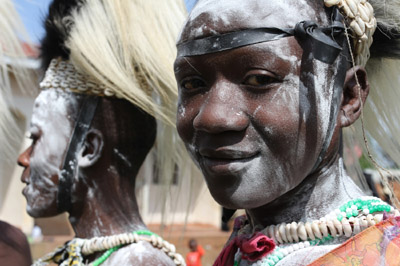
Handmade crafts and bark cloth with Buganda ceremonial roots; traditional dance and Kampala’s contemporary music scene with context.
Ordinary urban life plus colonial and independence landmarks that explain how the modern capital emerged.
Kampala pairs easily with Entebbe, Jinja and every major Uganda wildlife circuit.
Royal sites, museum, markets and food fitted around arrivals, departures and traffic — morning starts often work best.
Best for: Pre/post-safari days

Pair Buganda urban culture with lakeside Entebbe or Source of the Nile experiences for a richer start or finish.
Best for: Urban–river extensions
Continue north to Ziwa and Murchison, west to Kibale and Queen Elizabeth, or southwest to Bwindi for gorilla trekking.
Best for: Classic Uganda circuits
A cultural safari in Kampala can be an excellent addition to a Uganda family safari. Children can enjoy market visits, food tasting, craft demonstrations, music and interactive museum experiences.
City activities are flexible — families can choose shorter visits rather than an entire day of historical sites.
A cultural experience before the parks helps children understand that Uganda is about far more than wildlife.
Ask your safari planner for family-friendly market and museum stops with clear photography guidelines.
Plan a Family Cultural Safari
Kampala can be explored throughout the year. Rainfall can occur at almost any time but rarely prevents an entire cultural itinerary.
Morning departures are often useful before traffic becomes heavier. Travel times vary considerably — itineraries should remain flexible.
A half day covers highlights; a full day allows royal sites, markets and food without rushing. Extra nights suit deeper neighborhood and creative-culture exploration.
Kampala combines with Ziwa and Murchison, Kibale and Queen Elizabeth, Bwindi gorilla trekking, Jinja and the Source of the Nile, or Mabamba shoebill excursions near Entebbe.
Tell your safari planner your flight times and cultural priorities — Buganda heritage, markets, food, faith sites or a balanced mix.
Adventure in the Wild Safaris can design a Kampala day that matches your flights and onward safari.
Browse Uganda Safaris
Responsible tourism begins with respectful interaction. Follow guide instructions at royal and religious sites.
Buying locally is one of the most effective ways visitors can support Kampala’s economy.
Lightweight clothing suits most activities; modest dress is recommended for religious and cultural sites.
Follow your guide’s advice on valuables and photography in busy markets.
Kampala is usually explored with a private guide and vehicle so sites, markets and food stops fit around traffic.
Tell us your arrival time and safari direction when you enquire.
Central and hilltop hotels make royal sites, museums and markets easier to reach.
Kampala connects to virtually every major Uganda safari destination plus Jinja and Entebbe.
Pair Kampala culture with Entebbe, Jinja and park experiences.
Cultural Experiences
An Entebbe cultural safari provides a relaxed introduction to Uganda’s people, history and everyday life before or after…
Learn More
Cultural Experiences
A Jinja cultural safari combines the heritage of eastern Uganda with the history, scenery and communities surrounding the…
Learn More
Cultural Experiences
A Murchison Falls cultural safari adds an important human dimension to a journey through Uganda's largest national park…
Learn More
Cultural Experiences
A Ziwa Rhino Sanctuary cultural safari combines one of Uganda's most important wildlife conservation experiences with communities, rural…
Learn MoreActivities may include Buganda royal sites, the Uganda Museum, religious landmarks, markets, food tours, crafts, neighborhood walks and music. Exact programmes depend on time and interests.
A half day covers highlights; a full day is better for royal sites, markets and food without rushing.
Visit with an experienced local guide, keep belongings secure, and focus on respectful observation rather than treating people as attractions.
Year-round. Morning starts help with traffic; carry rain protection.
Always ask first, especially in markets and neighborhoods. Follow rules at royal and religious sites.
Dress modestly at sacred sites, buy locally, use knowledgeable guides, and respect photography boundaries.
Yes — markets, food, crafts and museum visits can be shortened and adapted for children.
Ready to Discover Kampala?
Tell us your dates, flight times and whether you want Buganda heritage, markets, food or a full city day — Adventure in the Wild Safaris will build Kampala culture into your Uganda safari holiday.

